There are two ways to make something simpler. One is to understand it well enough to work out what matters. The other is to bin everything that makes it complicated and hope nobody notices.
I’ve spent much of this week attempting the first approach. Three discovery projects have reached the point where we stop collecting information and start deciding what it means. This involves taking a giant pile of evidence, much of it contradictory, and reducing it to something someone else can reasonably be expected to read, understand and act on.
Too much detail and you’ve produced an expensive filing cabinet. Too little and you’ve produced a confident-looking PowerPoint presentation with scant relationship to reality.
Outside work, I’ve been thinking about the stories we simplify, too. At a digital nomad festival in Morocco, I heard experiences that made the familiar narrative of location-independent work look embarrassingly narrow. I’ve started reading Cory Doctorow on what happens when we optimise work for machines and leave humans to deal with the consequences. And I’ve been writing about an AI industry that’s getting extremely good at making individual employees more productive without necessarily making organisations work any better.
Different examples of the same problem. When we simplify something, who decides what matters? And what happens to everything – and everyone – that doesn’t make the cut?
This week at work
At the start of every discovery project, somewhere around slide six of the kick-off deck, Jon and I show clients a diamond.
It’s the Design Council’s Double Diamond, or at least the first half of it. The shape widens as we explore the problem from every angle we can find: interviews, surveys, analytics, card sorts, the shared drive nobody has opened since 2019 but which contains the definitive version of the communications strategy. Then it narrows again, as we make sense of what we’ve found and work towards a decision.
We warn clients that the widening part will feel messy. It’s meant to. The urge to jump straight to a solution is strong, particularly when somebody has already seen a demonstration of a platform they quite fancy buying. Resisting that urge is much of the job.
What we don’t dwell on is the line down the middle.
This week, three projects reached it at once. Interviews wrapped. Platforms reviewed. Surveys and card sorts done. And the charts. My God, the charts. AI-assisted data visualisation of such exquisite filth that I briefly considered marking the report NSFW.
The widest point of the diamond is also the point where you’re holding the most information you’ll ever have. Then you have to put most of it down.
That’s what synthesis actually is. Not adding things up, but taking things away so the remainder makes sense.
Six themes become five, because two of them were the same theme wearing different hats. A category that everyone insisted was essential turns out to be needed by nobody, because something else already does the job. Another gets a new name, because the old one described the furniture rather than the reason anyone goes looking. Two slides get hidden because they say what the slide before them said, only less well.
Twenty-five people tell you, each with complete confidence, which channel is for what. Unfortunately no two of them agree.
And somewhere in there, a score out of five has halved itself on the journey from spreadsheet to slide. You catch it at the last minute and resolve, again, to stop doing maths after nine at night.
None of this shows up in the finished report. Clients see the five themes, not the sixth one that didn’t make it. They don’t see the hours spent deciding whether something is a finding, a symptom, a cause, an unresolved territorial dispute between two departments, a grudge dating back to the 2018 restructure, or just a thing somebody said very insistently in an interview.
You can put a cover page on a transcript, but it doesn’t make it insight. Although I’ve seen people try.
The right-hand side of the diamond ends in a word we put on the slide in the same size font as all the others, as if it were equally easy: decide. Next week the readouts begin, and the hard part becomes someone else’s.
Also this week
The rest of the week went the other way.
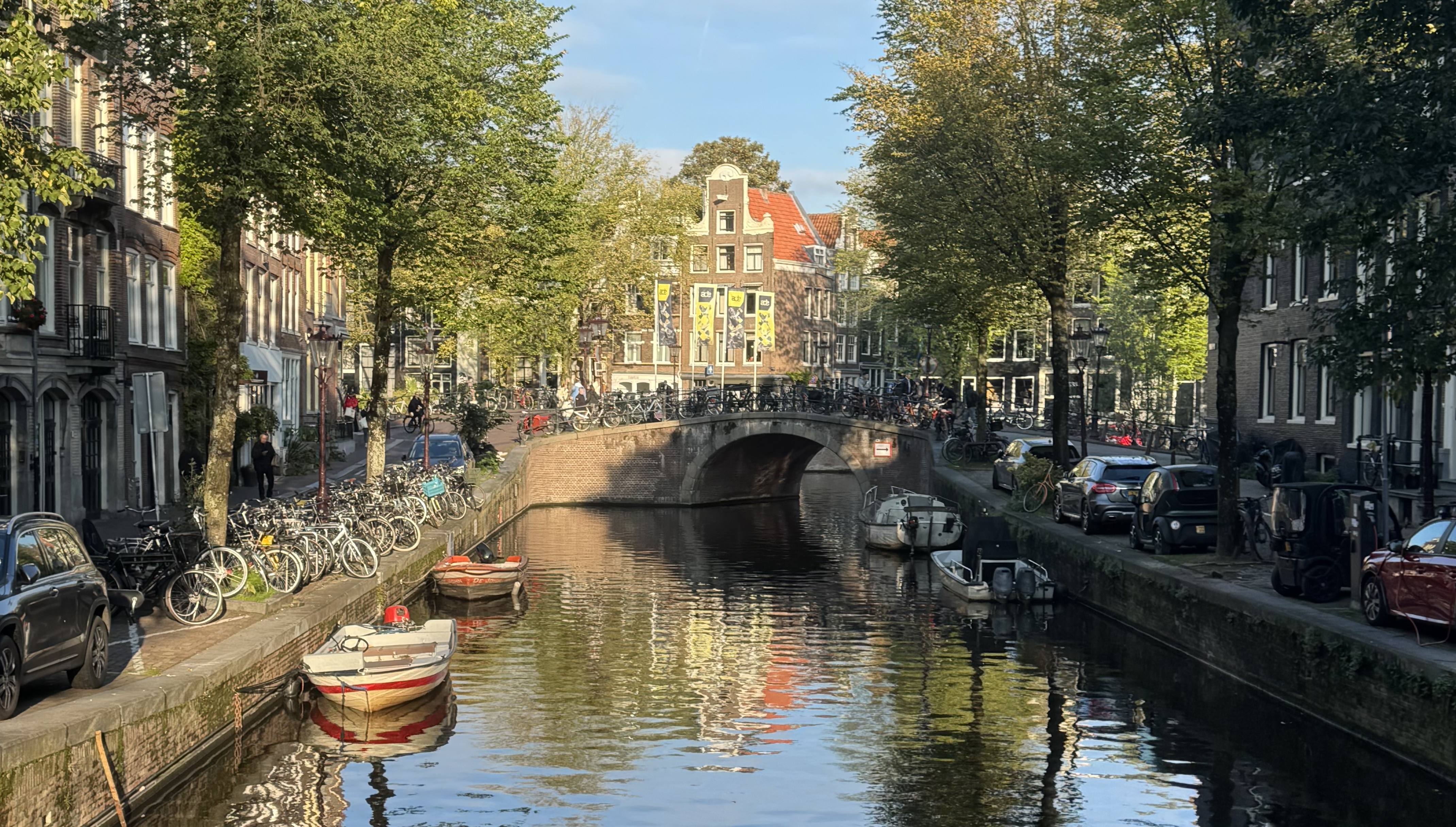
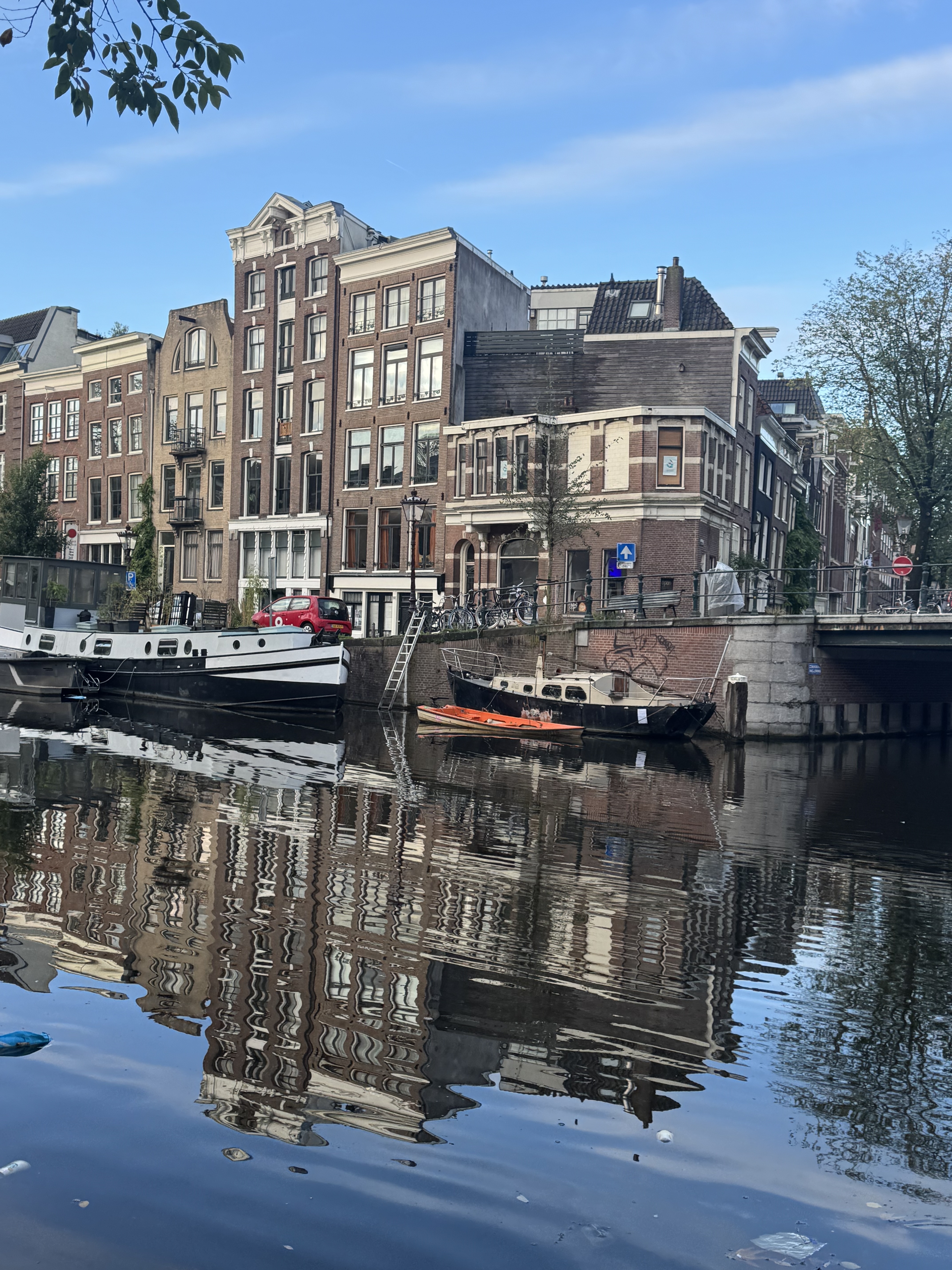
I went to my first digital nomad festival. I spend about half my life on the road, entirely by choice, so I suppose I qualify. But I’ve never quite fitted the digital nomad mould. The usual proposition is to earn a Western salary while living somewhere considerably cheaper. I maintain a home in Amsterdam and an office I use about 40% of the time, while spending half my life travelling. All the inconvenience of a nomadic lifestyle, with the economics of a particularly badly run property portfolio.
I’ve also avoided the events. Too many seem to involve digital nomads selling courses on marketing, personal branding and making money remotely to other digital nomads, who presumably intend to make their money by selling courses on marketing, personal branding and making money remotely to yet more digital nomads. It’s a business model with the structural integrity of a pyramid scheme but considerably better weather.
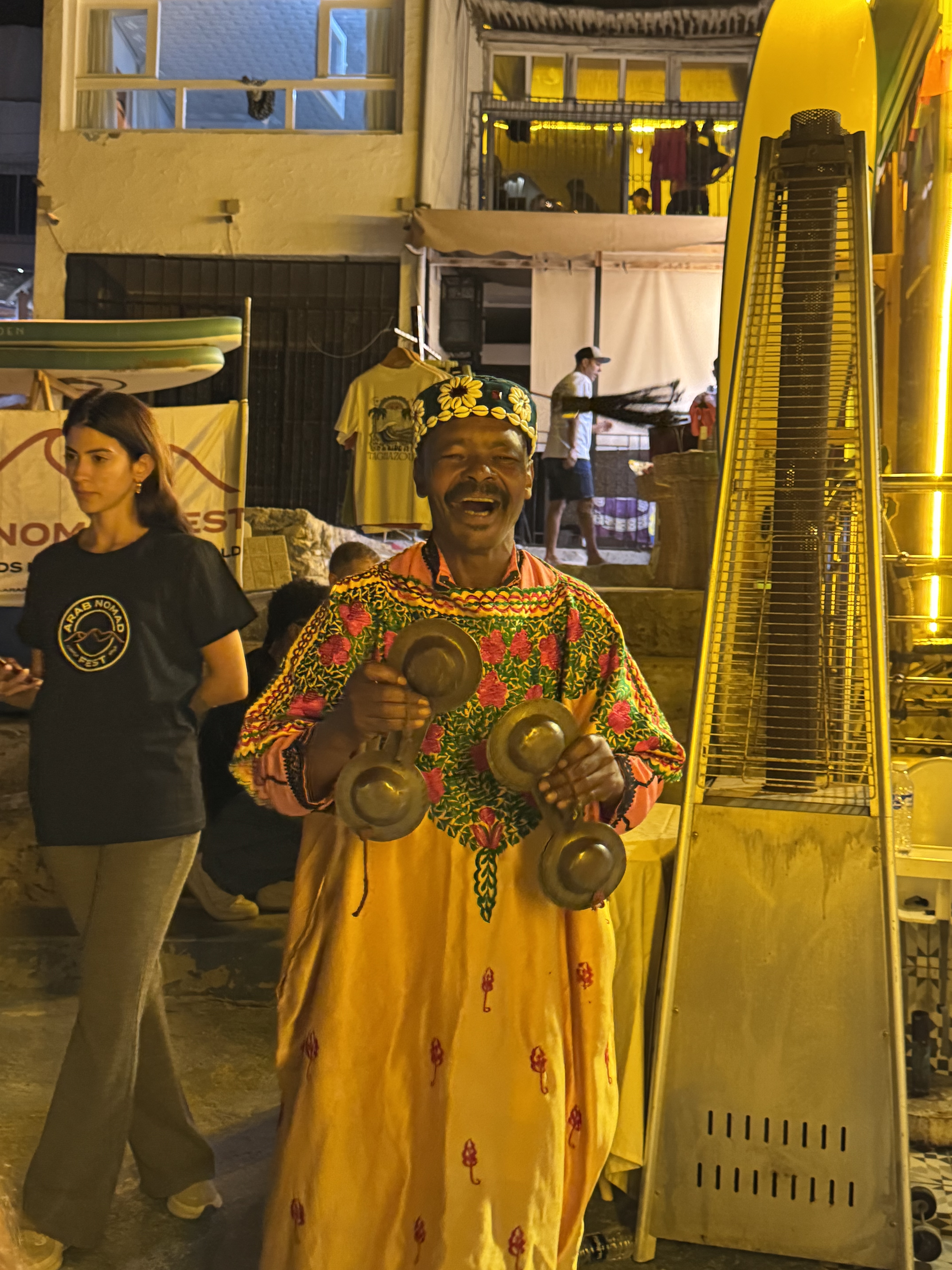
Arab Nomad Fest, in Taghazout, was different. Less about helping privileged graduates speed-run gentrification by taking their European salaries to low-cost beach towns. More about bringing opportunities to people who might otherwise be shut out of them.
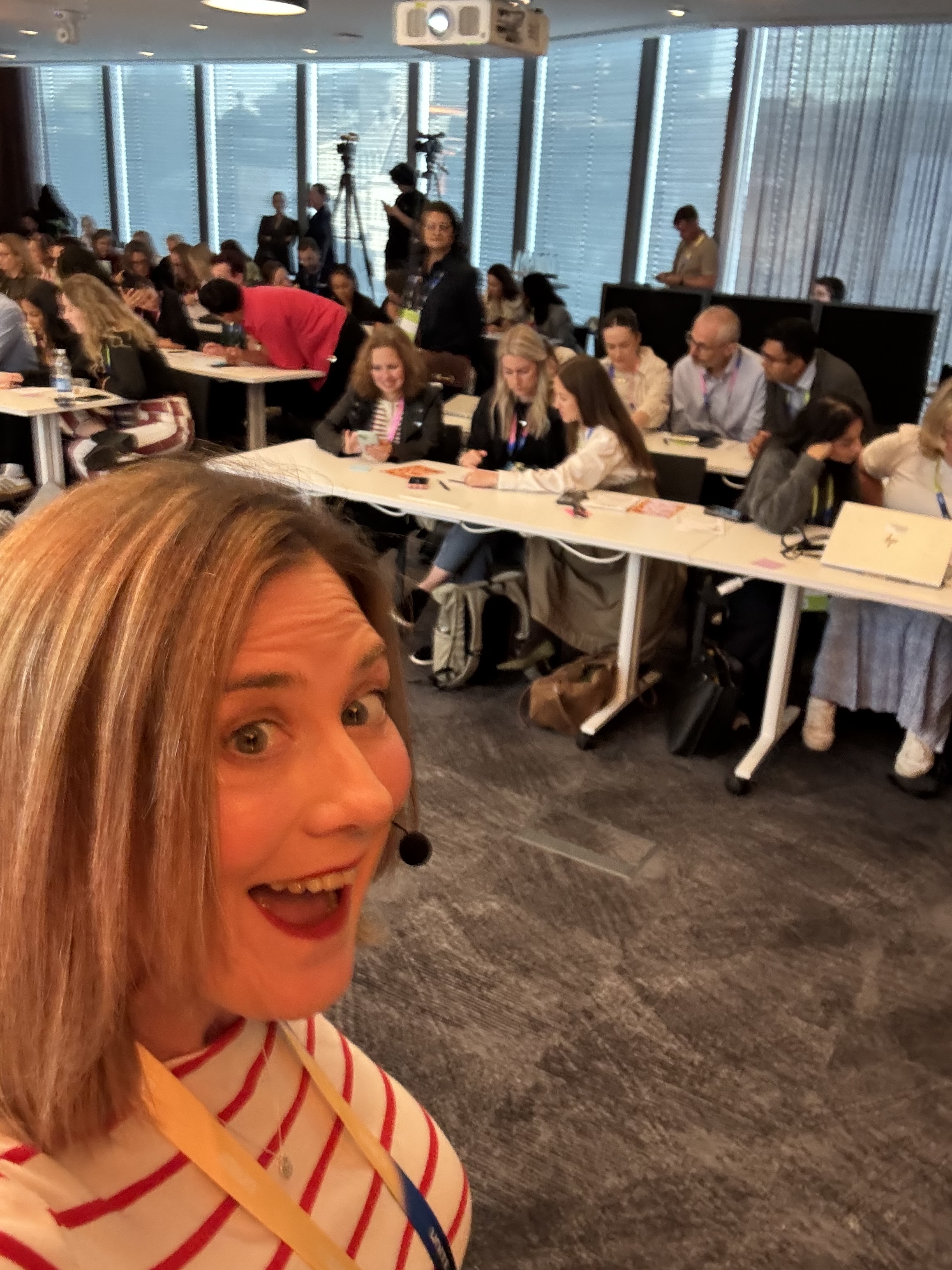
On Tuesday I gave my talk, on working out loud and treating asynchronous work as a discipline rather than a hack. Afterwards, someone thanked me for reframing working across time zones as a strength to sell, instead of a problem to solve.
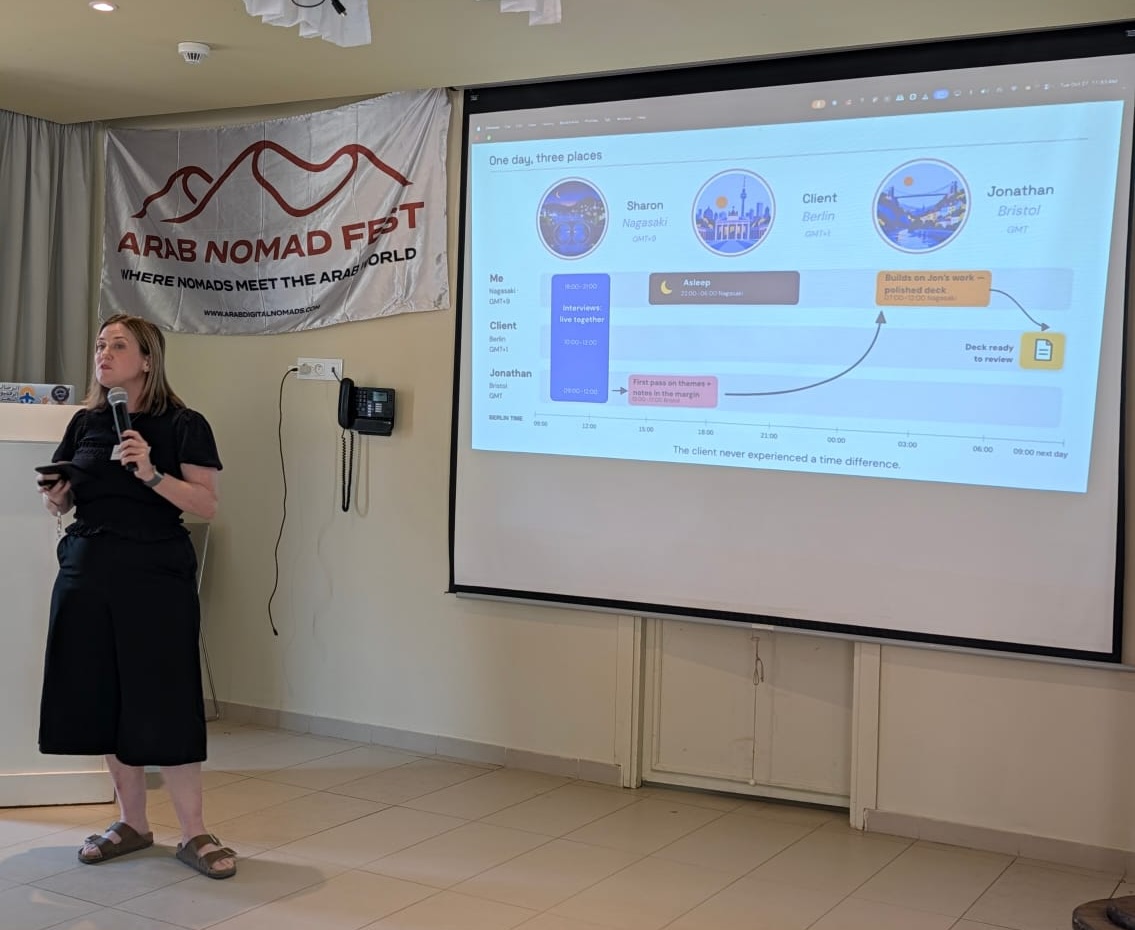
Then I sat back and let other people widen the aperture.
Nasser Saqer Almohannadi has been to 218 countries. He managed this over forty years without quitting his job in Qatar’s energy sector: two big trips a year, carry-on only, printed copies of every document, and a wife who ran the logistics and has passed a hundred countries herself. I’m somewhere short of half his total, and had been feeling quite pleased with myself. He’s completed the game, and my immediate response was to start calculating how many countries a year I’d need to visit to match his score. I’ve turned someone else’s lifetime achievement into a personal performance improvement plan.
Maria Cuesta, who runs a community app for nomads, pointed out that nomads tend to cluster. They find other nomads, work alongside other nomads, and rarely get to know the places they’re actually living in. She talked about Facebook groups with 18,000 members, where the main thing people have in common is that they’ve joined the same Facebook group. That’s a flimsy foundation on which to build a community.
And then there was Arab Nomad Fest founder Muhammed Alard, who grew up in Damascus and talked about the invisible tax of a weak passport. A Syrian passport gets you into just 26 countries without a visa. Every application means weeks of paperwork. Payments don’t go through. Potential clients decide it’s easier not to bother. For most of the room, remote work is a lifestyle choice. For him, it was a means of survival.
“The internet didn’t ask for my passport,” he said. “It asked for my skills.”
Last year he returned to Syria for the first time in fifteen years, and made a film about it.
When he finished speaking, he didn’t try to sell the room a course. He asked us to hire people from places like the one he grew up in.
Consuming
I’ve started Cory Doctorow’s The Reverse Centaur’s Guide to Life After AI. A centaur is a human using a machine to extend their capabilities. A reverse centaur is a machine using a human to extend its own. Same ingredients, different employment prospects.
It’s a useful way of thinking about the increasingly fashionable promise to keep a ‘human in the loop’. This sounds reassuring, conjuring up an experienced professional exercising judgement, asking difficult questions and occasionally pressing a large red button marked STOP. In practice, the human may have neither the authority to challenge the machine, nor the expertise to understand what it’s doing, nor the time to check before the next automated decision arrives.
Congratulations. You’ve created an accountability sink with a login.
I’ve only read the opening chapters, but it’s already made me think differently about the workplace AI conversation. We spend an enormous amount of time asking what can be automated, and considerably less asking who gets to decide, whose work gets better, and who inherits the mess when the machine has finished being efficient.
Coverage
For Strategic, I wrote about why comms has a cope problem.
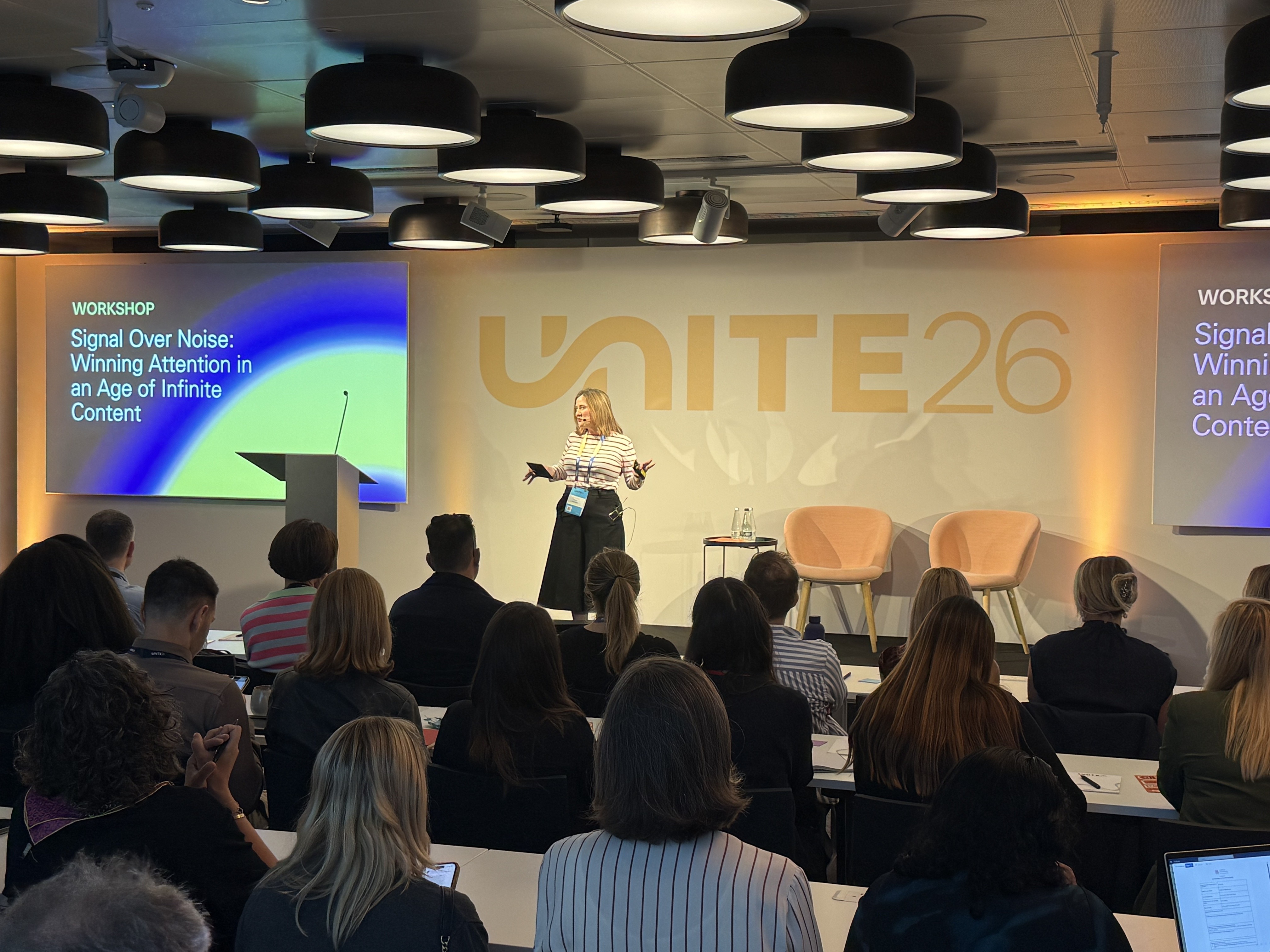
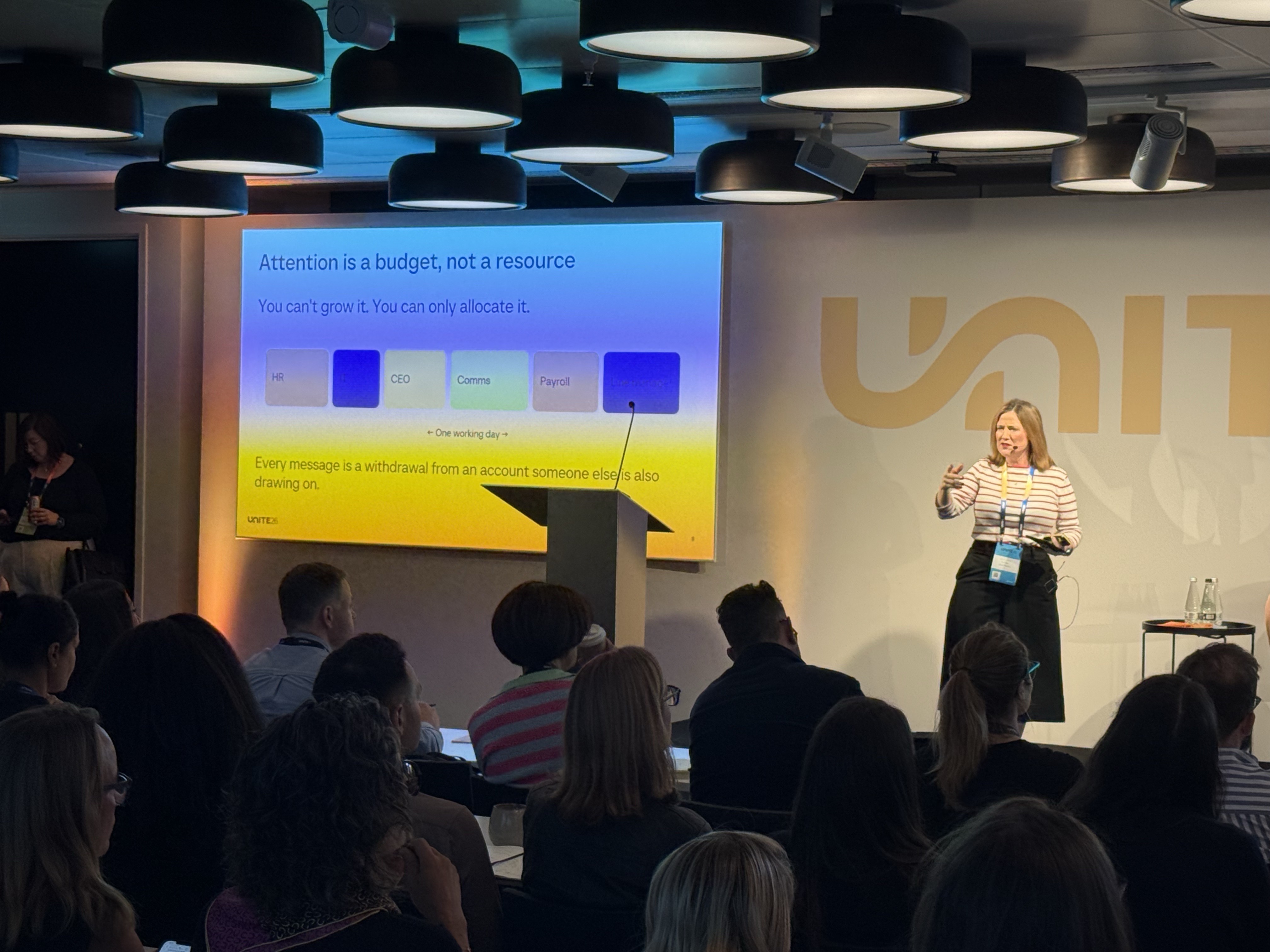
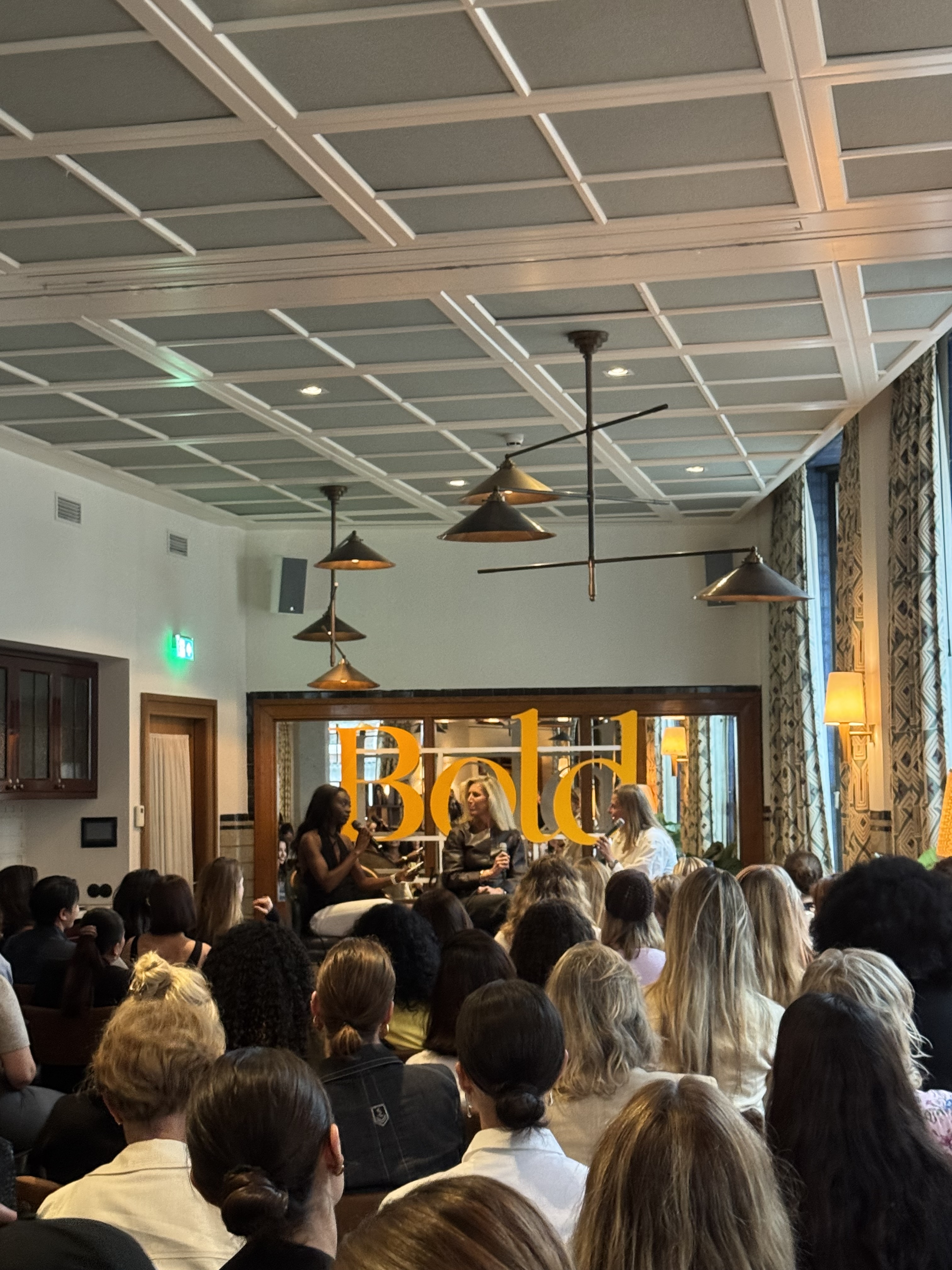
Within three weeks I attended two very different conferences. At Unily Unite in London, the reassurance was everywhere: on panels, in presentations, over coffee. AI might change the tools, but the fundamentals of communication would endure. We’re special smol beans, you see, and our spectacular people skills will protect us from disruption.
At UNLEASH in Paris, among 7,000 HR people, I didn’t hear anything remotely like that. When SAP said its recruiters were now doing 95% less admin, the room applauded.
Same technology. Two professions. One discussing what was already changing, the other reassuring itself that it probably wouldn’t have to.
Of course the purpose of communication doesn’t disappear because we’ve invented new tools. But confusing the enduring purpose of a profession with the permanence of its current jobs, methods and skills is a dangerous mistake. And it’s one thing to tell yourself that comforting story. It’s quite another to stand on a conference stage and encourage thousands of other professionals to believe it too.
We’ve somehow managed to turn professional development into a group therapy session for people who don’t think they need to develop.
The editor told me to let rip. I did, within the bounds of professional decency. But I seem to have kept some in reserve.
Published
Nobody buys shared. Workplace AI is being built to make individuals more productive and processes more efficient. What’s missing is the layer underneath: the shared facts, decisions and understanding that allow an organisation to function as something more than a collection of individually optimised employees, each enjoying a bespoke relationship with their own little robot.
There’s a perfectly good commercial reason for this, if by ‘good’ you mean ‘entirely predictable and deeply unhelpful’. Vendors sell to functions. Functions buy with their own budgets. Shared understanding belongs to everyone, which means nobody has a cost centre for it, a business case to fund it, or a vice-president whose bonus depends on its existence.
Meanwhile, we’re building systems that can give every employee a personalised answer without ensuring they’re all working from the same reality.
Extremely clever parts. Increasingly questionable whole.
Travel
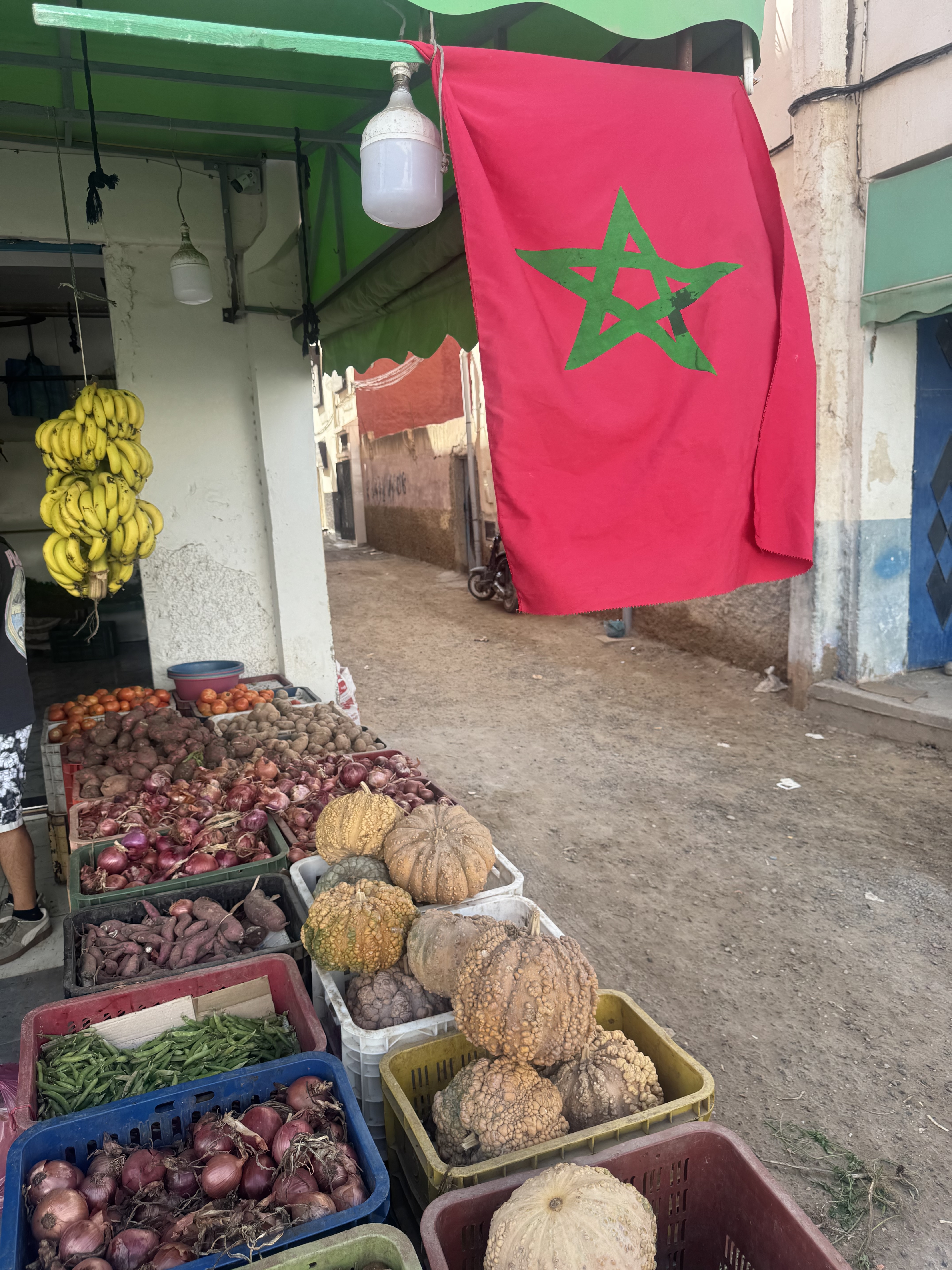
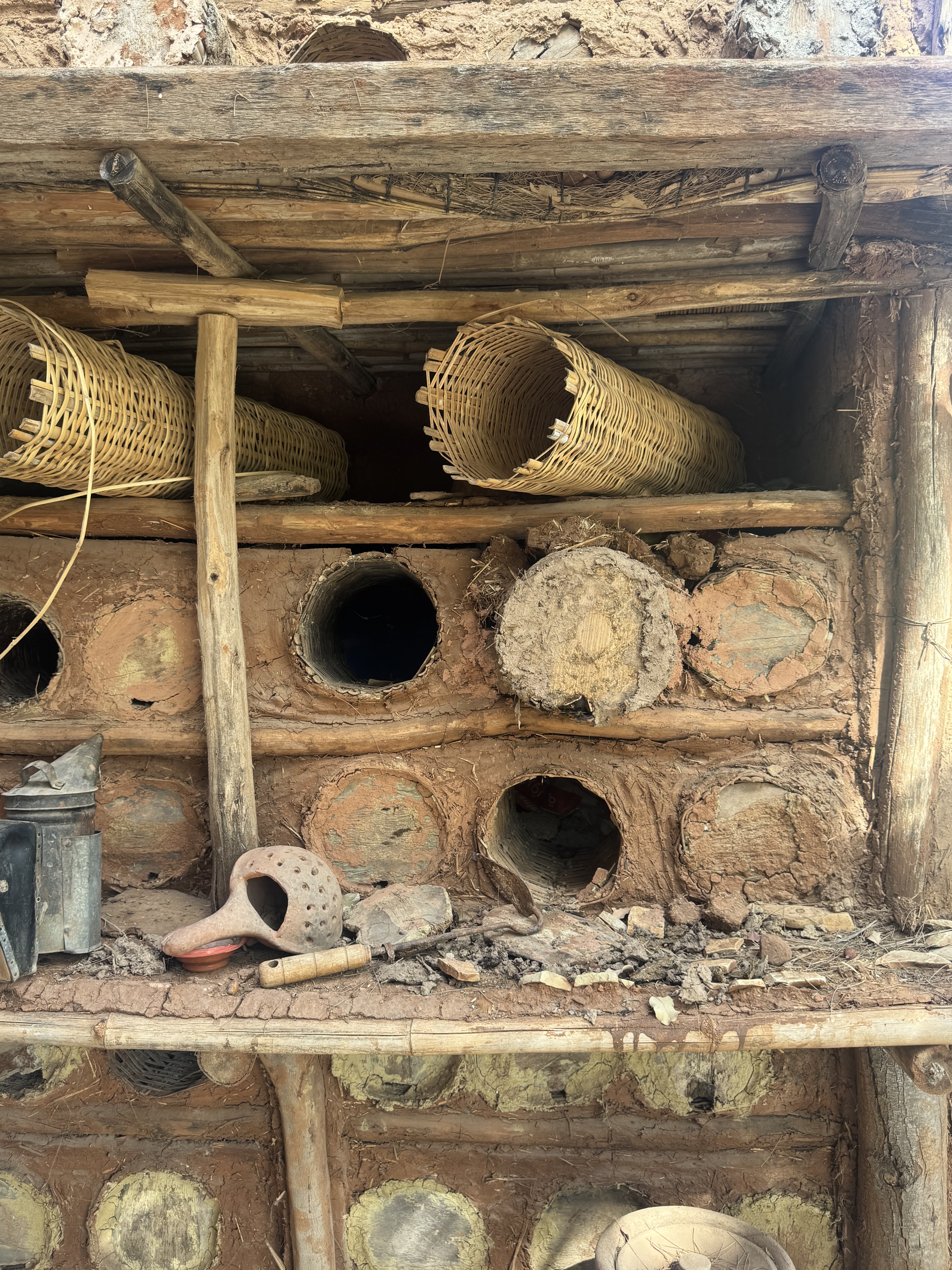
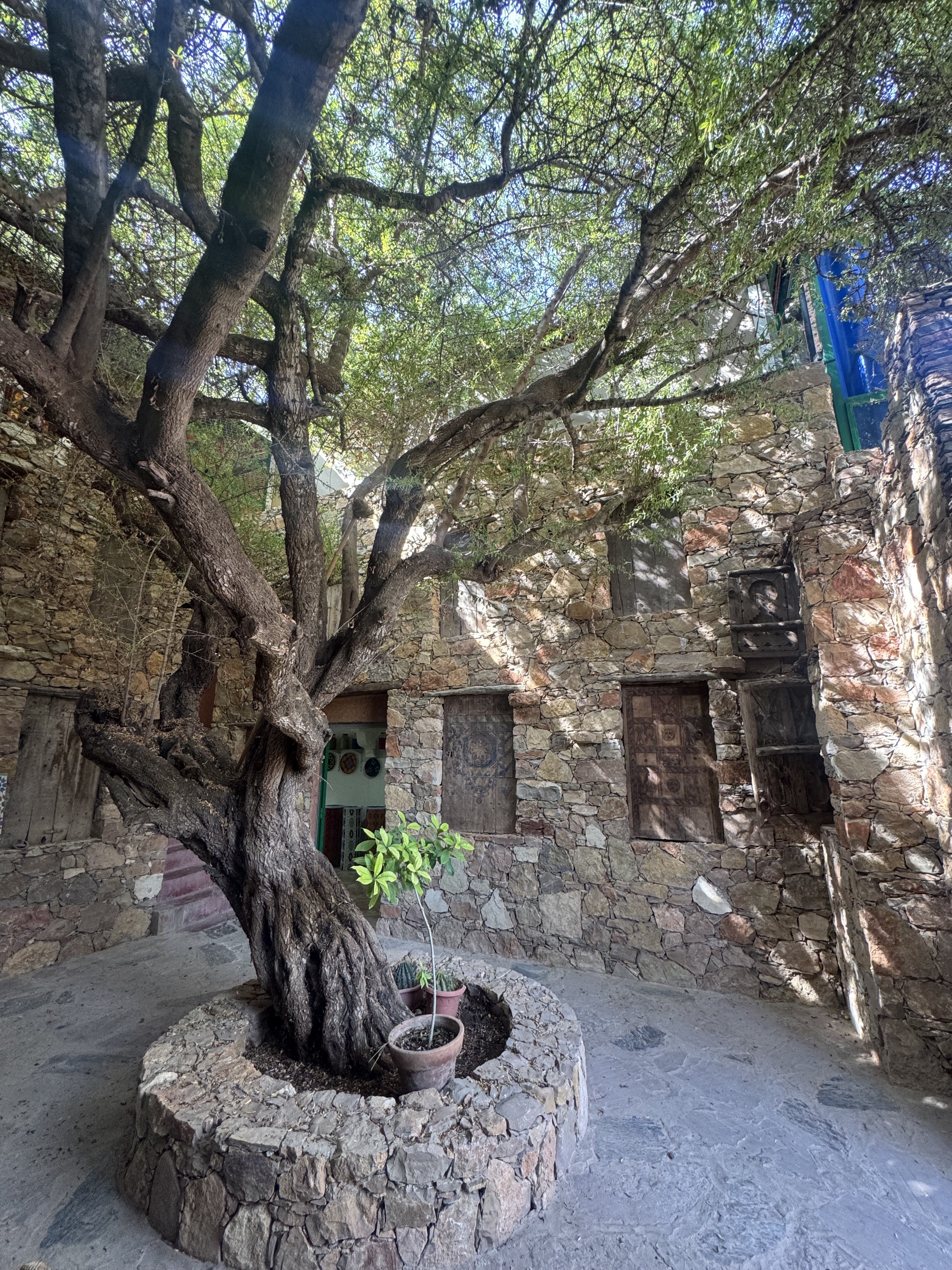
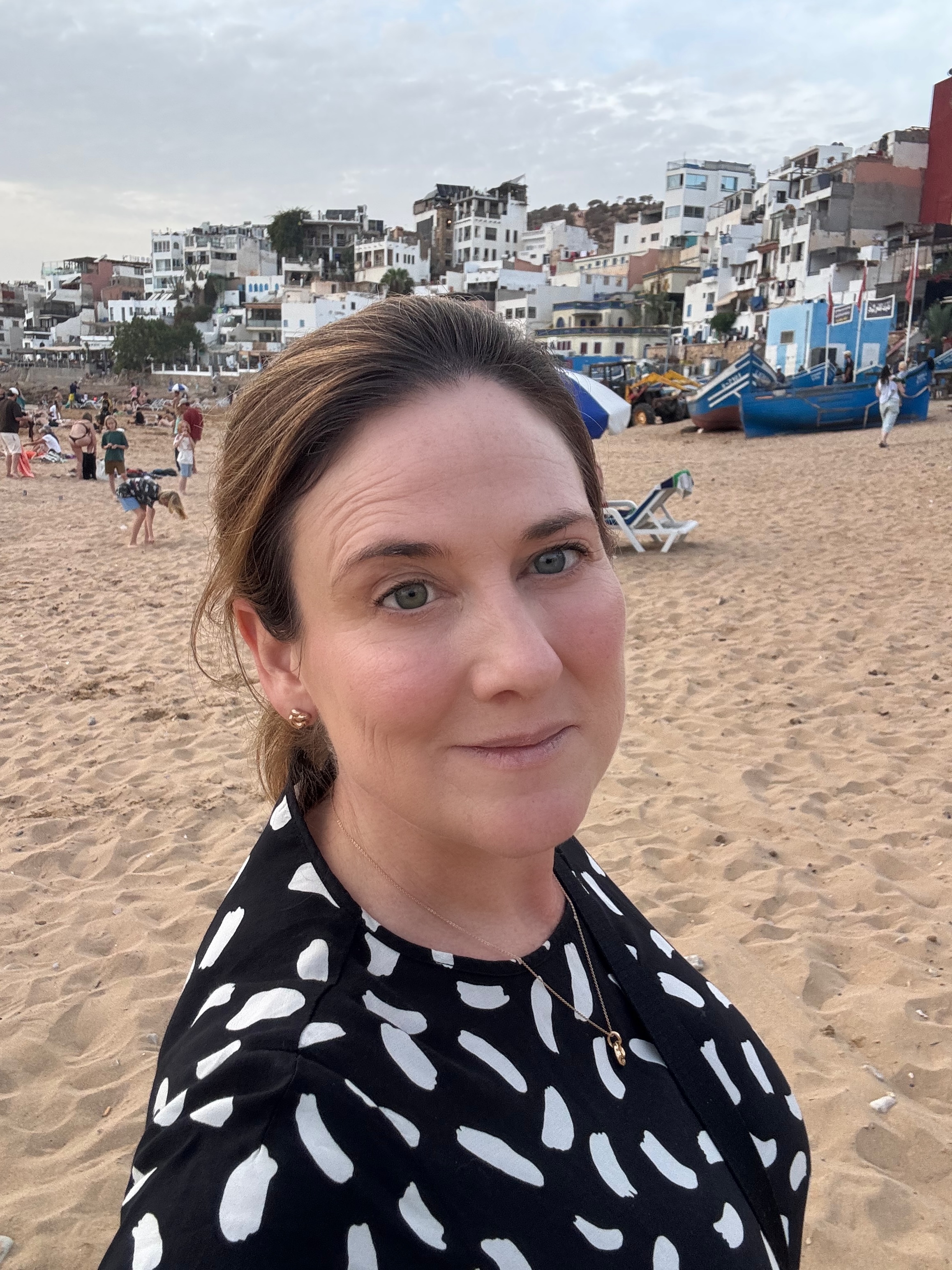
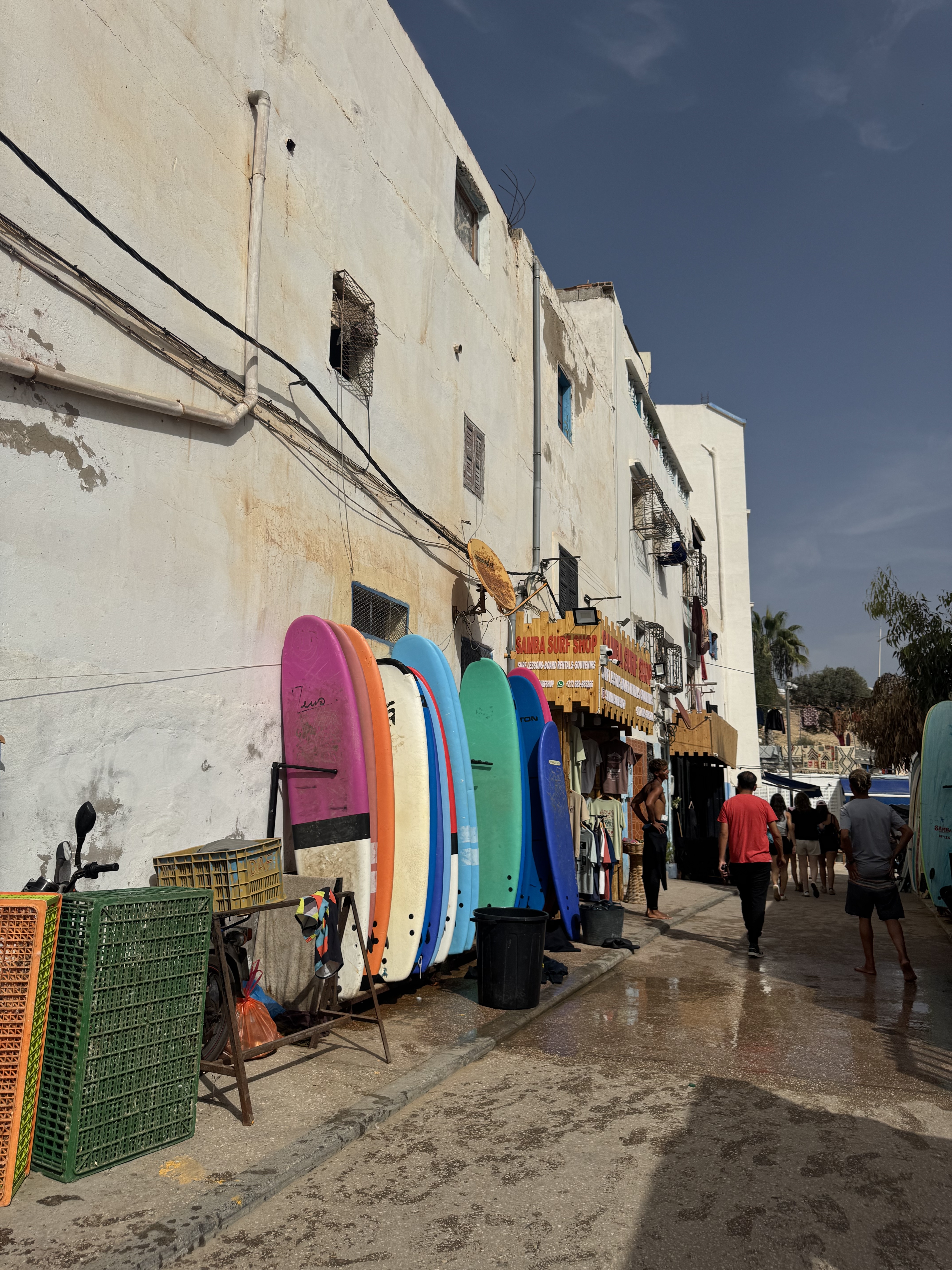
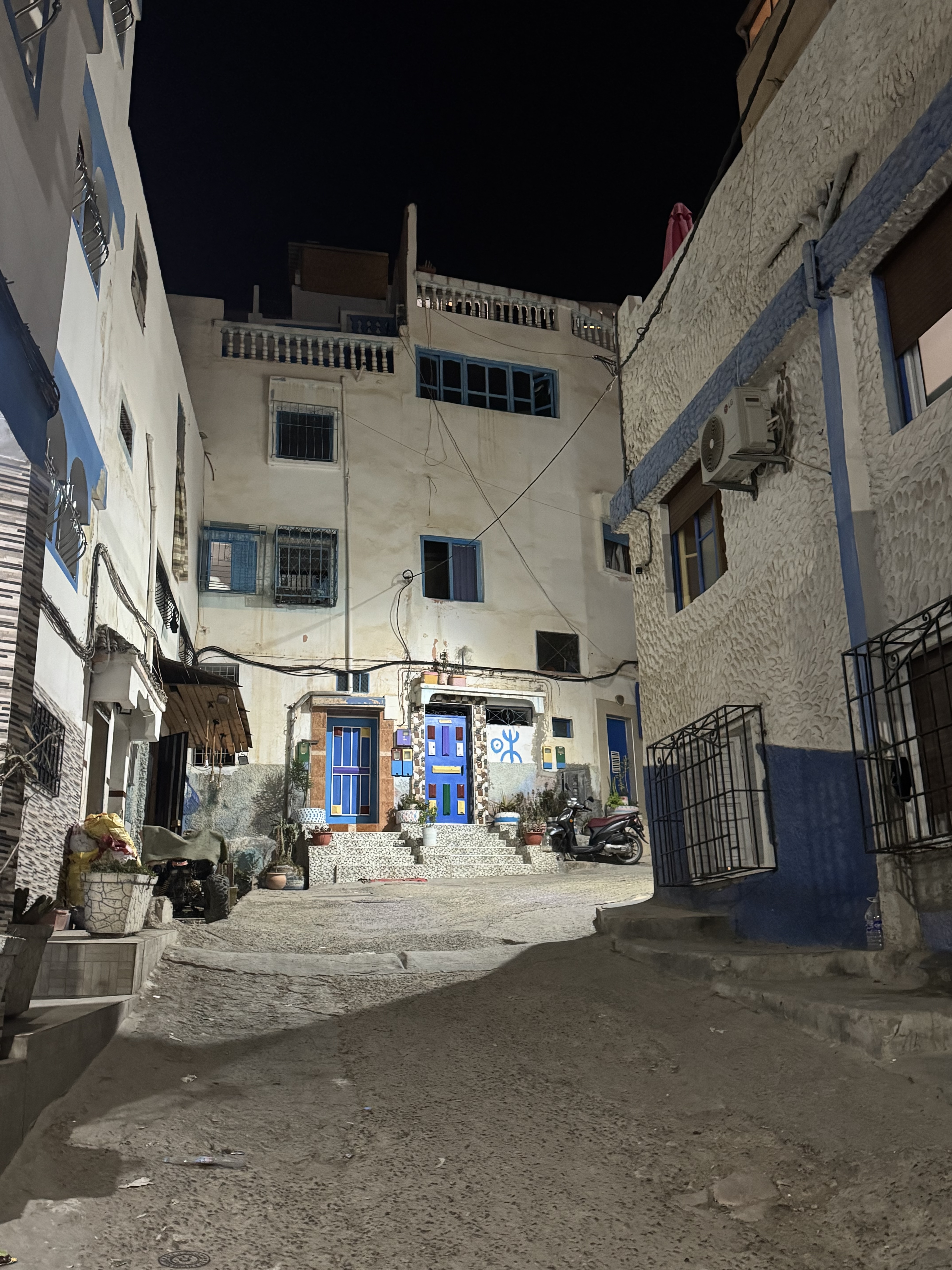
Still in Morocco. Outside the festival, this has been my first proper experience of the country. Sleepy seaside surf towns, cats everywhere, camels, street dogs, and a quantity of tagine that must surely put me on some sort of national register.
One evening I was reading on the roof terrace of my little hostel when the owner came over and announced that I must have dinner with them. I explained that I’d already eaten. He considered this information entirely irrelevant. I’m now familiar enough with Moroccan hospitality to know that further resistance would be both futile and impolite. I was having another tagine whether I liked it or not.
I liked it.
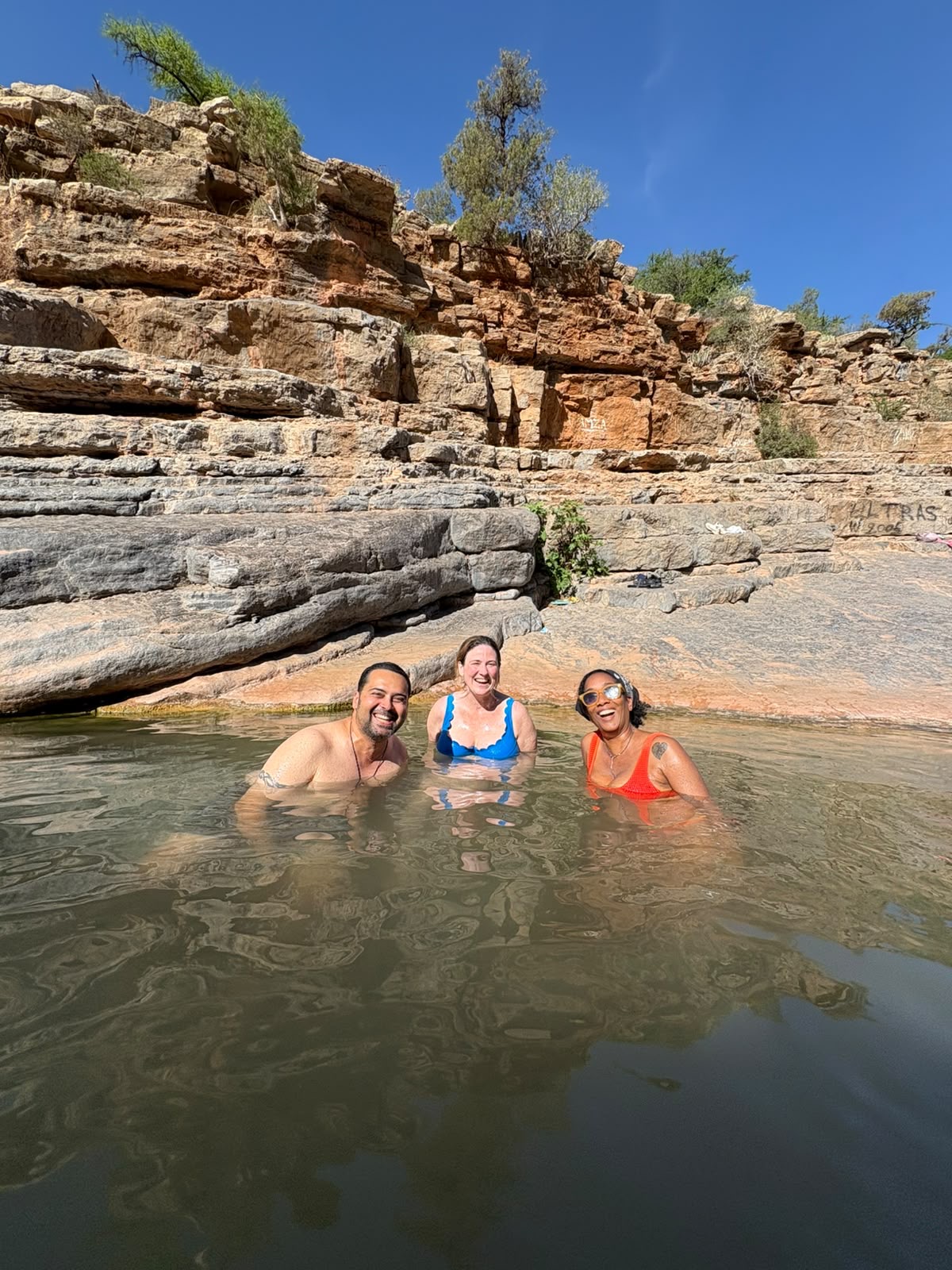
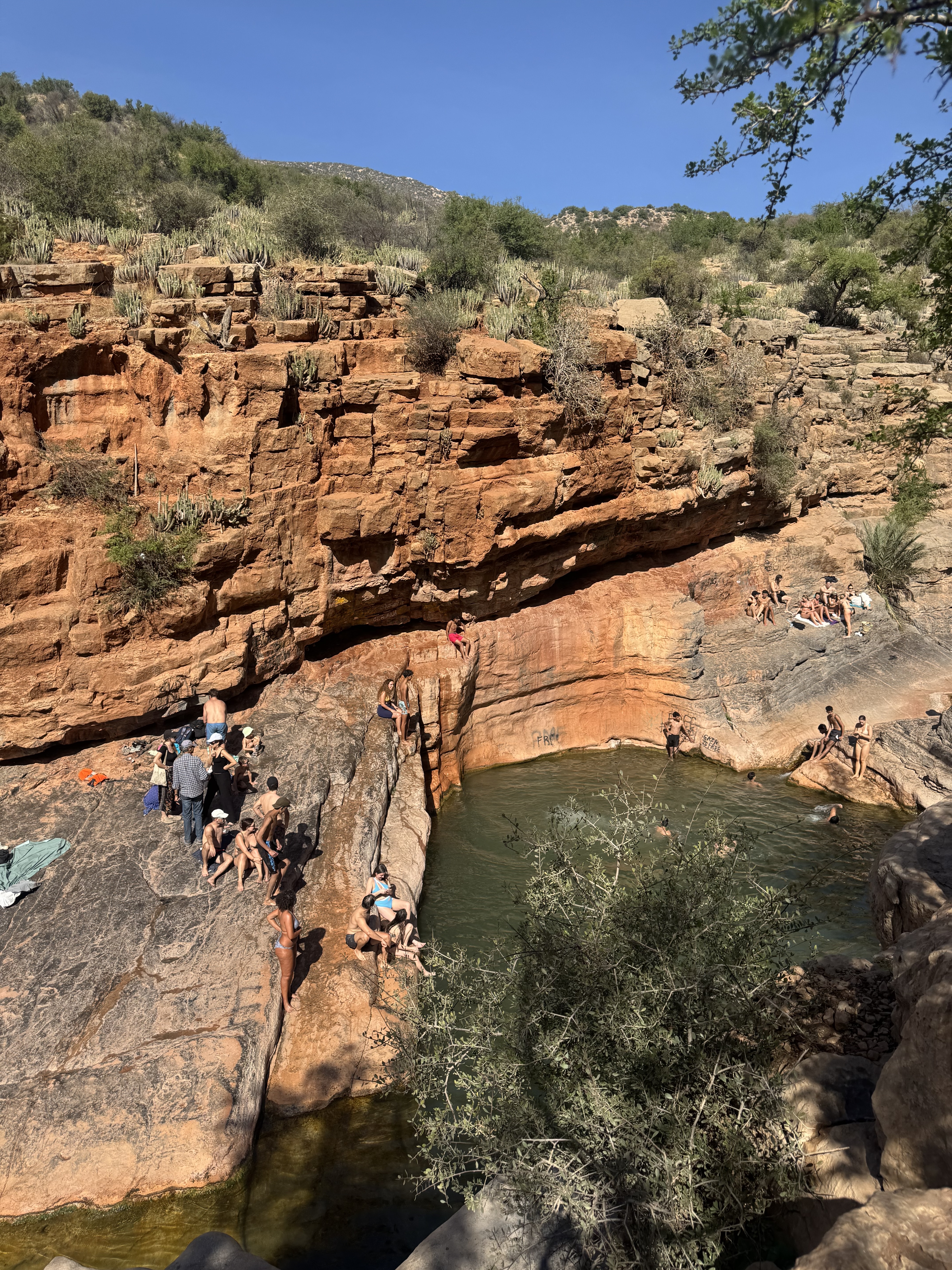
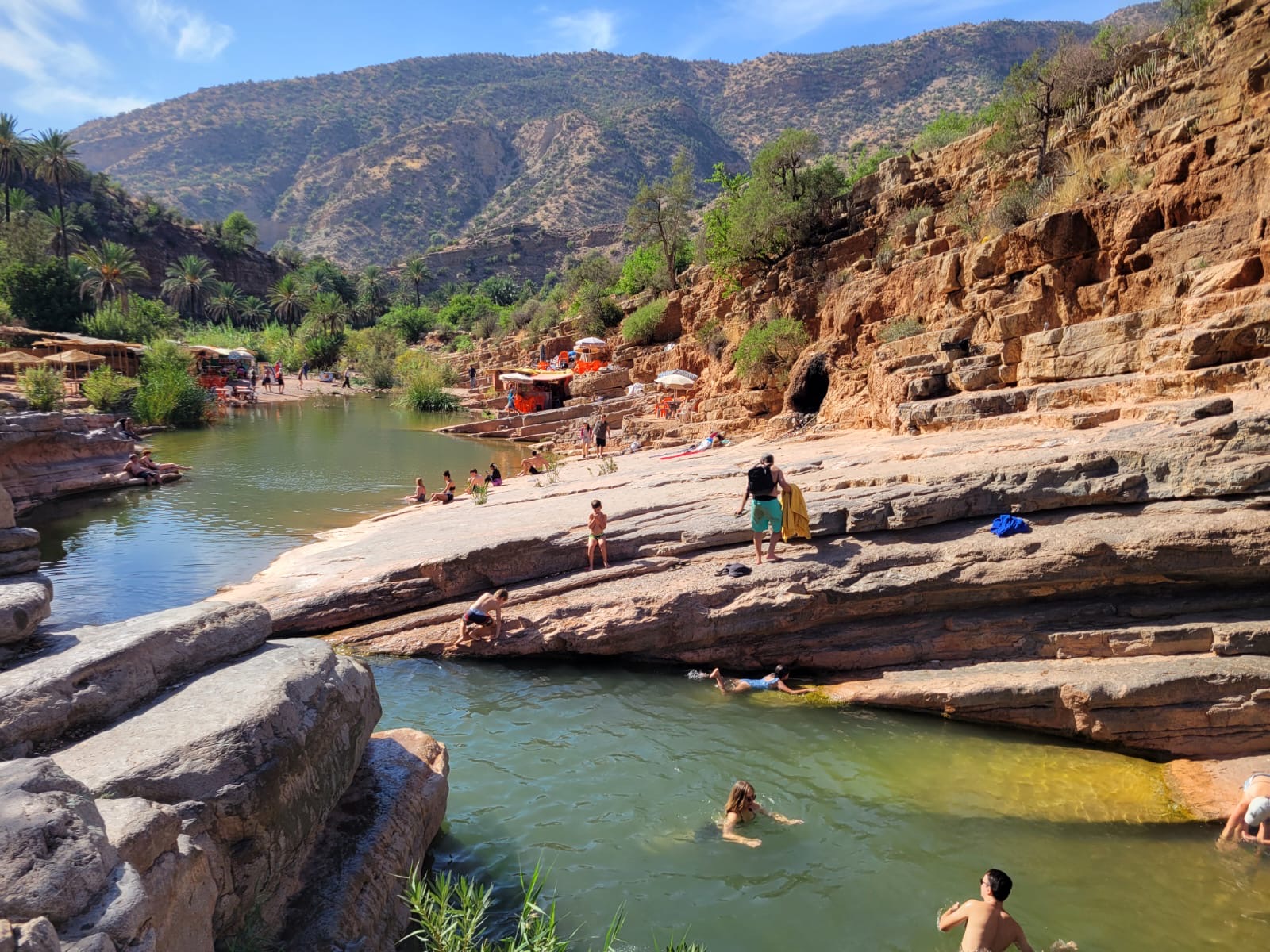
On Saturday I went to Paradise Valley. Not quite as paradisiacal as the name suggests, but pleasant enough. I swam in the river, slid along the rocks with childlike, leisure-centre glee, and was deposited in a pool at the bottom. Ate another tagine, obviously.
Shortly after this goes out, I’ll be face down in a hammam, being pummelled by someone who presumably knows what they’re doing. If I emerge with any skin left, I’ll consider it a success.
The day after giving a talk on how to make working across time zones a competitive advantage, I sent the same meeting invitation three times because the clocks had gone back and I’d lost track of what day it was. In desperation, I asked Google what time it was in Morocco. It gave me three different dates, two different times, and a confident AI-generated explanation of a time-zone change that hadn’t happened.
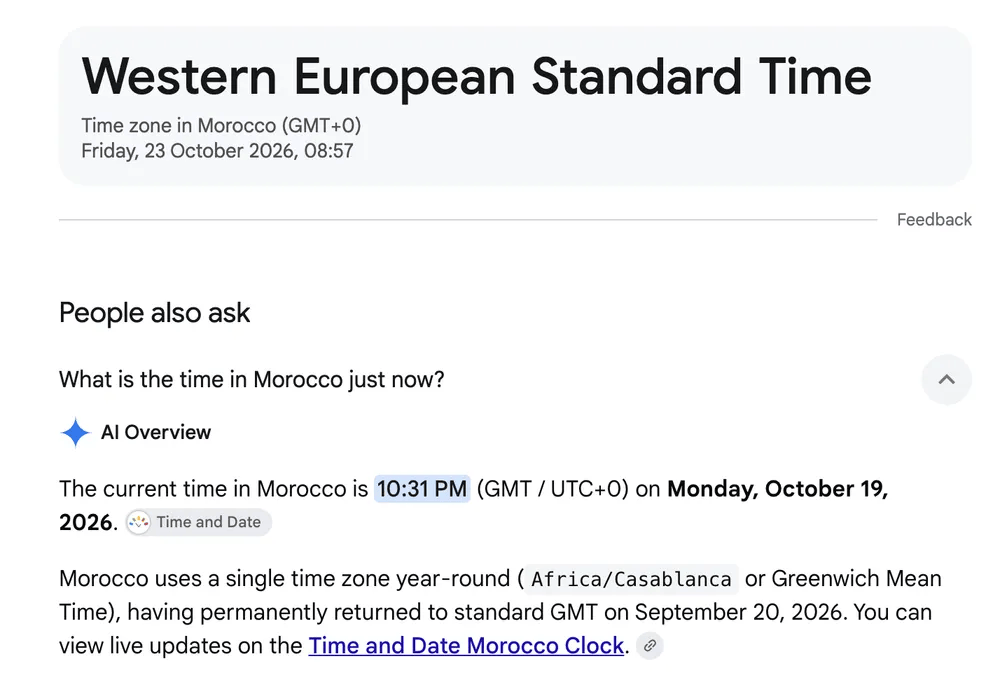
So that’s me and a trillion-dollar technology company, both defeated by the concept of Tuesday.
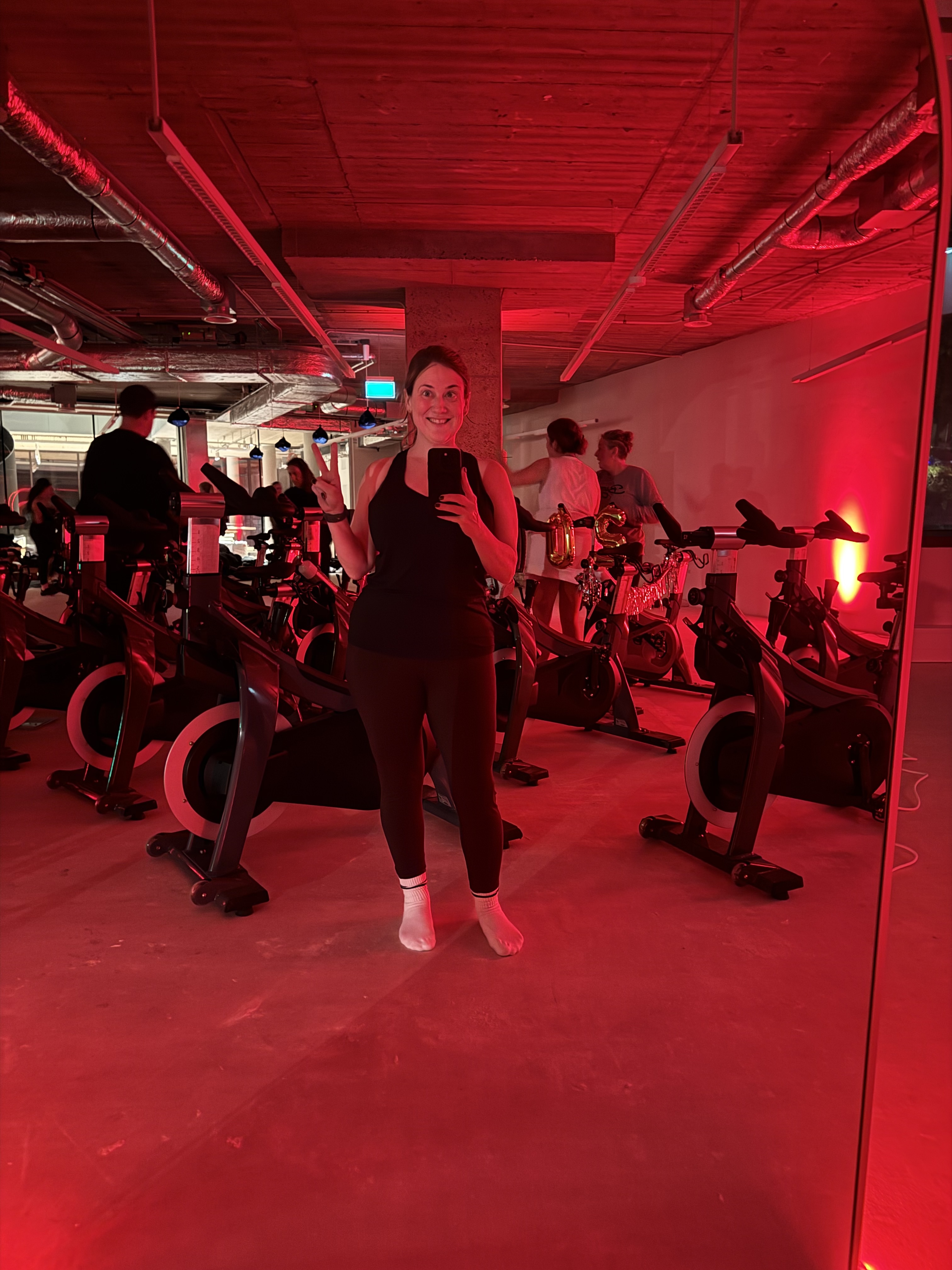
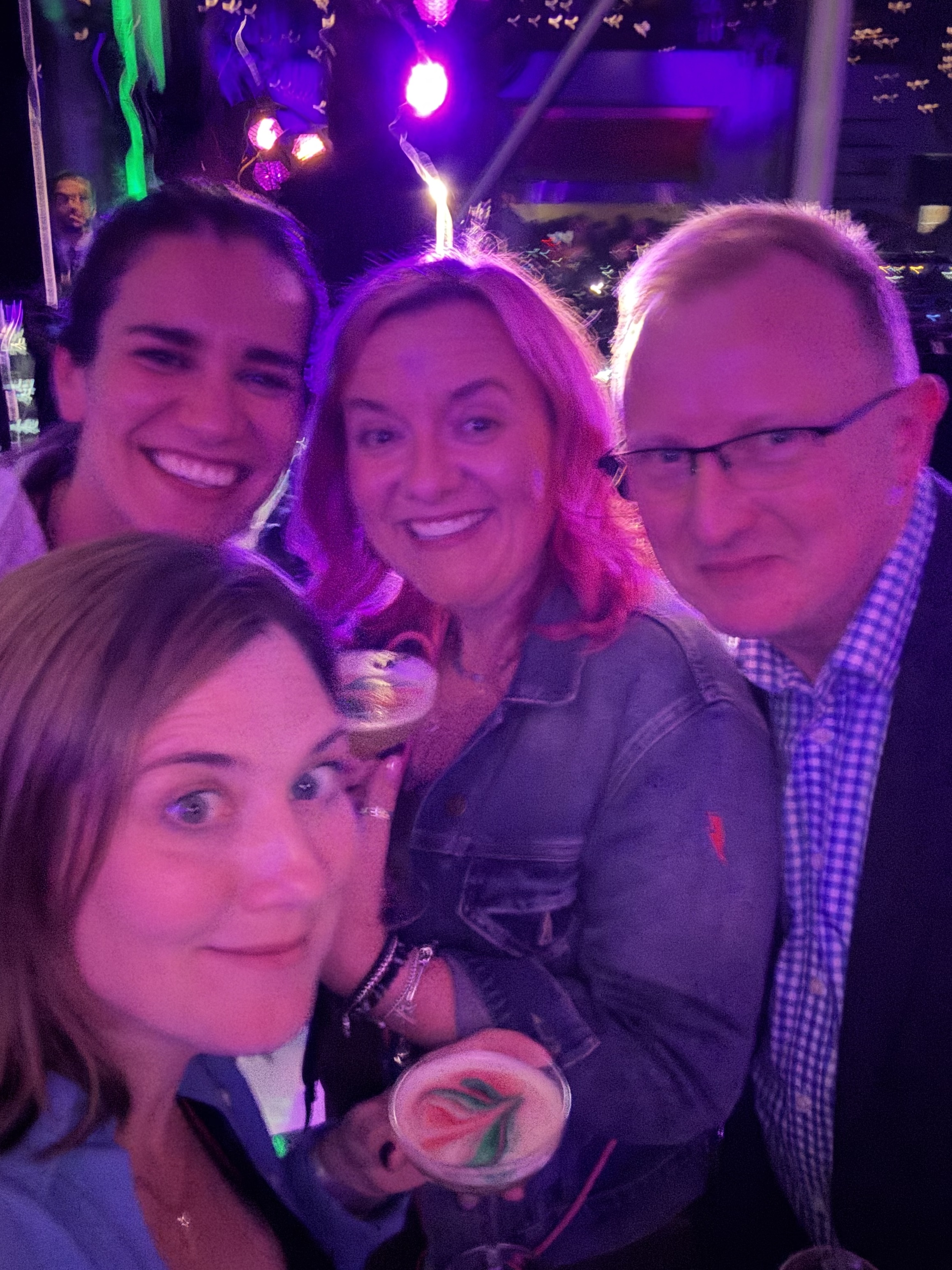
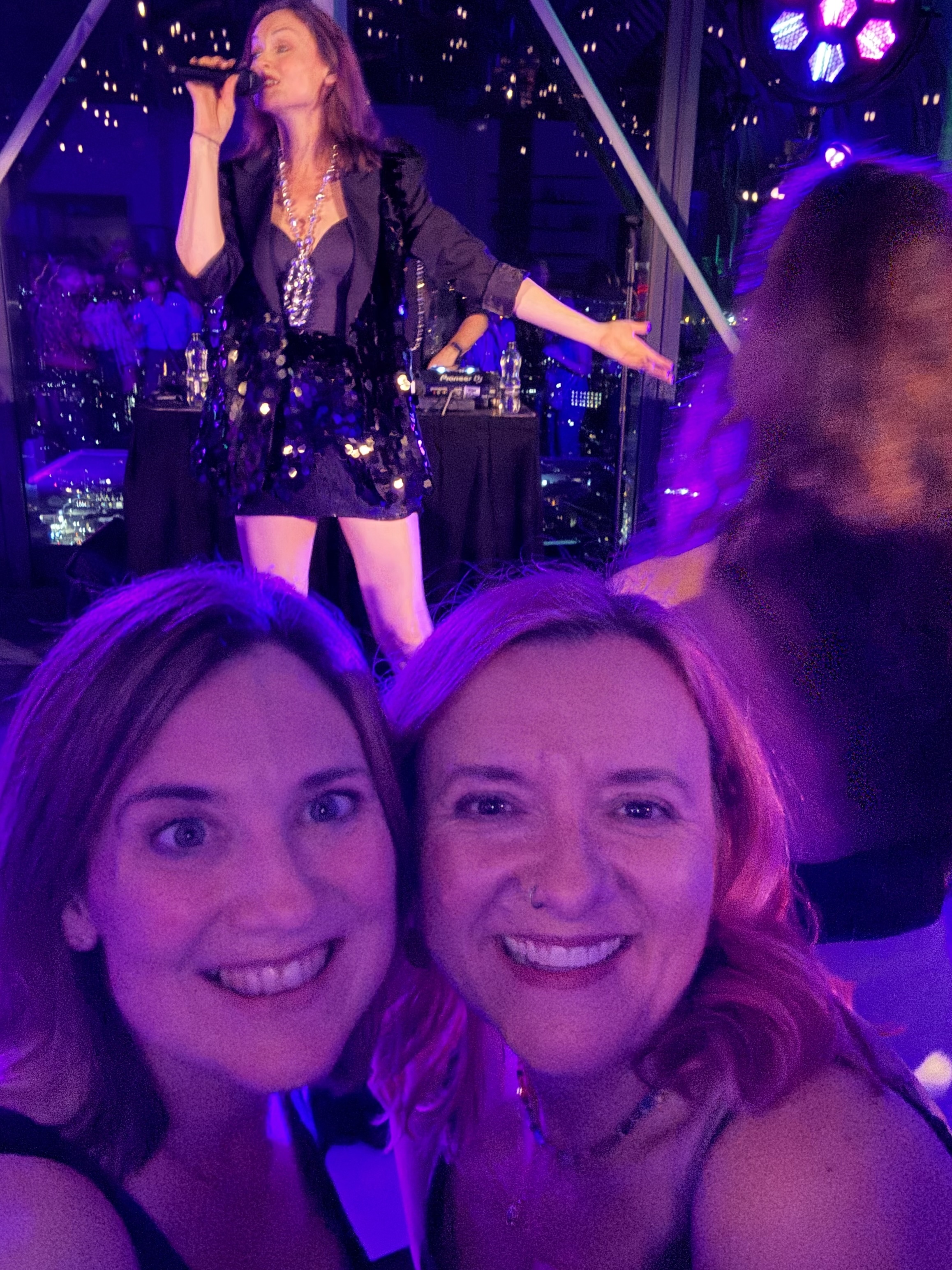
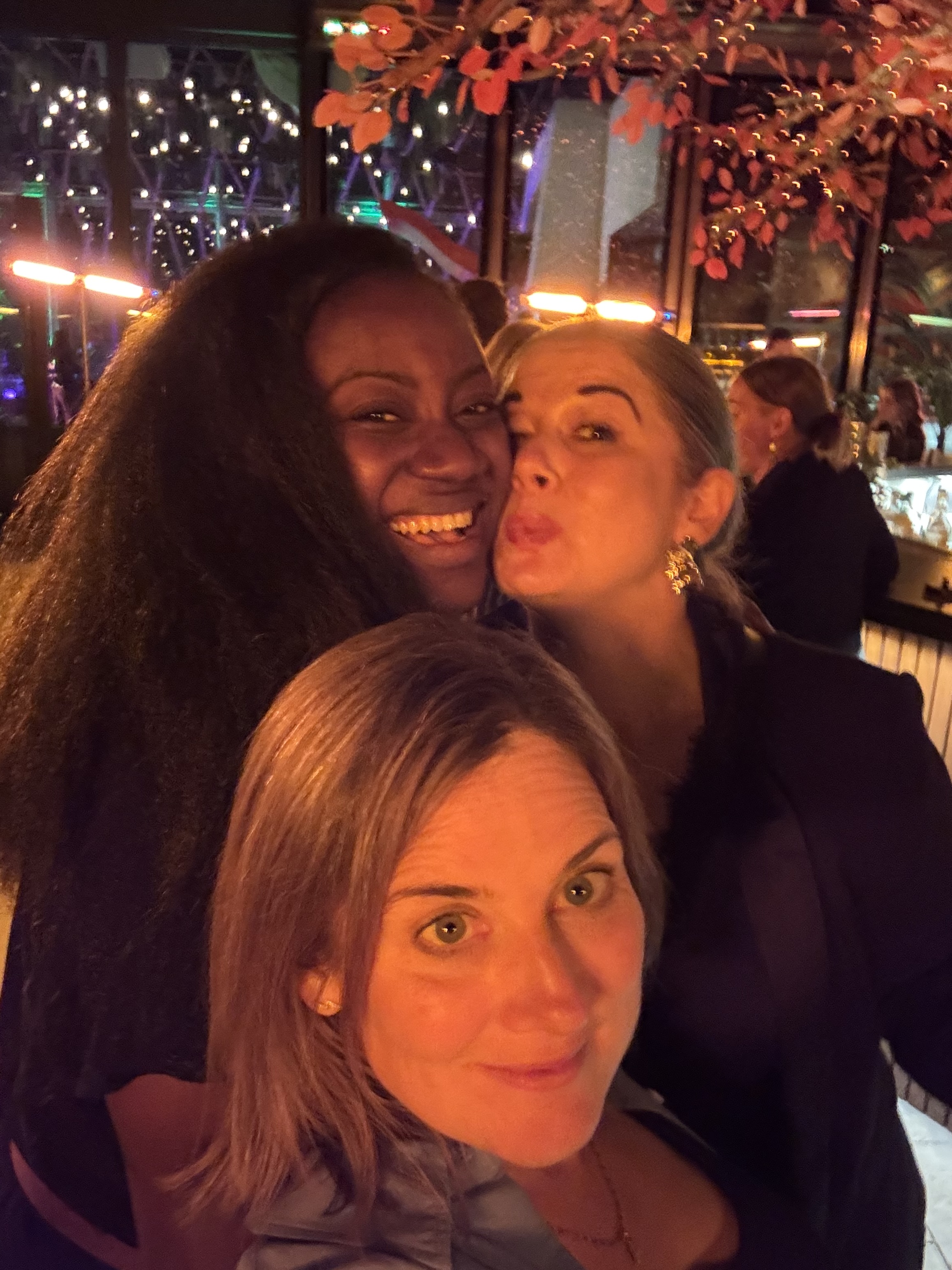
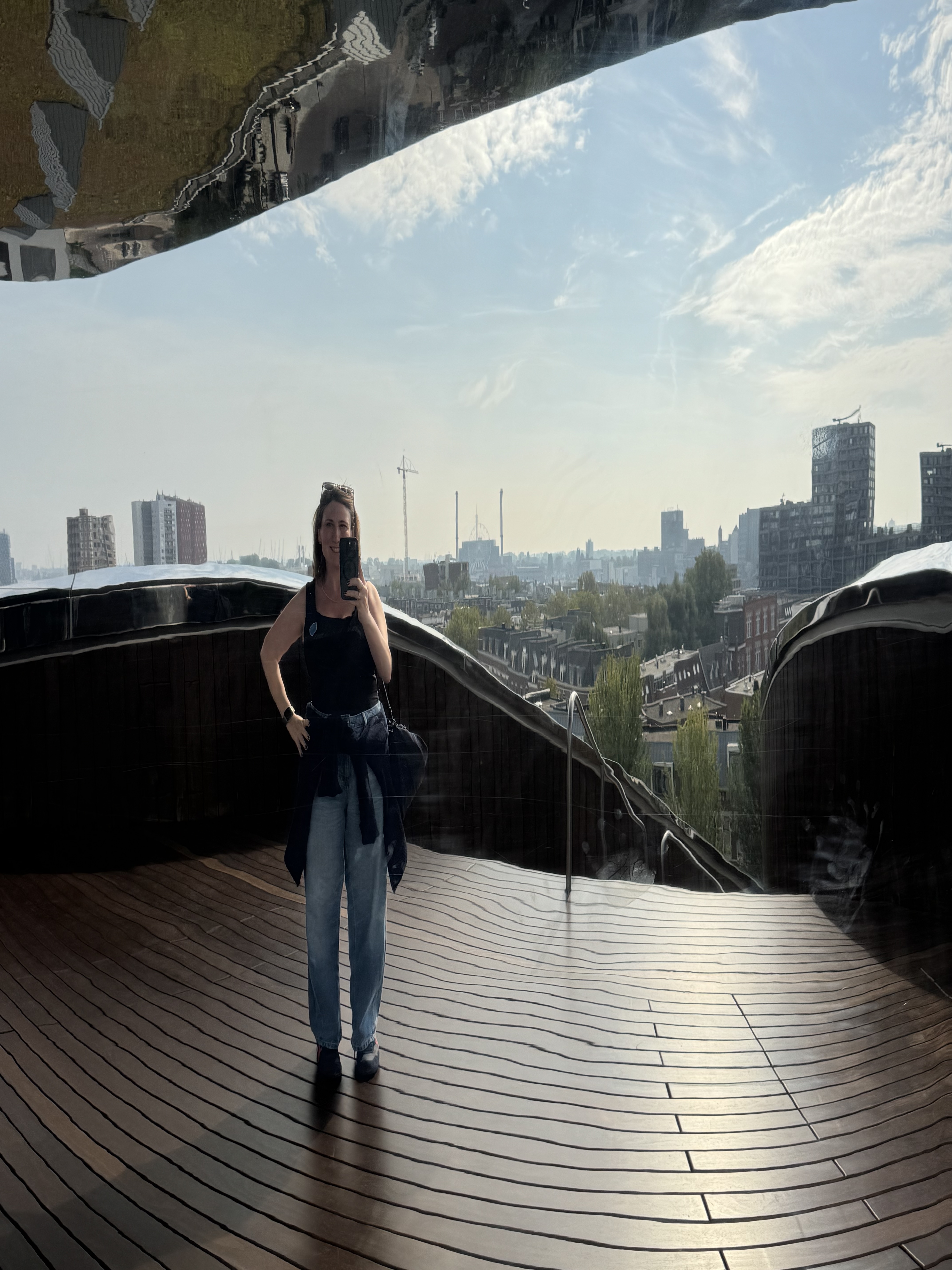
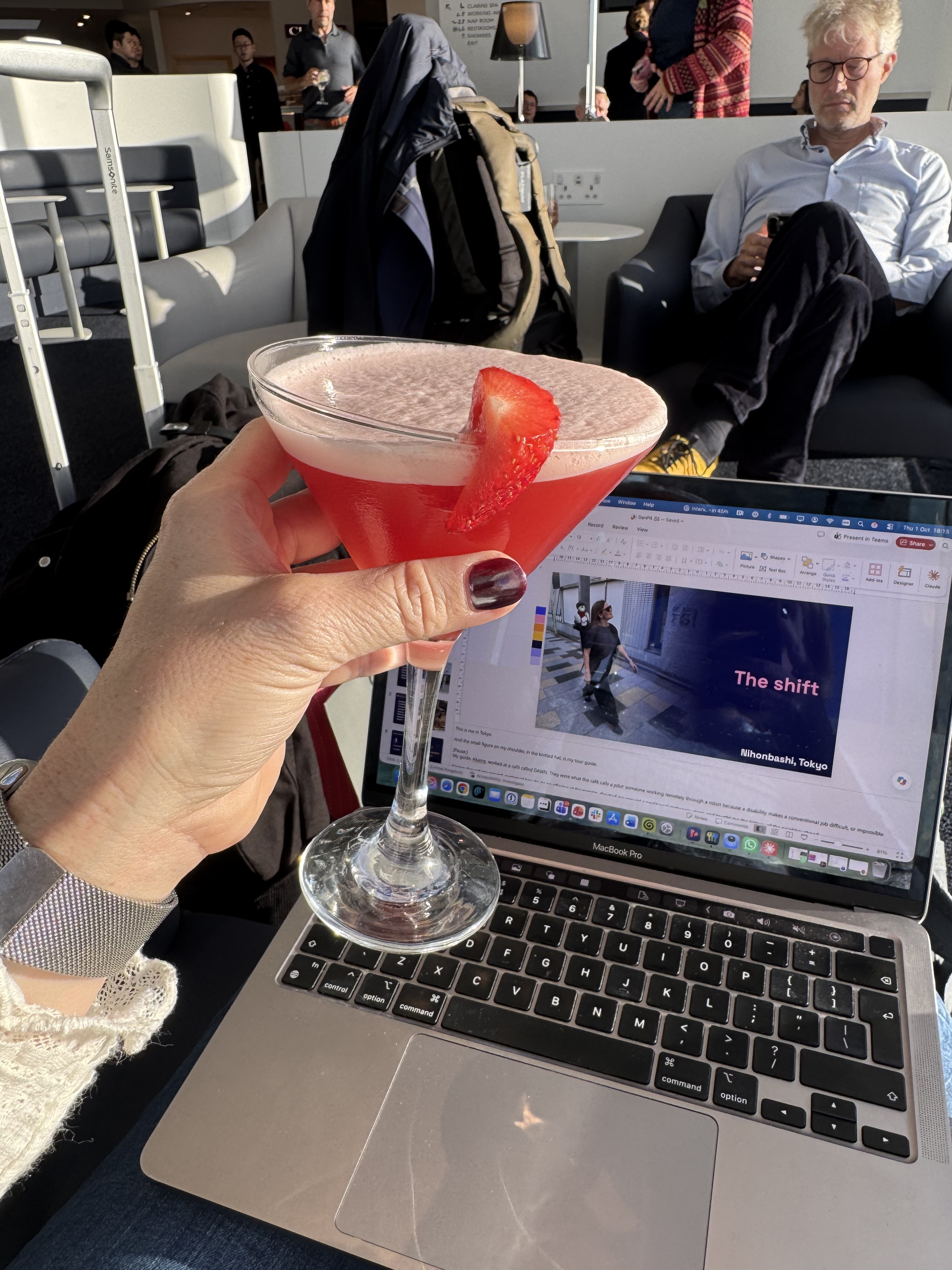
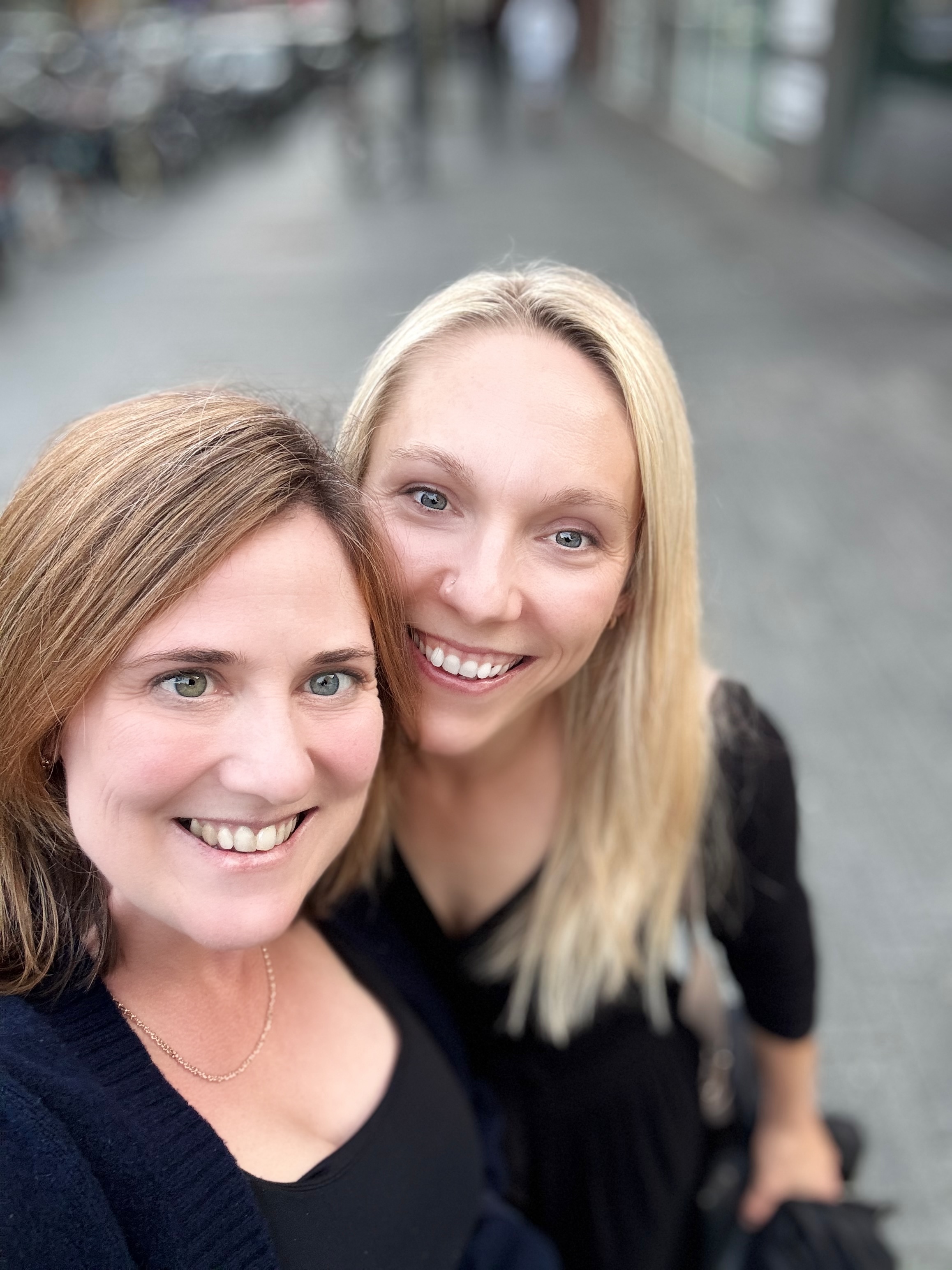
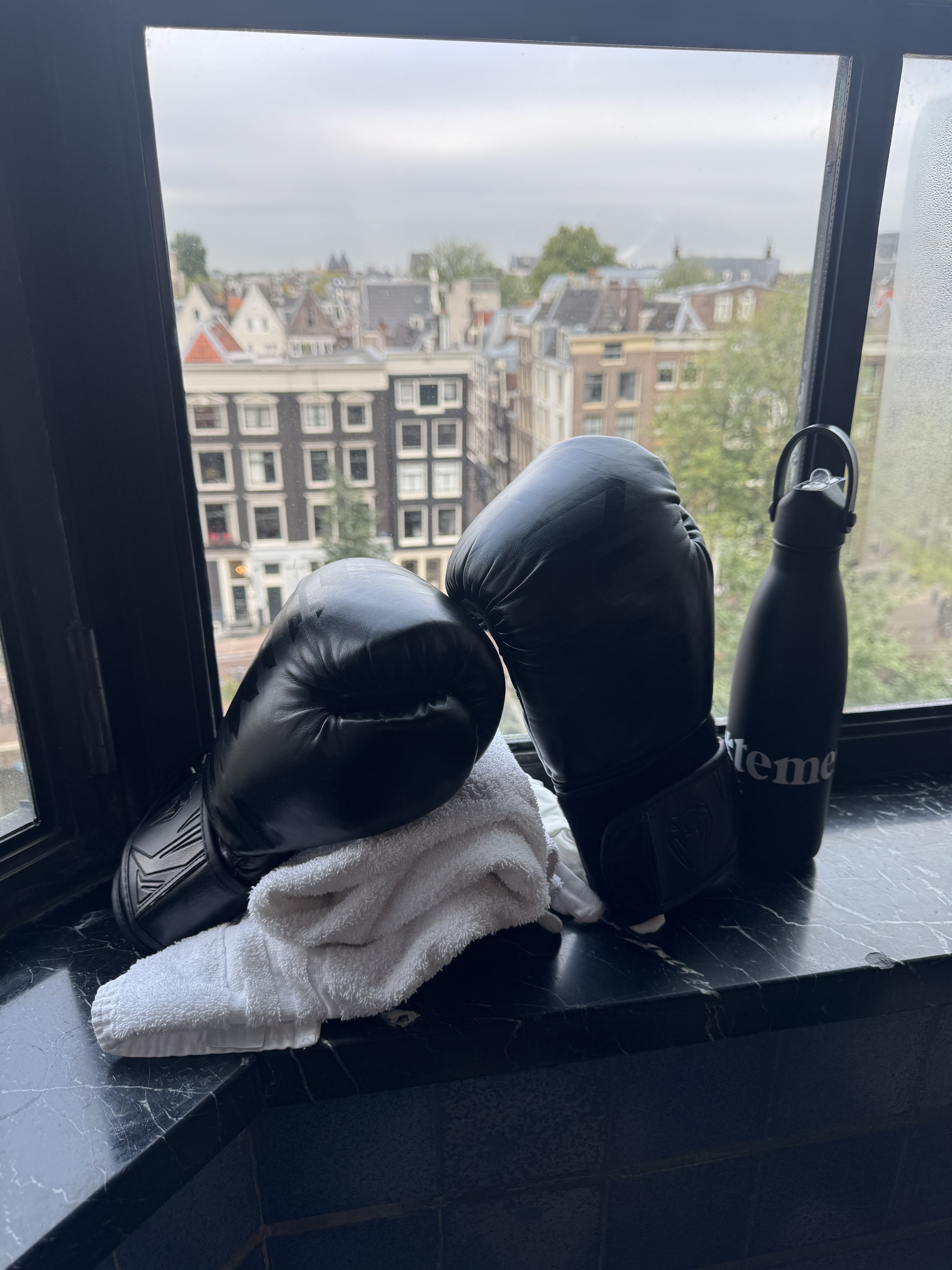
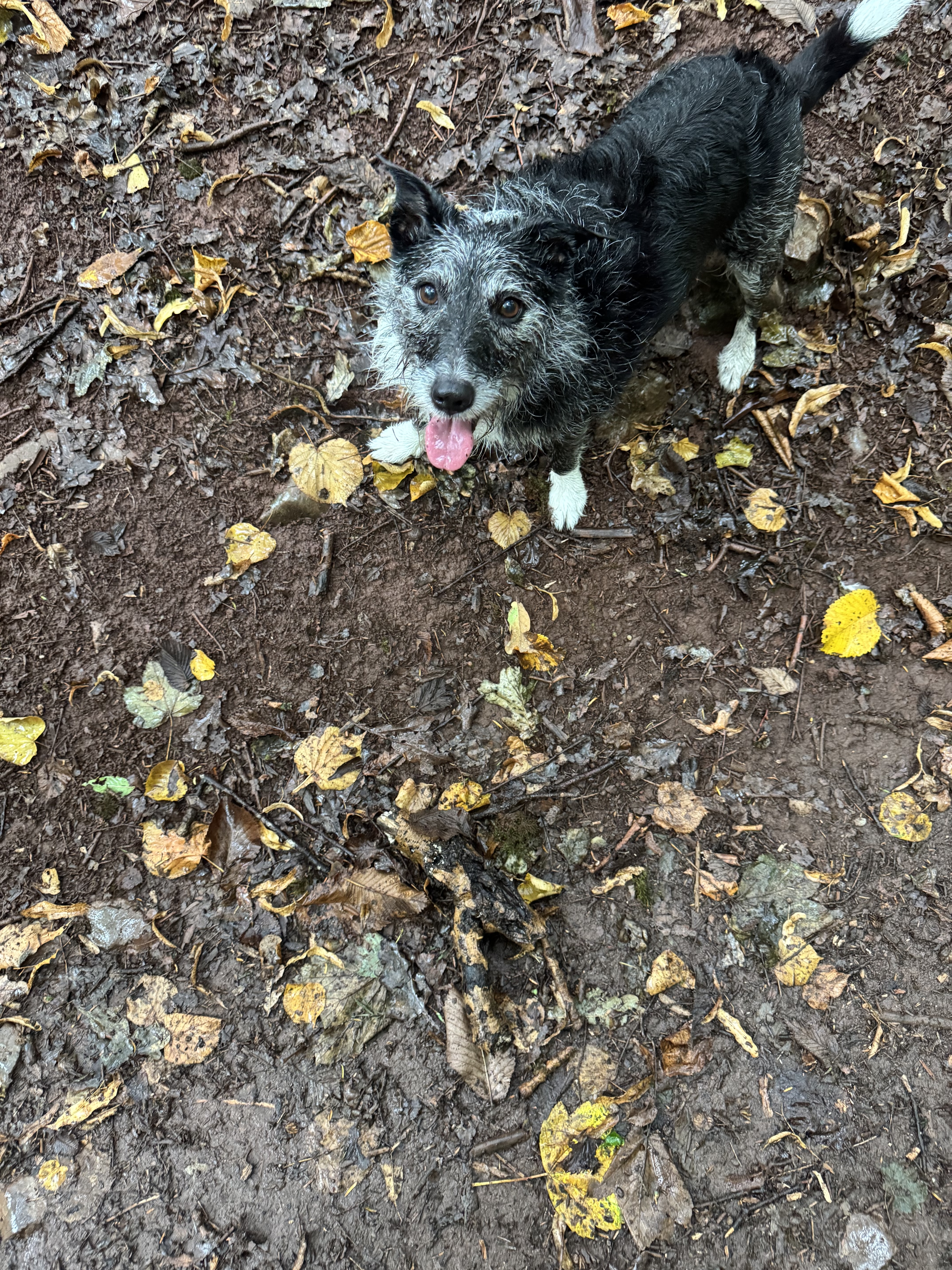
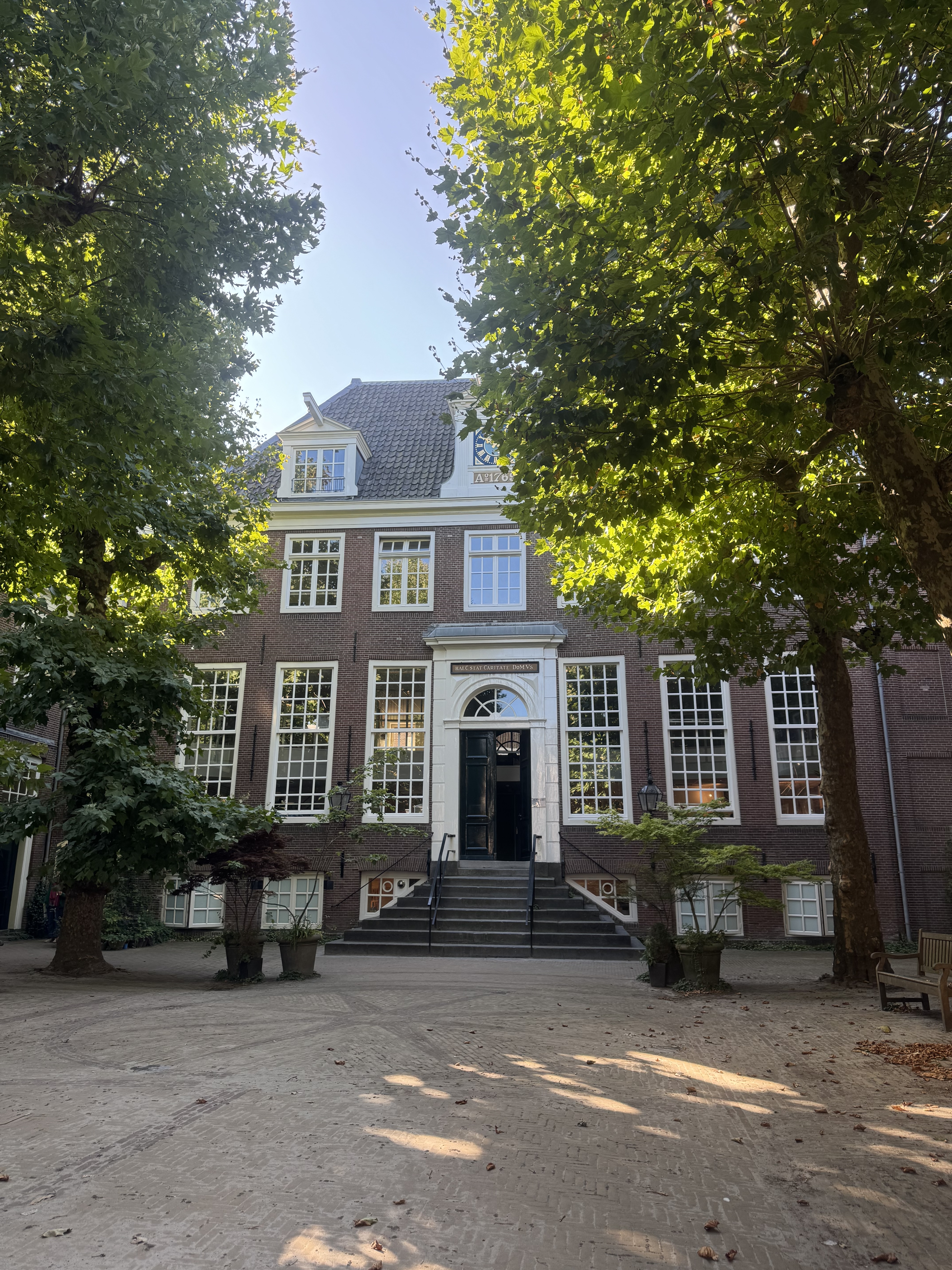
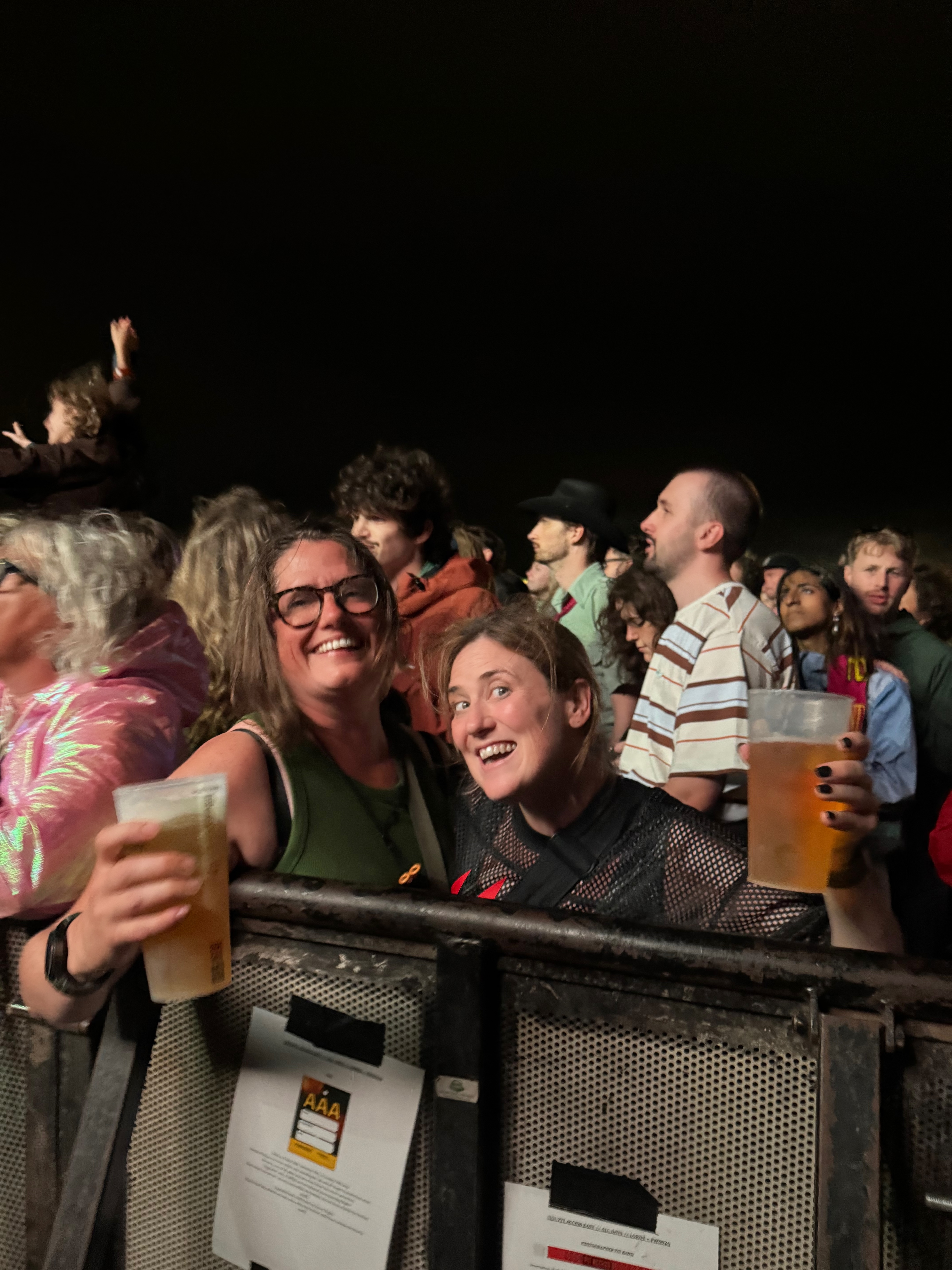
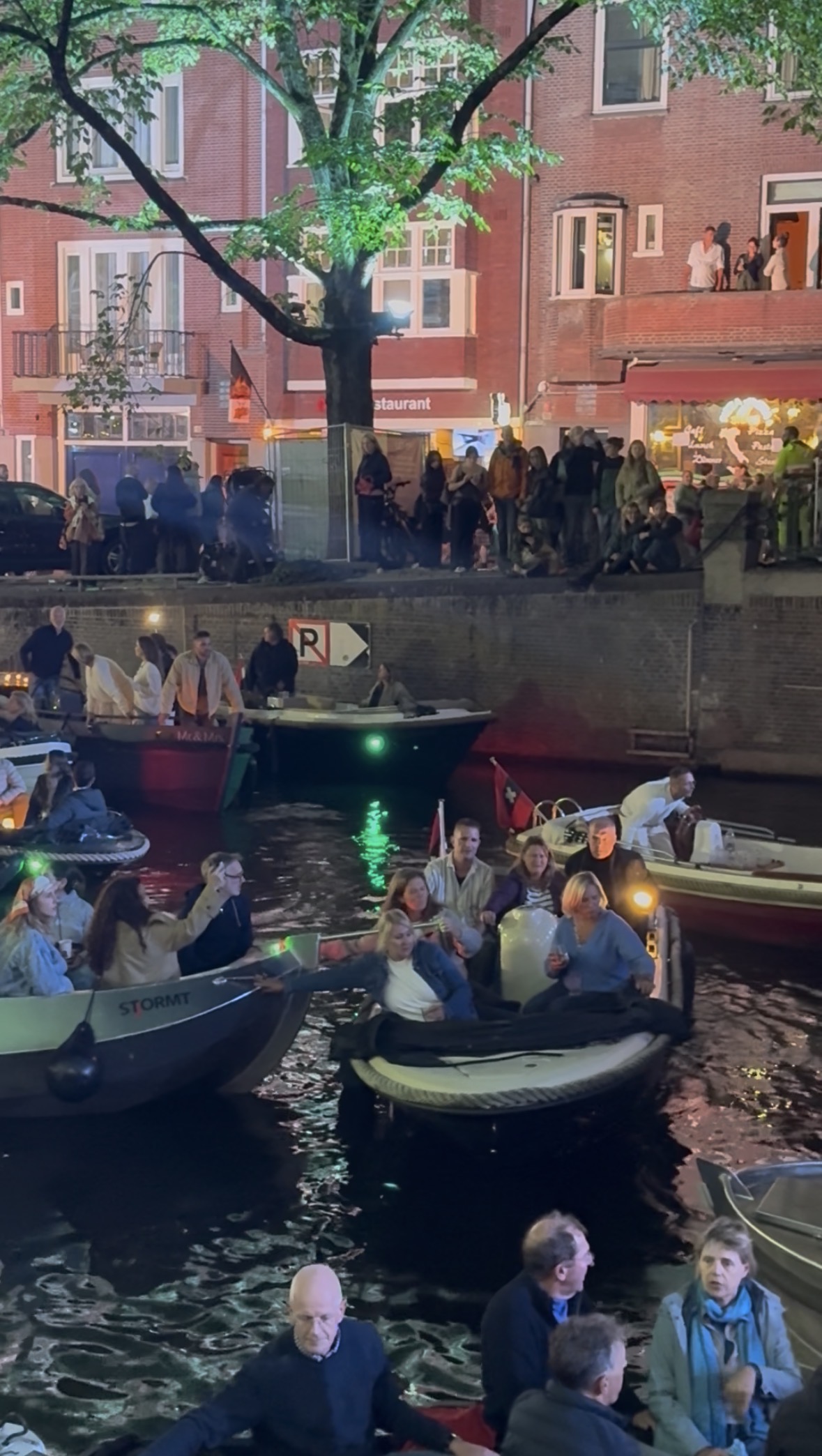
This week in photos