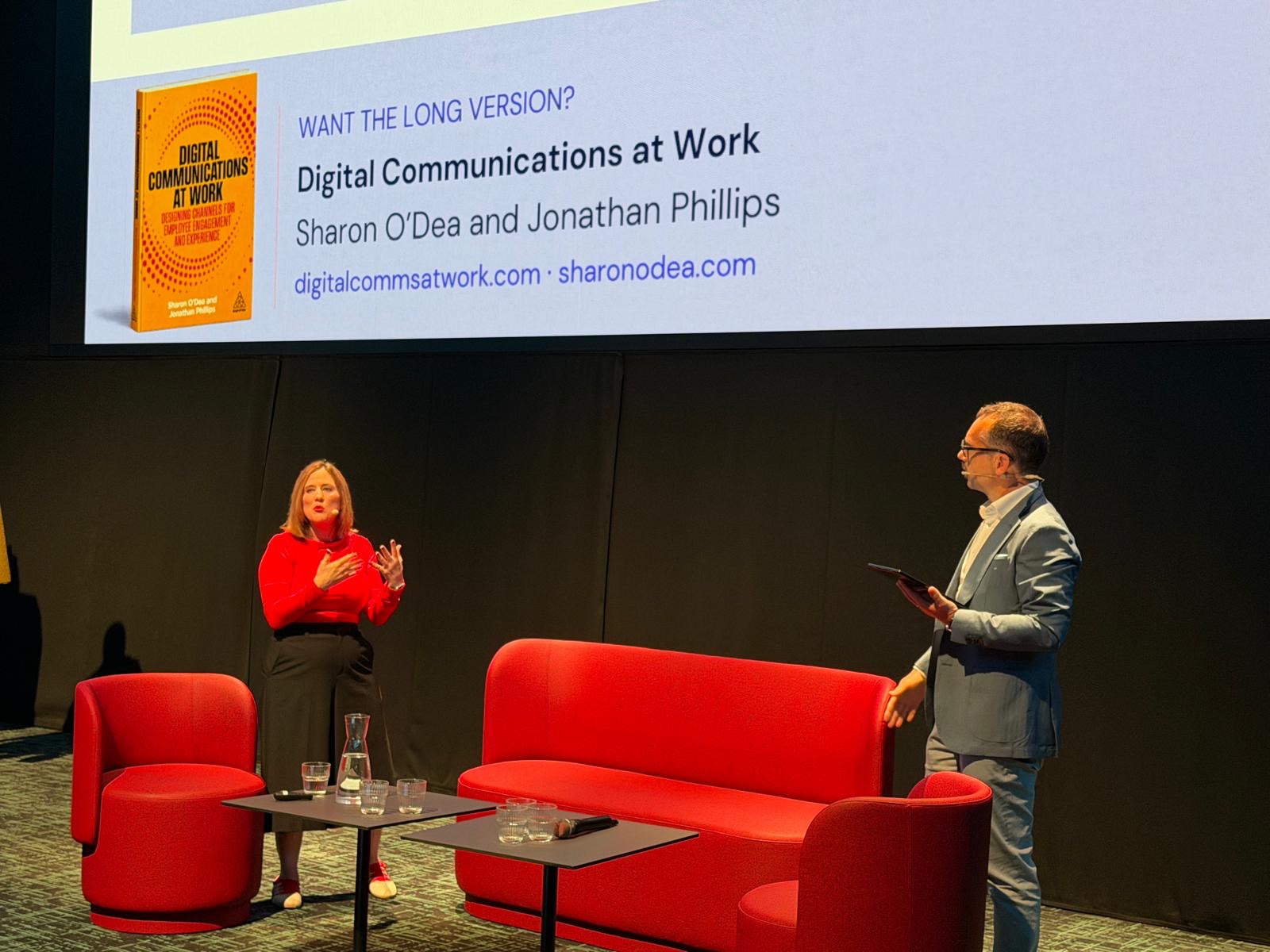
This year’s Dan PR conference was themed A World Without Stability, which is an awkward brief to hand to someone who has built their entire personality around never staying still. I rarely work in the same place two days running. And the conference photos came back showing me mid-keynote, arms flung out in every direction, like a woman attempting to guide a small aircraft onto the runway.
So: a talk about instability, delivered by a fairly reliable source of it.
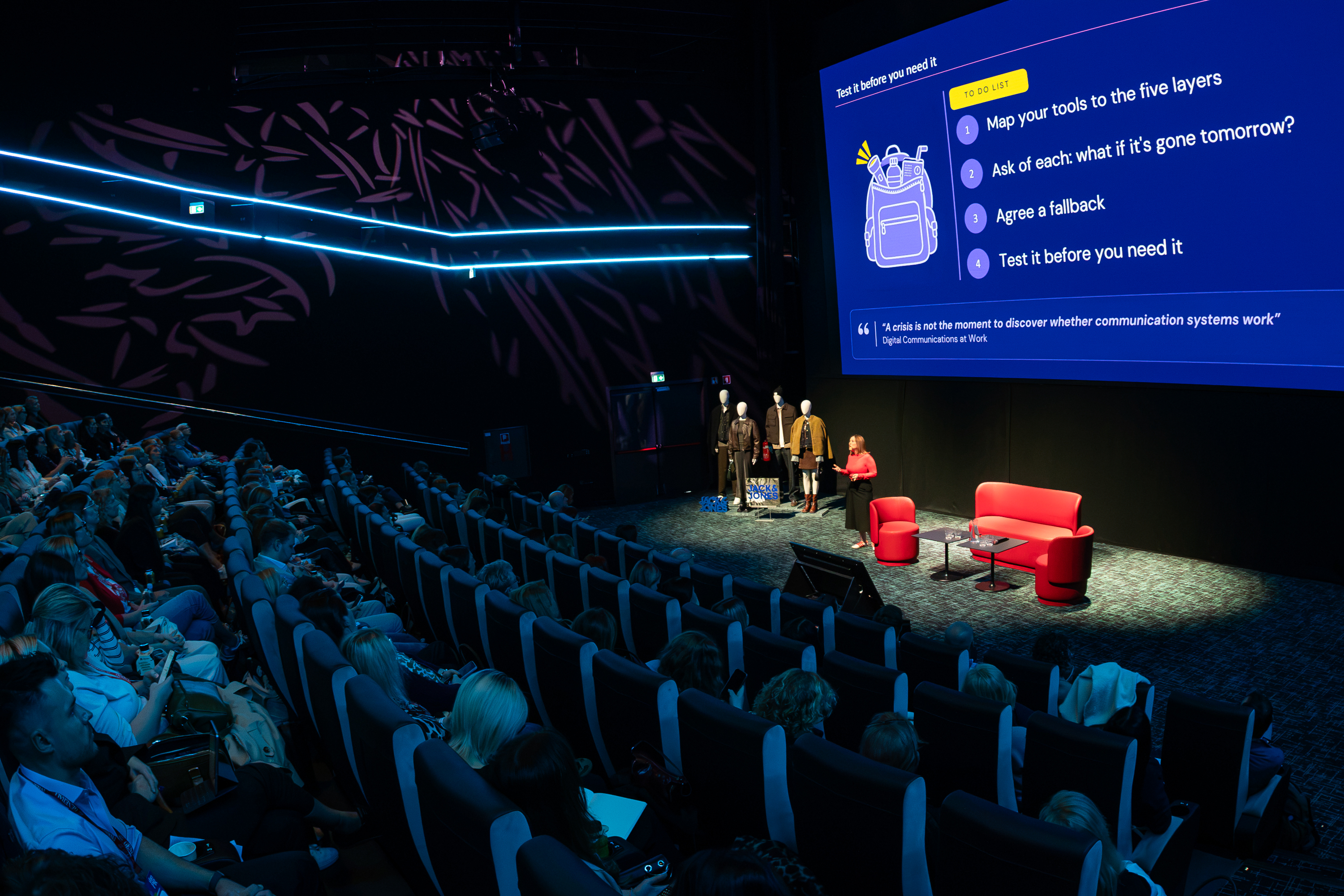
I took a couple of days away from client work to deliver the keynote in Ljubljana, taking the audience on a journey around Japan to explore how the future is already here — just, as William Gibson put it, not evenly distributed. We can’t know exactly what’s coming, but we can prepare for a range of possible futures by building resilience and adaptability into our communication channels and professional practice. Not by predicting the next crisis, but by making sure the next crisis doesn’t require us to invent an entirely new way of talking to one another.
Which turned out to be rather more relevant to the rest of my working week than I’d anticipated.
This week at work
Part of the keynote involved asking the room to do something faintly cruel to their communication channels: try to break them. For every layer — where you plan, publish, distribute and discuss — ask three questions. What do we use? What if it’s gone tomorrow? And where do people go instead?
I’ve written the talk up properly here.
Then, back on client work, I spent two days hearing the answer to that third question.
Jon and I are in the thick of discovery work at the moment, which means a lot of interviews, a lot of listening, and in my case a succession of video calls from a hotel desk in Ljubljana. And nobody needed a hypothetical outage to tell us where people go instead.
They’d already gone.
Across organisations, the patterns are remarkably familiar. The official collaboration platform that everyone has access to but nobody particularly wants to use. The informal group chat that started as a convenience and yet became essential infrastructure. The knowledge base that accumulated so much information it became easier to ask a colleague than even attempt to navigate it. The shared drive where documents breed, acquire version numbers, and eventually disappear into the sediment. The important information that’s technically available to everyone, provided you know the right person to ask.
Nobody designed this system. It doesn’t feature in anyone’s channel strategy. And yet it’s how a colossal amount of work actually gets done, held together with pipe cleaners, sticky tape and goodwill. An enterprise architecture that would struggle to survive a stiff breeze, but has somehow kept the organisation running for years.
Nobody’s complaining, exactly. They’d simply taken the shortest route. Faced with a choice between following the official process and getting an answer before the heat death of the universe, people had made a rational decision.
And that’s useful intel. Where people go instead isn’t the failure; it’s the insight. One distinction that emerged from the conversations that I’ve been mulling since: different channels carry different social expectations. An email suggests someone has thought about what they want to say. A chat message can feel like someone tapping you on the shoulder and expecting an immediate answer. That’s not a preference about software. It’s a design brief, and a more useful one than anything you’ll get from a vendor’s feature comparison spreadsheet.
On Tuesday I told a conference audience that a crisis is not the moment to discover whether your communication systems work. By Friday I’d been reminded that most organisations have already been told exactly where their systems fall short. The evidence is there in the workarounds, the unofficial conversations and the people everyone knows to ask. You just have to go looking for it.
Also this week
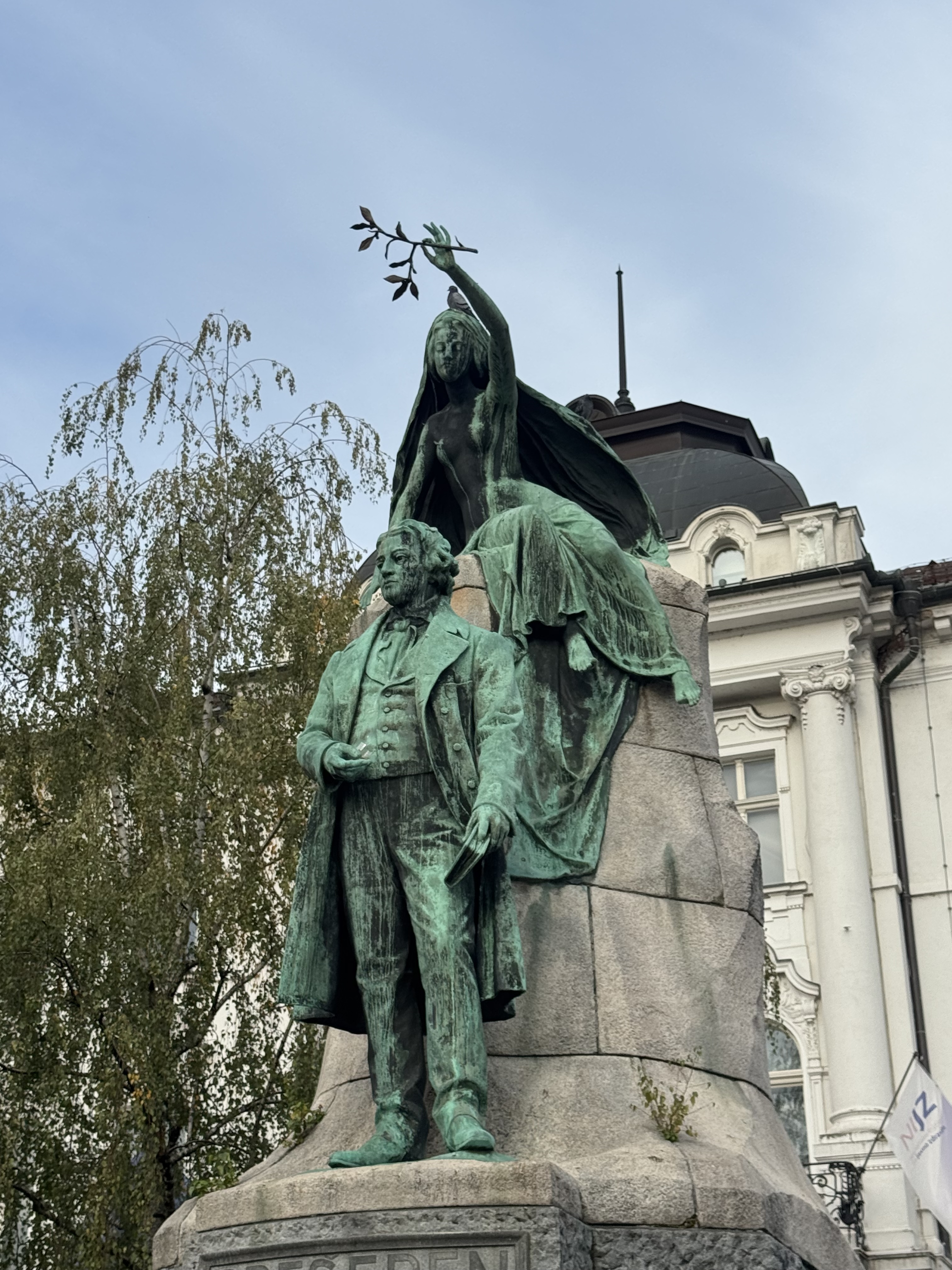
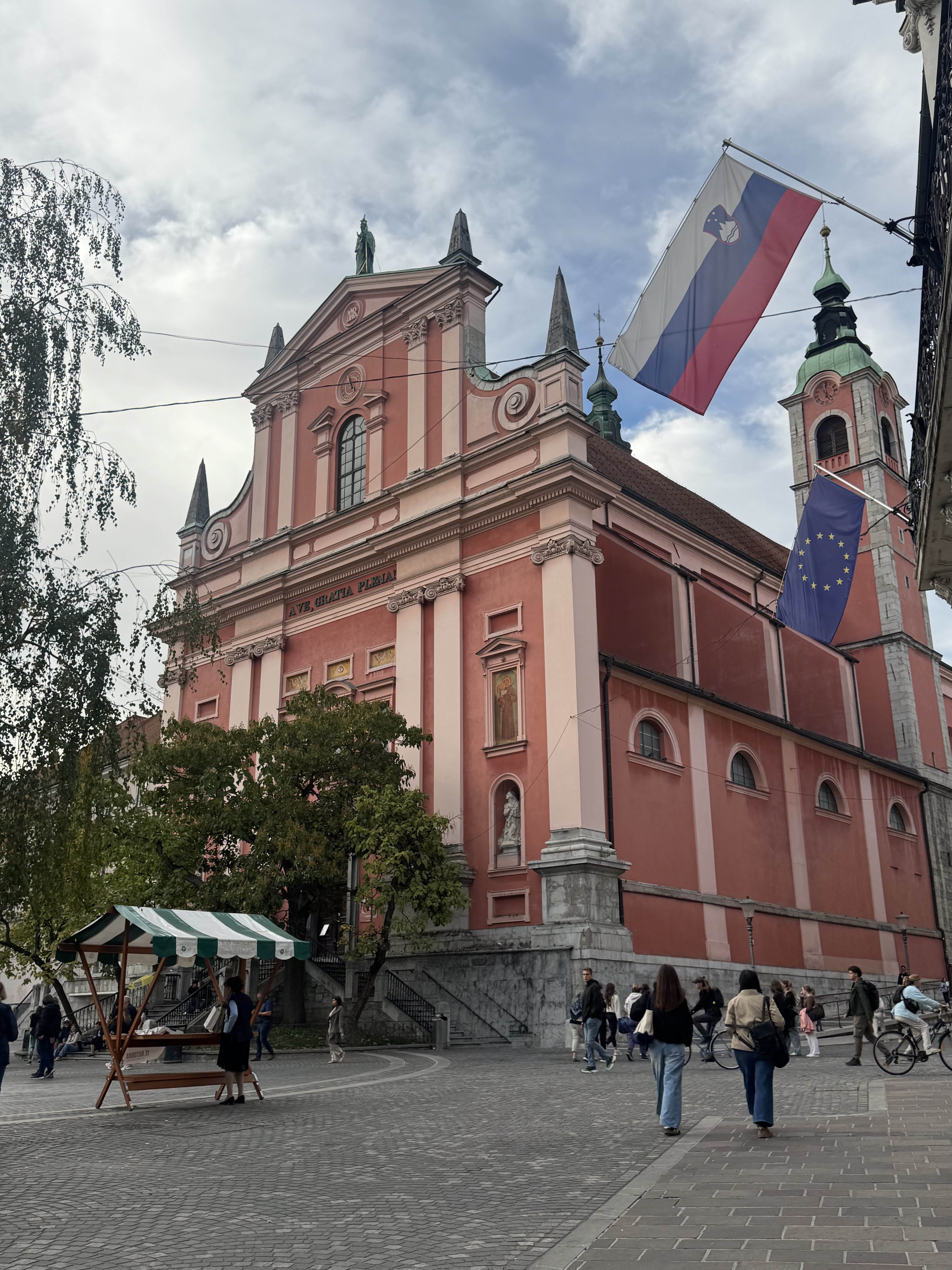
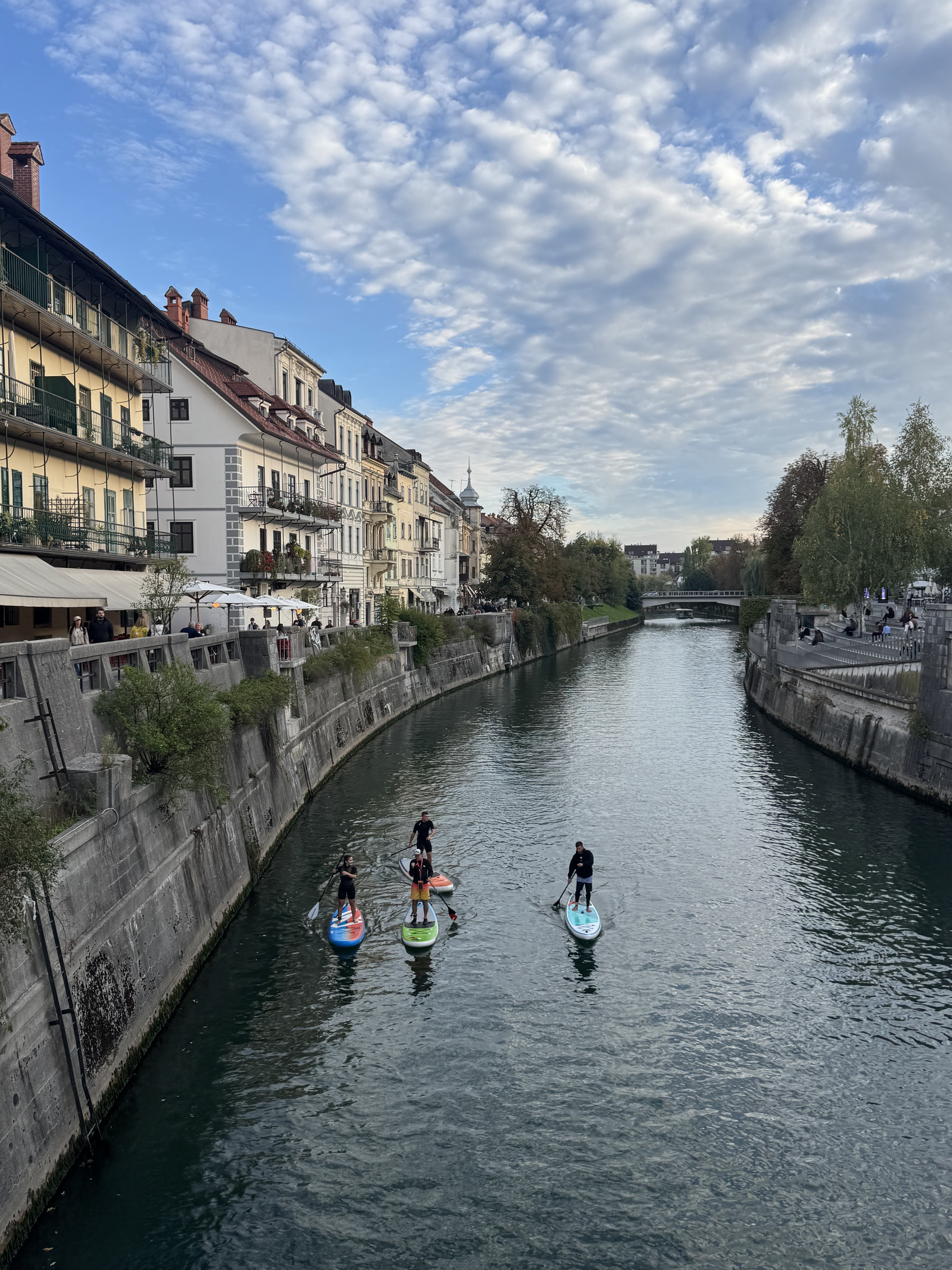
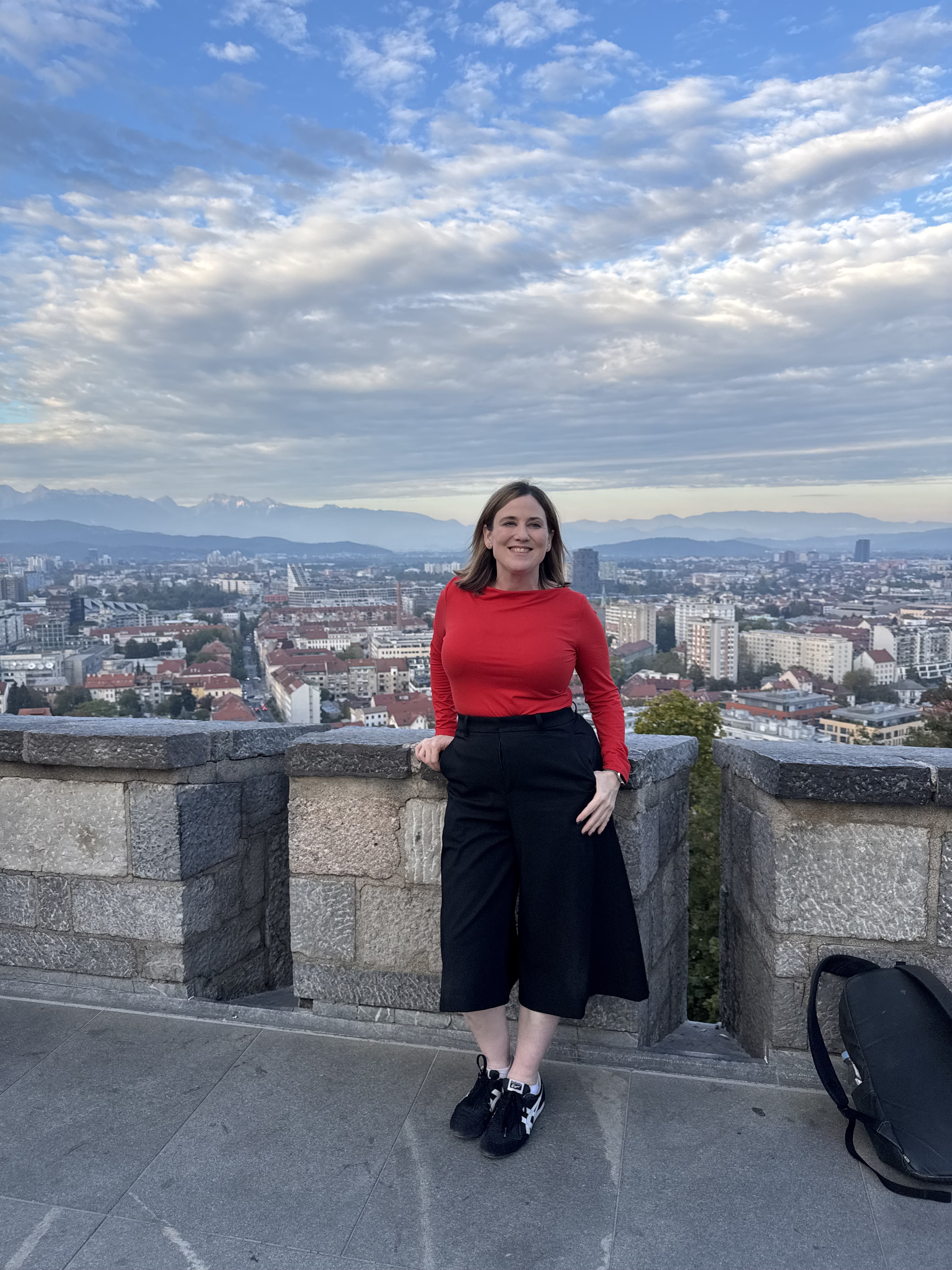
The conference finally got me to Ljubljana, and I’m already certain I’ll be back. It’s a beautiful, relaxed city and — for now — less overrun with tourists than it has every right to be. I’m aware that announcing this on the internet is precisely how the rot sets in, so please consider this paragraph strictly entre nous.
I don’t usually rank my own talks, but Tuesday’s was the best keynote I’ve ever given. Afterwards, the programme director wrote to say I hadn’t simply delivered a keynote, I’d “brought the whole theme of this year’s Dan PR to life”, which I have since reread a number of times that would embarrass me if I were capable of embarrassment.
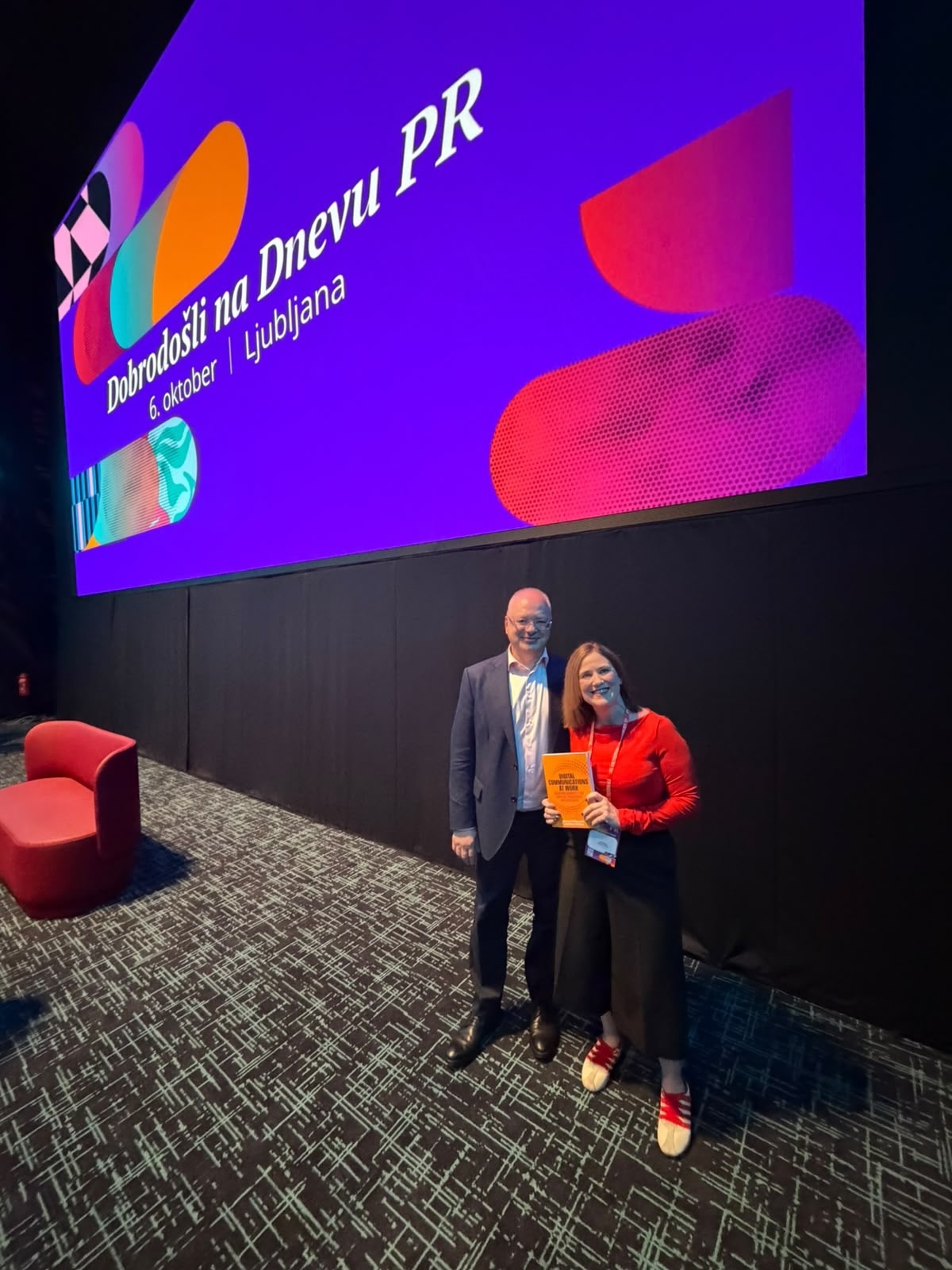
I also got to hand a copy of the book to Dr Dejan Verčič, whose academic work I cite in it. There’s a very particular feeling that comes from presenting an academic with a book that quotes them: pride, accompanied by the sudden fear that you may have misunderstood everything they’ve ever written. German almost certainly has a word for this.
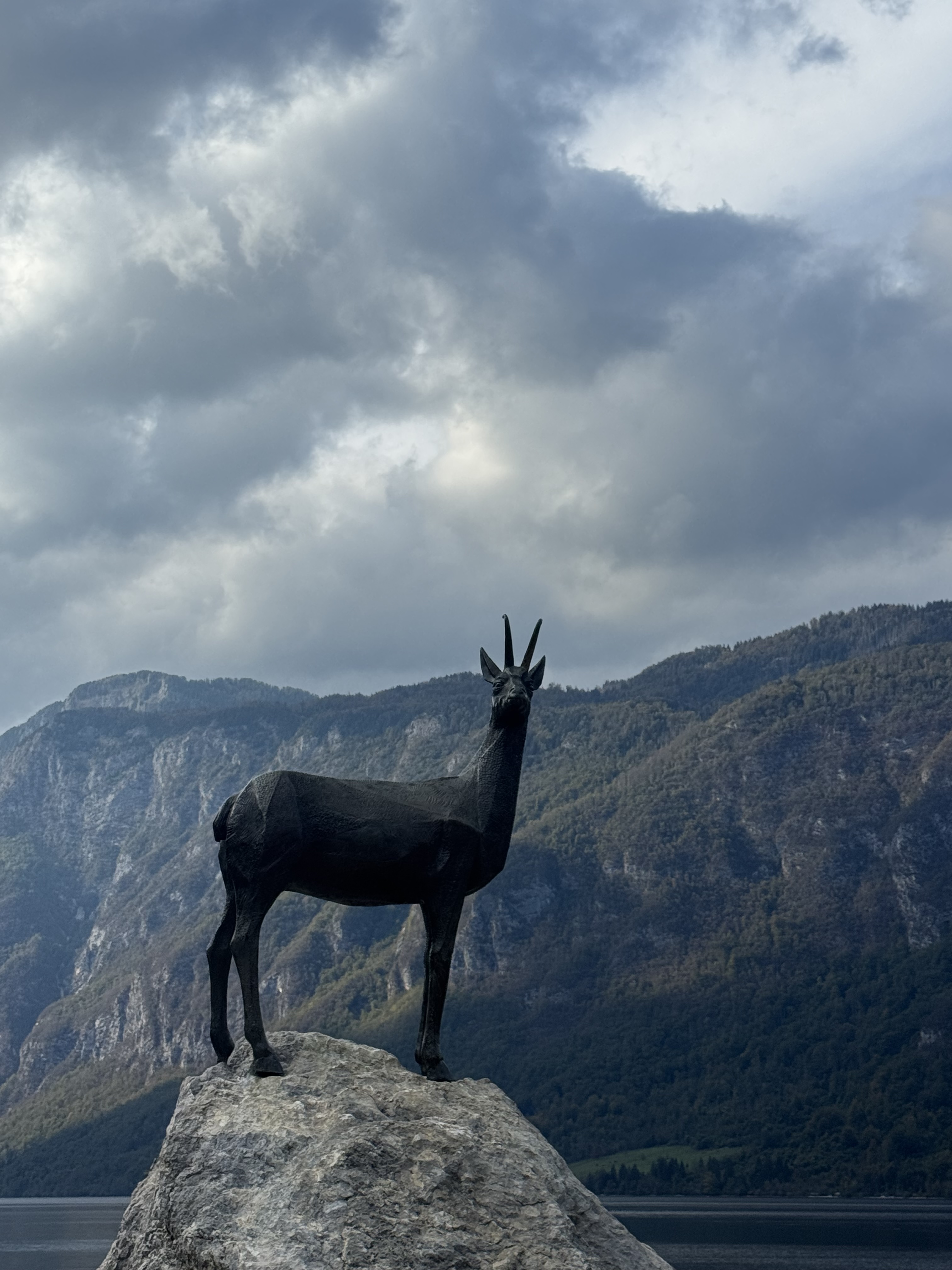
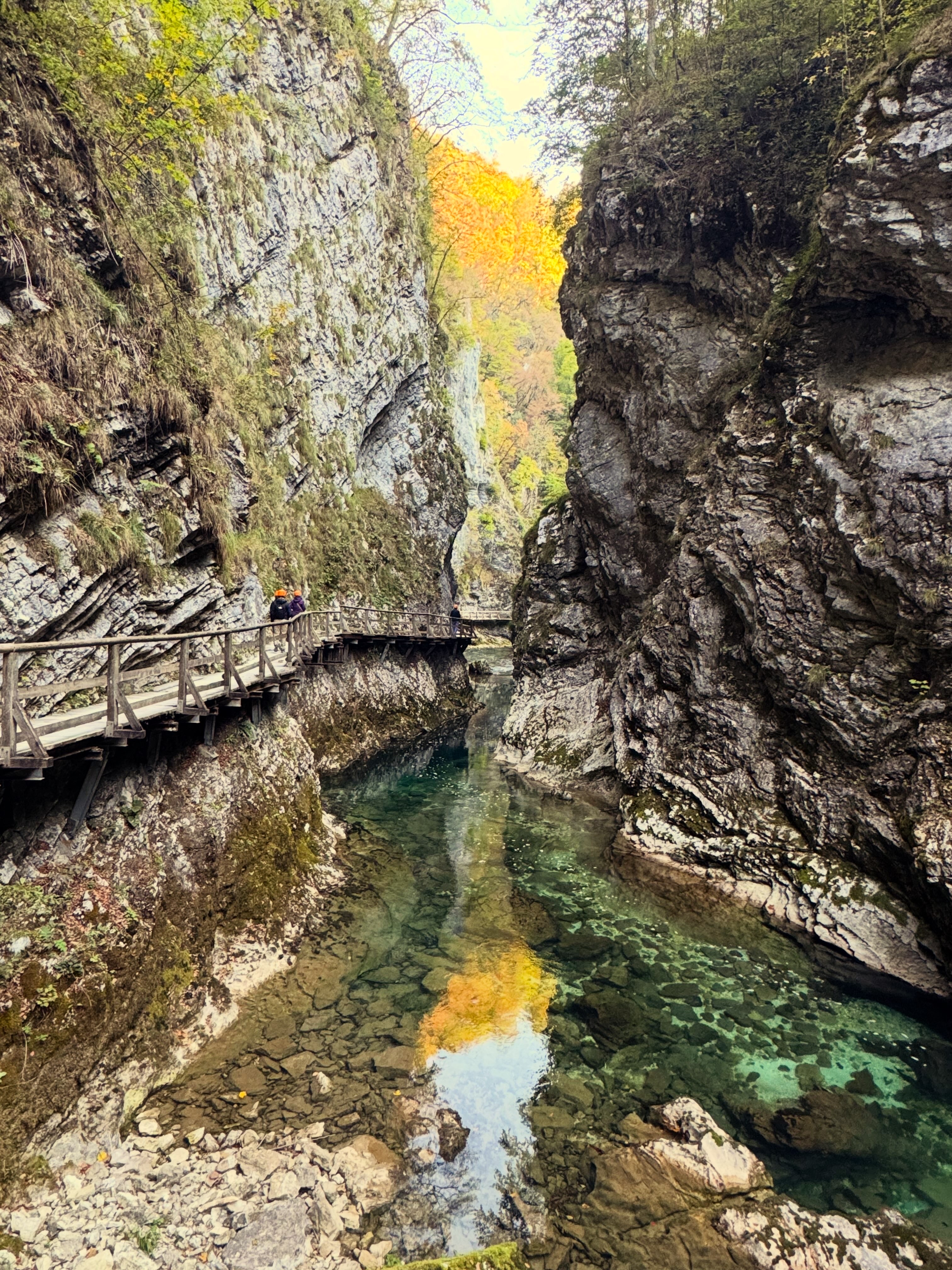
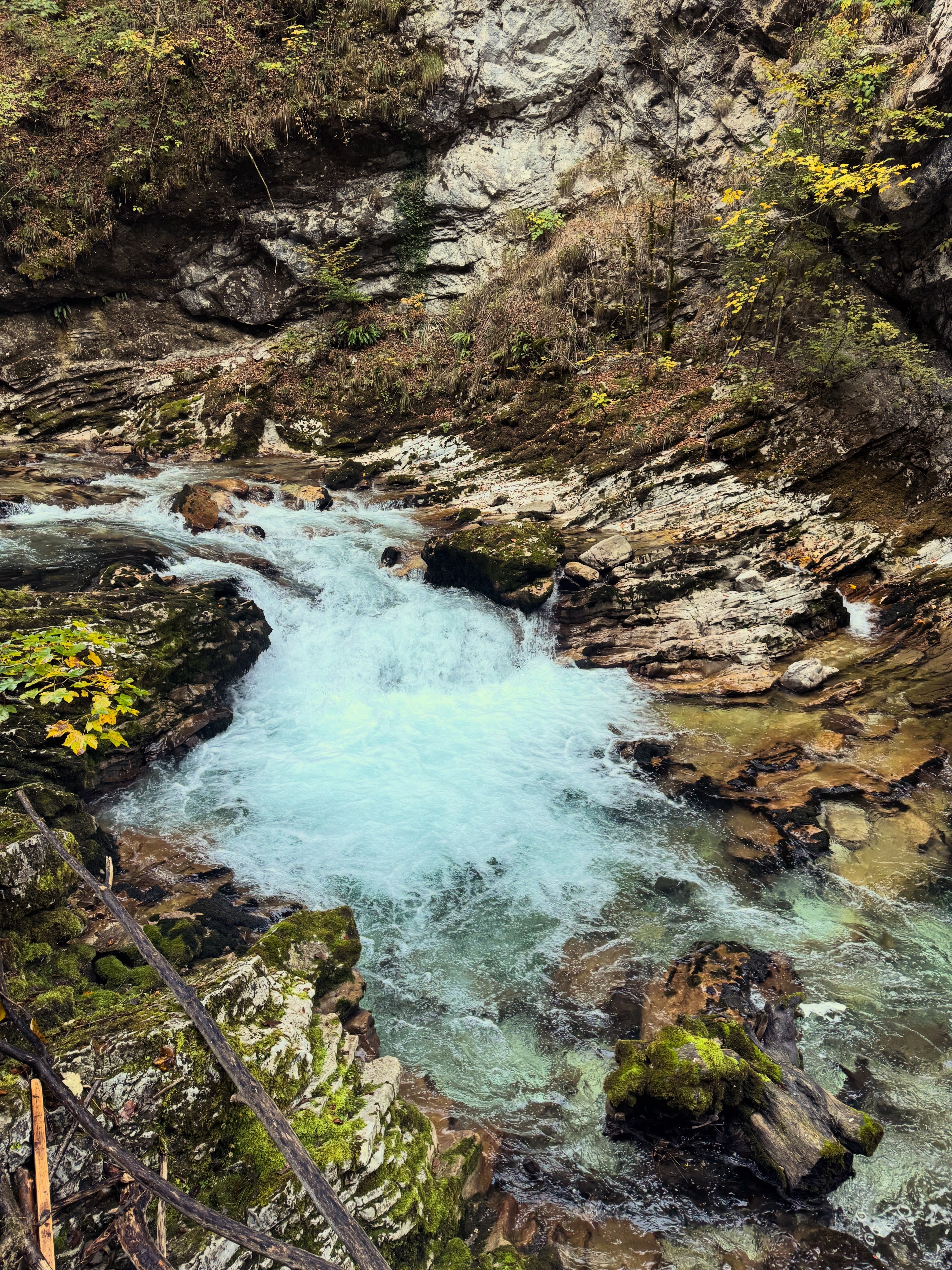
Slovenia then did its best to make the case for not working. The Vintgar Gorge was autumnmaxxing so aggressively it looked as though someone had turned the saturation up to a level normally associated with estate agents’ photographs. Naturally, I spent an unreasonable amount of time examining the rock formations and thinking about clients. I’m told some people visit places of extraordinary natural beauty and simply appreciate them, without attempting to draw lessons about organisational change. I wish them well.
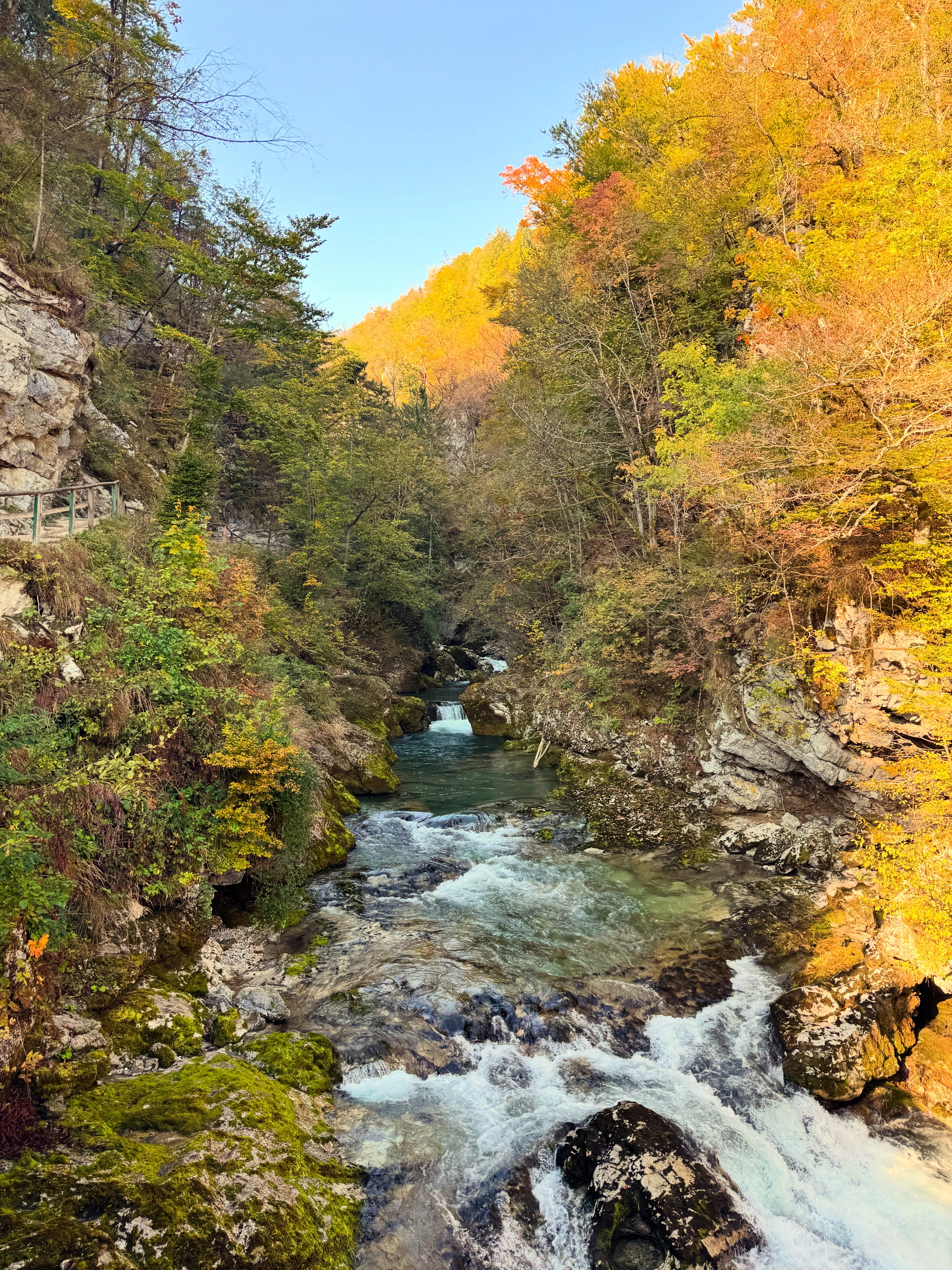
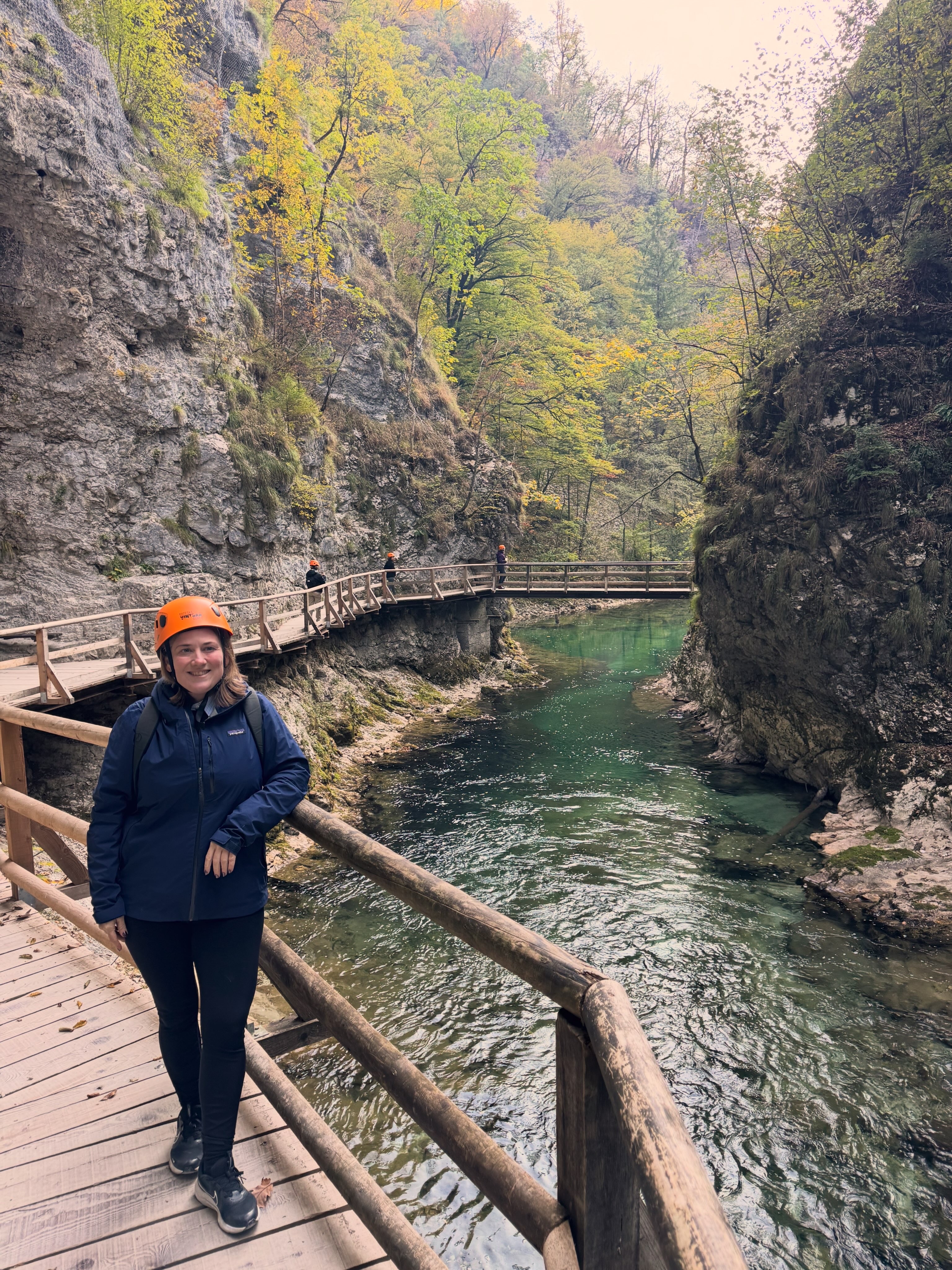
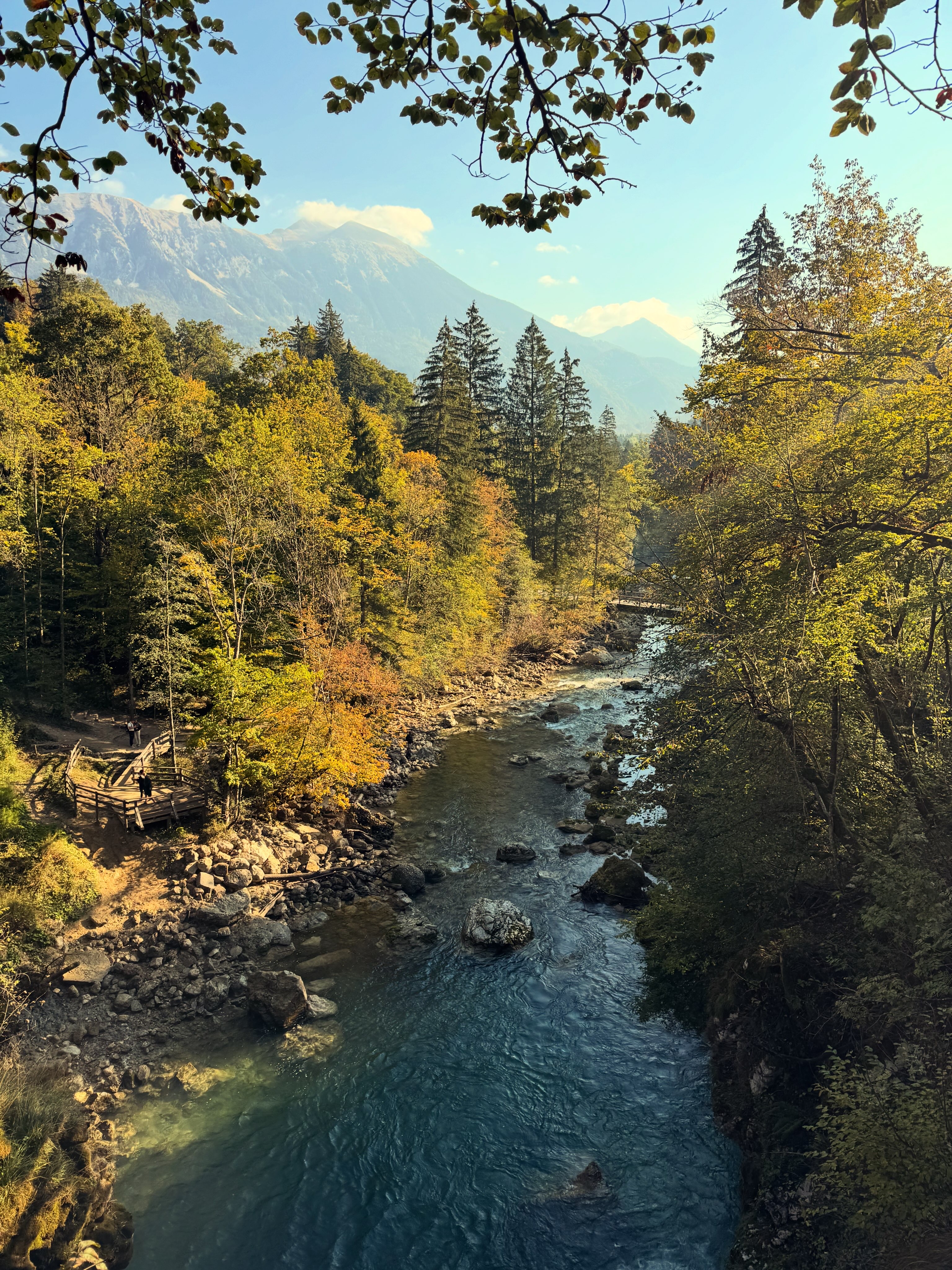
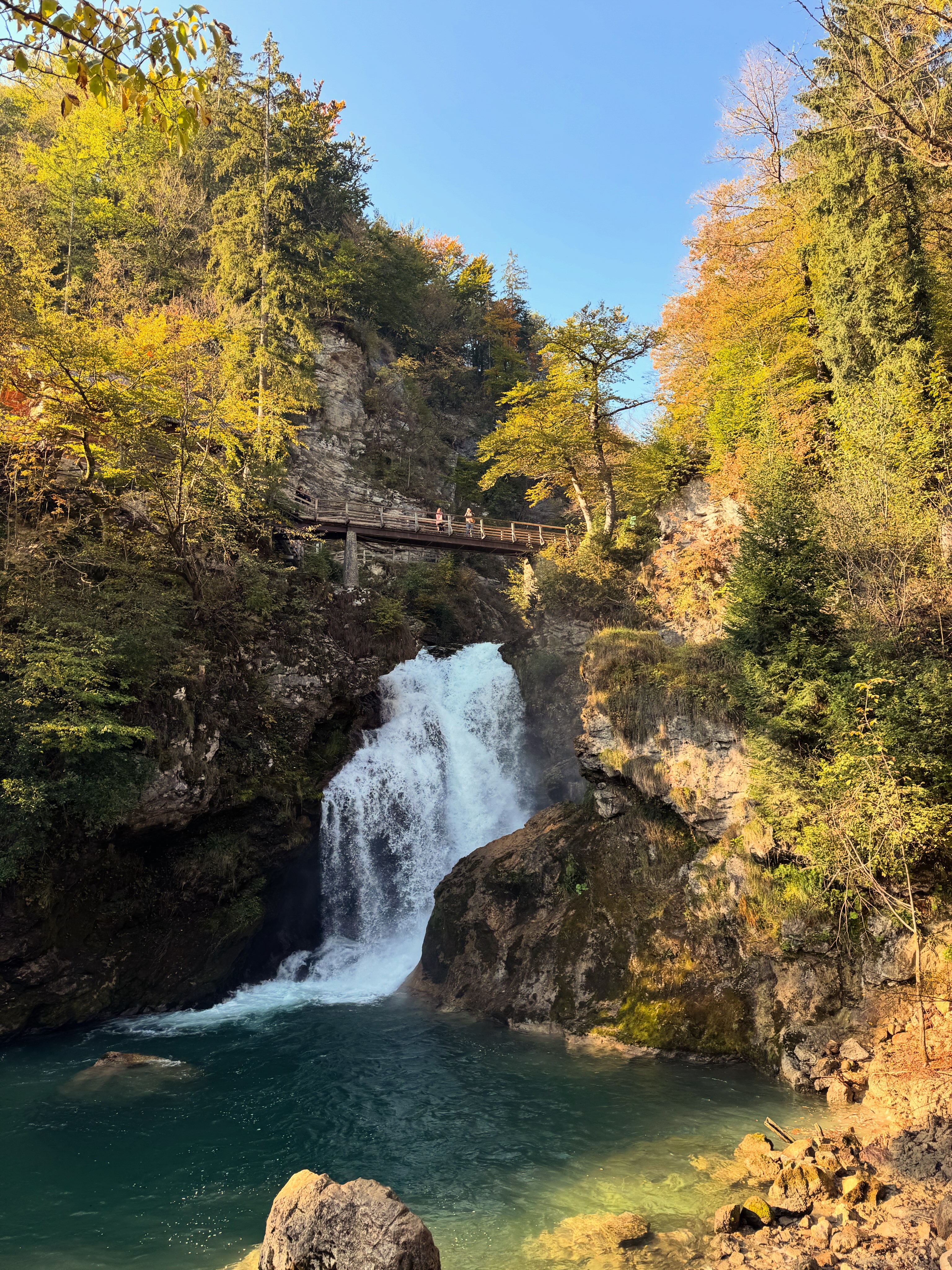
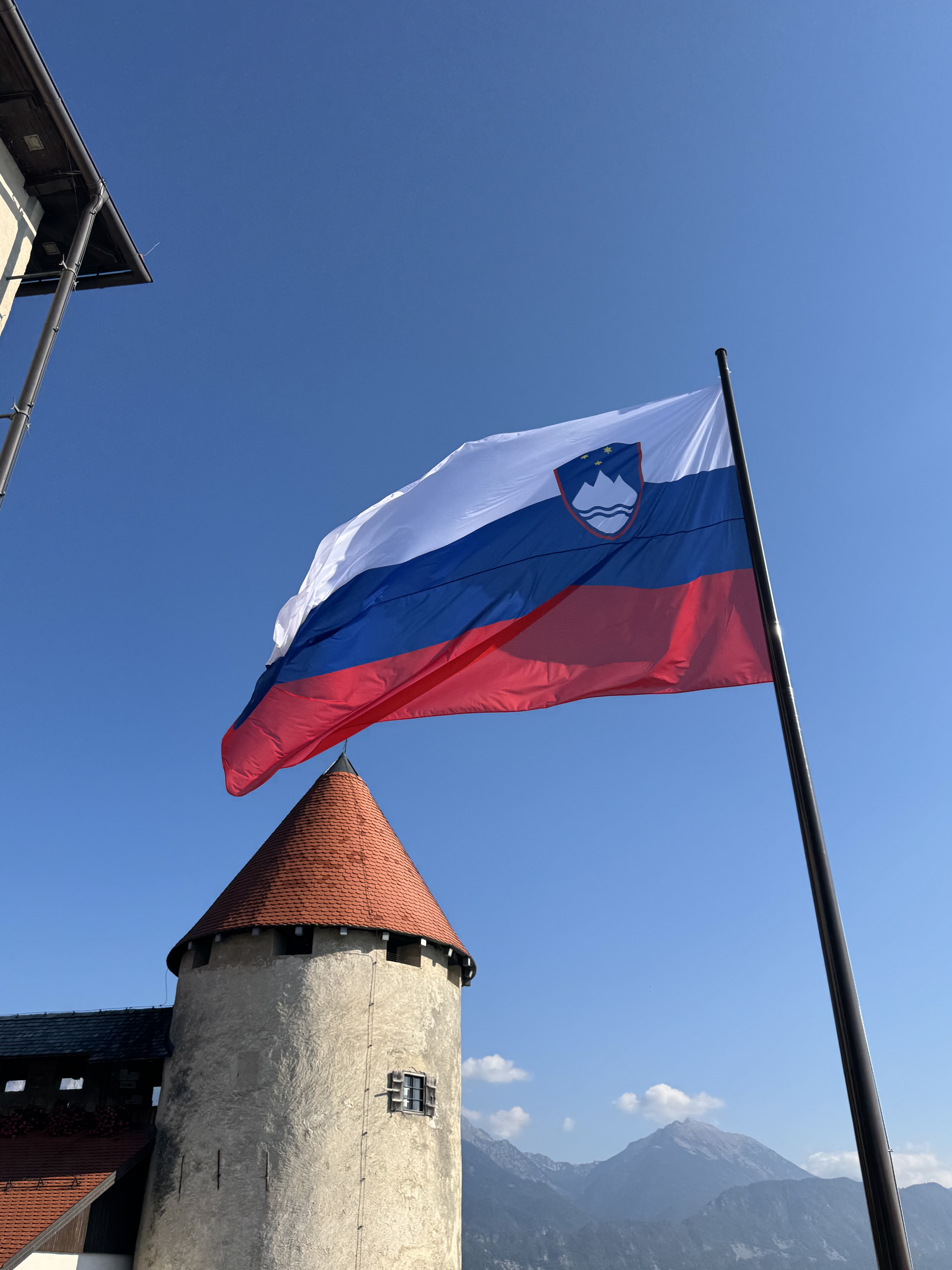
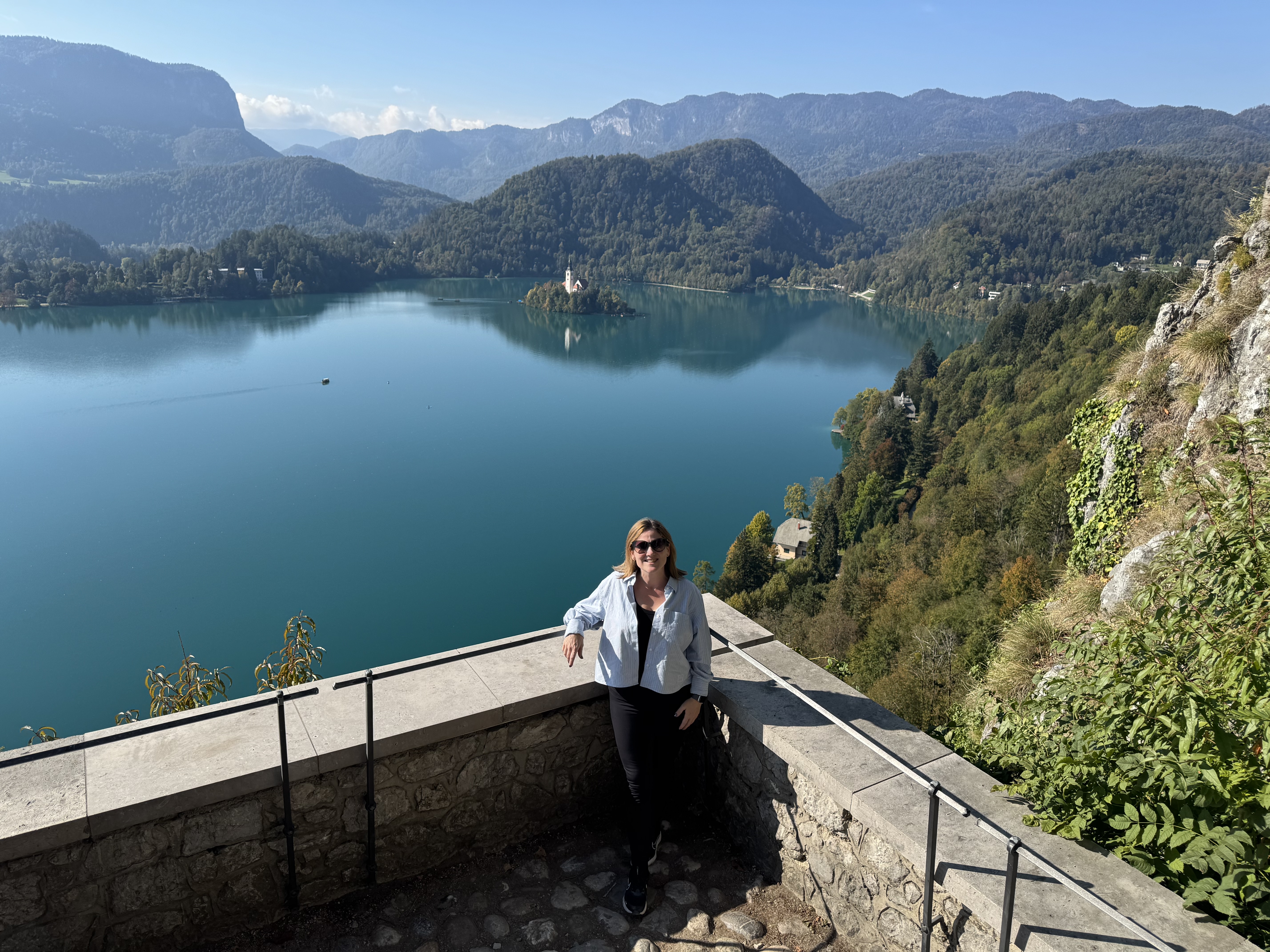
Lake Bled looks exactly like the photographs, which is the highest compliment I can pay a view.
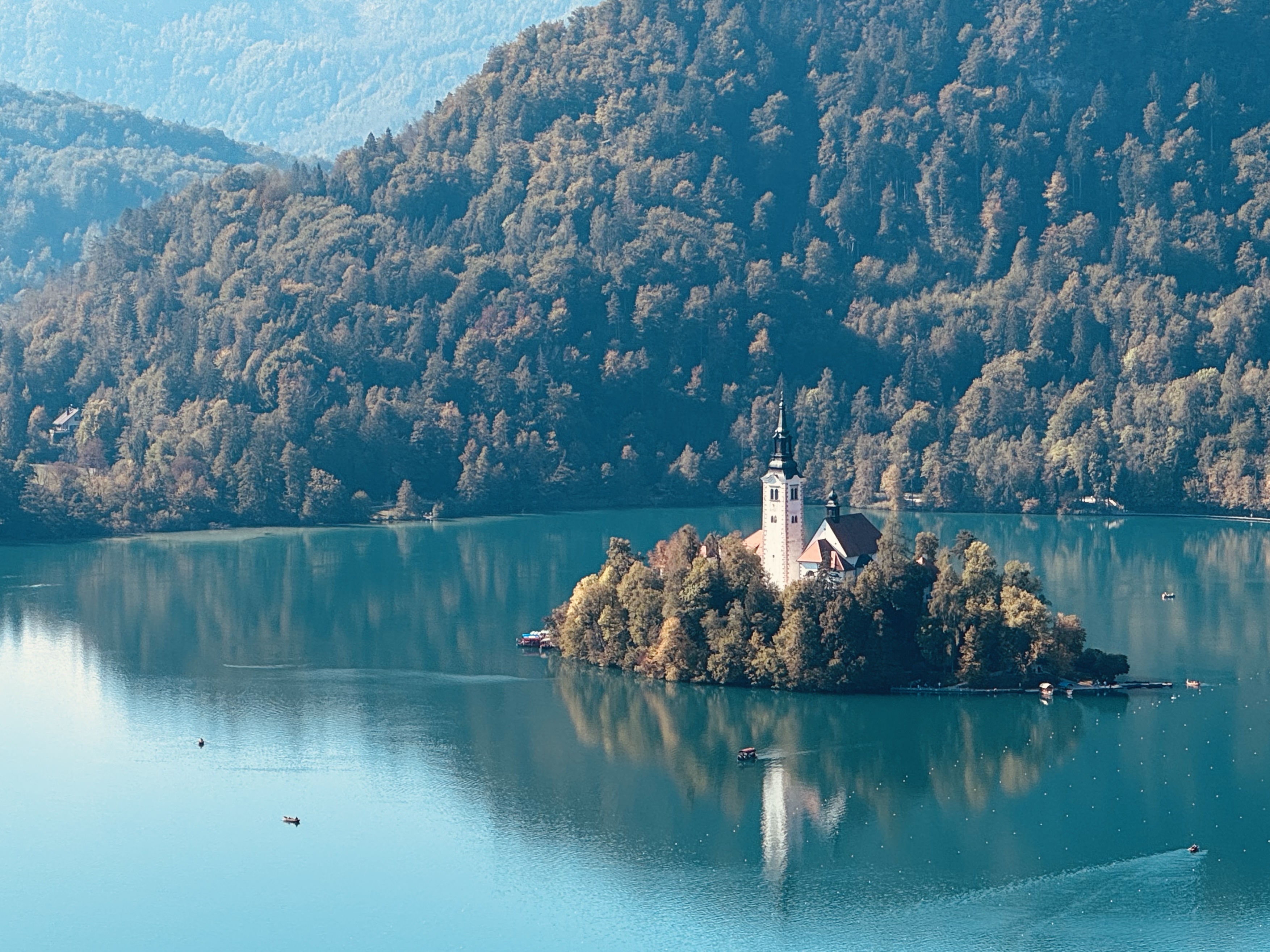
And once the last call of the week had wrapped up, I spent an afternoon wine tasting in the Alps, which strikes me as the correct way to conclude several days of discovery interviews. I’ll be proposing it to Jon as a standard part of our methodology. There’s probably a legitimate business case to be made for it, if I can find someone willing to fund the research.
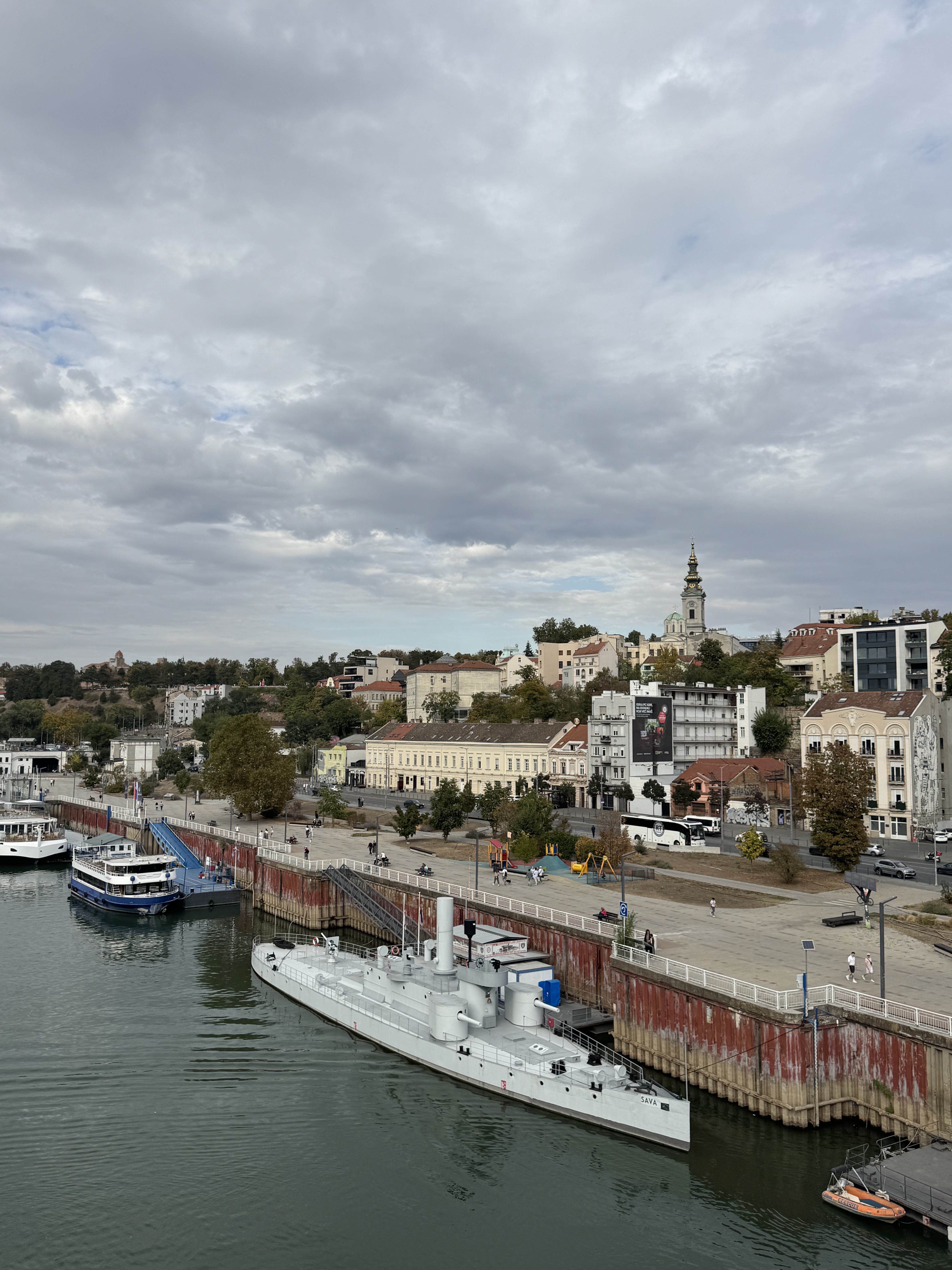
On Friday, Belgrade. Again. Three weeks ago I visited Serbia entirely by accident, when my flight to Mostar couldn’t land and the pilot took us back to Belgrade instead. This earned me an unexpected night in a hotel apparently last refurbished during the Tito administration, complete with the lingering aroma of several decades of indoor smoking. This time I went on purpose, for the weekend, which I guess counts as giving the city a second chance despite it having done absolutely nothing wrong. The plane landed where it was supposed to, and I celebrated with a pub crawl. A considerable improvement on my previous visit, although admittedly the bar was somewhere beneath the shag-pile carpet.


Consuming
Not much, frankly. Work, travel and an unreasonably scenic country accounted for most of my evenings. The exception was Thursday’s Celebrity Traitors, which I streamed live on my phone over a solo dinner, propped against the water jug like a small, treacherous dining companion. I regret nothing, although I now suspect everyone at the next table of being a Traitor.
Coverage
Jon and I kick off the new season of Katie Macaulay’s Internal Comms Podcast with Why better comms starts with discovery. We get into infobesity, writing for AI readers, why the things people can’t find are often more revealing than the things they can, and the peculiar corporate ritual of commissioning an exhaustive inventory of everything in the intranet before asking whether anyone needs any of it. Katie’s a superb interviewer, and she got one of the best conversations about the book out of us yet. If you take one thing from it, make it this: start with the appetite, not the fridge. Otherwise you’ll spend six months cataloguing the contents, reorganising the shelves and buying a very expensive new fridge, only to discover everyone wanted a sandwich.
I also made it into Slovenia’s Marketing magazin, talking about why there isn’t one future of work, but hundreds of them. A longer interview will appear in a forthcoming issue, which I’ll share when it’s out. My Slovenian is limited to hvala lepa, so I’m taking their word for what I said.
Travel
Home today. Then an entire week in one country, which will be an unsettling experiment in geographical continuity, before Paris for UNLEASH.
This week in photos