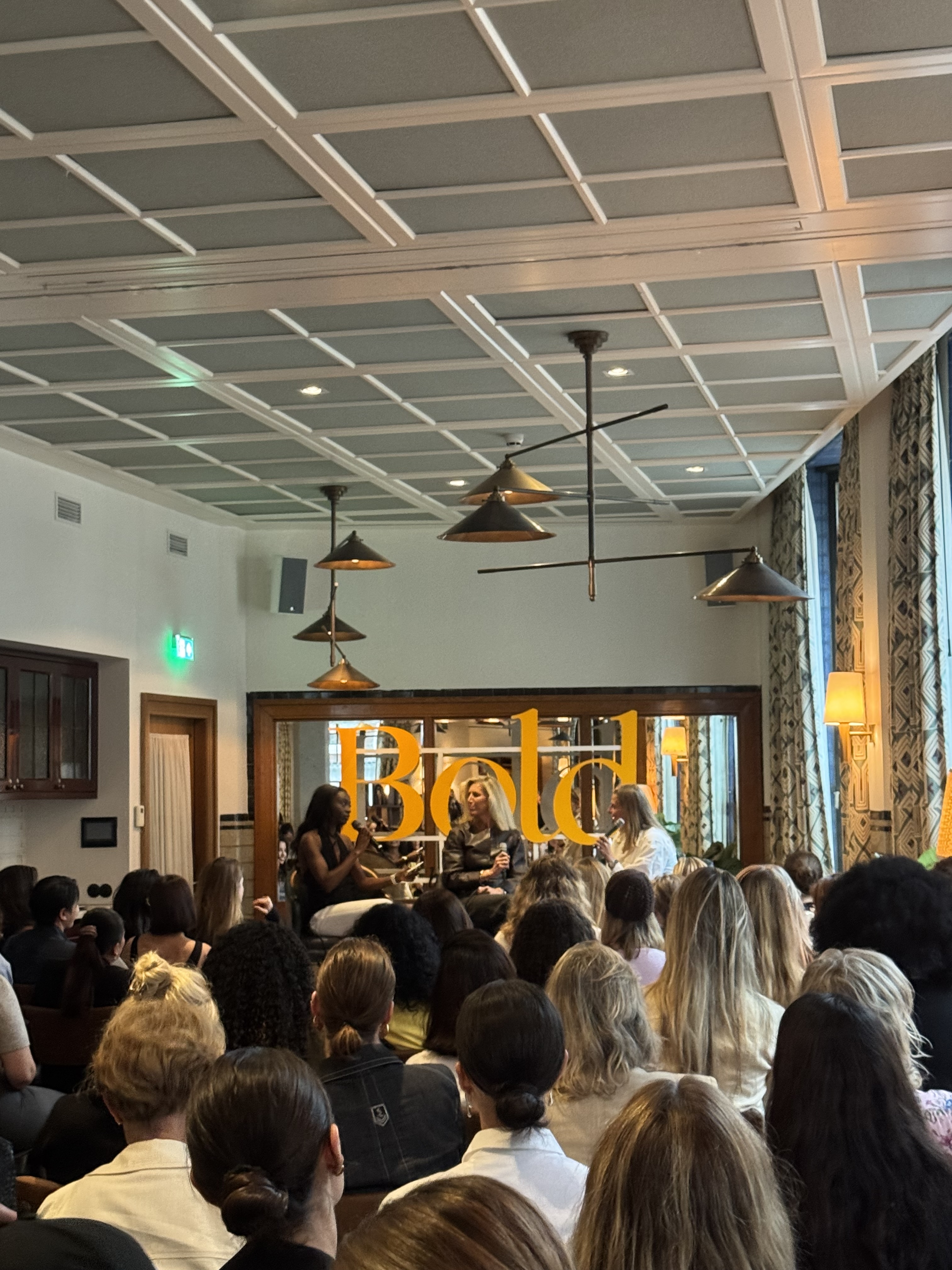
We seem to have decided that the ultimate purpose of technological progress is to eliminate the inconvenience of being alive. Every click is one too many, every pause a productivity leak, every interaction an opportunity to shave another three seconds off the crushing administrative burden of existing. Why read a book with your own eyes when a machine can extract five key takeaways, sparing you the tedious business of encountering an argument, considering it, and perhaps even changing your mind? Why have a conversation when you can have a summary? Why experience anything at all when you could receive a concise, actionable digest of what you would have experienced, had you not been so terribly busy optimising your life?
The logical endpoint is presumably a world in which machines do all our reading, writing, thinking and talking, freeing us to devote our remaining hours to watching strangers reorganise their fridges on TikTok. Somewhere, a management consultant is preparing a slide deck explaining why this represents a 40% improvement in human flourishing.
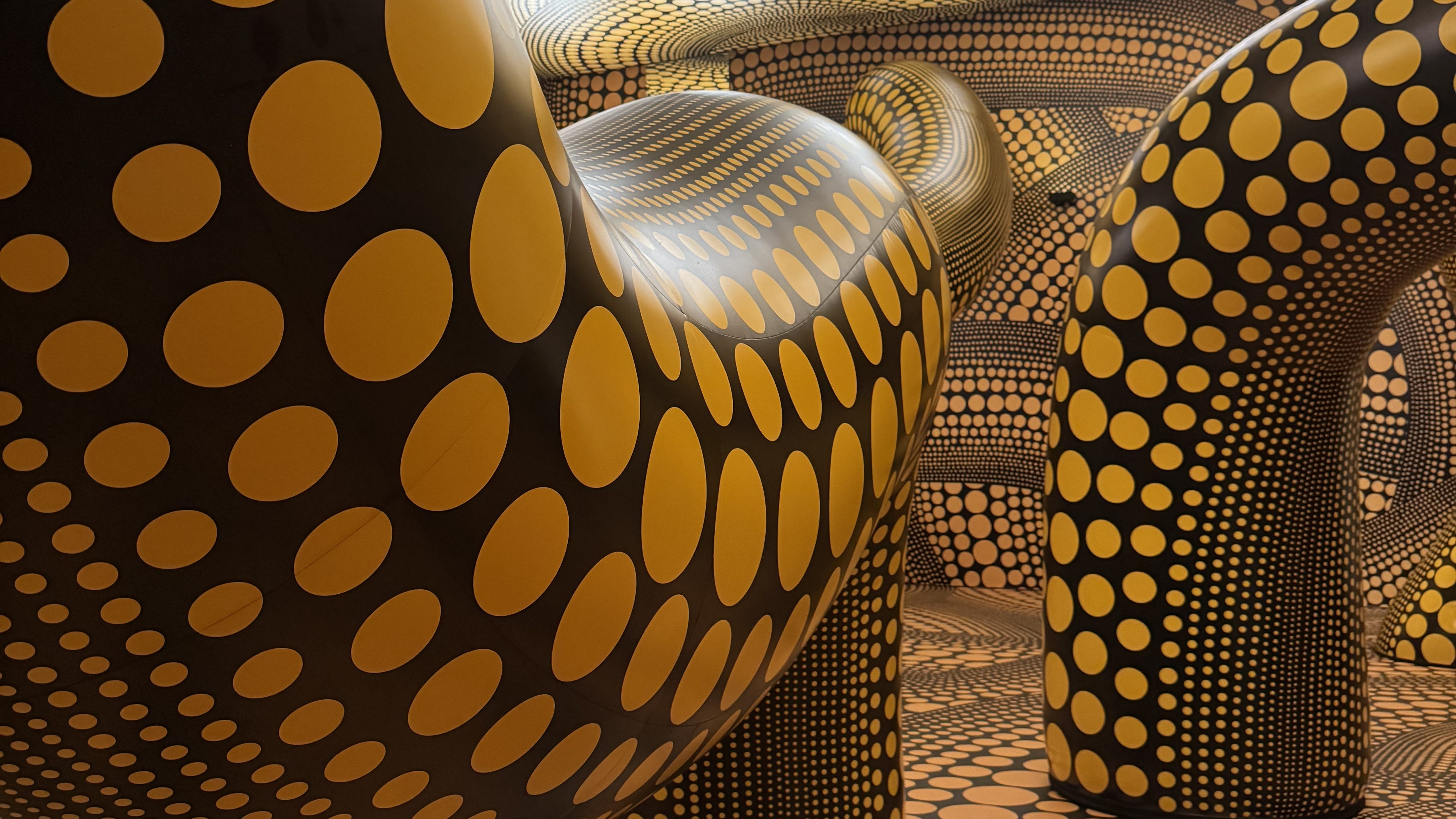
Except some of the best things about this week were spectacularly inefficient. I travelled to an actual office to meet actual people, schlepped across the Netherlands to watch three Japanese men make an unconscionable amount of noise, and spent an evening with old friends without generating a single piece of content to prove it happened. Meanwhile, at work, I found myself arguing for deliberately making a digital experience less effortless. Not because inconvenience is inherently virtuous — anyone who’s ever tried to change a password on a government website knows otherwise — but because sometimes the bit we’re so desperate to eliminate is the bit that makes the whole thing worthwhile.
Perhaps the problem isn’t that we haven’t yet managed to make everything effortless. Perhaps it’s that we’ve become so obsessed with removing the effort that we’ve stopped asking what any of it was for.
This week at work
One client asked a question this week that sounds like a policy question but is really a design one: can I post this?
The answer we landed on fits on a Post-it. If it could go in the newsletter, it can go in the community. If it couldn’t, it can’t. No flowchart, no twelve-page acceptable use policy, no appendix clarifying whether a thumbs-up emoji constitutes formal endorsement. Just a small, well-placed moment in which someone has to stop and think about who’s going to read what they’re about to publish.
That moment is friction. And friction has had a terrible press.
Anything that slows a user down is a defect to be eliminated, preferably by a product team with a reassuringly expensive job title. Which is all very well until the thing you’ve made effortless is sending the board pack to the wrong Sarah.
Hans Monderman, a Dutch traffic engineer, spent much of his career taking things away. In Drachten, he removed the traffic lights from the town’s busiest junction, which carried around 22,000 cars a day, and replaced them with a roundabout, a cycle path and somewhere for pedestrians to cross. By one account, crashes fell from thirty-six in the preceding four years to two in the following two. “The trouble with traffic engineers,” he said, “is that when there’s a problem with a road, they always try to add something.”
Which is a devastating assessment of several other professions I could name.
Monderman hadn’t made the road frictionless. He’d moved the friction out of the signage, which drivers had long since learned to obey without thinking, and into their heads, where it could do some useful work. Without a green light assuring you that the universe has granted you right of way, you have to look at the cyclist. The cyclist looks at you. Somebody slows down. Everybody has to acknowledge that other people exist, which is a radical proposition in traffic engineering and, increasingly, online.
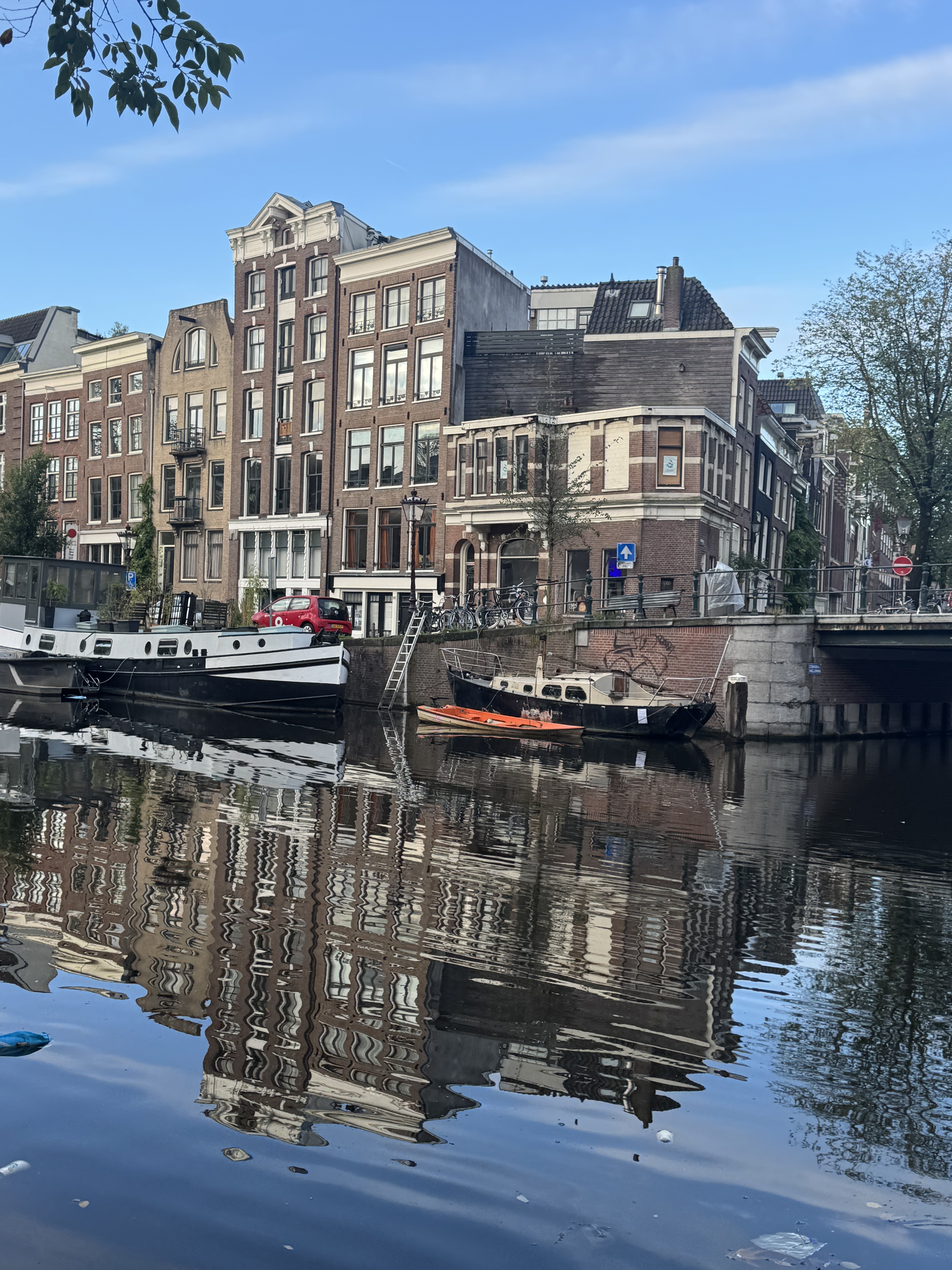
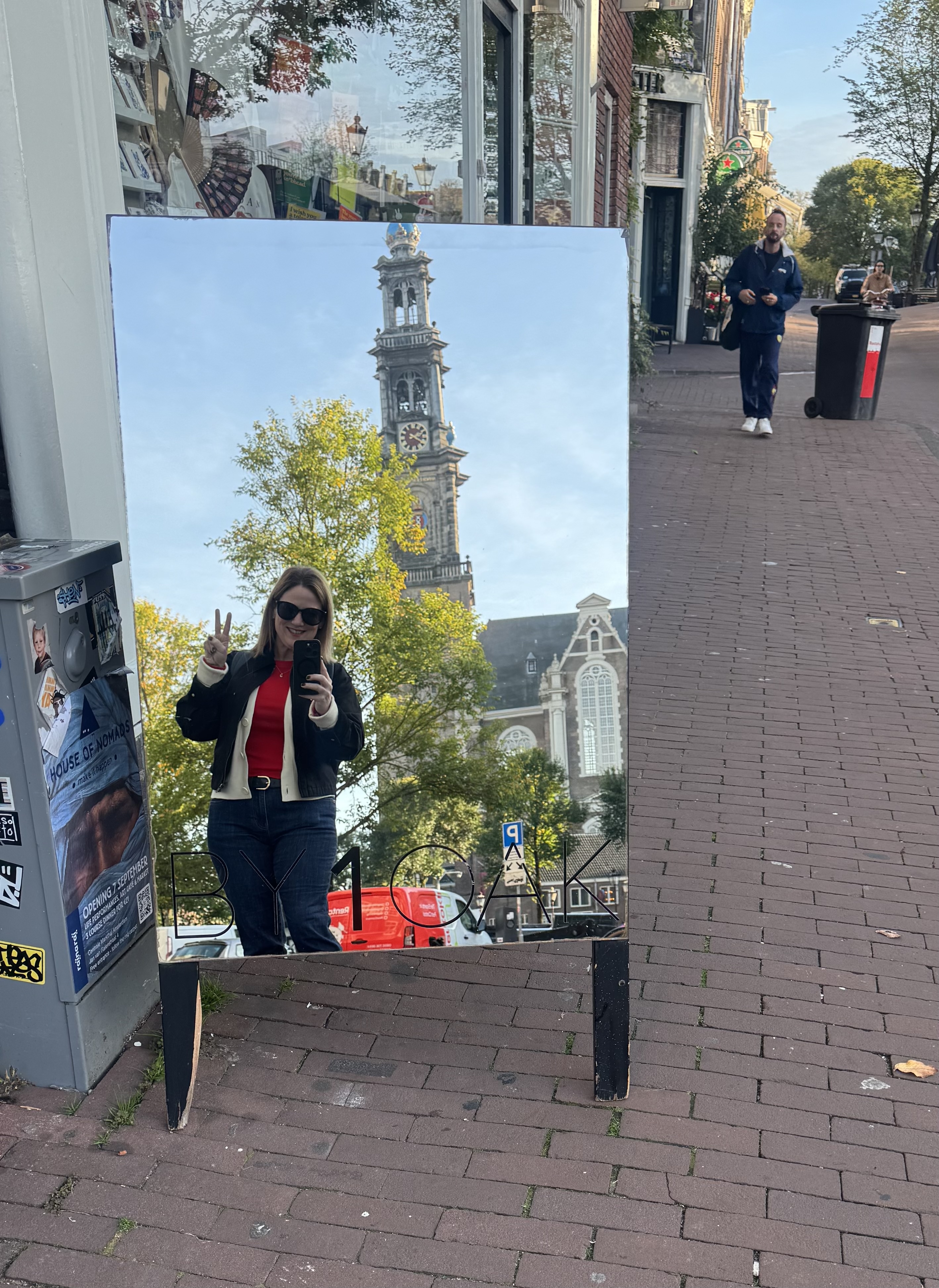
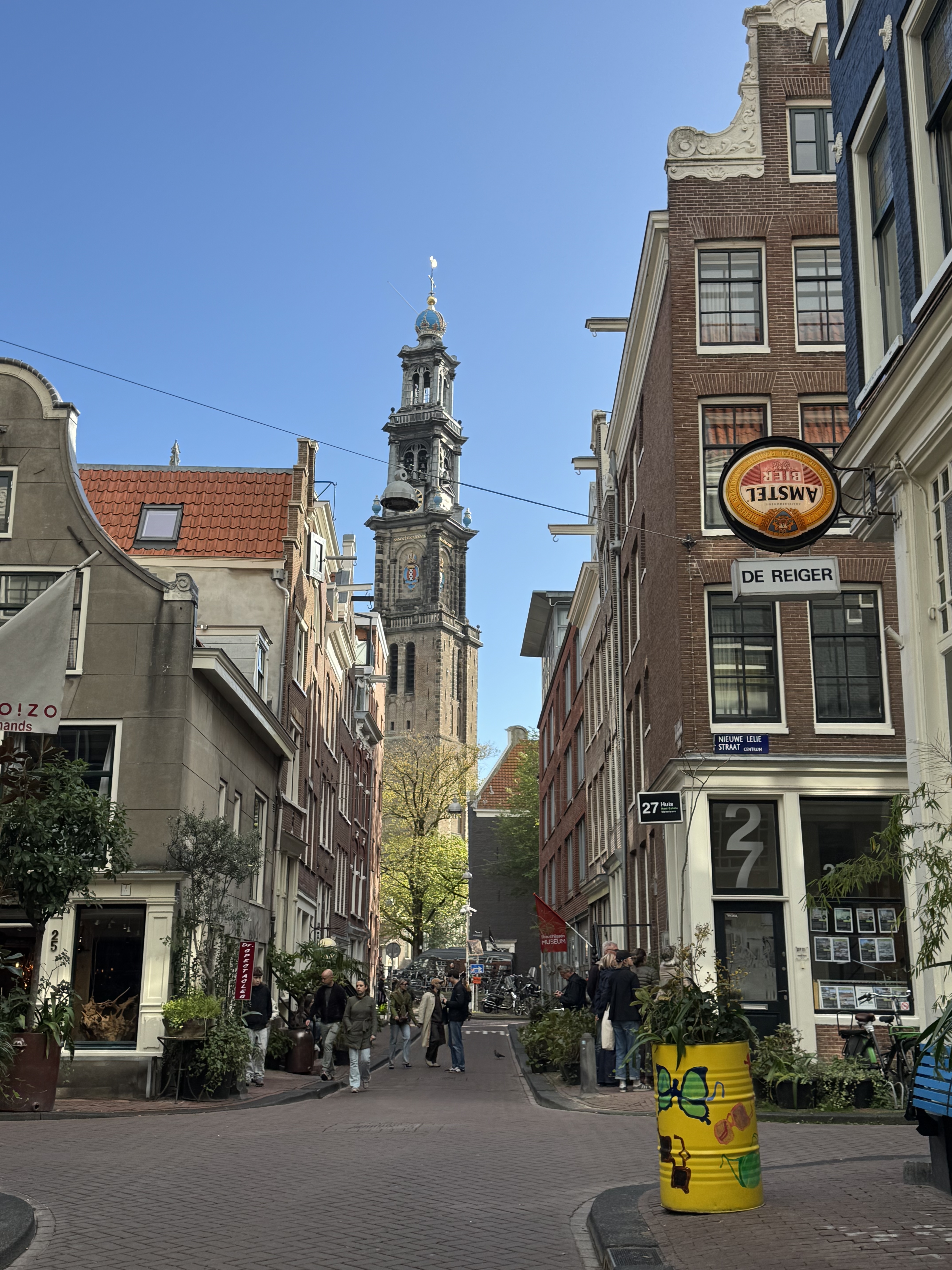
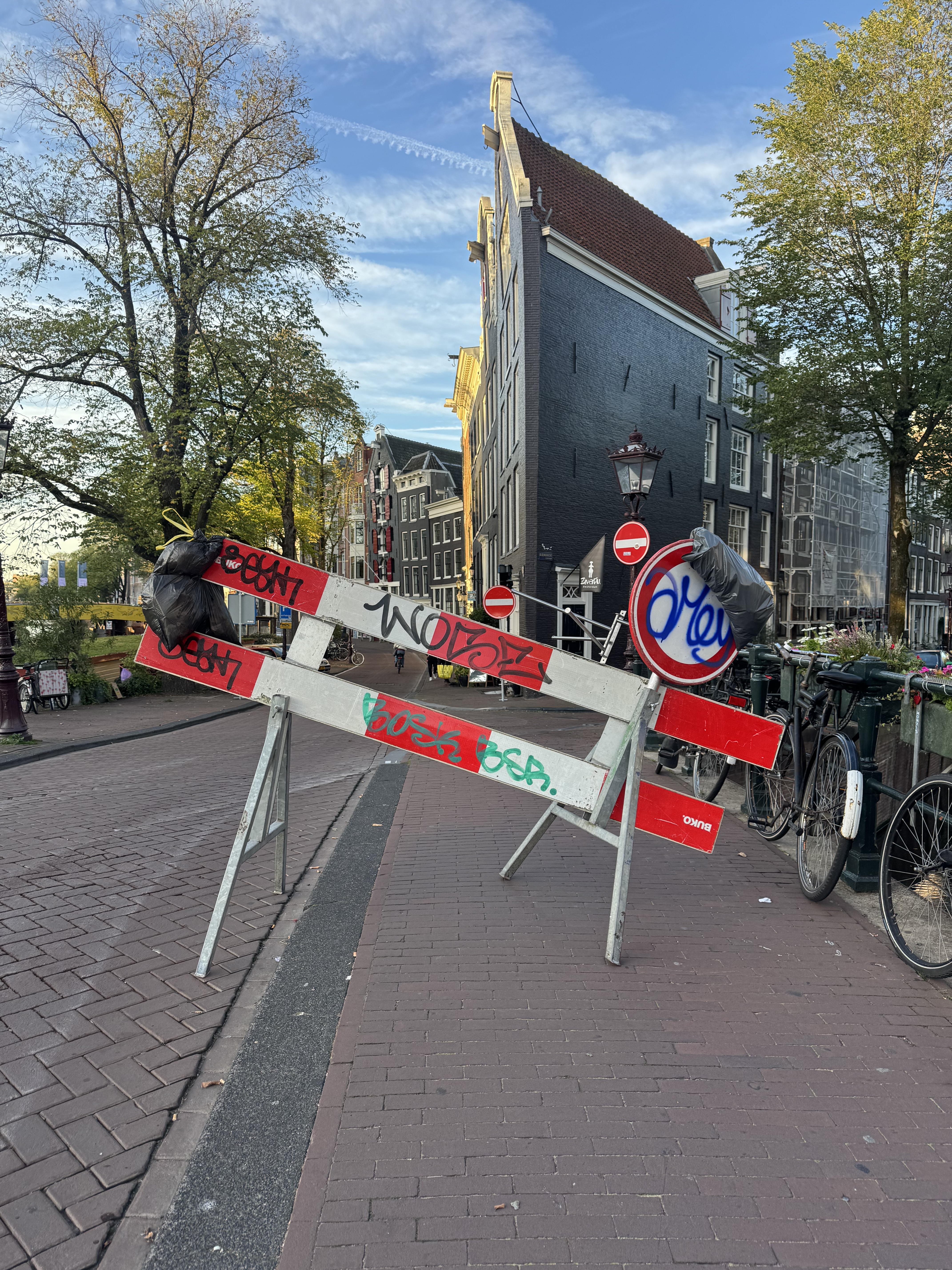
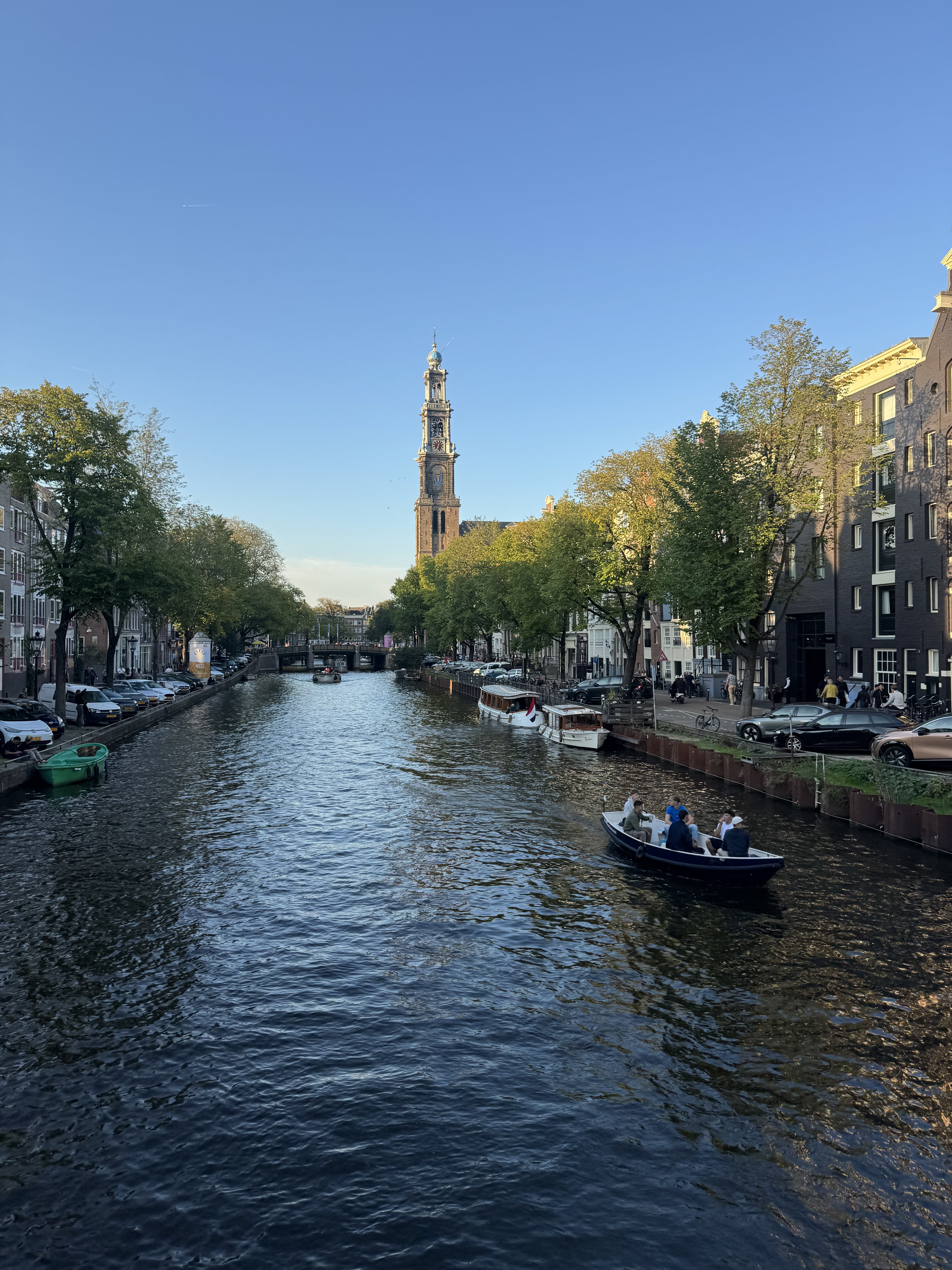
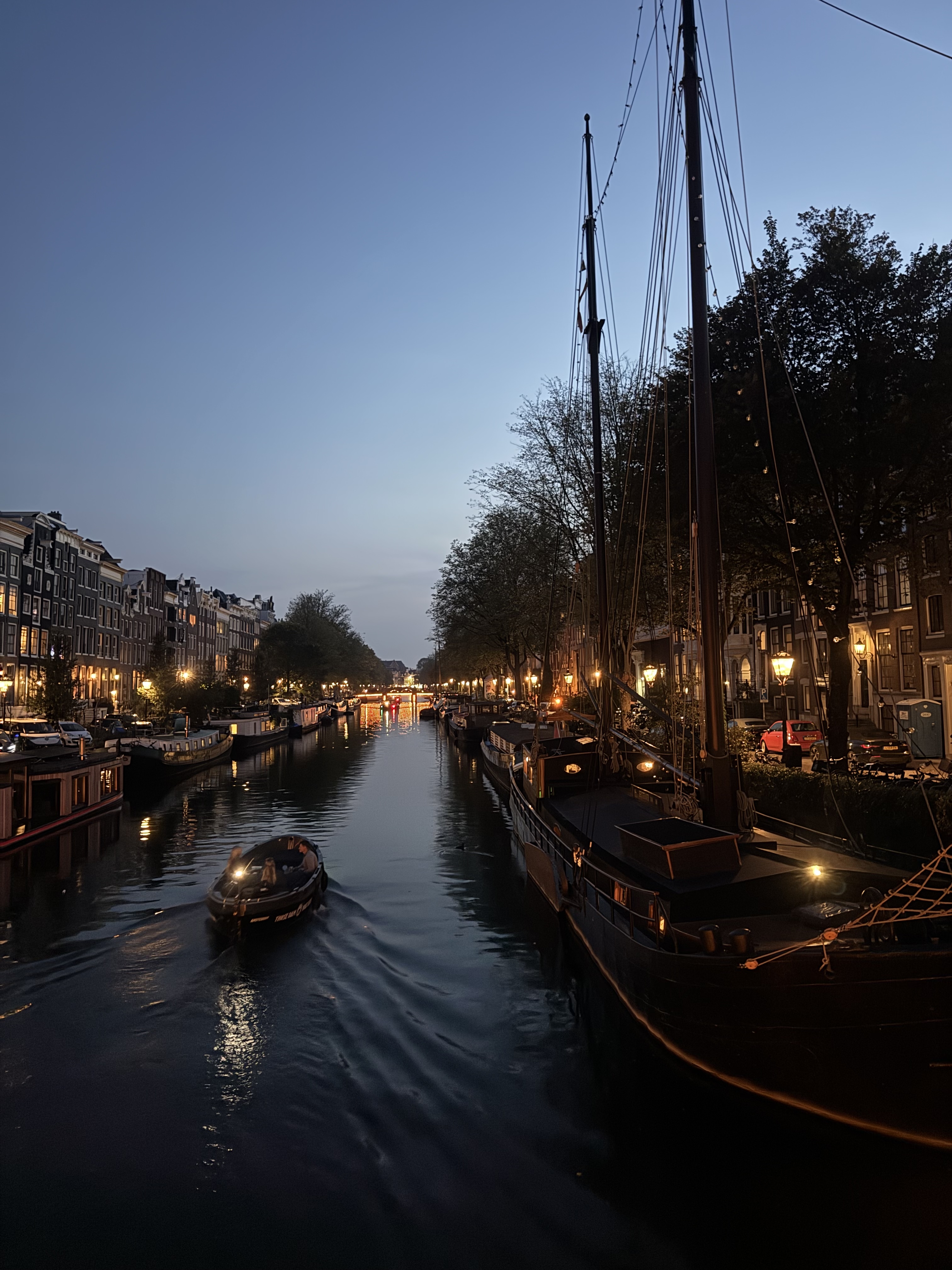
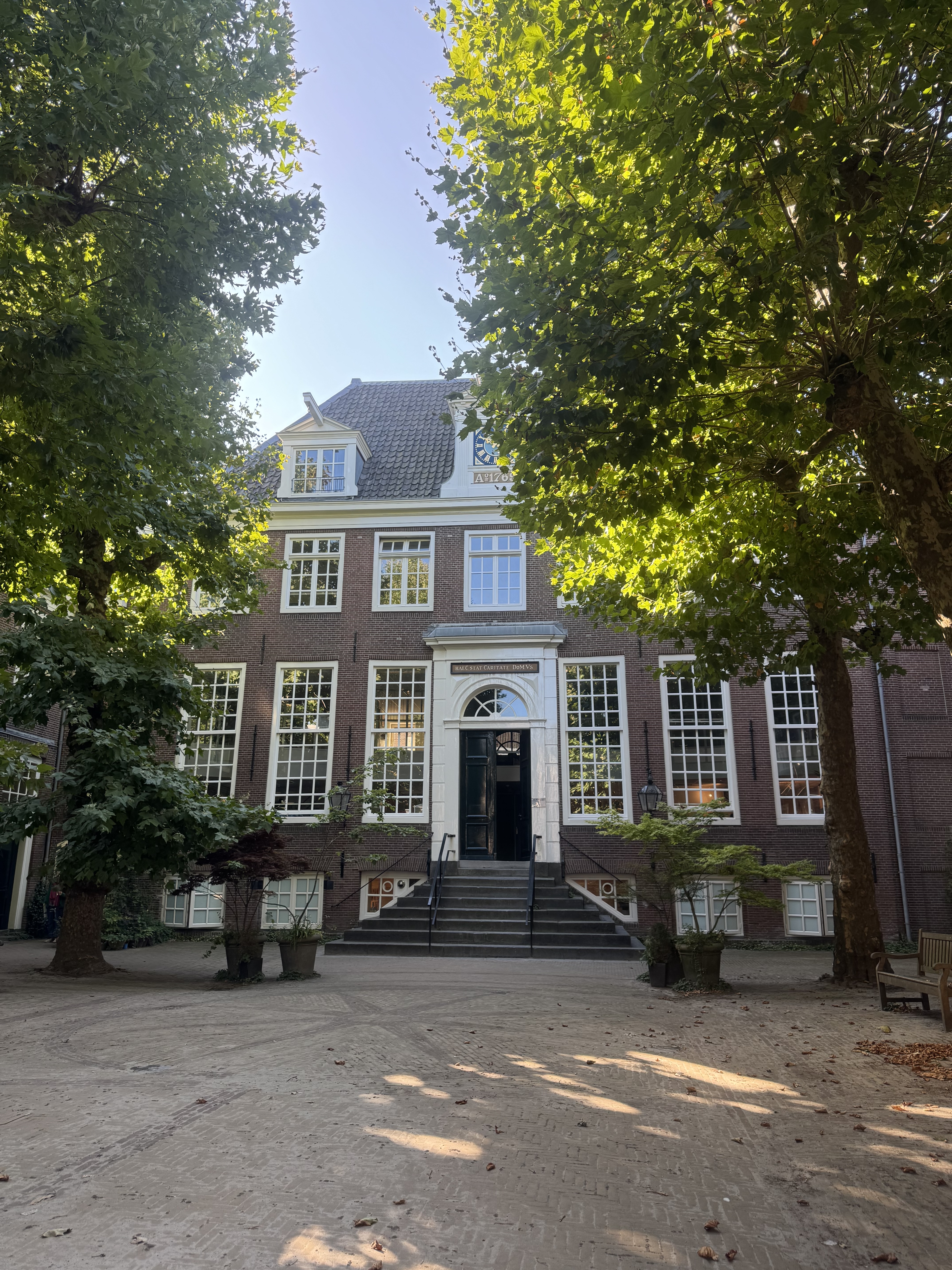
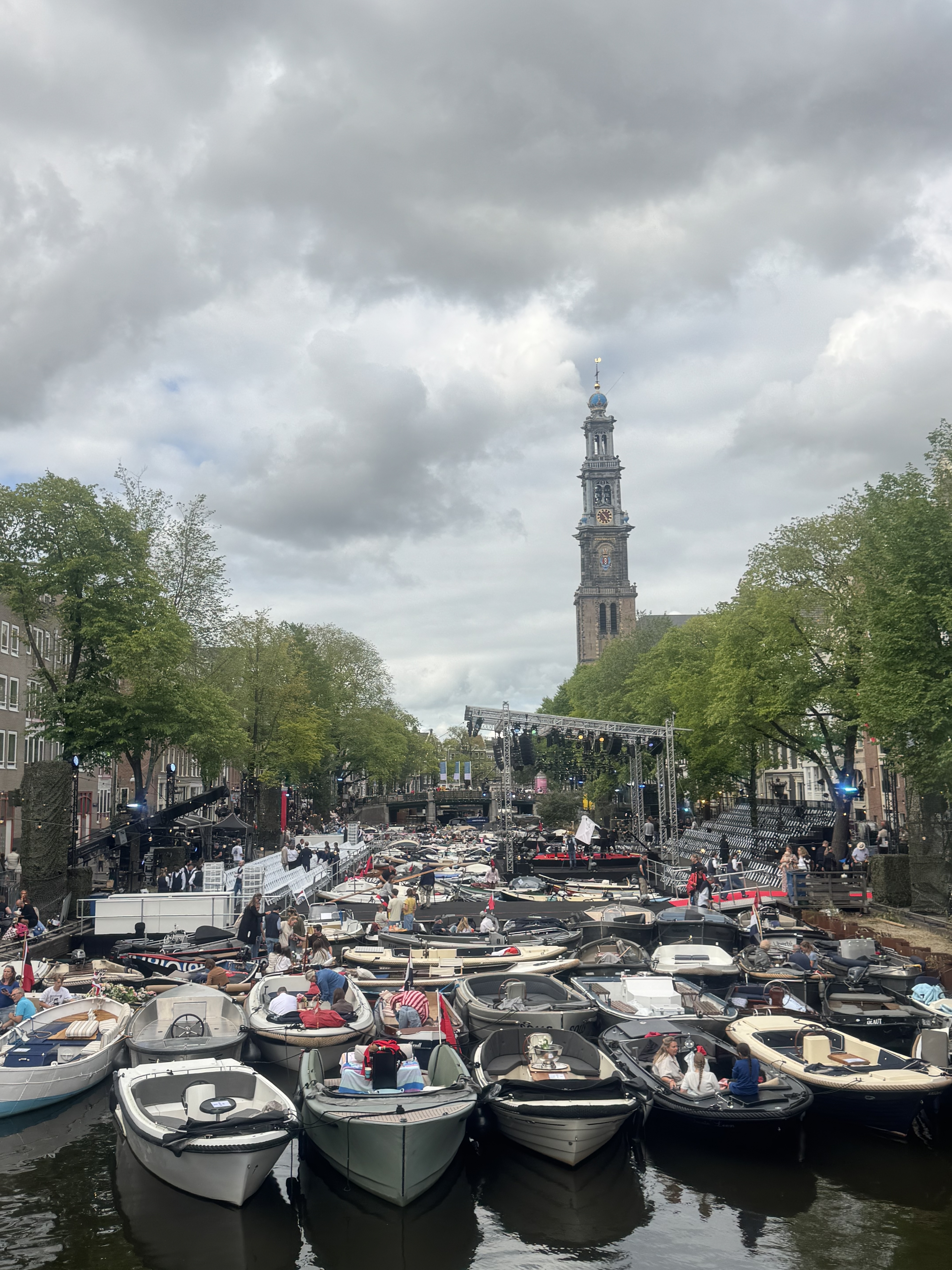
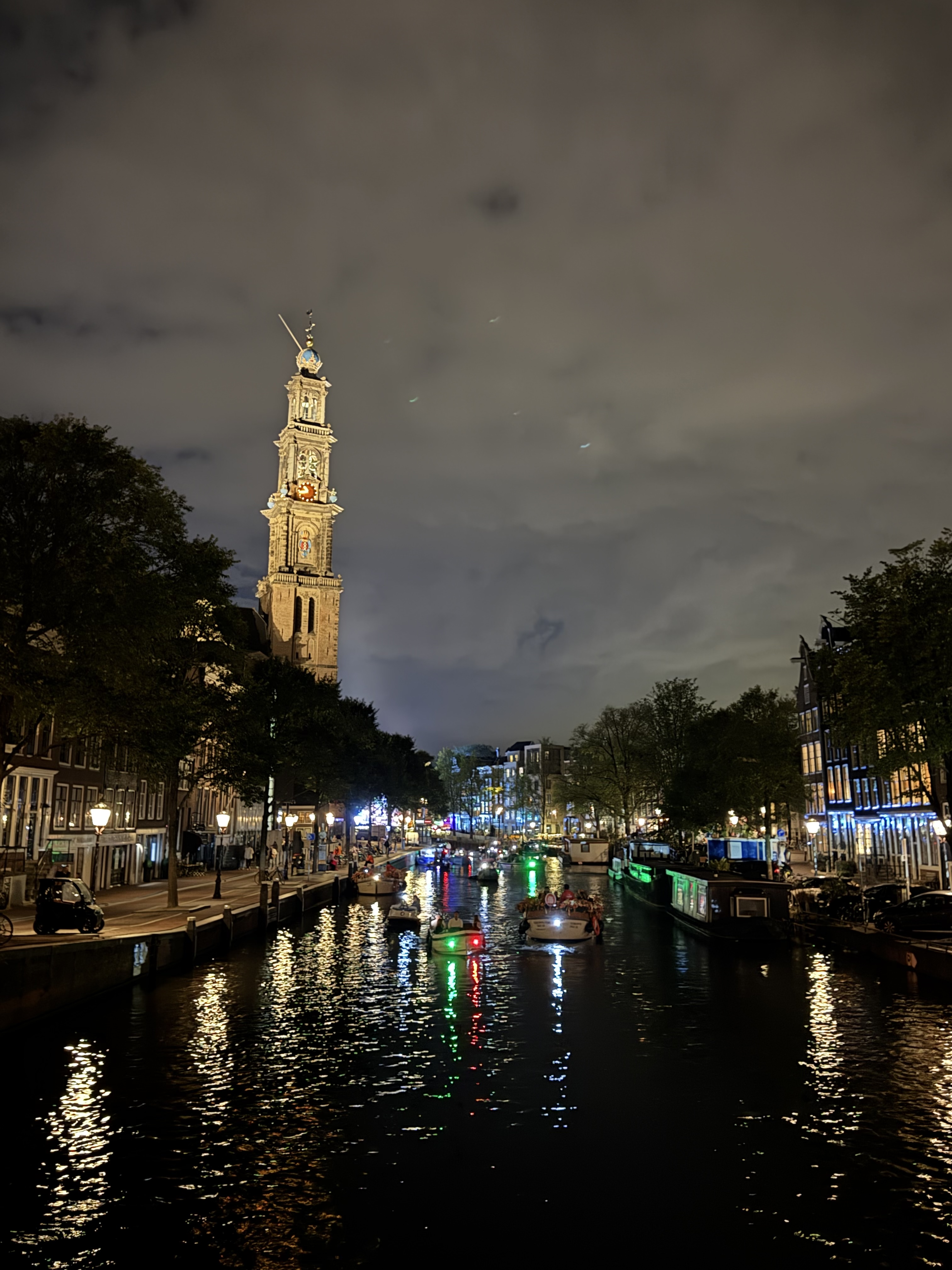
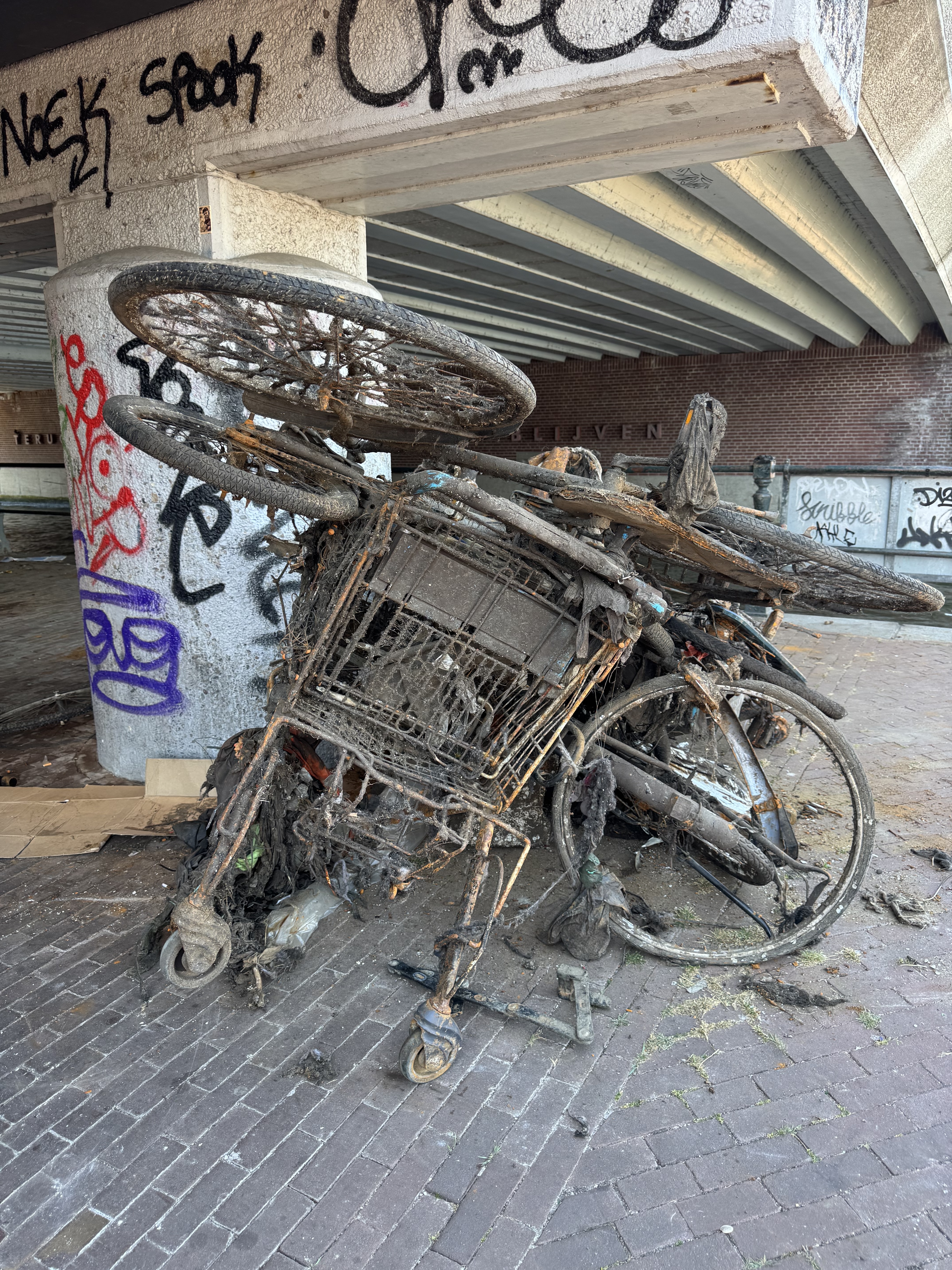
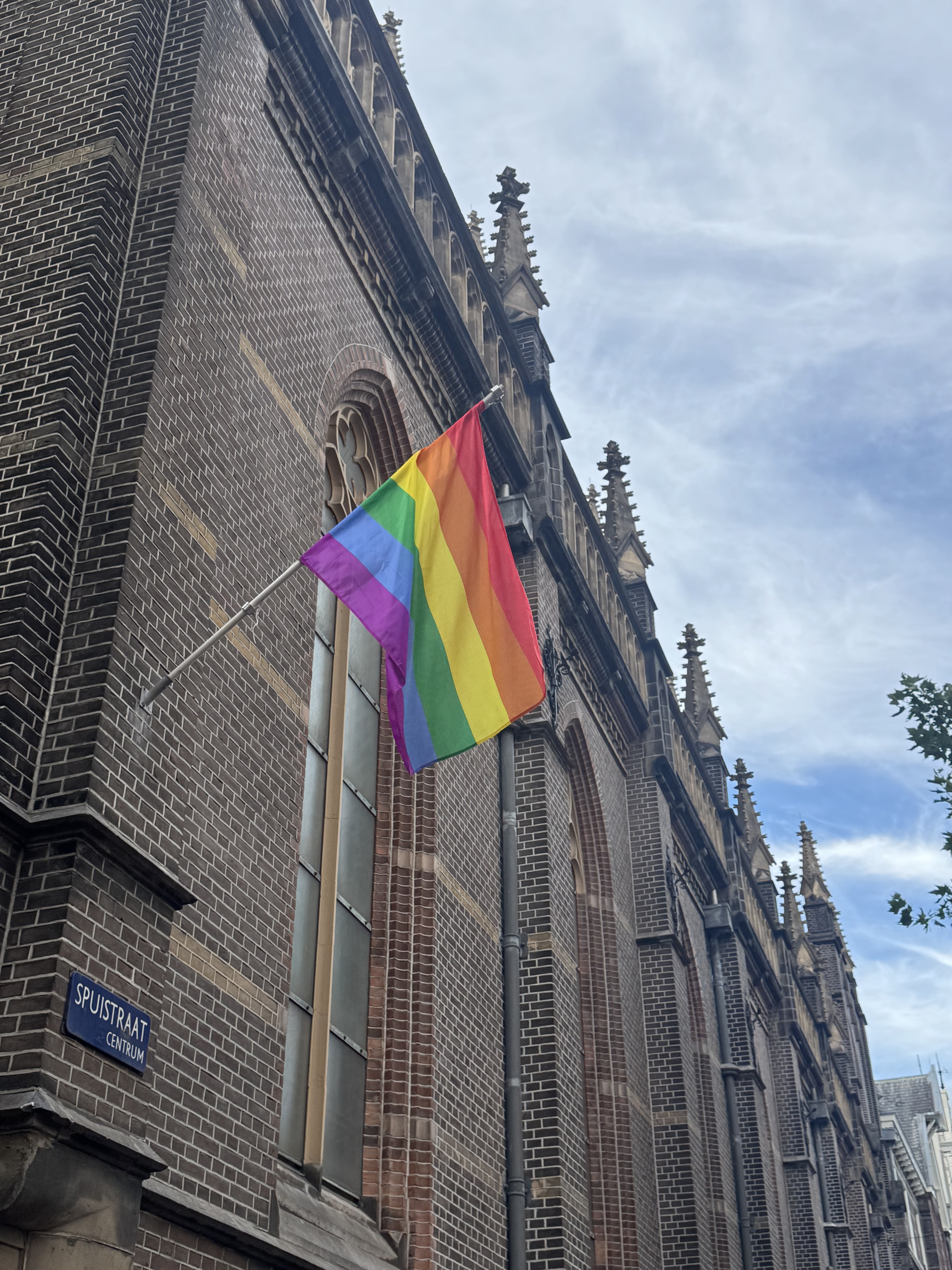
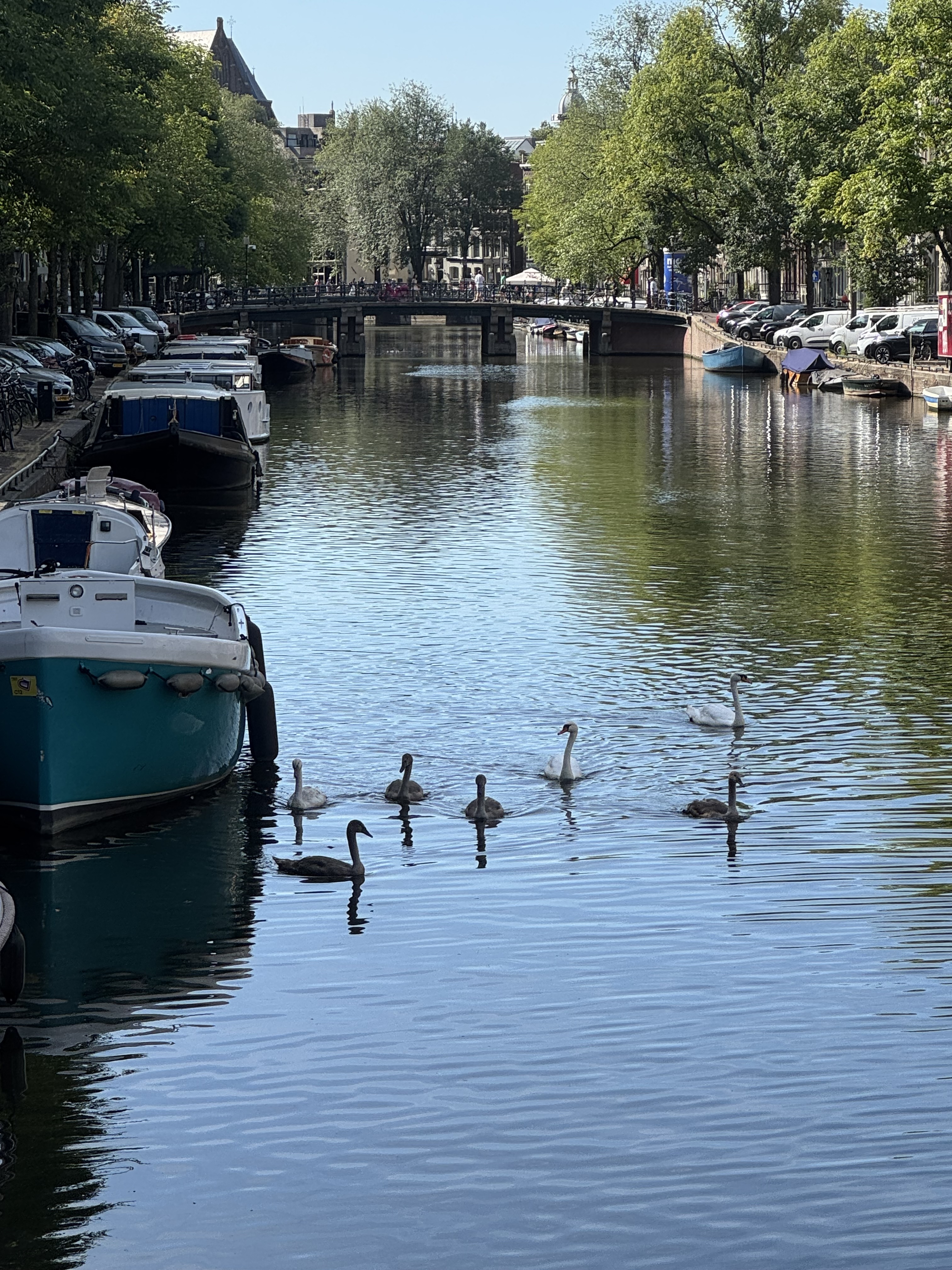
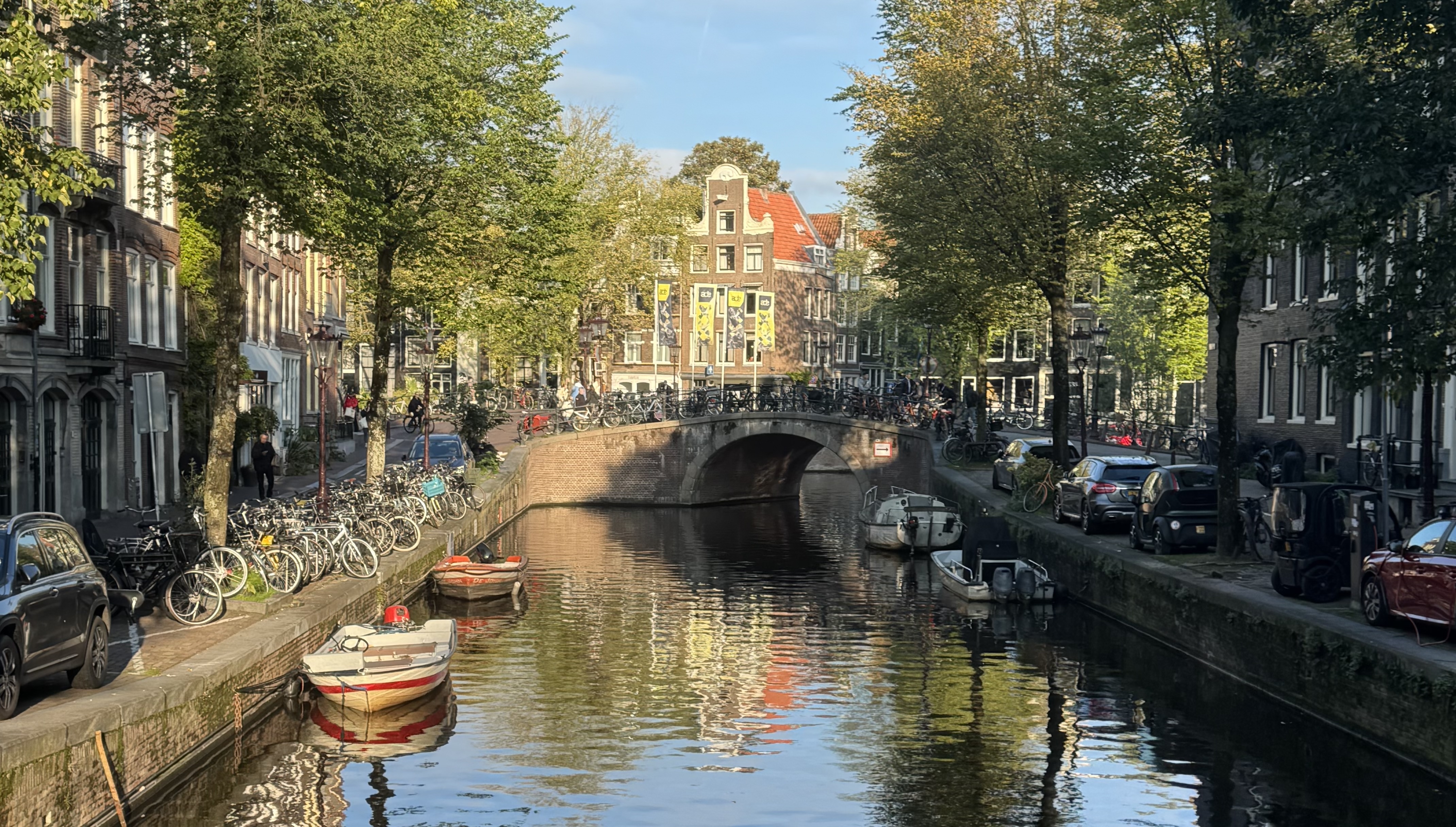
Amsterdam (where I spent an entire week, for once), offers a working demonstration of the full range. The red tarmac of a cycle lane tells you where you are without demanding anything of you. A tram bell interrupts you just long enough to prevent you stepping off the kerb into several tonnes of public transport. A speed bump on a bike path makes you reconsider your enthusiasm. The barrier at a level crossing dispenses with persuasion altogether. Cue, pause, confirm, gate. And for most of the journey, nothing, because most of the journey should be nothing.
The skill is knowing which moment deserves which intervention.
Get it wrong in one direction and you end up with the security warning: an interruption so routine that people have trained themselves to dismiss it before they’ve finished reading. In one study of more than 25 million browser warnings, users clicked straight through 70% of Chrome’s SSL warnings and around a third of Firefox’s. Same risk, different design. A useful reminder that the presence of a warning is not the same thing as the presence of thought.
Get it wrong in the other direction and people simply go somewhere else. At another client, there’s an entirely sensible push to lock down a video tool, because AI note-takers can wander into meetings unannounced, like a wedding guest nobody quite remembers inviting but who appears to be recording the speeches. The same team is wisely leaving WhatsApp alone for now, because the people who are rarely at a desk practically live in it. You can block a tool with the best of intentions, but if you’ve made someone’s job harder without giving them a workable alternative, the work doesn’t stop. It just moves somewhere you have even less control over. Congratulations: you’ve improved compliance by making the non-compliance invisible.
So perhaps frictionless was the wrong ambition all along. The goal isn’t to remove every obstacle, or to introduce a confirmation dialogue every time someone so much as looks at a button. It’s to make the ordinary things easy and the consequential things just difficult enough that someone has to engage their brain.
Monderman put it more bluntly: treat people like idiots, and they’ll behave like idiots.
An observation with applications well beyond Dutch roundabouts.
Also this week
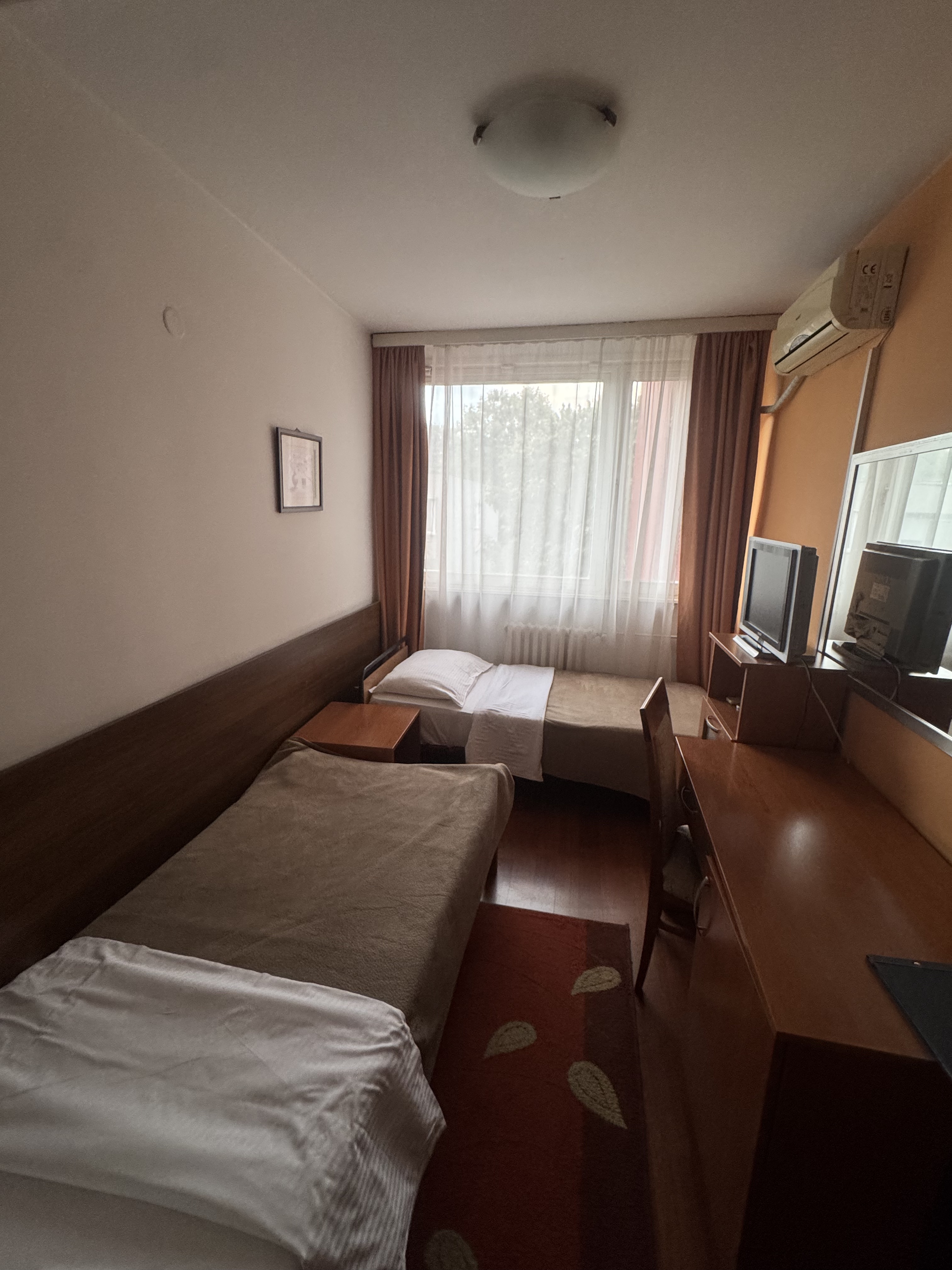
Last week I promised an unsettling experiment in geographical continuity. The results are in: seven consecutive nights in the same bed, and the faint suspicion that I was getting away with something. No airports, no baffling hotel lighting, no trying to remember which country’s plug sockets I was dealing with. An almost indecent level of domestic stability.
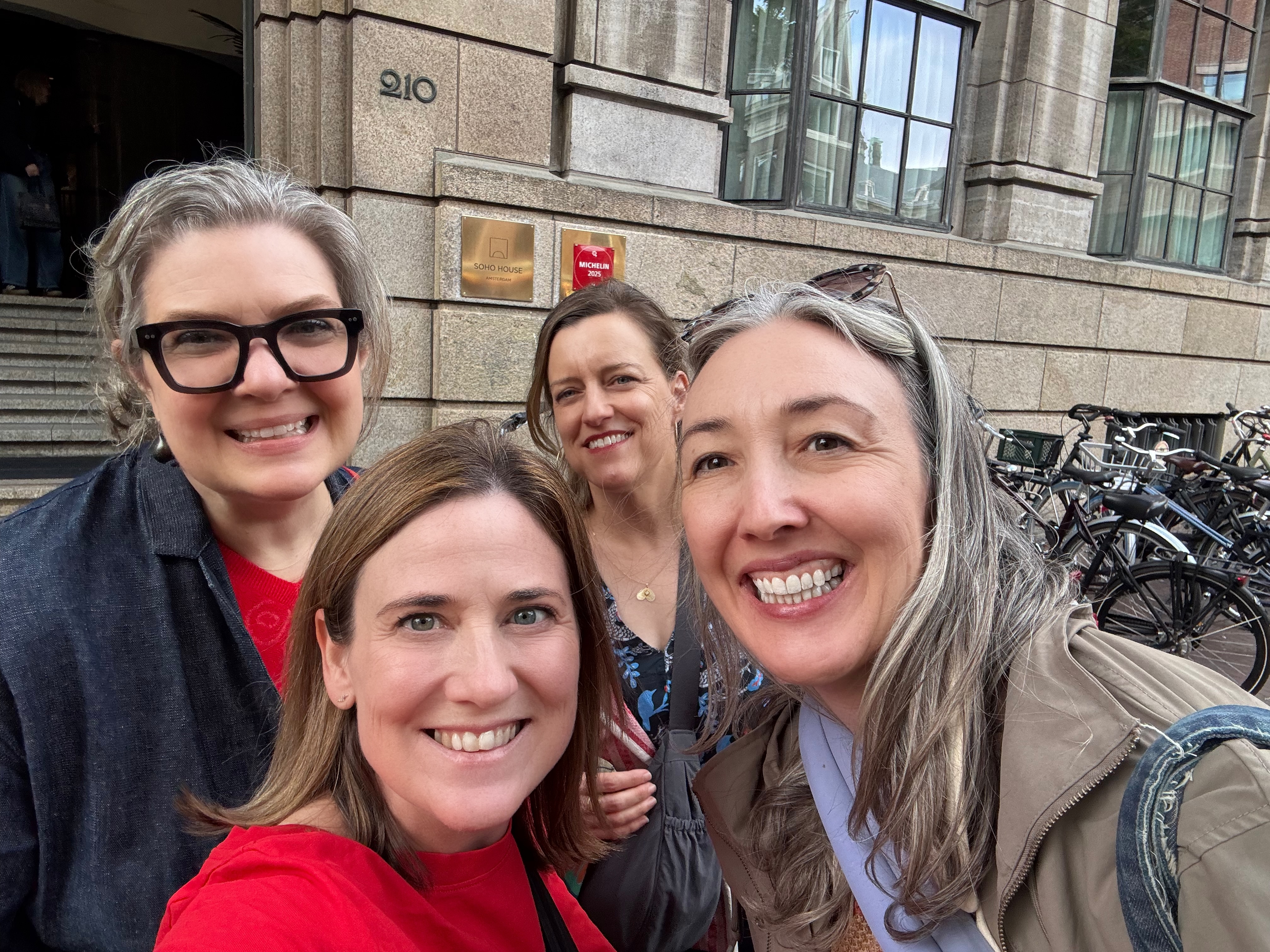
I even had a face-to-face meeting with a client. In their actual office. Here in Amsterdam. I signed in at reception, acquired a visitor badge and sat in a room with other human beings, like it was 2018. Going to client offices used to be the tedious bit of consulting, an occupational hazard to be endured in exchange for the interesting work. Now it happens so rarely that I found the whole thing rather thrilling. I came away more energised than I have from any video call this year, which is perhaps something we ought to consider before commissioning another eighteen-month study into the future of hybrid work.
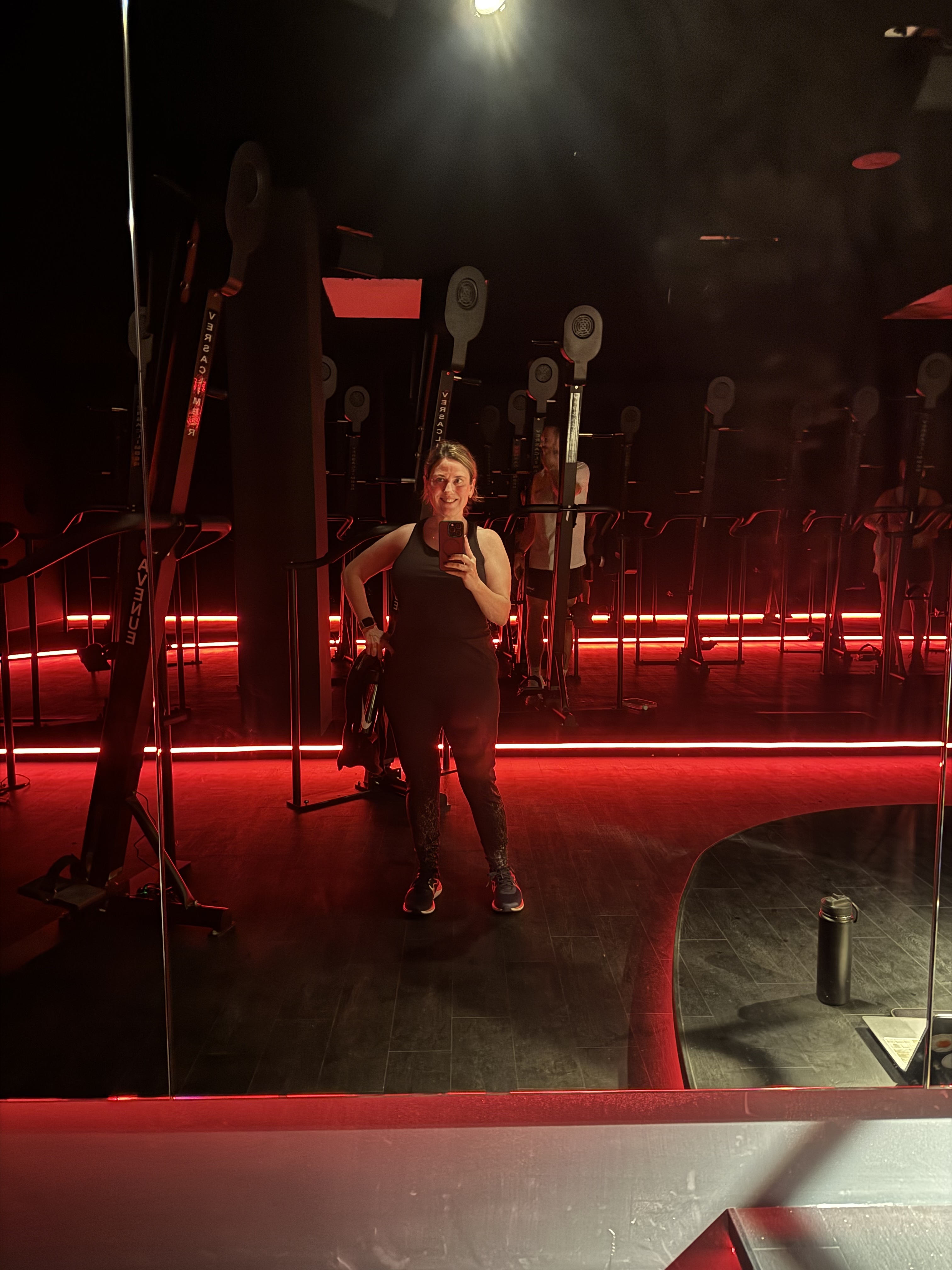
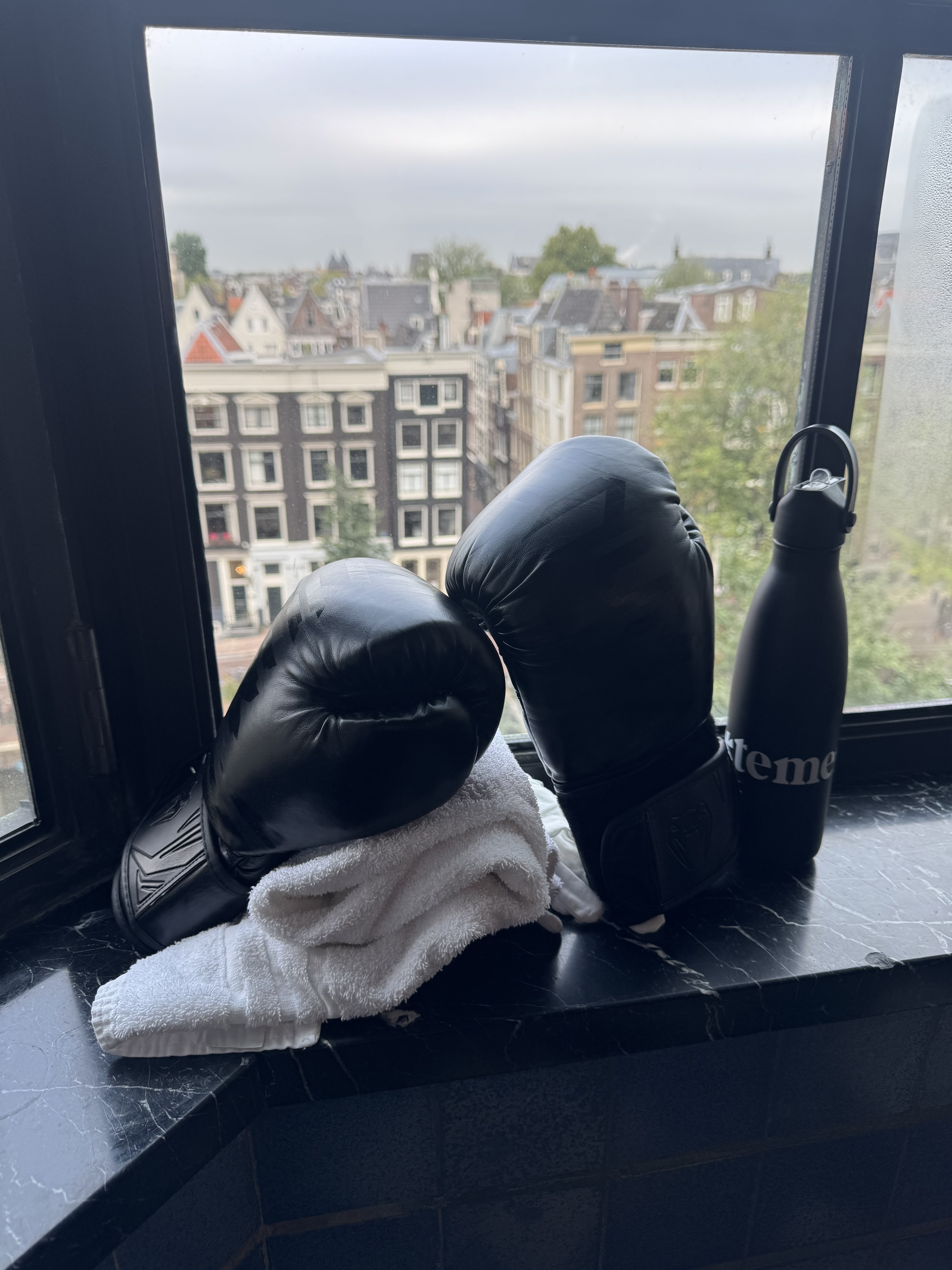
Without an airport to get to, the week filled up with the things I keep meaning to do when I’m not living out of a suitcase. I went to boxing. I went to HIIT. I bought tickets for two gigs at Paradiso in March 2027, which is either the mark of a settled, organised life or a spectacular act of optimism from someone whose travel diary routinely resembles a game of Risk. Apparently there are people who make plans five months in advance and simply expect to be in the country when the date arrives. Fascinating way to live.
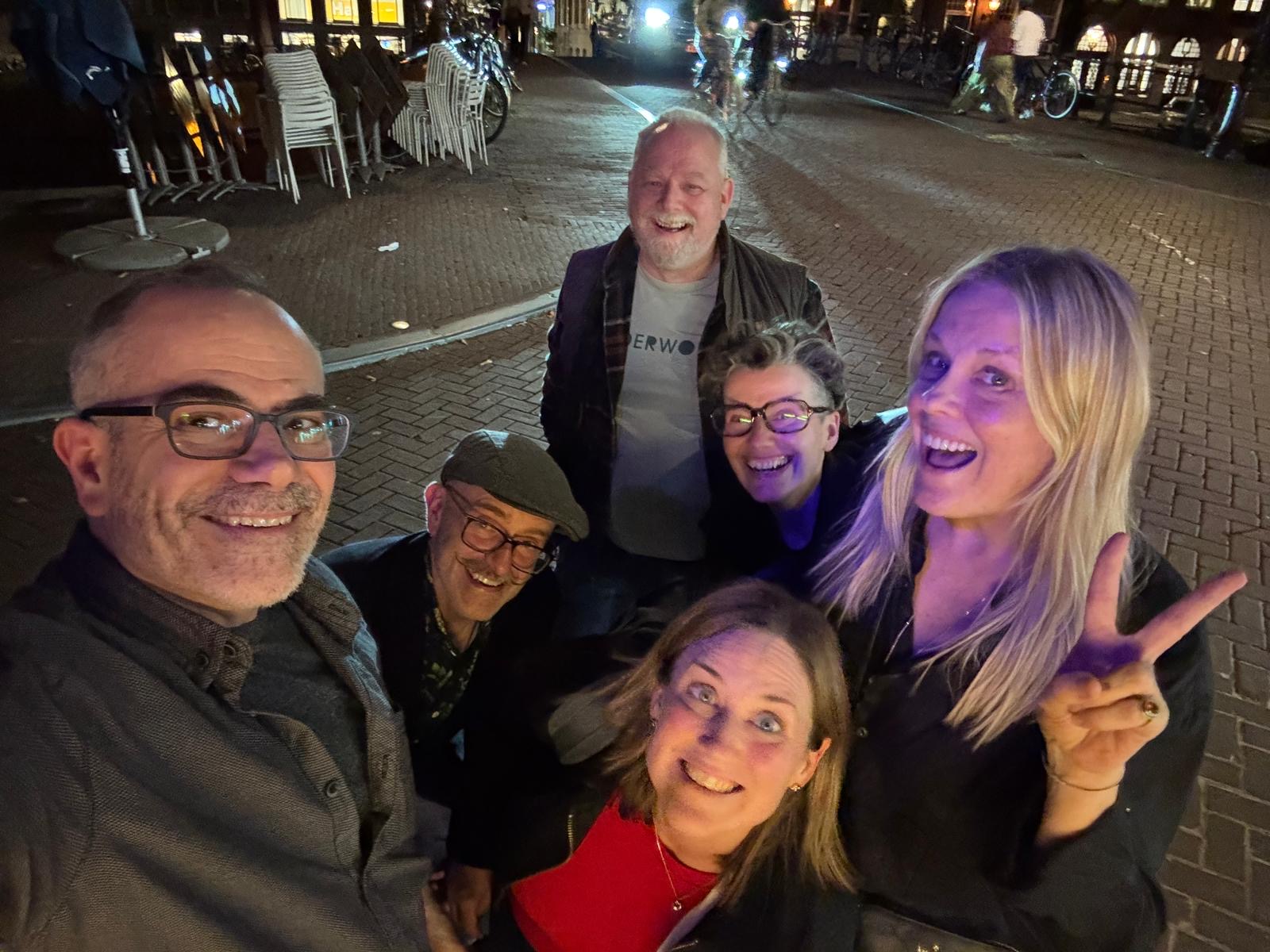
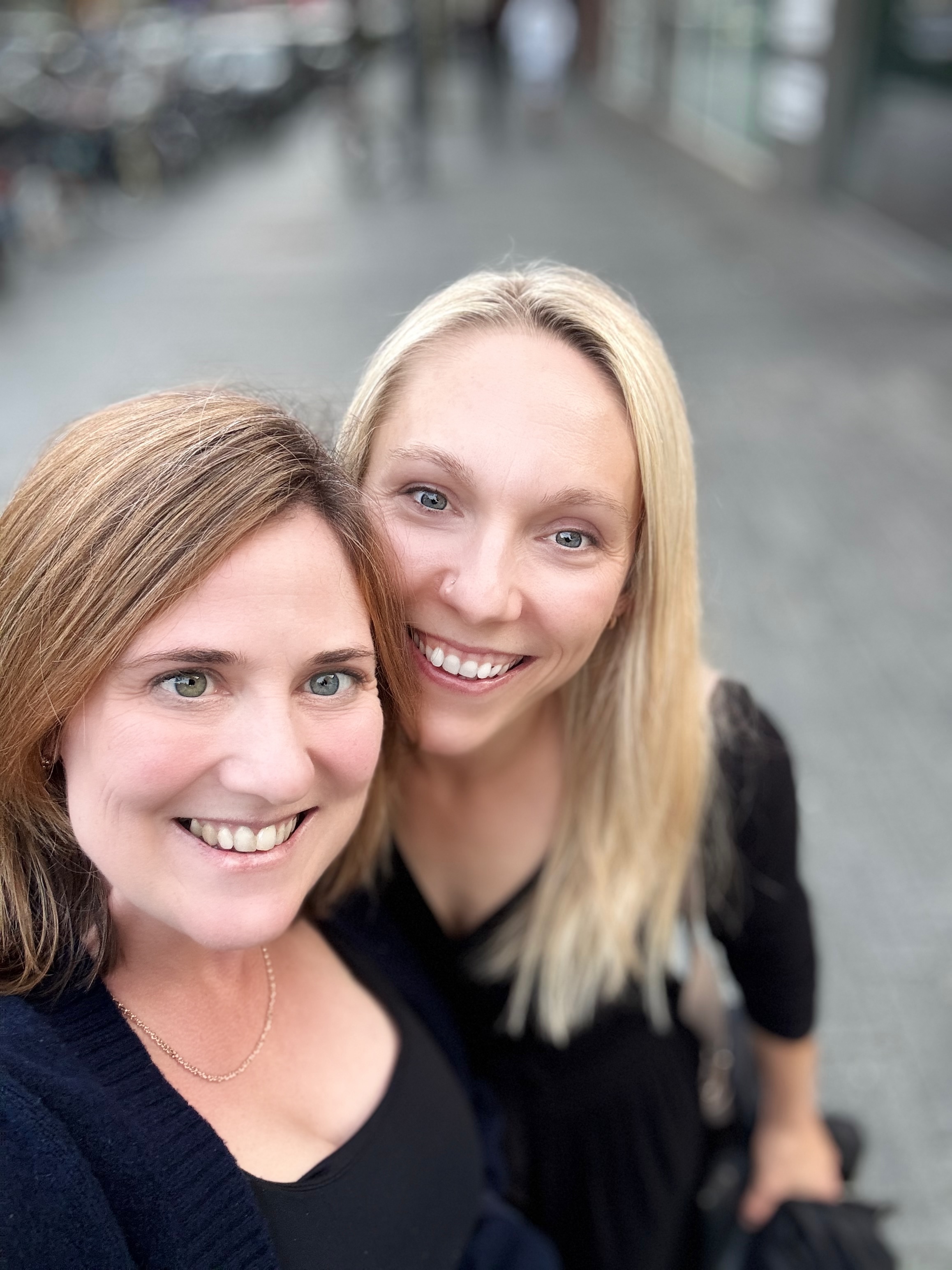
And at the weekend, my best friend Marie turned fifty.
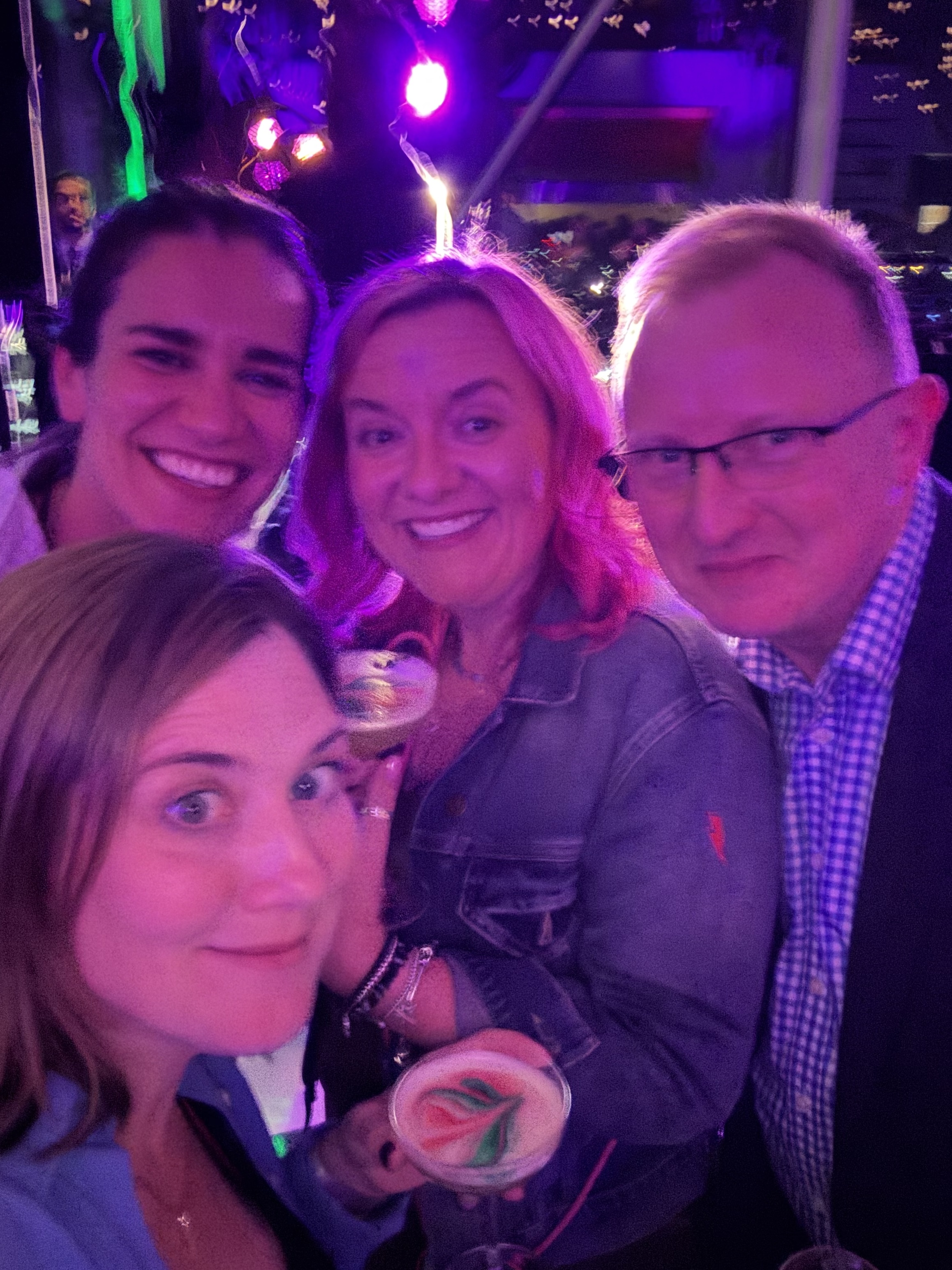
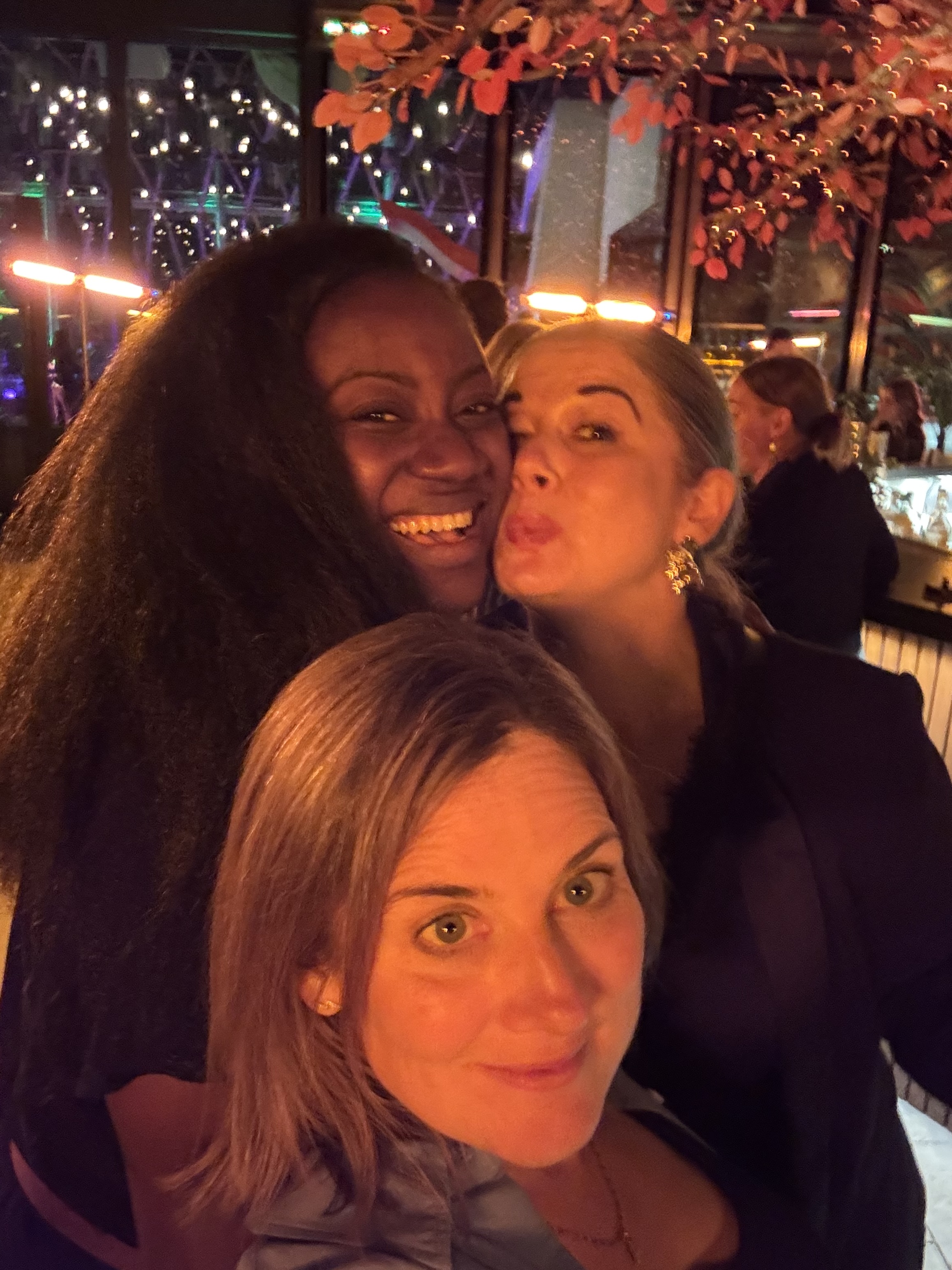
There’s something rather disconcerting about watching your friends reach their half century. Partly because I am quite certain we all turned thirty approximately five years ago, and somebody needs to explain where the intervening two decades have gone. But mostly because it’s wonderful. Here we all still are, with decades of shared history, a frankly unreasonable quantity of stories and absolutely no intention of behaving like respectable middle-aged people.
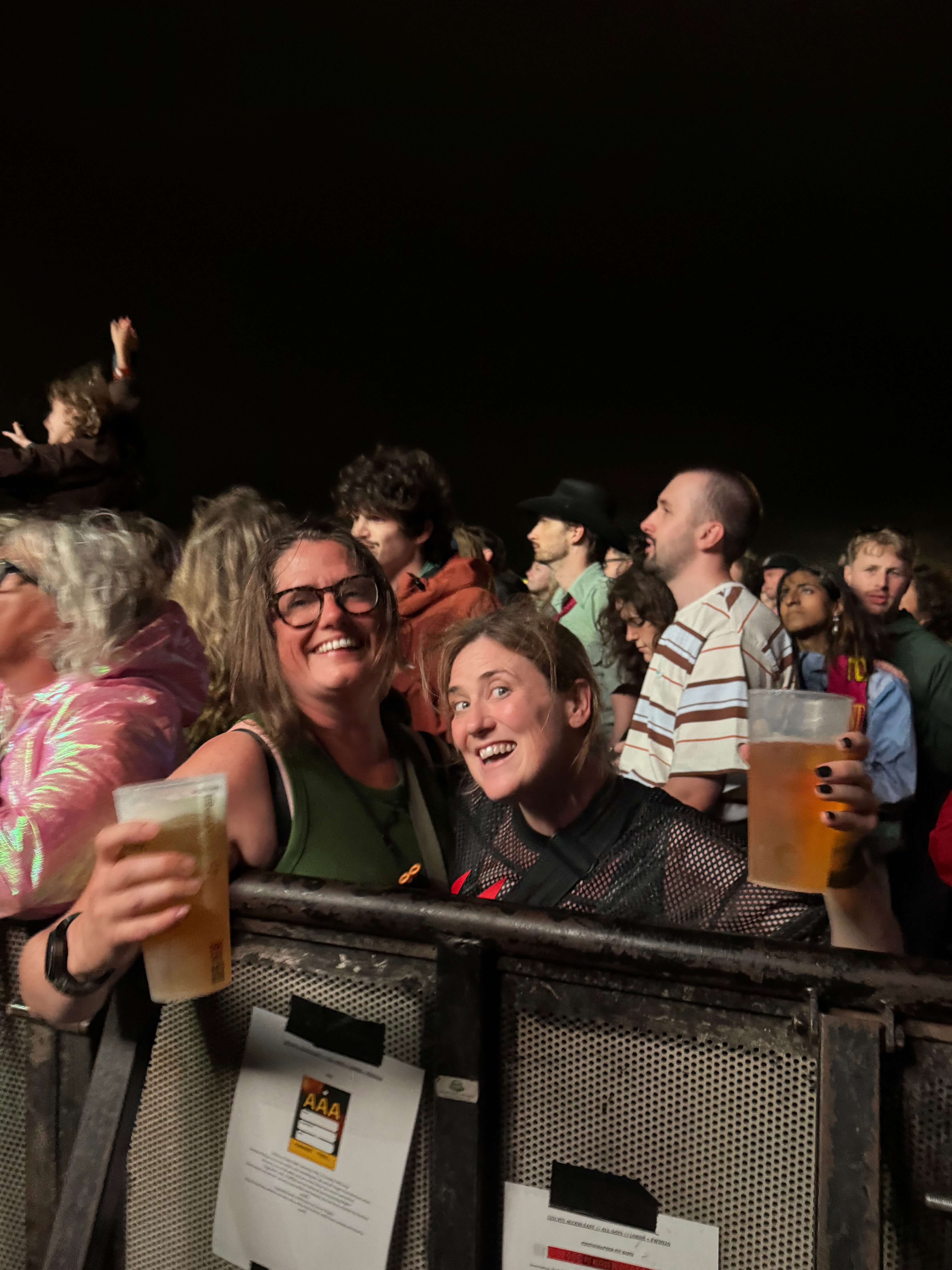
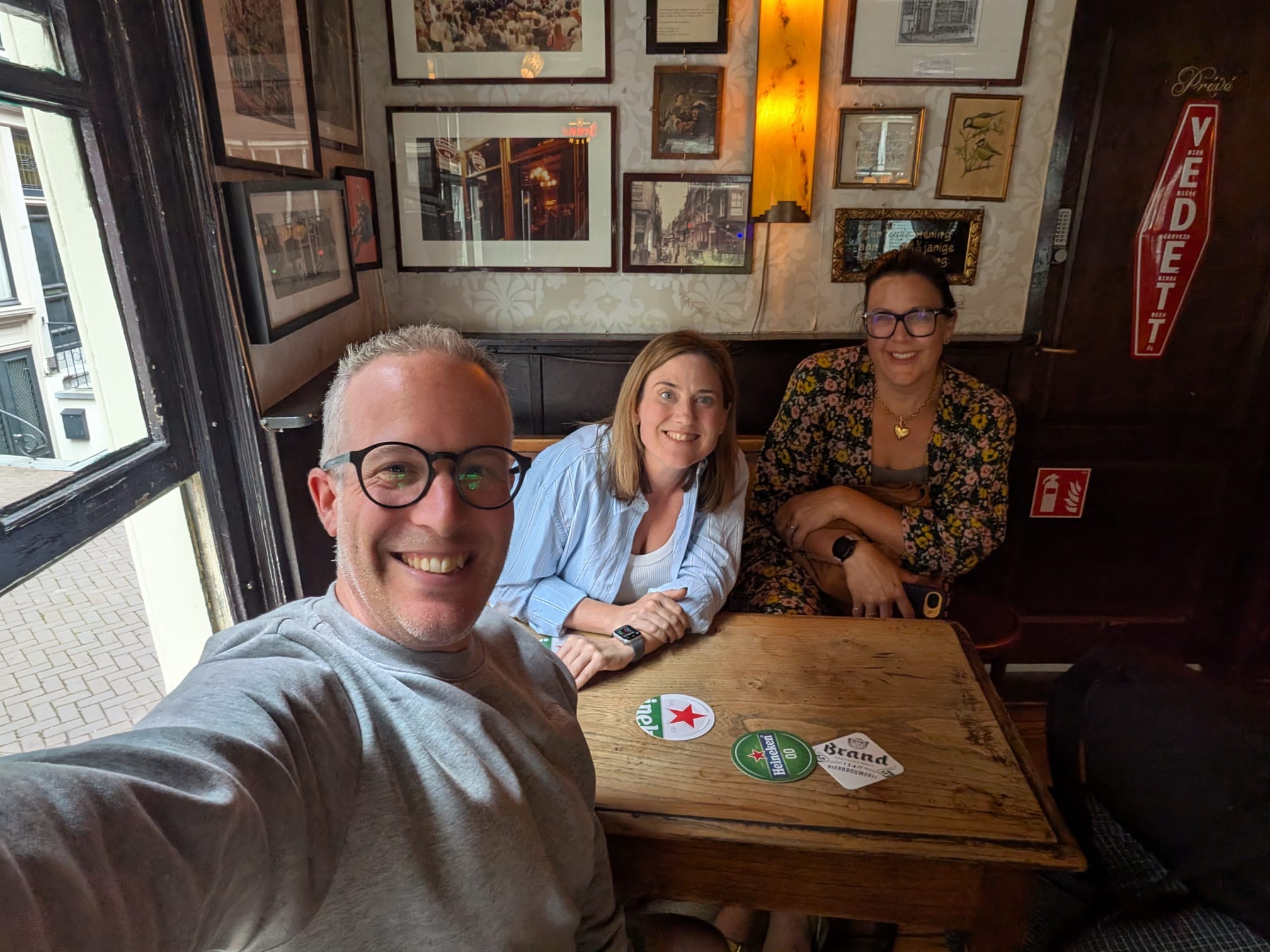
It was glorious. There are almost no photos, because we were all too busy having a lovely time. Imagine that. An entire social occasion that wasn’t organised around producing evidence of itself.
Consuming
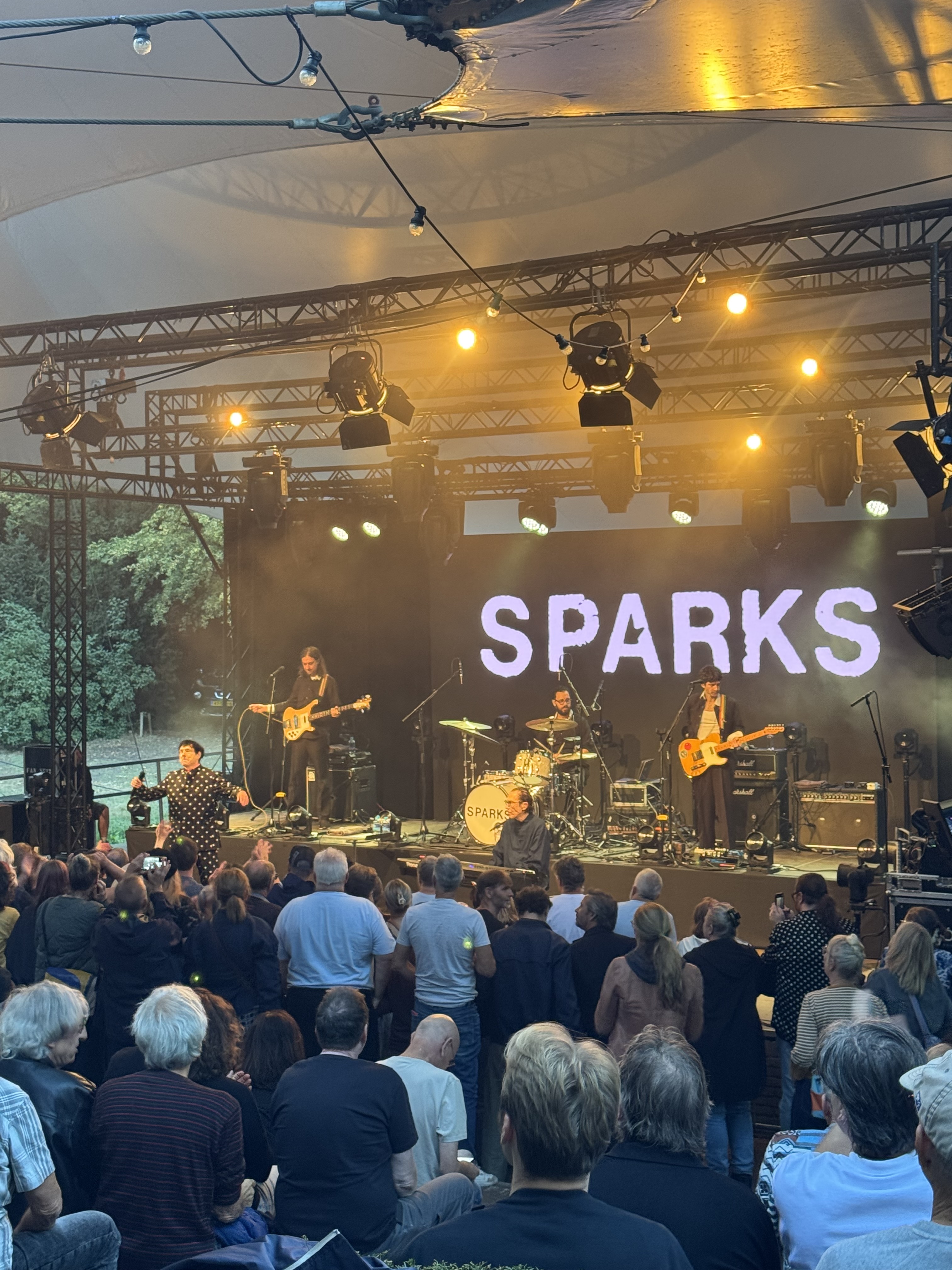
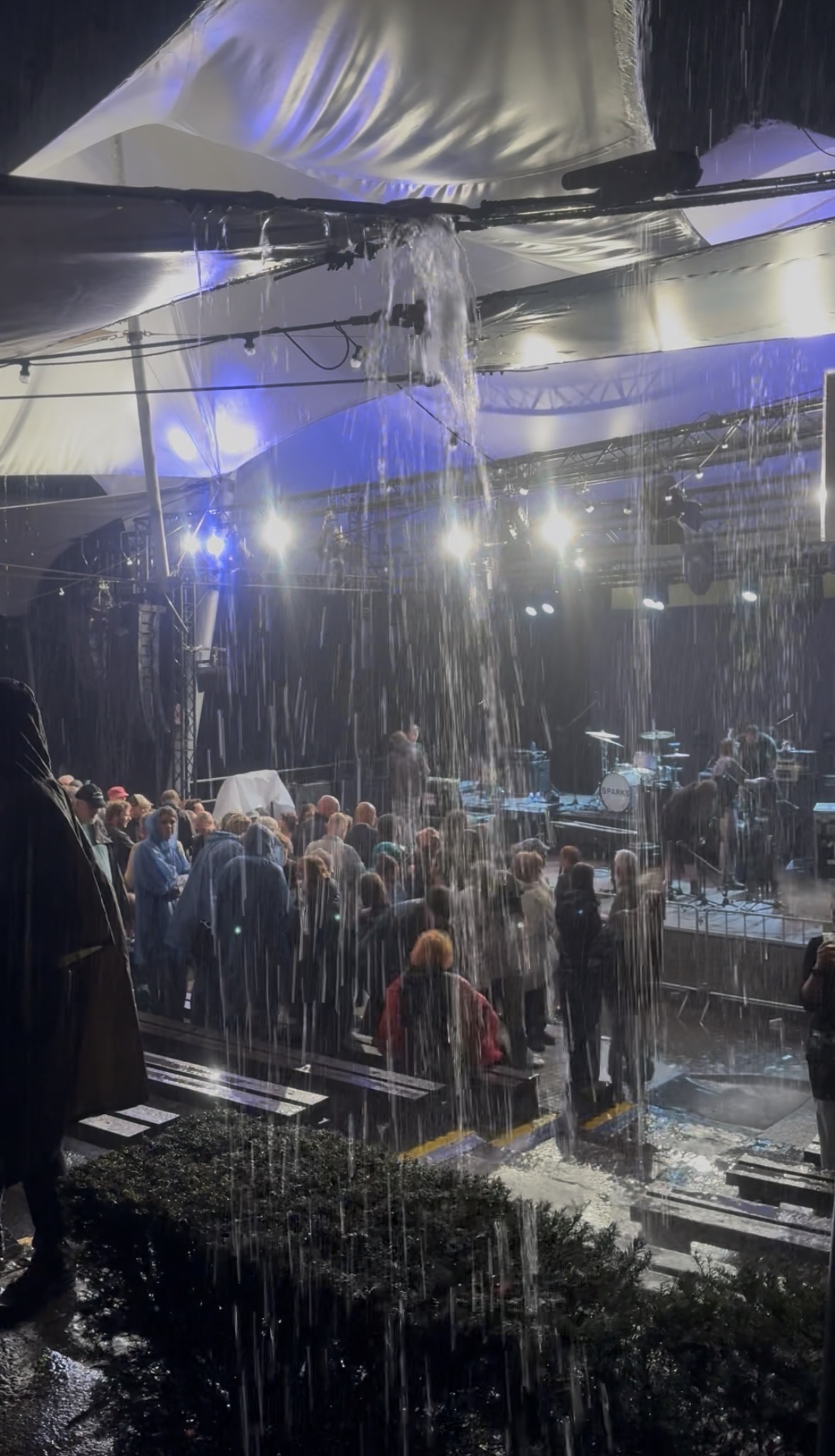
Electric Eel Shock, Japanese garage metal, at Willem Twee in Den Bosch. On a Sunday afternoon, because the live music industry has finally discovered its most lucrative demographic: people who still want their faces melted off by loud guitars but would also quite like to be in bed at a reasonable time.
The band came on at half four. Ninety minutes of filthy riffs at a volume sufficient to rearrange your internal organs, and a drummer who still performs wearing nothing but a strategically placed sock. That’s a level of commitment to the bit most of us couldn’t sustain through a single quarterly business review, never mind an entire international touring career. I can only assume the venue’s risk assessment made for interesting reading.
And then, at six o’clock, it was over. Even after schlepping home from Den Bosch, I was on the sofa with a takeaway by quarter to eight and tucked up in bed by nine. All the joy of a proper metal gig, none of the inconvenience of being awake when the pubs close. No queuing for the night bus, no standing on a platform at midnight wondering whether the last train is a philosophical concept rather than an actual service.
Getting old is fucking brilliant.
Coverage
For UNLEASH, I wrote about AI’s latest change of name, because apparently the technology hasn’t generated quite enough confusion without somebody deciding it needs rebranding. My instinct is to roll my eyes and get on with my life, but unfortunately the people responsible for enterprise technology procurement don’t always have that luxury. My argument: name the tool, not the technology. A useful name tells people what something does. A grand one mostly tells you what somebody would like you to think of them.
Jon and I also joined the Digital Workplace Group’s Digital Workplace Impact podcast to talk about designing channels people actually use. A deceptively simple ambition which, judging by the state of the average digital workplace, remains surprisingly controversial.
Published
Diane Coyle has published a paper arguing that as AI makes knowledge increasingly cheap to copy, relationships become the asset that matters. Meanwhile, the archive of bankrupt Spirit Airlines, including 100 million emails and 500 million Teams messages, has attracted bids from Google and an AI start-up. The accumulated detritus of working life is now a commodity, and a potentially rather valuable one.
Put those two developments together and you have an uncomfortable problem for everyone who spent the past decade encouraging employees to work out loud, share what they know and leave a useful record of their working relationships. We sold people the benefits of transparency without necessarily explaining who might eventually own the transparent bits.
The court hearing has since been pushed to 6 November, so this one has some way to run.
An organisation can own the archive. It can’t compel the candour that made it worth having.
Travel
I’m writing this on the train to Paris, which is certainly an interesting time to visit. The French are once again demonstrating their commitment to making political instability a participatory national sport, though I suppose nobody can accuse them of being indifferent.
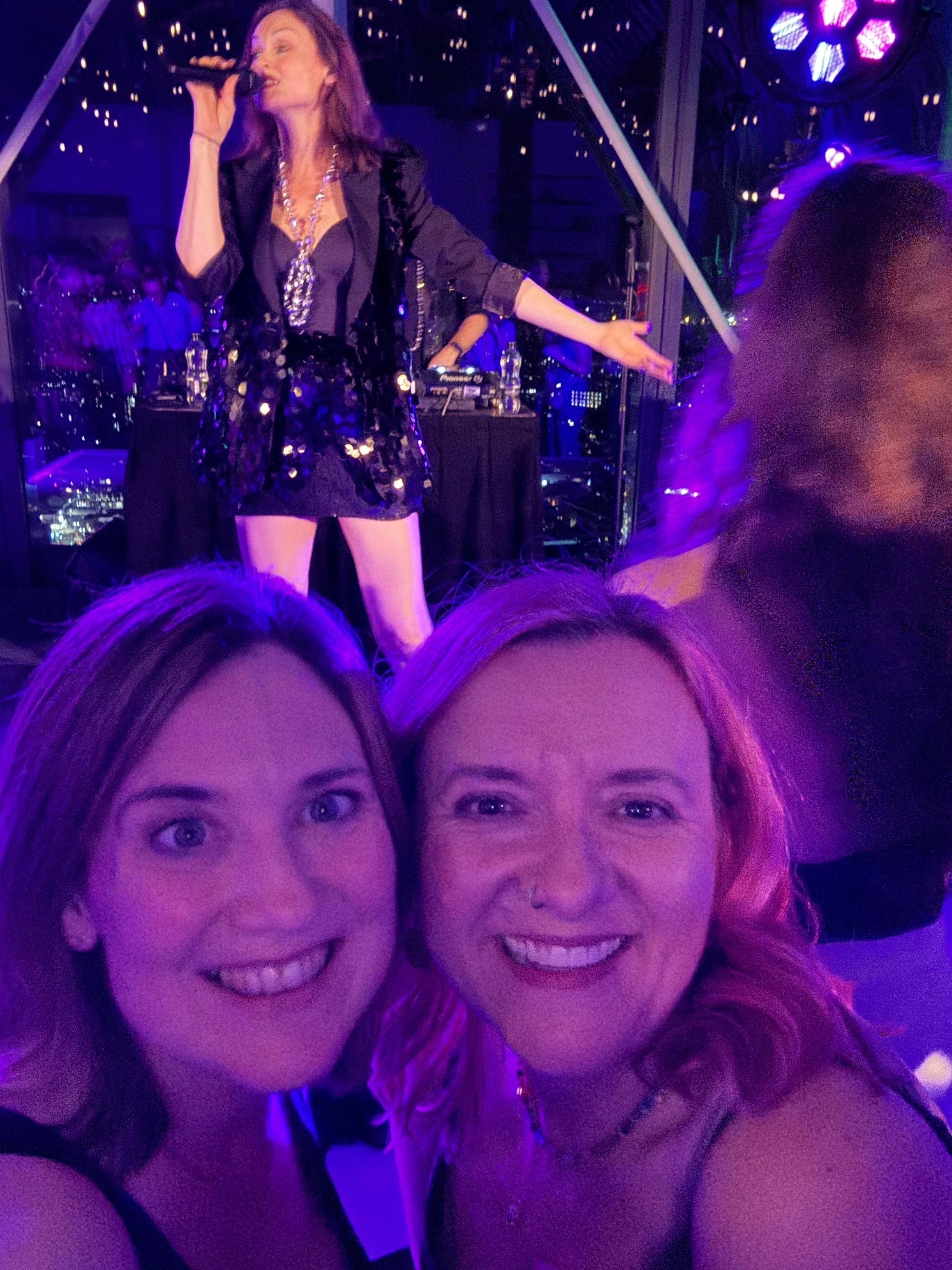
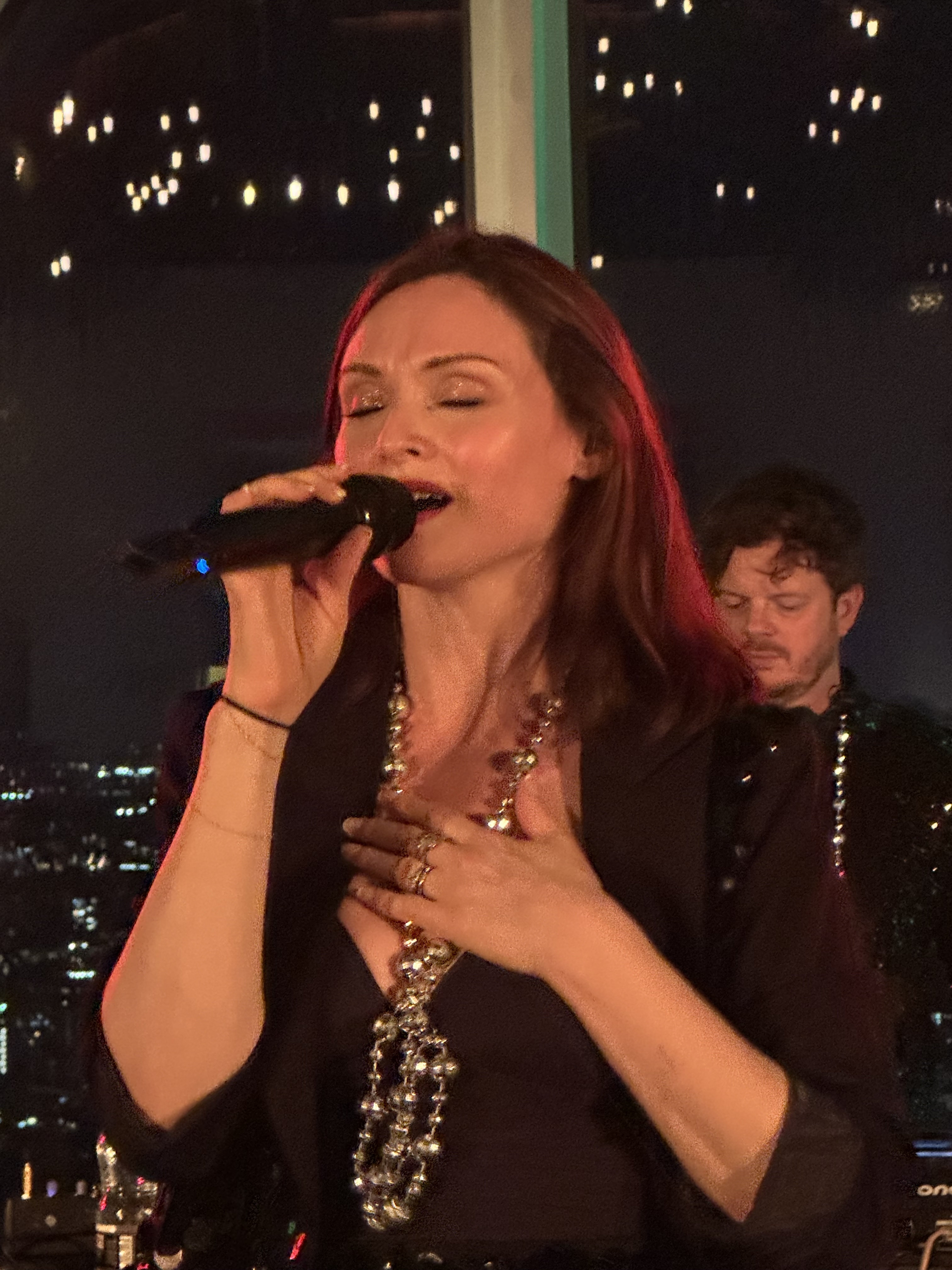
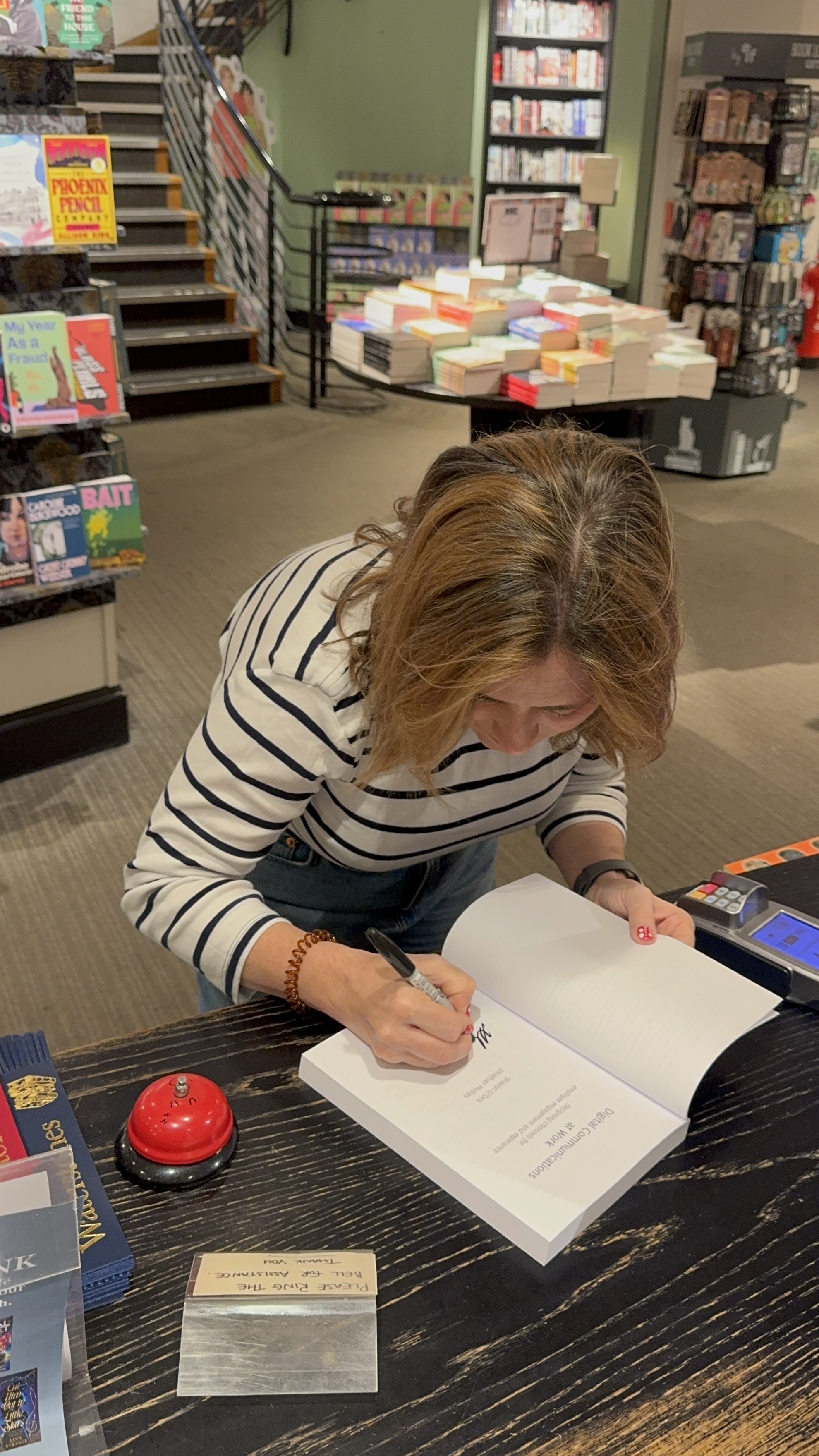
It’s People Connect Club tonight, then UNLEASH World, where I’ll be signing copies of the book with Flip. If you’re there, come and say hello. I promise not to make you discuss friction, unless you start it.
This week in photos