Three conferences in four days, a fringe meet-up in a repurposed power station, and a city that simply does not believe in standing still. London in late May is its own weather system: every venue full, every diary triple-booked, every conversation interrupted by someone you haven’t seen in eighteen months. By Thursday I was running on coffee, adrenaline, and the stubbornness that kicks in when home is still a train, a plane, and a cab away.
One of the conferences was at Brunel — named, fittingly, after a man who built the future by paying very close attention to the present. The materials, the labour, the awkward physical realities of how things actually get made. Not, on the evidence of the rest of the week, an approach the industry around me has entirely inherited. Most of the panels I sat through were doing the opposite: confidently speedrunning to What’s Next while quietly hoping nobody asked too many questions about Now.
This week at work
Four days, three conferences, two evening events, and approximately six hundred tiny pastries consumed while standing near branded pull-up banners. I’m writing this with the very specific exhaustion only London can produce.
Monday opened at the Institute for the Future of Work’s Making the Future Work conference — Ghost of Work Future, you might say. I know every event is about AI now; that’s where the energy and the budget have gone. But this one felt particularly captured by it. Endless talk about AI adoption and value generation, and at one point it tipped fully into The Thick Of It territory, with policy wonks enthusiastically announcing something called “Tech Towns” as if we’d all agreed what problem that was solving.
The trouble being that work is actually being reshaped by a huge range of forces: demographic shifts, the long tail of deindustrialisation, post-COVID behavioural change, economic insecurity, collapsing trust in institutions. Technology is part of that picture. It is not the picture. But “AI explains everything” is a very useful narrative for people making money from AI explaining everything.
From there, across London to Brunel for the History of Internal Communication conference — Ghost of Comms Past, and honestly a needed corrective.
“The most powerful internal communications programme in history had no comms director.” That line, from Adriana Borucka on the Gdańsk shipyard uprising, has been rattling around my head ever since. One of those lines that lands harder the longer you dwell on it.
The conference is Professor Michael Heller‘s ambitious attempt to treat our profession as something with a history worth studying. Which sounds obvious until you realise how often internal comms talks as if the field began around the invention of SharePoint.
The reality is older, stranger and messier. The Prudential was publishing Ibis magazine in 1878. Shipyard workers were coordinating with each other — and with the world — in 1980, without a steering group, governance framework or employee listening platform in sight.
A few highlights from a genuinely excellent day: Marc Wright‘s closing keynote, a fond and slightly weary tour through four decades of strategy pyramids, values-on-walls and champions programmes from someone who’s watched every trend come round at least twice. Howard Krais on the shift from paternalistic to participative listening. Yağmur Gündüz on House of Fraser’s internal magazines, which became more successful as they became more personal — funny, that. And Adriana Borucka and Edyta Blachowska making the welcome point that the history of IC is not just a British story told in one accent.
Mairi Maclean’s research on worker participation in the interwar period struck a unexpectedly personal note, as my grandfather was an active trade unionist of that era. He’d talked about participating in the very employer-worker dialogues Prof Maclean talked about, or something very much like them. He’d certainly have some Strong Views on contemporary approaches to engagement as a driver of discretionary effort, expressed with the warmth and precision of vocabulary for which the Scottish working man remains justly celebrated.
What I came away with was this: most of our “new” challenges aren’t actually new. The platforms change. The jargon changes. The consultants’ slides get shinier. But the underlying question — how people make sense of where they are, what they’re doing, and whether anyone’s telling them the truth — stays remarkably consistent.
Apparently the next conference is already being discussed. Which feels promising.
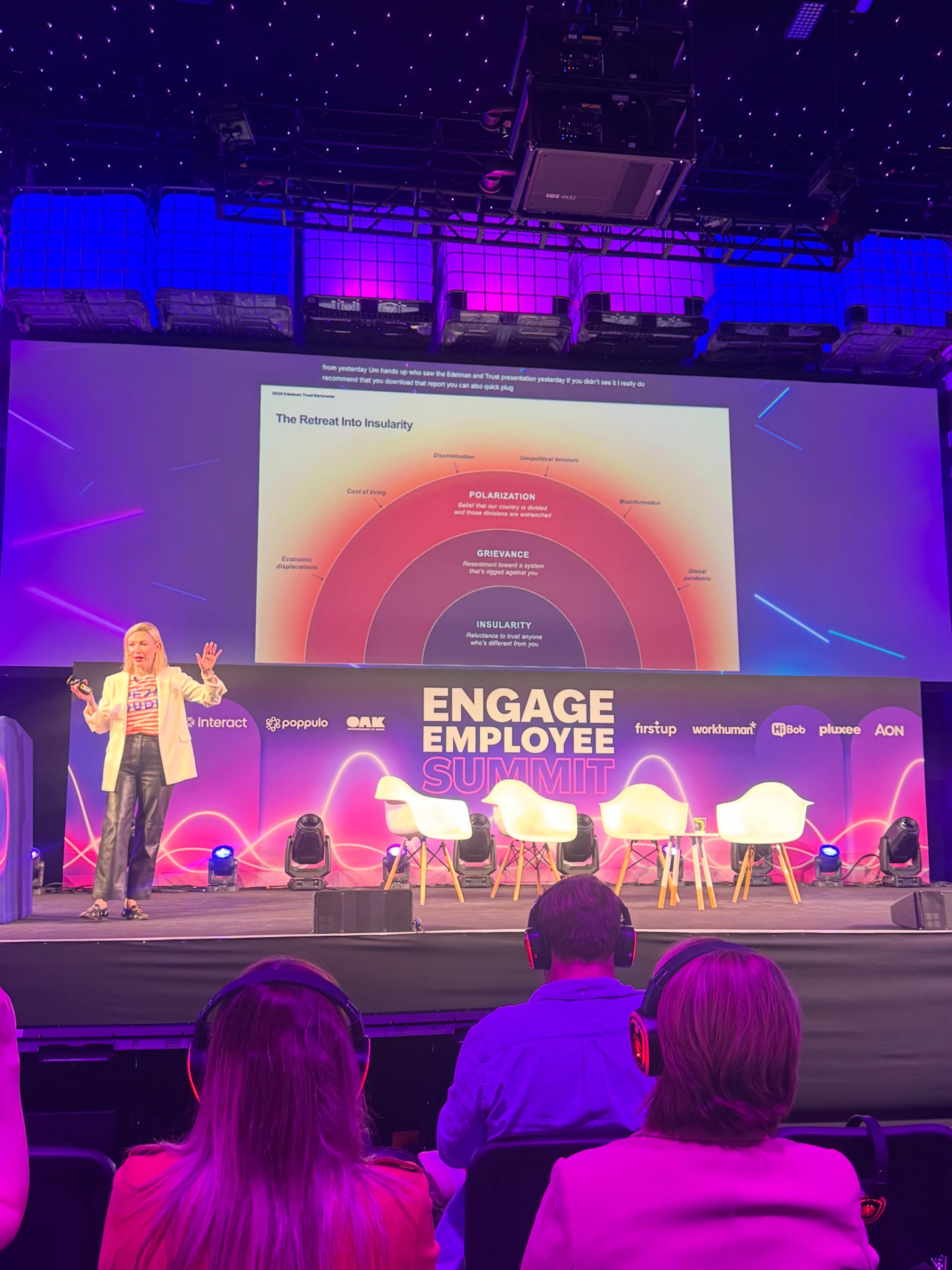
Then on to the Engage Employee Summit — Ghost of Engagement Present. Lots of sensible conversation about trust, fragmentation, relevance, overload, and the need for more humanity at work. Mostly happening directly adjacent to a vendor floor confidently offering software-shaped answers to problems that are, on inspection, almost entirely human.
You cannot platform your way out of a trust deficit. But you can absolutely buy a licence to try.
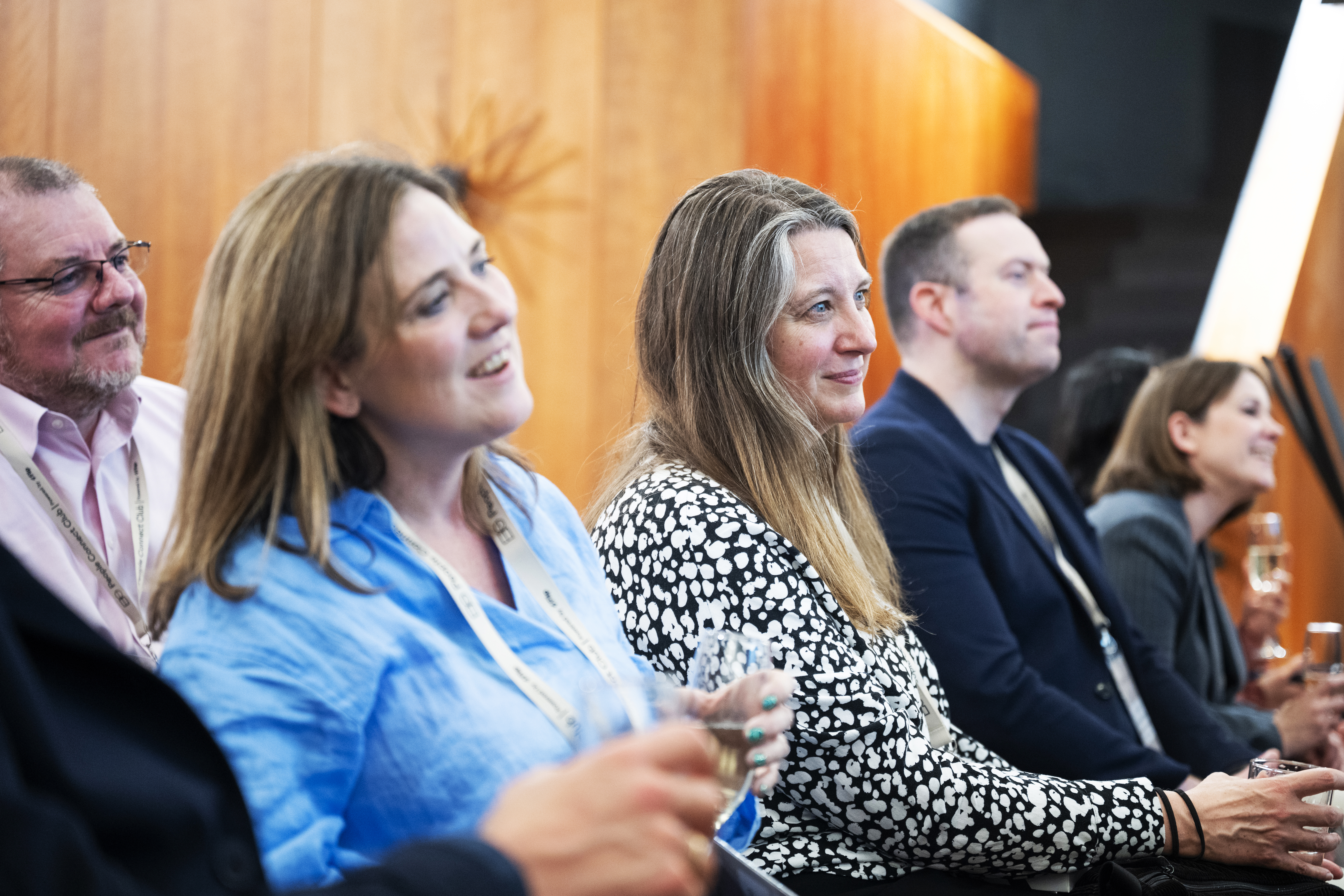
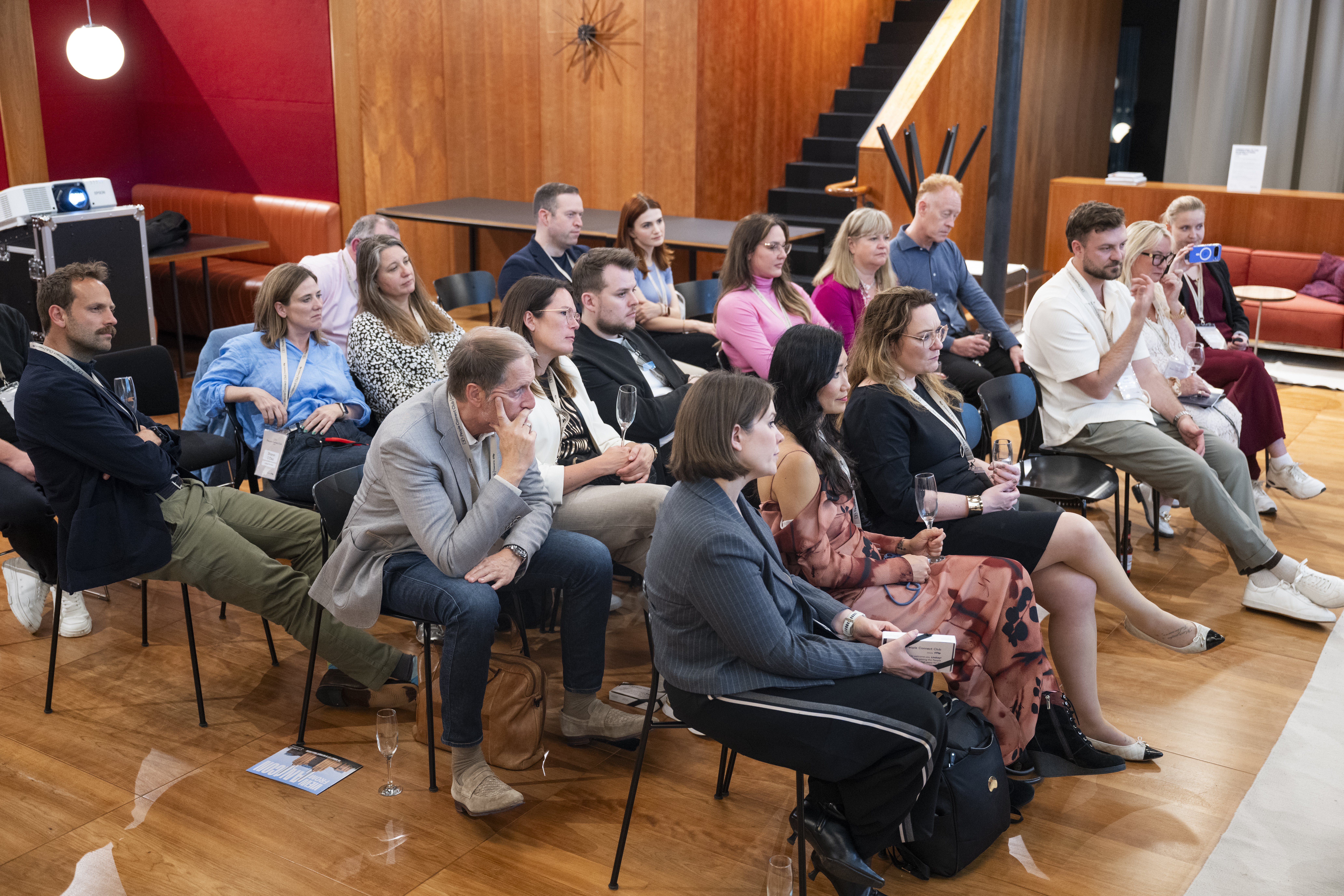
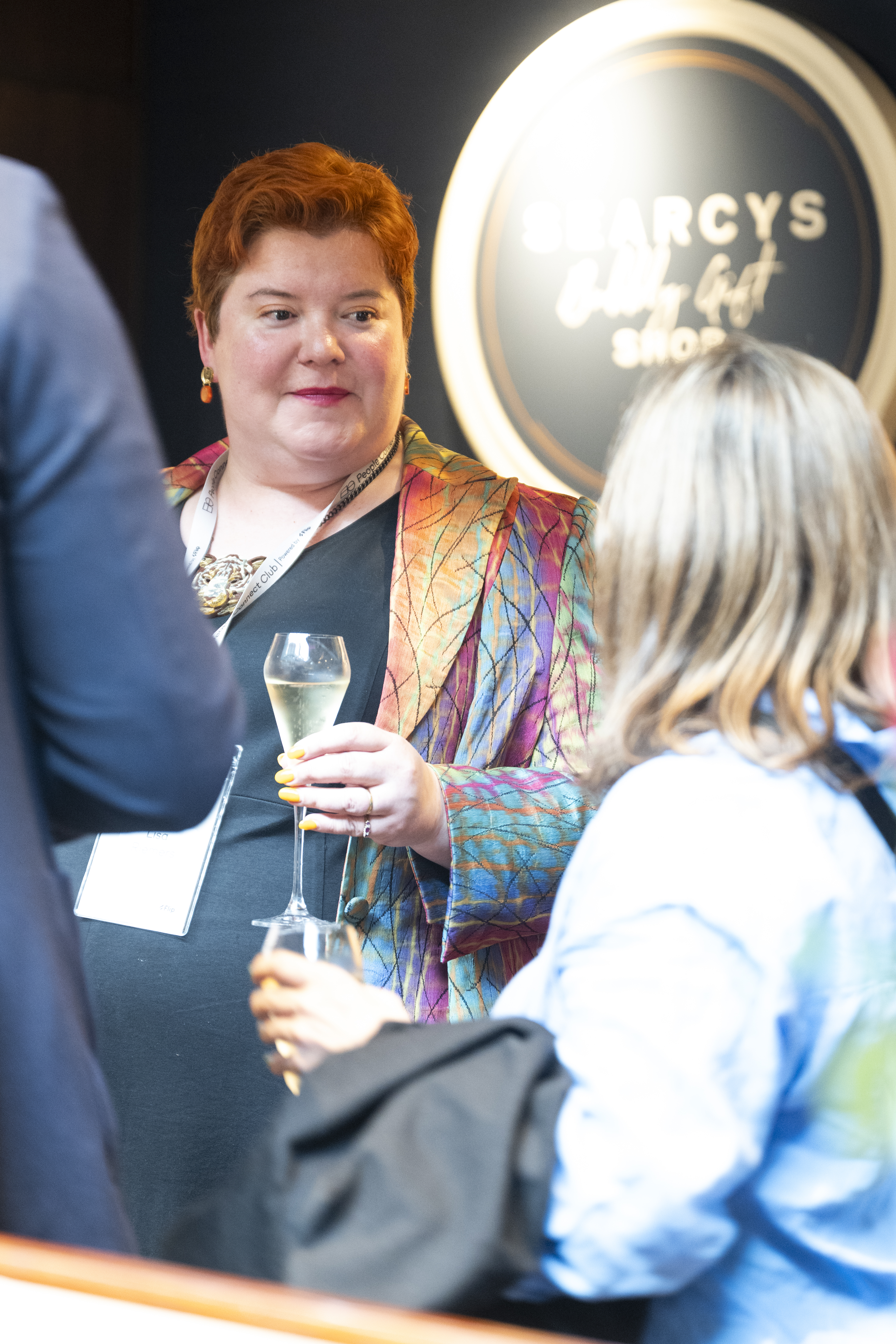
The employee app Flip invited me to their People Connect meetup — effectively the Engage fringe event — bringing together a good chunk of the London DEX/IC crowd. Lisa Riemers had some real talk on accessibility, a subject the industry still too often treats as an optional enhancement rather than the foundation everything else should sit on.
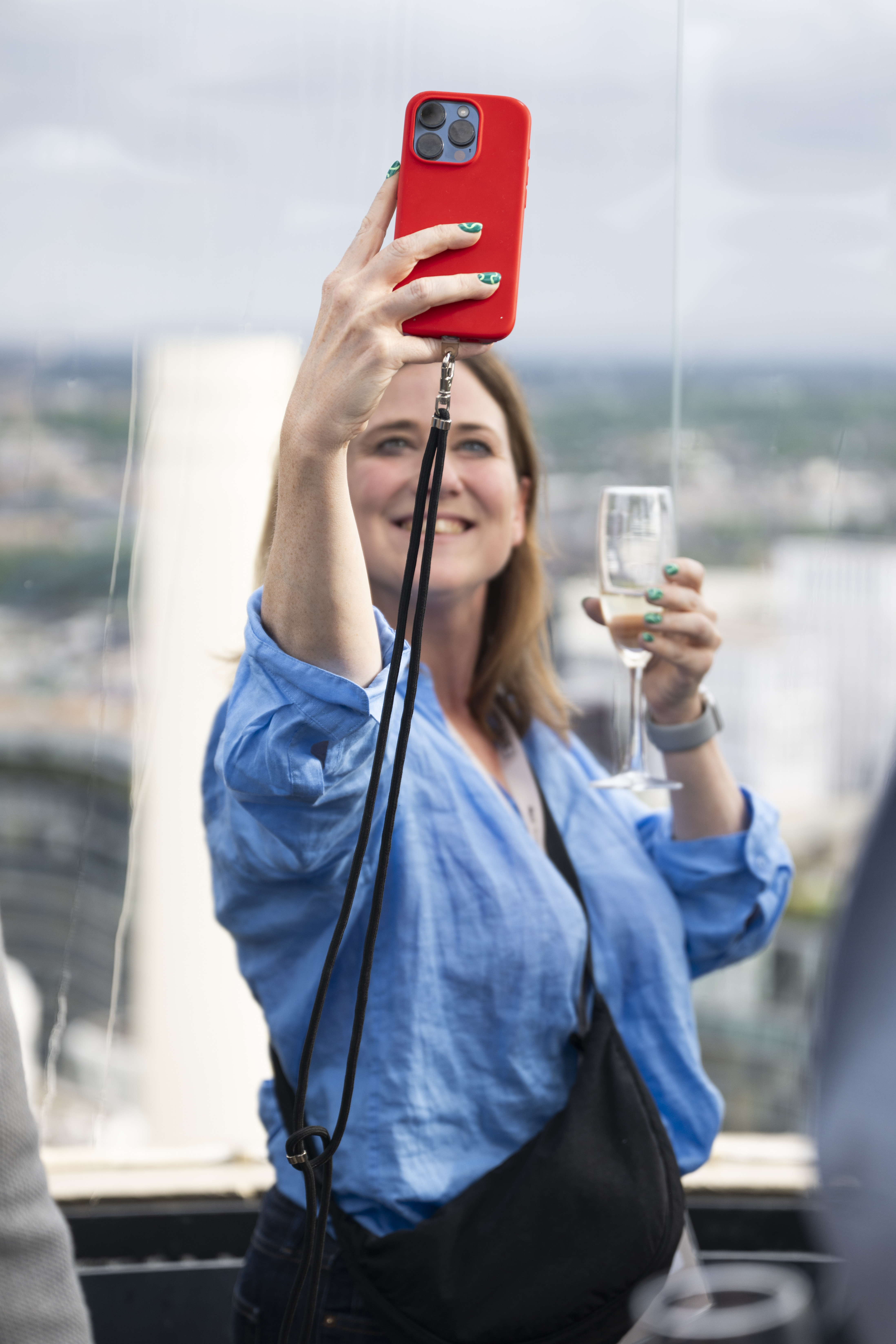
And it was hosted at the top of the newly refurbished Battersea Power Station, with ridiculous views across London. My first time inside, despite spending most of my adult working life going past it on trains.
There’s probably a metaphor in there somewhere. A vast industrial structure, built to keep the lights on for half of London, retired when the economy shrugged and moved elsewhere, left for decades as a magnificent brick carcass, and now triumphantly reopened as a venue for parting tourists from their money in exchange for trainers and protein bowls. The shell remains familiar. The inside has been scraped out and refilled with the precise commercial sediment of our age: phone shops, athleisurewear, an artisanal something-or-other. Sir Giles Gilbert Scott did not, one suspects, draw the original plans with a Lululemon flagship in mind.
Work is doing the same thing, more discreetly. The shell looks familiar — same job titles, same offices, same Monday meetings. The interior has been quietly scraped out and refilled with something the people inhabiting it are still, in many cases, the last to notice.
In the cracks between conference sessions: client meetings, project wrangling, and the deeply unglamorous work of building the coalition of support every comms programme needs if it’s going to survive contact with reality. Internal politics by another name. No vendor sells it. No keynote celebrates it. It is, however, the bit that matters most.
Also met with a prospective new client about a project that feels like the right kind of difficult — the sort where you’re not entirely sure you can pull it off, which is usually a sign it’s worth doing.
And a surprisingly encouraging flurry of inbound enquiries on top of that. Is the market actually thawing a bit? God knows. But for now I’m choosing optimism.
Also this week
Four solid days of people-ing left very little capacity for actual life-ing. But while in London I also made it to a meet-up organised by the indefatigable Lauren Currie, bringing together female authors to swap books, launch stories, industry gossip and emotional battle scars from the publishing process.
I’ll be honest: by that point in the week I could barely form a sentence. Very glad I went anyway.
A long and genuinely nourishing conversation with Anne Ditmeyer about launch parties, hype squads and book promotion managed, briefly, to tip the balance from utterly exhausted by this entire process to actually kind of excited about it. Which, given how much of my life the book currently occupies, was probably important.
Also managed a night in the pub with friends and an inadvisable number of Neck Oils, plus a proper catch-up with my parents.
The rest of the week was the exact opposite of glamorous business travel: Uber Eats fried chicken eaten alone at a hotel desk, asleep by nine, waking up wondering why every mid-range hotel room appears to have been lit by a committee designing interrogation facilities.
The week LinkedIn never shows you.
Then home. And, as if on cue, the weather lurched directly from March into August. Last week was hats and coats; this weeknote is being written on my terrace at seven in the evening while it’s still 24 degrees outside.
Long walks. Terrace wines. The slow reinflation of a completely flattened brain. On a sunny day Amsterdam really is the best city in the world. And for once, I’m here long enough to enjoy it.
Consuming
Slim pickings this week. No time and, frankly, no remaining cognitive capacity.
The conferences and author meet-up did leave me with a small stack of books though: Rachel Miller’s Successful Change Communication, Ellen C Scott’s Working On Purpose, and a signed copy of Lauren Currie’s Be Upfront.
I’m desperate to read all three, while also increasingly aware that “desperate to read” and “actually reading” have become two entirely separate hobbies.
Otherwise: Netflix. A friend recommended Legends — the British drama series about the infiltration of the early 90s UK drug dealing scene by HMRC — with the entirely accurate pitch: “exactly the kind of mindless guff you need when your brain has stopped functioning.”
Reader, they were correct.
Sometimes the brain wants challenging cinema. Sometimes it wants men in leather jackets explaining wholesale opium logistics in Liverpool circa 1991, cut to a Stone Roses soundtrack.
Connections
A bumper week for this.
A good conversation at IFOW with Anne-Marie Imafidon, who is always considerably sharper and funnier in person than most conference formats really allow for.
The History of IC conference was slightly emotional, in a good way. Lots of reunions with people I haven’t seen in years: intranet veteran Martin White — one of the first people who made me feel welcome in this industry, which I’ve genuinely never forgotten — plus Kevin Ruck, whose IC course I took almost twenty years ago, a sentence that should probably come with some kind of safeguarding warning for my own sense of mortality.
Also Rachel Miller, Jenni Field, Cat Barnard, Suzie Robinson, Ann-Marie Blake, Howard Krais, Katie Marlow, Emma Bridger and Nicola Hearn, and several others who I’ve forgotten to mention.
One of those rare days where half the room contains people who shaped your thinking, and the other half contains people you’ve been in the trenches with.
A long-overdue Soho catch-up with former colleague Chris Harper on a ridiculously beautiful London afternoon.
Engage Employee also threw up a lovely surprise: bumping into my Reworked editor Siobhan Fagan, over from New York. Great to see Nick Crawford, Matthew Burgess and Simone Fenton-Jarvis too, plus catch up properly with teams from vendors I work with, speak to, or mildly heckle on a regular basis — Appspace, Workvivo, Interact, Blink, Flip, Simpplr and Firstup.
A useful reminder that for all the platforms, AI roadmaps and transformation jargon, this industry is still basically the same group of people repeatedly finding each other in conference venues and hotel bars.


Travel
None. Three weeks with no airports ahead of me, and honestly that currently feels less like an absence of travel and more like active luxury.
This week in photos




Pingback: Weeknote 2026/34 | Sharon O'Dea