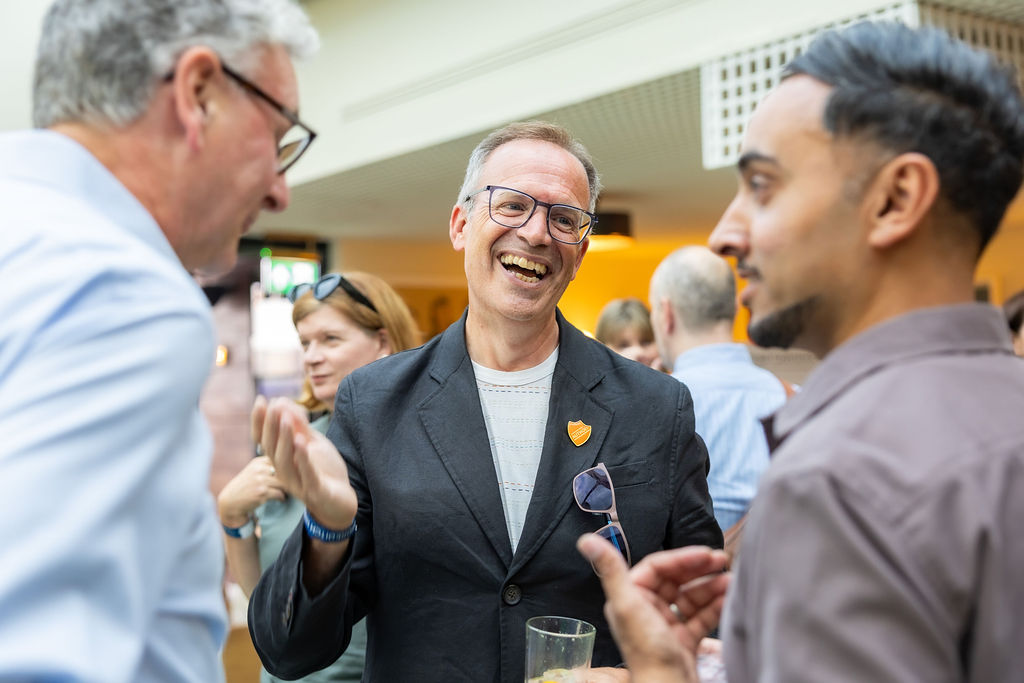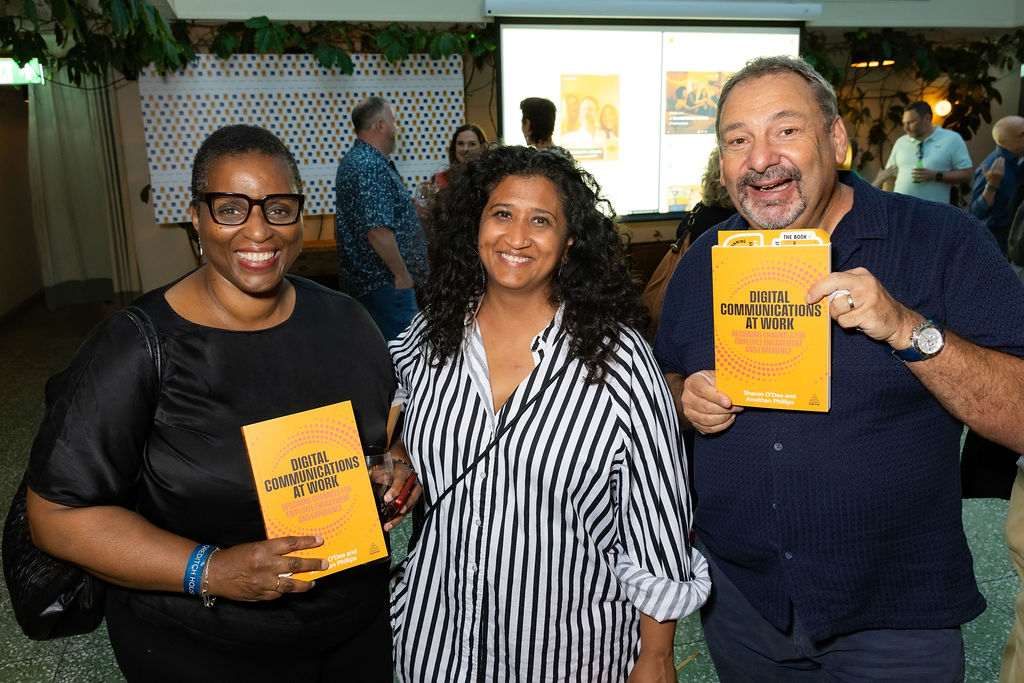
Some weeks resist the usual format. This is one of them. I could tell you what I’ve been reading, what I’ve been watching, or how many emails I ignored. But none of that is important right now.
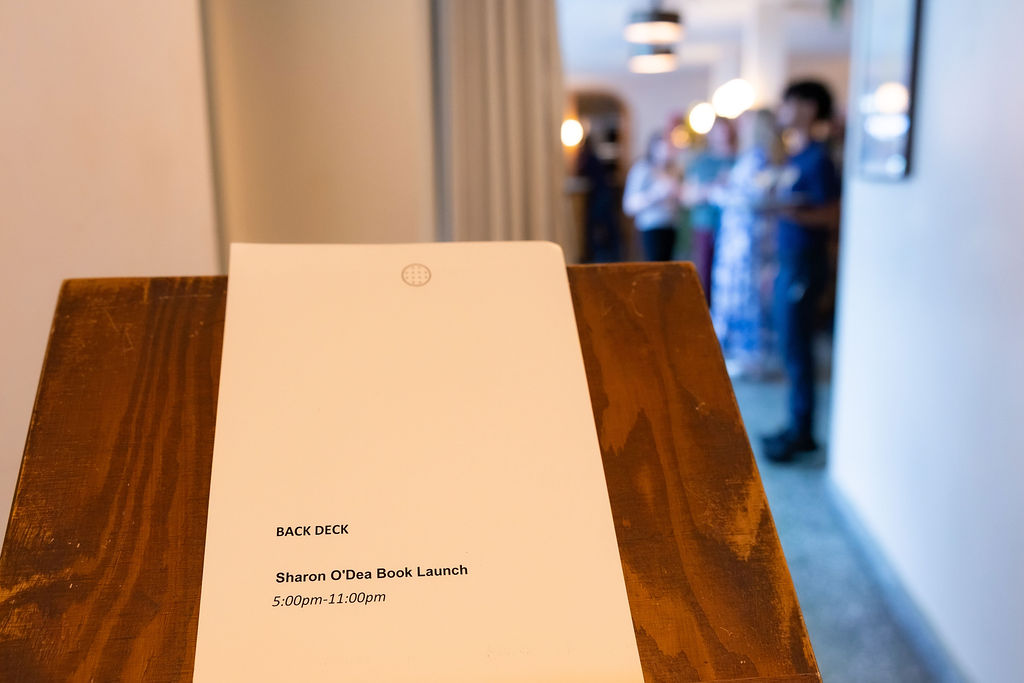
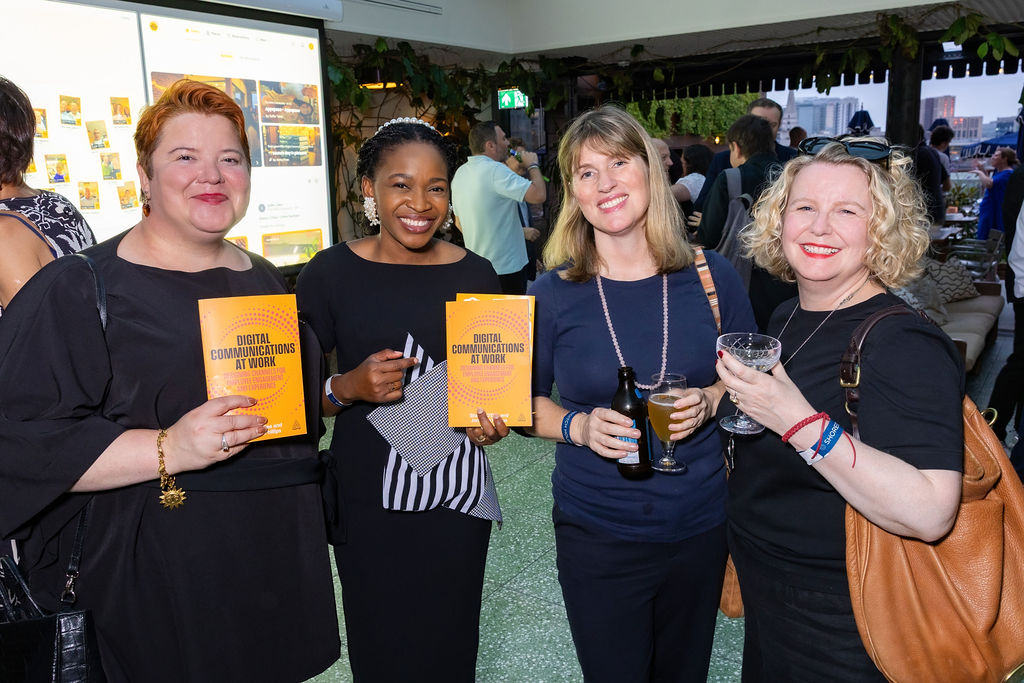
The story this week is that we had a launch party for the book, and I appear to have spent the days since discovering I have way more feelings than I’d budgeted for.
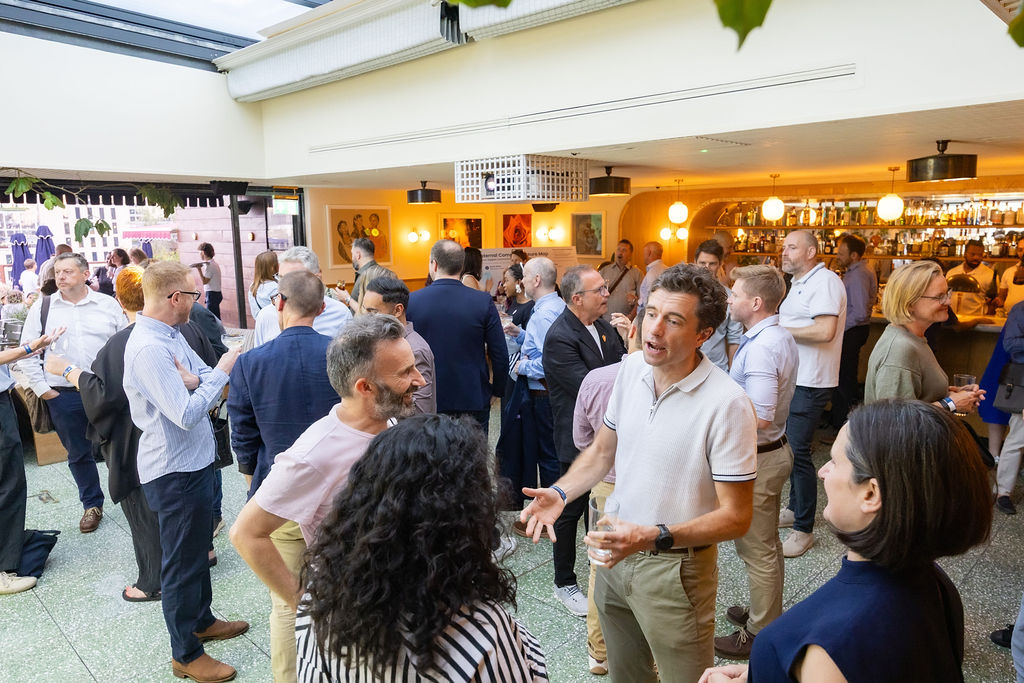
It was on the roof of Shoreditch House, which meant the whole thing happened against the skyline of the city I was born in, went to school in, and — bar a few brief spells elsewhere — lived in until I was thirty-nine. Most of the professional life this book is built on happened somewhere down there. Parliament. Banks. Charities. Agencies. Clients. Conference venues. Tube stations. Whichever Pret happened to be closest to whichever office I was working in that week.
London has never really felt like one place to me. It’s always been commutes and postcodes and jobs. But from up there, all at once, it suddenly became one continuous story. My story.
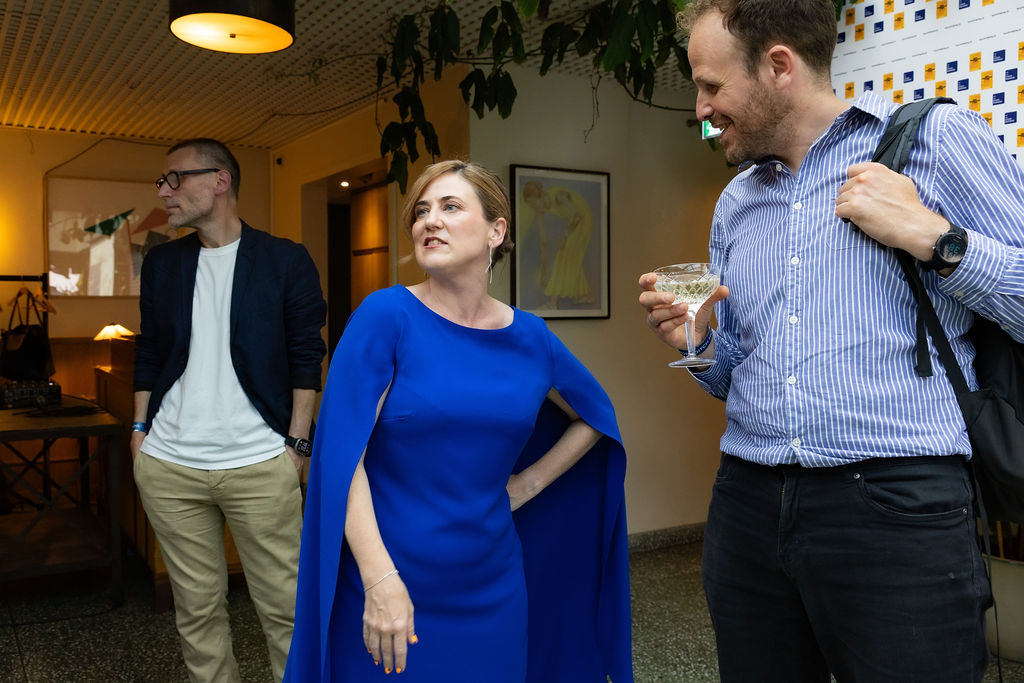
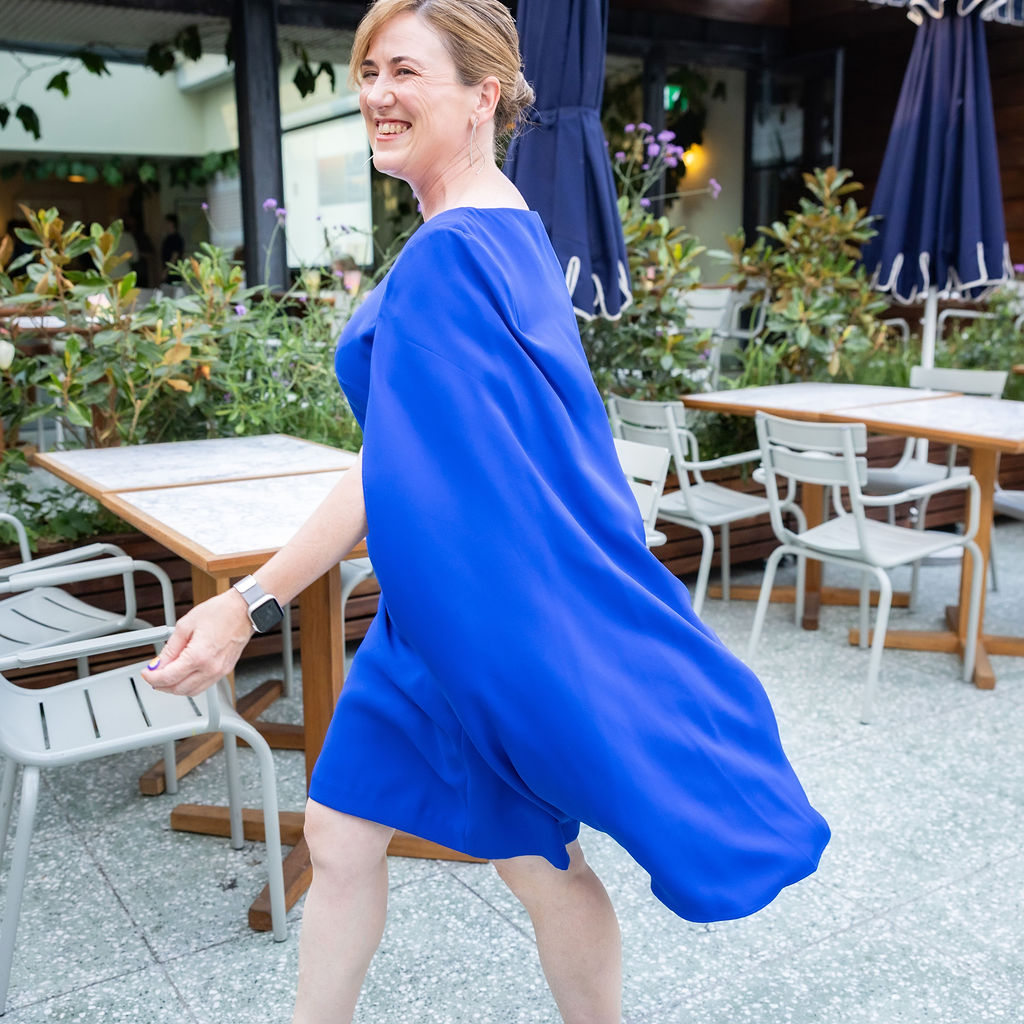
I should mention the dress.
I bought an incredible dress because it had a cape. An actual cape. Like I was either accepting an Oscar or about to arrest Lex Luthor.
I mentioned this to everyone. Not metaphorically. Literally everyone.
I’d be halfway through thanking someone for supporting my career over the last fifteen years before my brain interrupted with TELL THEM ABOUT THE CAPE.
“It’s got a cape.”
Reader, it did.

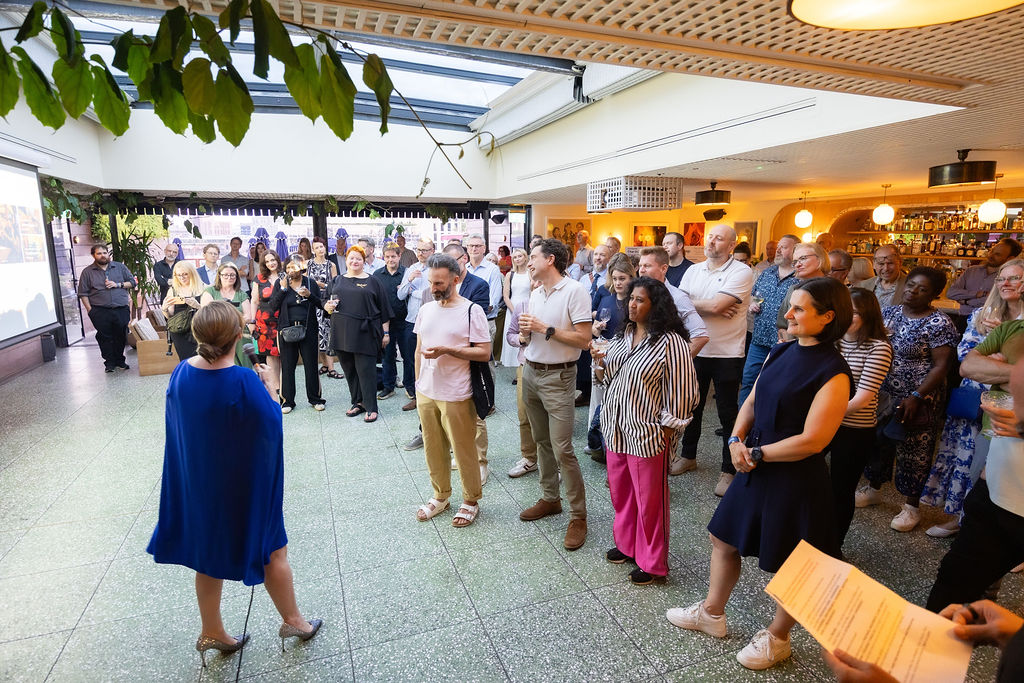
About 110 people RSVP’d. Fewer made it, as is always the way. I noticed for roughly twelve seconds.
Because then I looked around the room and realised what was actually there.
Twenty years of work.
Not “networking”, which is what LinkedIn insists on calling it. Just… people. Clients. Colleagues. Friends. The people who taught us the trade, challenged our thinking, hired us, argued with us, let us test half-formed ideas on organisations they were responsible for, and occasionally trusted us enough to implement them. Every one of them has ended up in this book somewhere, whether they know it or not.
Looking around the room, I realised there are only two occasions where everyone from across your life turns up at once: your funeral, and apparently your first book launch if you’ve spent twenty years in the same gloriously niche profession.
I can recommend the latter. Better catering. Less crying. And the guest of honour gets to wear a cape.
I gave a speech. On paper it was mostly self-deprecating jokes, because I don’t really know any other way of getting through emotional occasions. But somewhere around the thank-yous the armour stopped working.
Because underneath all the jokes about procrastination and mutually assured productivity was the thing I was actually trying to say.
I met Jon on Twitter around 2010. We started writing blog posts together. Then reports. Then client work. Somewhere along the way we accidentally built a company. Sixteen years later there’s a book with both our names on the spine.
A sequence of events that’s as brilliant as it is ridiculous.
I’d assumed I was fine. I’m good at being fine; it’s practically a professional competency by this point. But then I found myself standing in a room full of people who had each, in their own way, nudged that sequence along. The people who hired us before we really knew what we were doing. The people who challenged our thinking until it got better. The people who introduced us to other people. The people who kept believing we’d eventually finish the bloody thing.
The book felt like the excuse. Looking around the room, it was obvious what we were really celebrating was twenty years of friendships, collaborations and opportunities that somehow, improbably, added up to this.
The fineness rather comprehensively deserted me.
And then the microphone screamed with feedback, Jon looked at me, and we both completely lost it.
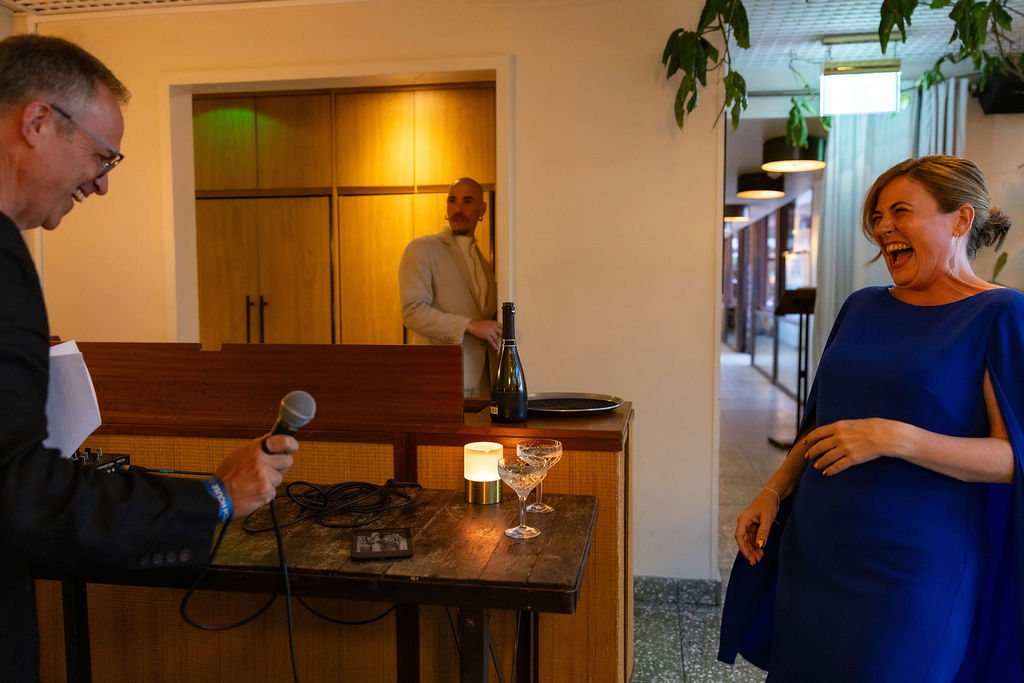
Which, in hindsight, was exactly the right ending to the emotional bit.
There’s a particular problem with being the centre of attention at your own party, which I last encountered at my wedding. It’s the exact opposite of ordinary party anxiety. You don’t spend the evening worrying you won’t know anyone. You spend it knowing everyone, and barely managing to speak to any of them.
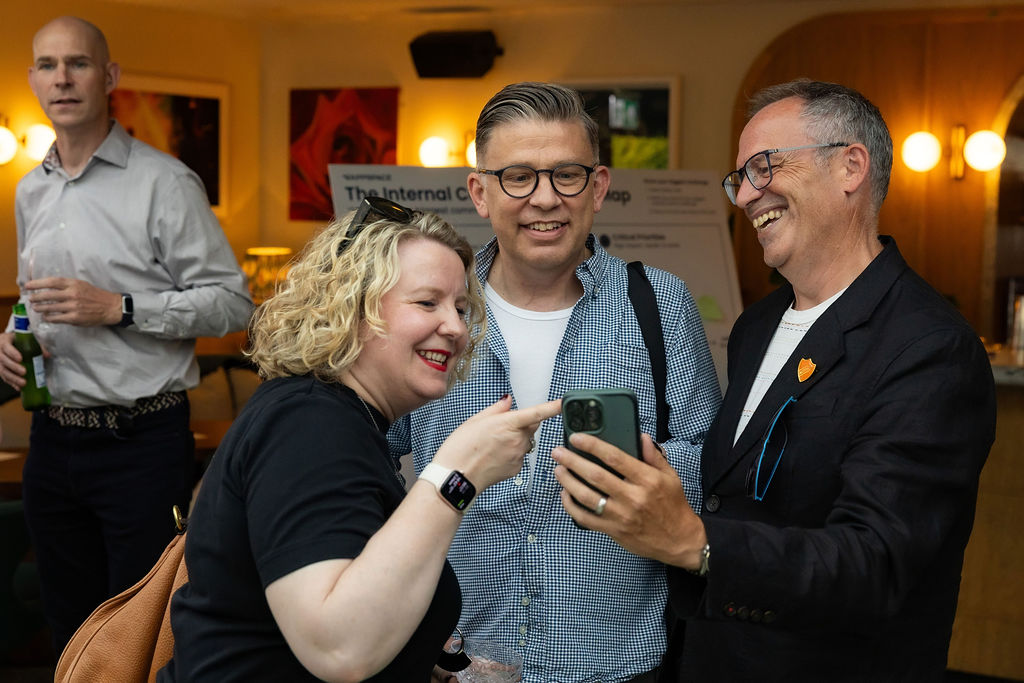
Every time I got properly into a conversation, someone needed me to meet someone else, sign a book, pose for a photo, or stand somewhere with marginally better lighting. I’d spot someone across the room I’d been meaning to catch up with for an hour, start making my way over, and immediately get intercepted.
If we started a conversation and then I disappeared halfway through it, I’m sorry. I wasn’t ignoring you. I was being aggressively celebrated.
The overwhelm, naturally, waited until the following morning.
Overnight we’d been tagged in dozens of posts. People writing about the book, about the evening, about seeing old friends and making new ones. What struck me most wasn’t what people wrote about us. It was what they wrote about each other.
Lisa, who’s worked with Lithos often enough to know exactly which bits of our thinking need challenging, mapped a startling number of her own career connections back to a single retweet of mine from when Twitter was still good. One introduction became work with the British Red Cross. That became more work. That became an entire direction for her career.
I’d completely forgotten that retweet had happened.
Reading everyone’s posts, I realised how many of those moments there had been. Lisa could draw a straight line from one retweet of mine to a decade of work. I could draw equally improbable lines back to at least a dozen people in that room: someone who hired me, someone who vouched for me, someone who made an introduction, someone who took a punt on us when “us” was still mostly an idea.
None of those moments felt important when they happened. They took minutes, sometimes seconds. It’s only years later, when everyone starts comparing notes, that you realise careers aren’t built out of grand strategic plans. They’re built out of hundreds of tiny acts of generosity that the person doing them has usually forgotten by the following Tuesday.
There’s also a good story about how the book itself got written.
Donna at Kogan Page asked me if I’d write one in 2023. I demonstrated my enthusiasm by doing absolutely nothing about it for roughly a year. Eventually I said to Jon, “What if we wrote it together, so social awkwardness forces us to finish it?”
And that is, apparently, how you write a book.
We split chapters, swapped drafts, edited each other ruthlessly until neither of us could remember who’d written what, and hopefully ended up sounding like one person.
As chapter ten repeatedly points out, launching isn’t the end. It’s the point where people finally get to decide whether the thing deserved launching in the first place. So this is, technically, the beginning.
Thank you to Appspace for sponsoring the evening, so the emotional wreckage at least came with an open bar. To Paul Clarke, who photographed it, which means the bits I was too busy feeling things to remember are safely on record. To Donna and Anne-Marie at Kogan Page, whose faith in this book’s eventual existence significantly exceeded the available evidence. To the Lithos crew, who have spent years patiently correcting the pronunciation of a company name that two communications consultants somehow chose without ever saying it aloud first. To our clients, for occasionally letting us discover what doesn’t work on their time rather than ours.
And to David, who has lived with this book for considerably longer than any husband should reasonably be expected to.
Anyway.
tl;dr: we wrote a book. I wore a cape.
The launch in photos