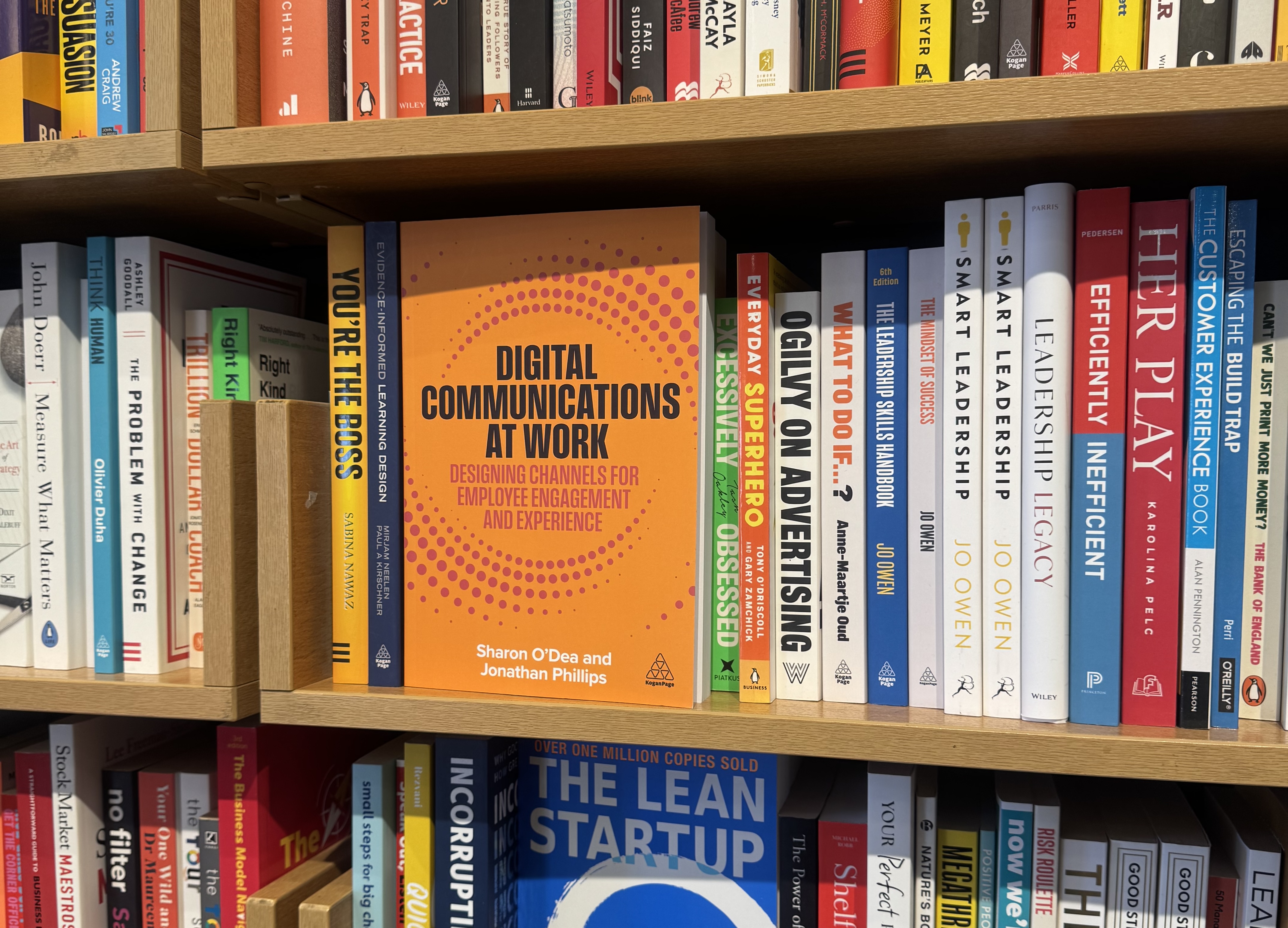
I have spent the last three weeks becoming the sort of person who cries in bookshops, obsessively refreshes Amazon bestseller rankings, and voluntarily disappears into a Dutch field with patchy phone signal.
In my defence, all three seemed perfectly reasonable at the time.
The book Jonathan and I have been writing for the last eighteen months finally hit real and digital shelves, which turned out to be a far more emotional experience than I’d anticipated. Work became an unexpectedly coherent series of conversations about AI, change and the uncomfortable gap between what organisations want technology to do and what people are actually ready for. Then, because I’d apparently reached my annual quota of thinking, I went to Down The Rabbit Hole festival and spent three days remembering that basslines solve more problems than LinkedIn ever will.
Only sitting down to write this did I realise these weren’t really separate stories at all. They were all, in different ways, about letting go. Of certainty. Of ownership. Of the comforting illusion that once you’ve finished something, the hard bit is over.
Anyway. Here’s the last three weeks.
This week at work
We’ve been working with a client that doesn’t want to upgrade their comms platform. Or migrate it. Or even skip a version.
They want to leapfrog the whole lot and build an AI-first communications architecture instead.
It’s an ambitious instinct, and I think probably the right one. If you’re convinced the next decade of work will look fundamentally different, designing for that rather than polishing the last generation of technology makes a lot of sense.
The awkward bit is that becoming AI-first is itself a massive change programme. And change programmes have always run on one thing: good communication. So the capability you’d normally rely on to help an organisation navigate a transformation like this is… the capability you’re busy transforming.
It’s less “fixing the plane while flying it” and more flying one plane while trying to assemble a second, better plane alongside it, using parts that are still on backorder until sometime in 2027.
The other thing that kept nagging at me was ownership. Move internal comms onto a platform designed primarily around work rather than communication, and comms stops being the product owner and becomes another customer. That’s not really a technical decision. It’s an organisational one. You’re asking a team to hand over not just a platform, but a chunk of its identity.
That tension turned out not to belong to just one client. It surfaced over and over again in conversations that had nothing to do with each other.
A recruiter described our profession as “sleepwalking into oblivion” — his words, not mine — and pointed to something I’ve been wondering about for a while. AI absolutely is making people more productive. The problem is that most of those gains stay private.
If a four-hour task now takes thirty minutes, there’s not much incentive to announce that fact to your employer. So the productivity improvement exists, but only at the individual level. The organisation never really gets to bank it.
A researcher looking at AI governance in financial services arrived at almost exactly the same conclusion from the opposite direction. Most governance fails because it lives in documents instead of products. Nobody wants another policy. They want the safest thing to also be the easiest thing.
Then I spoke to someone working on AI for maritime crews — people scattered across ships for months at a time, often speaking different first languages. Different industry. Different problems. Same conclusion.
AI isn’t reducing information overload. It’s accelerating it. Robots producing content for other robots to summarise, while the humans are somehow expected to emerge at the end of the process better informed.
What struck me was that none of these conversations had anything to do with each other. Different organisations. Different industries. Different starting points. Yet they all kept landing in exactly the same place.
The technology is arriving faster than organisations can absorb it. AI isn’t eliminating the need for communication, governance or judgement. If anything, it’s making all three more important.
It’s always reassuring when reality starts independently peer-reviewing your book.
Also this week
Ah yes. The book. It exists!
After twenty years in digital, where everything is iterative, agile, endlessly tweakable and somehow never actually finished, writing a book turned out to be the most waterfall project imaginable.
You research. You draft. You edit. You agonise over commas. Then, one day, someone prints the thing and that’s it. No hotfix. No version 1.1. No updating the chapter because you’ve thought of a better example.
Just several hundred pages of your opinions, frozen in time.
I’ve written before about being a late bloomer — the kid who couldn’t tie her shoelaces until she was ten, who didn’t finish university until 27, who never had a five-year plan and barely managed a five-day one. “Not reaching your full potential” was the phrase that got used, usually kindly, occasionally not.
People like me don’t write books. We’re not supposed to. So for eighteen months I treated it as a project rather than a fact — a series of Word documents that Jonathan and I could keep poking at forever. In the spring it became a PDF proof and a red pen. Abstract. Deniable. Still, on some level, not really happening.
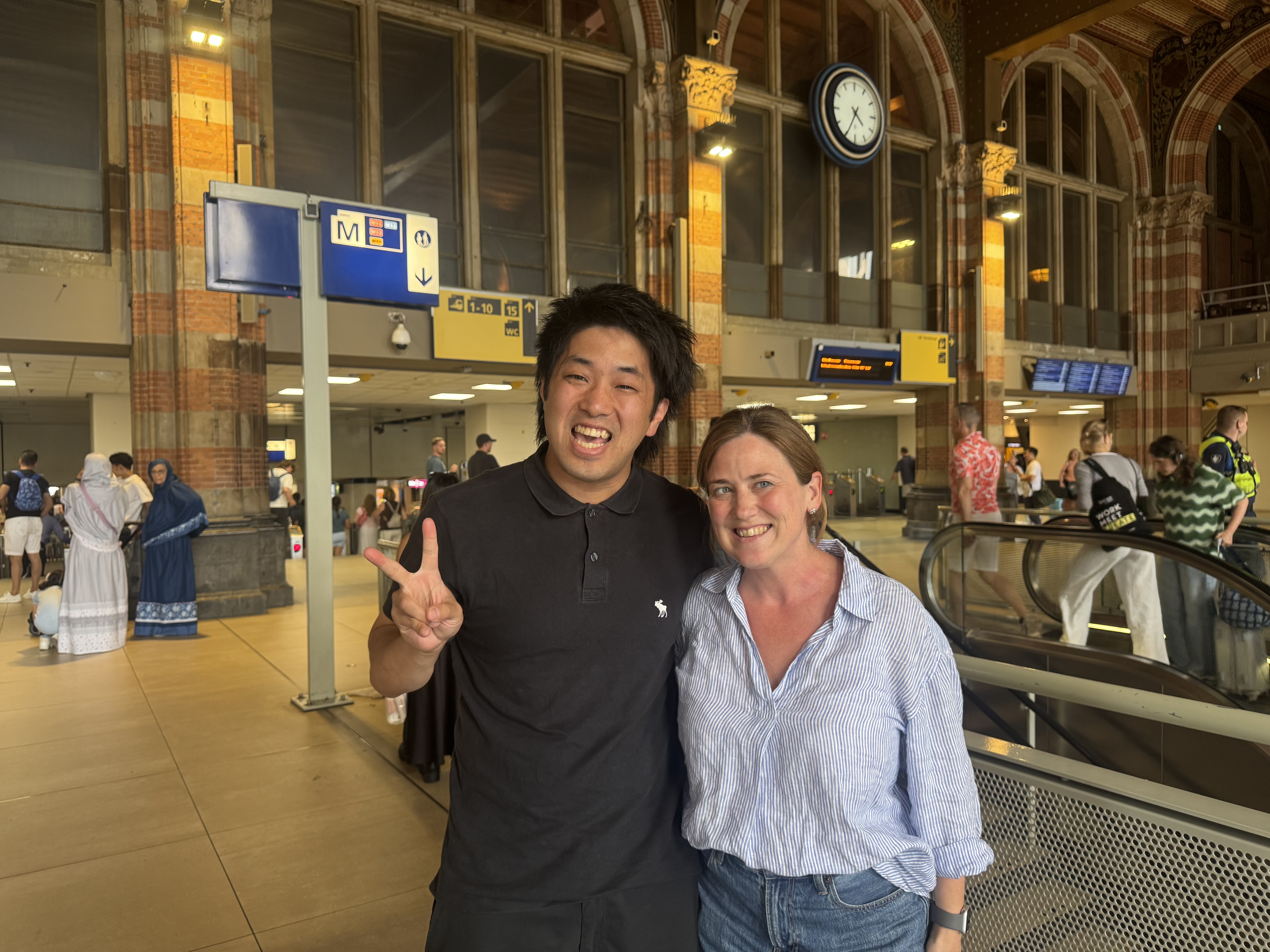
Because of some logistical hiccups, my author copies were delayed. So I wandered down to the American Book Center here in Amsterdam and picked up a copy off the shelf, like any other customer.
And promptly burst into tears.
Not because it had become real, exactly. More because it had stopped belonging to me — and because the weird, shy, half-blind, shoelace-challenged kid I used to be would not have believed for a second that the object in my hands existed, let alone that I’d made it.
Suddenly it was a thing that people I’d never met were buying, reading, agreeing with, arguing with, using, learning from, spilling coffee on and — if I’m very lucky — recommending to someone else.
That’s a strangely emotional handover.
Since then it’s been quietly surreal seeing photos arrive from readers across the UK, Europe, Asia and Australia. A thing that lived almost entirely inside two people’s heads now seems to have escaped into the wild.
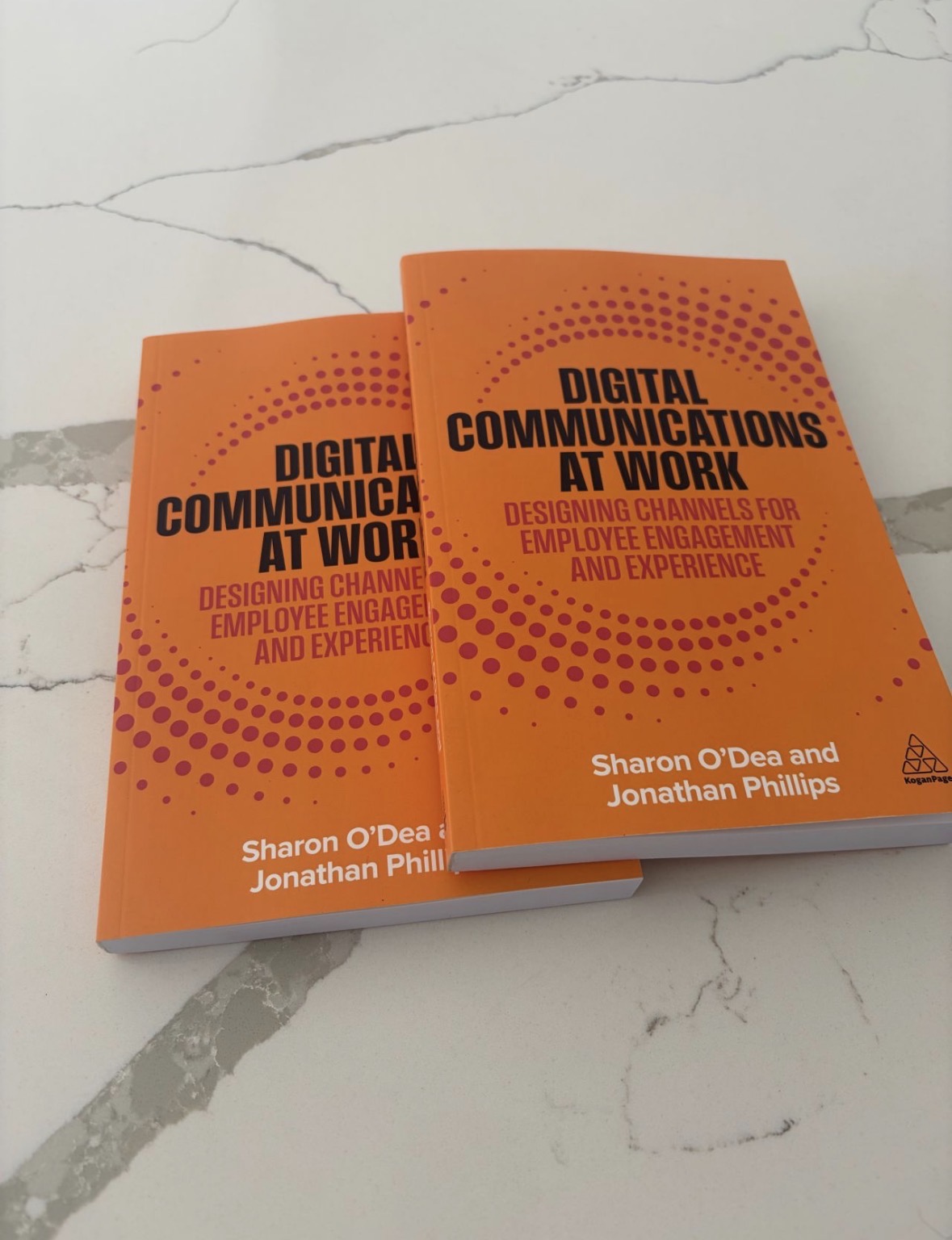
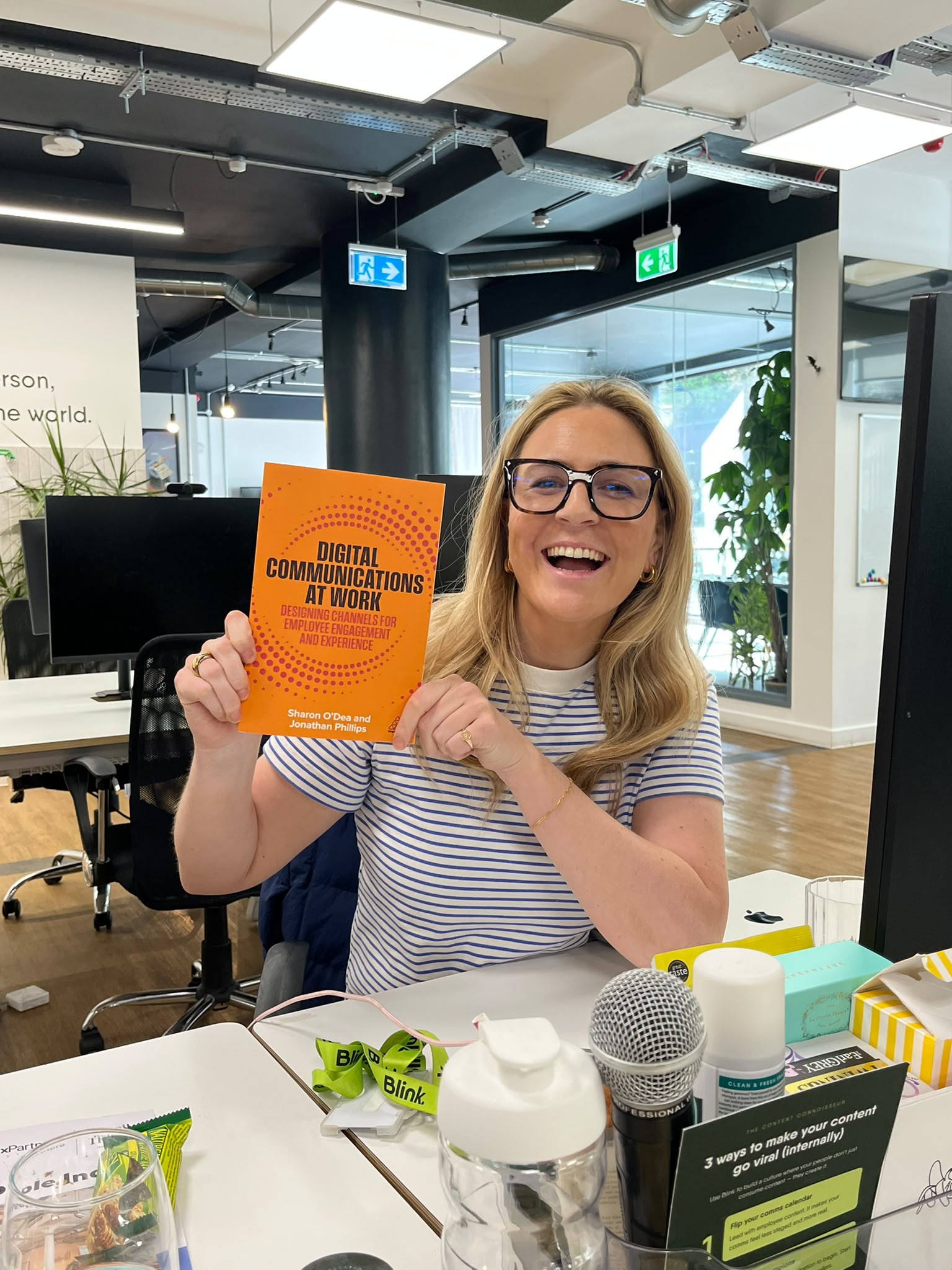

Unfortunately, so has my ability to behave normally about it.
Amazon doesn’t tell authors how many copies they’re selling in real time. It does, however, update the bestseller rankings with alarming regularity, which means I’ve spent rather more time than is healthy refreshing those charts and attempting to reverse-engineer my own sales figures from movements between books in the Public Relations chart.
This is obviously ridiculous behaviour. But I have absolutely no intention of stopping before the US launch later this month.
I also officially stepped into my role on the IABC EMENA board, taking on the professional development portfolio. Given the number of conversations I’ve been having lately about how our profession adapts to AI, changing careers and a rapidly shifting workplace, it feels like exactly the right thing to be working on.
Or, perhaps, like volunteering to captain the lifeboat while everyone is still arguing about whether the iceberg is really there. Time will tell.
Consuming
📺 Watching
Christopher Nolan’s Odyssey is either the most or least necessary film ever made, depending on your feelings about remaking one of the foundational texts of Western literature that people have already been adapting for roughly three thousand years.
It looks extraordinary. This is exactly the sort of film cinemas were invented for. Matt Damon makes a thoroughly convincing man who has spent the last decade annoying several gods simultaneously, and despite what the permanently aggrieved corners of the internet had to say beforehand, the casting is excellent throughout.
It is also, unfortunately, very long.
Not Oppenheimer long, where you somehow don’t notice. Properly, consciously long. Multiple wee break long. There were stretches where it felt less like Homer than a Hollywood epic fulfilling its contractual obligation to be Important Cinema.
Then again, The Odyssey is fundamentally the story of one man taking an absurdly long time to get home, so perhaps I should stop complaining about the pacing.
🎵 Listening
The real highlight of the last fortnight had nothing to do with books, AI or the future of work.
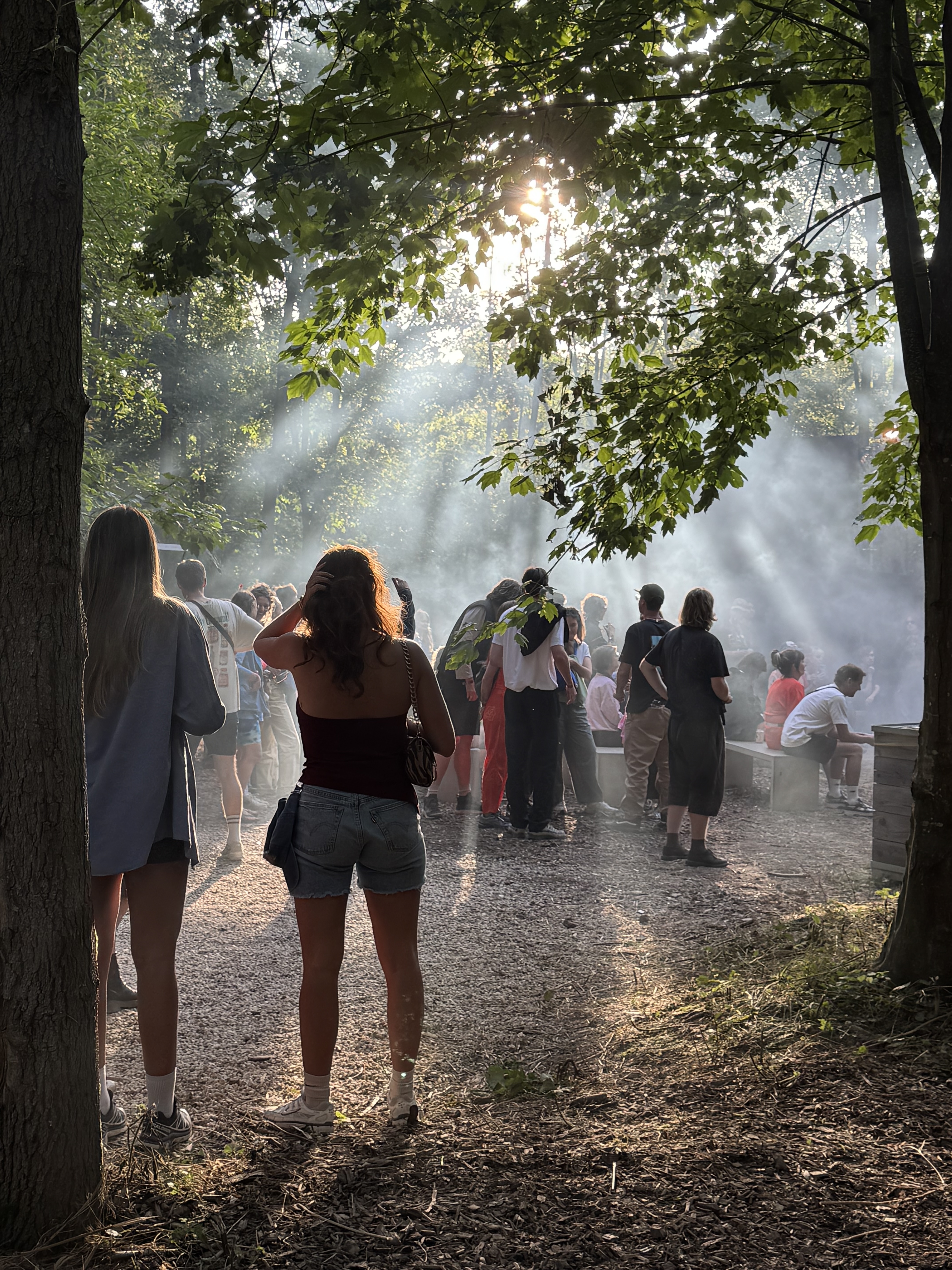
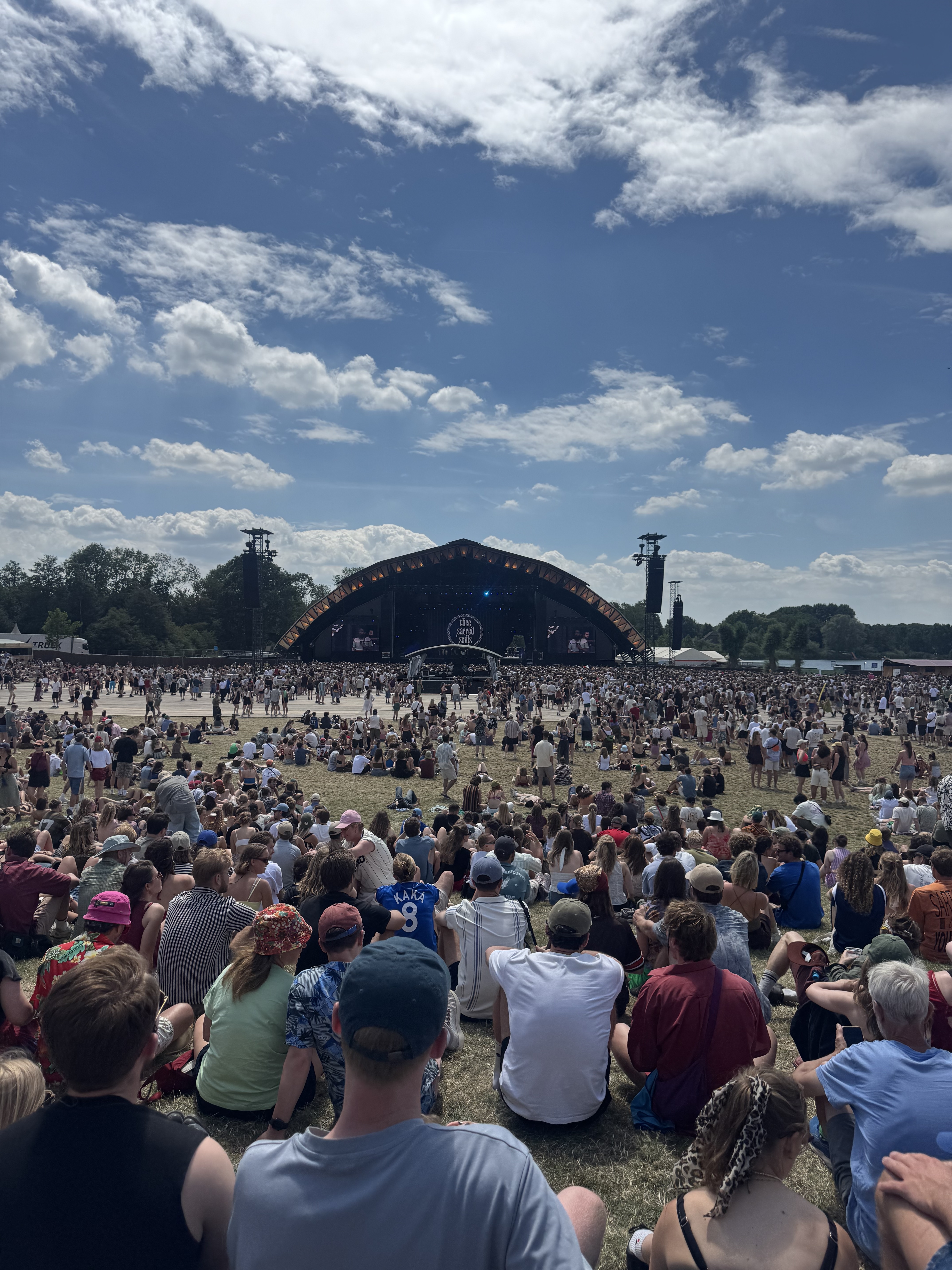
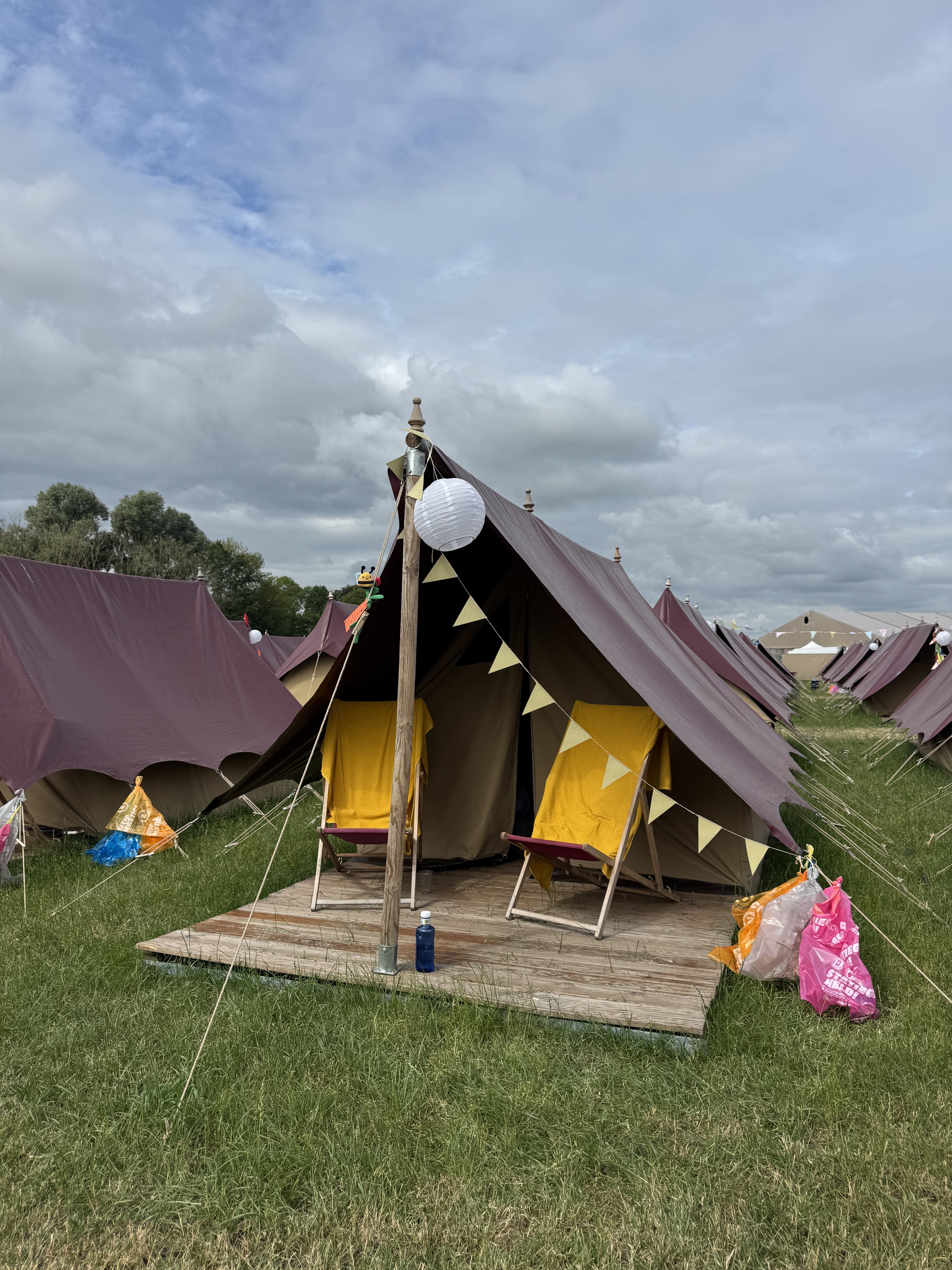
It was my annual pilgrimage to Down The Rabbit Hole, which also explains why these weeknotes disappeared for a couple of weeks.
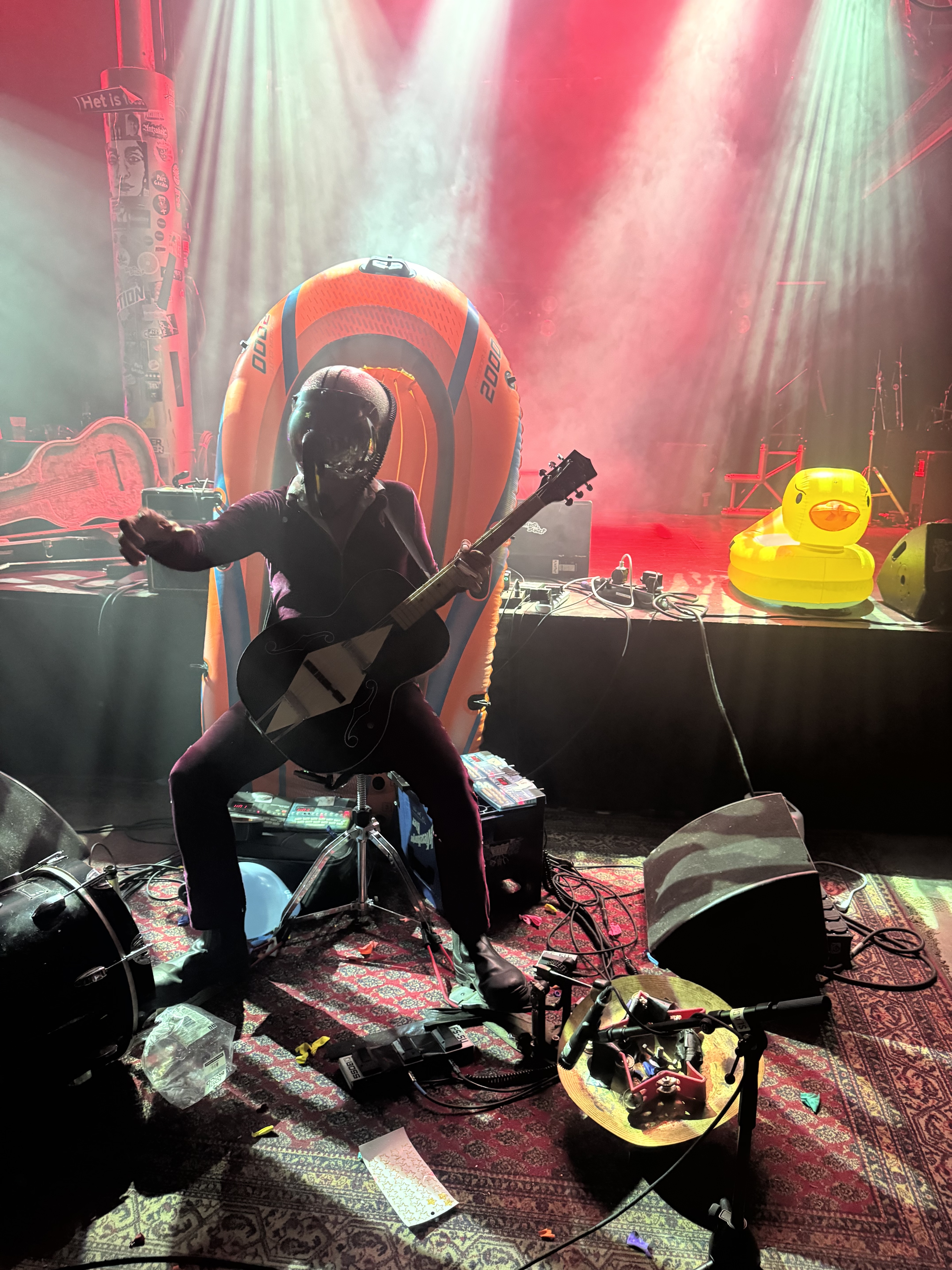
The festival opened with Peaches dressed, entirely appropriately, as a bag of dicks, which immediately established that we were all in safe hands.
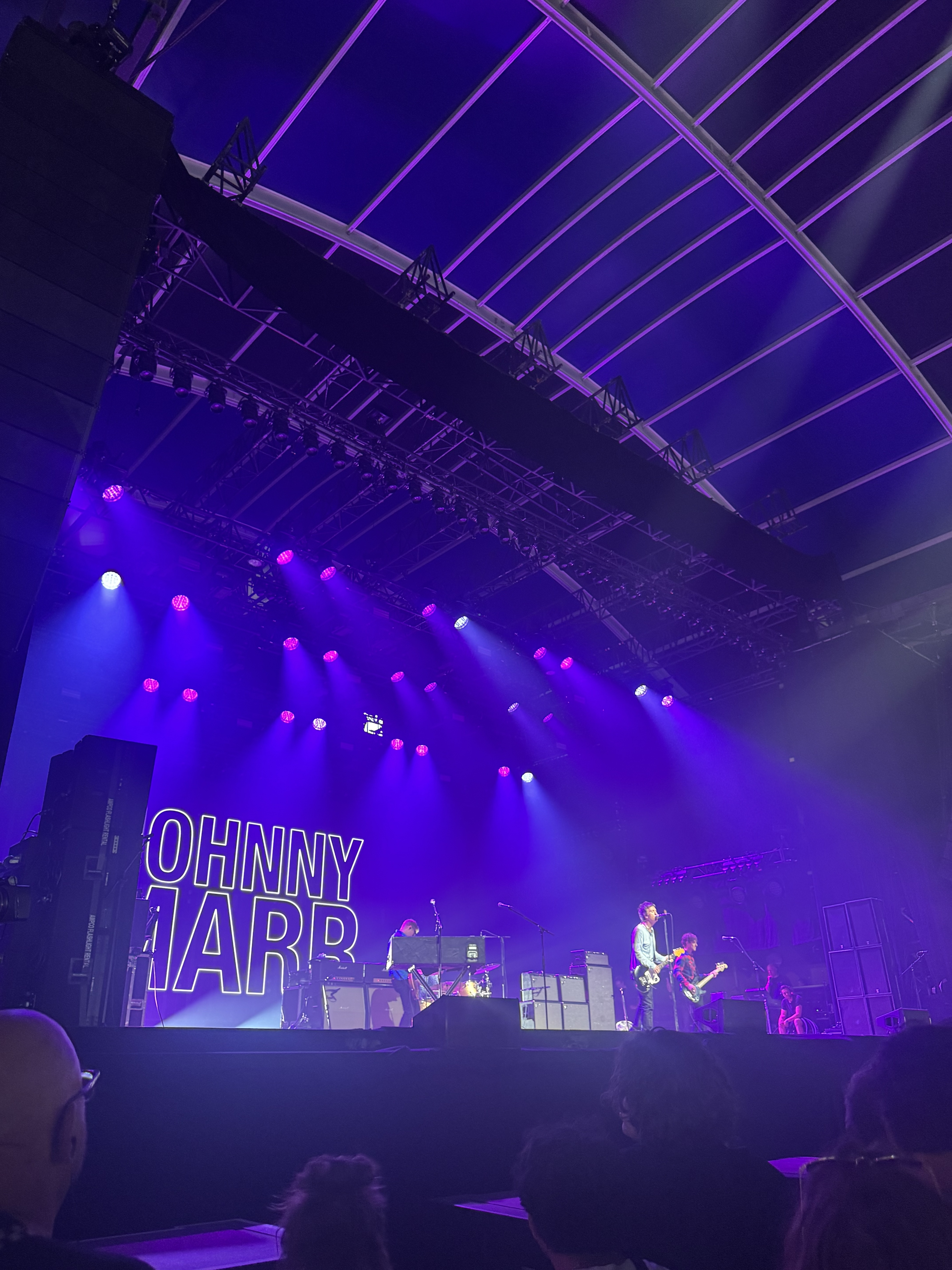
From there it just kept delivering. Little Simz. The xx. David Byrne somehow continuing to defy both age and physics. Empire of the Sun. CMAT. Johnny Marr.
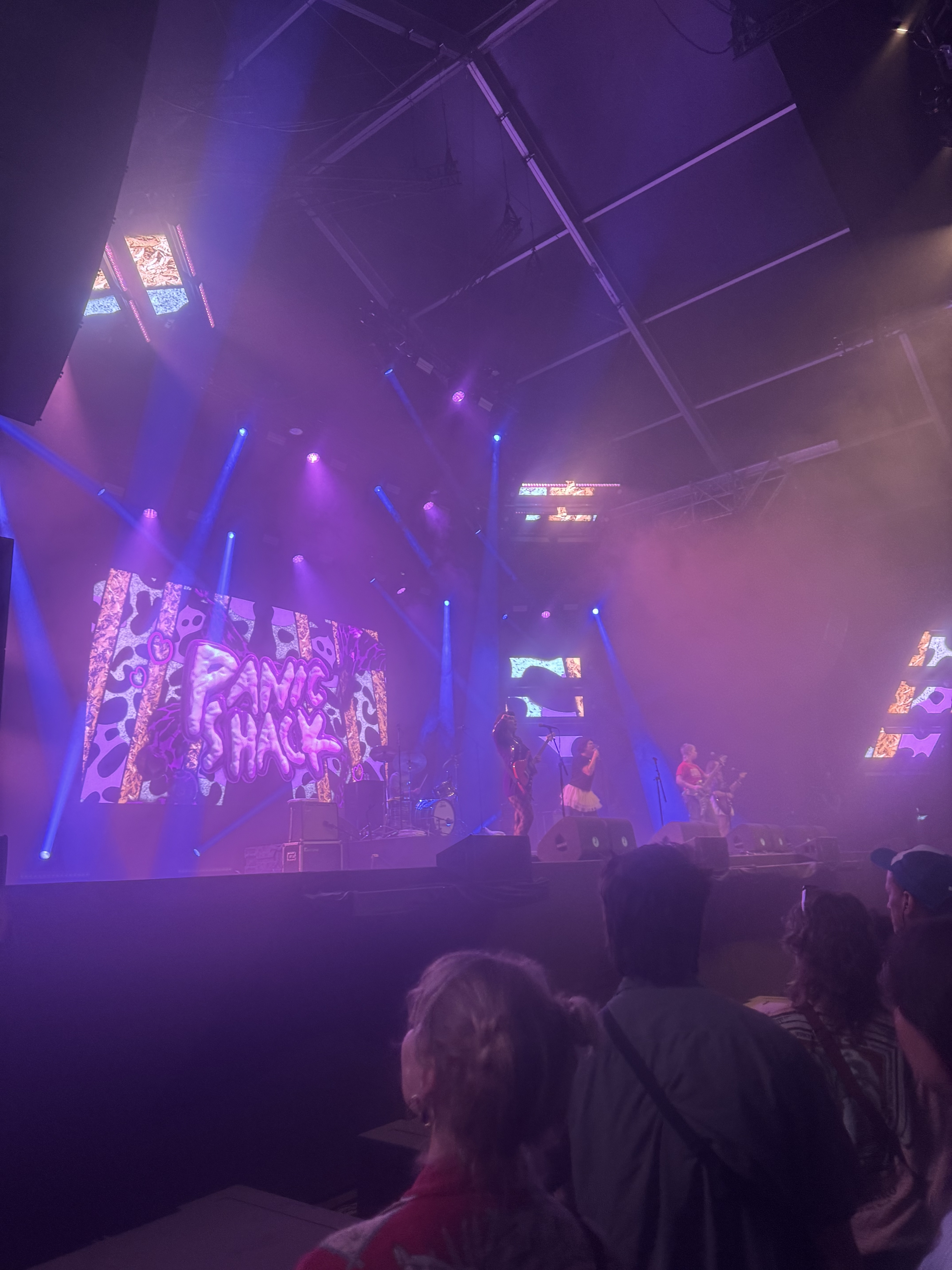
My discovery of the weekend was Panic Shack: four women from Cardiff making gloriously unbothered punk music that sounds like someone weaponised the smoking area outside a Wetherspoons. I was completely sold within about thirty seconds. I also enjoyed The Mary Wallopers — essentially the Poundshop Pogues — considerably more than I’d expected.
Then Florence + The Machine closed the festival. The sun disappearing over the lake. Free ringing out across the site. Me dancing with my oldest and best friend.
After several weeks spent thinking and talking about AI, work, governance and the future of the profession, it was a useful reminder that sometimes the correct answer is to disappear into a field with no phone signal and listen to impossibly loud music for three days.
Life doesn’t get much better than that.
Life lately, in photos