Every organisation has a woman who knows where everything is. Let’s call her Anya.
Anya knows which version of the expenses form actually works, why the procurement process described on the intranet bears only a passing resemblance to the procurement process in practice, and who to call when something needs doing by Friday. She’s survived three restructures, two digital transformations and a knowledge management programme designed, in part, to make her unnecessary.
None of this is in her job description. Nobody has allocated her any time to do it, and it certainly won’t feature in her performance objectives. But she’s helpful, she’s competent, and she’s a woman, so naturally she’s become the organisation’s unofficial helpdesk, institutional memory and emotional support animal.
The place would fall apart without her. Her manager thinks she’s excellent at teamwork.
The organisation, meanwhile, has spent a small fortune trying to make Anya unnecessary. It has built knowledge bases, implemented enterprise search, launched chatbots and is now enthusiastically investigating whether an AI agent can answer the questions that currently land in her inbox. The business case is compelling: think of all the time Anya could save if people would just stop asking her things.
Except the reason people ask Anya isn’t simply that she knows where the information lives. It’s that she knows what it means, whether it’s right, and what to do when the official answer doesn’t quite fit the question. She also knows the person asking, which turns out to be extremely useful.
This week I found myself working on several versions of the same problem, across organisations with almost nothing in common except employees, information and an impressive collection of digital tools.
The question wasn’t really how to get people to stop asking Anya. It was how to make sure everyone has an Anya.
This week at work
Some weeks I do one thing. This was emphatically not one of those weeks.
On Monday I was helping a firm switch on a new community platform: posters, desk drops, content plans, senior leaders posting on day one, and the niche, nerdy joy of watching membership climb into the hundreds before lunch. NGL, I love this bit. Months of planning for the worst, hoping for the best, and then watching theory turn into practice, as people start finding answers, finding each other and, inevitably, finding the GIF button.
The best bit is what happens next. You can spend months plotting use cases, building adoption plans and modelling benefits in Excel, but give people the means to connect and they’ll invariably find uses you hadn’t imagined. Sometimes those turn out to be more valuable than anything you’d think to put in the business case.
Over the rest of the week, Jonathan and I interviewed people at a global organisation about how work and communication actually move around a distributed network of smart, engaged people. Elsewhere, we tested how researchers expect to find things on a university intranet. And on Thursday afternoon I read back our discovery findings to an international NGO from a corner of a conference centre in Paris.
Different sectors, different sizes, different tools, different problems. And yet, everywhere we looked, people kept asking for the same thing: other people.
At the university, the most common request in the open comments wasn’t a better menu or a smarter search. It was: who do I ask? At the NGO, almost nobody uses search, because colleagues are the search engine. At the conference, a European telco showing off its new intranet admitted that more than half of what people typed into the search box was, essentially, the name of someone in HR.
And at another organisation, people would rather message a colleague directly than post in a channel set up specifically for asking questions. Because asking in public feels a lot like being caught not knowing, and nobody wants four hundred colleagues to witness them asking where the expenses form lives.
If you’ve ever watched Who Wants to Be a Millionaire, you’ll recognise the dilemma.
On paper, Ask the Audience is the better lifeline. In the studio, the crowd is usually right. Wisdom of the crowd and all that. And at work, a well-functioning community can be extraordinary: someone, somewhere, knows the answer, and a good network makes it possible to find them. But putting four hundred people in an Ask channel doesn’t magically produce collective intelligence. Particularly when most have muted it, two reply ‘following’ and the only person who knows the answer left in 2022. Nor does a search box offering you a policy from 2019, three versions of the same form and a page called Useful Links containing no useful links.
So people phone a friend.
The catch with Phone a Friend is that you don’t pick your friend when the question comes up. You nominate them before the show starts. The whole lifeline depends on knowing, in advance, The Person Who Knows Things.
And there’s the problem. If you already know the right people, the system works fine. If you’re new, remote, in a different country, or simply outside the right WhatsApp group, I’m afraid you’re on your own. The organisation has a wealth of expertise, but access to it depends on whether you happen to know someone who knows someone. Less a knowledge management strategy than the Freemasons with Microsoft 365 licences.
And even if you do know Anya, there’s only one of her. She’s got an actual job, alongside her unpaid secondment as the organisation’s institutional memory, unofficial helpdesk and human workaround for three business processes nobody has bothered to document. Making her easier to find is useful. Making her personally responsible for explaining the procurement policy to eight hundred people is not a sustainable operating model, even if she’s been given a £15 Love2shop voucher in recognition of going above and beyond.
That’s the task for the digital workplace. Not to replace the friend with a page, nor to turn the friend into a permanently available human helpdesk. It’s to make expertise discoverable, answers reusable and routes to help clear enough that knowing the right person isn’t a prerequisite for getting anything done.
Sometimes the answer should be a well-written page. Sometimes it should be a conversation with someone who knows what they’re talking about. And sometimes the most useful thing the technology can do is help the first person who asks a question leave an answer that saves the next fifty people from having to ask it again.
Digital feeds the personal. It doesn’t replace it. But it ought to make the personal a little less dependent on luck, proximity and whether Anya happens to be on holiday.
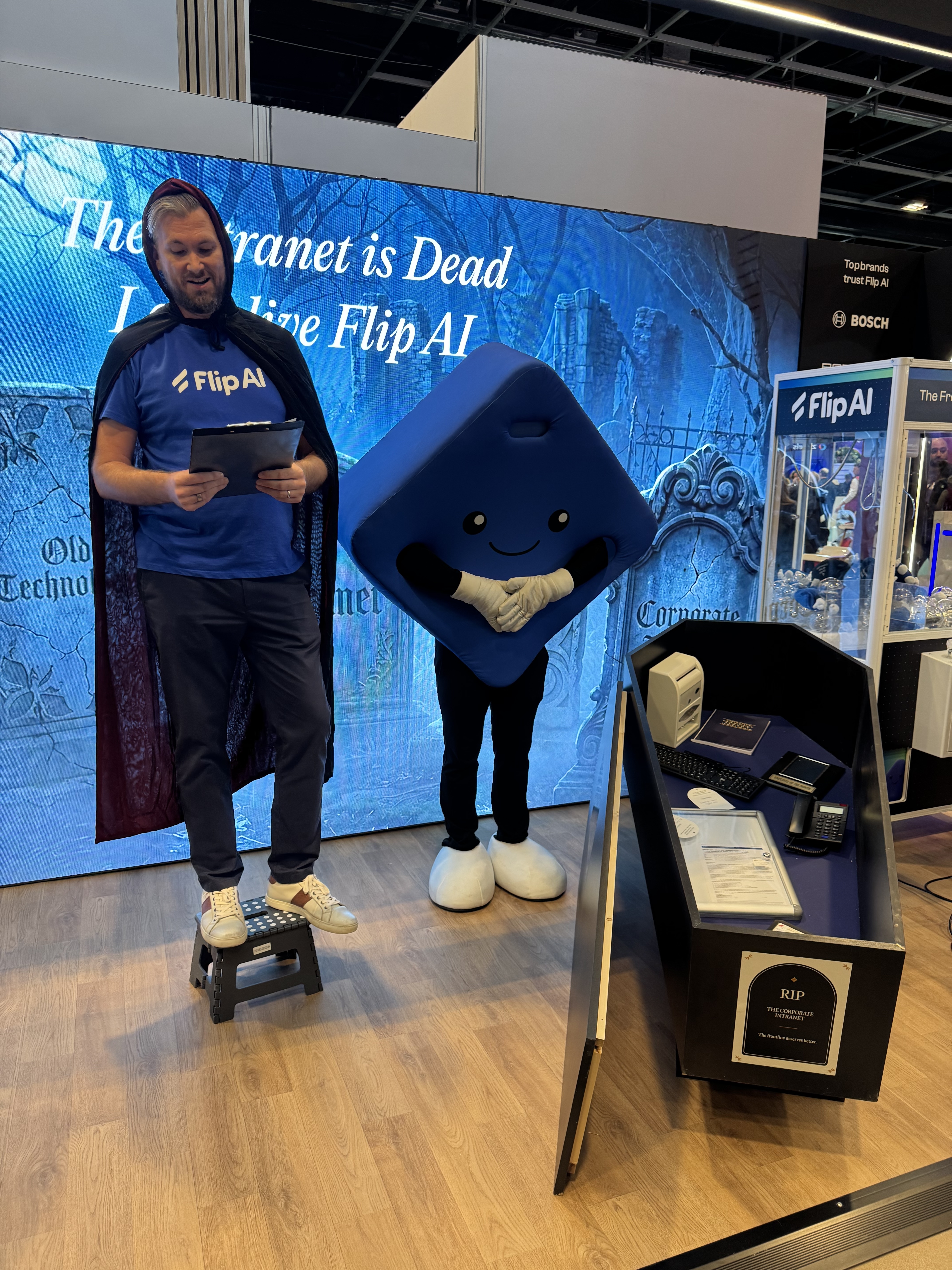
Which is why, at a mock funeral for the intranet in Paris this week, I was the one at the back quietly suggesting the deceased had been misdiagnosed. We’ve been burying intranets for twenty years, and every time they turn up at their own wake, asking who’s responsible for updating the staff directory.
Also this week
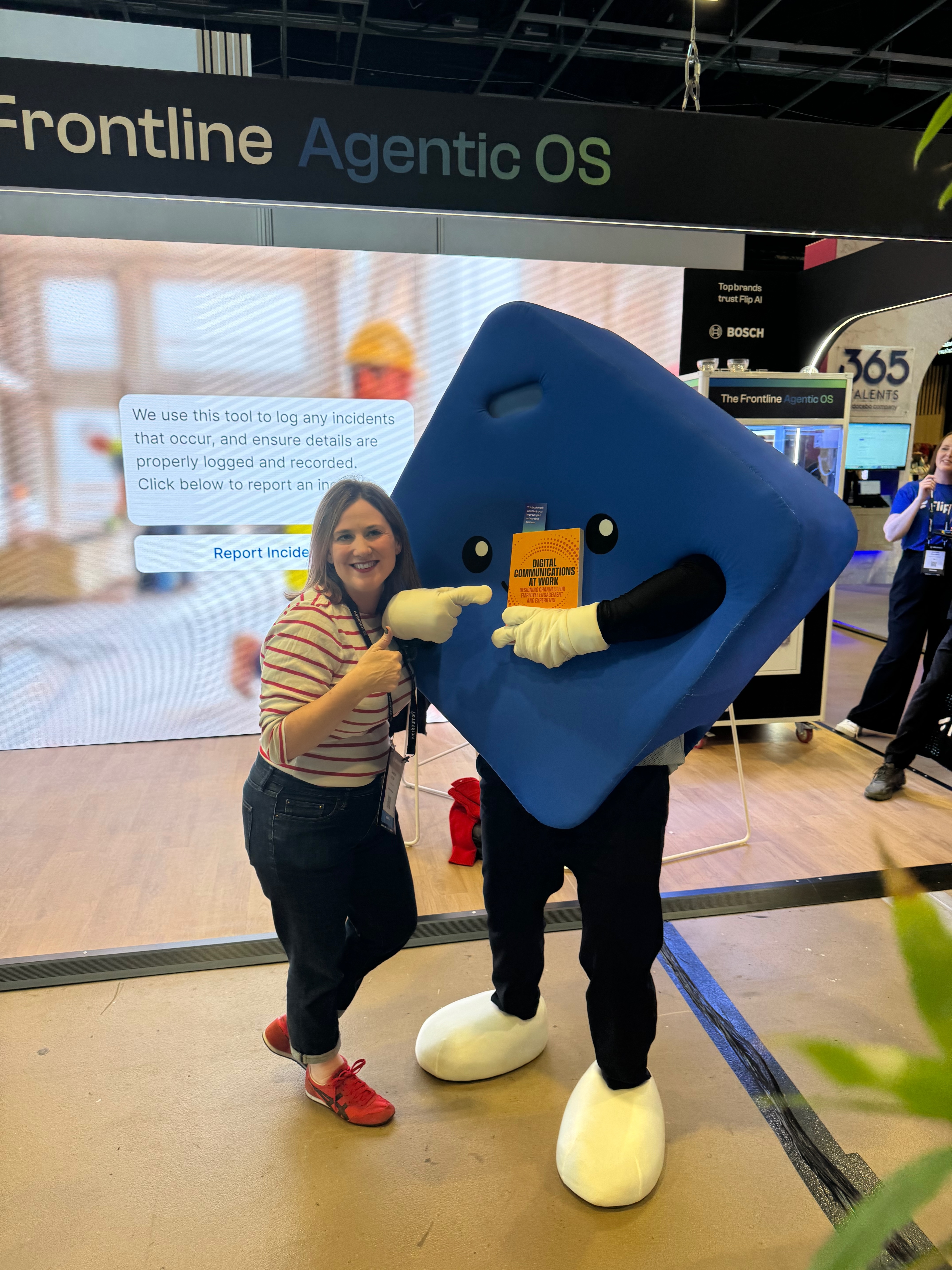
Paris, for UNLEASH. On Tuesday evening I was on a panel at People Connect Club, talking about communication for people who don’t spend their working lives sitting in front of a laptop. On Wednesday I spent an hour and a half on the Flip AI stand signing copies of the book for people who, astonishingly, wanted them signed.
I’m still not entirely accustomed to the idea that people are sufficiently interested in my niche professional obsessions to read a whole book of them, let alone queue up to have me write something in the front. It remains both deeply flattering and faintly surreal.
Full disclosure: my time in Paris was a paid partnership with Flip AI. Cheers, guys. It was a blast.

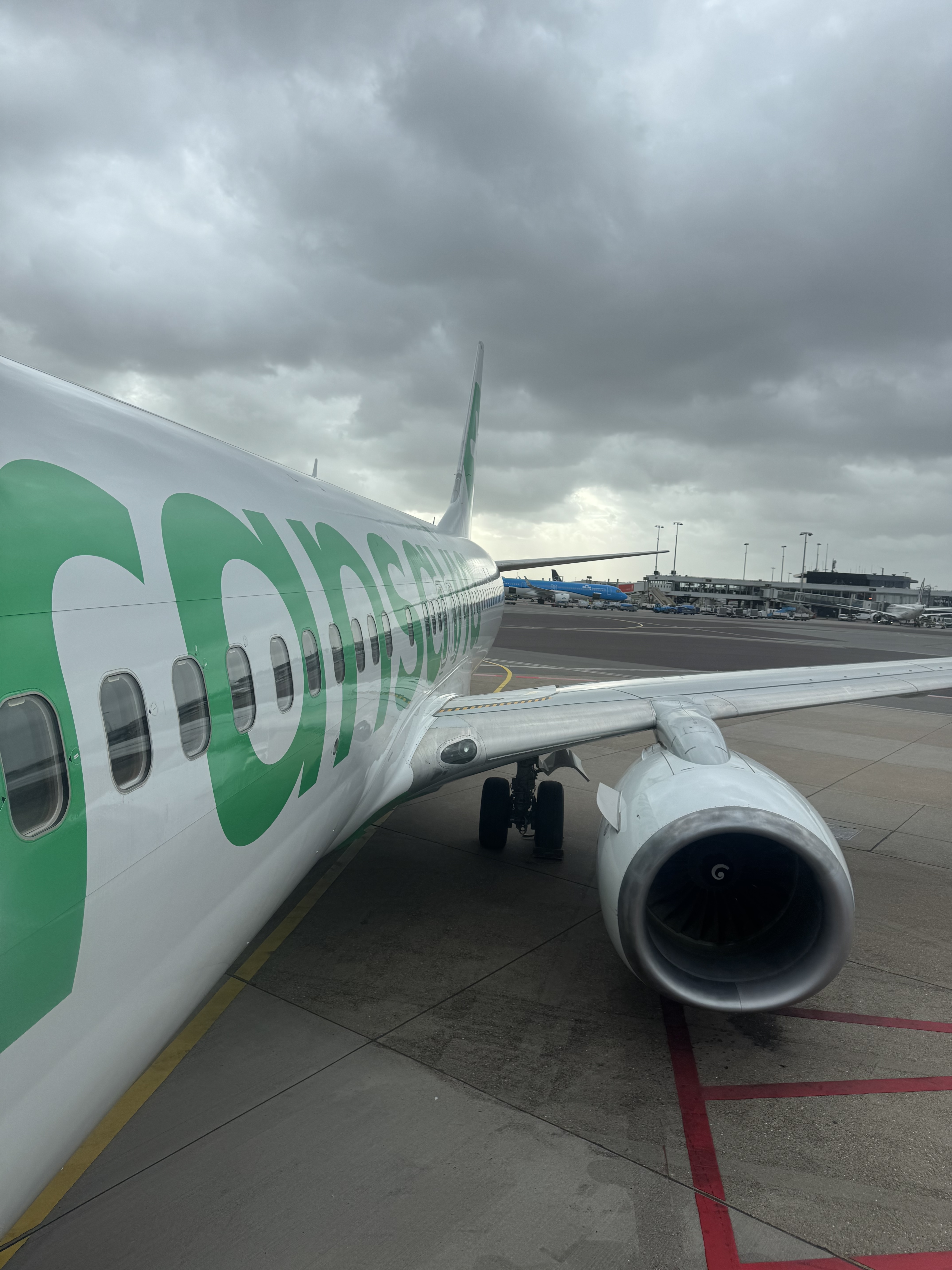
The Eurostar home was late, and deposited me back in Amsterdam at 11pm, in the middle of Amsterdam Dance Event. There was a rave on the tram. I declined to participate, preferring to trundle home with my suitcase like a woman whose idea of a wild night now involves remembering to put the bins out.
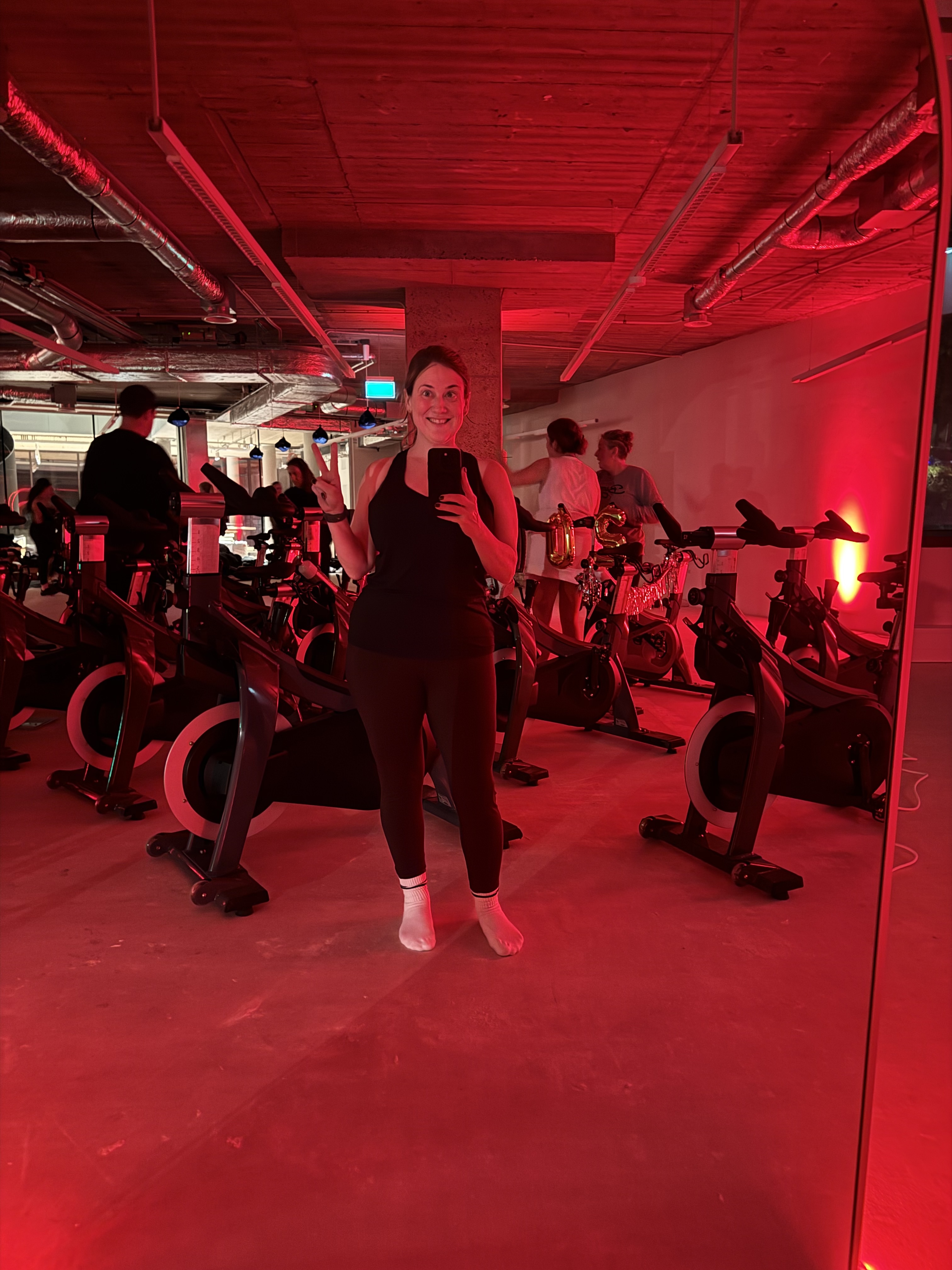
My own contribution to ADE came at 7pm the following evening: a spin class, stone cold sober. Forty-six is going brilliantly, thanks.
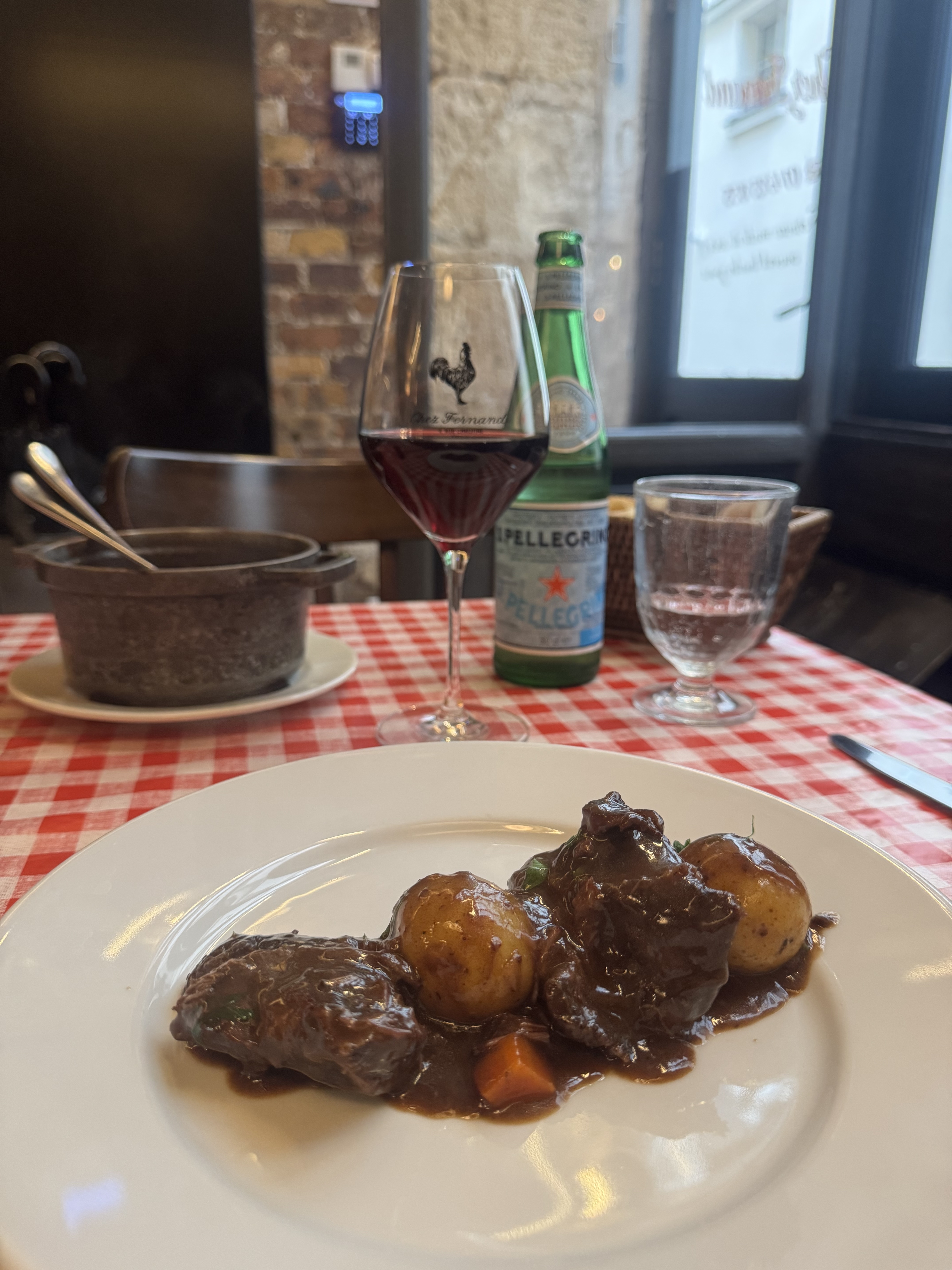
Before I left Paris, I had lunch at Chez Fernand Christine. I go every time I’m in town, because it tastes like my Nan’s cooking.
She was Parisienne, and came to London at the start of the 1950s. By the time my mum was at school, British food was still largely beige and boiled. So mum’s friends treasured an invitation to Chez Marguerite’s, where they could eat proper cordon bleu.
While Elizabeth David was busy introducing Britain to French provincial cooking, my mum’s friends were getting the real thing round Nan’s kitchen table. And for my entire childhood, I did too.
Nan died four years ago, just shy of 100. Every time I go to Paris, I make a beeline for this restaurant, order the boeuf bourguignon, and think about her. It’s not quite her cooking, of course. But it’s close enough to bring her back for an hour. Grief’s a funny old thing.
Connections
In Paris I caught up with Liz Hartley from HSBC. It had been long enough since we last met that she’s had two babies in the meantime. I’ve had a book. Hers involved less editing but considerably more cuteness.
UNLEASH was also a chance to catch up with friends from the HR world, including finally meeting Allie Nawrat, my editor at UNLEASH, in person. I’ve been writing for them for five years, during which we’ve managed an entire professional relationship without ever occupying the same room. A pleasingly analogue development at a conference devoted to the future of work.

Coverage
For inComms, I joined Rachel Miller and Chris Love in answering a deceptively simple question: how do you prepare leaders for a town hall?
My answer started with what a town hall can do that nothing else in the channel mix can: put a leader in the room, speaking in their own voice, with people who can actually respond. If all they do is read out the financials, they’ve thoroughly earned the eye-roll every office worker knows. This meeting could have been an email. An expensive one, given the cost of gathering hundreds of people to hear someone read aloud.
It ended somewhere a little more uncomfortable: not every leader should automatically get a town hall. An audience isn’t a perk of the pay grade. And if you’re going to put a leader in front of people, brief them on what those people have already heard, what they’re actually worried about, and which questions everyone in the rehearsal room is desperately hoping nobody asks.
I also wrote up both days of UNLEASH on LinkedIn. Day one featured an AI agent spending two minutes and thirty-six seconds searching every connected system for a fact available on Wikipedia, before informing me I wasn’t authorised to know it. Day two featured a funeral for the intranet, whose supposedly deceased body was demonstrating 84% monthly active users an hour later.
The future of work is in excellent hands.
Published
Your frontline communication problem isn’t a frontline problem.
Around 80% of the world’s workers don’t sit at a desk, yet most internal communication is still designed for the ones who do. When it doesn’t land, we call the people on the shop floor “hard to reach”, as though they’ve deliberately hidden themselves behind the stockroom shelves to avoid the CEO’s latest thoughts on transformation.
But the problem isn’t them. It’s design: communication built around the sender’s convenience rather than the conditions of the work, from the device to the time to the shift pattern. Which is why the reflex fix, another app (possibly with badges, because apparently we’re all eight), so rarely works.
An app can put information in someone’s pocket. It cannot put five spare minutes in their shift.
Travel
This weeknote comes to you from Taghazout, Morocco. Country 95, a very normal number of countries to have visited.
I’m here for ten days, for Arab Nomad Fest, working as a digital nomad for clients back in Europe while giving a talk on how to make that work: working out loud, treating asynchronous communication as a discipline rather than a hack, and accepting that flexibility requires rather more planning than simply taking your laptop somewhere with better weather.
So if you need to phone a friend, I’m here. I’ll answer eventually.
This week in photos