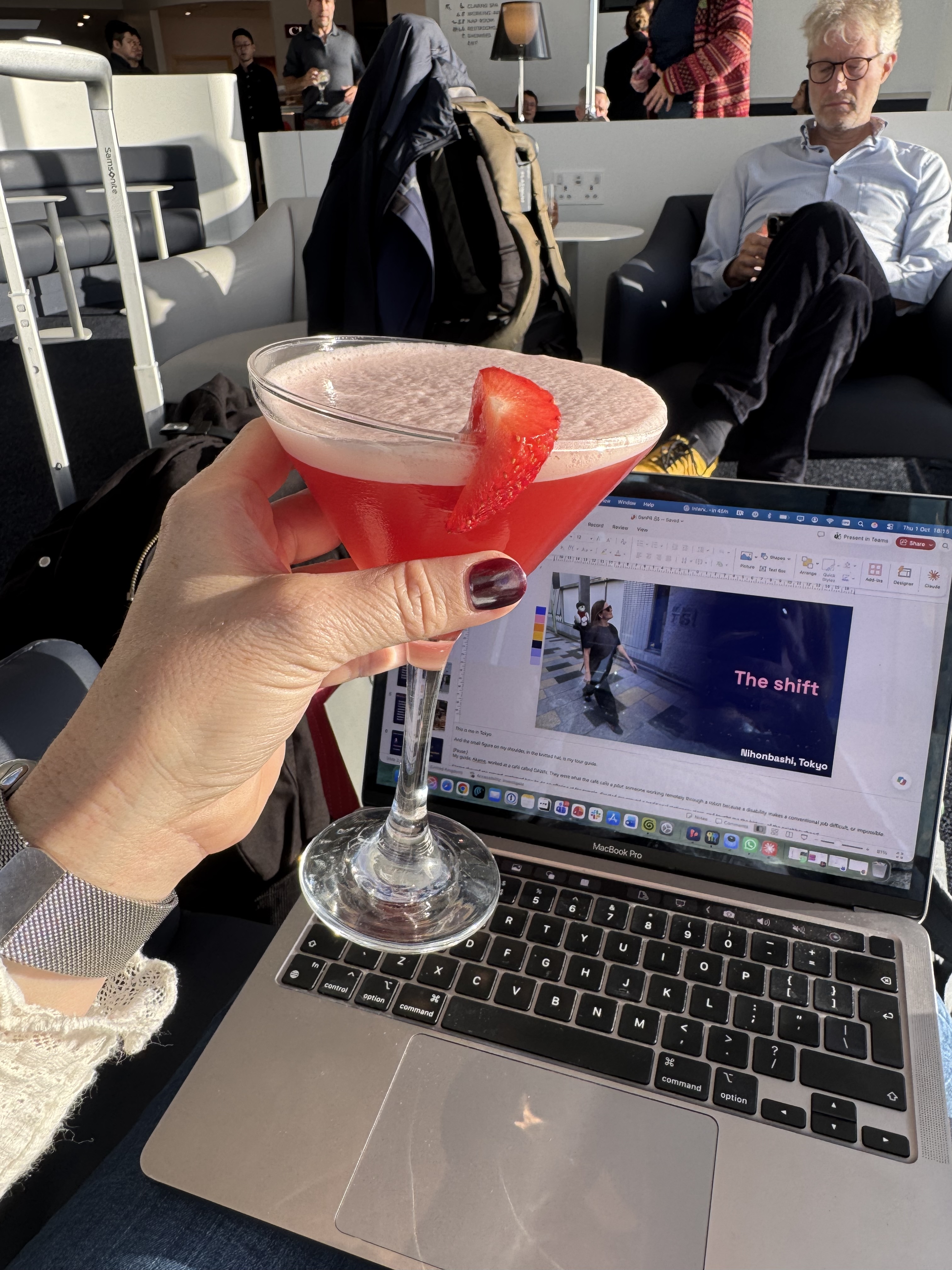
We do love a metric. Confront an organisation with anything complicated, human or fundamentally unknowable and within minutes someone will ask if we can put it on a dashboard, preferably with a traffic light, a percentage and an arrow pointing reassuringly upwards so everyone can go home.
This week I spent two days talking about AI, where we’ve built machines capable of producing an answer to almost anything but haven’t yet worked out how to measure whether the answer is any good. The most useful parts of those two days were conversations in corridors that will never appear in the event analytics. Then I went to a museum about migration and found myself thinking about suitcases: identical objects carrying wildly different amounts of consequence.
Some things are easy to count. Some things count.
Unfortunately, these are rarely the same things.
This week at work
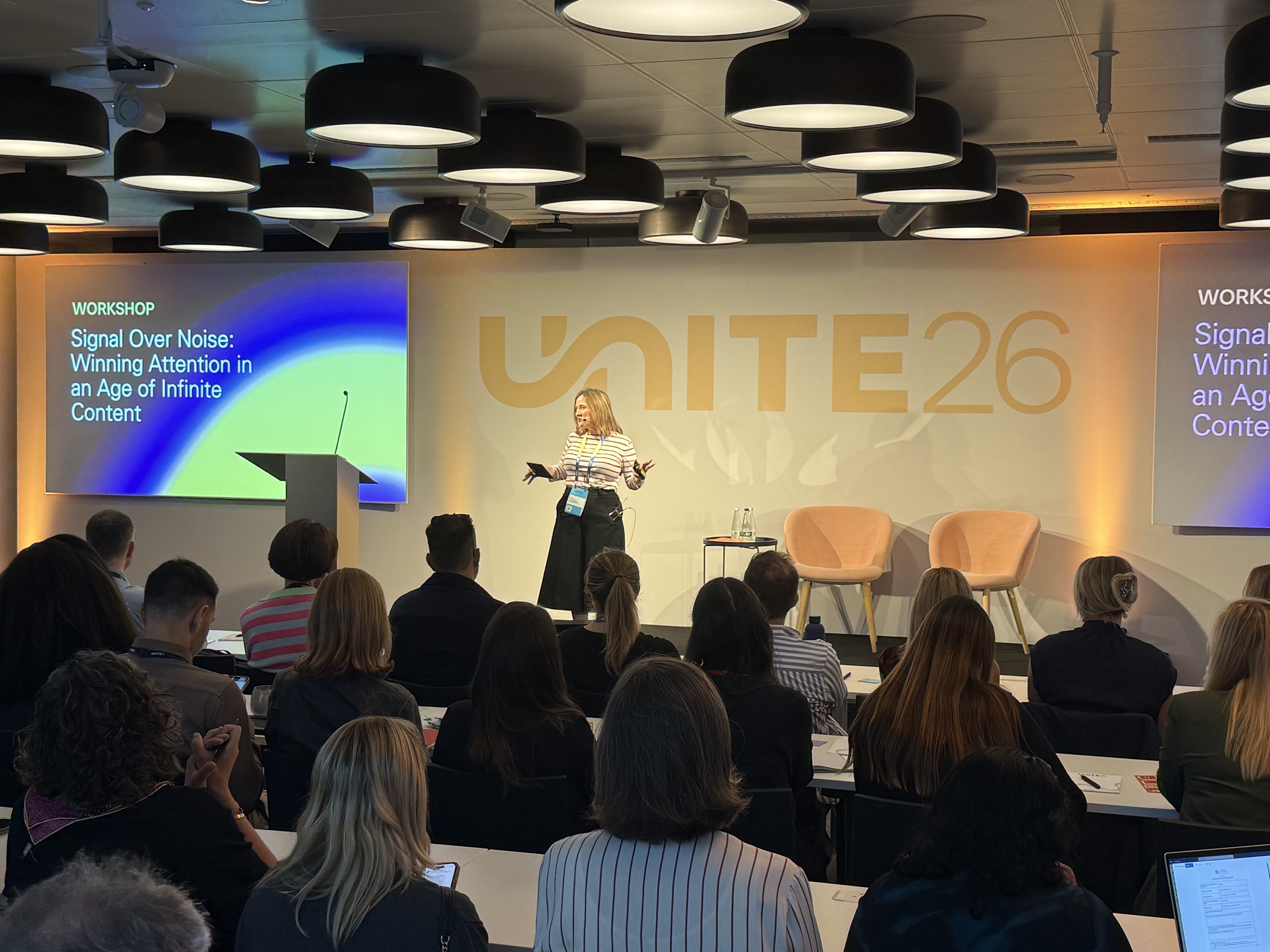
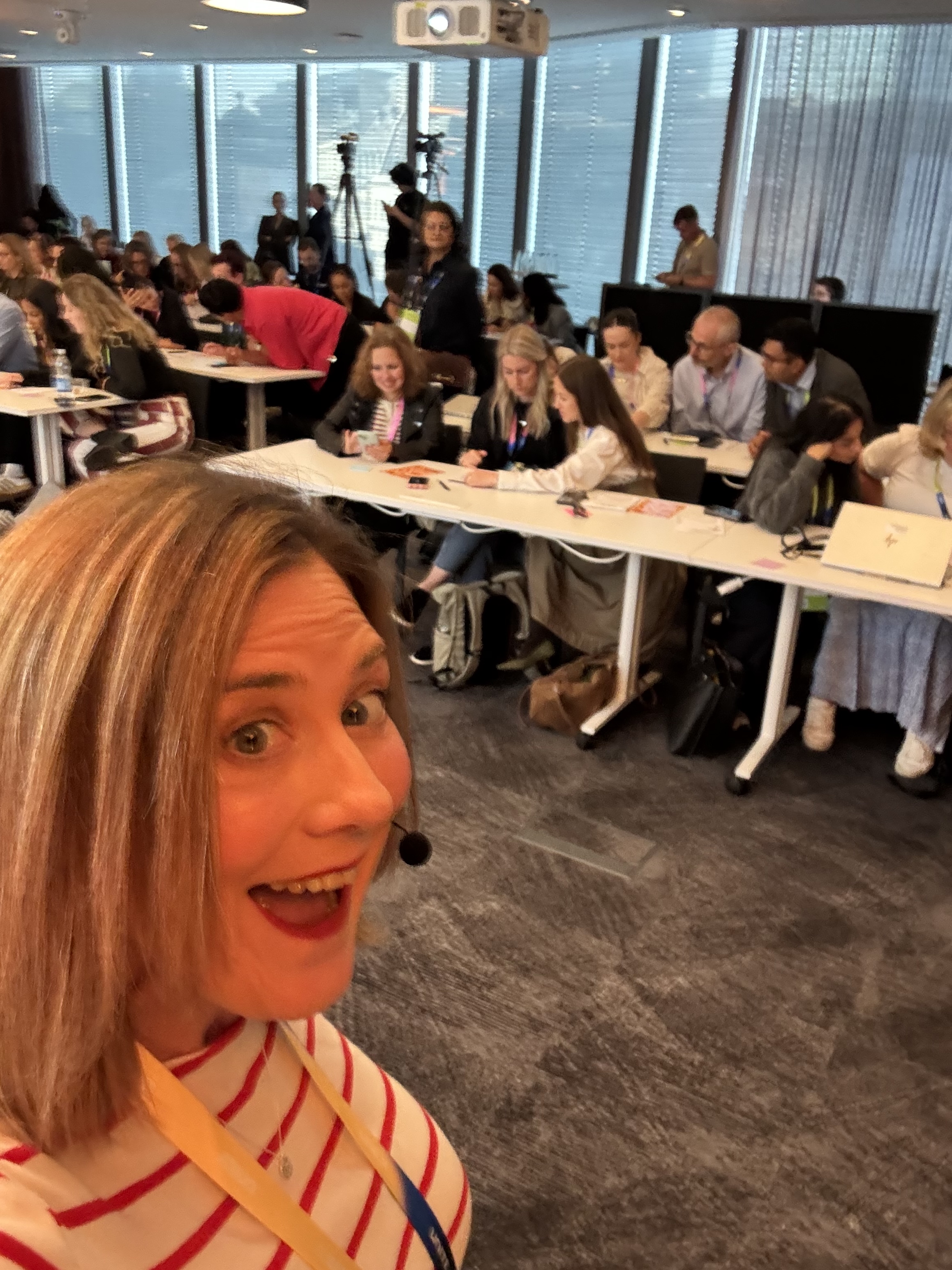
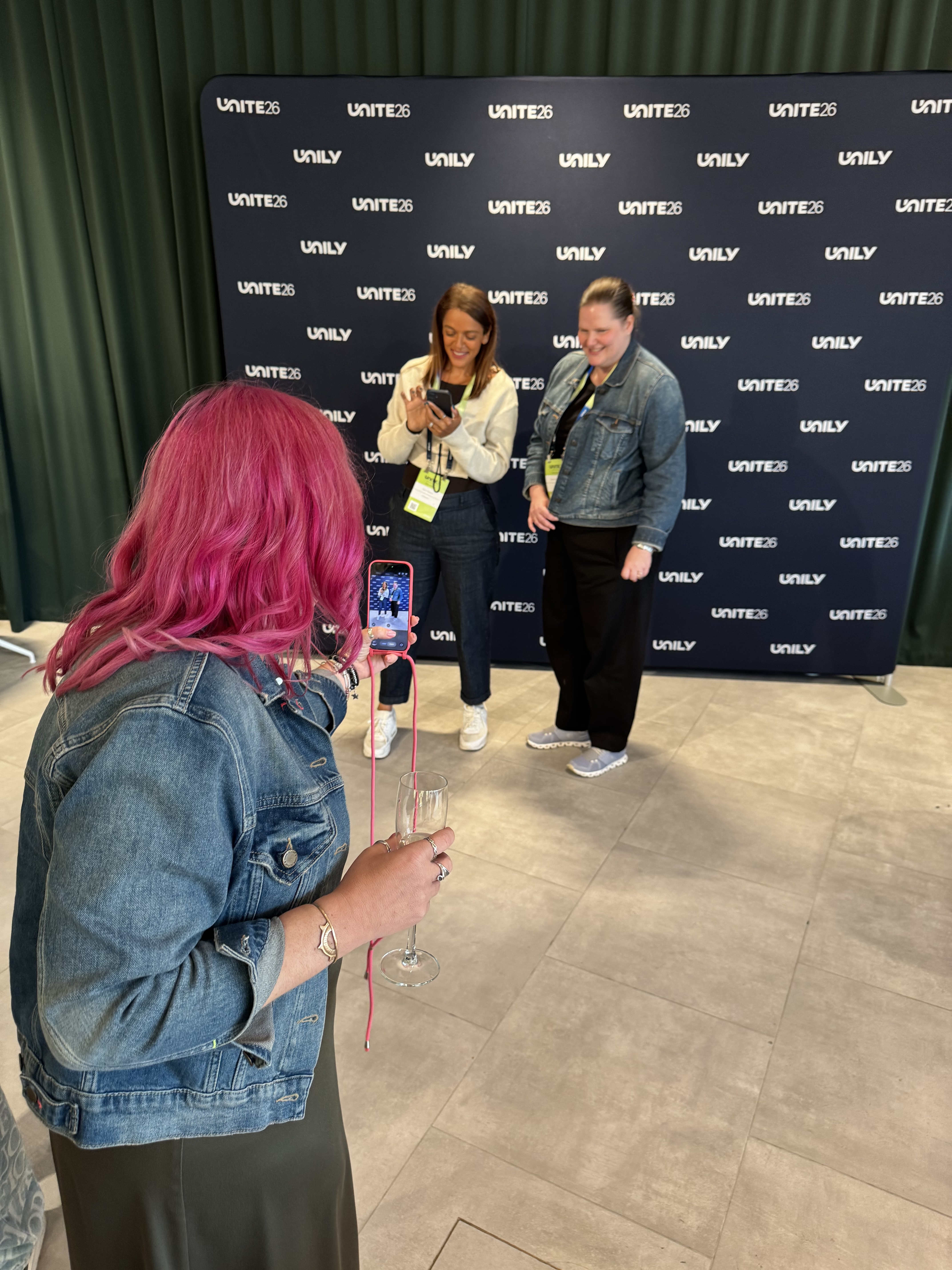
Unite was two days heavy with the AI chat, which is roughly what every conference is now. You could have played bingo with the phrases — transformation, guardrails, human in the loop — although you’d have had a full house by 10.15 on day one and then had to spend the remaining fourteen hours pretending you still wanted to hear about agents.
But beneath the mandatory layer of AI conference mulch, some of it was genuinely good.
Charlene Li named the bind most organisations are in: FOMO, the fear of missing out, pulling against FOGI, the fear of getting it wrong. Her advice was to write the strategy in ink and the AI roadmap in pencil. This seems wise when some companies are rebuilding their entire AI stack every three months, presumably while maintaining a PowerPoint somewhere describing it as a five-year transformation programme.
Adecco described a year of rolling out AI at a service centre with no headcount reduction. Their favourite milestone wasn’t a productivity number or an enormous graph pointing north-east towards Shareholder Value Valhalla. It was a previously reluctant senior leader using Copilot, entirely unprompted, to accept a meeting invite. Somewhere, a transformation programme manager quietly shed a tear.
And a Microsoft researcher shared an A/B test that I haven’t stopped thinking about. When a senior leader emailed staff each week about how they’d used AI themselves, usage jumped 37% the next day. Not telling people to use it. Not another training deck. Just being visibly seen figuring it out themselves.
In one session I asked how we’re supposed to measure the quality of what AI produces. The honest answer from the stage was that we can’t yet. Our metrics were built for technology you give commands to, and this is technology you have a conversation with. How do you put a number on a great conversation?
Which brings me to the best part of the two days.
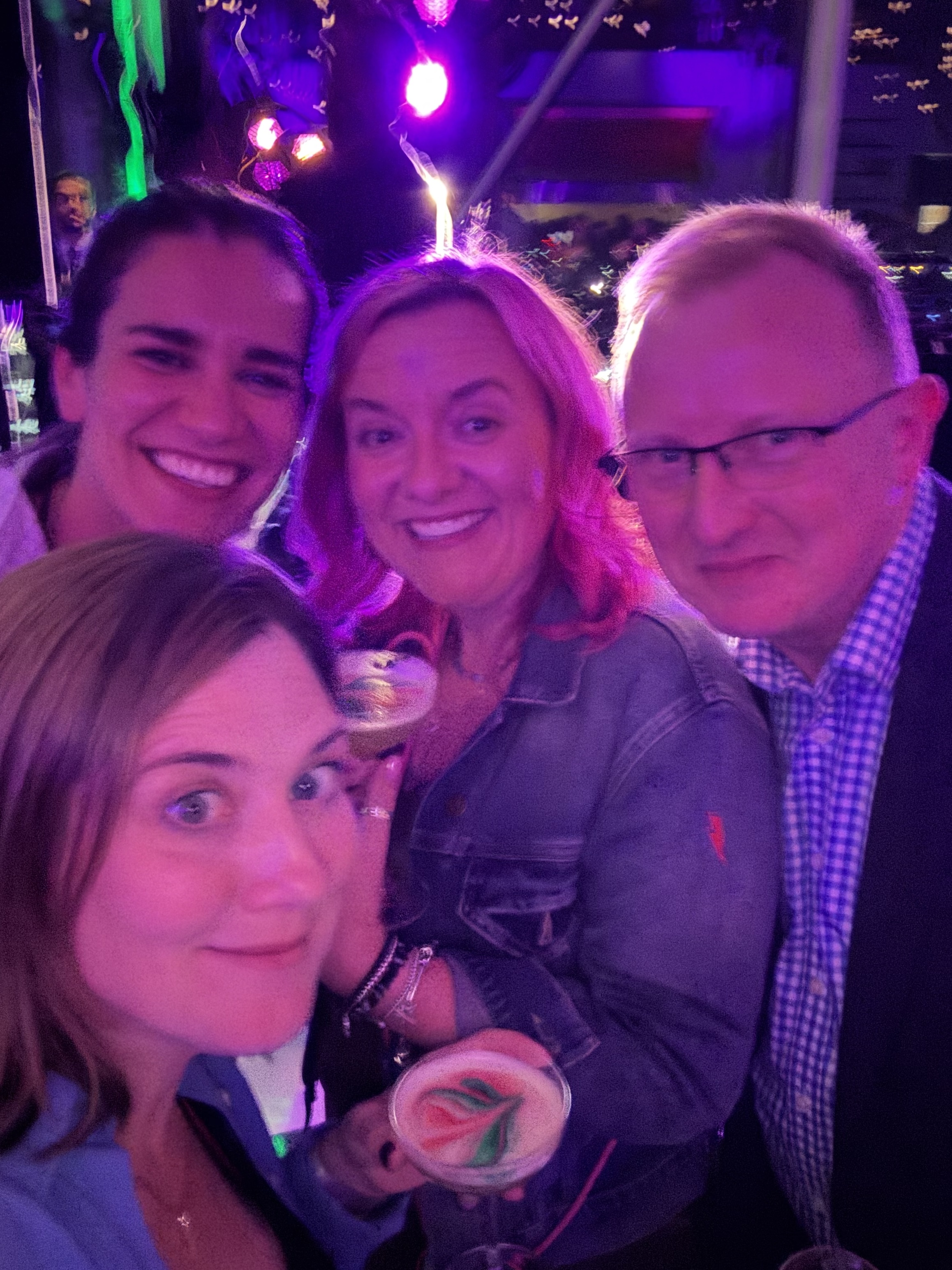
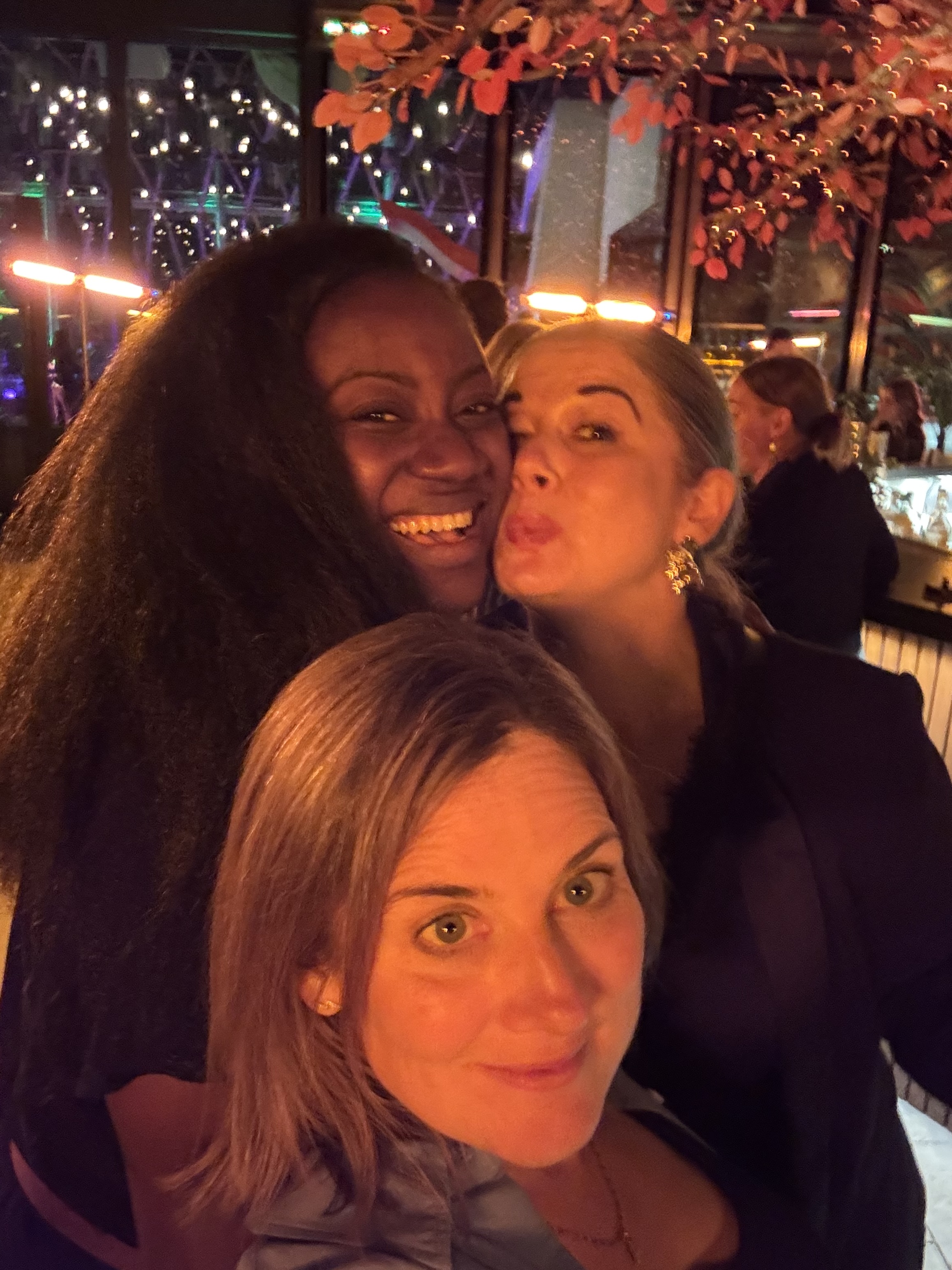
Unite was full of comms people I’ve known for years. As ever, the best bit of the conference was the corridor catch-ups: chewing over what we’d just heard, catching up on what we’ve been doing, and debating the existential crisis AI has helpfully dropped into the industry’s lap while vendors stand nearby explaining that everything will be fine because there’s a copilot now.
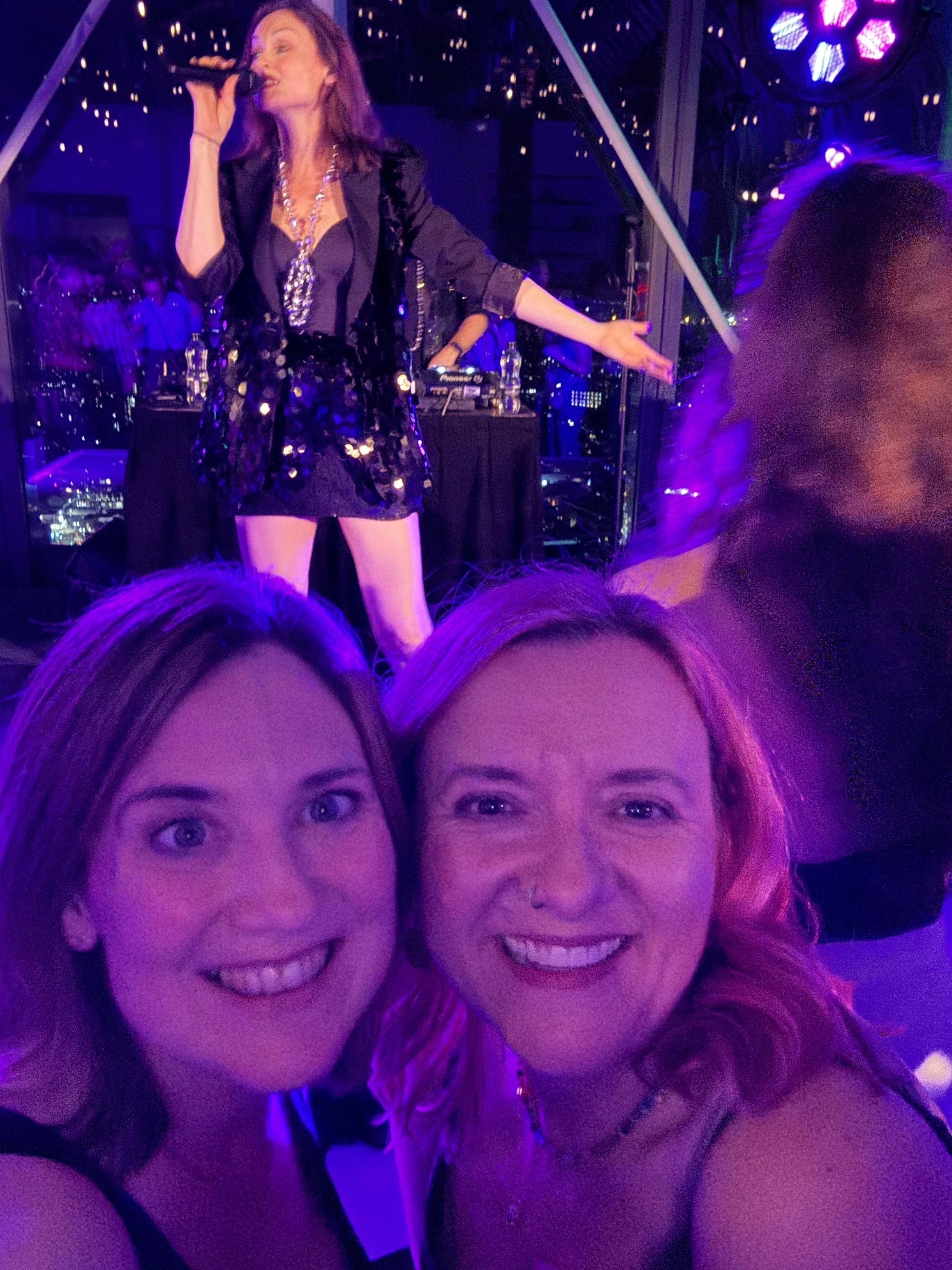
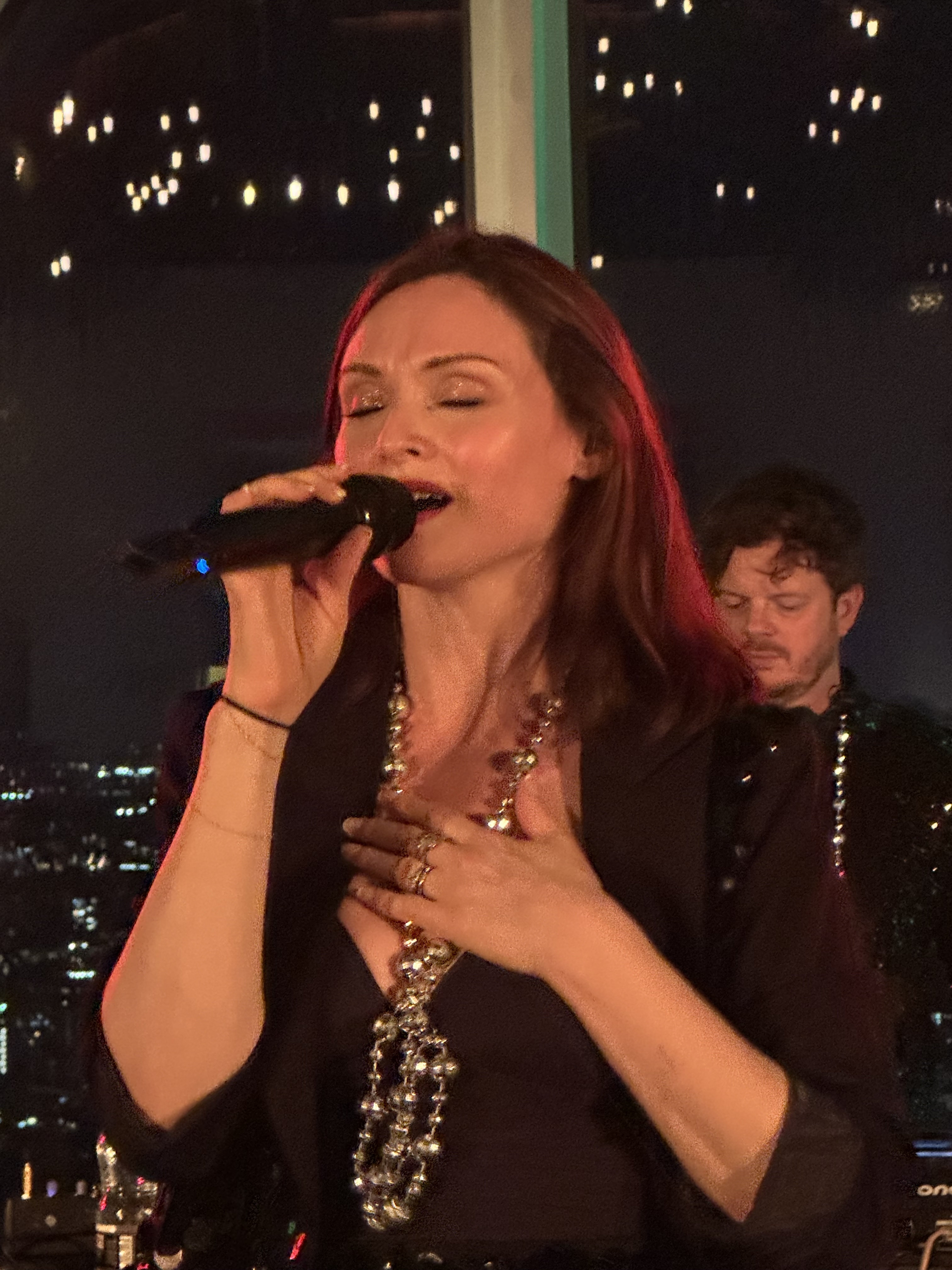
It all ended with cocktails, a great deal more talking, and dancing to bangers at a party DJed by Sophie Ellis-Bextor.
None of that will appear in the event dashboard. There’s no percentage uplift for the conversation in the corridor that changes your mind, no KPI for reconnecting with someone you’ve known for years, no ROI calculation for dancing badly with people you like.
Also this week
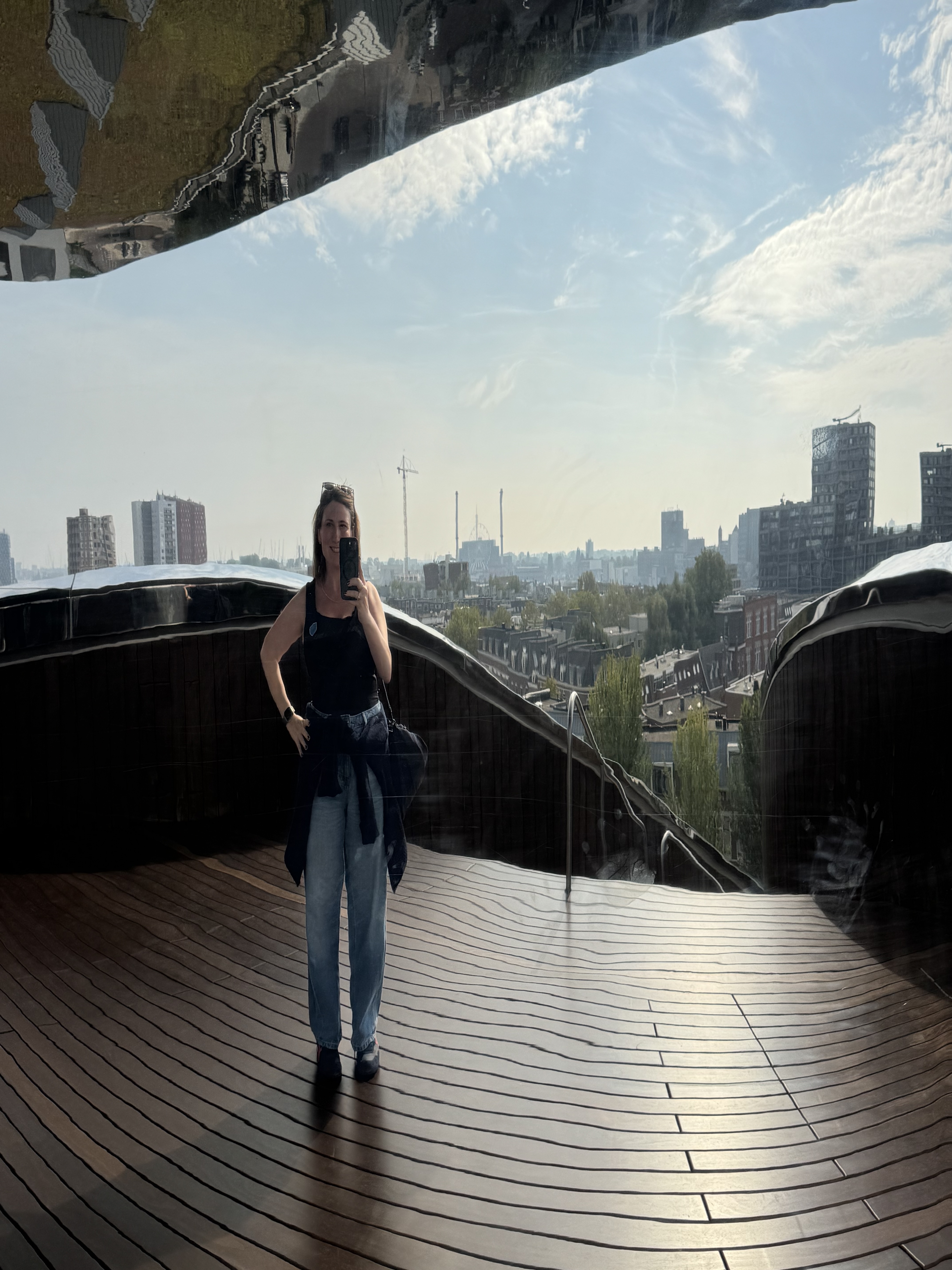
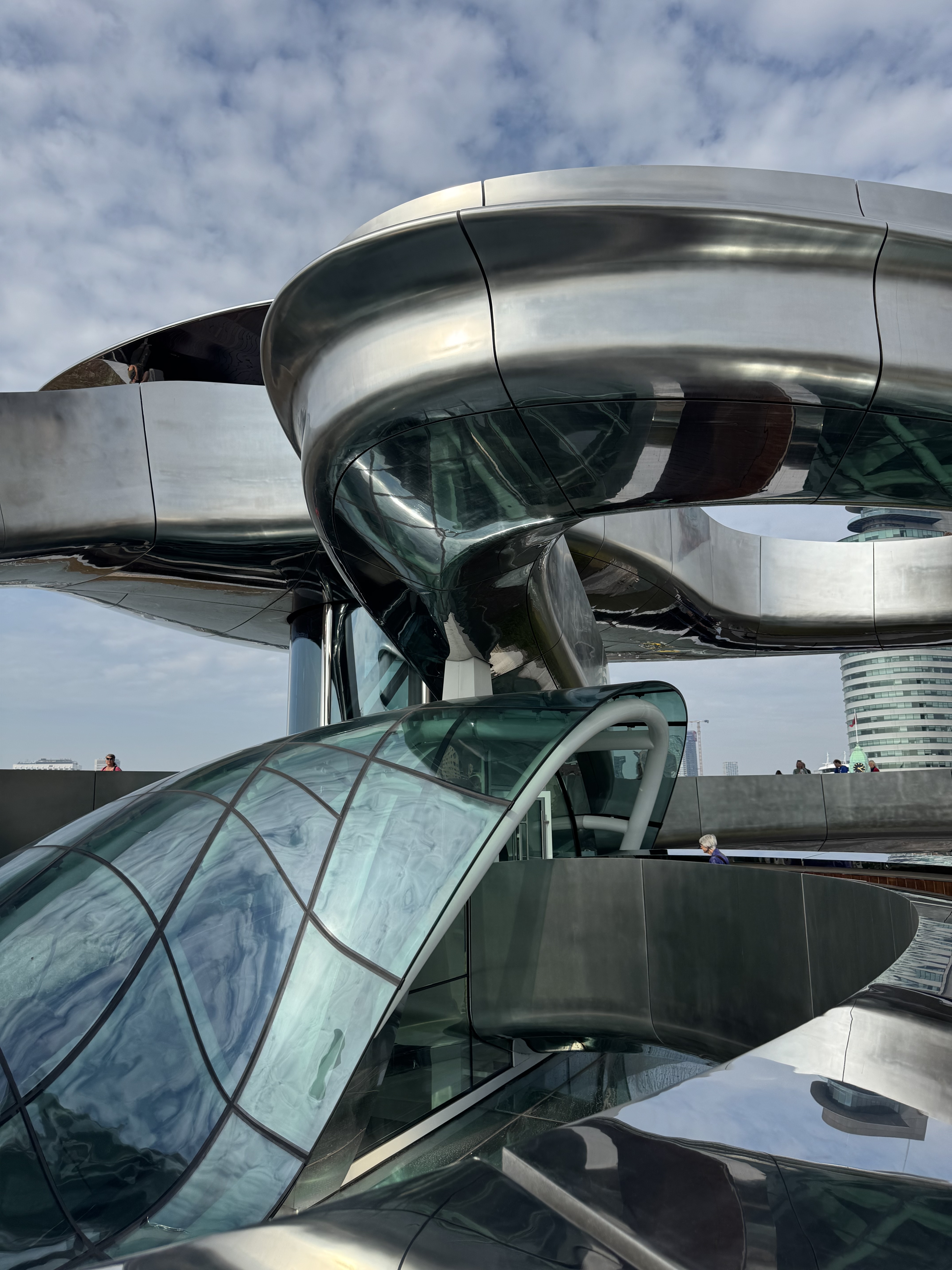
The only thing I managed outside Unite was a trip to Rotterdam to visit Fenix, the city’s new museum of migration, on a beautiful sunny early-autumn day.
The building alone is worth the trip. It’s a 1923 warehouse that was once the departure point for millions of people leaving Europe for North America. Rising through the middle is the Tornado, a double-helix staircase of polished steel that climbs out through the roof to a 30-metre viewing platform. One flight juts out on a cantilever, so for a moment you’re standing over the water, which is exhilarating provided you don’t allow the phrase “cantilevered staircase” to complete its journey through your brain.
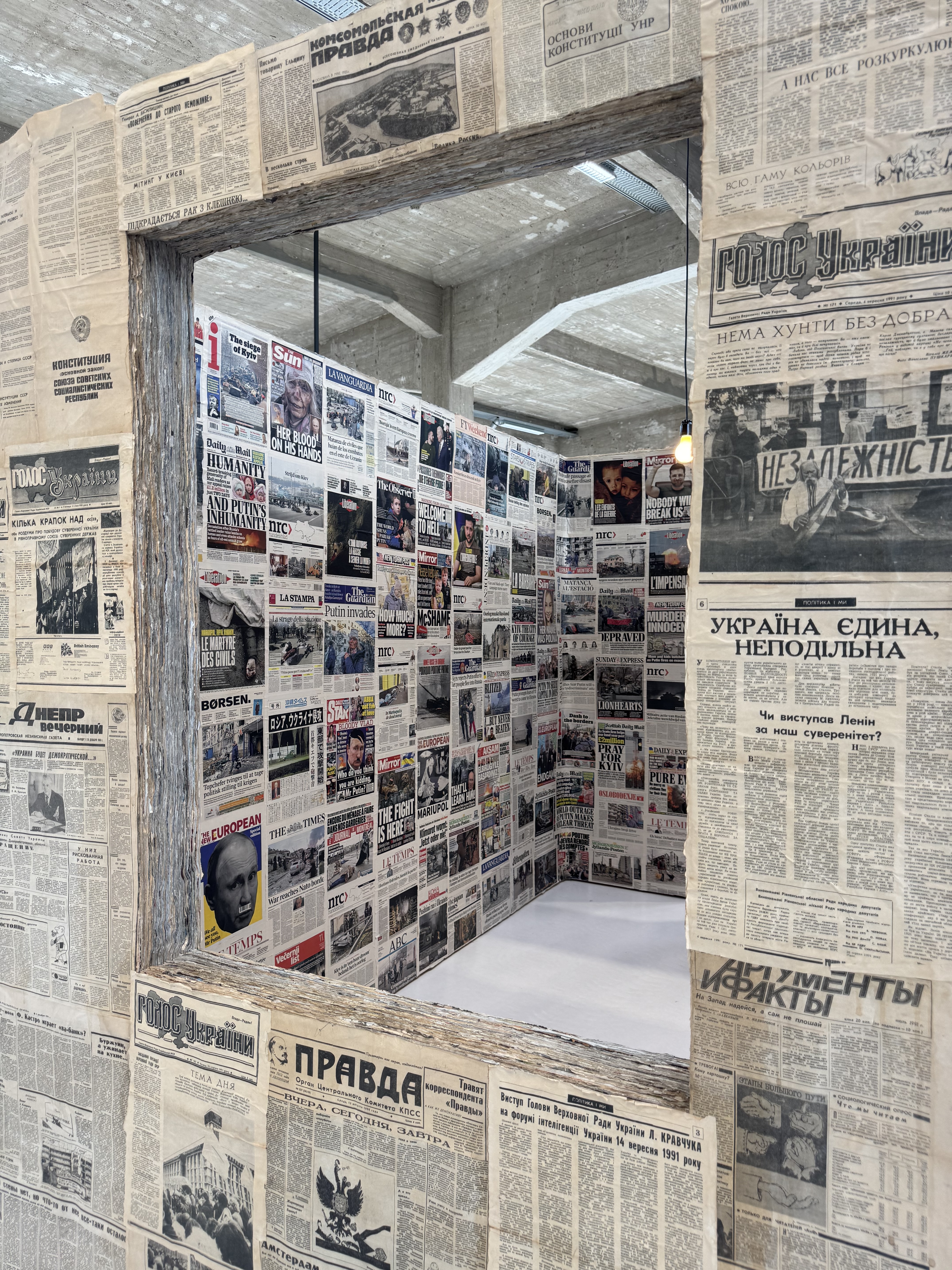
The piece that stopped me was Daria Khozhai’s Pravda, a recreation of her childhood bedroom in Kyiv. In Soviet-era apartment blocks, people insulated their walls with old copies of Pravda, the state newspaper whose name means “truth”, sometimes nearly a foot thick, then papered over them. When Russian bombs blew those walls open in 2022, the newspapers spilled out.
Khozhai’s room has Pravda on the outside. Inside, the walls are lined with front pages about the invasion.
The official truth, holding the house up. The other truth, on the walls of a child’s bedroom.
A few days earlier I’d flown into Heathrow on one of those rare approaches that takes you right over central London. I spent twenty minutes with my face pressed against the window picking out landmarks, then suddenly spotted the house I grew up in.
Home, in one of the several increasingly complicated senses of the word.
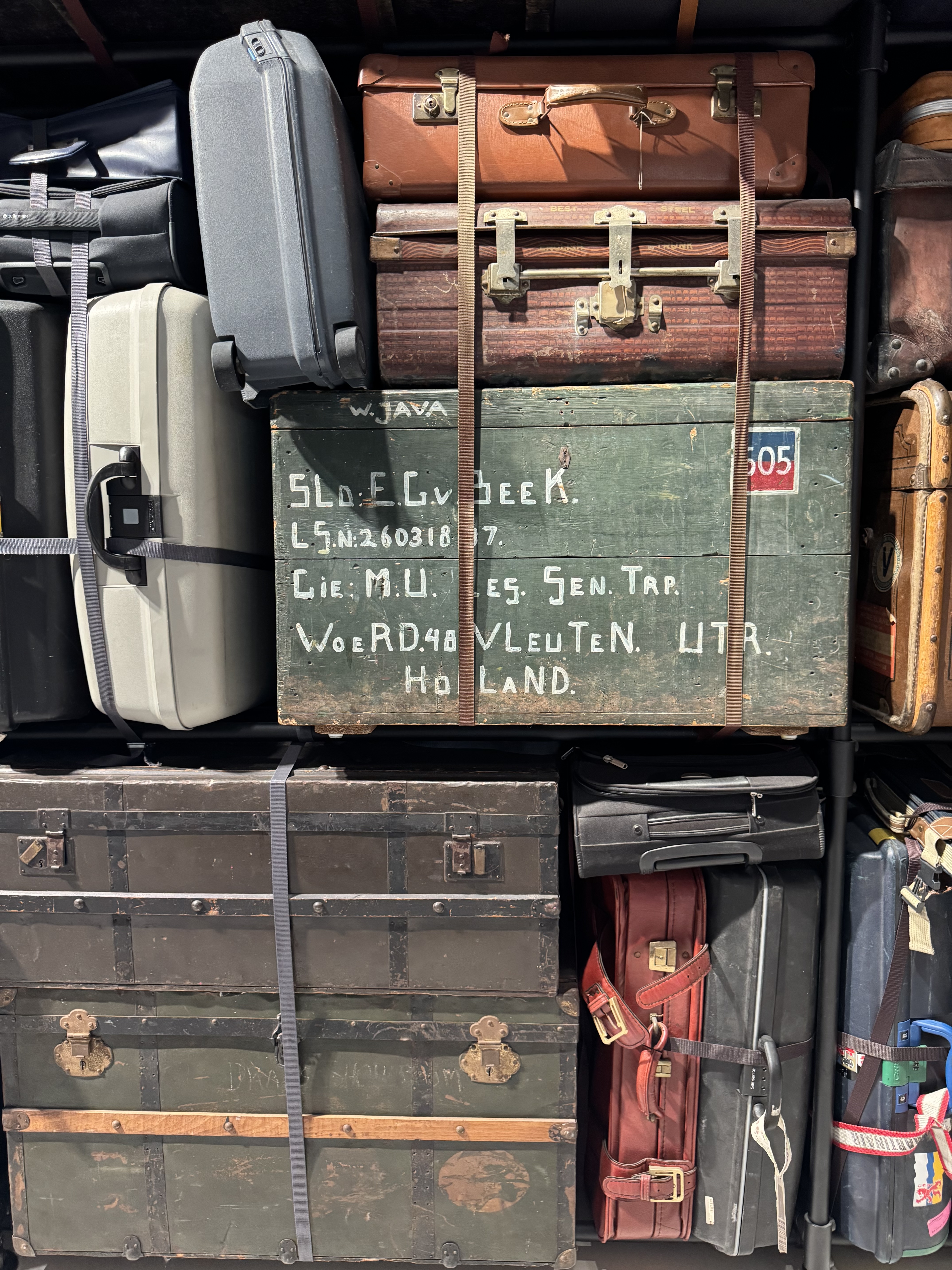
Downstairs is the Suitcase Labyrinth: 2,000 donated suitcases, each with its owner’s story playing through a speaker. Some are a century old. Some were packed recently, for lives that haven’t quite started yet.
Today I unpacked my own suitcase from the last trip and immediately packed it again, because I’m off tomorrow. Passport in my Uniqlo bag, as ever. Laptop charger. Too many pairs of shoes. Packing sudoku. The familiar little choreography of leaving.
I didn’t give the passport a second thought. That’s the privilege: not having to.
Consuming
The Celebrity Traitors is back. I cleared Friday night and had a friend round to watch the first two episodes back to back with a bottle of supermarket cava and a face mask, which is the only correct way to do it.
Two episodes in and it is already must-watch television. Richard E Grant’s gambit. Amol Rajan, my pick to win the whole thing, murdered immediately, thereby demonstrating the predictive power I normally reserve for technology markets. And Claudia Winkleman’s mathematically perfect fringe, no doubt of professional interest to Professor Hannah Fry.
No notes. Apart from quite a lot of notes, loudly, at the television.
Coverage
For Reworked, I commented on Meta’s third attempt at the enterprise market with Meta Enterprise Platform, after Workplace and Horizon Workrooms. My argument is that both earlier products started from Meta’s idea of how people ought to interact rather than how work actually gets done — and that enterprise deals are won in the deeply unsexy plumbing of data, identity, governance and risk.
Published
The produce button: It turns out I had a lot of Thoughts and Opinions about Unily’s Content Studio announcement. I sent some comments over to Reworked, then sat down to dash off a quick LinkedIn post.
Fifteen hundred words later, it was clearly not a LinkedIn post.
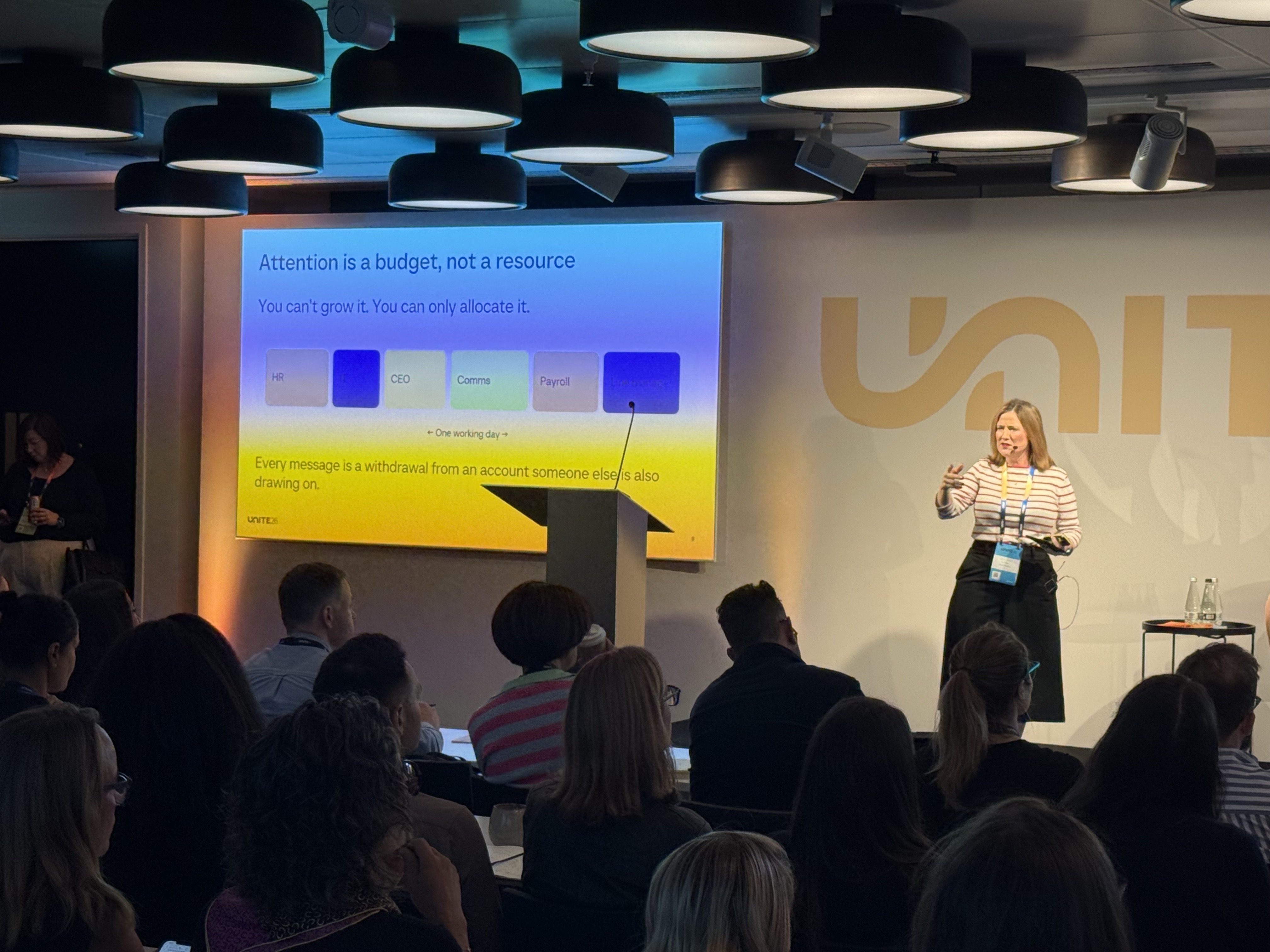
The argument, roughly, is that AI has demolished the cost of producing content without doing anything whatsoever to increase the amount of attention available to consume it. This may turn out to be something of a problem.
I had a lot of fun writing it. Only real ones recognise the PTSD of the corporate video years.
Travel
Tomorrow I’m off again, this time to Ljubljana for Dan PR, where I’m giving a keynote: When the Ground Keeps Moving: Building Communication That Holds. It’s my first time in Slovenia, so I’m staying on for a few days to explore.
Then on to Belgrade. Properly, this time, after last month’s accidental visit.
This week in photos