
This week kept asking the same question in different accents: are you actually there?
I was in London in a room with real humans, which felt notable enough to comment on. I’m ending it in Curaçao, about to spend a week on calls that start before the island wakes up. A client I last worked with a decade ago just came back — presence over a very long arc. I contributed to a piece about organisations failing to show up for employees scattered across a region in crisis. And I watched a lecture (remotely, natch) making the case that where you are has never mattered less, and also never mattered more.
The thread running through all of it: being present isn’t about being in the room. It’s about whether people can feel you’re actually there — as a colleague, a communicator, an organisation. The technology keeps changing. That question stays the same.
This week at work
Where to start? A client I worked with a decade ago is officially back. Which is either a testament to the long game of doing good work, or a reminder that enterprise tech gets replaced roughly as often as a cathedral gets renovated — slowly, expensively, and only when something starts visibly crumbling. Let’s get to work.
Some promising conversations with a long-standing partner about what we might do together later in the year. Nothing to announce. Watch this space.
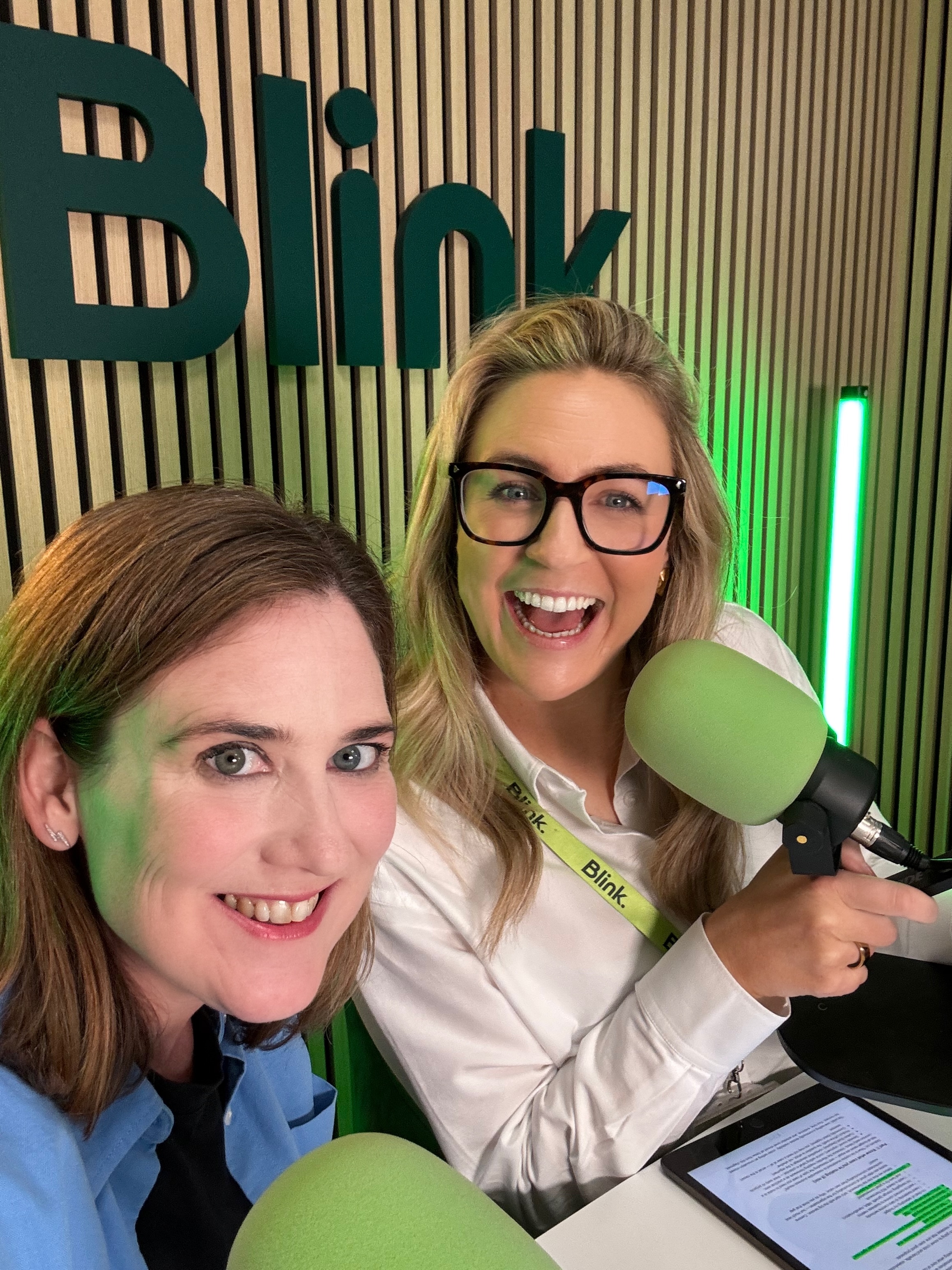
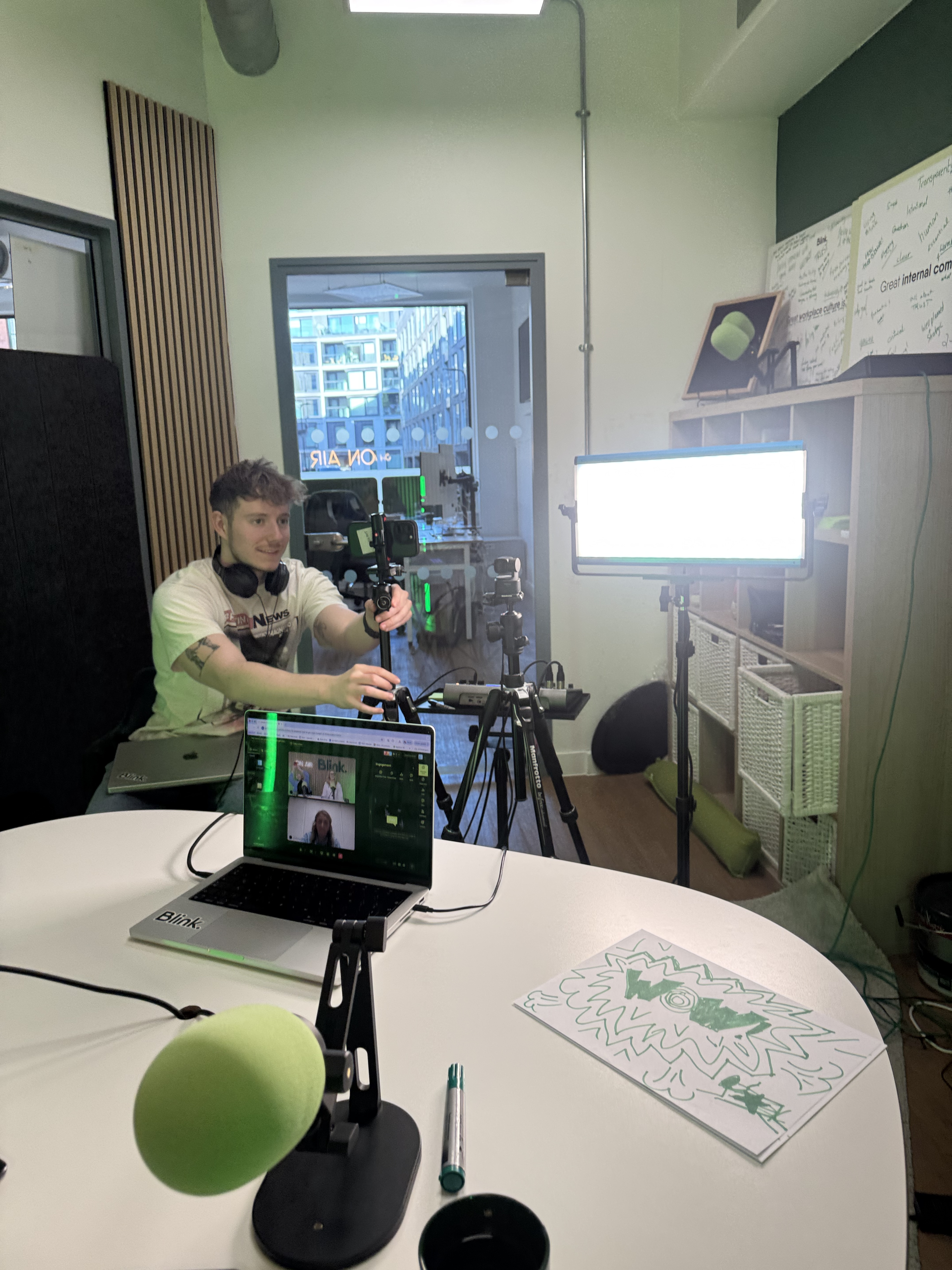
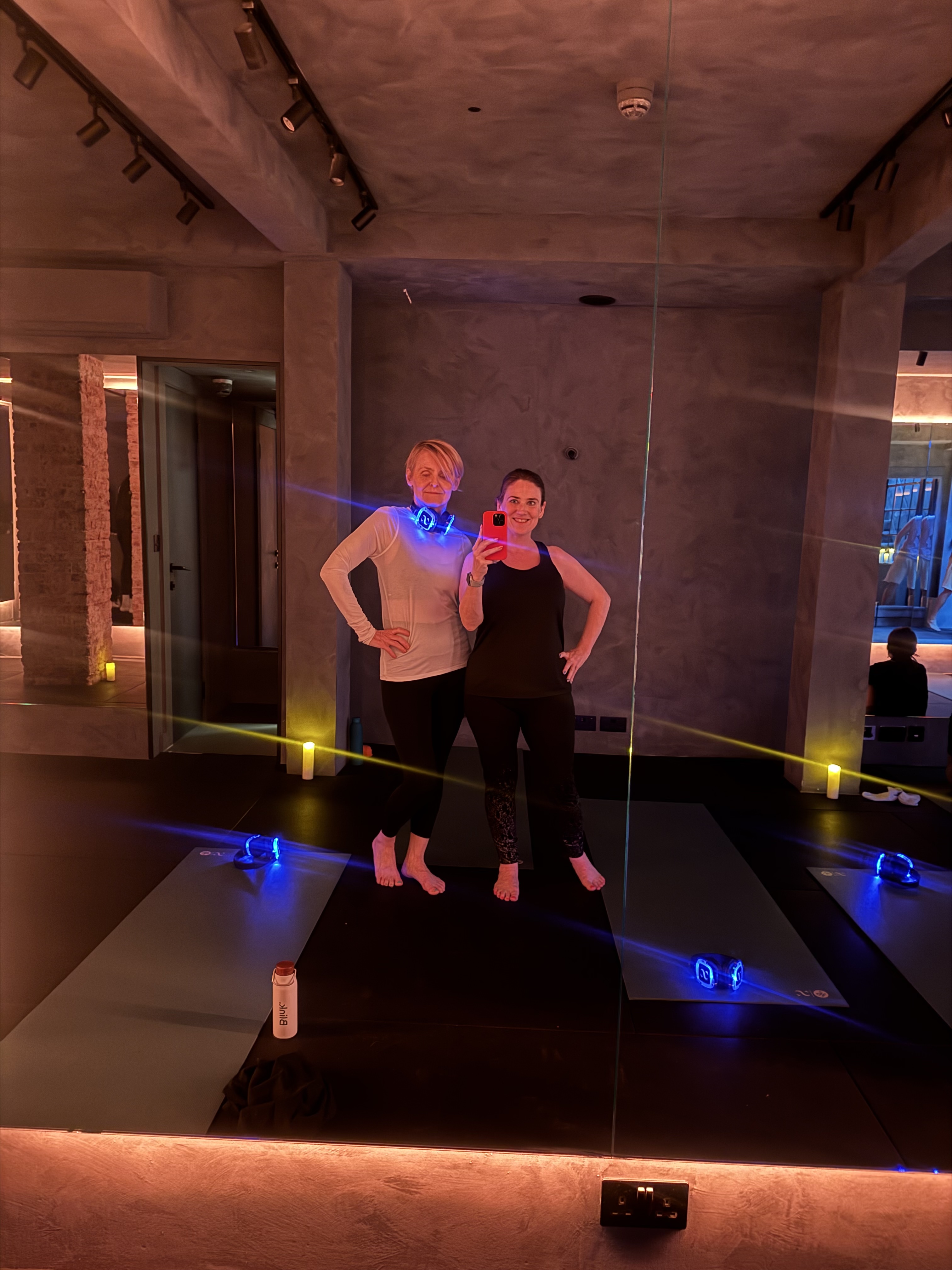
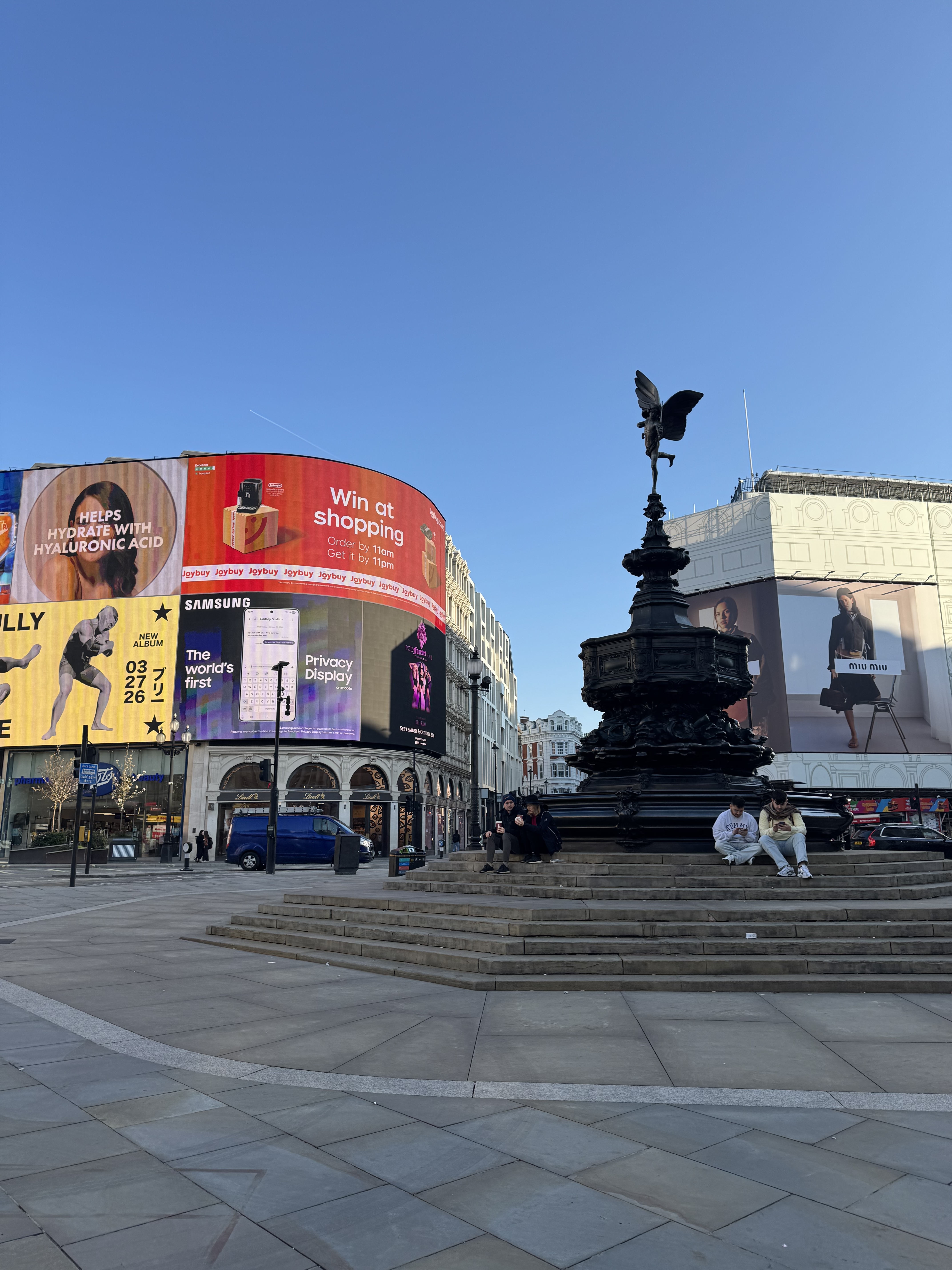
Hotfooted it over to London for a webinar with employee app Blink on building a successful business case for your internal comms programme. The core argument we made: most comms practitioners either undersell themselves with vague benefits (“it’ll improve culture”) or overclaim with metrics nobody believes. The more useful move is getting specific about what the organisation is actually trying to achieve — retention, speed of change, reduction in noise — and building the case backward from there. Easier said than done, and that’s kind of the point. The Blink team were a great bunch, and there’s something genuinely energising about being in a room with actual humans. (That might have been the studio lights, but I’m choosing to credit the people.)
A genuinely new client is moving from “we might want to work with you” to “what would that actually look like” — which is progress, even if there’s still plenty of road between here and a signed SoW. I really hope this one makes it. The project has the potential to be ridiculously interesting in the nerdy way that I like.
And on the platform pilot front: moving from ideas into something we think is achievable and defensible. The gap between those two things is where most pilots go to die.
The publisher sent the book proof for final amends. I had it printed — there’s something about reading it on paper that cuts through the screen-blindness you get after staring at the same words for so long they stop meaning anything. Odd to see it all there, solid and sequential, like it’s a real thing now. Which I suppose it is.
Now I write it all down, I can see why I’m so tired.
Also this week
Caught the live-stream of Prithwiraj Choudhury’s inaugural lecture at LSE — The World Is Your Office: AI and the Evolution of Work from Anywhere — and it was excellent. His core premise: talent is equally distributed everywhere. Opportunity isn’t. Work from anywhere (not the same thing as work from home — he’s particular about this) is one way to close that gap, and the evidence on productivity, diversity of applicants, and employee loyalty is genuinely compelling.
The part that stuck with me most was on AI digital twins — the idea that you can now operate physical infrastructure remotely, from a factory floor to an ICU, because the digital layer has caught up with the physical one. And then there’s the CEO bot: an AI trained on Zapier’s Wade Foster that employees couldn’t distinguish from the real thing. (They also rated its responses higher when they knew it was AI. Make of that what you will.)
Plenty to chew on for anyone thinking about how organisations communicate with distributed workforces — which, as it happens, is sort of my whole thing.
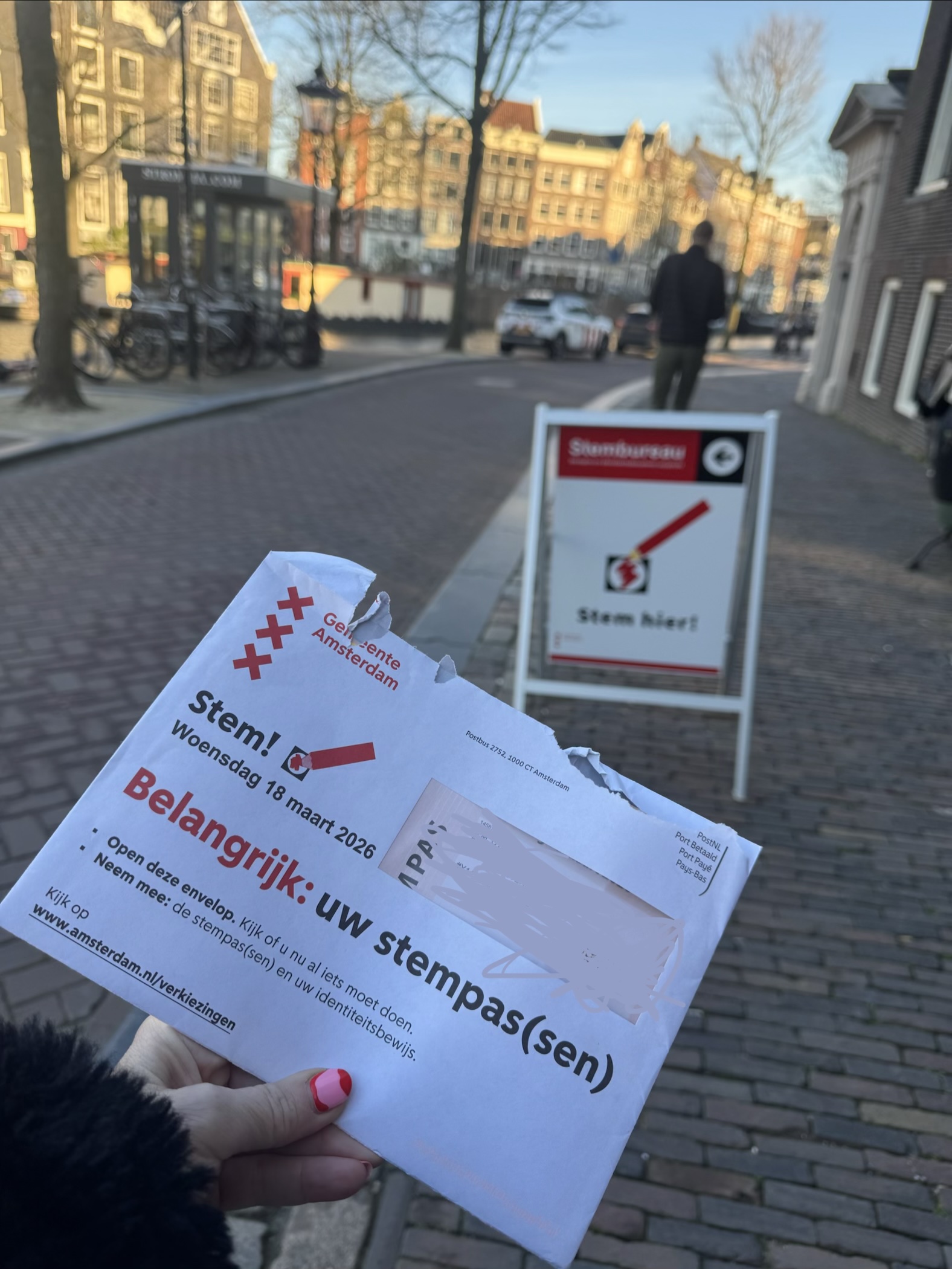
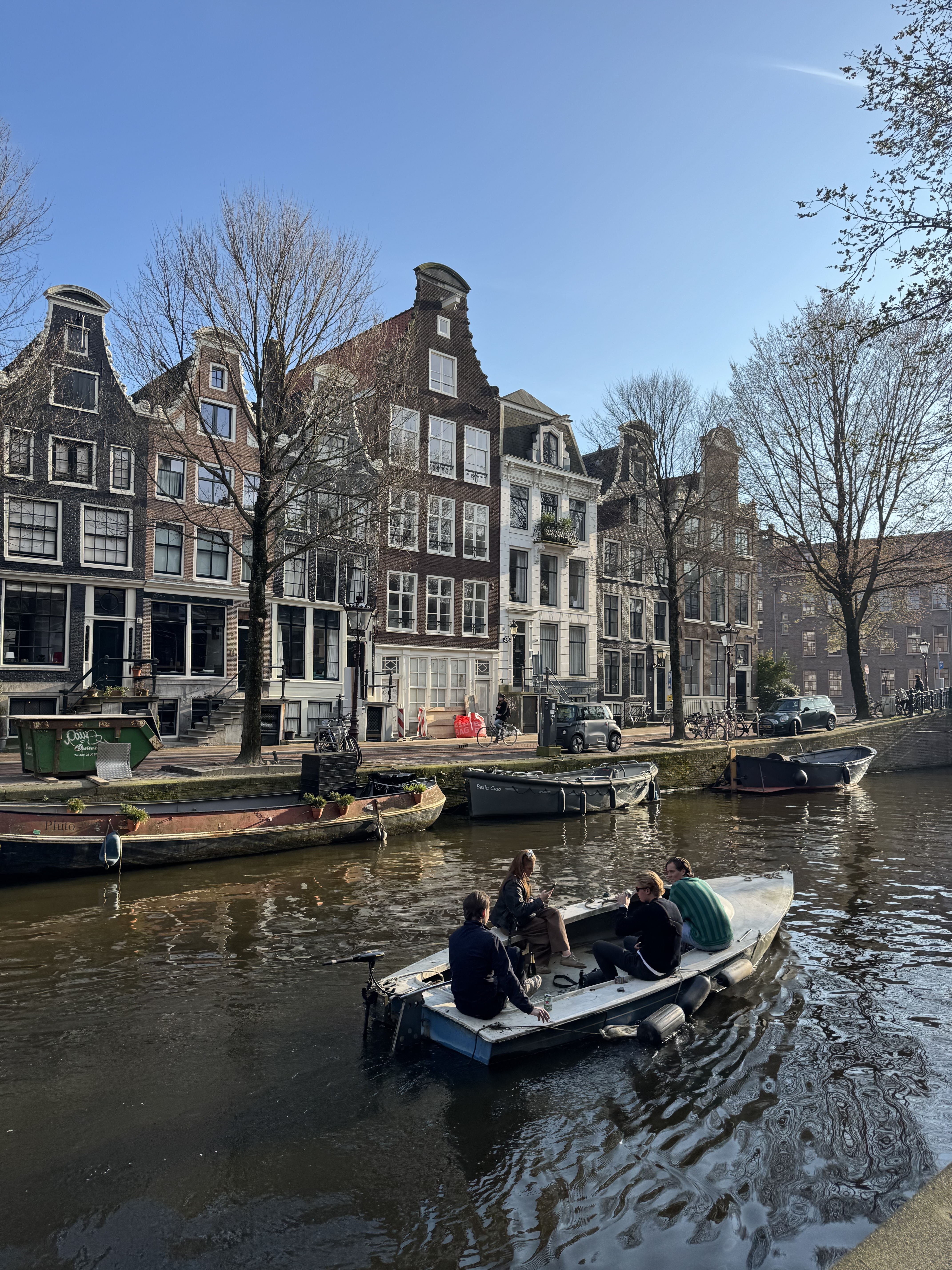
I voted in the Gemeente elections. There’s something genuinely refreshing about proportional representation — being able to read the policies, find the party that actually reflects your views, and vote for them. Rather than the eternal British ritual of plumping for the least worst option in your seat to stop the one you really hate getting in.
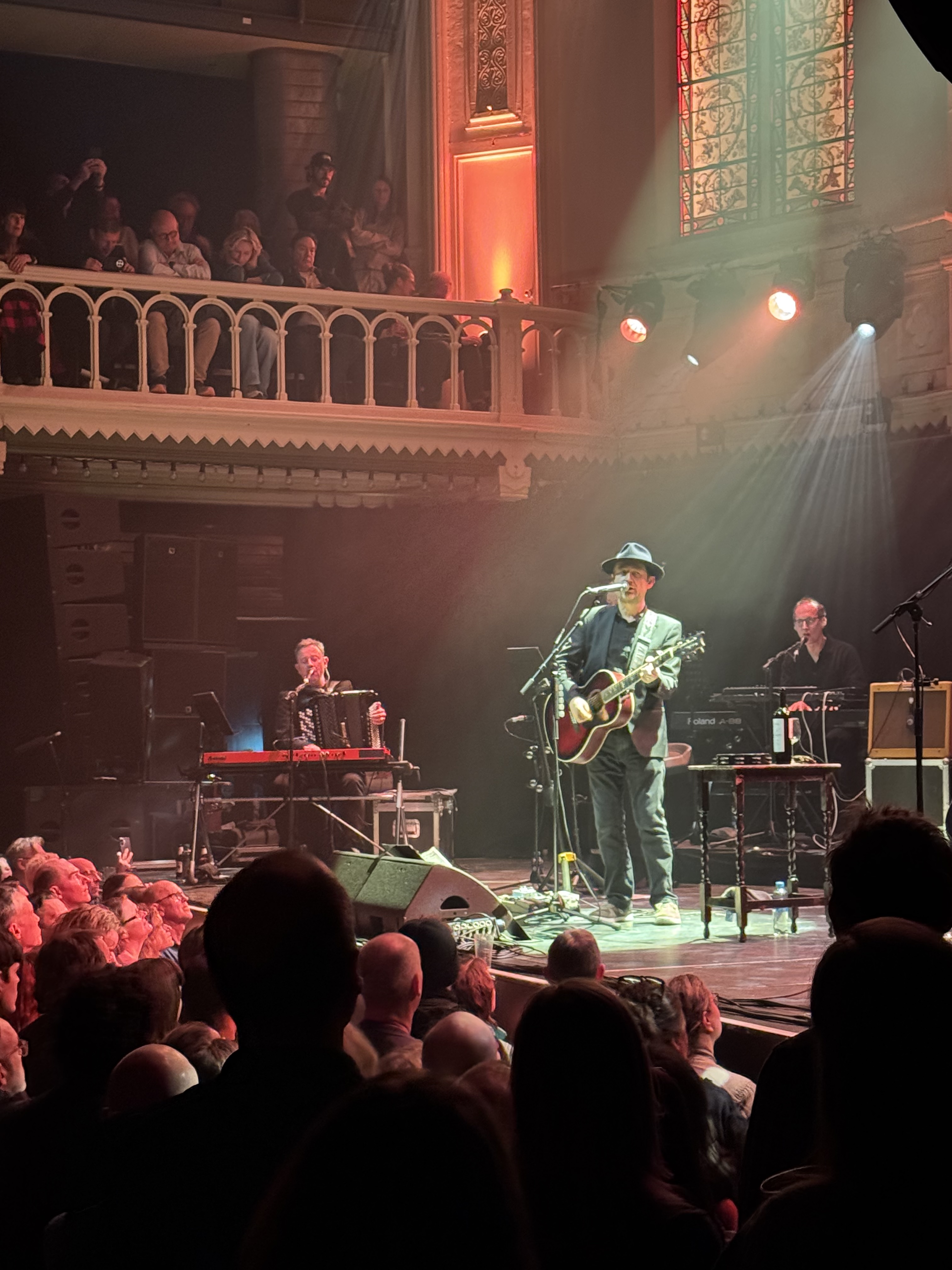
Saw The Divine Comedy at the Paradiso. Neil Hannon remains one of the great underrated songwriters. That’s all.
Coverage
Contributed to this piece on how internal communicators are navigating the Gulf conflict. Two things I kept coming back to: first, the segmented communications problem — the moment you send targeted, empathetic messages to employees in one geography, you’ve created a discoverability problem, because people talk and share screenshots. Most organisations haven’t solved this. Many haven’t even acknowledged it.
And second: stop trying to standardise the narrative. Standardise the values instead — how you treat people, what support you offer, what you stand for — and trust employees to apply those to the context they’re actually living in. That’s the job.
Travel
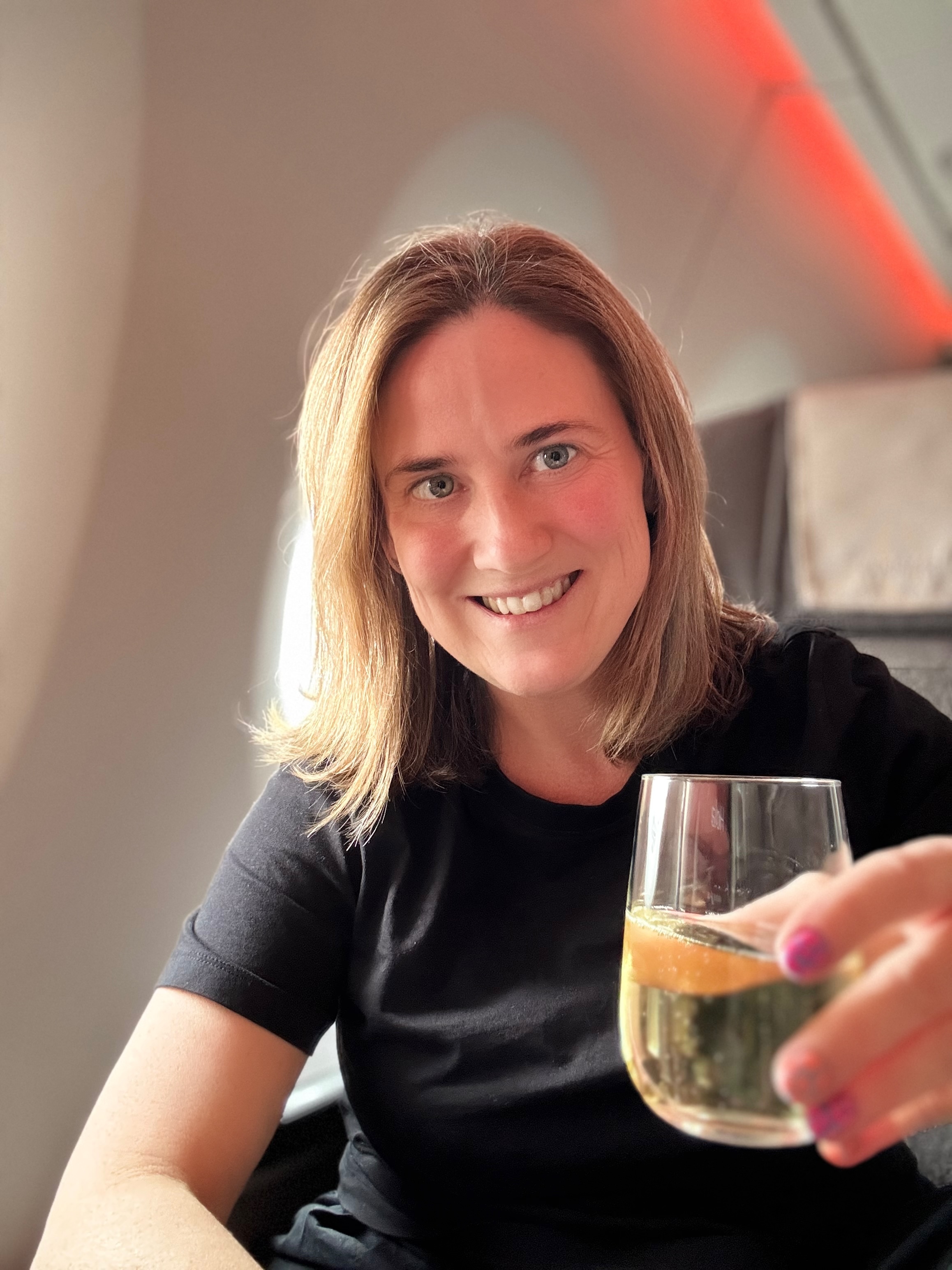
This week took me on five planes and to five countries.
I’m writing this while supping a frankly ridiculous cocktail in a bar in Curaçao, which feels like an appropriate way to decompress after a week that required a database to keep track.
The next seven days are nominally remote working, which in practice means brutal jetlag, several 5am calls, and being utterly insufferable on Instagram. You’ve been warned.
This week in photos




 Sharon O'Dea