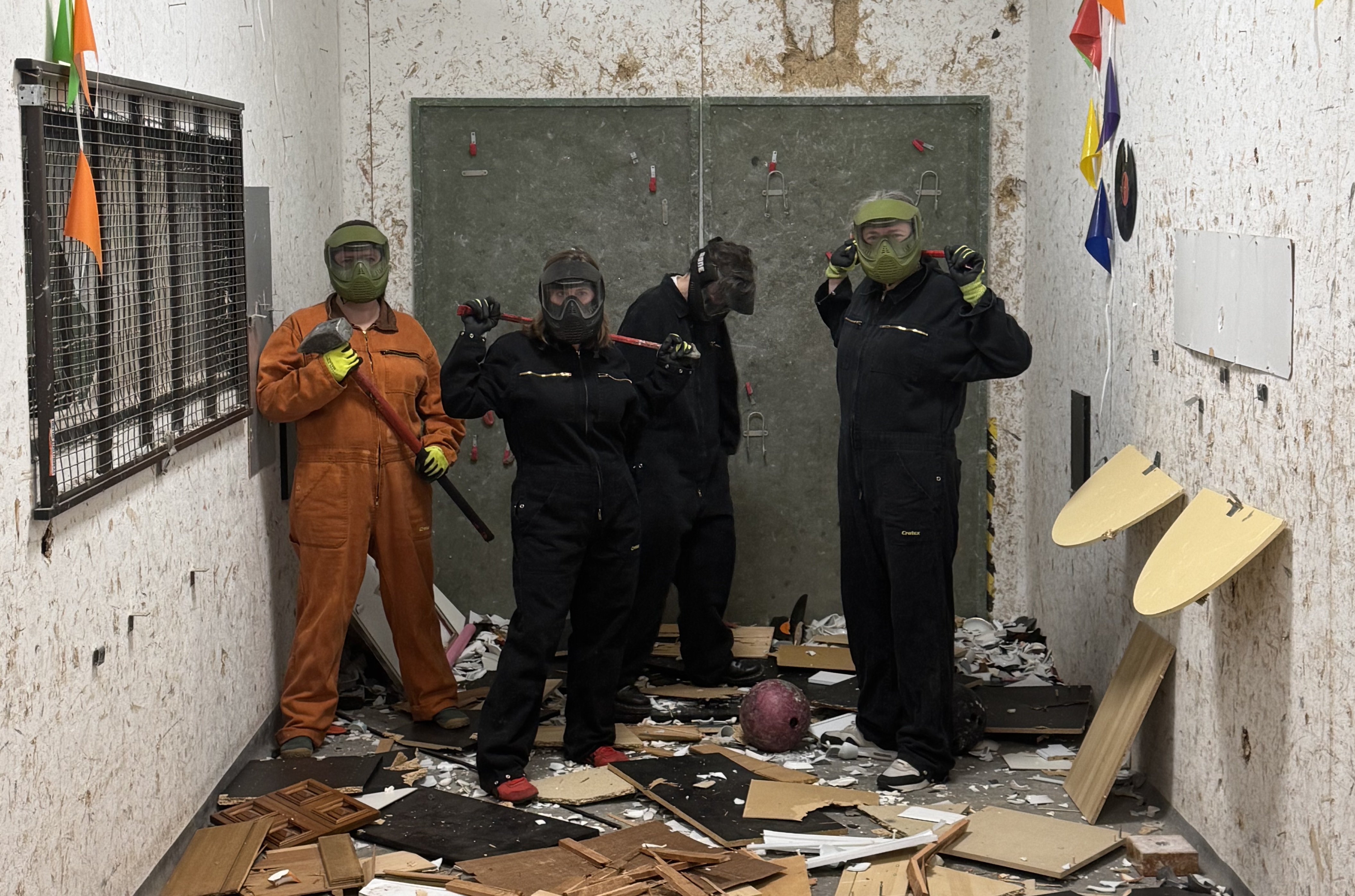
My ‘key learning’ this week is that there’s something deeply satisfying about smashing things up with a crowbar.
I don’t mean that in a general sense — although, frankly, sometimes I do. I mean that this week I did it literally, in a Rage Room in Tilburg, and it turns out the satisfaction is immediate, physical, and considerable. Highly recommended. Therapeutic, even.
It also got me thinking about why we don’t do it more often in the comms world. Not with crowbars, necessarily. But with content. With the accumulated cruft of years of benign neglect — pages nobody owns, words nobody reads, information that may or may not still be true and which nobody has checked since 2017. We treat it like a priceless Ming vase: migrate it carefully from system to system, preserve it reverently, carry it forward into whatever comes next as if its survival is the whole point. The result is bloat. Confusion. Digital workplaces so cluttered with the sediment of previous decisions that nobody can find anything because everything is there.
Here’s a radical thought: what if we just smashed it up?
Not literally. But yes, occasionally literally. The instinct to preserve, to patch, to apply the sticking plaster and move on is costing us. The organisations doing interesting things with AI and digital workplace aren’t the ones who digitised their filing cabinets. They’re the ones who had a good hard look at what they actually needed, took a crowbar to the rest, and started from something solid.
It’s also, it turns out, remarkably good fun.
This week at work
Spent some of this week reviewing a client’s existing digital workplace. Most people only see their own, so it’s hard to make comparisons. We see loads, so it’s hard not to. This is pretty typical of many we come across: nothing obviously wrong at first glance, but as soon as you start looking in depth, a historic lack of governance becomes visible on the pages. Each one is fine on its own. But with no consistent content guidelines and editors adding their own flourishes over the years, every page is slightly different. Users are left unclear where to look for information — or what’s up to date, or how they’d even confirm that.
This client has huge ambitions for the next iteration of their digital workplace, which we’re (nerdily) excited to bring to fruition. But much of that journey is the slow-but-essential grind of getting solid foundations in place. AI is only an amplifier: if you’ve got solid foundations, the sky’s the limit. If you don’t, you risk chaos.
With the book’s publication imminent, I’m getting ready to promote the shit out of it. I’m doing a bunch of events in the coming months, starting with one this week with my pals at employee experience platform Blink. I’ll be talking about how to successfully ask for budget for your comms platform or programme. Comms folks are often bad at this — we don’t make a credible enough case, using numbers that matter to the business, showing how our plans will add value in areas that matter. We often have shonky numbers too: asking for money for a platform then leaving ourselves £27.50 and a few colouring pens for the content that actually makes a platform worth using. I can rant about this for hours. Or an hour, on Wednesday. Sign up to join in.
Also this week
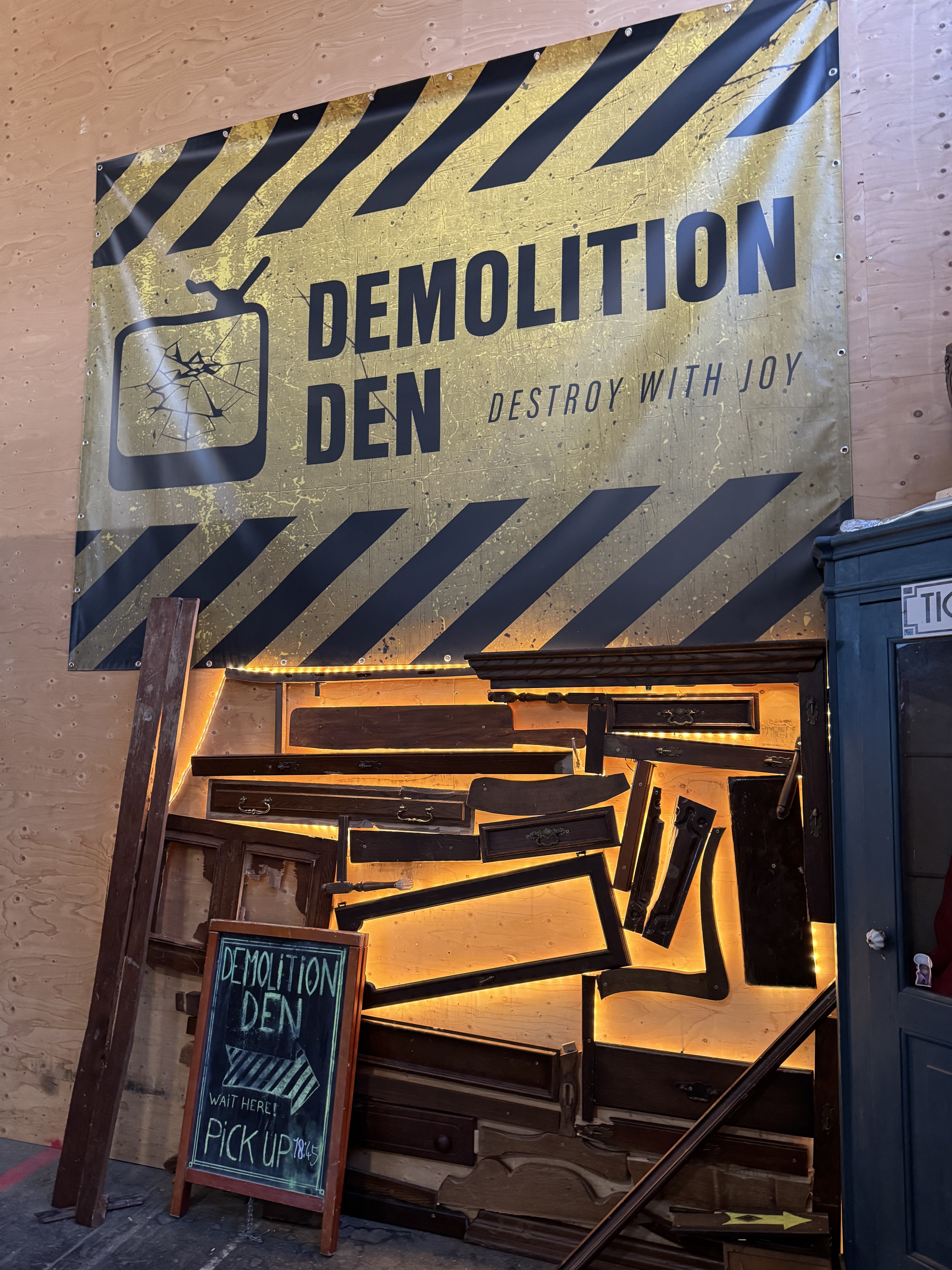
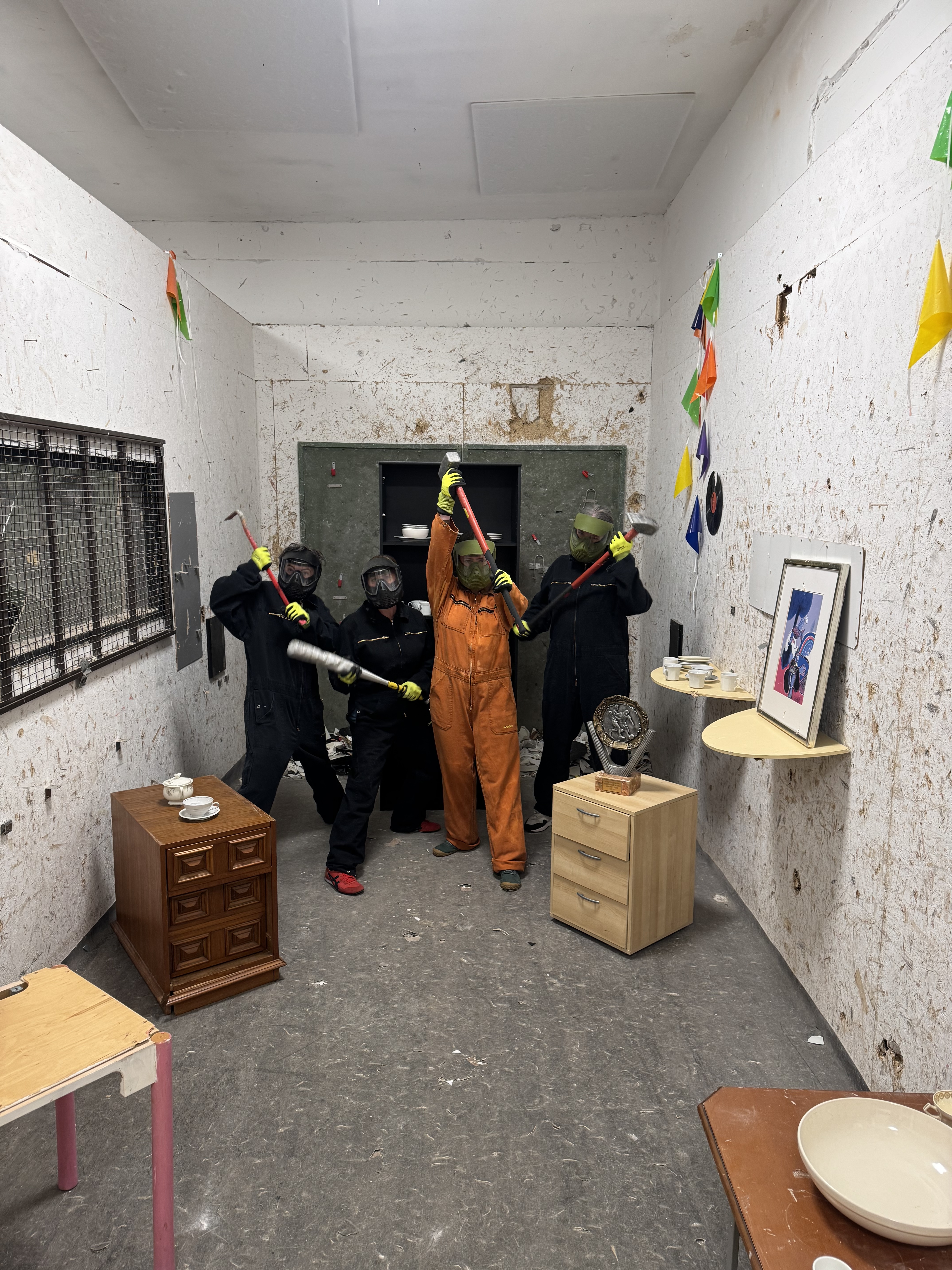
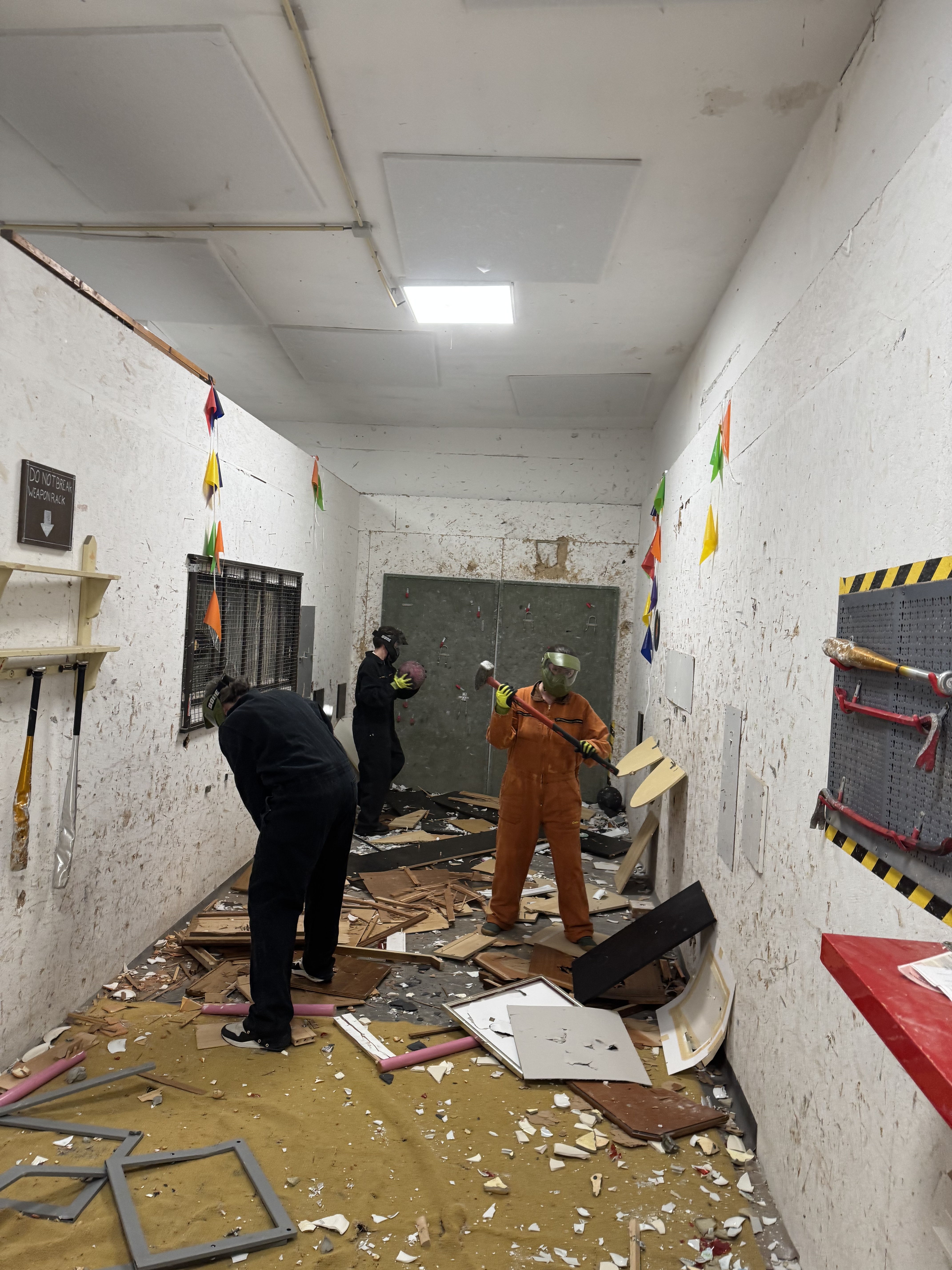
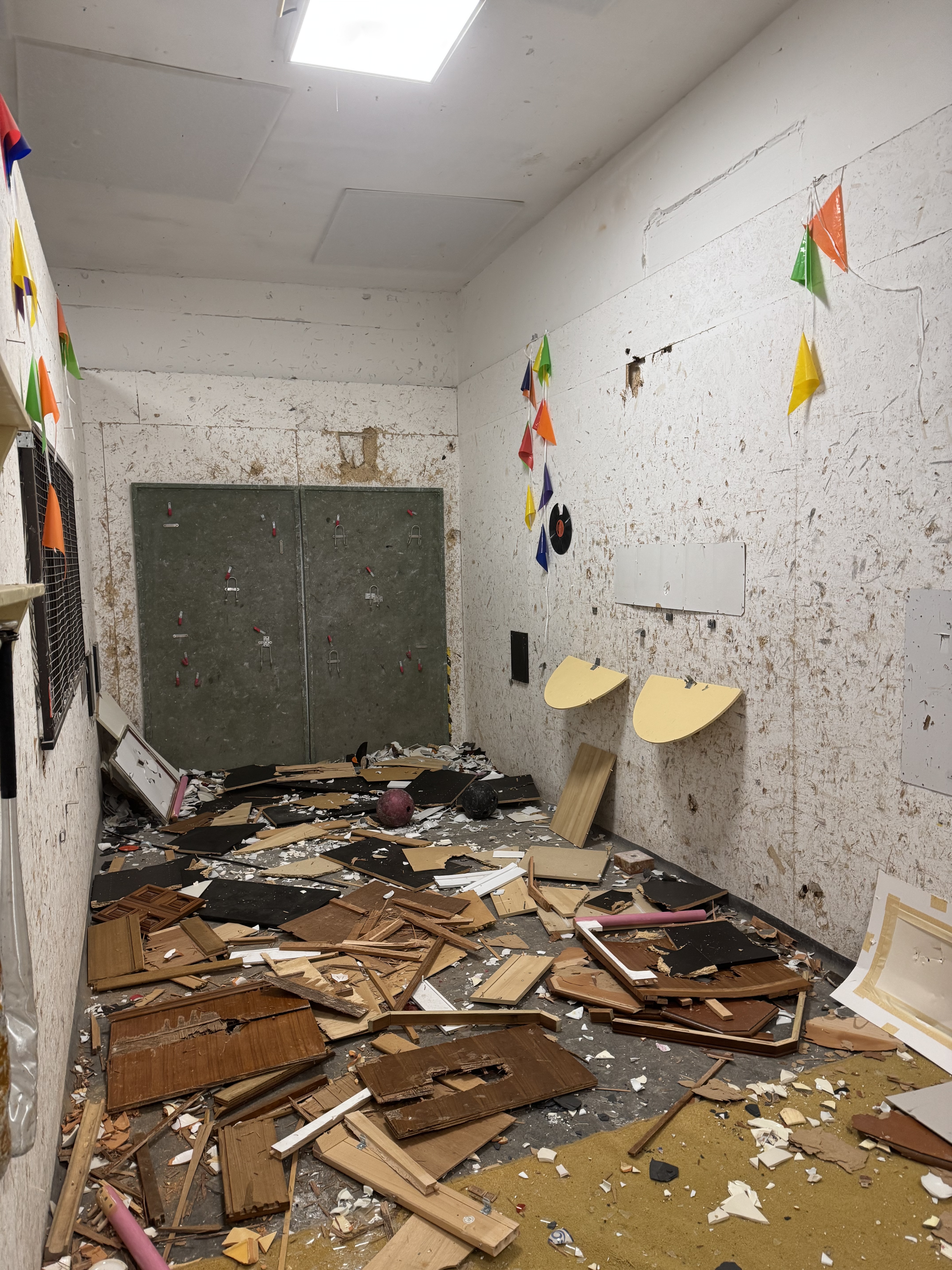
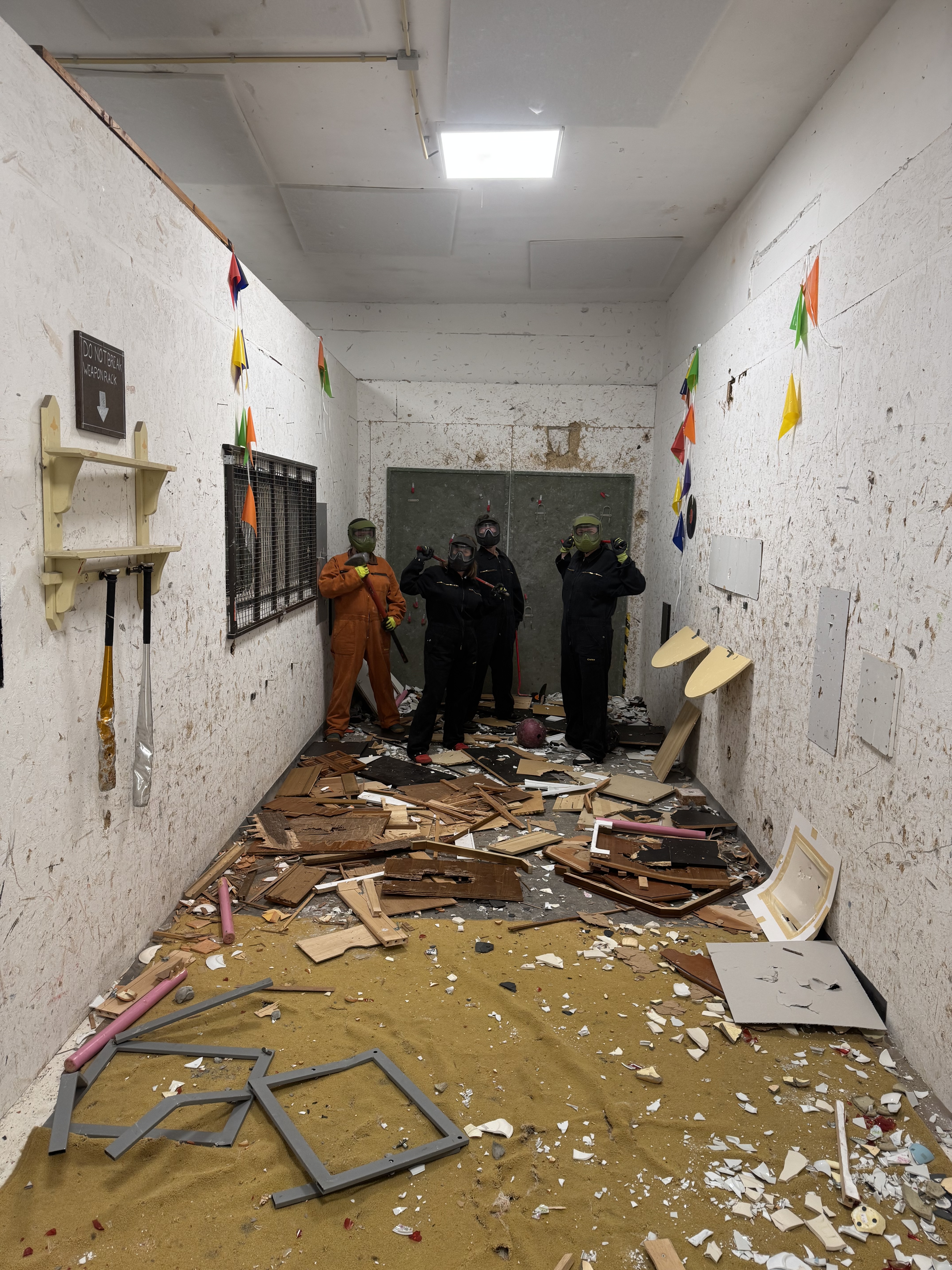
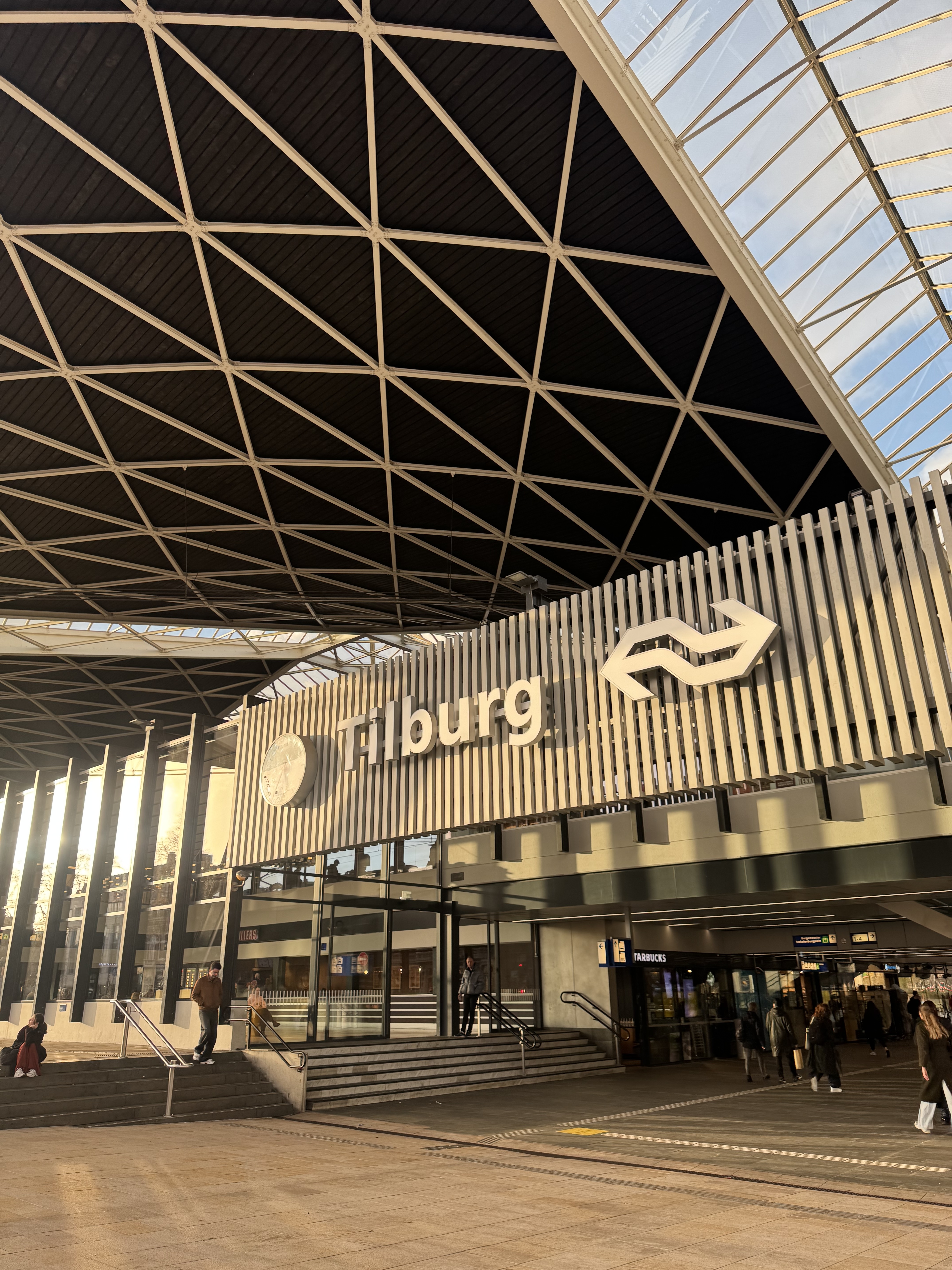
I took a day off midweek for a day out with my best friends. My best mate came over from the UK, and a bunch of us went down to Tilburg to Demolition Den — a Rage Room, which is exactly what it sounds like. Four perimenopausal women, armed with the accumulated grievances of a shared WhatsApp group, a mildly irritating train journey, and several decades of being professionally reasonable, were handed crowbars and pointed at a room full of tired furniture and glassware.
Reader, we destroyed it.
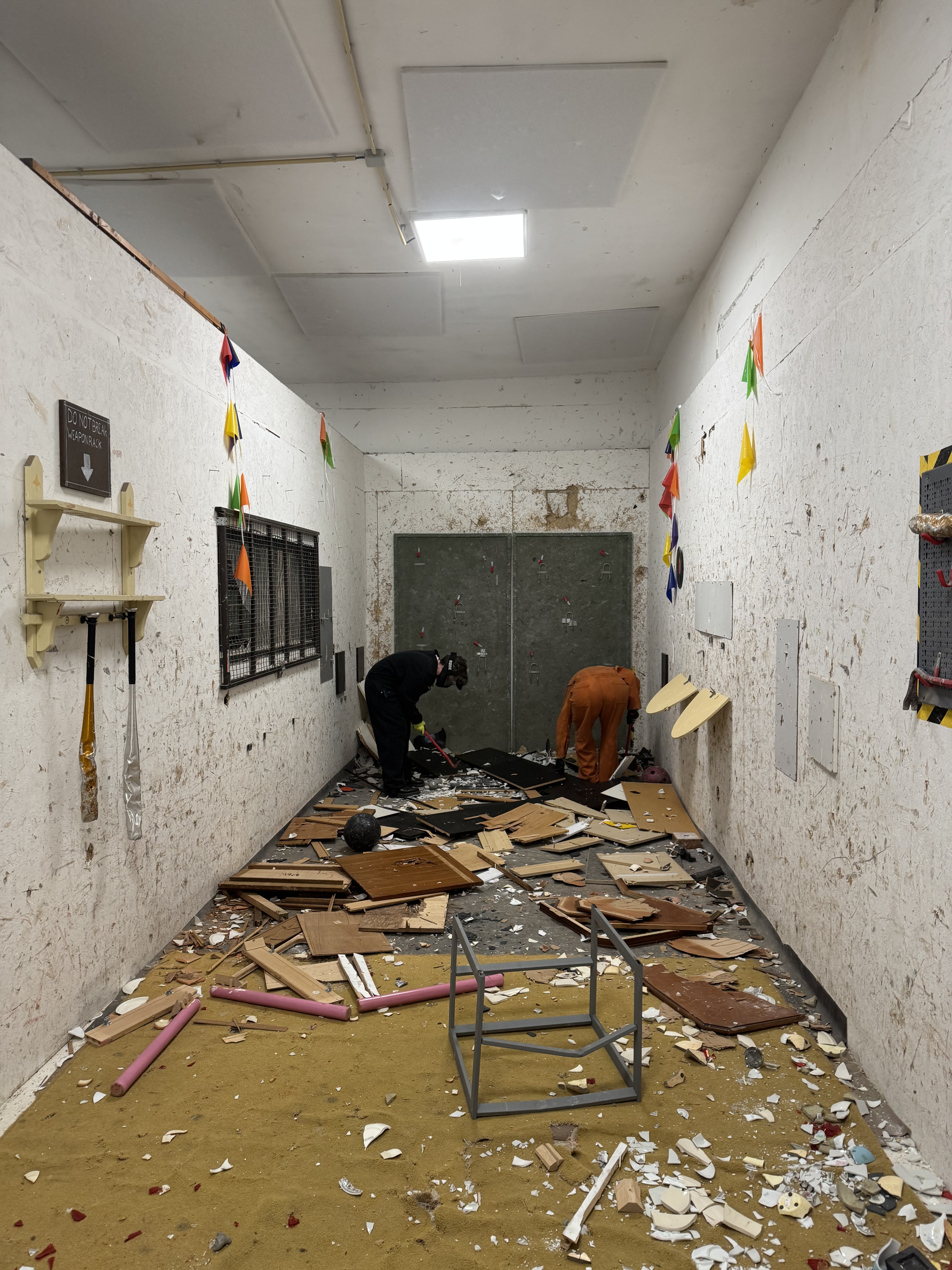
Heavy metal roared as we cleared shelves with baseball bats, hurled plates at walls, threw bowling balls at shelving units and wailed like banshees. There was glass everywhere. There was screaming. At one point someone hit something so hard it ceased to exist as a recognisable object. It was, without question, one of the most cathartic experiences of my adult life.
Ridiculously good fun. Genuinely therapeutic. Possibly necessary on a biological level. Ten out of ten, would smash again.
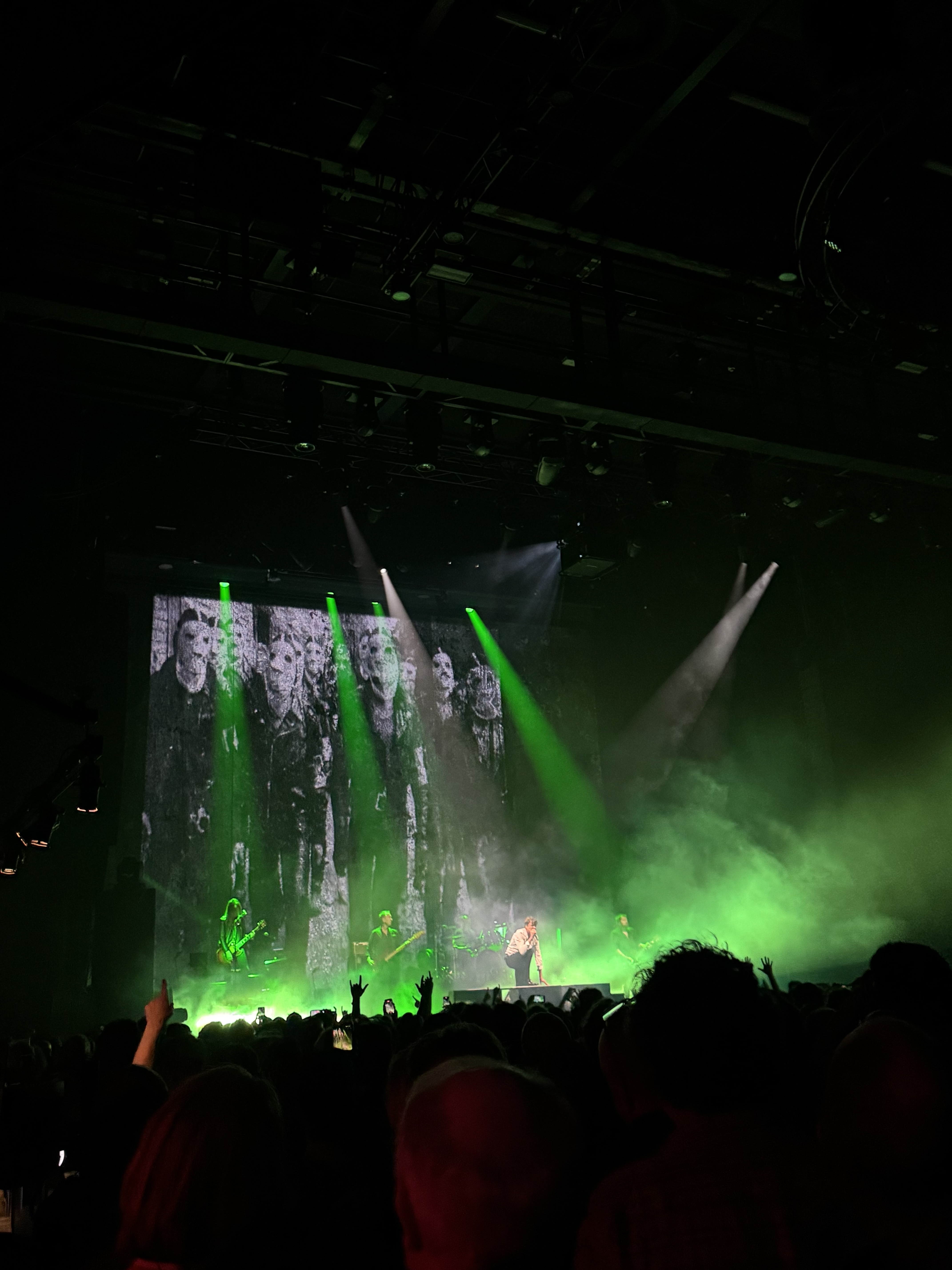
Another old favourite band of mine, Suede, played their sole Netherlands show in Tilburg, which seemed like as good a reason as any to make a proper trip of it. The band were amazing. The crowd, on the other hand, were a masterclass in collective joylessness. Standing stock still. Arms at sides. Expressions suggesting they’d arrived at the wrong venue and were too polite to leave. Suede are one of the great British live bands — all drama and sweat and Brett Anderson doing things with a microphone stand that probably shouldn’t be legal — and this lot watched it like they were waiting for a connecting flight. At one point Anderson said “if you’re gonna come down the front then at least dance!” He closed the show by suggesting people might try streaming the music before they come next time, so they actually know it. When a frontman starts negging the audience during the encore, something has gone badly wrong.
I don’t think I’ll be going to a gig in Tilburg again.
Consuming
I watched The Wizard of the Kremlin at the cinema. Directed by Olivier Assayas, it follows Vadim Baranov — artist, reality TV producer, and ultimately Putin’s spin doctor — through the chaos of post-Soviet Russia and into the machinery of the regime he helped build. Paul Dano is quietly unsettling in the lead; Jude Law’s Putin is controlled and cold in a way that’s more unnerving than any amount of scenery-chewing would have been. The film is at its most interesting in the detail of how it’s done — the blurring of truth and performance, the way manipulation becomes infrastructure, the point at which a man who knew exactly what he was doing stopped being able to see it clearly.
Mixed reviews, and I can see why — it rushes, and it doesn’t always trust its own material. But it left me unsettled in a way that felt valuable. Because the mechanics on screen — chaos exploited, power consolidated, reality managed — didn’t feel like history. They felt like a playbook currently in active use somewhere else.
Connections
A fab call this week with Julian Mills, a Toronto-based comms pro with a seriously impressive background.
We covered a lot of ground. A couple of things stuck with me. We talked about the demands on on employee attention, and how we consistently overestimate how much bandwidth people can (or want to) devote to being communicated with. His point about AI surfacing years of outdated content with misplaced confidence also landed, not least because I’d spent part of the week looking at exactly that problem in a client’s digital workplace.
The bit I found most interesting: the career risk many communicators feel when the honest recommendation is to do less. That tension between giving good advice and protecting your own position is real, and not talked about enough.
We’ve got a follow-up scheduled, and if all goes to plan, coffee in Toronto in June when I’m over for IABC World Conference. One of those conversations that ended too soon.
Travel
A quick dash to London midweek for the Blink event. In, rant about comms budgets, out.
This week in photos

 Sharon O'Dea