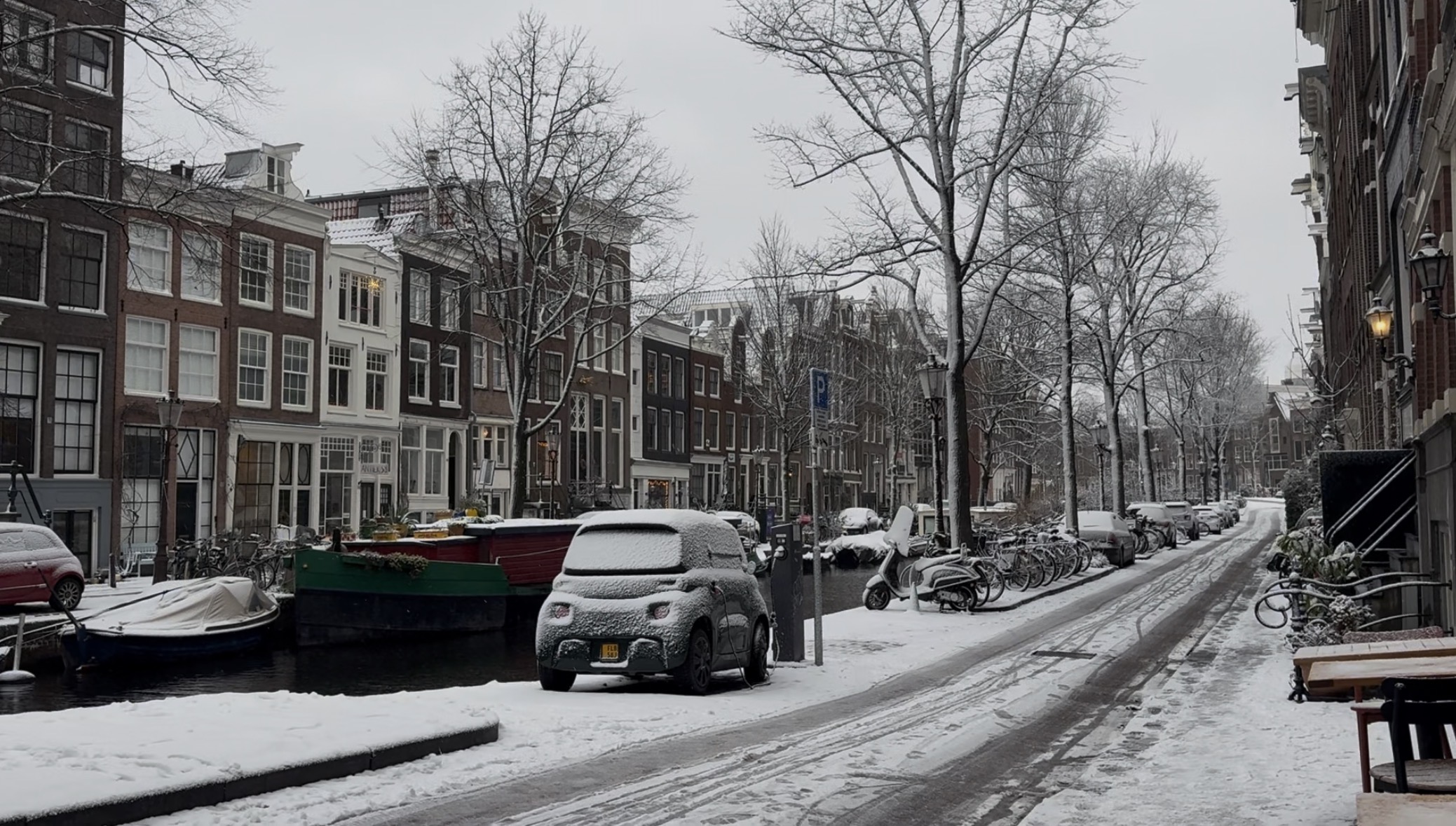
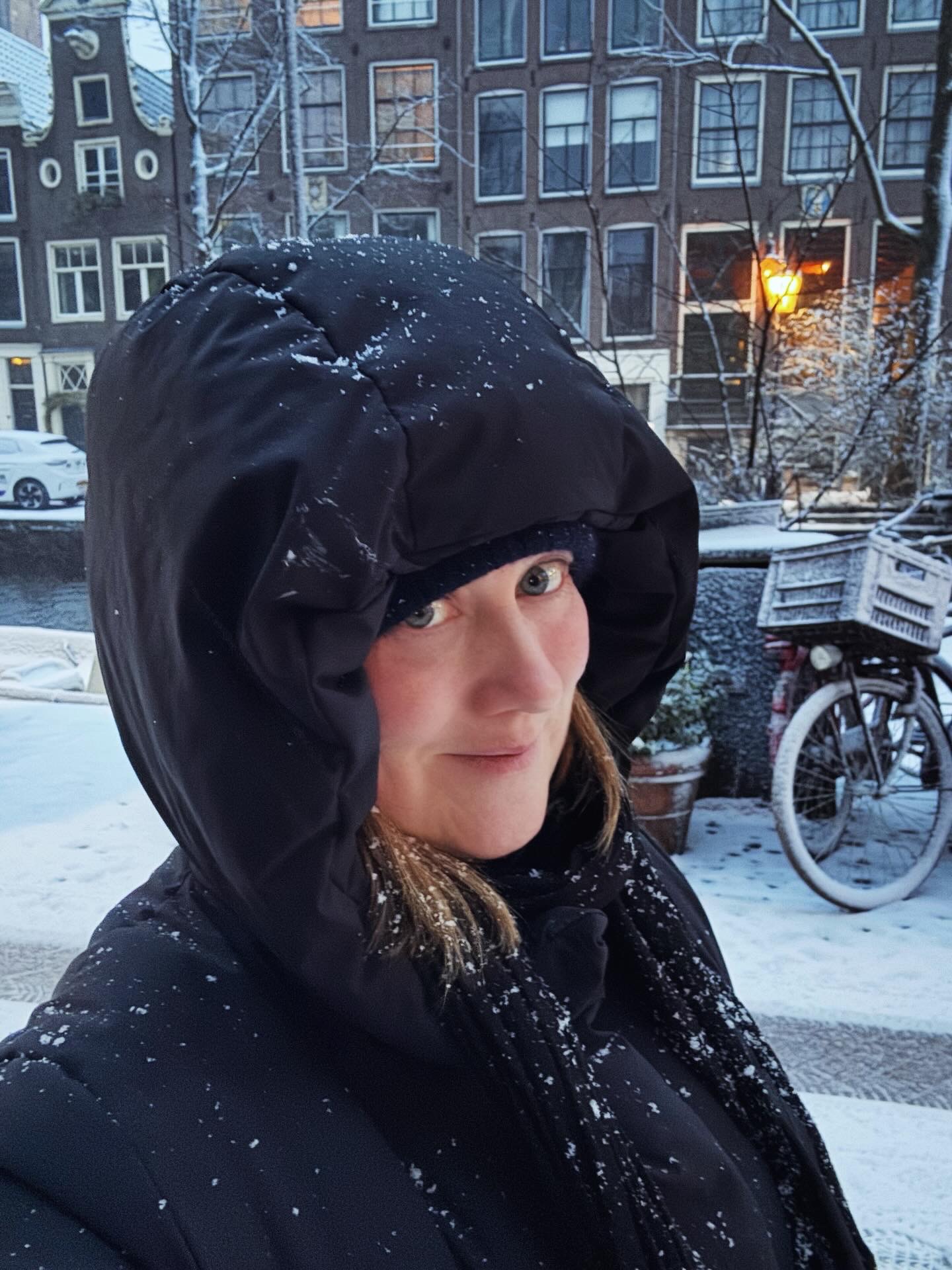
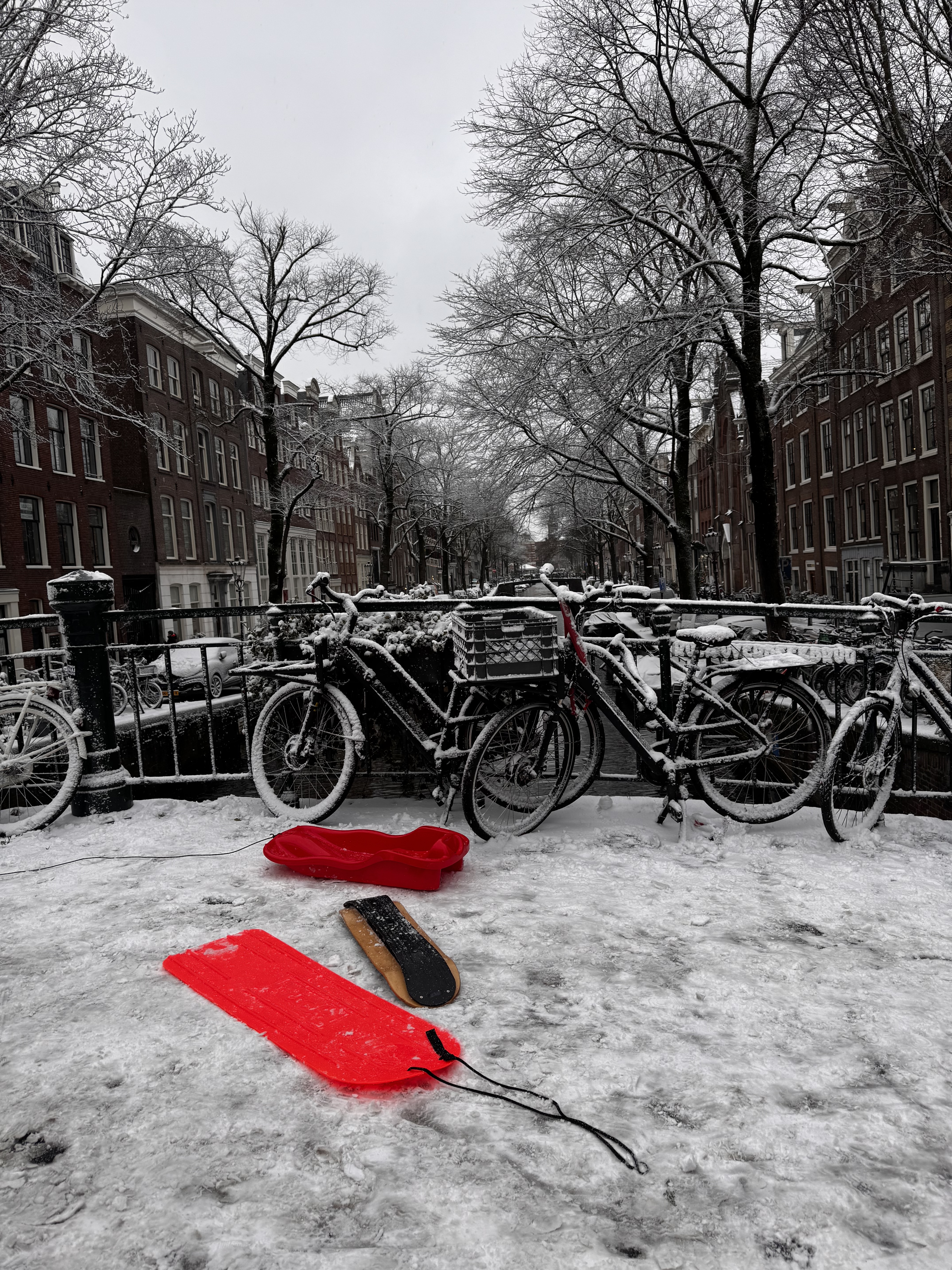
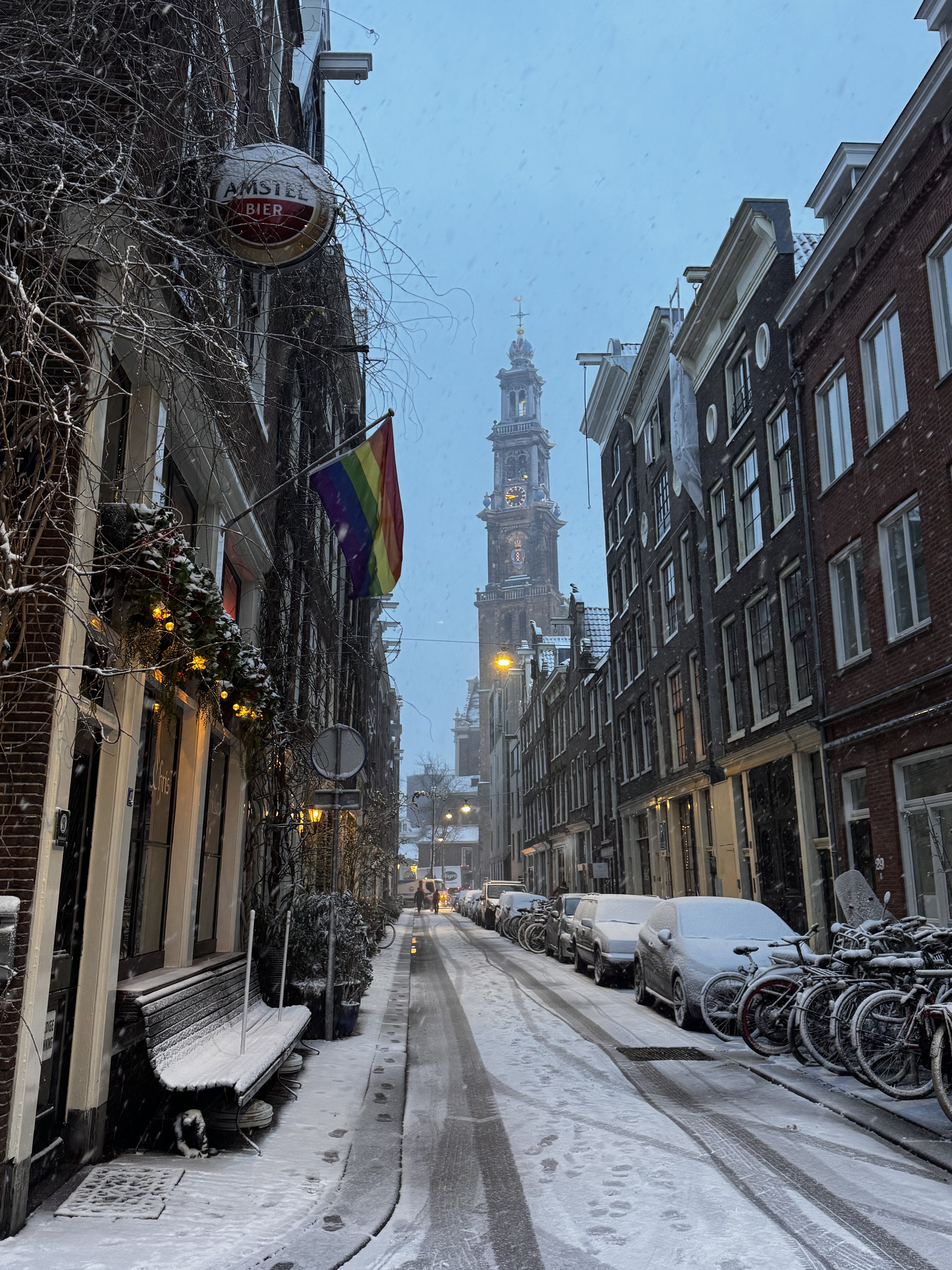
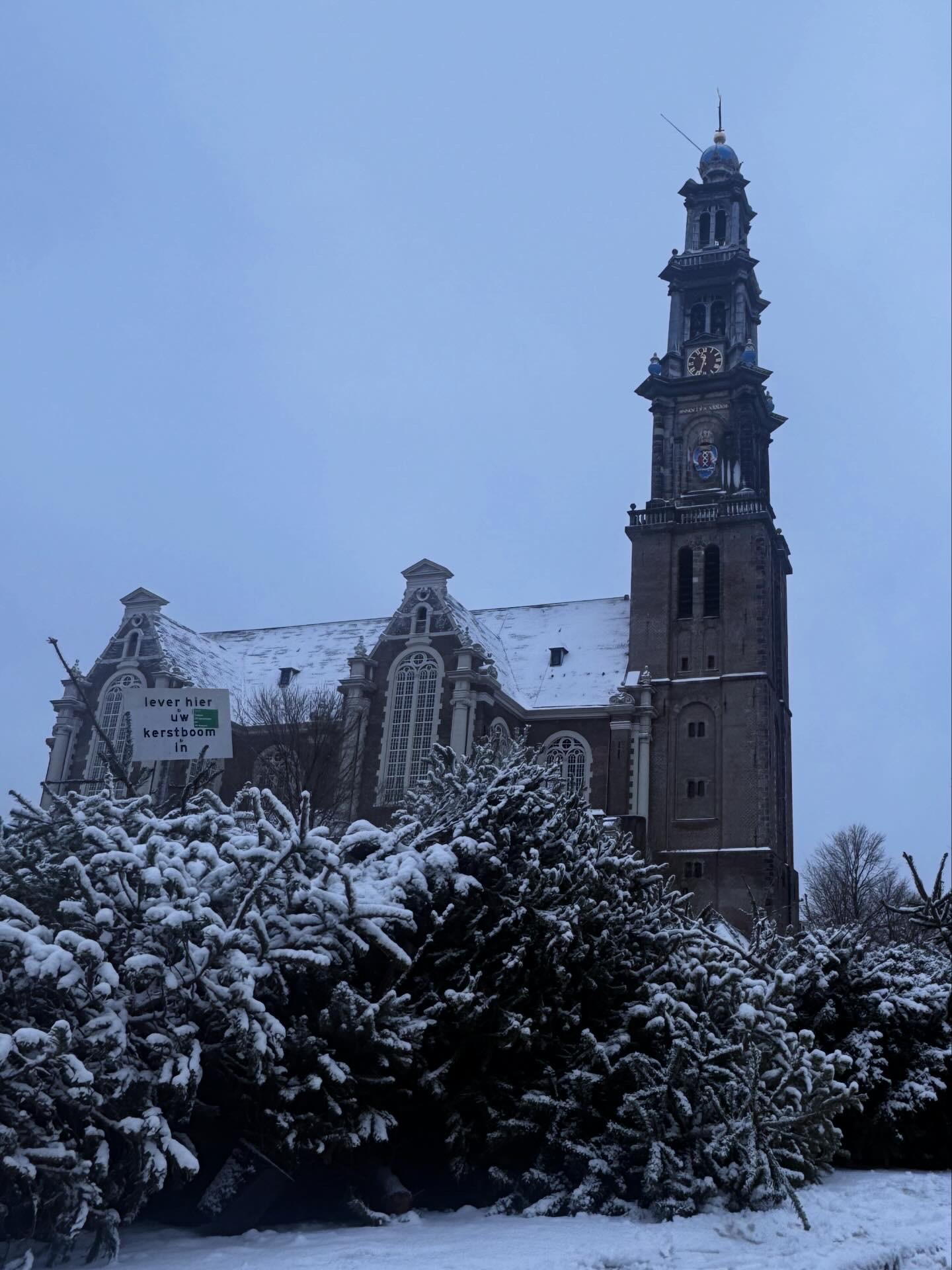
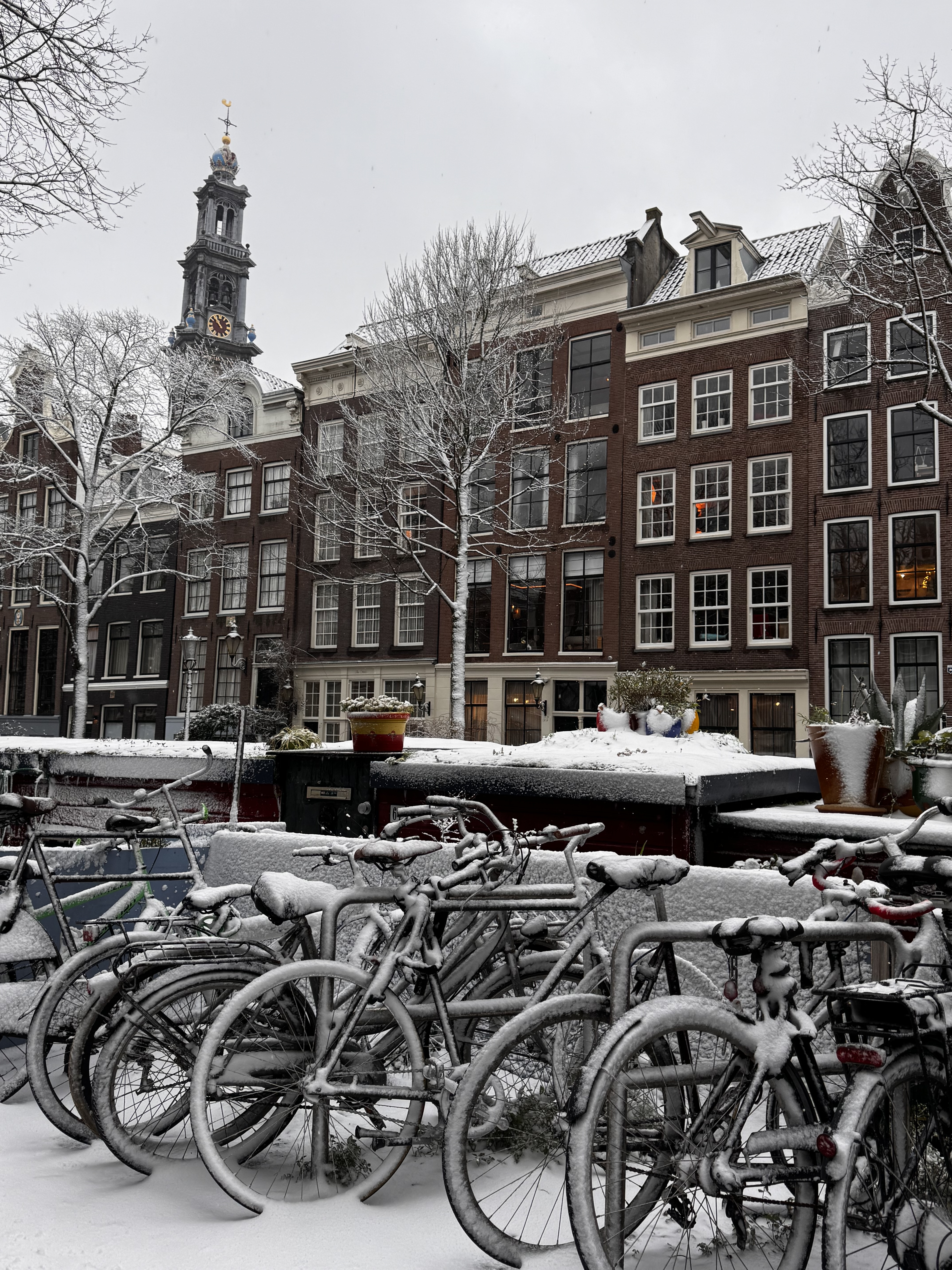
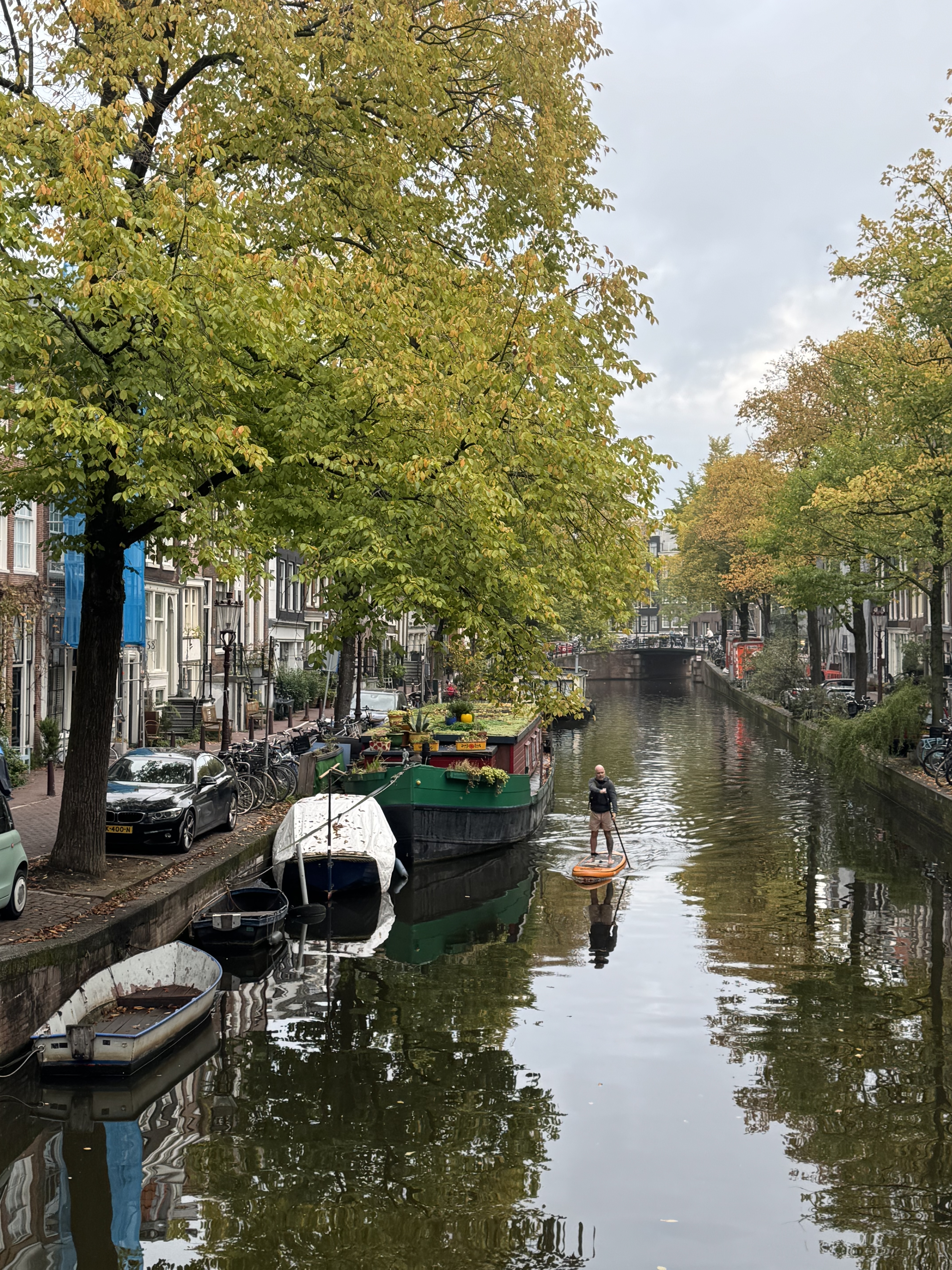
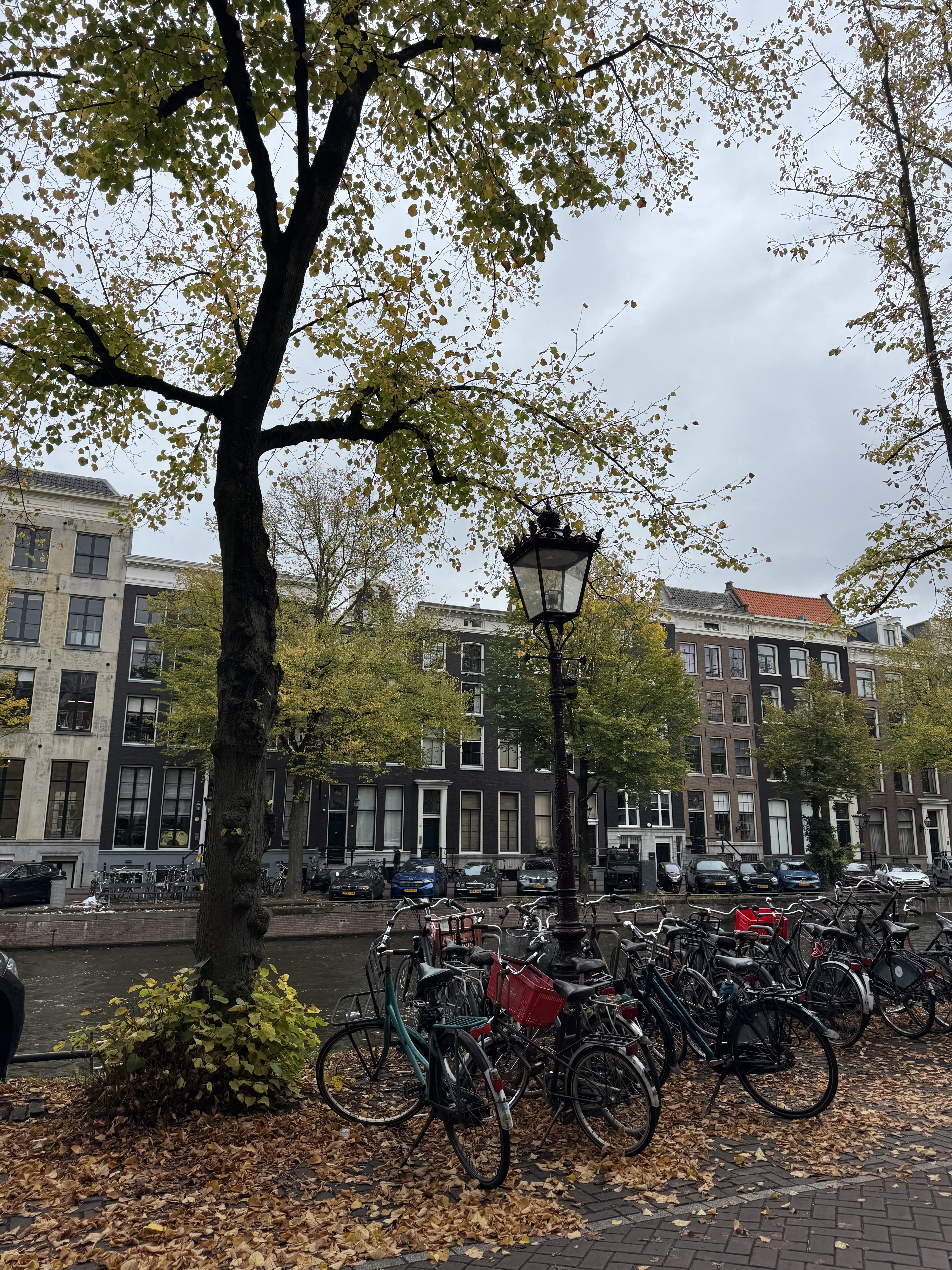
Amsterdam was briefly hit by snow this week, which meant Schiphol ground to a halt and the city centre instantly transformed into an ice rink — if ice rinks also had surprise downhill sections and the occasional canal waiting to claim you. Crossing bridges became a daily exercise in risk assessment, dignity management, and knowing when not to rush.
It turns out this was a fairly accurate metaphor for the rest of the week: a lot of careful progress on unstable ground, a strong urge to keep control, and the uncomfortable realisation that at some point you have to stop edging forward and just… let go.
This week at work
A week largely spent hovering around the finish line, circling it like someone who suspects there might be a trap if they actually cross.
On the book, we made what are, on paper, the final edits to the last three chapters before re-submitting. Final in the technical sense, if not the psychological one. At the same time, we’ve been working with a designer to redraw all the diagrams, replacing our pedestrian PowerPoint efforts with something professional and consistent. There’s something faintly unsettling about seeing ideas you’ve kicked about for years rendered cleanly and decisively, in a way that suggests permanence. These are no longer drafts. They are artefacts.
We also met with our editor to talk about what happens next, which turns out to be the moment where the existential weight really lands. I could keep editing forever. There’s always a word that could be better, a paragraph that could be tightened, a clarifying sentence that could be added to pre-empt a reviewer who exists solely in my imagination. Letting go doesn’t feel like confidence so much as surrender — an acceptance that at some point clarity has to trump completeness, if only for my sanity.
There’s also the uncomfortable realisation that once it’s out there, it’s no longer for us. People will read it in contexts we can’t control, bring their own histories and irritations to it, misunderstand parts, skim sections we laboured over, and quote back lines we barely remember writing. This is, I’m told, normal. It does not make it easier.
Finishing a book isn’t a clean, triumphant moment. It’s a long, slow uncoupling from something you’ve been holding very close. You don’t stop because it’s perfect. You stop because at some point you have to say: this is as good as I can make it, for now. Then you step away and hope it does something useful in the world.
Alongside all that emotional restraint, Jon and I are running an in-person workshop with senior internal communicators next week, so we spent a couple of days working through the mechanics and flow. I love this part: pitching to the right level of seniority, designing something people can genuinely take back to their teams, and making the most of the energy and dynamics of a room rather than pretending workshops are just slide decks with chairs. We also started playing around with a new model which we’re going to preview.
We hope people like it. We hope we still like it once it’s been stress-tested by a room full of smart, sceptical people.
We’ve also had a few sniffs of new business, which meant a couple of quick-turnaround proposals. I always underestimate how much work these take, despite all available evidence. We don’t do rinse-and-repeat proposals, which is the right thing intellectually and the worst possible decision from a time-management perspective. Each one eats at least half a day: thinking properly, costing honestly, and tailoring it to the actual problem rather than the imaginary one the client thinks they have.
This work then disappears into the void, where it may return as a polite rejection, a prolonged silence, or — in the best-case scenario — a win that arrives just late enough for me to have emotionally written it off. I am currently choosing to believe this week’s efforts will not go down in history as some of my finest examples of beautifully formatted disappointment.
Also this week
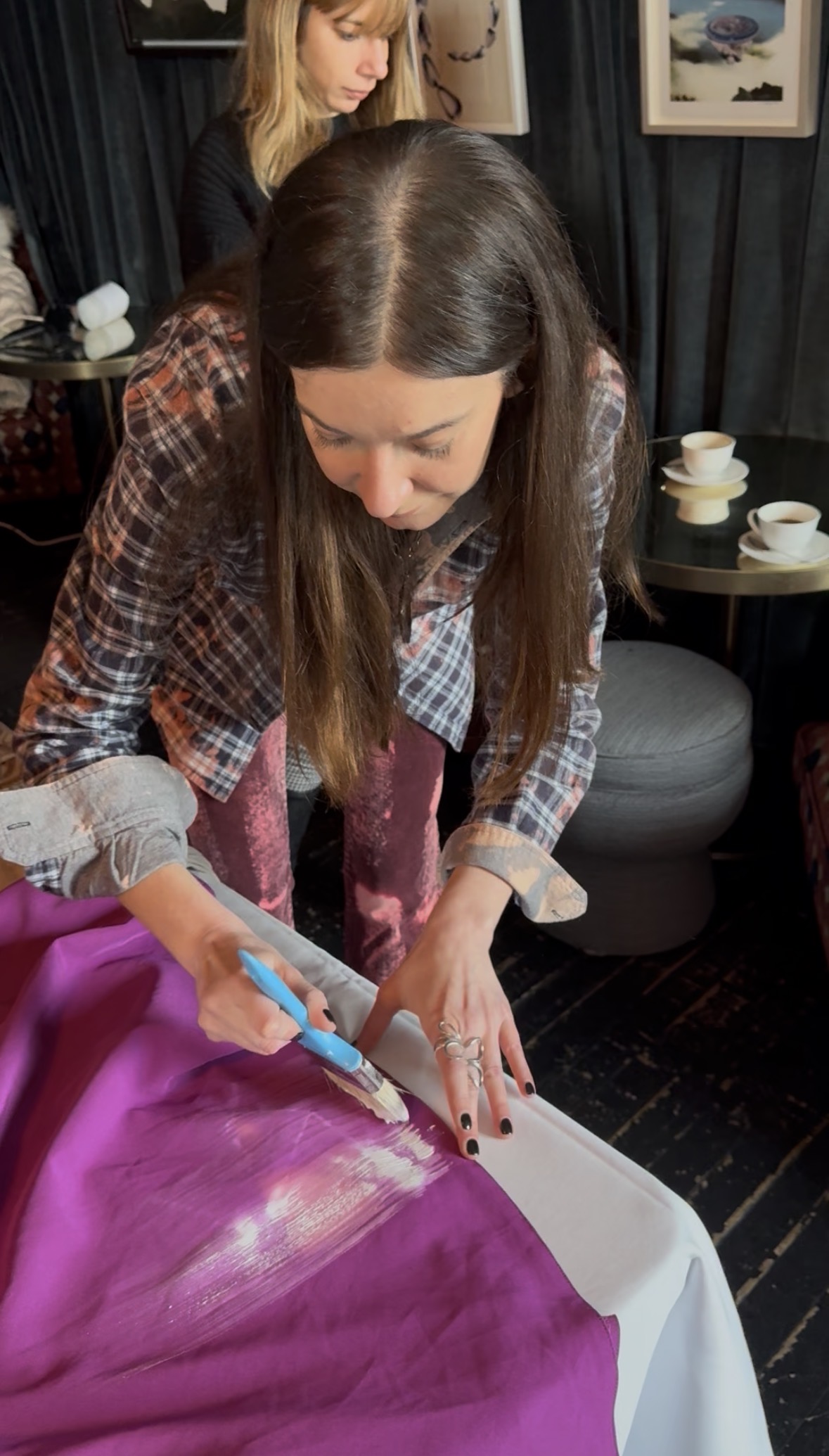
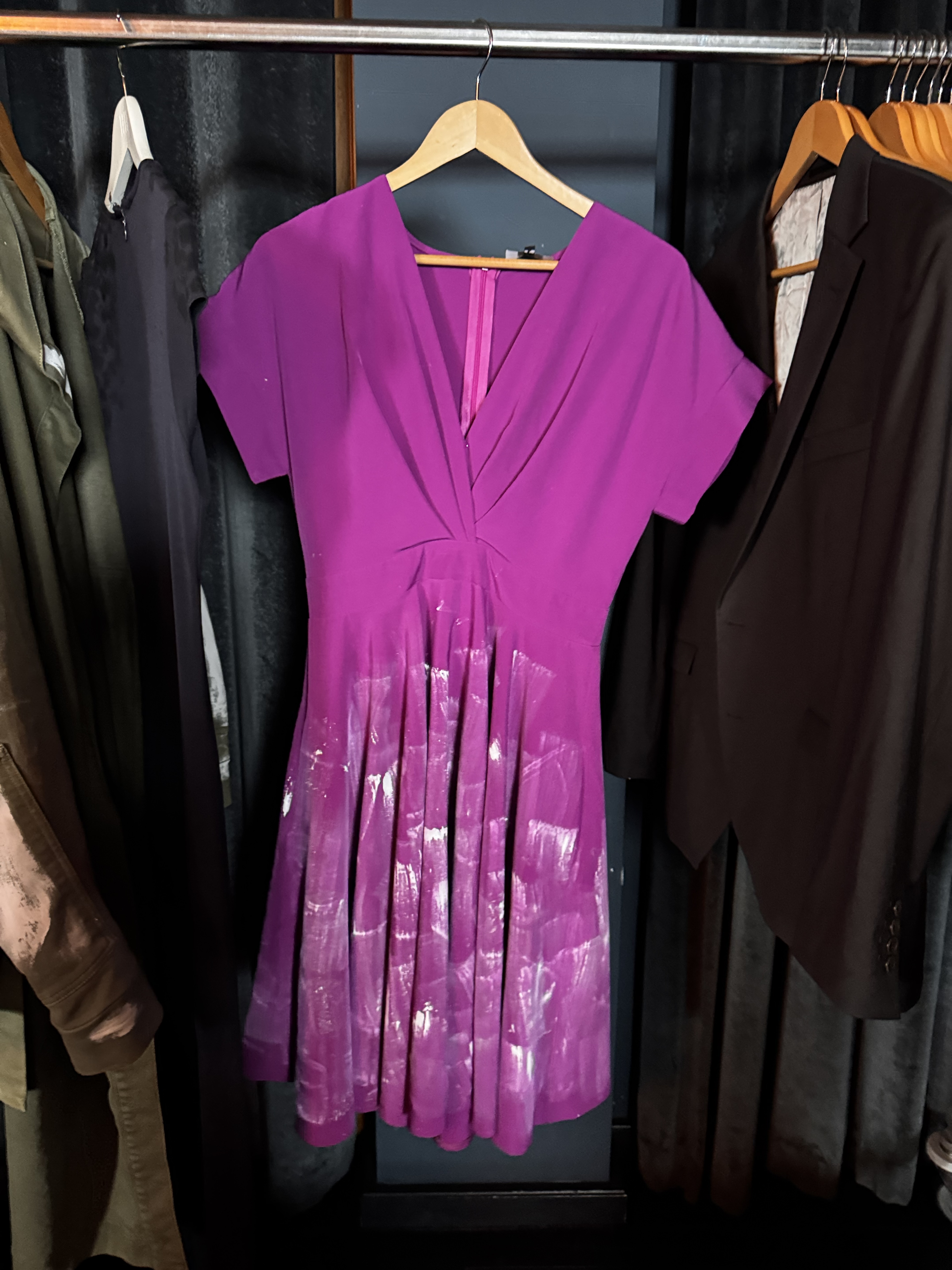
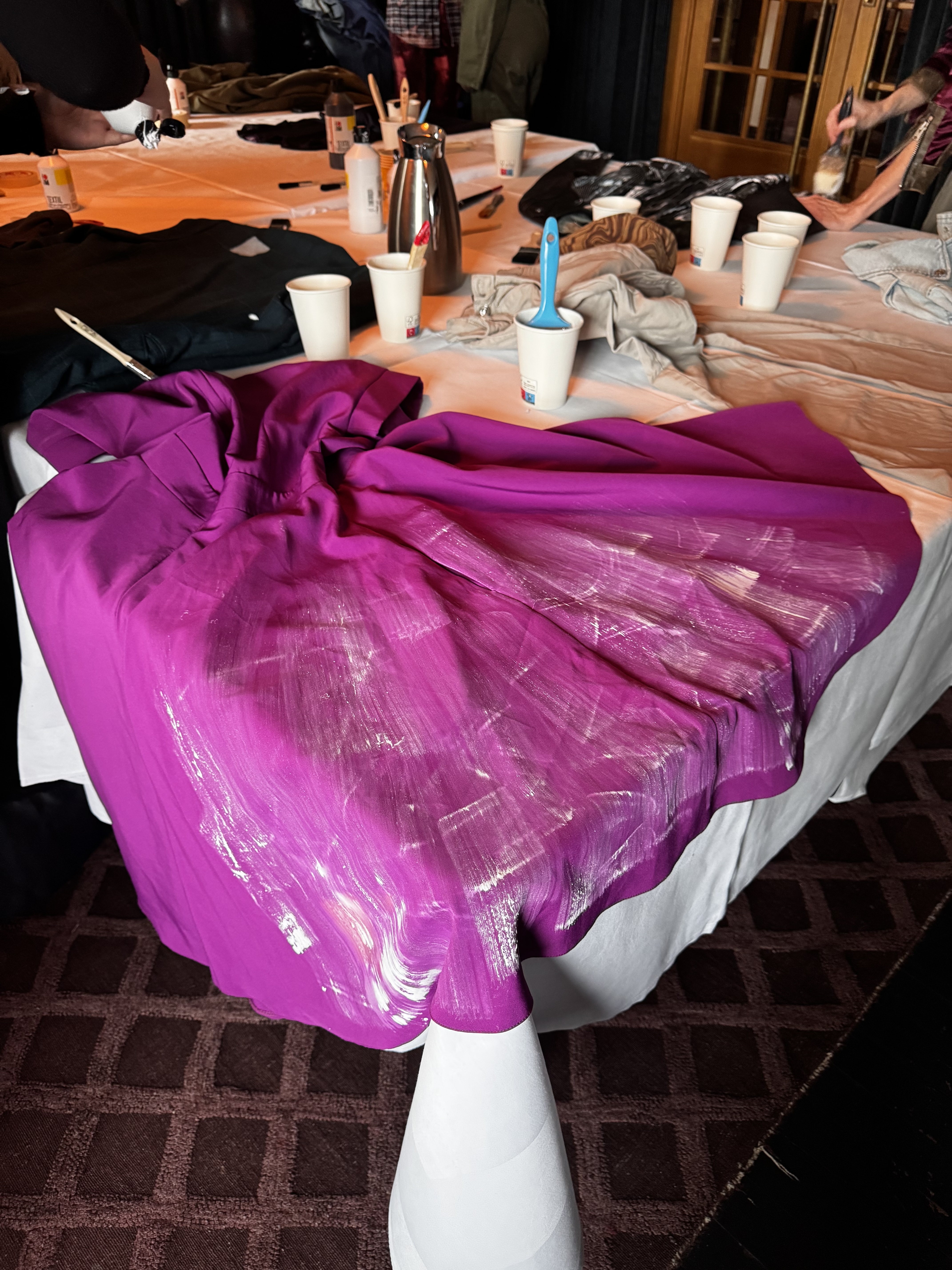
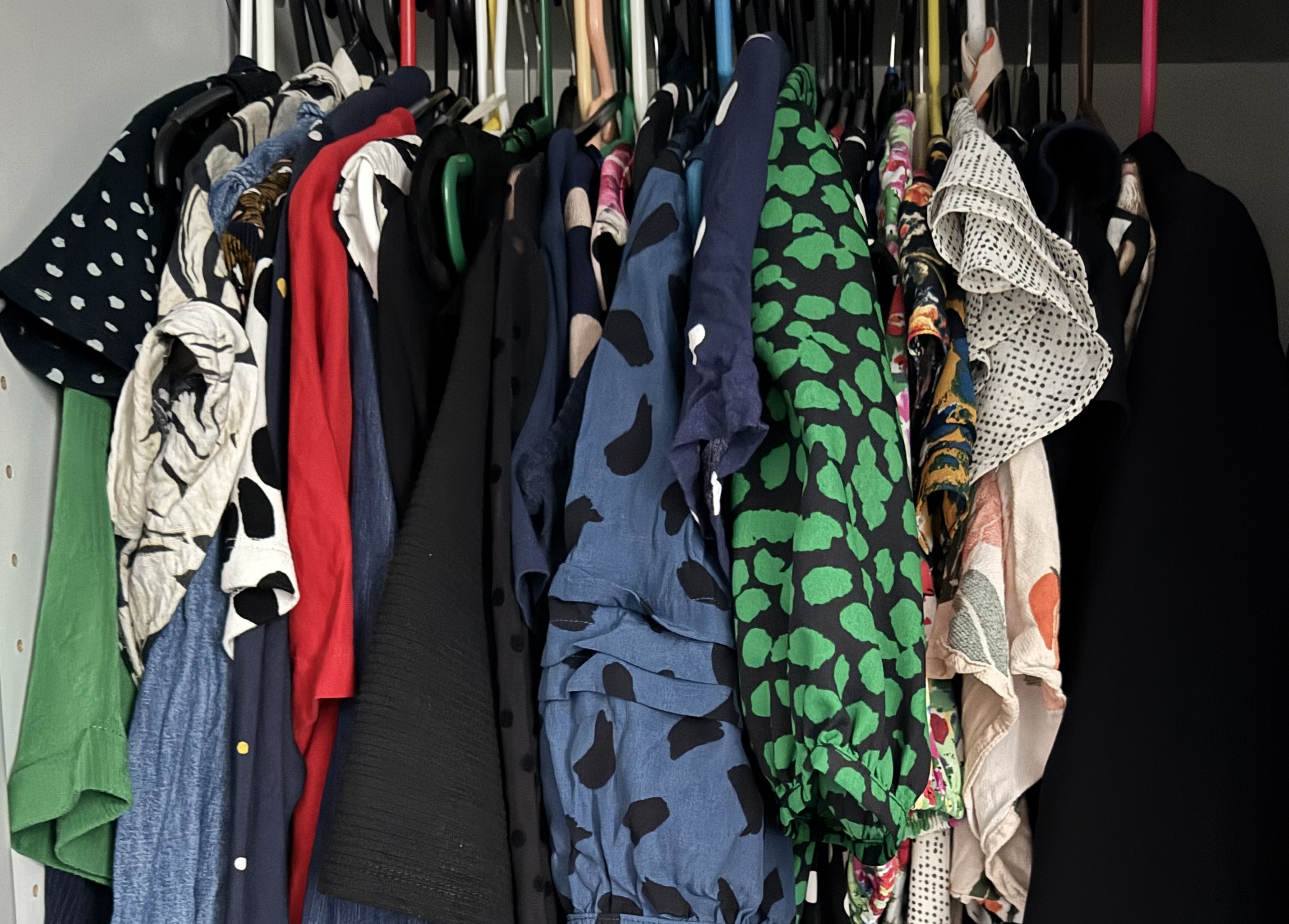
Several years ago I bought a gorgeous dress for a friend’s wedding. Somehow, while it sat at the bottom of the laundry basket waiting to be hand-washed (for months), it acquired a bleached-out patch — a stain impossible to hide or remove. What followed was a familiar pattern: two further years of sincere promises to take it to a repair café or a tailor, immediately broken by doing absolutely nothing.
Then I spotted an upcycling workshop and signed up. Partly because I’m trying to do more things this year that don’t involve staring at my phone. Partly because I’m committing to buying less fast fashion and dealing more honestly with the clothes I already own.
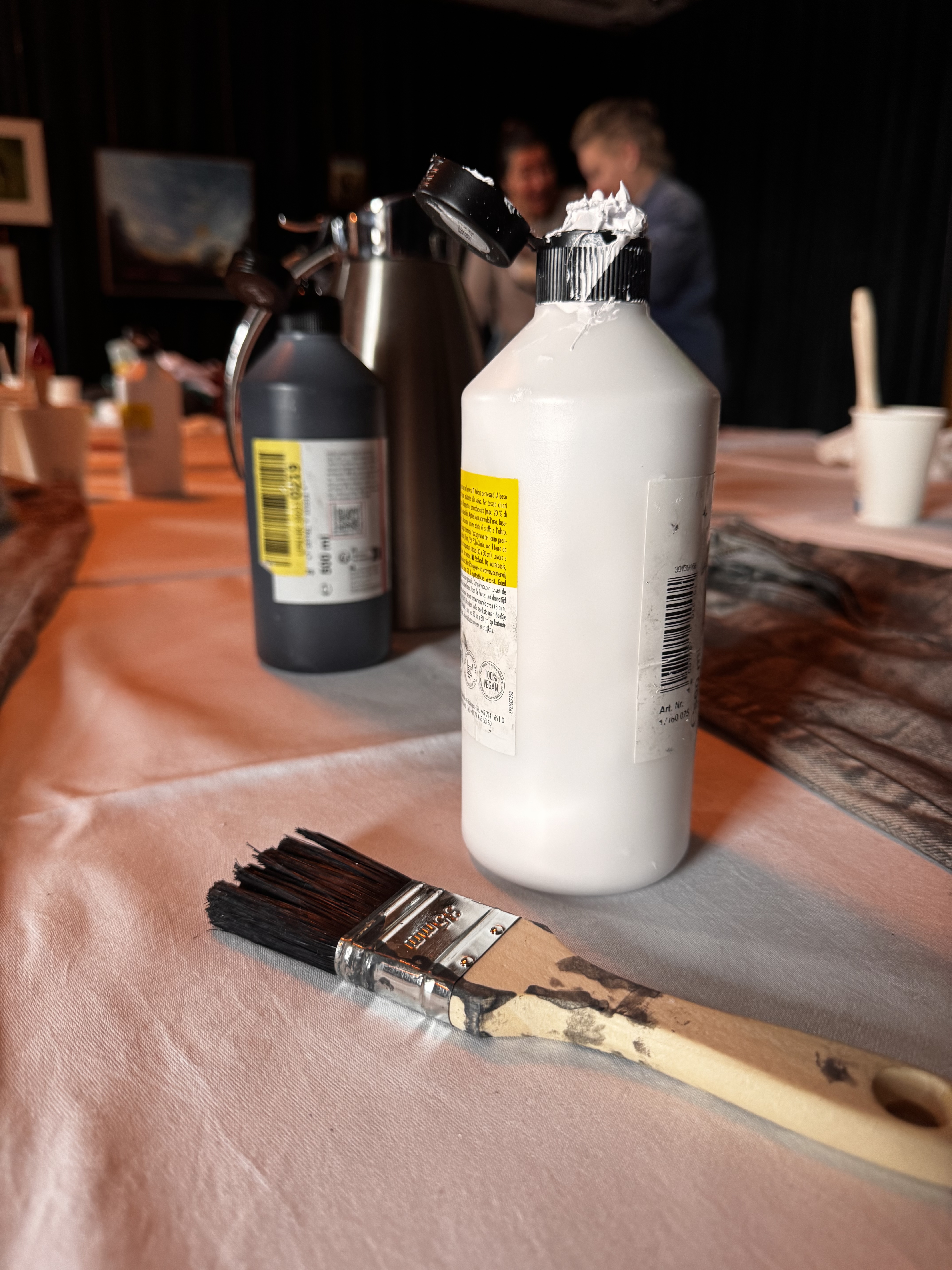
And so I spent two hours painting my dress.
It was genuinely fun. Meditative, even. I’m not entirely sure the end result is something I will ever wear in public, but it does now exist as a different thing — rescued from the purgatory of I’ll deal with that later.
I remain available for events that feel emotionally robust enough to cope with a hand-painted frock.
Consuming
I am now fully, unashamedly hooked on The Traitors, to the point that I am cancelling other plans when it’s on, as if it were a non-negotiable diplomatic engagement rather than a reality TV show involving cloaks, candlelight, and breakfast-based psychological warfare. This week’s Rachel/Fiona clash alone was worth rearranging my life for. Emerging victorious, Rachel not only survived but materially raised the reputation of Heads of Comms everywhere: calm under pressure, forensic with language, and quietly letting the other person talk themselves into a hole. A masterclass in stakeholder management, reputational defence, and the art of saying very little while meaning everything. It remains a perfect study in group dynamics, overconfidence, and the human tendency to mistake confidence for competence — all set in a Scottish castle and edited like a gothic thriller. I remain obsessed and will not be taking questions at this time.
I also caught Nuremberg at the cinema, which is exactly my sort of thing: a psychological thriller wrapped in historical drama. Russell Crowe is surprisingly compelling as Göring — likeable in a way that is deeply unsettling and psychologically awkward to experience as a viewer. You’re constantly aware that this is wrong, that you’re being pulled into the charm, intelligence and humanity of someone who absolutely should not be humanised — and that tension is arguably the film’s most interesting achievement. Richard E Grant is reliably excellent. A slightly hammy performance from Rami Malek tips parts of it into unintended absurdity, which is a shame, because the Crowe-led psychological unease deserved a steadier hand. Still, I was entertained, albeit in a slightly morally conflicted way.
On Saturday afternoon, my pal Lauren and I went to see It’s Never Over, Jeff Buckley, an achingly beautiful retrospective of a beautiful man. The film is patient and unsensational, refusing the usual shortcuts of myth and tragedy. Instead, it assembles Buckley slowly — through archive footage, answering machine messages, and the intensity of people who clearly loved him — allowing his sensitivity and seriousness about the work to surface in their own sweet time. It’s exactly as he deserves.
It dismantled a lot of what I thought I knew about him Yes, he was Tim Buckley’s son, but Buckley Senior was an absent dad. And no, Jeff Buckley did not die as part of the cursed “27 Club”. What’s left is not a doomed-prodigy narrative, but a portrait of someone still figuring things out. The film sent me straight back into a Grace rabbit hole — an album I played on repeat in my teenage bedroom — and listening now, older and theoretically wiser, I’m struck by how much we smooth artists into symbols once they’re gone, and how much more painful it is to meet them again as people.
That same recalibration landed again this week, ten years exactly since David Bowie died. He released Blackstar on his birthday and then, days later, performed what may be the most David Bowie manoeuvre imaginable: he died and retroactively changed the album’s entire meaning. Overnight, something wilfully strange and opaque snapped into focus as a controlled exit. Not just an album, but a final piece of stagecraft.
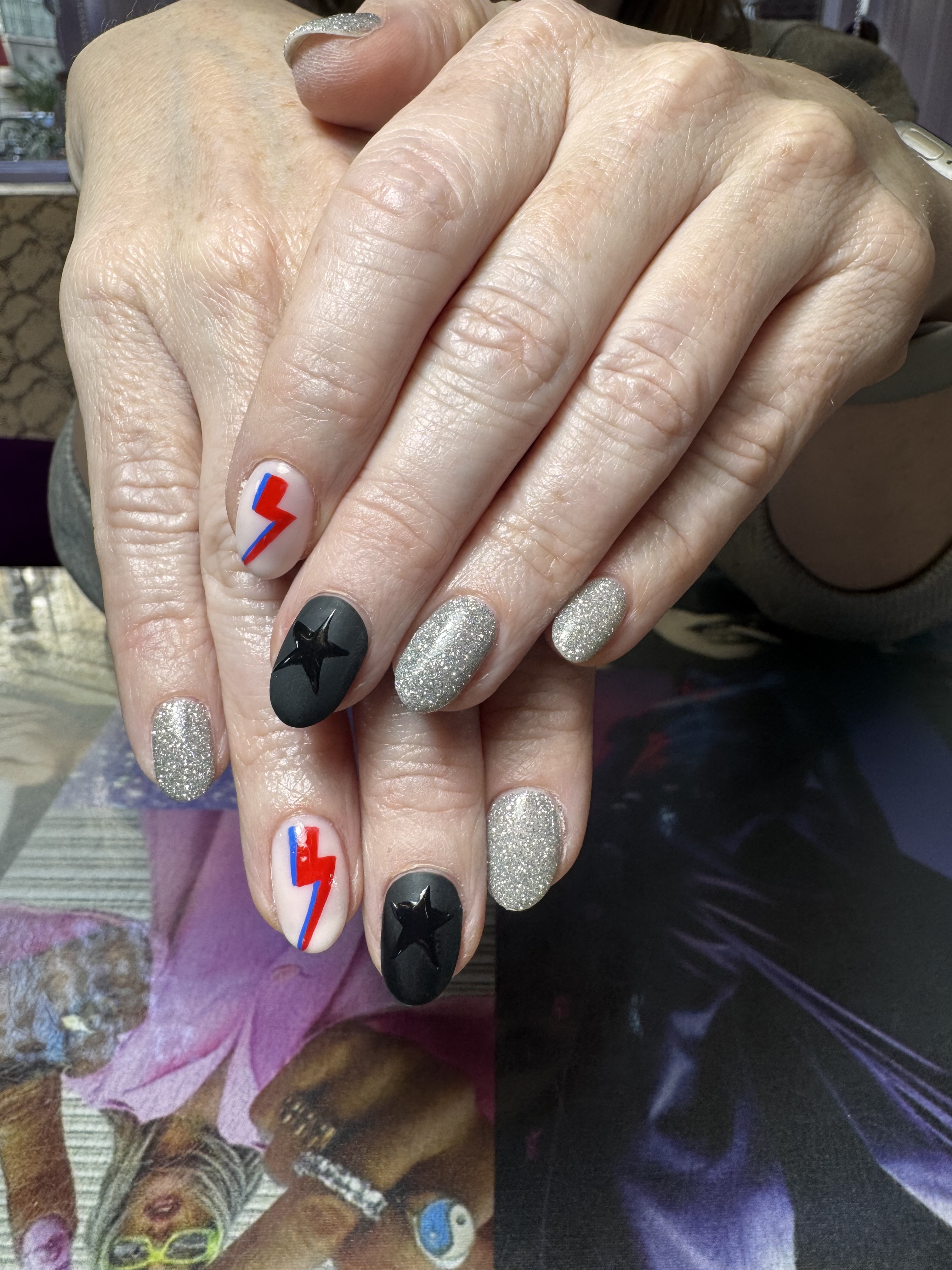
I’d forgotten how destabilising that shift felt — how every lyric suddenly became a clue, every image a message delivered late. On the walk from the nail bar to work, sporting these frankly epic Bowie-inspired nails, I put Lazarus on for the first time in years. Which is how I ended up crying in the street. Not because it’s clever or iconic, but because meaning has a habit of arriving late, and without checking whether you’re ready for it.
Coverage
Reworked published a piece this week, showcasing me as one of their Contributors of the Year, which is a very generous way of saying: she has a lot of thoughts and keeps writing them down.
I’ve really valued having Reworked as a home for my writing. The discipline of a regular outlet forces me to finish thoughts rather than letting them linger as half-formed LinkedIn posts that should, frankly, have been paragraphs — or occasionally not posted at all. Writing is partly my job, but mostly it’s how I make sense of an industry that keeps promising salvation via tools, platforms, and dashboards, while quietly making everyone more tired.
I also work largely on my own, so publishing is a useful alternative to standing in my kitchen muttering about governance, notifications, and why “engagement” continues to do an implausible amount of conceptual heavy lifting. I’m grateful to Reworked for giving those thoughts a place to land — and to everyone who reads, disagrees, or sends a message that begins with “this made me feel less mad”, which remains one of the highest forms of professional praise.
An excuse — not that one was needed — to keep writing in 2026. See you next week.
This week in photos






































 Sharon O'Dea