From CERN to Carthage, from LinkedIn algorithms to the Lars Homestead, the common thread this week — if there is one — has been perspective.
We build elaborate models to explain what we can’t see. We measure what shines. We infer the rest from patterns and effects. Whether it’s dark matter, disengaged employees, or the remains of an empire, most of the story lives just out of sight.
Which is oddly reassuring.
There’s a lot we don’t know. There always will be. But we can still define the destination, set the milestones, and take the next step down the spiral staircase.
Even if there is rather a lot to do.
This week at work
There’s been a pleasing synchronicity across our two main projects.
Very different organisations. Very different contexts. The same discipline required: step back, clarify the end goal, define the milestones that genuinely matter. Once that’s clear, the project plan almost writes itself.
What is also clear is that we have a hell of a lot to do.
Alongside that, detailed partnership conversations with vendors — the proper, in-the-weeds kind. Delivery models. Governance boundaries. Who owns what. Where advisory ends and implementation begins. It’s a good feeling when that’s approached as genuine collaboration rather than a reseller arrangement, when expertise is recognised as expertise. The end solution is stronger for it — and far more satisfying to build.
Also this week
Monday evening: Science & Cocktails at Tolhuistuin, where Ivo van Vulpen explained particle physics in a way I could actually follow — possibly a first.
Everything, he said, is made of a handful of building blocks: up quarks, down quarks, electrons. Muons pass through our bodies constantly. Exotic particles with lifespans measured in millionths of a second bombard us from above. Light only “sees” things bigger than its own wavelength, so if you want to see smaller things, you need more energy — hence the enormous machines under Switzerland and the discovery of the Higgs boson at CERN.
All fascinating. But my biggest takeaway (and slight existential wobble) was just how much we don’t know. Why the universe is so big. Why there’s anything in it at all. What dark matter actually is, despite it apparently constituting most of reality. The more we discover, the larger the edge of the unknown becomes. Nothing like spending a Monday evening discovering that reality is mostly invisible and none of this matters to really sharpen your focus for the week ahead.
The following night, Pete Doherty in Utrecht. Solo numbers, a generous scattering of Libertines classics, and — because Mike Joyce was on drums — a good sprinkling of The Smiths. Something rather lovely about seeing Doherty in this phase of life: less chaos goblin, more eccentric troubadour. The songs hold up. The audience knows every word. Everyone faintly astonished we’re all still here.
It remains a profound shame that Morrissey turned out to be such a spectacular disappointment as a human, because — irritatingly — the tunes are undeniably banging. Art. Artist. Complicated legacies. Still a cracking night out.
Coverage
Monday also brought my first opinion piece in inComms, asking whether the compulsion to feed the LinkedIn content machine is quietly distorting our profession. What are we actually optimising for — reach, relevance, reputation?
It prompted a flurry of comments and DMs, mostly from people grateful someone had named something they’d noticed but felt slightly uncomfortable about. The pressure to perform publicly is real. I feel it too.The incentives are powerful. The line between thoughtful contribution and algorithmic compliance is thinner than we admit.
Later in the week, my Reworked column explored something oddly related: what we can learn from content lurking in the shadows of our intranets — the under-used, barely-touched pages accumulating quietly in the dark. Externally we obsess over amplification. Internally we ignore absence.
After Monday’s physics talk, I couldn’t help thinking about dark matter. Most of the universe is invisible — we infer its existence from its effects. Organisations aren’t so different. We measure what shines, report what performs. But the forces shaping behaviour — attention, overload, avoidance, silent disengagement — often sit in the dark. Different domains. Same humility required.
Travel
This weeknote comes to you from Tunisia: country number 87 for me.
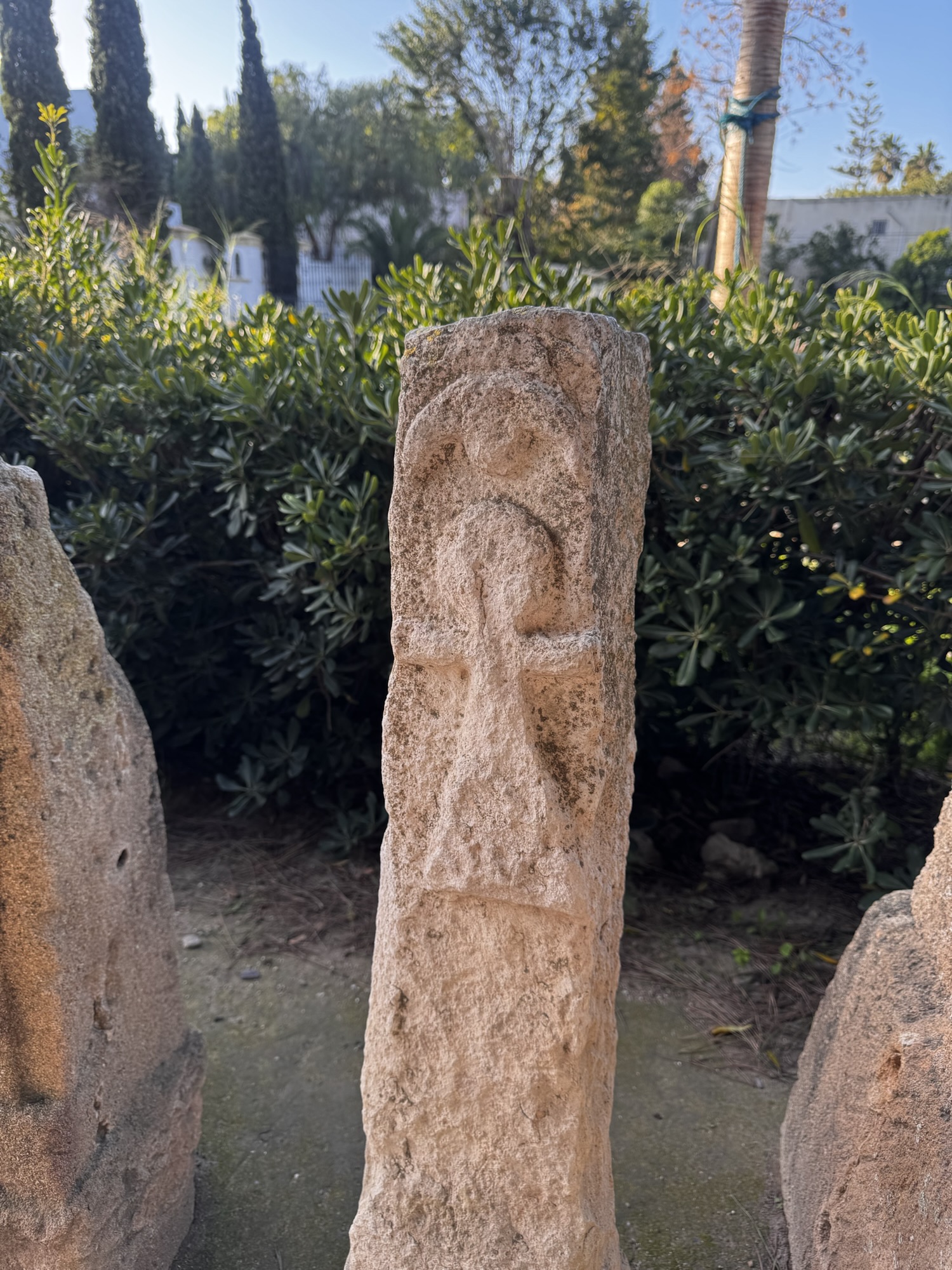
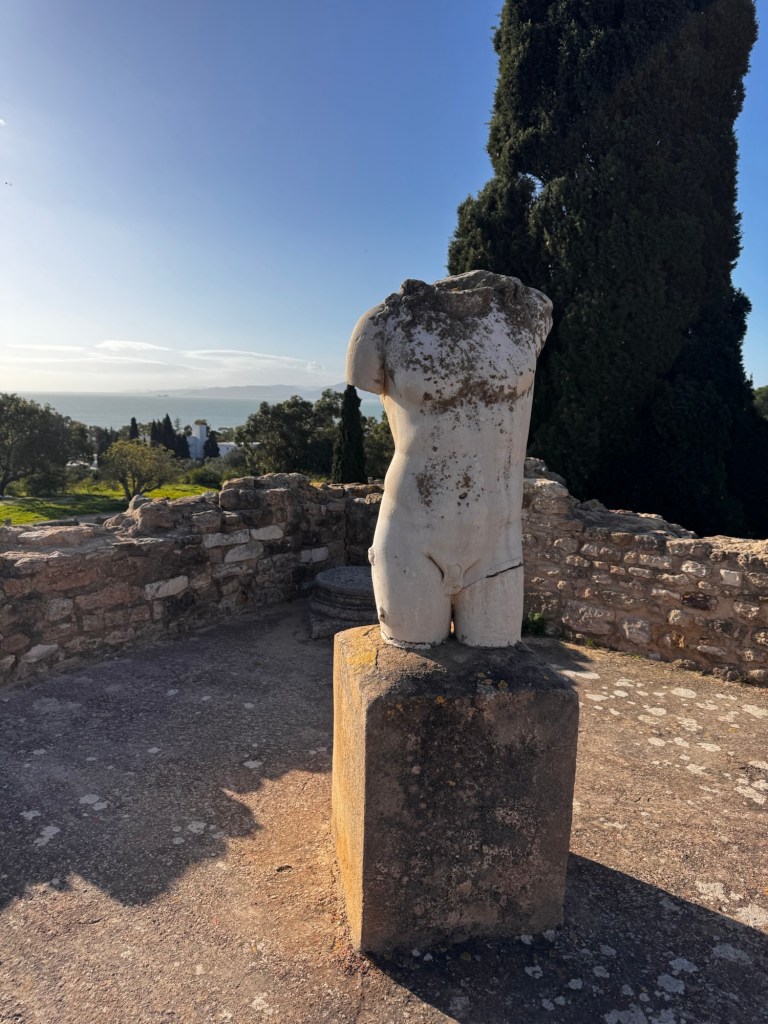
We started in Tunis. As someone who took the “how often do you think about the Roman Empire?” meme as a personal challenge, I was in my element — I’ve been mainlining books and podcasts about Carthage since booking the trip. The Bardo National Museum is extraordinary. Roman mosaics so intricate you can feel time stretching beneath them.
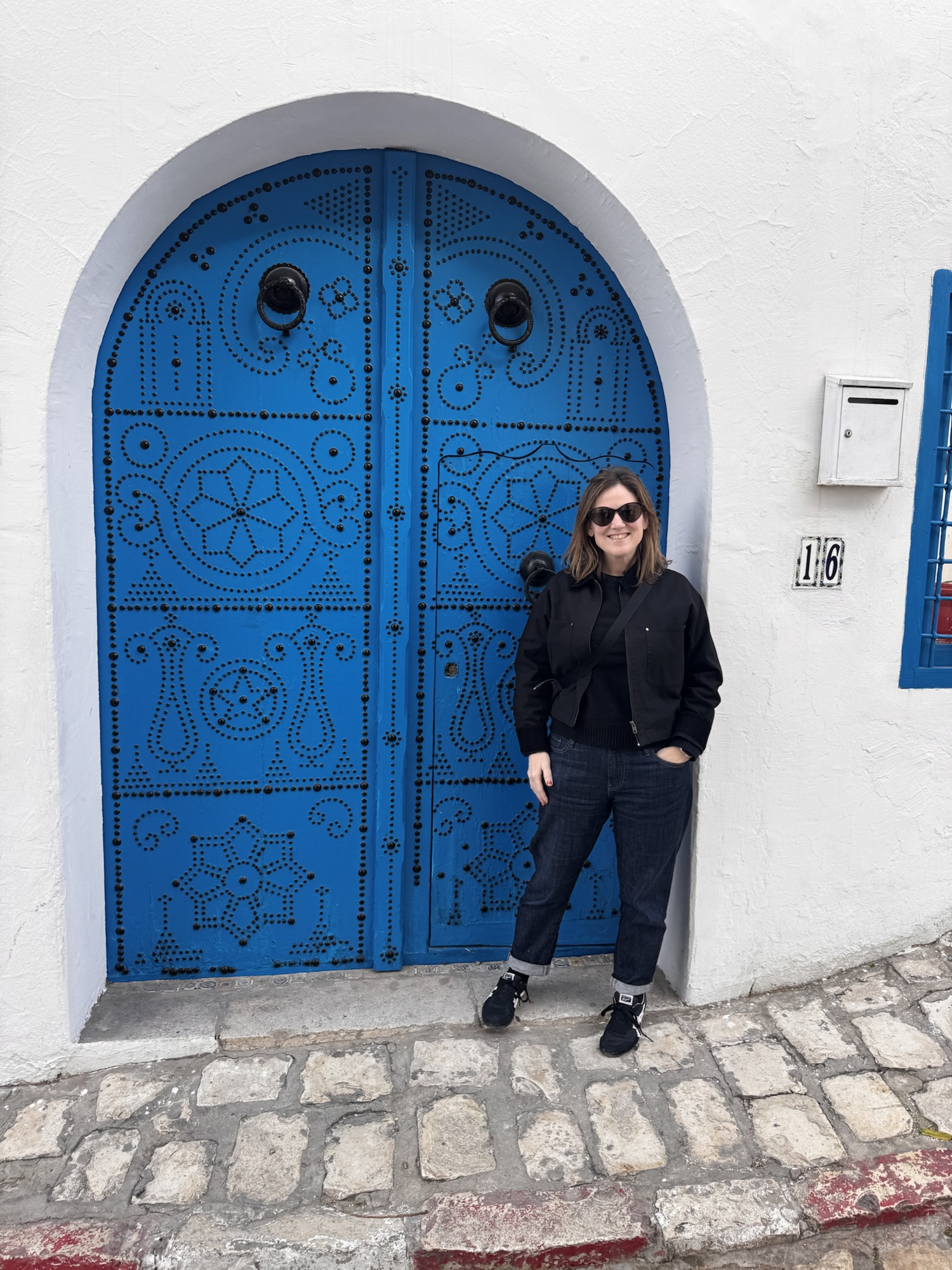
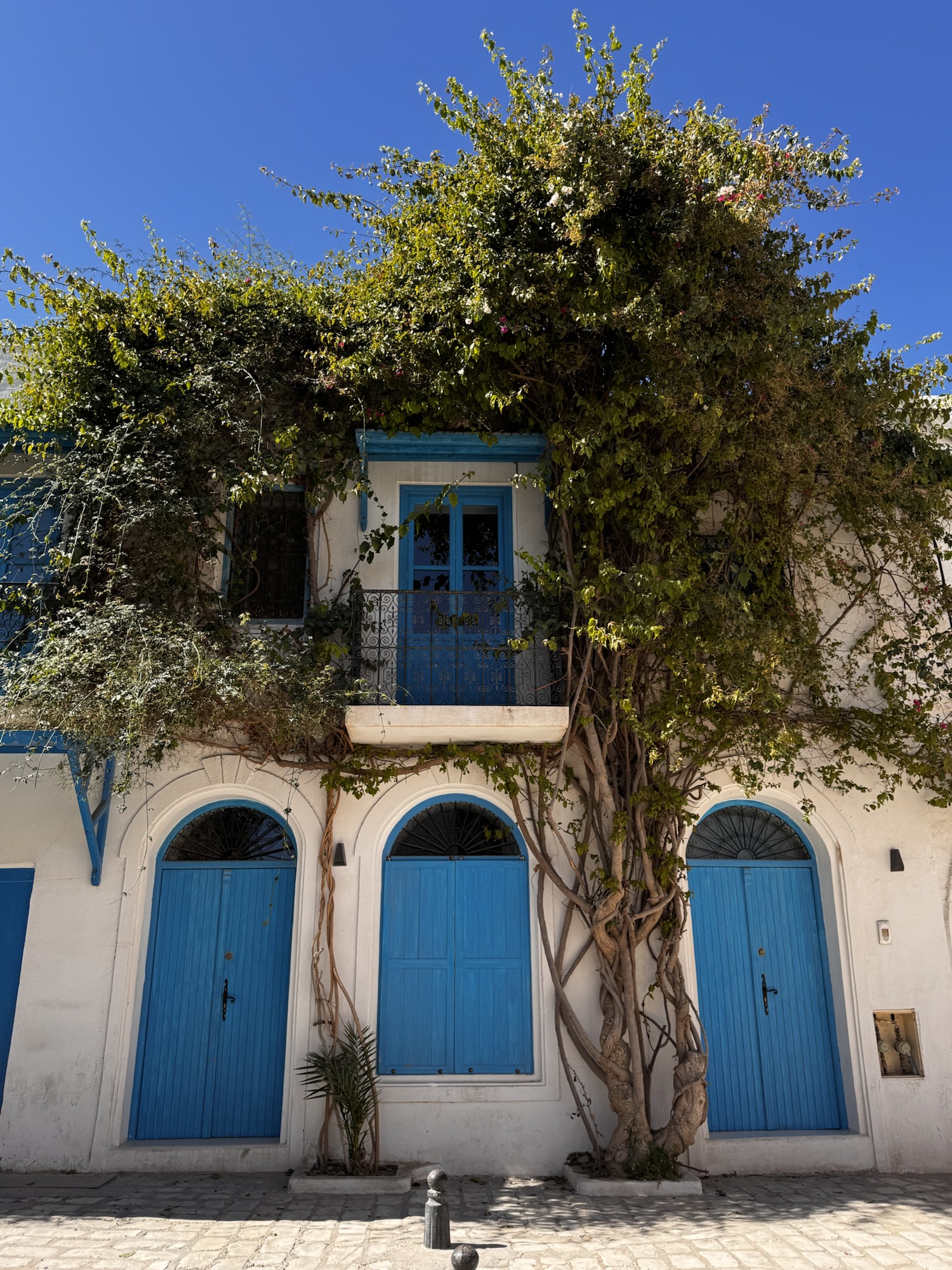
We swung by Sidi Bou Said, famous for its blue-and-white houses and, normally, its crowds. Visiting on day two of Ramadan, immediately after a landslide closed the car park, turns out to be an excellent crowd-management strategy. We had the place almost entirely to ourselves.
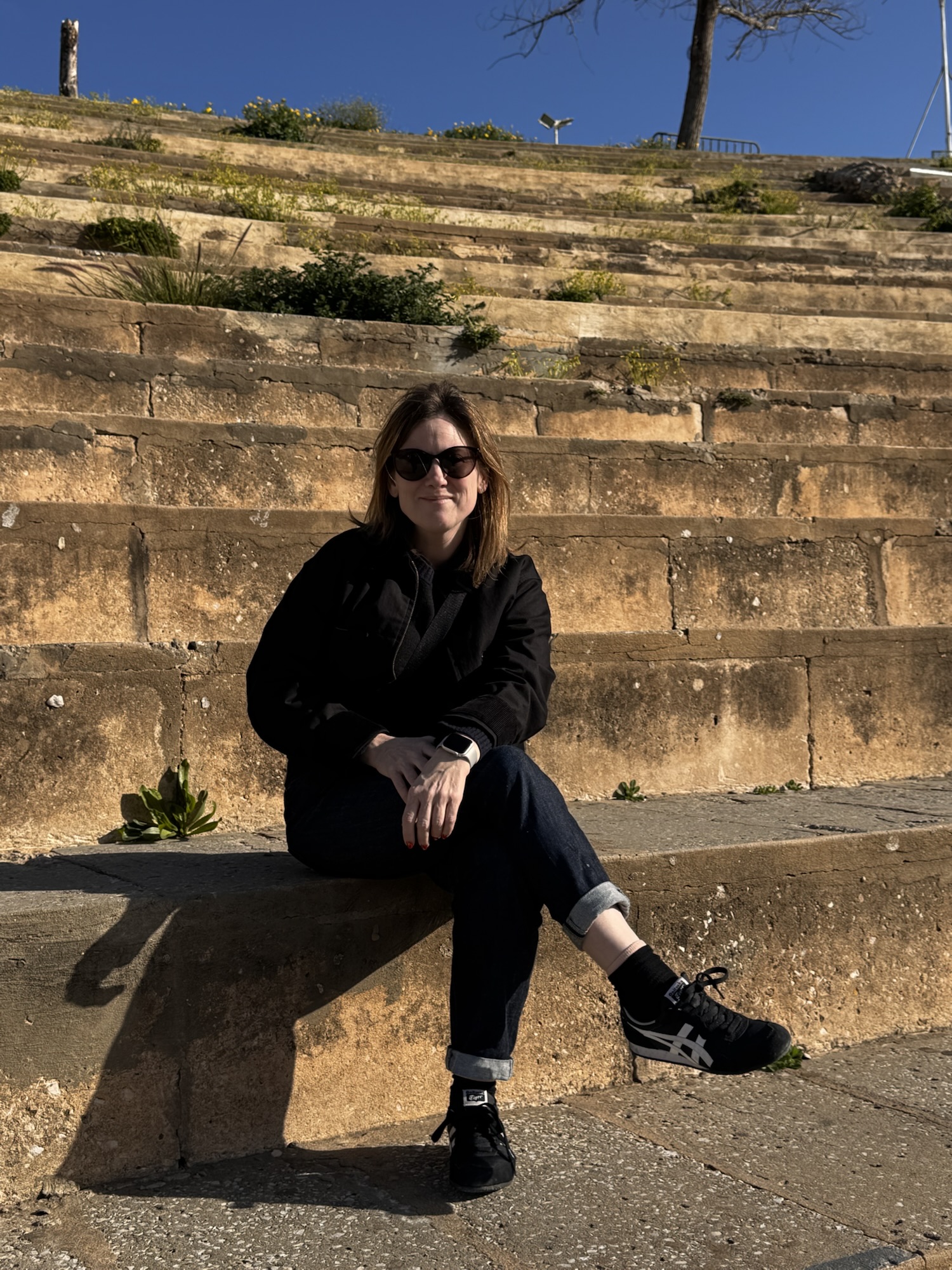
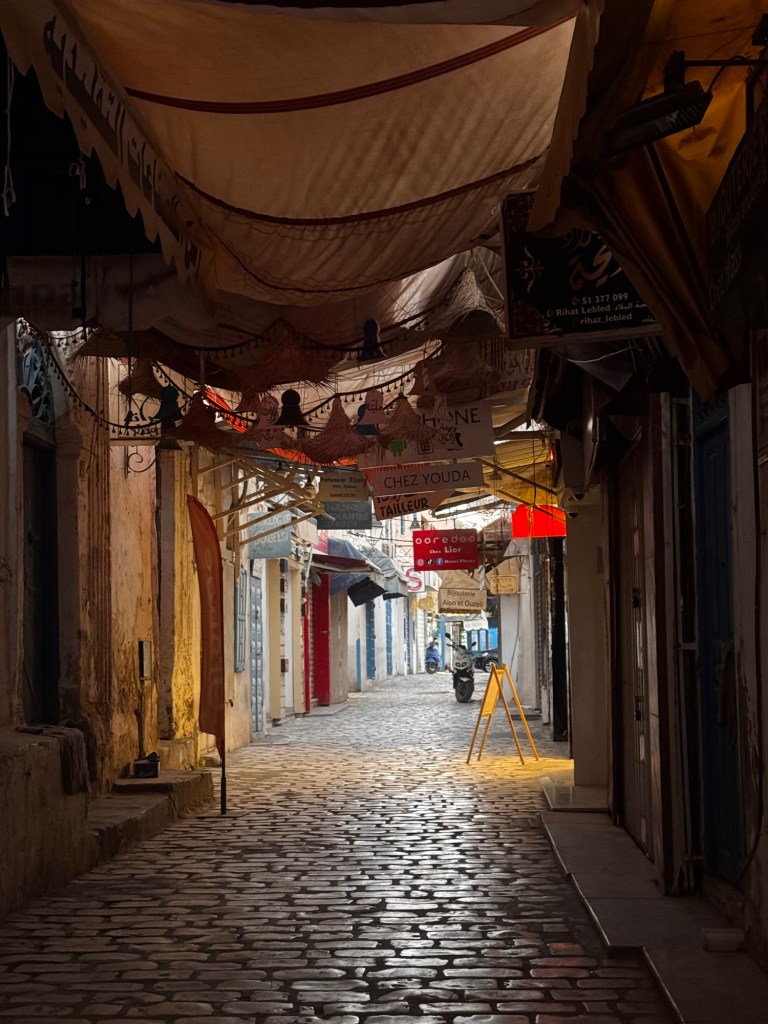
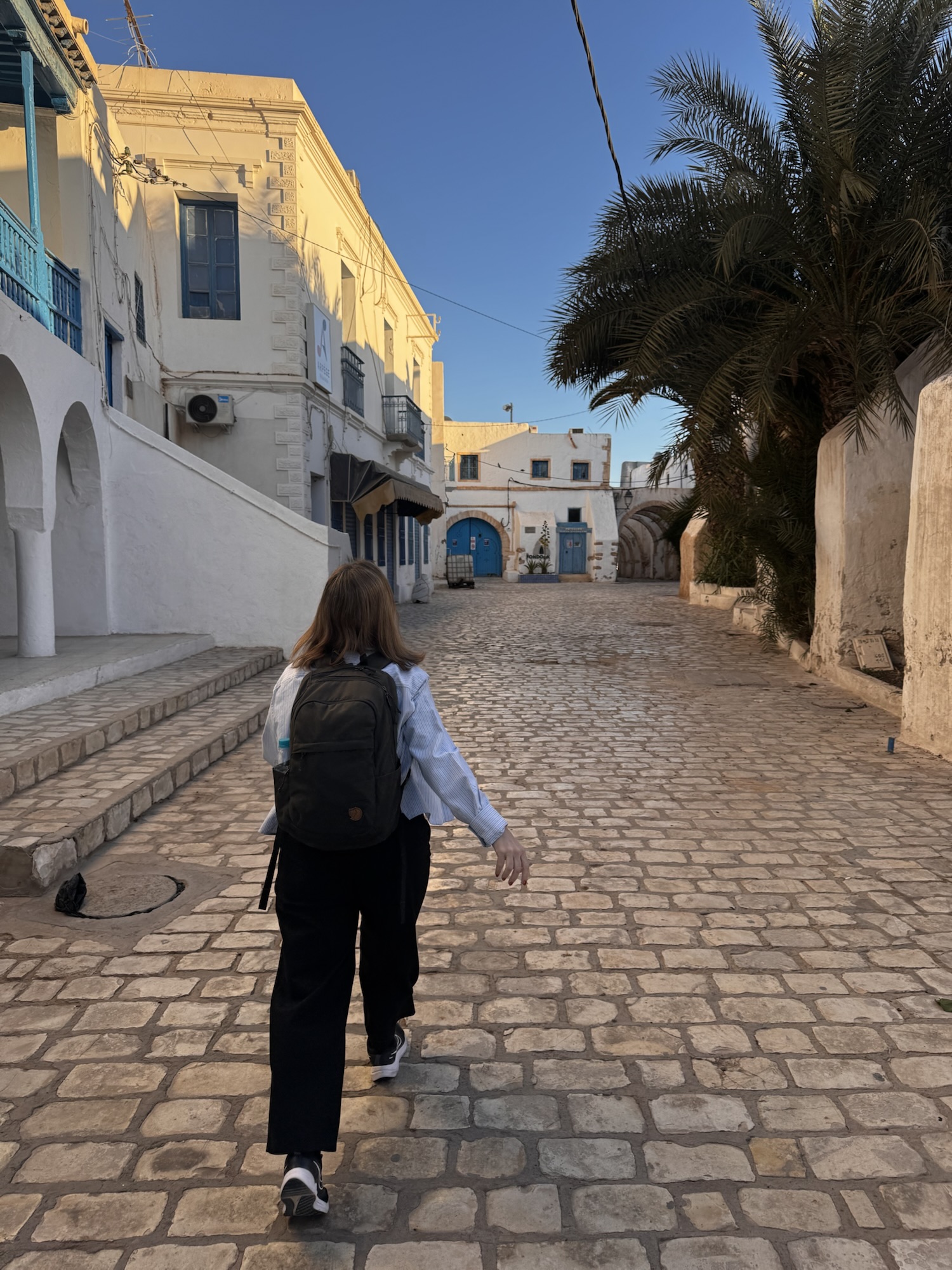
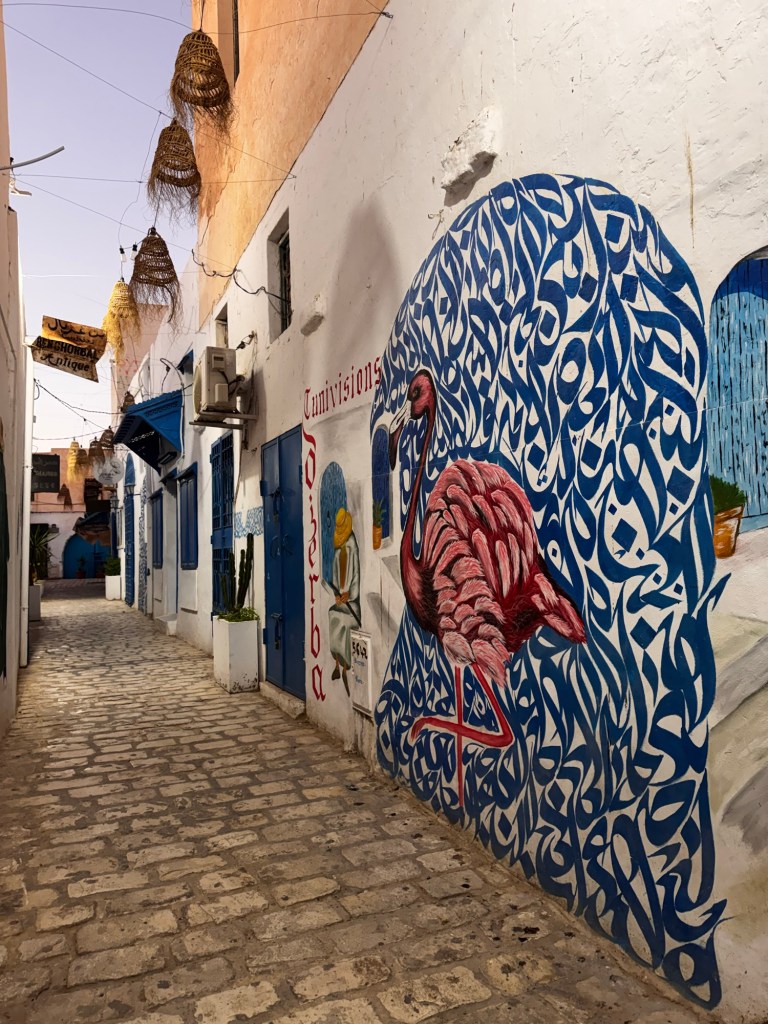
Then down to Djerba, where the Sahara meets the Mediterranean — medinas and minarets, long quiet streets, shutters down for Ramadan, giving the whole island a slightly dystopian, suspended-in-time feel.
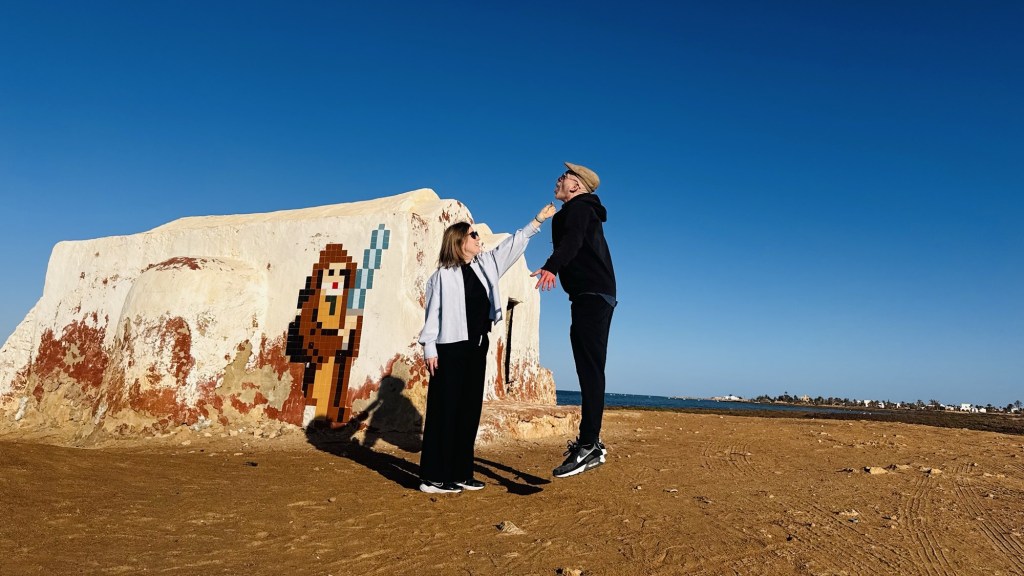
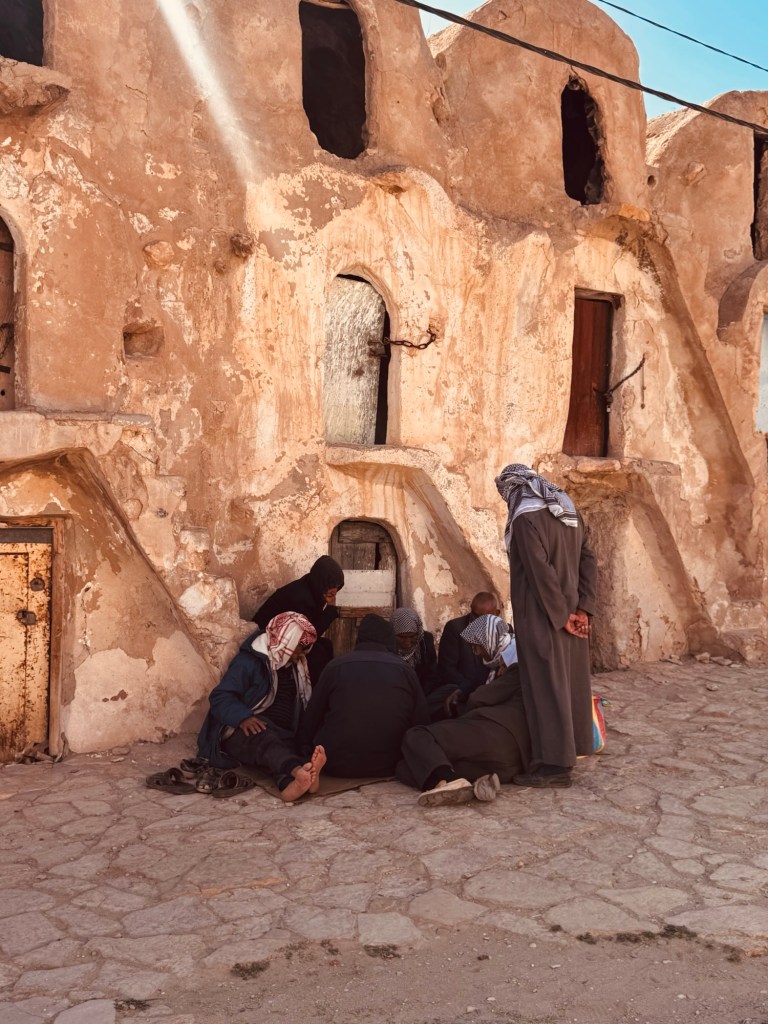
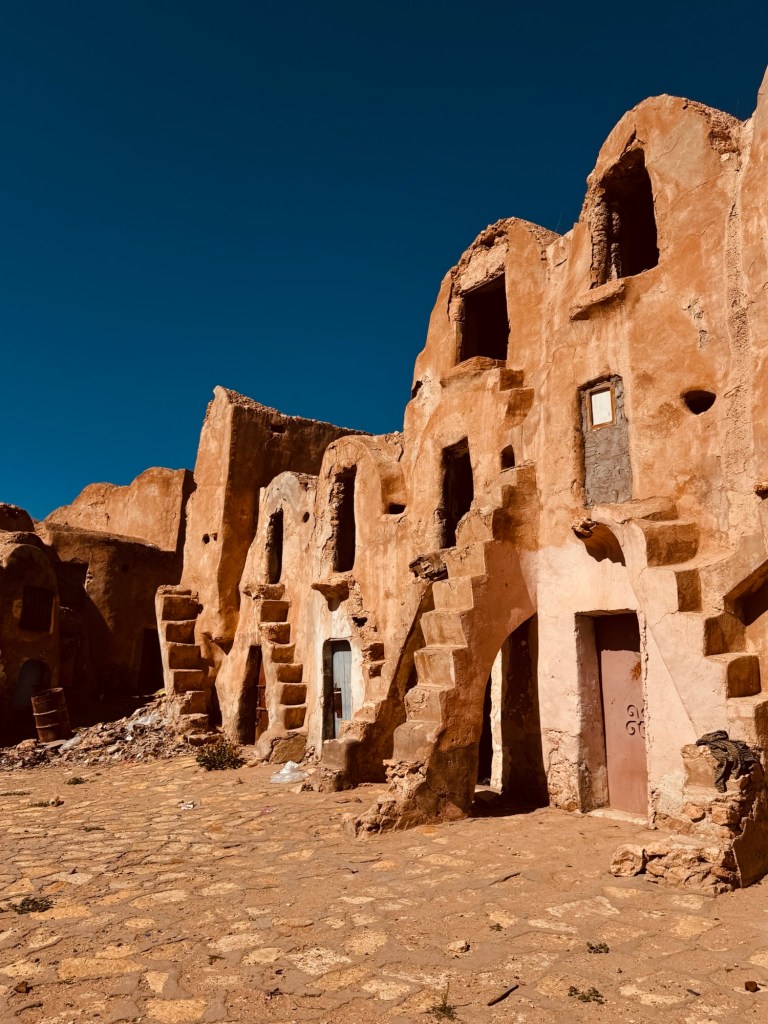
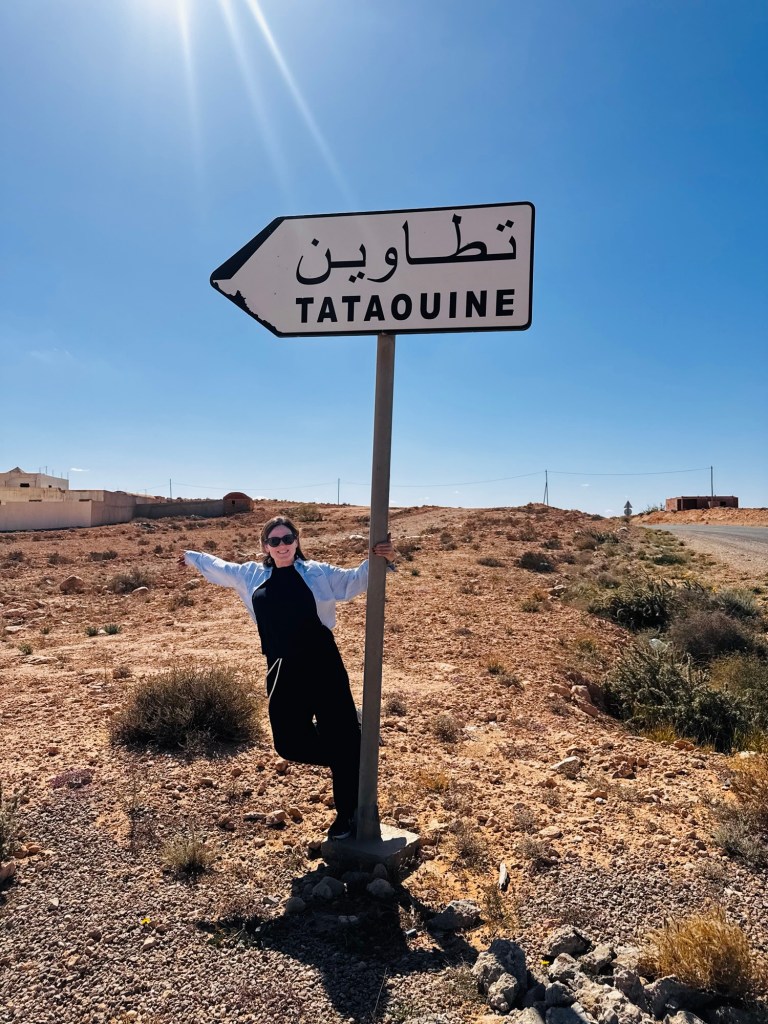
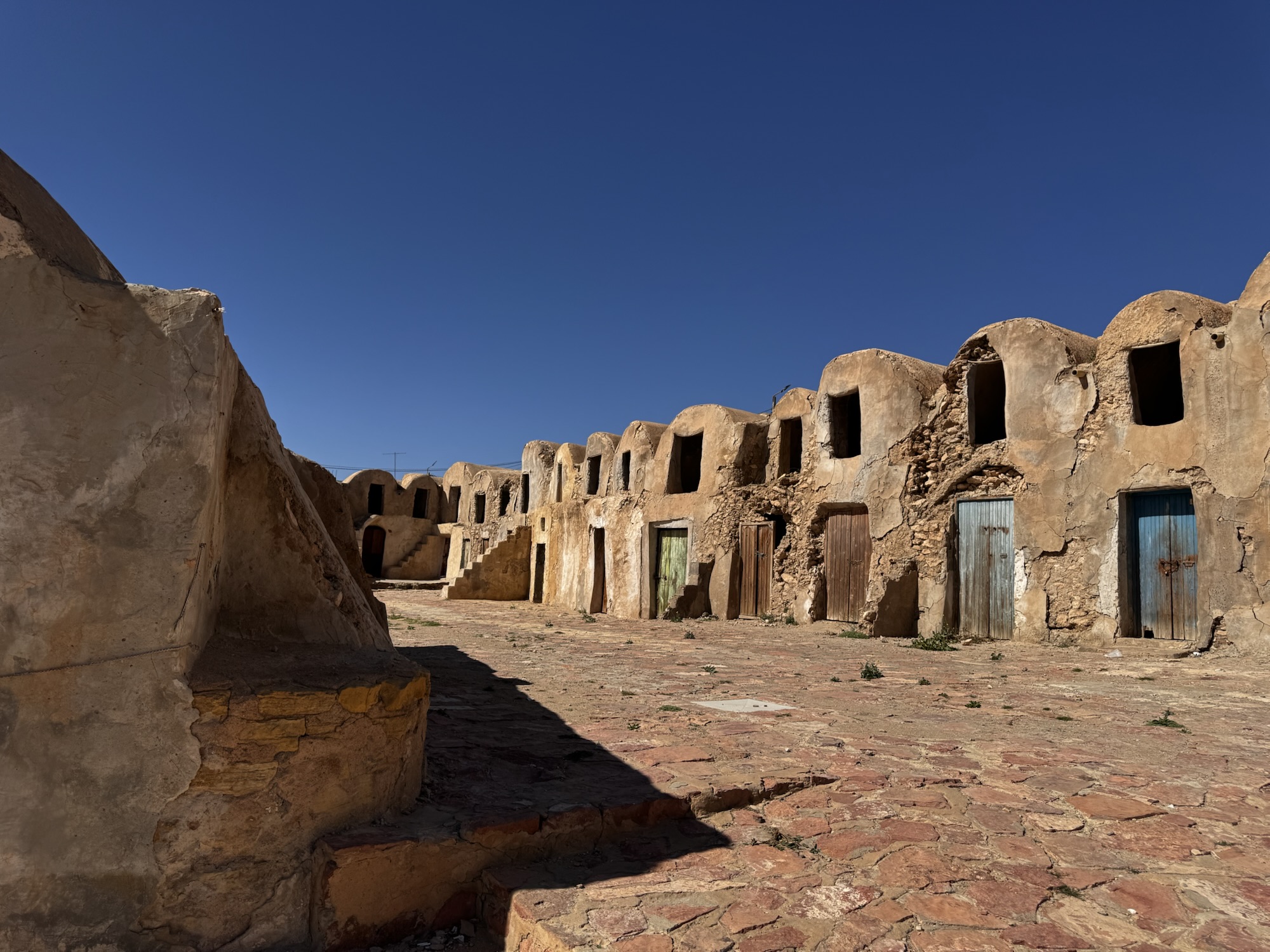
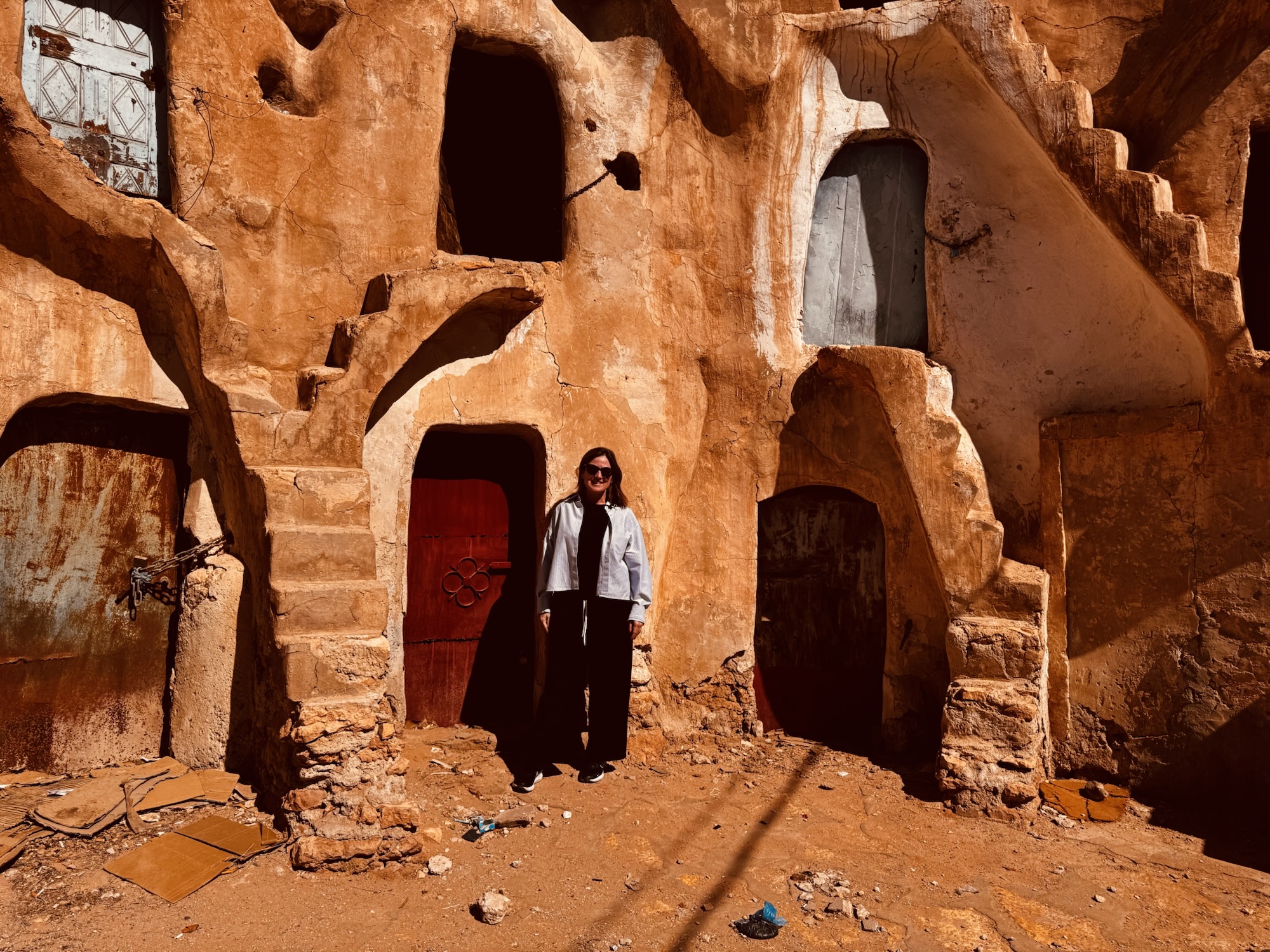
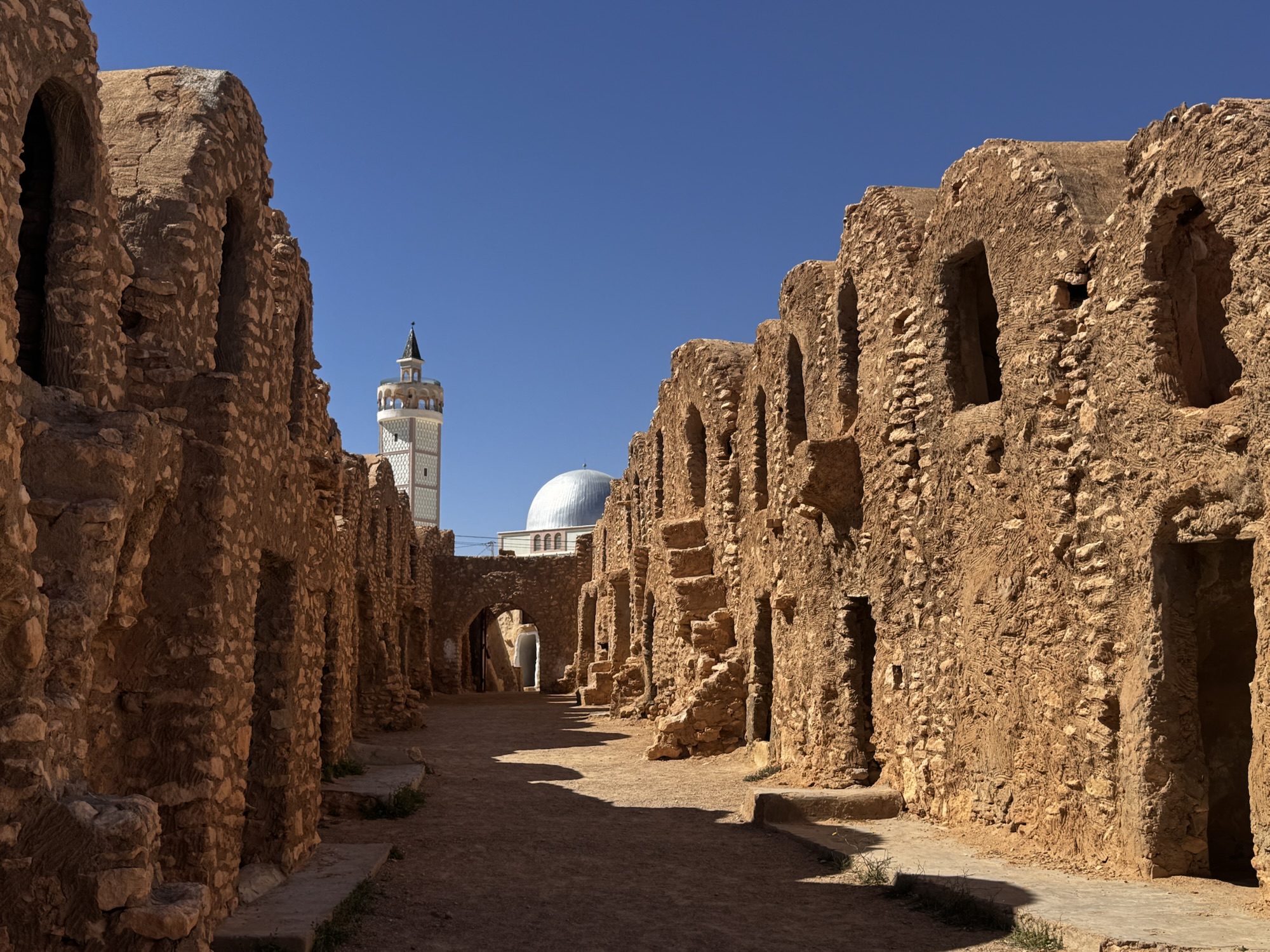
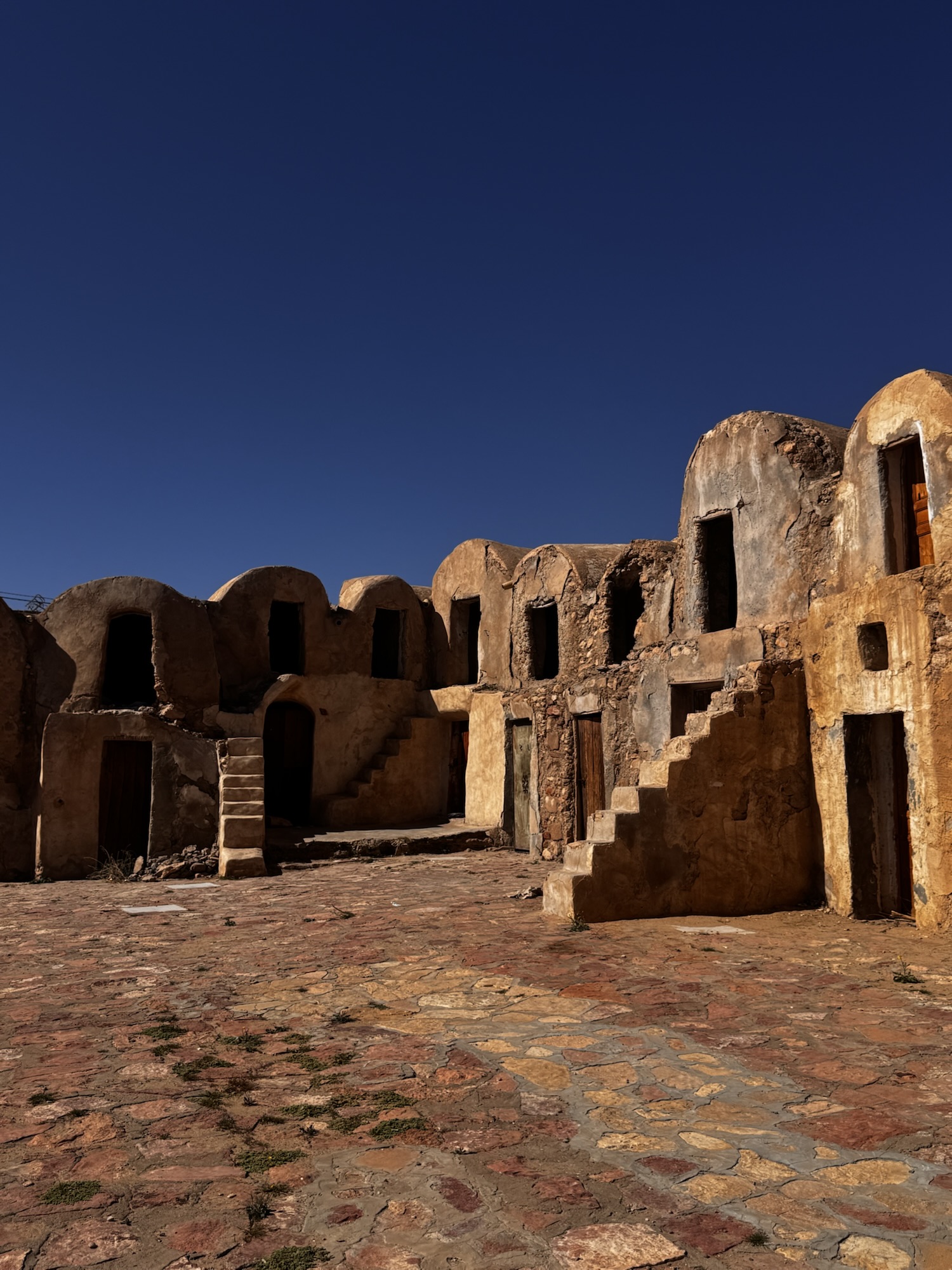
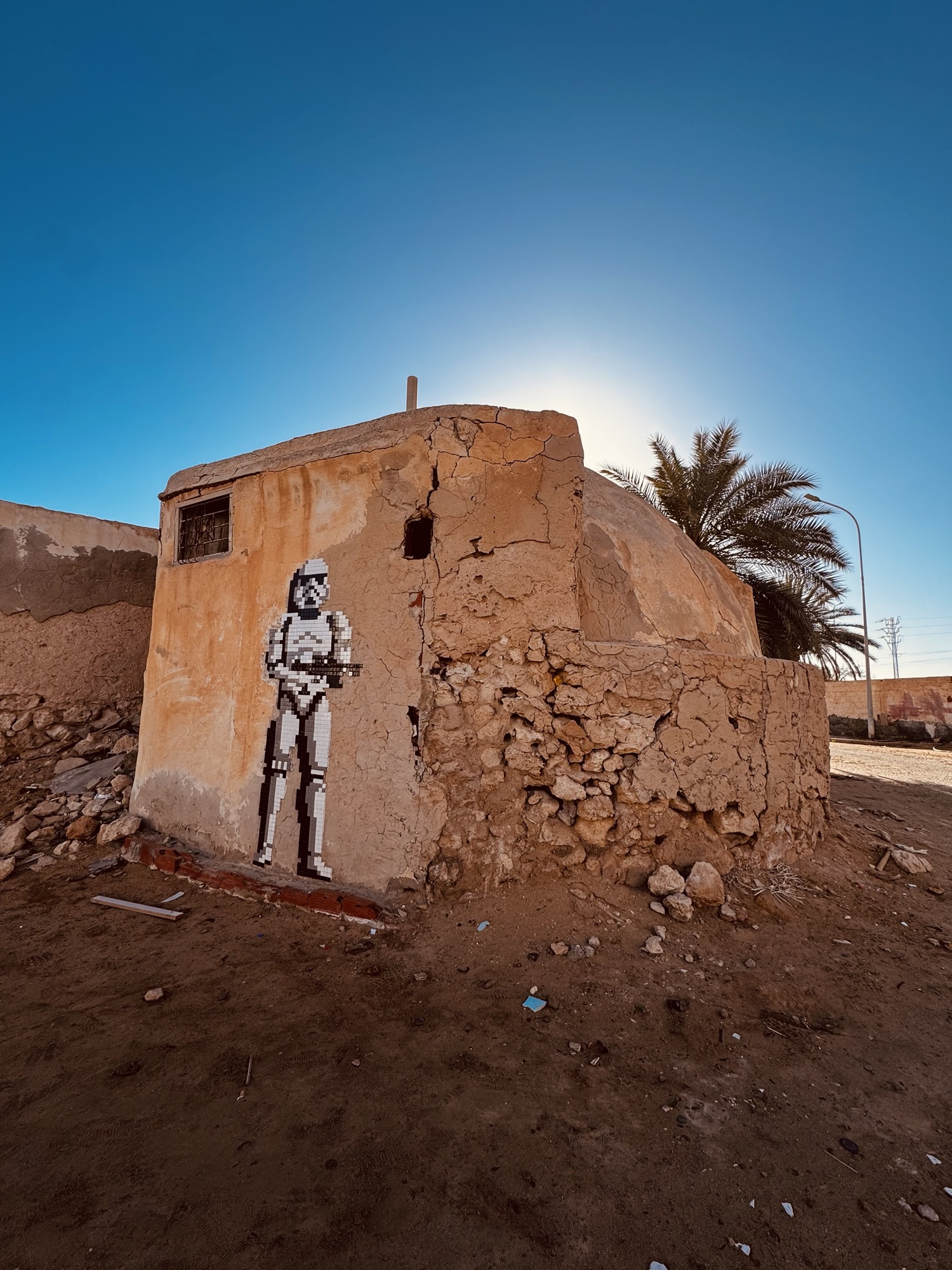
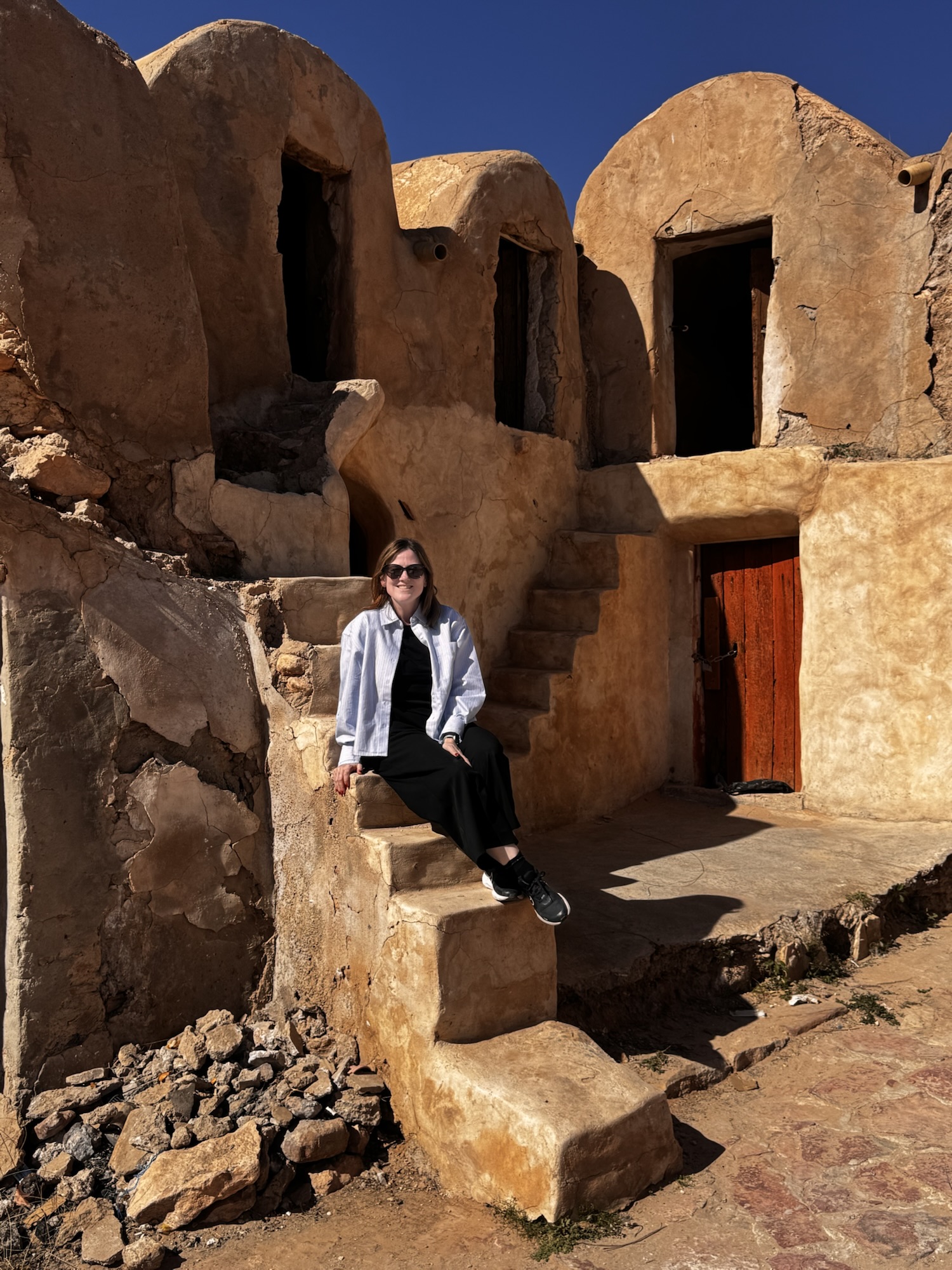
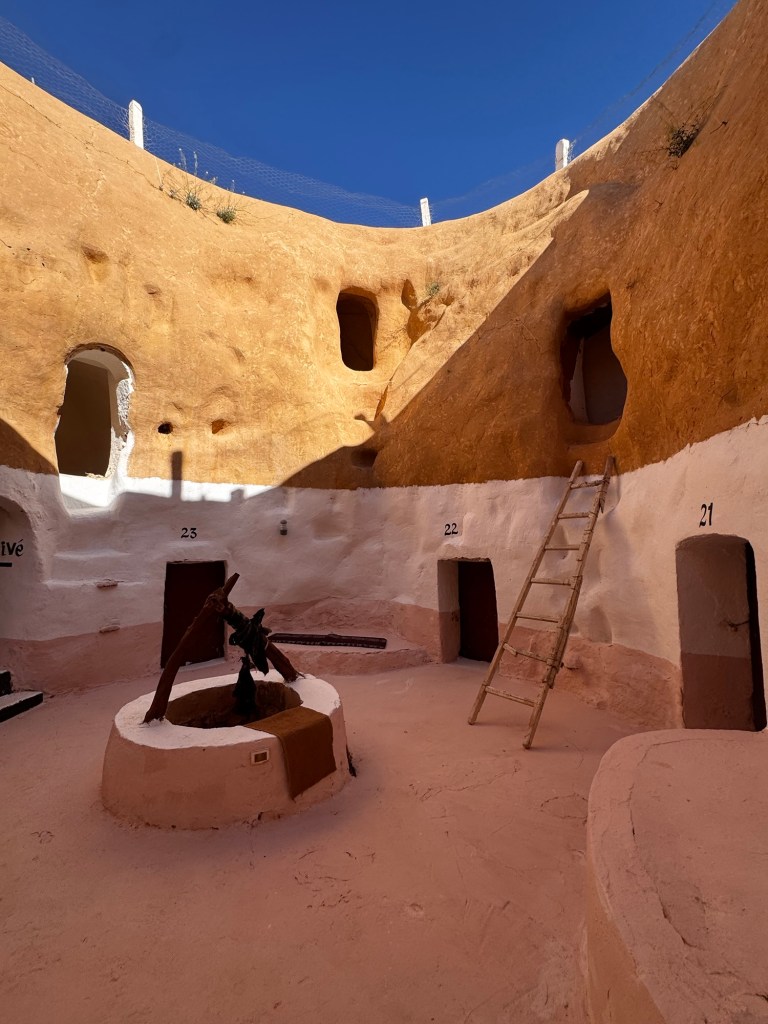
Sunday was the main event: heading inland towards Tataouine to explore the real-life locations that became Tatooine in Star Wars. Ancient Berber dwellings as Anakin’s lair. An abandoned bakery as Mos Eisley. Blue milk at the Lars homestead. An unnecessary amount of Force-wielding outside Obi-Wan’s house. I’m not a die-hard fan, but the landscapes are genuinely other-worldly — vast, sculpted, elemental. You can see why filmmakers looked at that horizon and thought: yes, this will do for another planet.
After a week thinking about quarks, dark matter and invisible forces shaping the universe, there was something oddly fitting about standing in the desert imagining twin suns.
This week in photos
 Sharon O'Dea