This week began, and ended, where Japan once met the world.
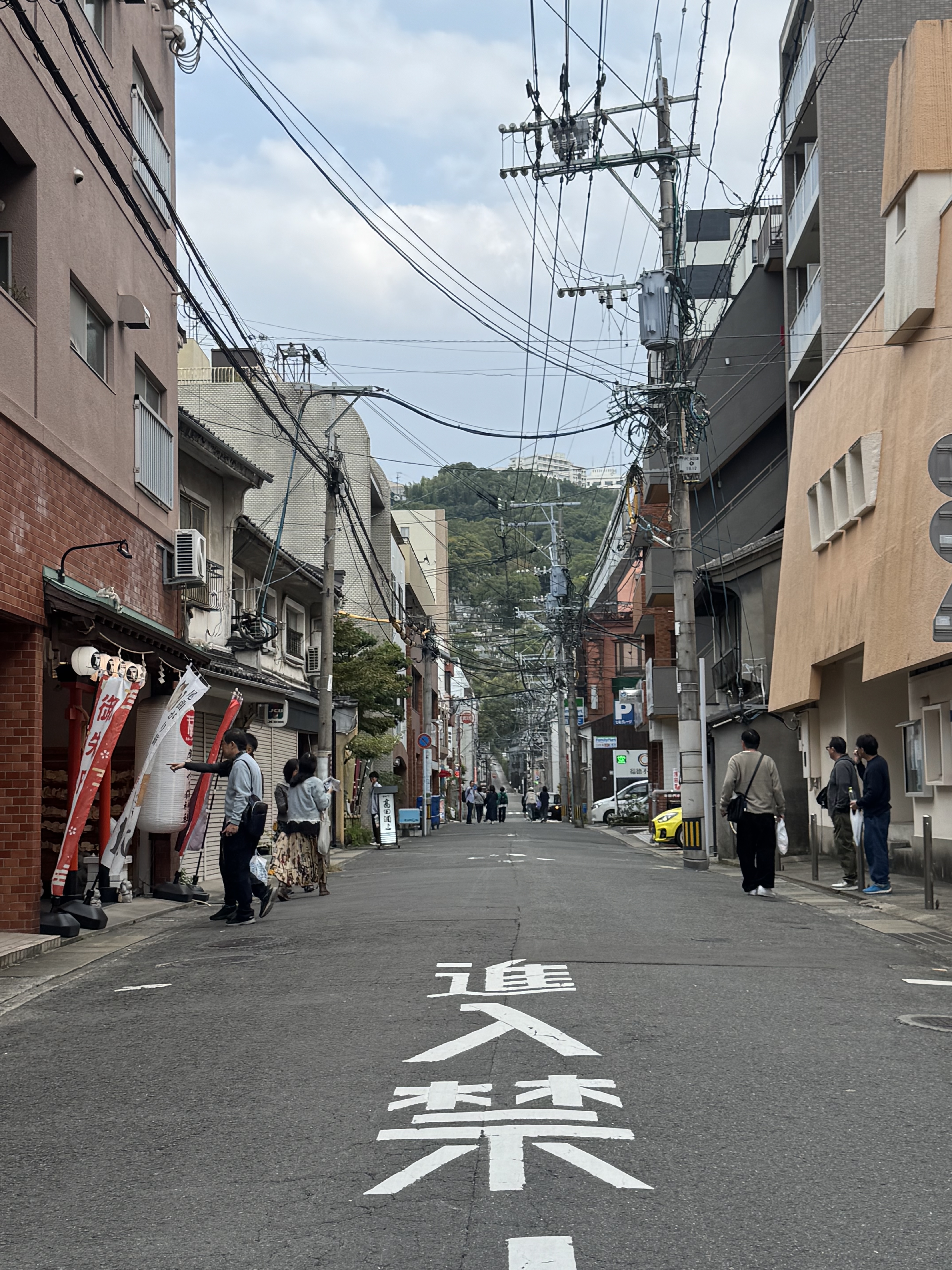
On Monday I joined a walking tour that began on Nagasaki’s Holland Slope, a steep street lined with stone houses built in a vaguely Western style. Unlike the northern half of the city, flattened by the atomic bomb, this area survived intact. From there we climbed to the old foreign settlement, where those same European influences linger in a scattering of beautiful but increasingly unfashionable hillside homes. Two centuries ago this was a rare pocket of openness. A place where Japanese and Westerners co-existed, warily but productively. The air smelled of camellias and salt. The views were heartbreakingly pretty. But many of the houses stand empty now, their owners long gone. Beautiful places without people.
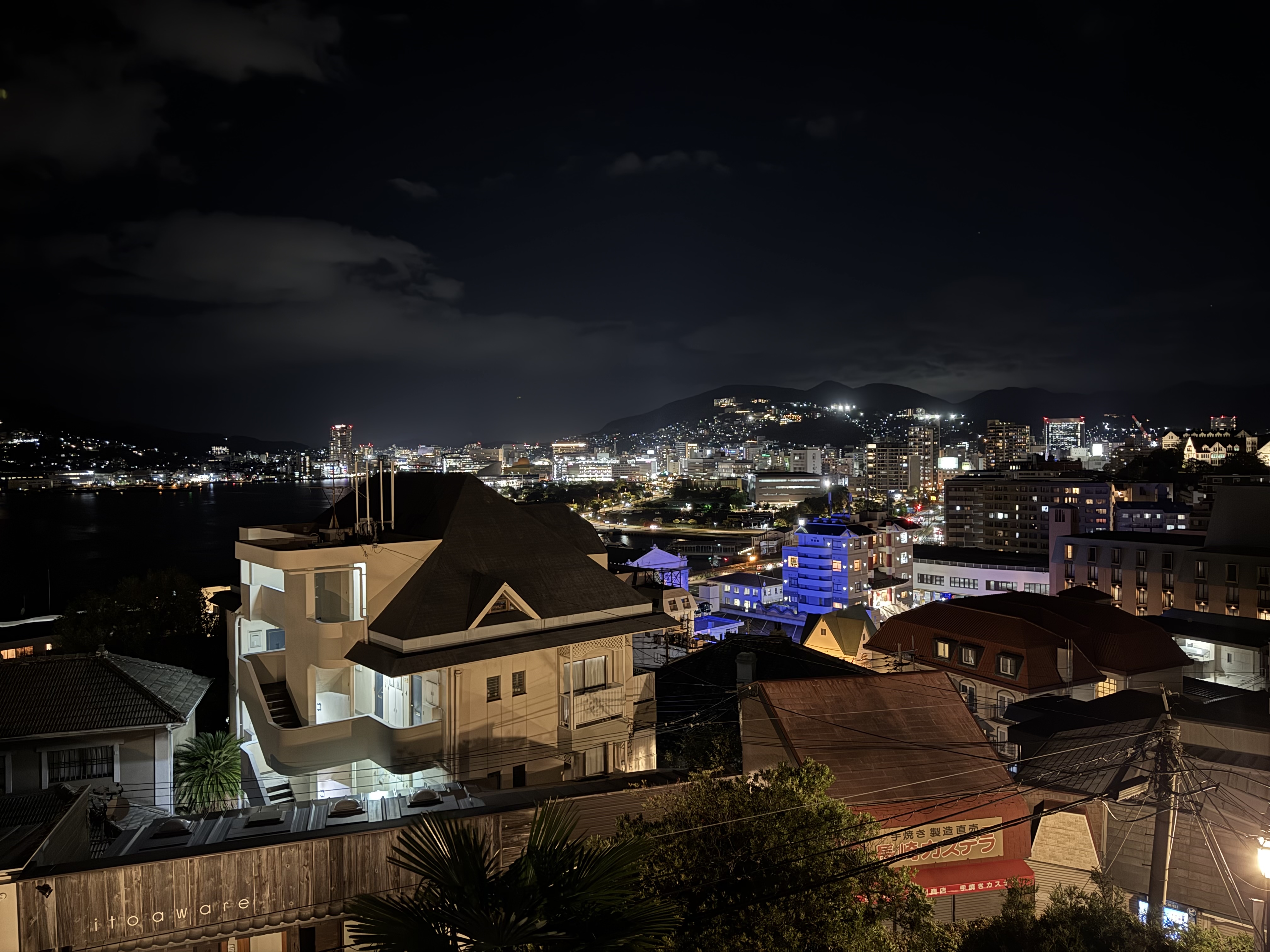
That night I walked up to Glover Garden and looked out over the harbour as the city twinkled below — one of Japan’s three best night views (though I’ve yet to find a Japanese city that doesn’t make that claim). From up there, Nagasaki looks vast and alive, not a place quietly losing its young to Tokyo and Fukuoka.
On Tuesday I visited the Twenty-Six Martyrs Museum, which marks the spot where 26 believers were crucified after Japan decided foreigners were less opportunity than threat. Even for someone as devoutly irreligious as I am (I got ‘ungraded’ in my RE GCSE, which I suspect makes me a statistical anomaly in both Britain and Japan) it was oddly affecting. The museum is small, restrained, and unmistakably clear in its message: at times, this city welcomed new ideas; at others, it nailed them to a cross. “Openness”, it turns out, has always come with terms and conditions.
Later, from a co-working space overlooking the football stadium, I met a local entrepreneur building clever, local solutions for a future with fewer people. Our conversation — and a viral LinkedIn post that followed — circled the same theme: how societies adapt when the gates start closing.
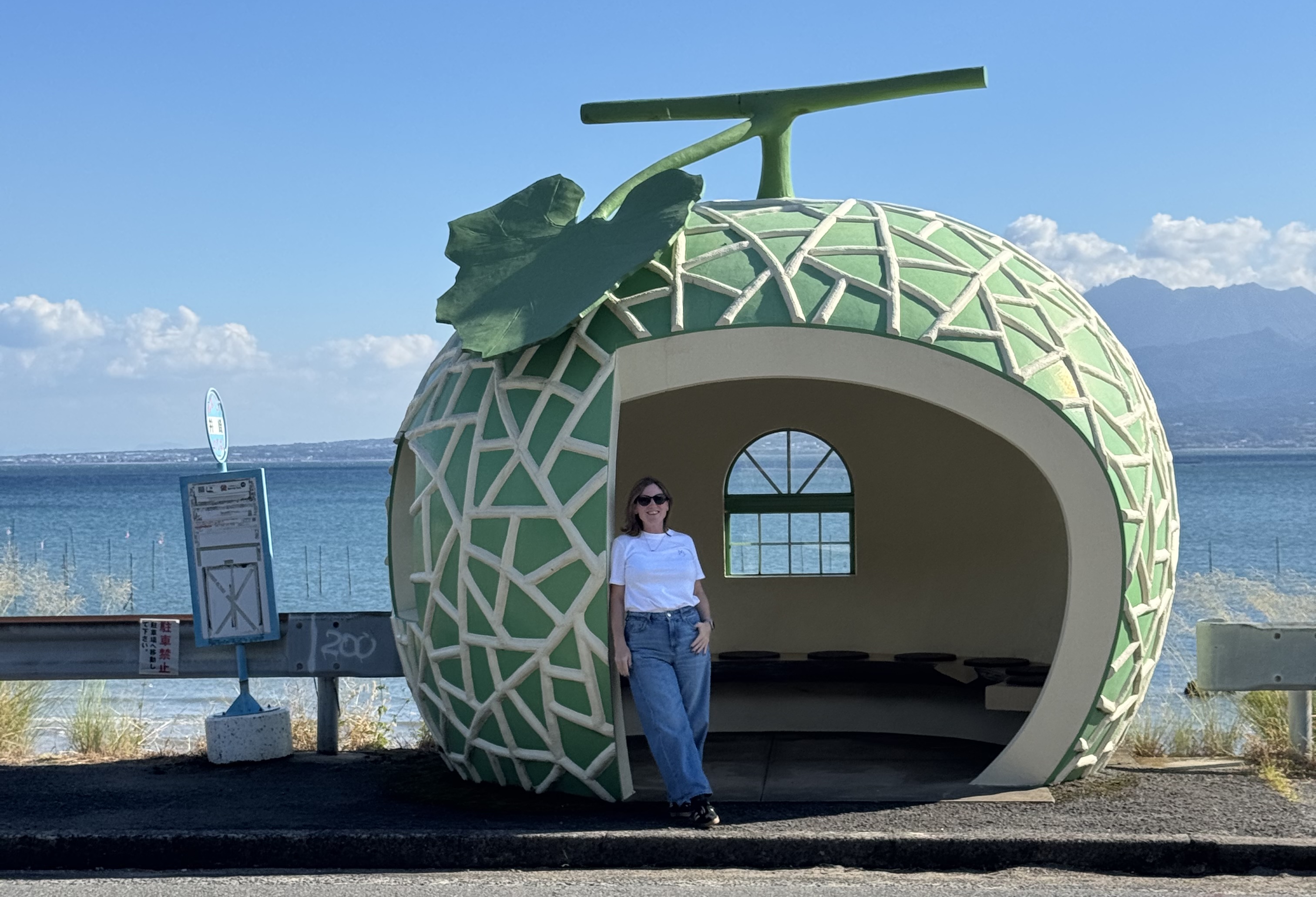
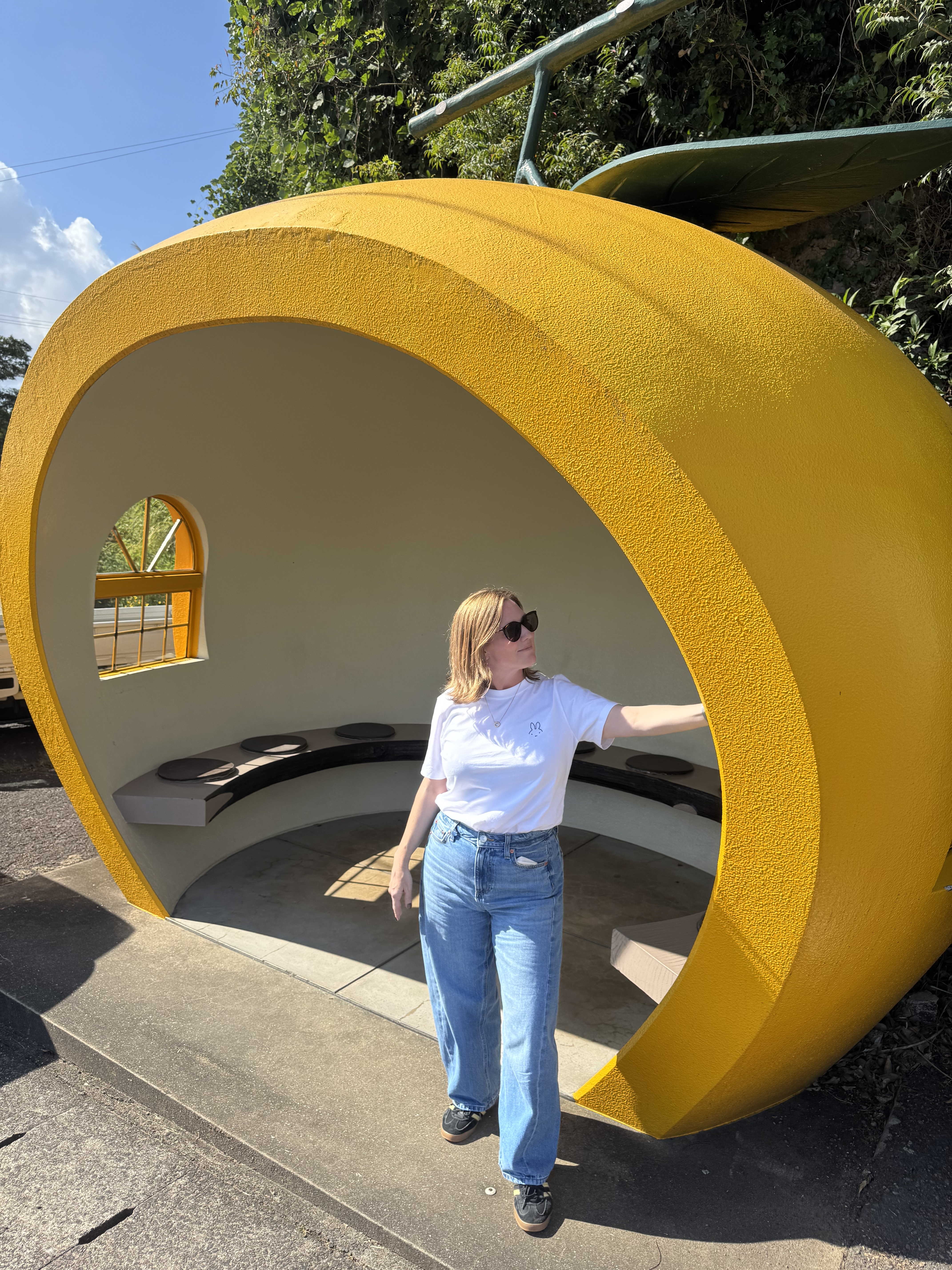
The rest of the week blurred between rooftops and basketball games, onsen and Halloween costumes. Proof that even in decline, a city can still have fun. One afternoon I took a trip up the coast to see a series of fruit-shaped bus stops (mandarins, strawberries, melons) built in the 1990s for no reason other than civic whimsy. A perfect, pointless joy.


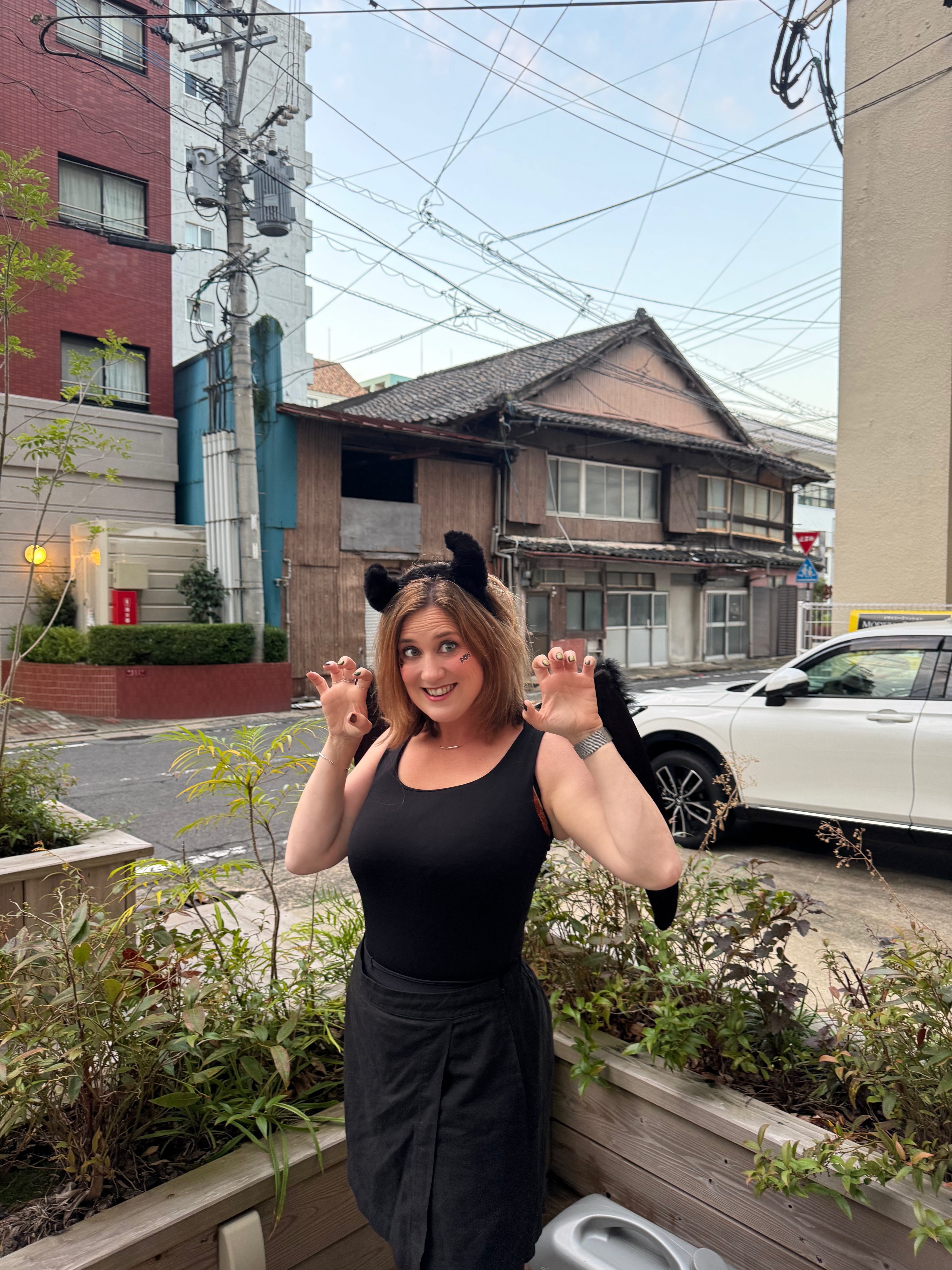
At a weekend Halloween party, a swarm of small, costumed children buzzed with ideas, enthusiasm and an excessive intake of sugar. Watching them, I couldn’t help wondering: when does that curiosity wear off?

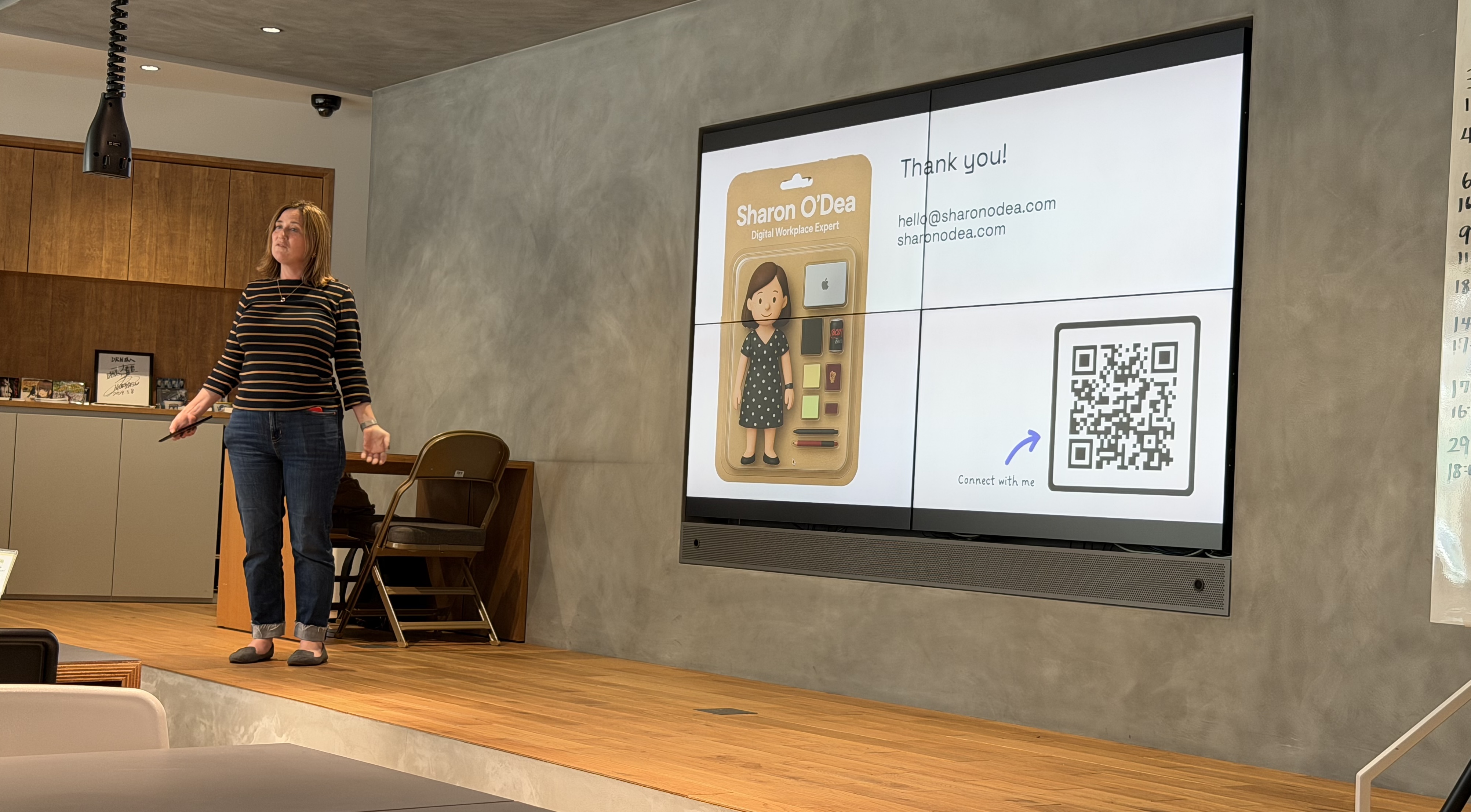
The next evening brought Nagasaki Canvas, a monthly gathering of locals trying to re-imagine their city’s future. The facilitator shared a statistic that stopped the room: Japanese adults spend just 13 minutes a week learning (compared with more than 100 in China). Over half do none at all. After graduation, curiosity apparently clocks off. In a culture where jobs are secure but unfulfilling, and advancement depends more on age than ability, perhaps there’s little incentive to keep learning.
It struck me because, just last month, I spent an hour on a podcast — The Company You Keep — talking about my own wiggly career path and all the people who’ve nudged, mentored, or occasionally derailed me along the way. If I’ve learned anything, it’s that curiosity is rarely efficient but always generative. I can’t imagine giving it up after graduation.
That same evening, someone at Canvas pointed out that the Digital Nomads programme I’m part of exists precisely to counter that — to bring in outsiders, new ideas, and different ways of living and working. A kind of 21st-century Dejima experiment, but with better wifi and a flawless Instagram aesthetic: drone shots of beaches, latte art, and neatly captioned transformation stories. We’re here to model a different future; one where you can work from anywhere, learn constantly, stay open.
Still, it made me wonder how easy it really is to escape deeply held expectations and culture, even when the door’s wide open. Because openness isn’t just physical; it’s mental. And those gates can be harder to spot.
Maybe that’s the quiet tragedy: when curiosity stops being rewarded, we don’t just lose new ideas —we lose the muscle that made them possible.
By Sunday I was walking through the reconstructed streets of Dejima, the man-made island where foreign traders were once confined. The exhibits are immaculate, the streets spotless, the story neatly told. Even curiosity has been restored, curated, and contained.
Everywhere I went this week, Nagasaki seemed to ask the same thing I ask myself more often than I’d like: how do you stay open in a world that rewards staying safe?
This week in photos




 Sharon O'Dea