This week swung between solemnity and silliness. Running down hills like a kid one day, weeping in a peace museum the next. Japan has a way of pulling you into the present: the light shifting over the Onidake hills, the hum of the ferry engine, the precision of a plastic lettuce leaf. I’ve realised that wonder doesn’t live in grand gestures, but in paying attention. To history, to people, to the unexpected joy of learning something new every day.
On the Goto Islands, I learned about the Hidden Christians who practised their faith in secret when it was banned. Centuries of silence, survival, and small acts of defiance, told through the weathered walls of Gozaki Church. Then, an hour later, I was in a tiny distillery tasting gin and running down a volcano at sunset, laughing like a child. That’s Japan in a nutshell: reverence and play, often in the same breath.

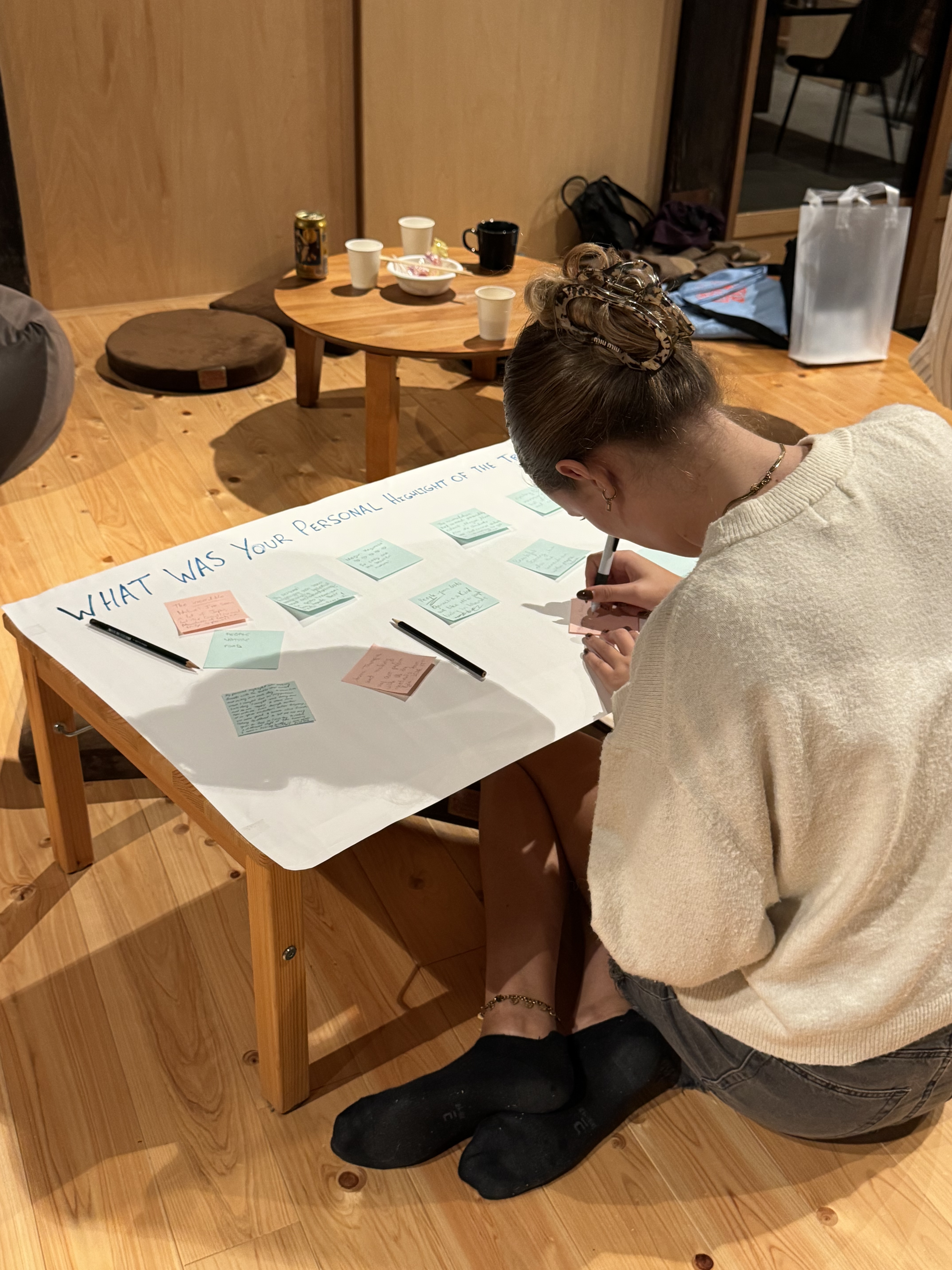
That evening, at Ako House (the beautifully restored old home we’d been staying in) I somehow found myself running an impromptu workshop. The team needed to gather feedback from our digital nomad group for the programme organisers, and fast. So out came the flipchart paper and markers; within minutes I was scribbling objectives, framing questions, and herding participants like it was a Tuesday in a London boardroom rather than a tatami-floored home in rural Japan. It reminded me that the craft of facilitation — starting with the outcome, working backwards from the constraints, adapting to the people in the room — works anywhere. I prefer more than an hour’s notice, but it turns out I can pull it out of the bag if I have to.


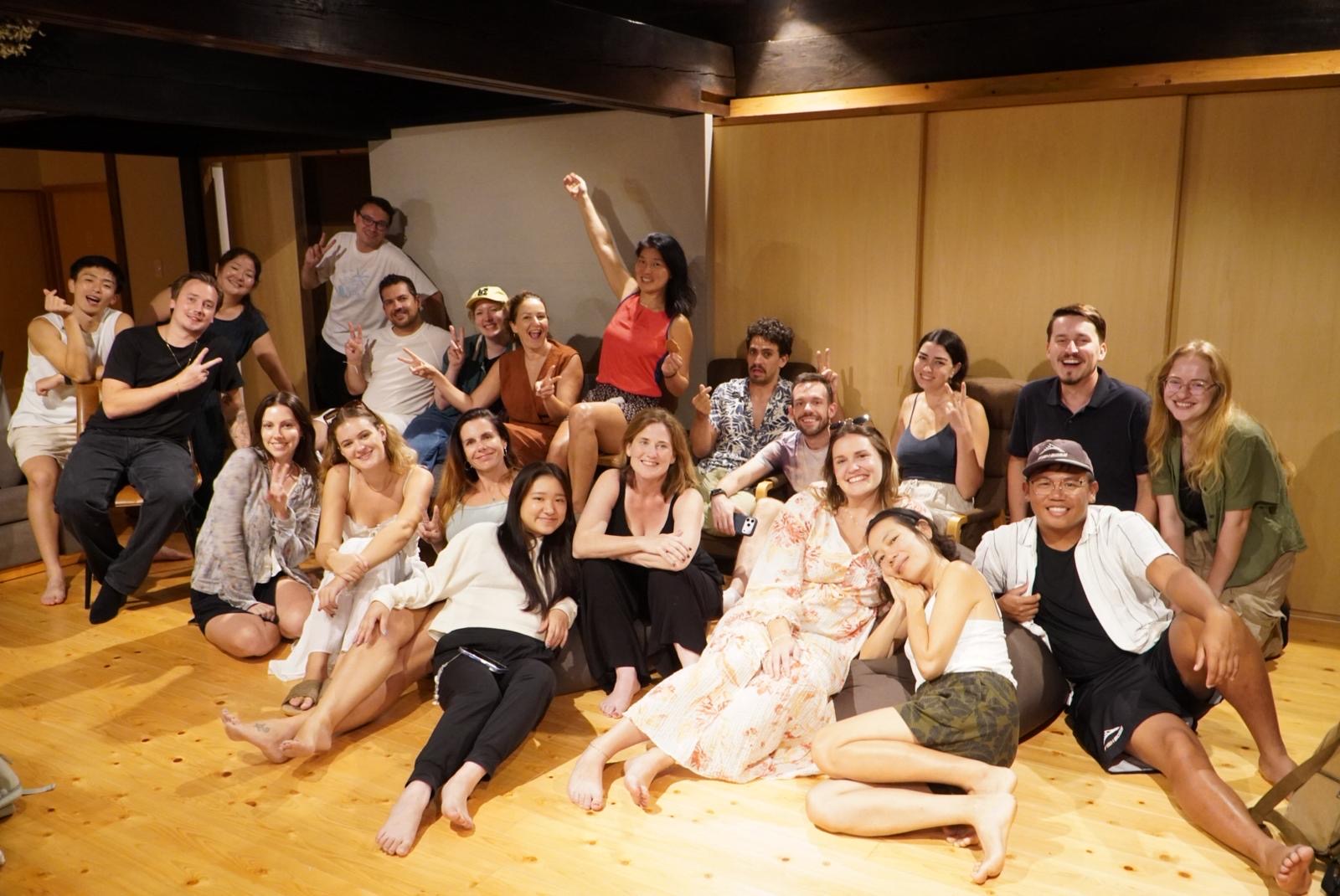
When bad weather cancelled our ferry, we took the slow boat back to Nagasaki instead — a cavernous hall where everyone simply curled up on the floor with blankets and napped. Absurd, communal, oddly peaceful. Plus as a bonus I caught another stunning sunset over the islands as we left.

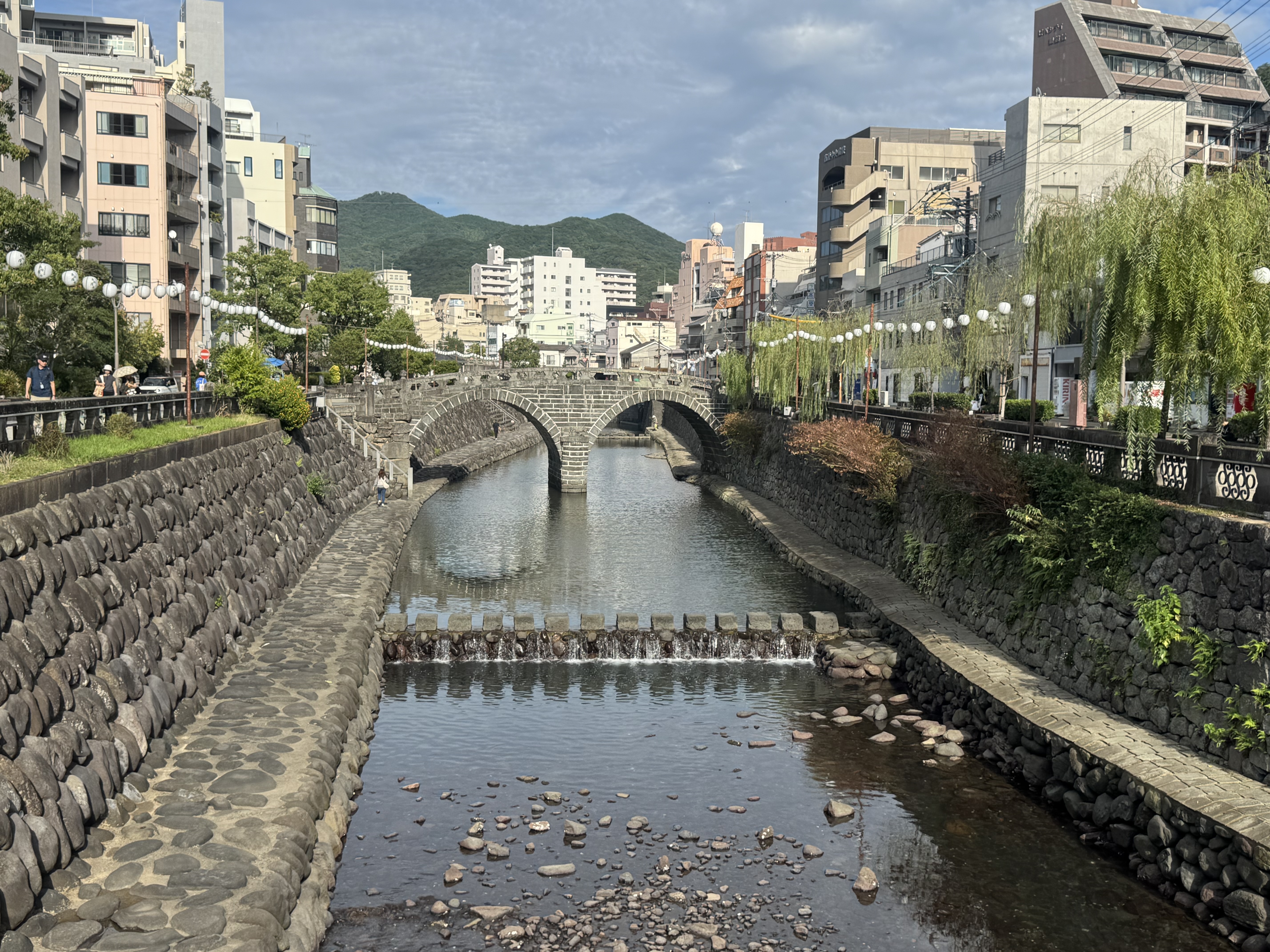
Back on the mainland, I toured Nagasaki’s improbably numerous coworking spaces, then spent the evening listening to Dr Brian Burke-Gaffney trace the city’s long history as Japan’s window to the world. He spoke about how trade made peaceful coexistence possible — how exchange, not isolation, sustained the delicate balance between cultures during the Meiji period. A timely reminder, as barriers to trade seem to rise again elsewhere: Brexit, tariffs, walls, and fears.
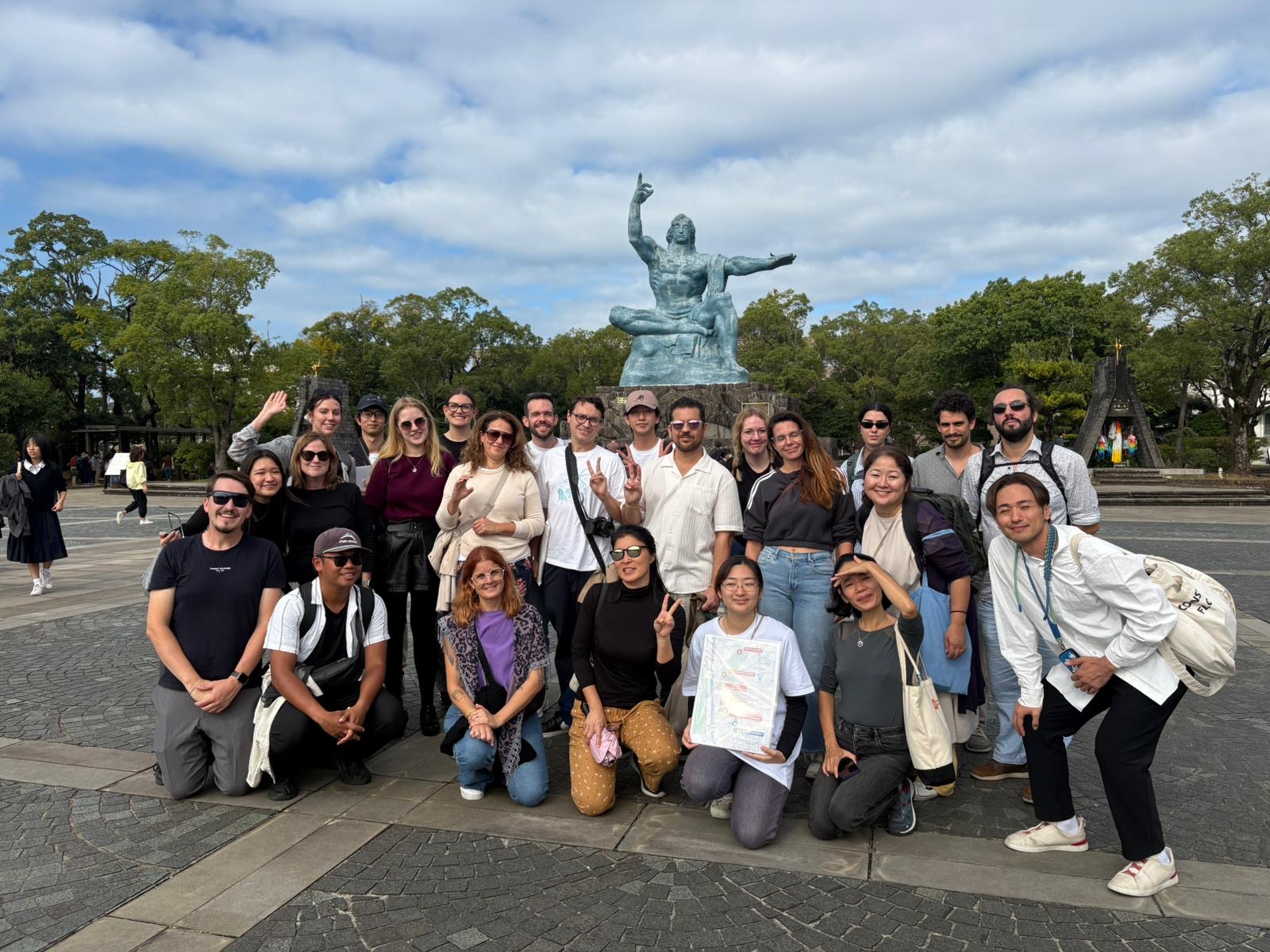
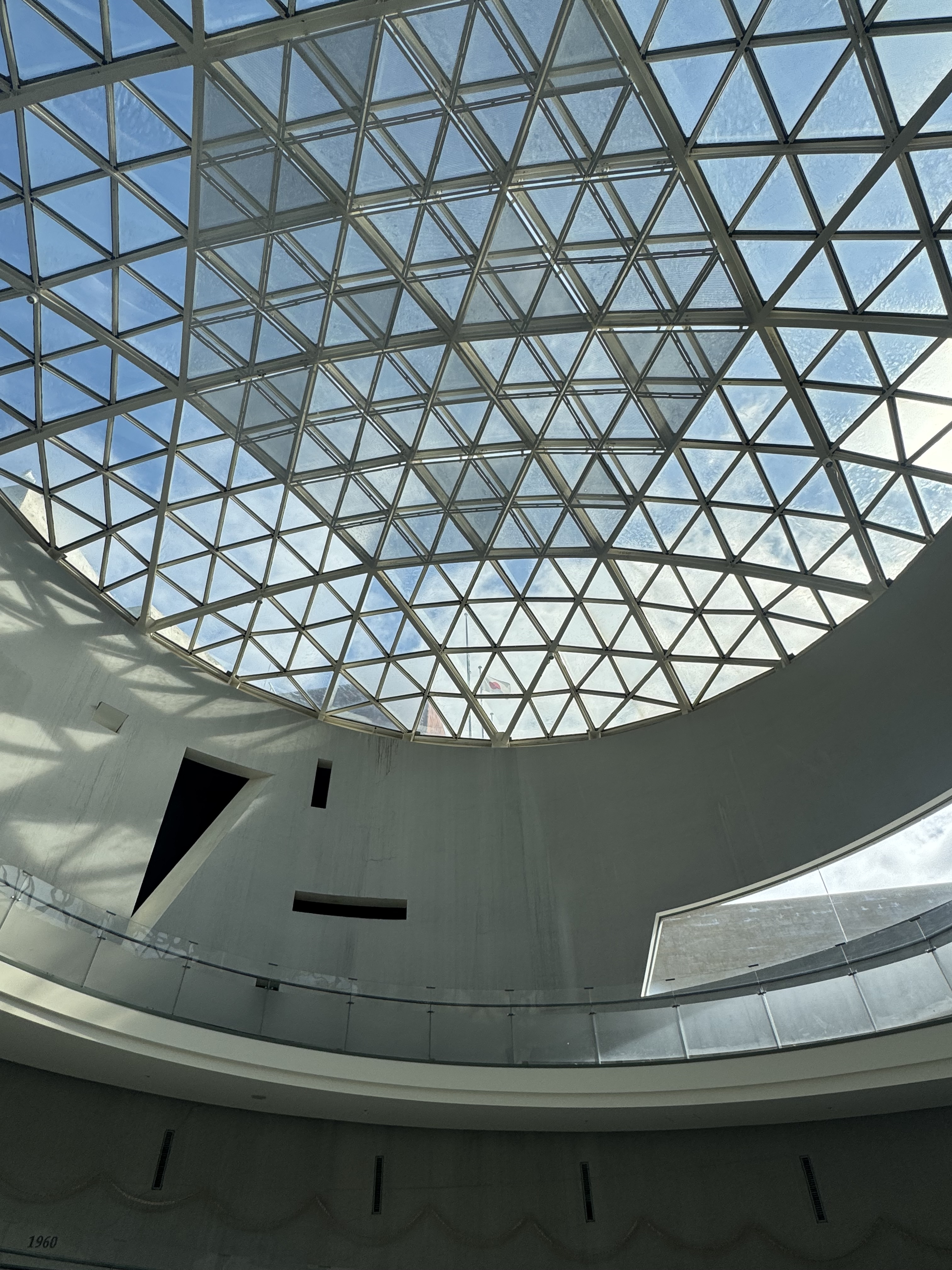
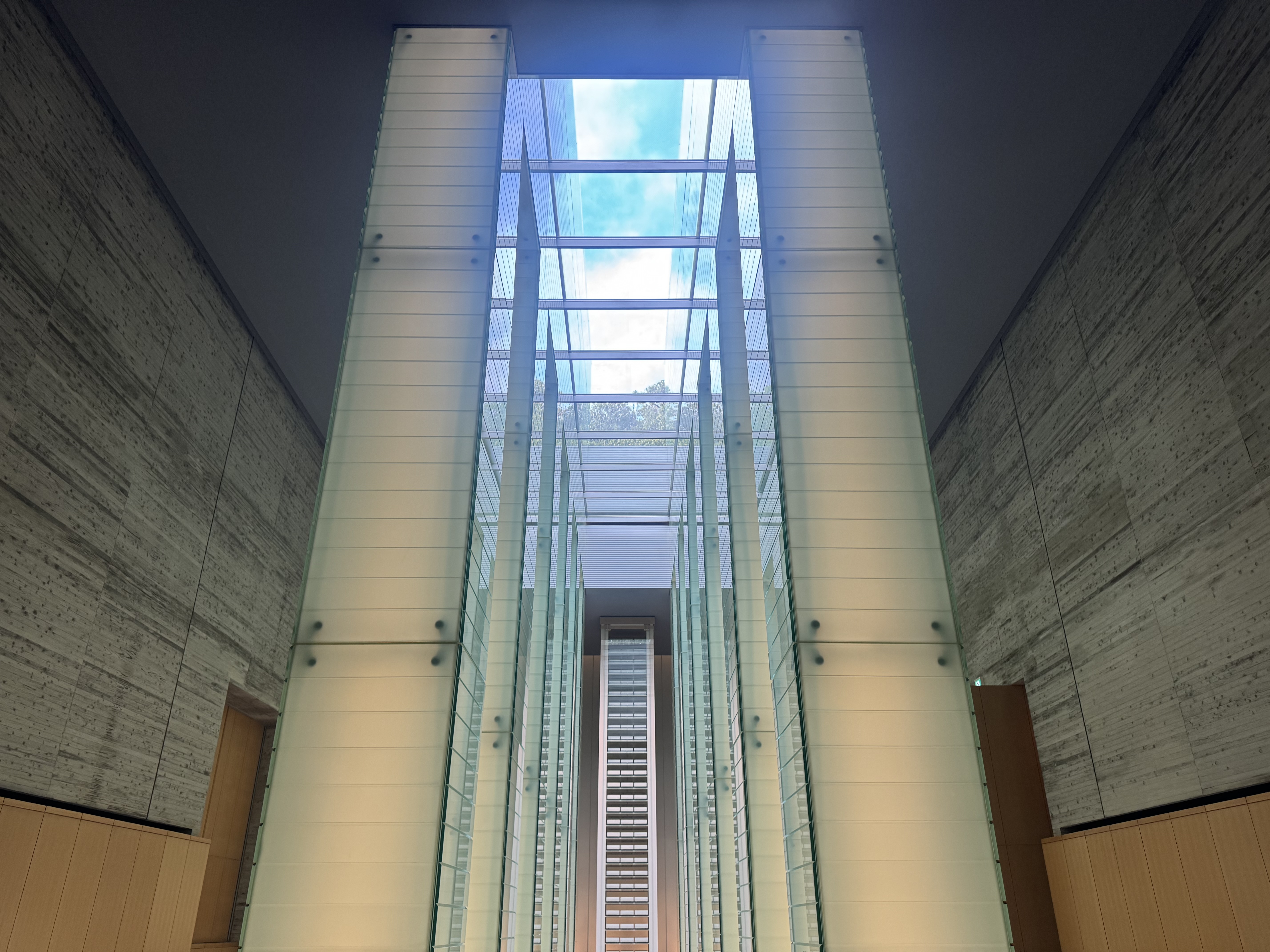
At the Atomic Bomb Museum, that idea of coexistence shifted from something I’d read about to something I could feel and relate to.
My grandmother was born just after the First World War; my grandfather, a lifelong conscientious objector, shared her pacifism. They met at a Communist peace rally in Hungary — that strange, hopeful post-war moment when people still believed a fairer world was possible. They didn’t stay married long, but both spent decades campaigning against nuclear proliferation. I remember Grandad’s “Nuclear? No thanks” badges scattered across his coat like small, stubborn acts of hope.
Standing there in Nagasaki, I thought of them. Near the end of the exhibition, a display on the global anti-nuclear movement caught my eye. One photo showed the Aldermaston marches he’d told me about going on. Another placard read No More Hiroshimas — the same title as a writing competition I entered as a teenager. I wrote about my grandparents’ stories and won a modem. My first gateway to the internet.
It occurred to me that it was that prize which set me on the path to working in digital. A path that that’s brought me, improbably, here: three generations, three threads — a peace rally that led to my grandparents meeting, a writing competition that launched my career, and now this moment in the city that connects them both. History has a funny way of looping back on itself sometimes.


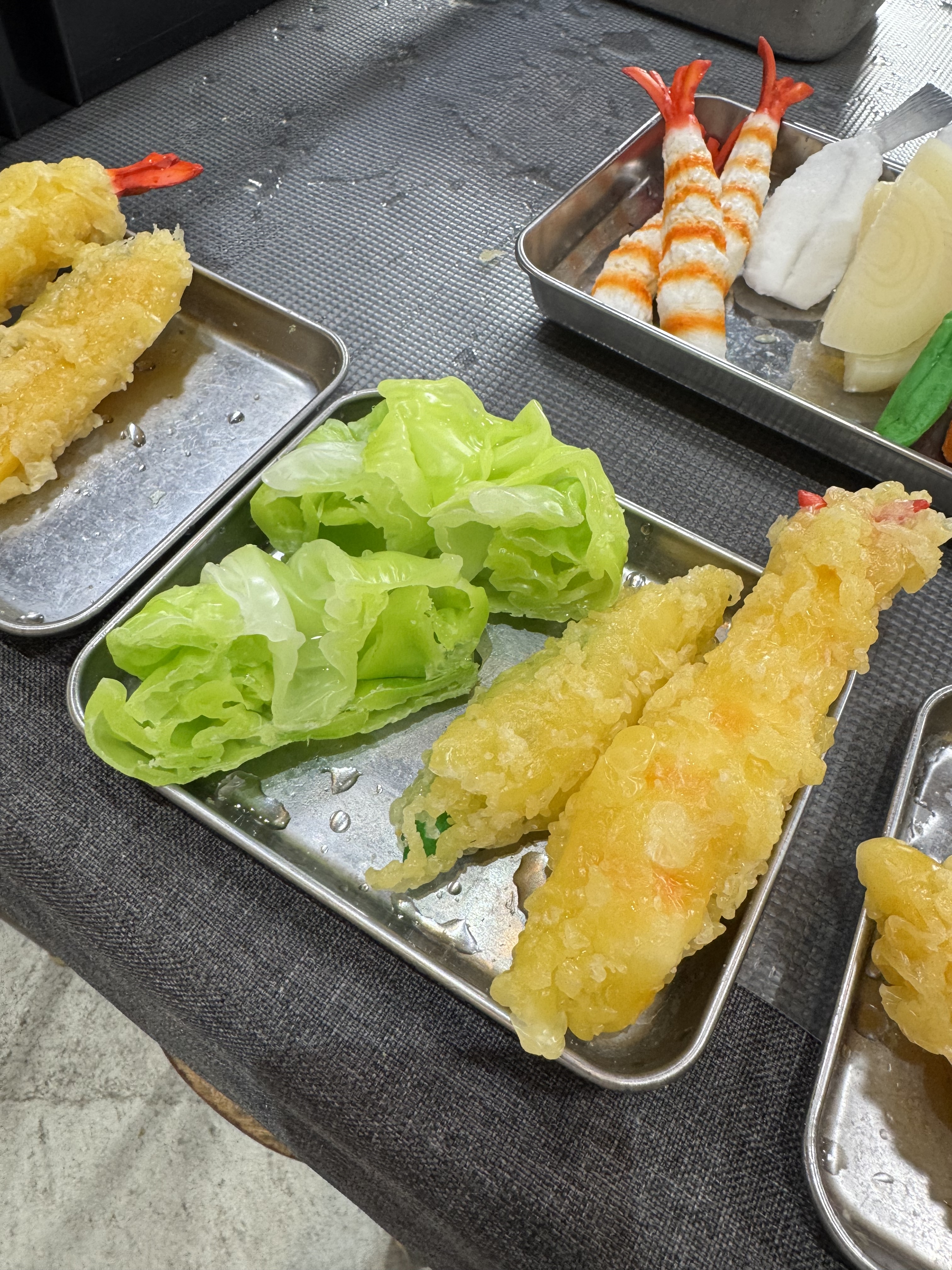
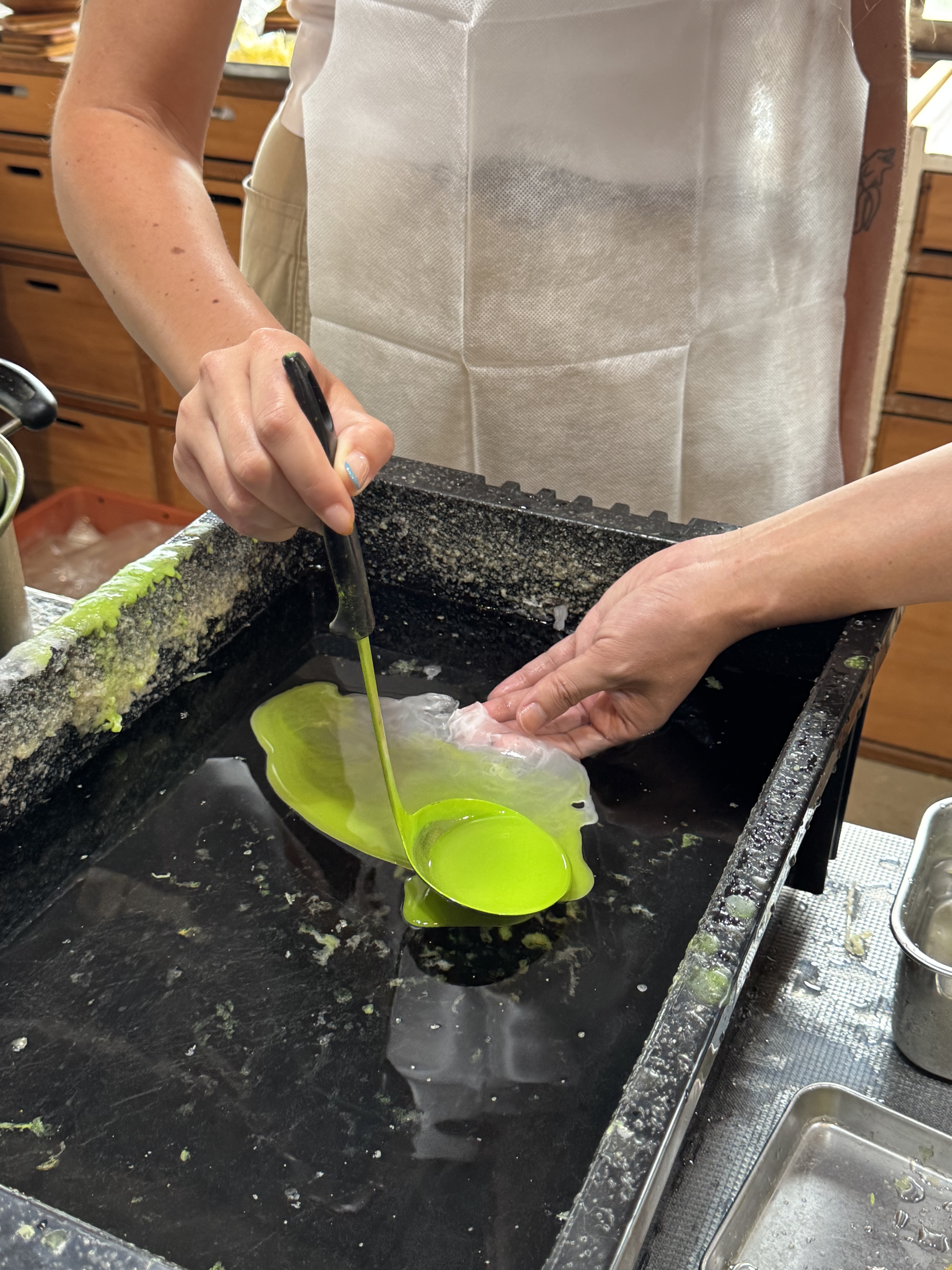
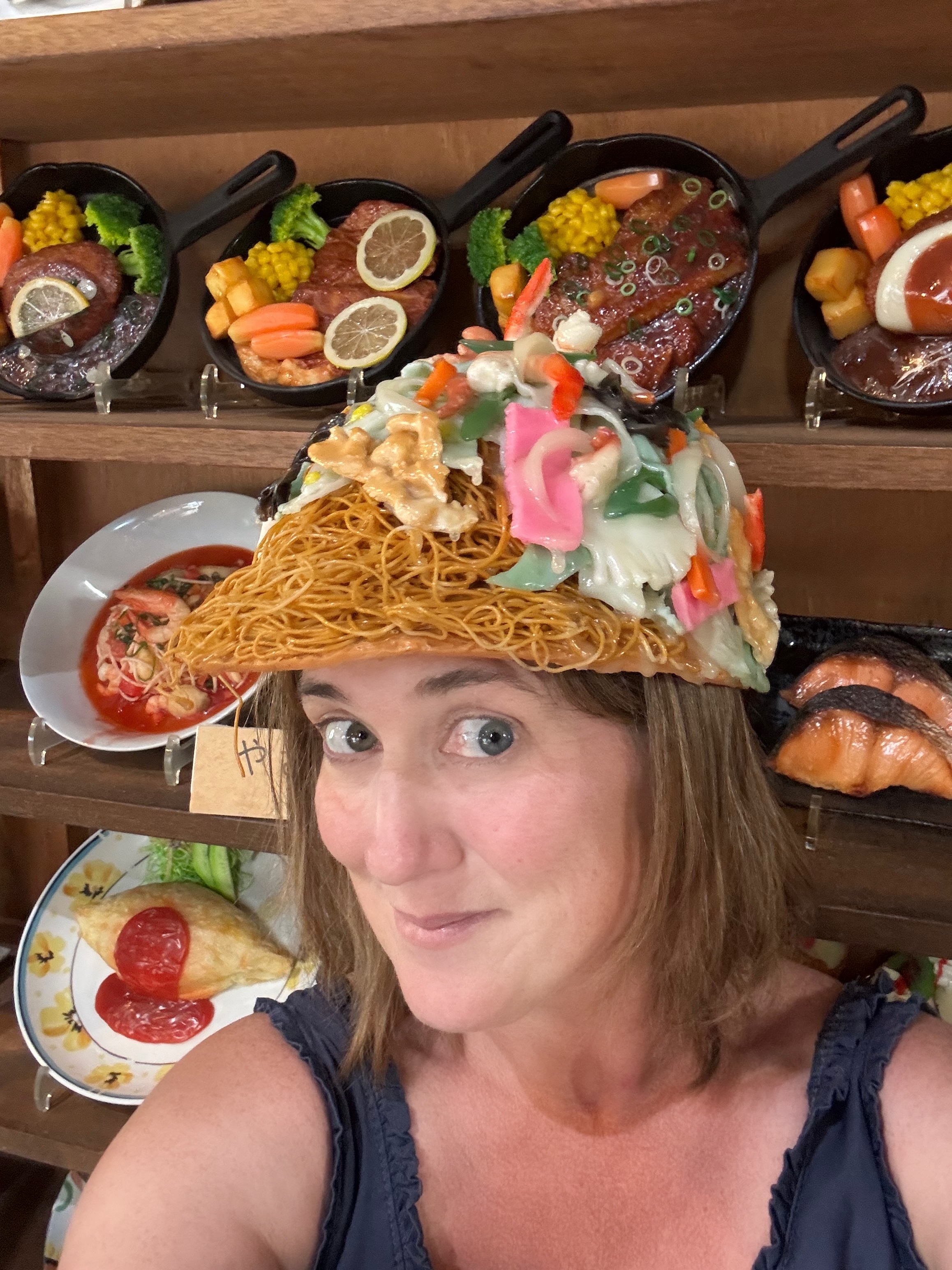
The rest of the week unfolded with lighter lessons: football chants with strangers at the Peace Stadium, and a day in Hasami making sampuru, the hyper-realistic wax food that adorns Japanese restaurant windows. My wax tempura prawn and lettuce are ridiculous and perfect, symbols of the care and craft that run through everything here.
The rhythm of the week has been all contrasts: reverence and laughter, reflection and running downhill. I’m learning (still) that wonder hides in the small stuff: a shared laugh, a wax prawn, a quiet moment in a crowded room.
This week in photos




 Sharon O'Dea