
It’s been a week of looking back—at old stats, old habits, and old gigs. That well-worn claim about intranets saving millions in productivity has resurfaced, yet again. I’ve written about it for Strategic, because, as the saying goes, some people use statistics like a drunken man uses lampposts—more for support than illumination. And we deserve better.
At the same time, I’ve been revisiting email. Not in my inbox (LOL no. I am heroically bad at my own email), but in research, trying to understand why the channel everyone loves to hate still quietly endures. And then, on the weekend, came Barrowland: a venue I’d mythologised since my teens, where I finally saw Supergrass play the album I bought with my pocket money. It’s strange how some things stick—channels, bands, friendships—and how time sneaks up on you while you’re still busy singing along.
This week at work
For someone in communications, I spend surprisingly little time actually communicating. Most of my work is on the plumbing behind the messages: platforms, processes, systems, and governance. Understanding user and organisational needs. Finding solutions. Helping clients sell the vision and deliver the change. I work closely with comms leaders and manage content teams, but rarely get to roll up my sleeves and write actual messaging these days.
This week was a welcome exception. I spent time with a product team, helping them articulate what they’re building and how it adds value for different kinds of users. It was great fun to stretch that part of my brain again—one I haven’t used much lately.
Jon and I also got stuck into a new writing and research project. For the next few weeks, we’re diving deep into email. Tech bros and comms pros alike have been confidently predicting the death of internal email for at least 15 years. And yet, it persists. Clunky? Often. Badly used? Certainly. But for many use cases, it’s still the most effective tool we’ve got. It cuts across hierarchies, systems, and schedules in a way few other channels can. As I often say, two things will survive the nuclear winter: cockroaches and email.*
(*I think I got that line from Sam Marshall, but I could be wrong.)
Also this week
My two besties and I had our annual girls’ weekend away. The tradition is simple: if a band we all like announces a tour, we pick a city we fancy visiting and make a trip of it. This year it was Glasgow, and Supergrass.
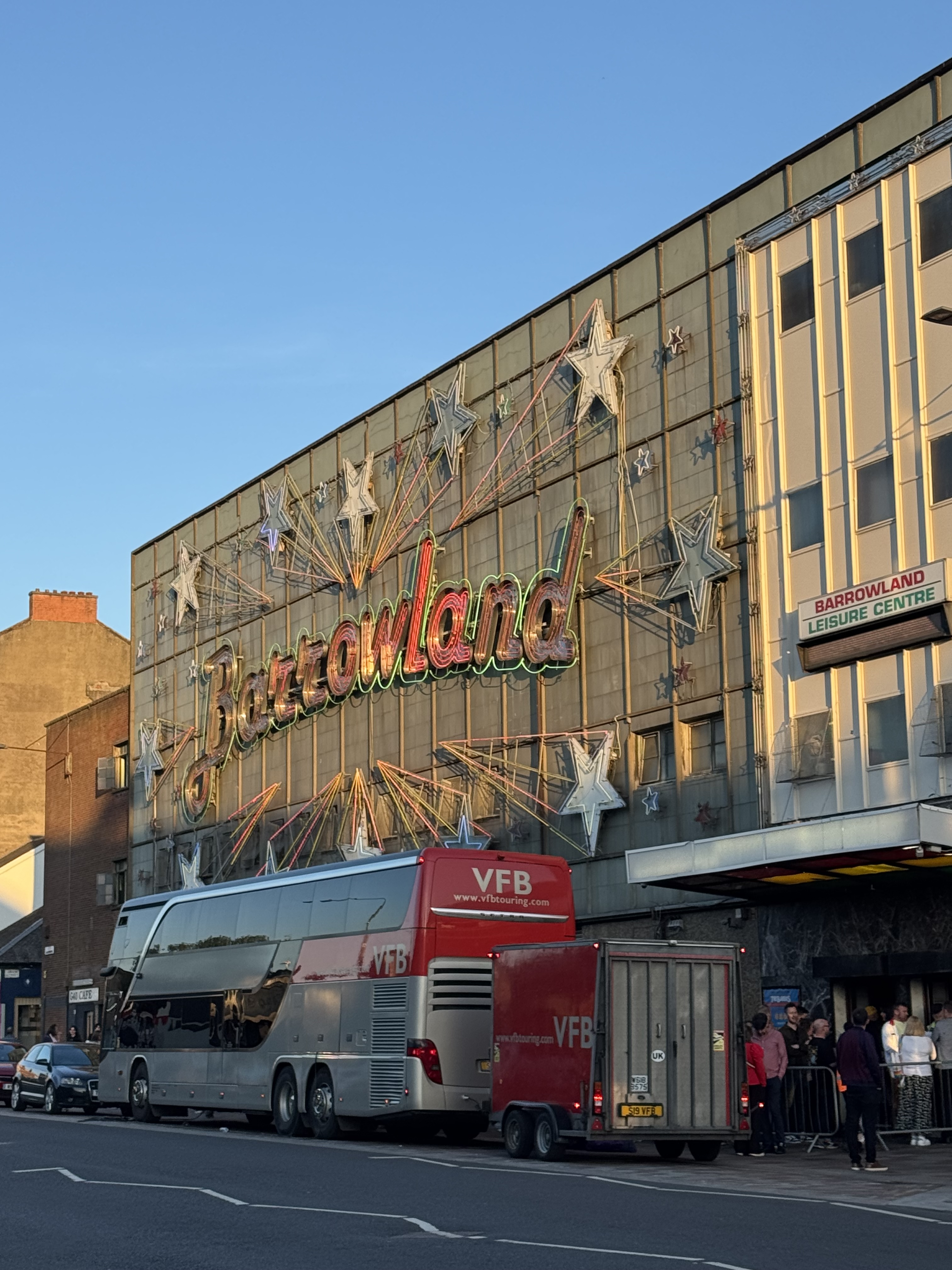
We finally made it to Barrowland—an iconic venue I’ve been reading about since I was a teenager. It’s one of those rare places that lives up to the myth: a sprung dancefloor, a luminous ceiling, and a crowd that knows how to have a good time. There’s a magic to it. Seeing a band you love there feels like a rite of passage.
Supergrass played I Should Coco in full—an album I bought with my pocket money in Our Price when I was 15. My pal Katy and I have been seeing them together since we met at 17. Mid-gig, fuelled by several beers, I turned to her and said: “I can’t believe we’ve been watching this band for twenty years.”
She looked at me, with the weary kindness of someone breaking bad news, and said: “It’s thirty years.”
And just like that, the beer wore off and my knees started hurting.

Consuming
👩🏻💻 Internetting
Spotted this thoughtful piece this from Sarah Daly which explored the subtle but significant ways AI is reshaping how we work. It’s not always about job losses; more often, it’s the quiet squeeze—doing more with less, with little time to adapt. While AI tools promise to save time, they often just shift the burden elsewhere. We’re now swimming in content: drafted, summarised and polished at speed, but lacking the depth or judgment that makes it useful. The term botshit—AI-generated sludge that clutters rather than clarifies—feels painfully apt.
The biggest loss might be the space to think. As AI accelerates the pace, opportunities for reflection, strategy, or just breathing room are eroded. If we want AI to genuinely augment human potential, we need to start designing for thinking time, not just throughput.
📺 Watching
No time for telly this week
📚 Reading
I’ve been reading Cal Newport’s A World Without Email—part research, part self-flagellation—as we dig into why the one channel everyone claims to hate just won’t die.
🎧 Listening
This week was all about Supergrass. Enjoy this setlist. The classic album in full, followed by a few fan favourites. Nostalgia turned up loud.
Coverage
A few weeks ago I posted on LinkedIn about dodgy McKinsey stats that do the rounds on vague productivity savings, and how I learned the hard way that these don’t wash with CFOs.
The same flawed stats did the rounds again this week, so Mike Klein invited to write my first piece for Strategic on how bullshit maths doesn’t help our profession to be taken seriously.
Travel
Glasgow again later this week. Berlin next week. Shout if you wanna catch up.
This week in photos


 Sharon O'Dea
Lovely writing. I am not sure how long ago we met, in a conference room somewhere, but your insightfulness struck me then, and still does. From the haven of retirement, I am no longer concerned with these topics, but I always watch out for your posts for the sheer pleasure of reading them. Thank you.
Oh thank you Stuart. I remember meeting you in that conference room too! Funny how people who come into our lives briefly stay with us, isn’t it? I hope you’re enjoying your well-earned retirement.