When you work for yourself, you always have either not-quite-enough or slightly-too-much on. Last week was the former, then this week it felt like hitting the accelerator and going from 0-60 in seconds.
Some stuff I did this week
Kicked off the week by talking to an event organiser about facilitating a session on aligning comms with board-level strategic goals. Coincidentally I had just read this post from Craig Unsworth on priorities for boards in 2024. As I was reading it struck me how critical comms and engagement is to most of them. So it’s frustrating that we’re still having the same conversations about comms having a seat at the top table.
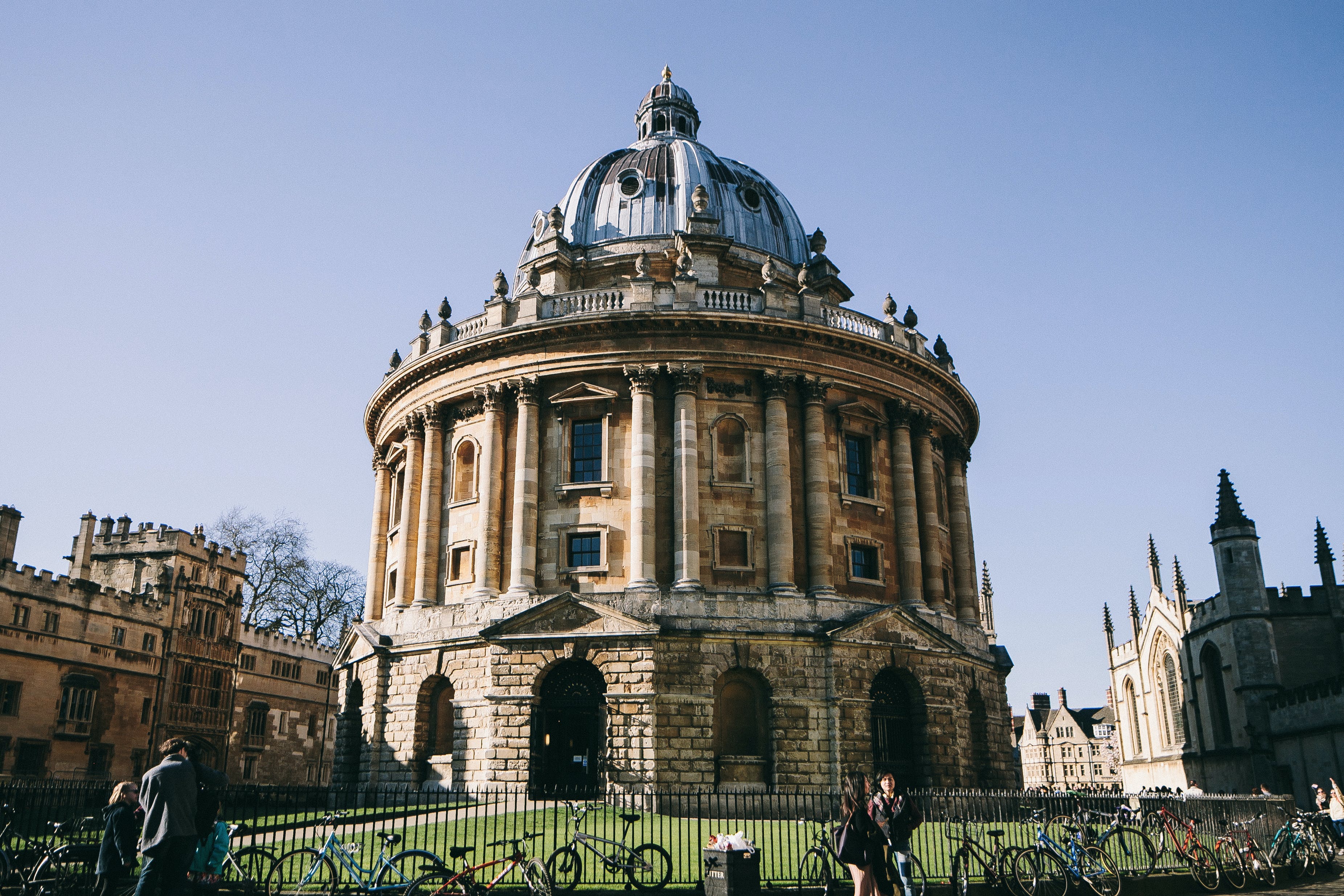
I spent the rest of the week in the UK, including two days on site with a client in Oxford, helping them to chose a platform for their new intranet. We’re now at the stage of the programme where we’re drilling down from bold ideas to thorny details. I love this bit, where we have to do the detailed thinking on how to make ideas a reality in messy, complicated organisations.
Connections
I drafted my 100 People list for the year. For the seventh year I’ve put together a list of people I’d like to catch up with – an idea I borrowed from Mary McKenna. They’re all business associates, former colleagues, or people in my wider professional network. Some are people I’m connected with online but have never met.
100 People started as an experiment in working my network, but now I no longer live in London I’ve found it’s a great way to be a bit more intentional and disciplined about keeping in touch with folks.
And that’s exactly what I did this week too, ticking four names off my list while I was in Britain this week, via excellent chats about comms, content, the future of work, and digital transformation.
Coverage
I was quoted in this report from SpeakApp on 2024 trends in internal comms. I did have to think for a bit as I don’t remember being interviewed, then realised it was lifted from a piece I wrote for Reworked last year.
What I’m reading
Finished Marie Le Conte’s Escape: How a generation shaped, destroyed and survived the internet. It’s a memoir, but really it’s a paean to the internet as it was, when it was a secret space for us socially awkward weirdos. Le Conte takes us on a journey through the platforms and main characters of nascent social media. Over time that’s shifted from a space we went to escape real life, to being a force that shapes real life. Often in negative, destructive ways.
I sometimes think about stepping away from it all. Deleting my accounts. Moving to a paradise island. But like Le Conte, I couldn’t if I tried.
“I was born and bred online,” she writes in the introduction, “and if you remove the life I have led on there, it leaves me with no life at all.”
Hard relate.
Also finished The Last Mughal by William Dalrymple. A book about the fall of the Mughal Empire, focusing on the events of the 1857 rebellion against British rule. I started reading this while I was in India in November/December as I wanted to understand a bit more about the context and history of the places I was visiting; specifically the Red Fort, the fact that there isn’t a huge amount of Old Delhi left to see. But it was a bit heavy going to it took me a while to finish it.
It felt like a cautionary tale on the long term consequences of political figures manipulating religious and cultural differences to deepen and capitalise on societal rifts. A reminder – side-eye at politicians worldwide – that manipulating divisions for short-term political gain can have an impact that shapes societies for generations.
Something I learned
The first webcam was created not for security, or comms (or by a man broadcasting their hospital parts to strangers on the internet).
In 1991 Cambridge University scientists set up a camera to broadcast the state of the coffee pot in their computer lab, to help colleagues avoid the disappointment of schlepping down there only to find it empty.
I stumbled on the story of the Trojan Room Coffee Pot when looking for examples of employee-bodge solutions driving innovation.
When we do discovery exercises with organisations we always find a bunch of seemingly bonkers tools created (usually in Excel) by an enthusiastic employee who left years ago, yet still in regular use and often business critical.
The coffee pot cam and intranet-in-Excel are examples of employees identifying a real user need and using whatever tools they have at hand to meet it. I’ve been pondering the Workplace Bodge and the ways in which giving employees tools (eg no-code workflow builders) could help – or make it all so much worse. On the backlog of blog posts I might eventually get around to writing.
 Sharon O'Dea