Weeknote 2025/30

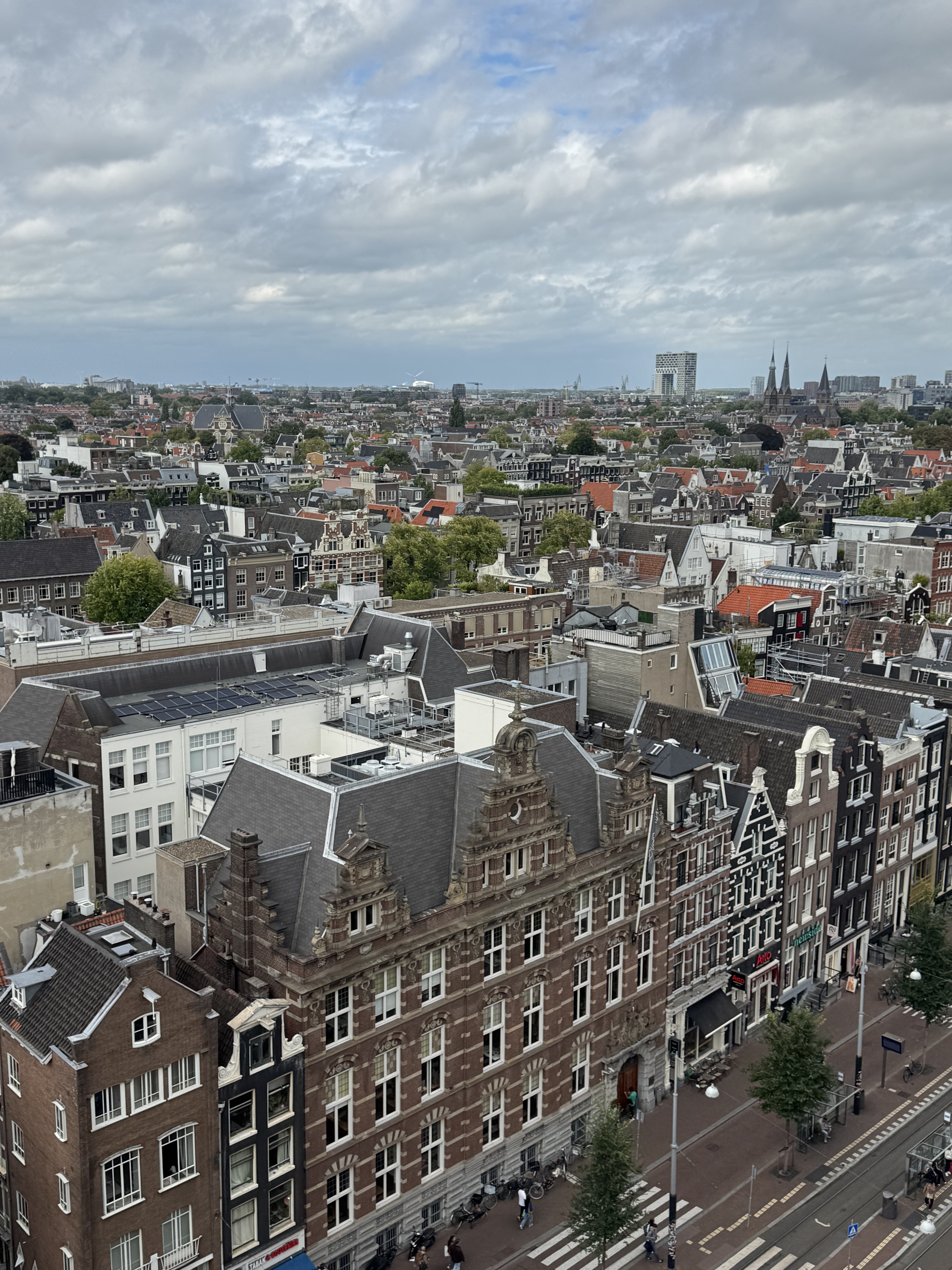
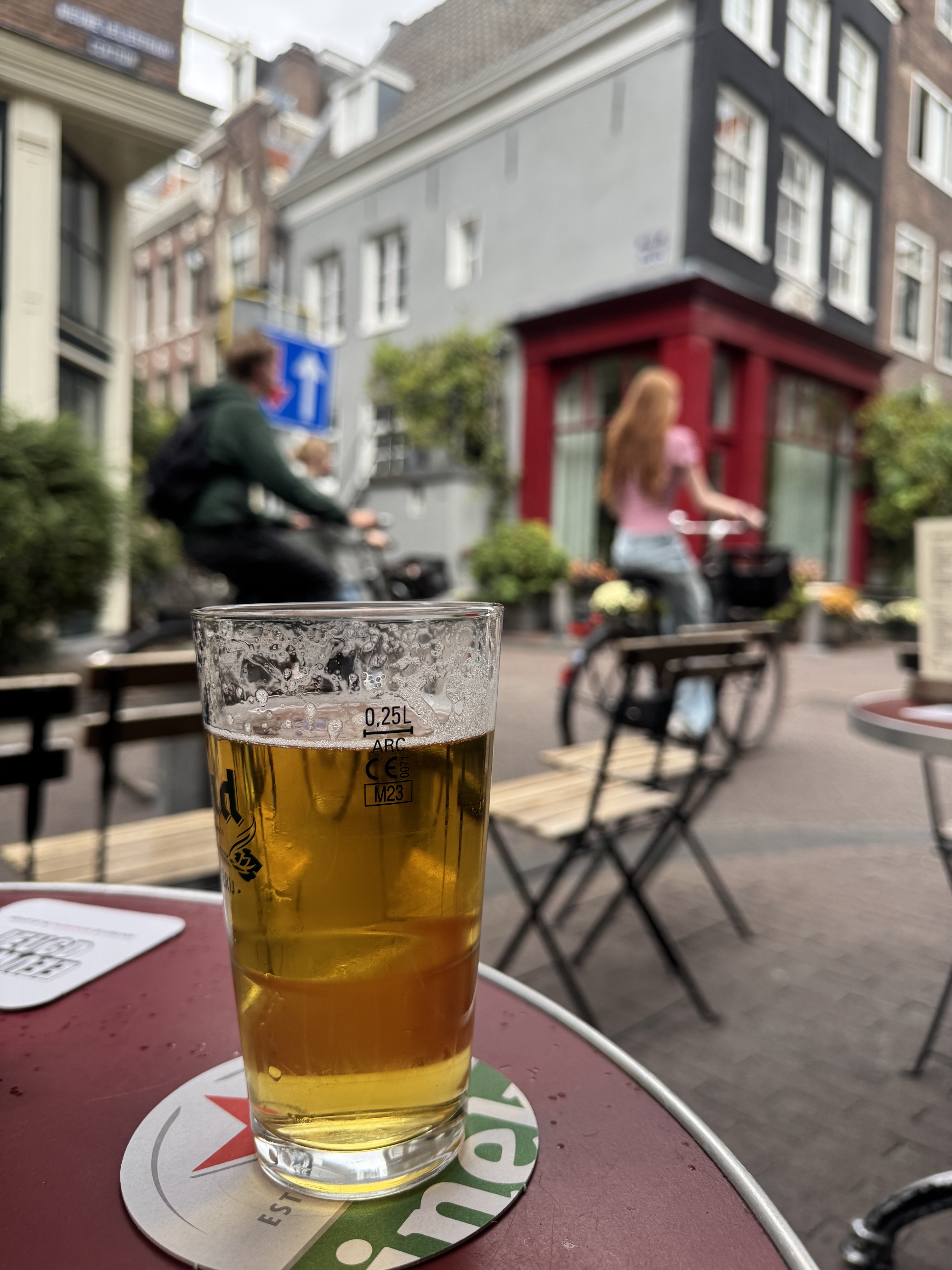
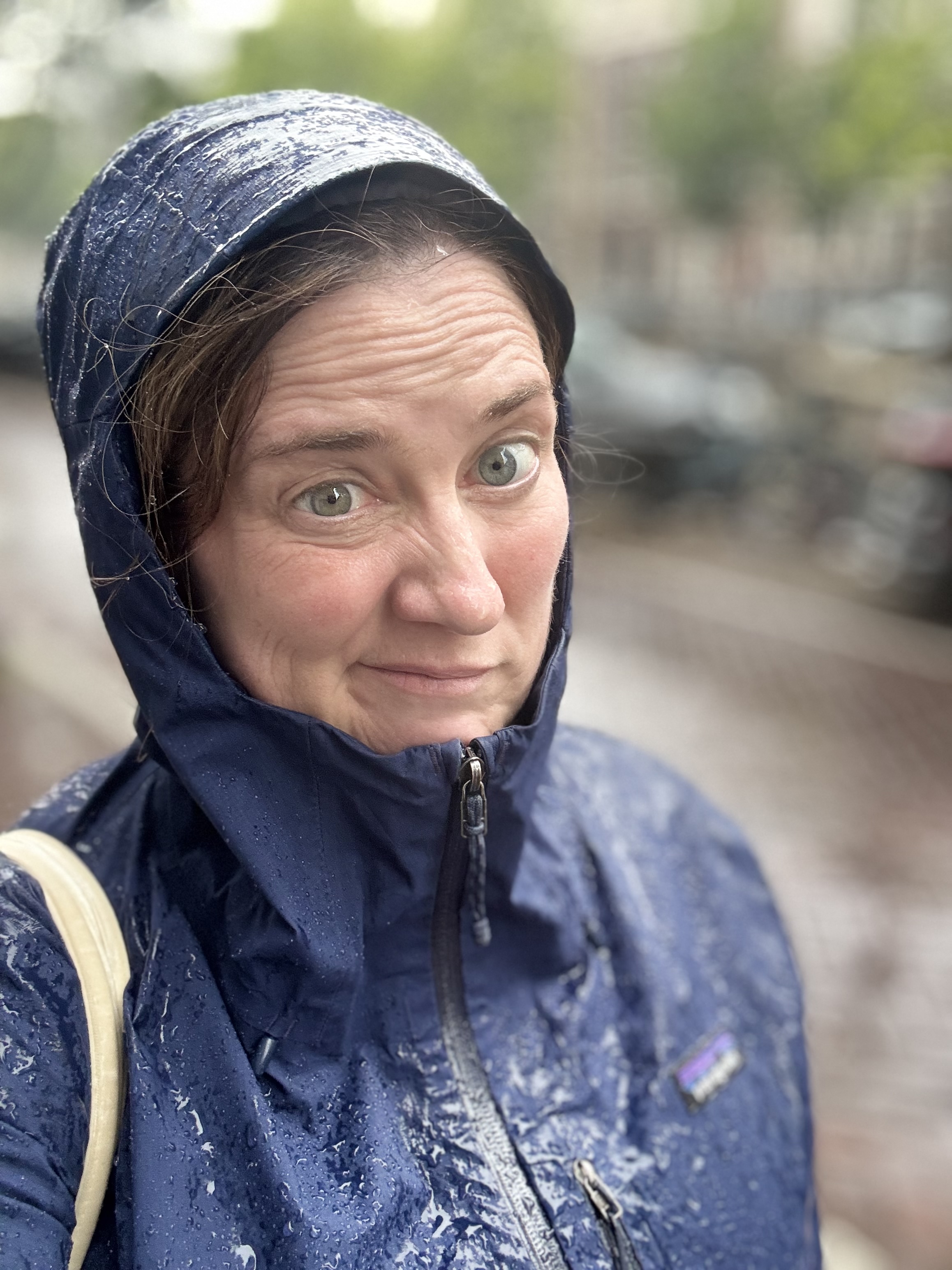
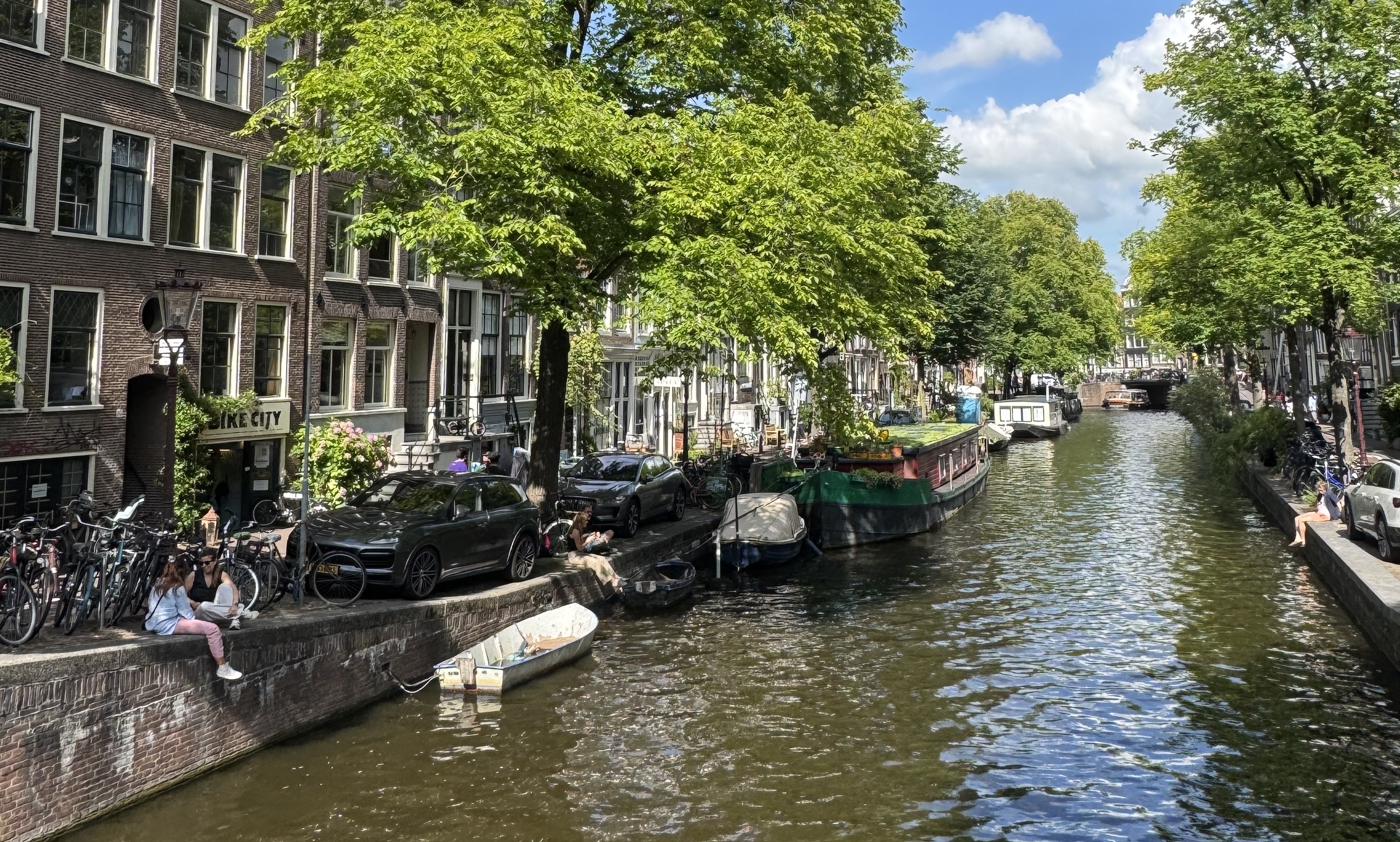
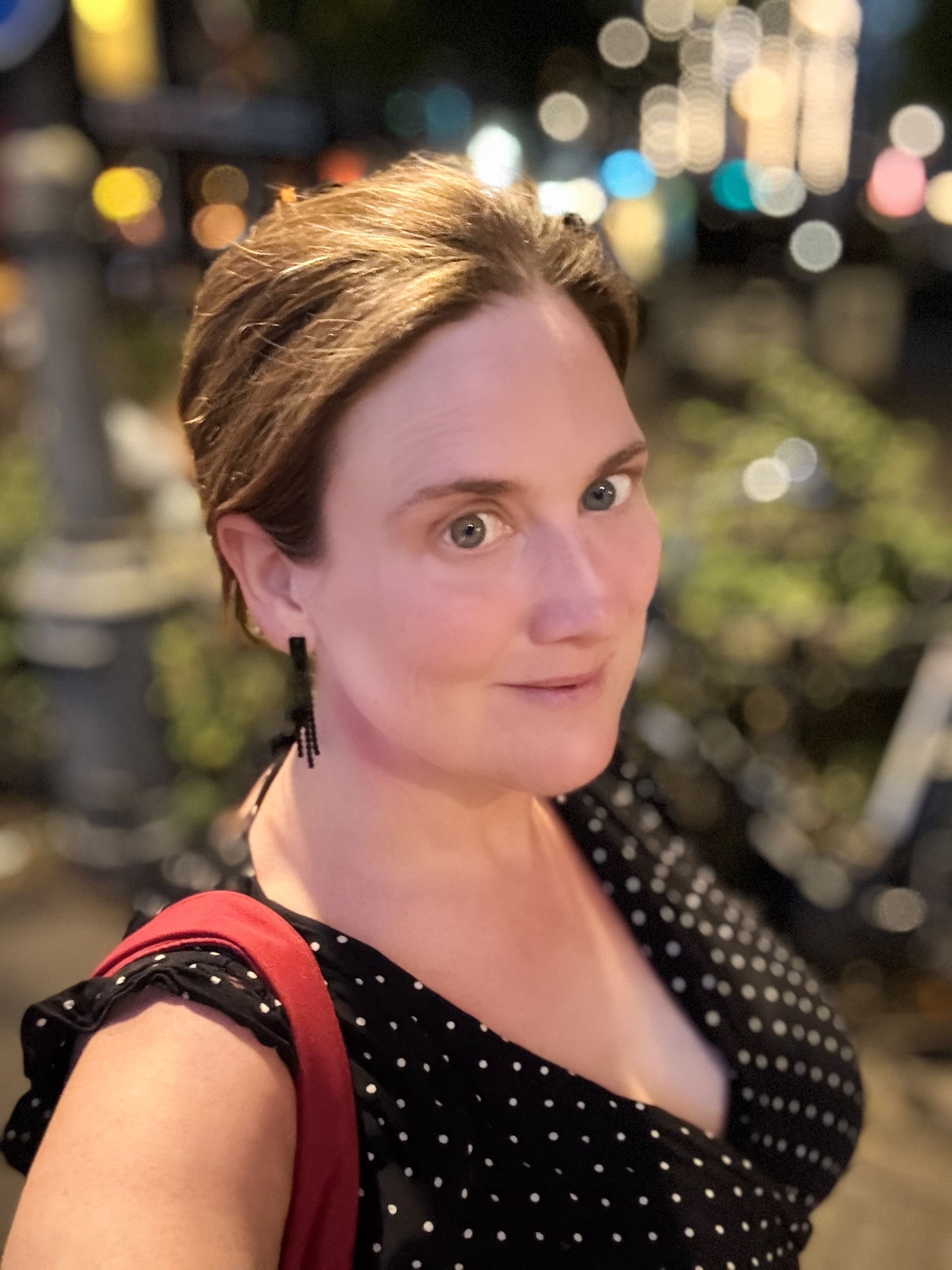
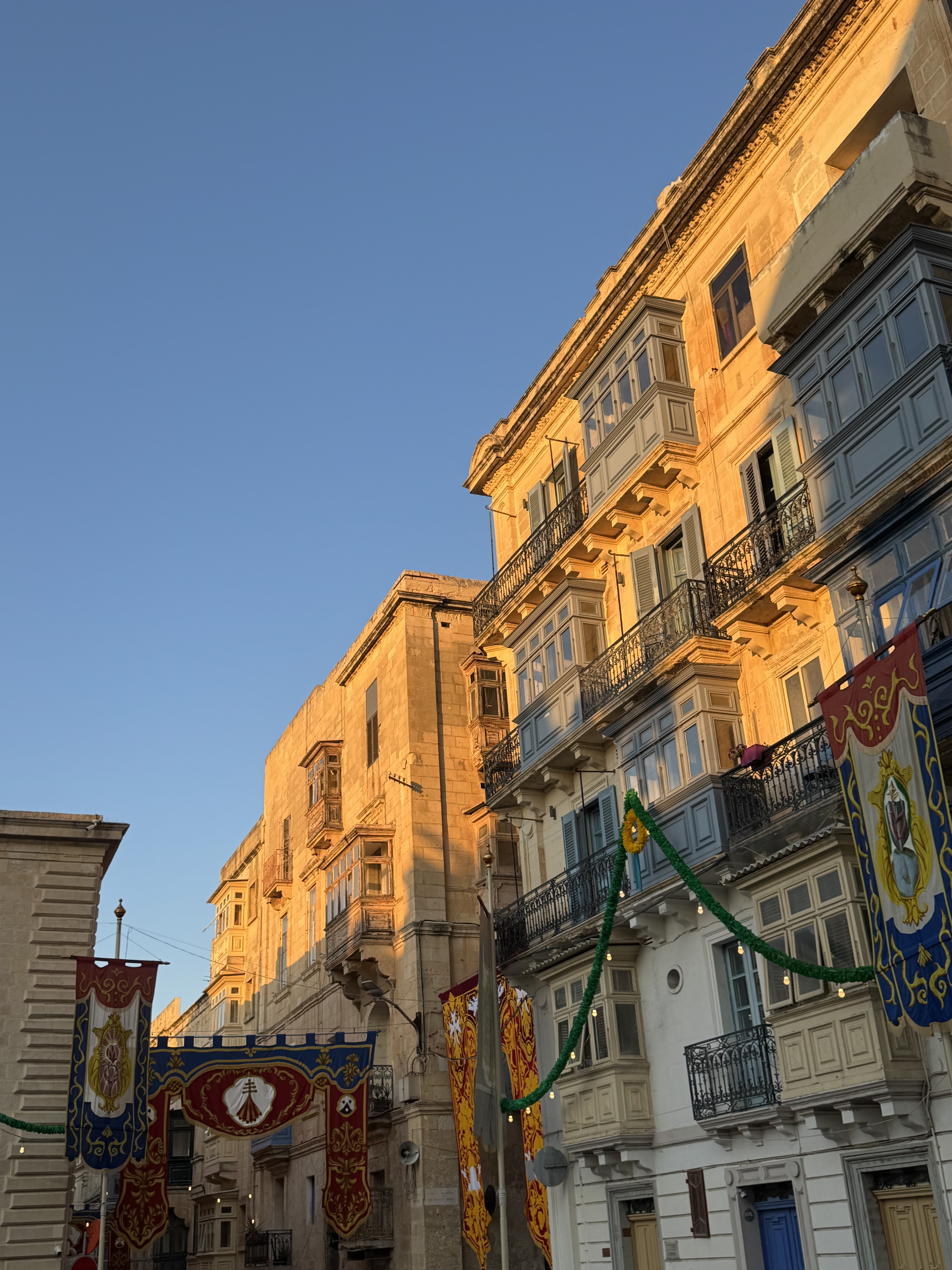
Summer hangs on my street (photo: me)

This week felt like a pause between chapters. Projects wound down without ceremony. Conversations trailed off. My co-founder wrapped up for his summer holidays. Even the weather felt like a sigh.

In the space left behind, there’s room to think — about what lasts, what lingers, and what slips away without notice. Not everything ends with a flourish. Sometimes it’s just a final email, a change in tense, a silence. Still, even a quiet page turn can mark the start of something new.

This week at work

Writing the book has been an exercise in codifying the mix of tools, processes and practices we’ve cobbled together over the last decade. We’ve been trying to break it all down into frameworks that a communicator could actually pick up and use.

So this week we shared some of that work-in-progress thinking — a simple model for understanding digital internal comms. It’s been bouncing around our heads (and whiteboards) for years, and we’re finally giving it shape.

Across every shiny new EX platform, intranet relaunch or AI-powered comms tool, the same four needs keep showing up:

  • Collaborate: where work gets done
  • Publish: the official source of truth
  • Distribute: getting the right info to the right people
  • Discuss: the feedback and sense-making layer

Most organisations meet these needs with a patchwork of tools — think Teams, SharePoint, email, Slack, Viva Engage, town halls. Some do double duty. Others leave big gaps. But the underlying needs rarely change.

I’ve mapped it all out in a new blog post. Would love your feedback, counter-arguments, or examples of places doing things differently. We’ve already had some great input and are now working out how to evolve it into something genuinely usable. Is it too simple? Or is that the whole point?

And honestly, I’m loving every moment of this process — turning years of messy, real-world experience into something structured, shareable, and (hopefully) useful. Taking the implicit and making it explicit. Building models others can quote, borrow, critique, improve. Putting language and logic around things we’ve long done instinctively.

This week also marked the end of our engagement with a long-time client. Like so many project endings, it didn’t come with speeches or cake or even a well-placed “thank you” — just the quiet arrival of a final PO, the last invoice, and a subtle shift in the relationship from present tense to past. After years of collaboration, it felt oddly transactional. It often does, but I’m not sure I’ll ever get used to it.

Also this week

Some endings feel like a natural conclusion. The work done, the job finished. Others feel like a wrench. This week I’ve been a shoulder to cry on for a friend in the thick of a messy break-up — the kind that sharpens the edges of reality while blurring its centre. And I’ve found myself thinking about endings of all kinds: personal, professional, planned, and those that hit you like a bus.

Because whether it’s a relationship, a job, or a long-running project, the end can leave you caught between two stories. The bitter one, where you wish it had never happened. And the gentler one, where you’re just grateful it did.

There’s the version where you regret the ending (like my last full-time job). And another where you realise it was always going to end — the shape of the finish line already hidden in the starting blocks. As T.S. Eliot wrote, “In my beginning is my end.” We just don’t always recognise the closing scene until the credits roll.

Endings don’t tie themselves up neatly. They fray. They echo. They haunt the spaces where something once was. They rarely offer resolution, only absence — a silence where the noise used to be. They rarely give you what you think you need. But with time — and a little grace — even the hardest ones can leave behind something softer: a lesson, a memory, a scar that no longer stings.

And maybe, if we’re lucky —or ready— an invitation to begin again.

Consuming

👩🏻‍💻 Internetting

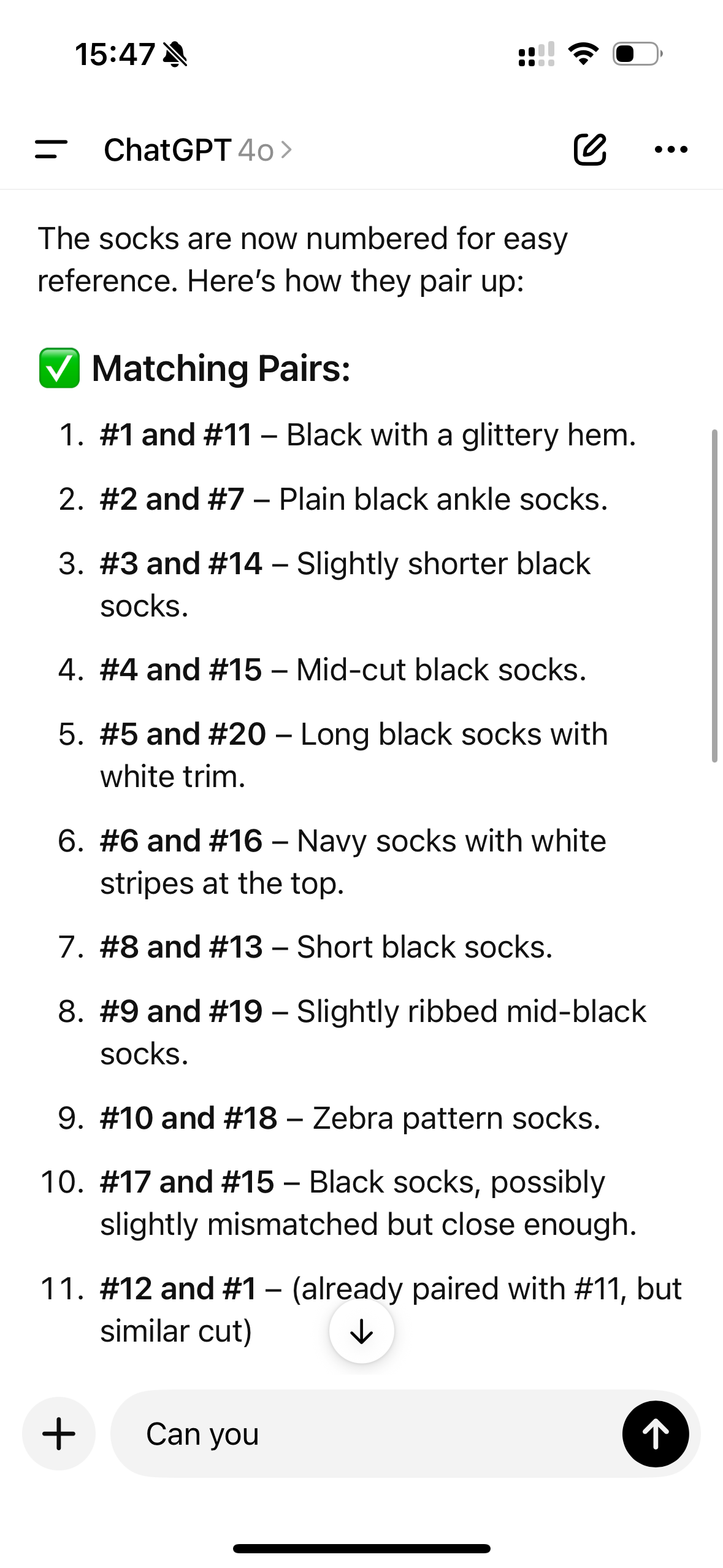
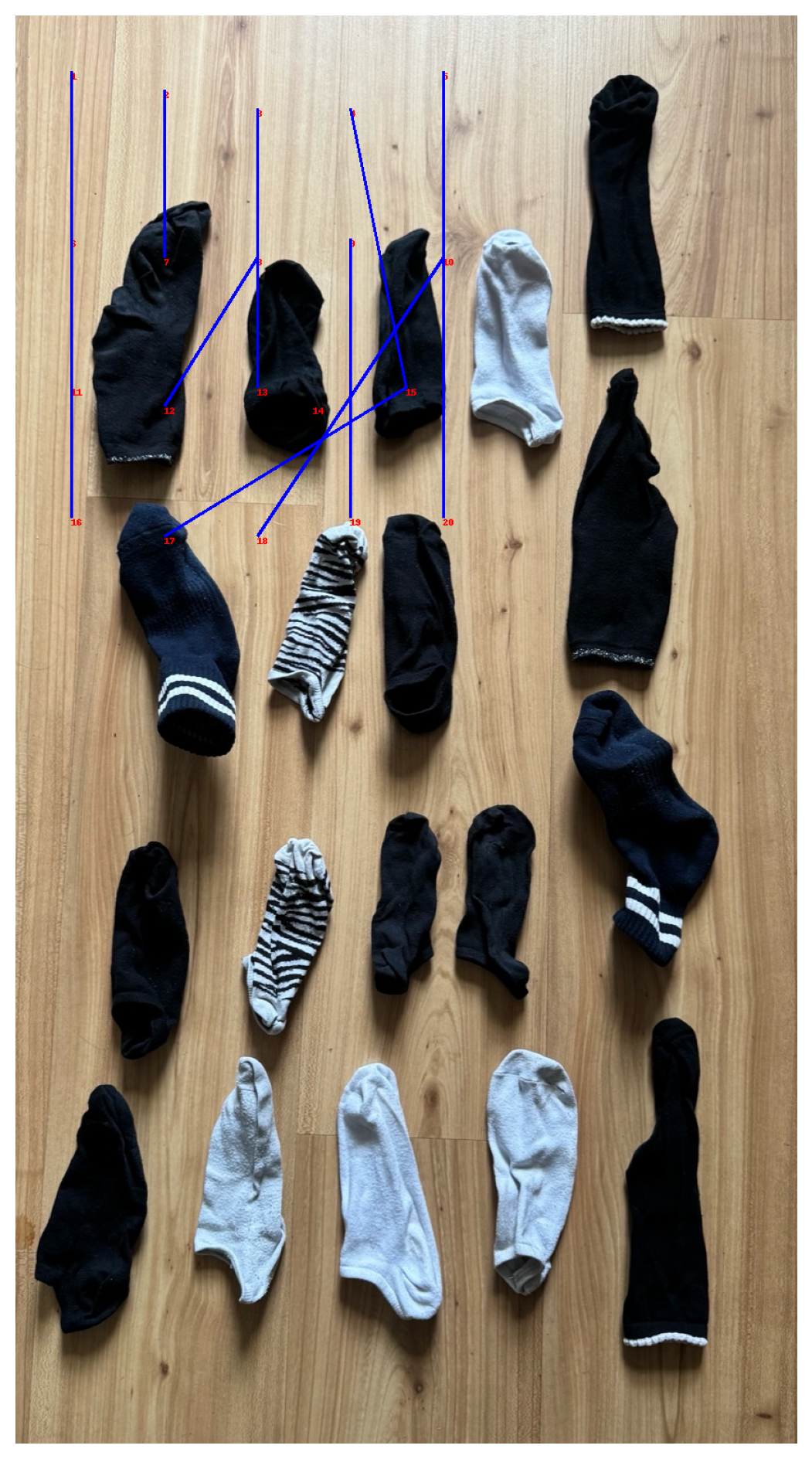
In a spirit of seeing if AI can do the stuff I don’t enjoy (rather than encroaching on the stuff I do) I tasked ChatGPT with one of domesticity’s greatest frustrations.

I asked it to analyse a photo of all the socks from my laundry and work out which ones should be paired. It numbered them, matched them, but failed on the request to draw lines to show which socks belonged together.

Result: 10 solid pairs, 4 rogue singles, 1 failed attempt at annotation, and confirmation that yes, the washing machine does still eat socks. Or maybe I do. Either way, AI: 1, laundry chaos: slightly less than before.

A few things caught in the folds of my browser tab situation:

  • Ian Leslie’s “27 Notes on Growing Old(er)” is a rich, often funny meditation on the weirdness of ageing. From Rembrandt to Jagger, it’s less about wisdom and more about resistance, bewilderment, and the awkward comedy of carrying on anyway.
  • A great piece by Andrew Pope argues that middle managers are holding the whole mess together — juggling tech, people, AI, hybrid work… with very little support. The fix? Less platform, more behaviour: clarity, trust and better team norms. Start with listening, not launching.
  • This brilliant, honest post from Beholder reflects on a first-time founder’s journey creating a range of skin-tone inclusive plasters — and the bittersweet reality of shutting it down after a deal fell through. Part memoir, part CPG masterclass, and full of lessons on scale, marketing, and the difference between a hustle and a slog.

📺 Watching

My TV disconnected from the wifi, and thus from performing any useful functions, and I didn’t care enough to even try to fix it. A statement, possibly, about modern life.

📚 Reading

About a third of the way in to The Genius Myth. Helen Lewis takes a scalpel to the idea of the lone (usually male) genius, dismantling the myths we build around brilliance and asking who gets erased in the process. It’s sharp, engaging, and full of righteous, well-researched fury. A smart antidote to Great Man nonsense.

🎧 Listening

T.S. Eliot’s Four Quartets, read by Orson Welles, set to Steve Reich’s minimalist soundscapes. Endings, beginnings, and a lot in between.

Coverage

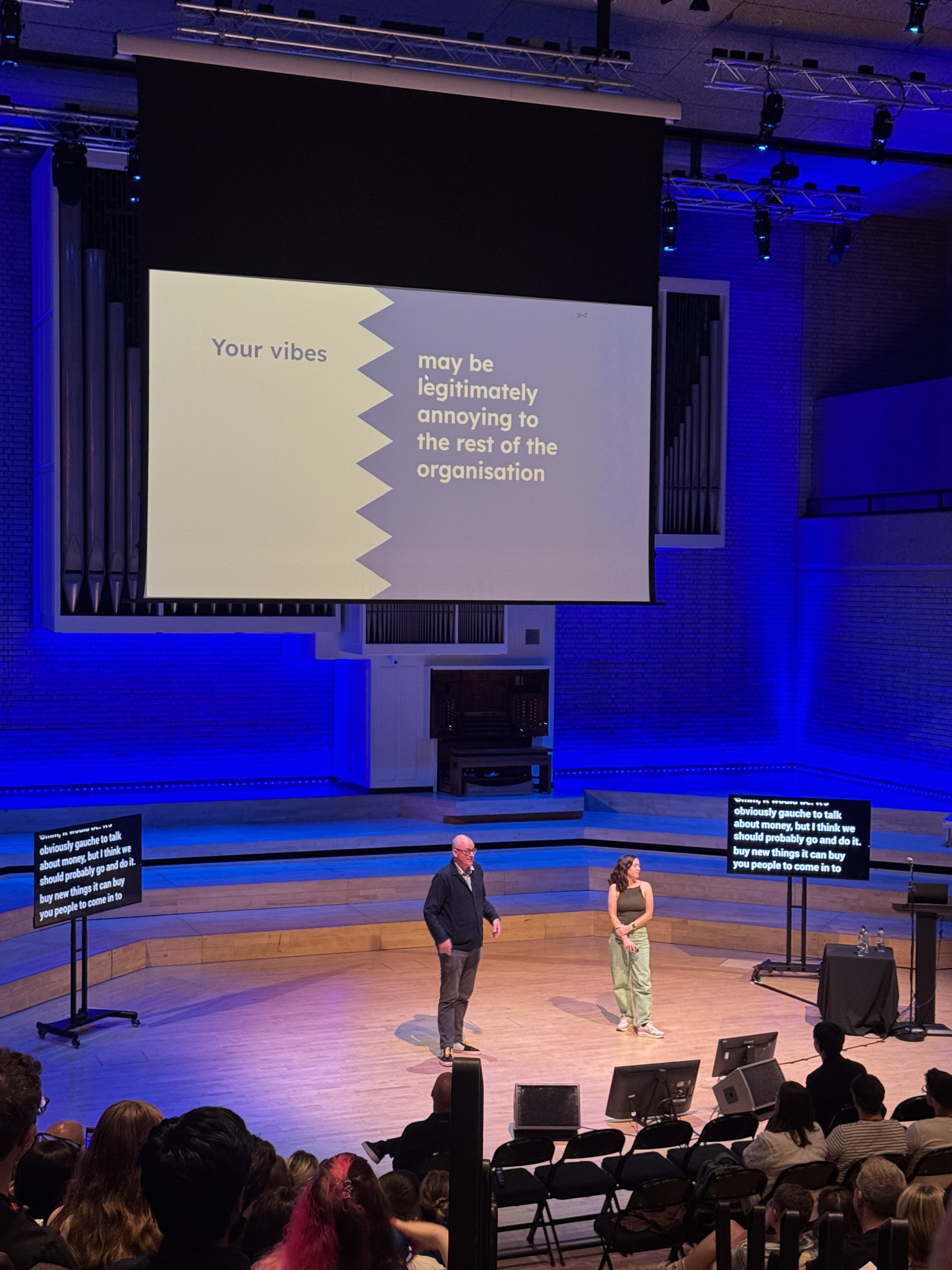
Earlier this month I had the joy of curating and compering the 300 Seconds x Camp Digital session — and what a lineup. Every speaker brought something fierce, fresh and thoughtful to the stage: new voices, new perspectives, and enough energy to reboot a knackered comms team.

The video’s now online, so if you weren’t there, now’s your time to catch up.

Huge thanks to Hannah Smith, Sage Su, Jane Bowyer, Prashanthi Balachander, Ryan Hill and Saw Nwe — I’ve no doubt we’ll be seeing much more of them on conference stages soon. And to Nexer Digital for inviting us back (and trusting me with a mic again).

🎥 Watch the session — featuring bold ideas, brilliant people, and me bouncing around like a child let loose in a sherbet factory.

Travel

I went no further than walking distance from my home all week and it was bloody brilliant. Recommend.

This week in photos

Weeknote 2025/29

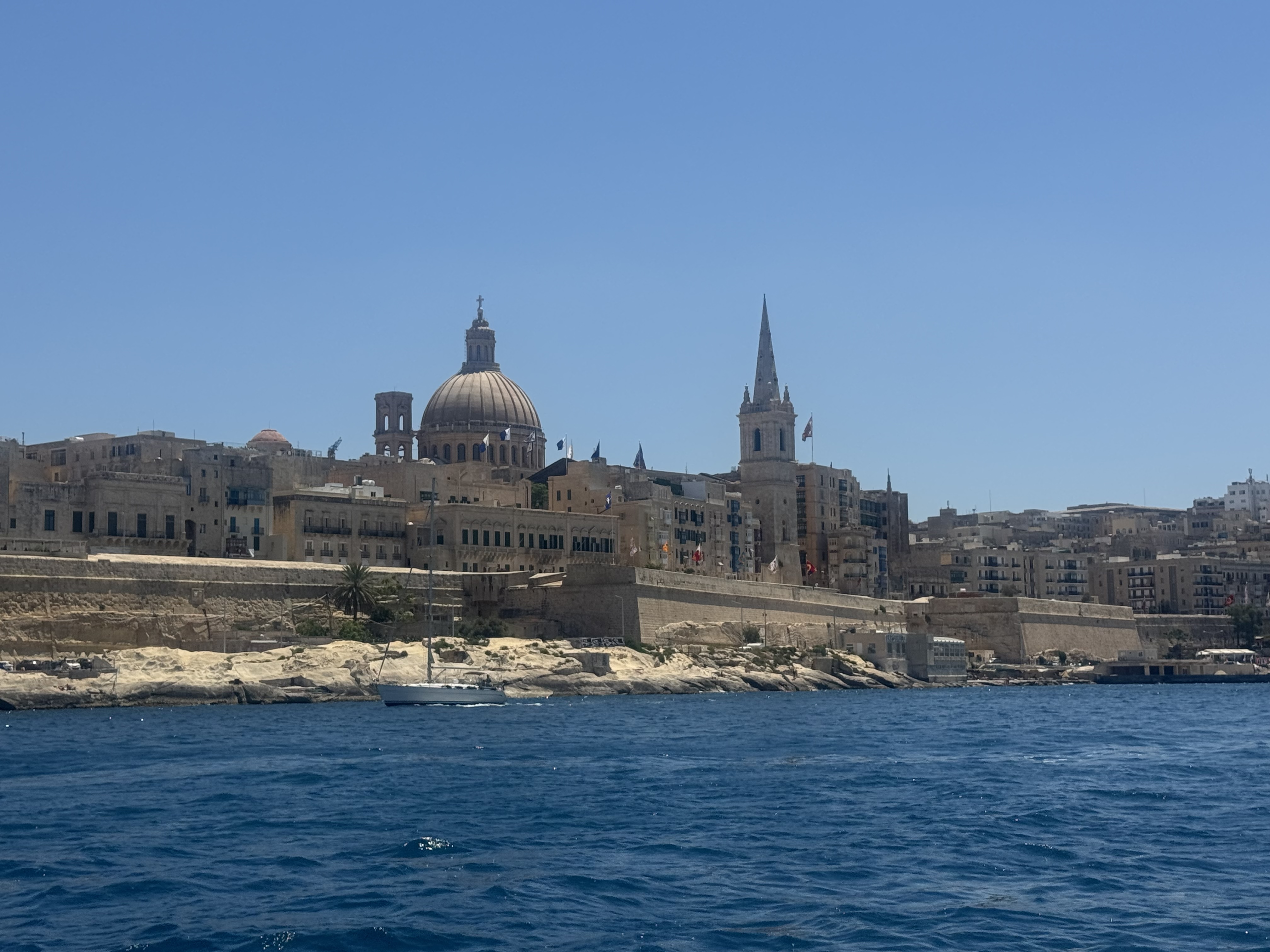
Valetta, Malta. Photo: me.

A week of three — maybe four — halves.

Monday was a write-off. After a weekend of small disasters, culminating in a panicked and fruitless search for my AirPods (and facing the horrifying prospect of having to listen to other people breathe), the news landed that a piece of work we thought was in the bag… wasn’t. I got that email while enduring a terrible pedicure: someone badly applying nail polish while I sat there, too British to object, knowing full well I’d be coughing up for another within days. A perfect metaphor, frankly.

That evening I took myself off to Malta. A few days of ancient streets, gelato, wine and reading by the sea did the trick. Somewhere between the waves and the wine, I made some plans. Started a couple of things. Ditched a couple more.

The AirPods turned up, inside a shoe in my suitcase. My fears about the pedi proved correct, mind; it was chipped by Tuesday afternoon.

By Friday I was back delivering good work and talking to a potential new client. I know it sounds mad given how much I travel, but a few days out really can be the reset you didn’t know you needed. Like turning it off and on again, but for your entire personality.

This week at work

We’ve submitted the first three chapters of the book. Suddenly it all feels very real. The next four are underway and — surprisingly — I’m feeling pretty good about it.

This first section is all about discovery, which has turned out to be… discovery about our own discovery. A chance to properly review, analyse, synthesise and test what we actually do — not just what we tell ourselves we do.

It’s been a good moment to reflect. Jon and I have worked together for a decade, honing our methods and toolkits. Writing the book’s been part codifying that, part stress-testing it against research, and against the perspectives of others in the field.

We’ve been lucky to talk to some brilliant comms consultants. Let’s be honest: they’re also competition. But this is a small industry, and there’s no space for giant egos. We’ve all read the same books, combined that with experience, and built our own ways of working. When people let us in on theirs, it’s a privilege.

Less cheerfully, a client who’d been all set to extend a contract had a change of mind. Budget pressures, shifting priorities — nothing we could have done differently, but disappointing all the same. Now to find something to fill that gap. (Shout if you’ve got a Sharon-shaped project in mind.)

In the meantime, cracked on with other client work in an unremarkable, steady-as-she-goes kind of way — until Friday, when something new and promising landed in my inbox. Funny how these things even out.

Also this week

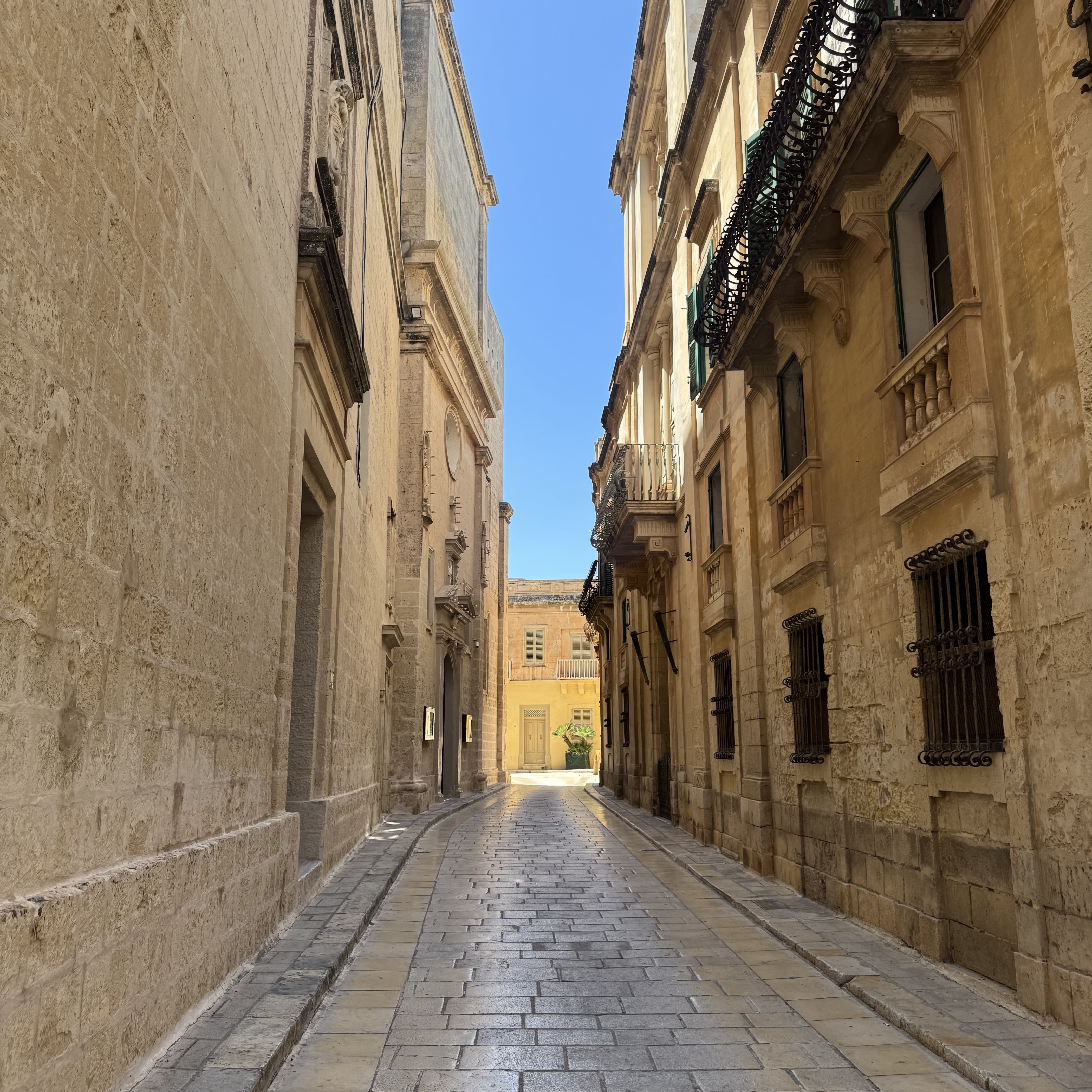
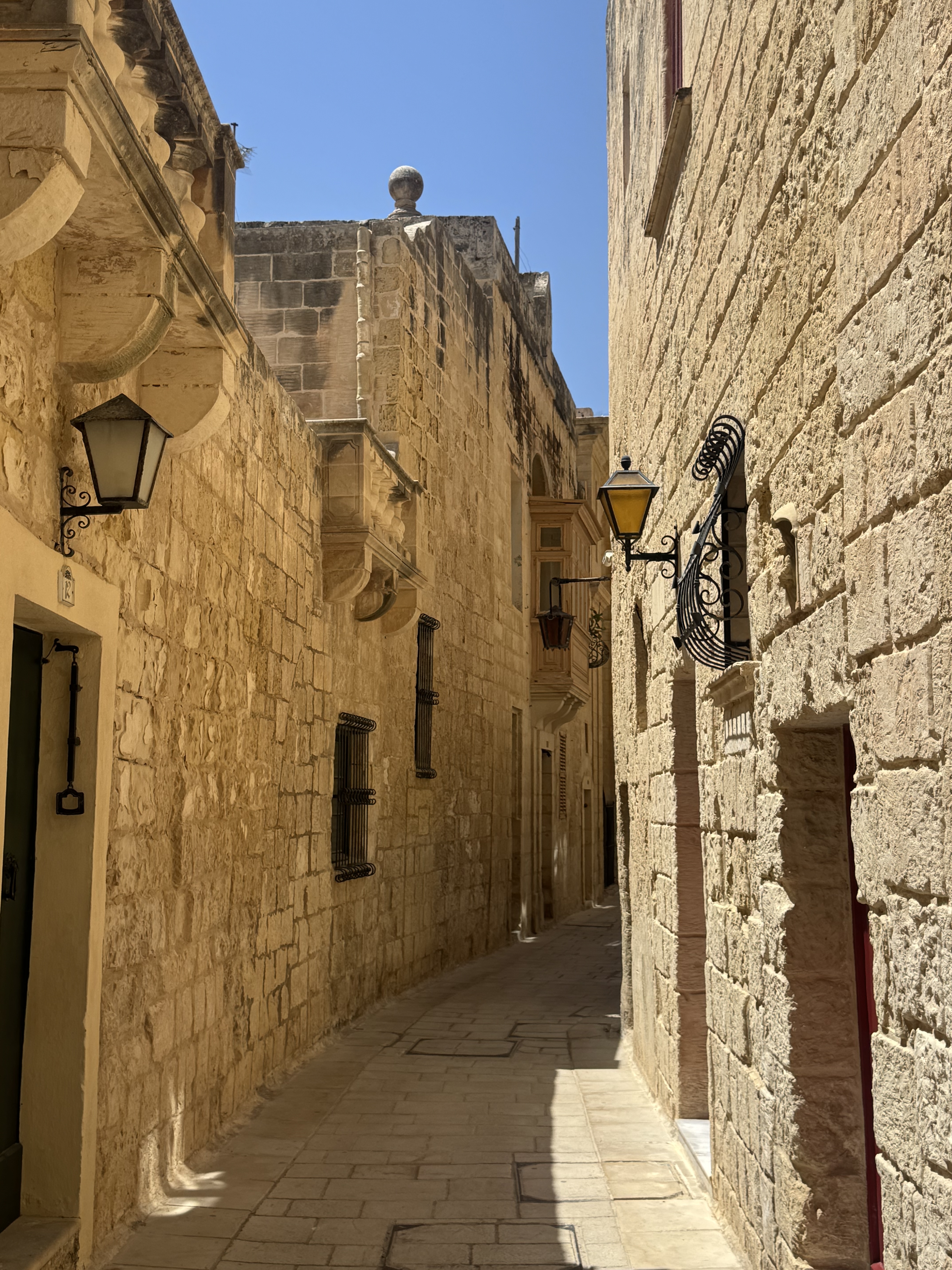
Malta, then. Visited because it’s somewhere I’d not yet been, and I had a Ryanair flight credit burning a hole in my inbox that would take me there for just thirty pounds. Hardly a considered travel strategy, but it worked.

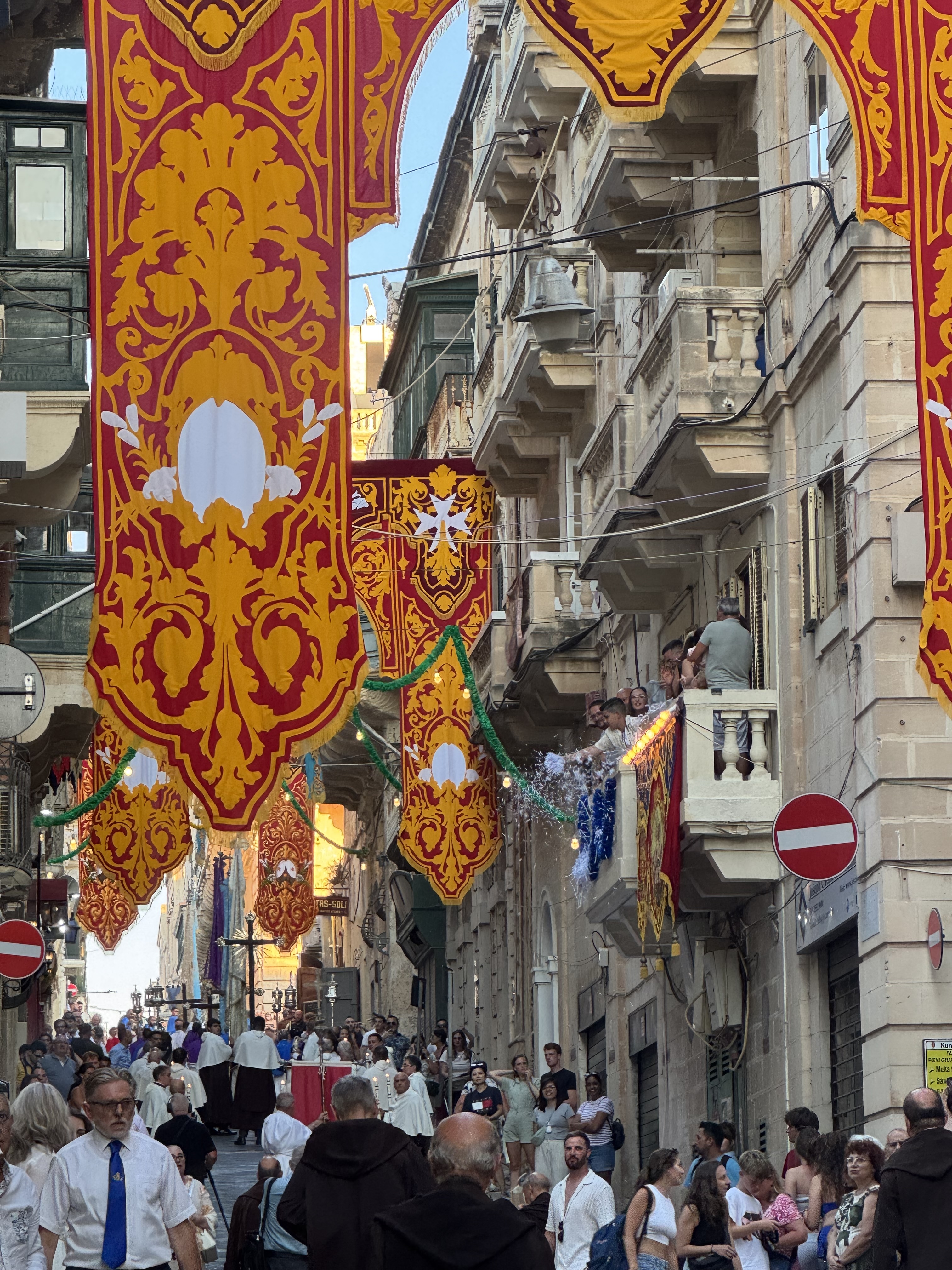
And what a delight. Six thousand years of history crammed onto a handful of rocky outcrops, layered like a very hot mille-feuille of temples, fortresses, baroque excess and British leftovers. Plus cheap wine, reliable sun, and the deeply satisfying pastime of pootling around ancient harbour walls dodging a religious parade to the sound of canonballs being fired into the sea.

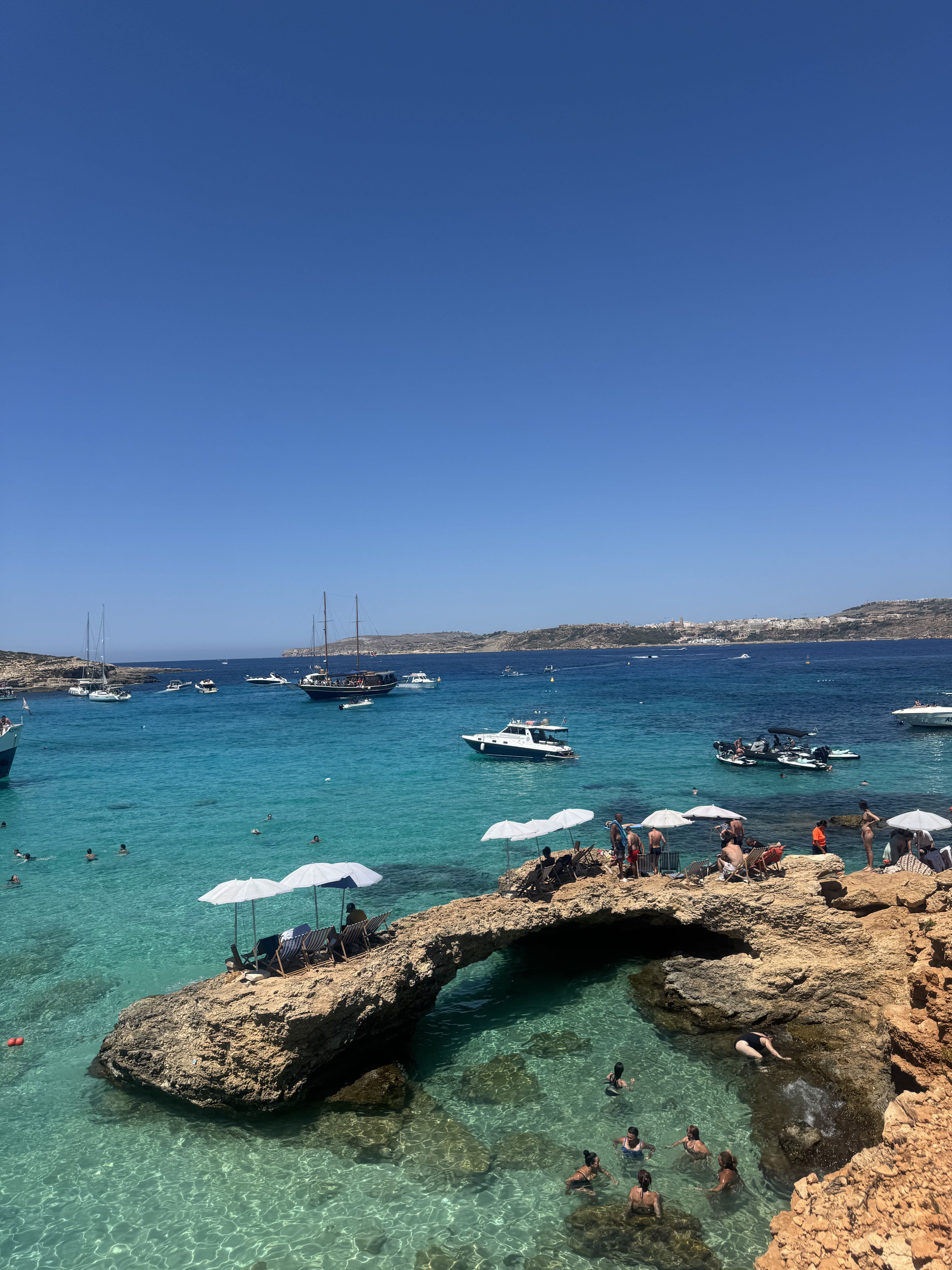
By Wednesday I was diving off a boat into the southern Mediterranean. I’m not a beach person — fuck sand — but there’s something about a boat, a cove, the wind in my increasingly feral hair, and the slap of sea water after jumping off the side.  Sheer, unadulterated, child-like joy.

More than that, it was the reset I didn’t know I needed. The past couple of months have been relentless, and it turns out that a change of scene, sea air, and an inadvisable number of pastizzi will, temporarily at least, unbreak your brain.

Consuming

👩🏻‍💻 Internetting

Mark Wilson has written a cracking piece on the slow, grinding enshittification of the app economy. He tried to book a taxi via Bolt while on holiday — it never showed. Uber? Same. Slick interface, utterly useless service.

He describes the familiar tech trajectory: prioritise growth, then profit, then slash costs until the customer is left holding the bag, doing all the work themselves. Like some kind of gig economy but for basic competence.

If you’ve tried getting to the airport lately, you’ll know the drill: the app promises a car in two minutes, then as soon as you order it’s fifteen, then the driver cancels because Mercury is in retrograde or whatever. What began as a convenience is now a con — higher prices, worse service, and no humans in sight when it inevitably goes wrong. Also no alternatives, because the platforms nuked the competition for LOLs.

📺 Watching

Absolutely nothing. Haven’t even turned my TV on all week. And I’ve enjoyed that.

📚 Reading

My break gave me the chance to read Paris 44, a brilliantly told account of the city under occupation — and the joy, chaos and reckoning that came with liberation. Easily one of the best things I’ve read this year.

It made me think a lot about my grandmother, who lived in Paris at the time. She rarely talked about the war. Like many of her generation, the past was something you carried, quietly. But there’s something both moving and faintly surreal about reading history that runs so close to your own family’s untold stories.

Every mention of battles in the streets of the 16e arrondissement made me wonder what she’d seen or heard from the balcony of the family apartment on Rue Leconte de Lisle. The jostling for power between the Gaullists and the Communists — my family were firmly in the latter camp. It makes me wish I’d asked more, though I suspect she wouldn’t have said much.

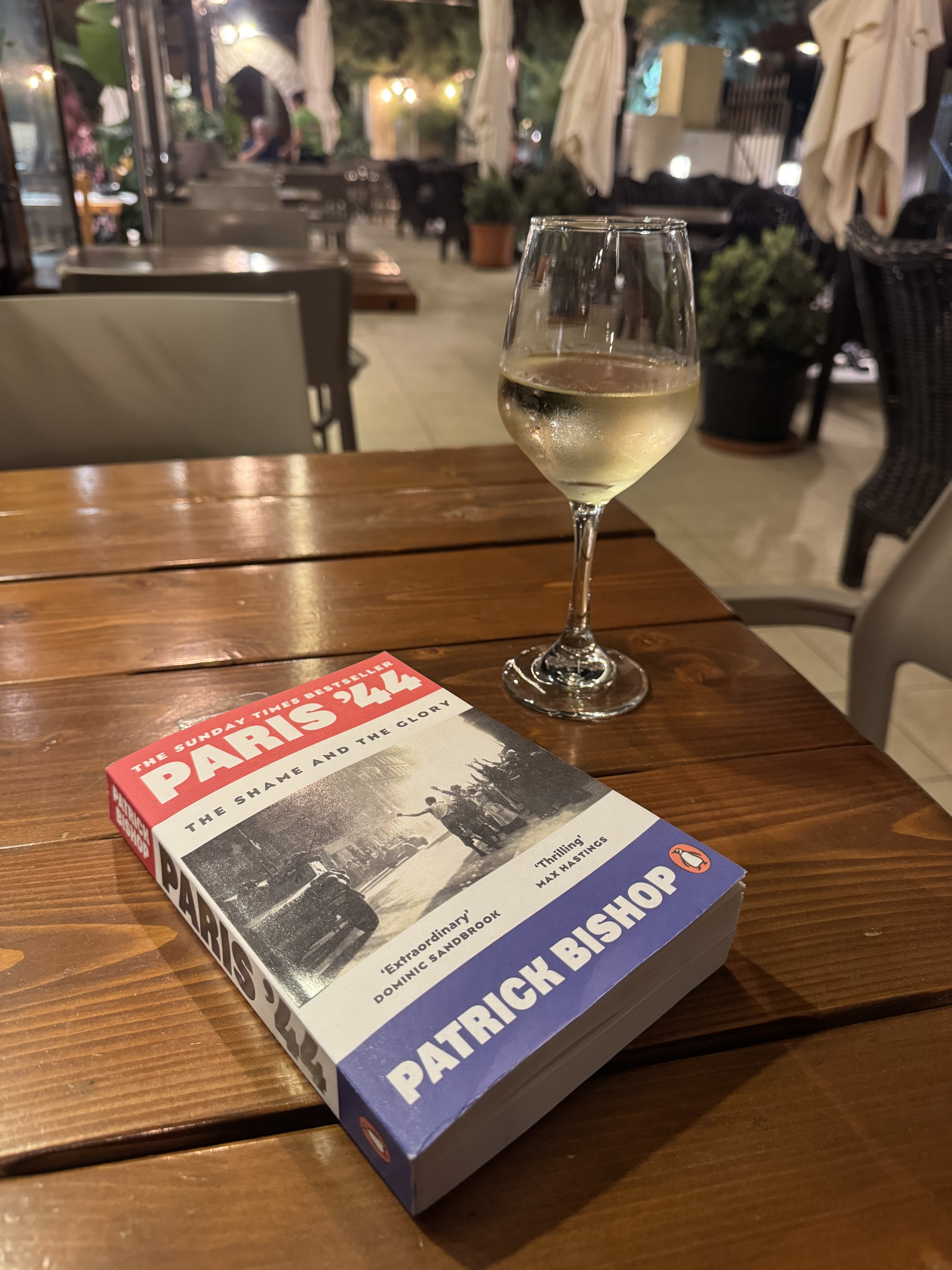
A book, Paris '44, by Patrick Bishop, is on a table with a glass of white wine. It is dark.
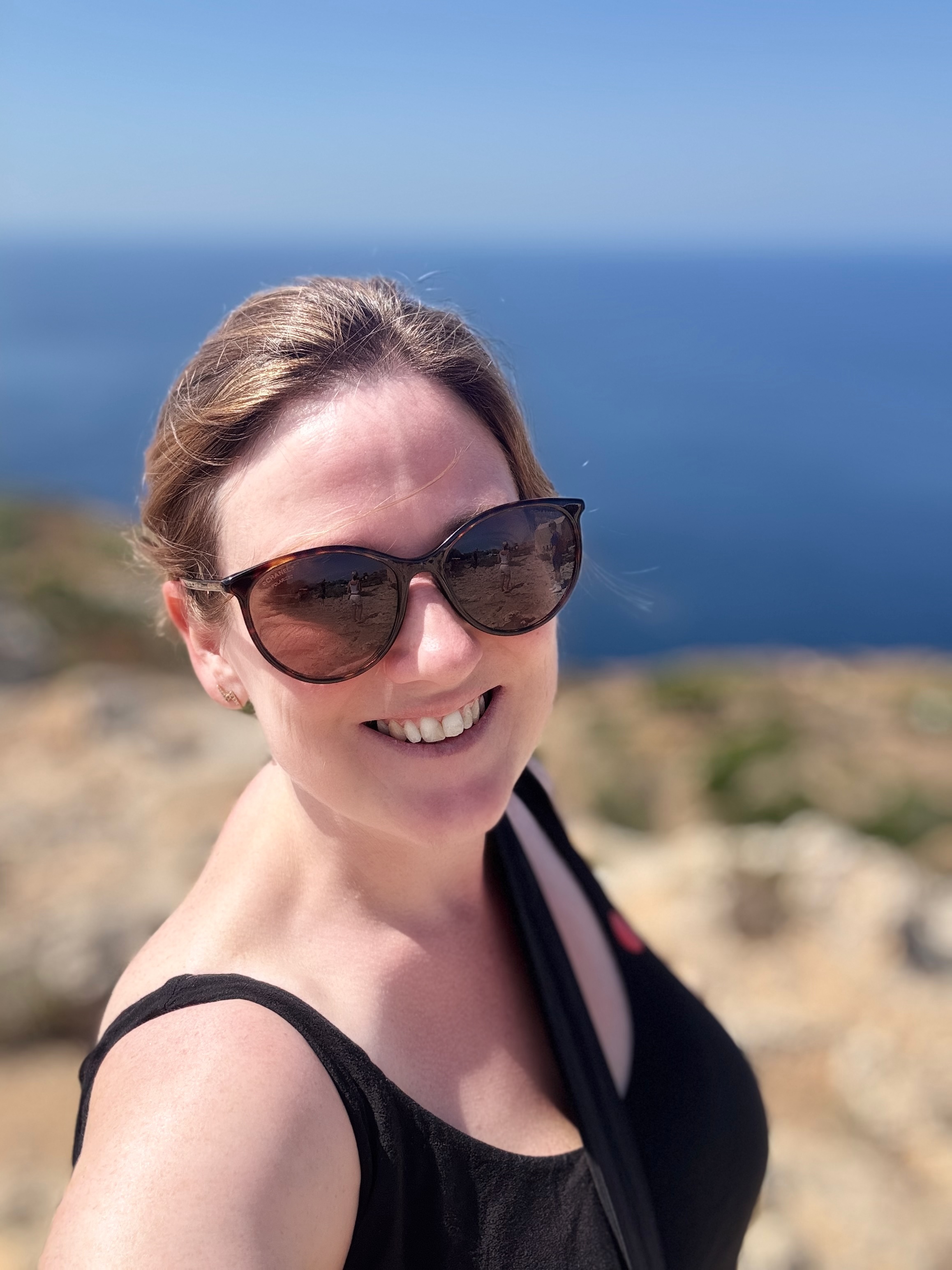
Reading a book with the wind in my hair and the sound of the waves below. My happy place.

It kept bringing me back to A Certain Idea of France, Julian Jackson’s brilliant de Gaulle biography I read last year. That book described how de Gaulle memed his way into the top tier of Allied leaders, despite Churchill and Roosevelt doing everything short of changing the locks to keep him out. He wasn’t even invited to Yalta, but by the time Paris was liberated, he’d made himself unavoidable.

Jackson gives you the sweeping, statesman’s-eye view; Paris 44 keeps you at street level — the hunger, reprisals, infighting, and the sudden visibility of women in public life. I remembered the handful of stories my Nan told me of the treatment of women who’d practiced horizontal collaboration with the enemy. It shows just how close France came to civil war as factions jostled for power. De Gaulle’s real genius wasn’t just getting France a seat at the top table — it was imposing order at home, consolidating power and quickly rewriting the official story as one of unity and resistance.

History always looks tidy from a distance. Up close, it’s a lot messier.

🎧 Listening

My friend Lauren introduced me to Spotify’s Blend feature — a daily playlist stitched together from the shared tastes of you and whichever poor souls you’ve roped in. Like Discover Weekly, but with the added jeopardy of other people’s terrible taste. And yet it’s weirdly brilliant. The algorithm can take a ragtag bunch of us from Iran, Sweden, the UK, the Netherlands and Thailand, and somehow find the musical Venn diagram we can all tolerate.

Big Tech may be broadly malevolent, but Spotify remains the one service where surrendering your data feels like a fair — if Faustian — trade.

Travel

I got home on Thursday evening, and now face the exciting prospect of spending over a fortnight at home. I’m giddy with joy.

This week in photos

Weeknote 2025/28

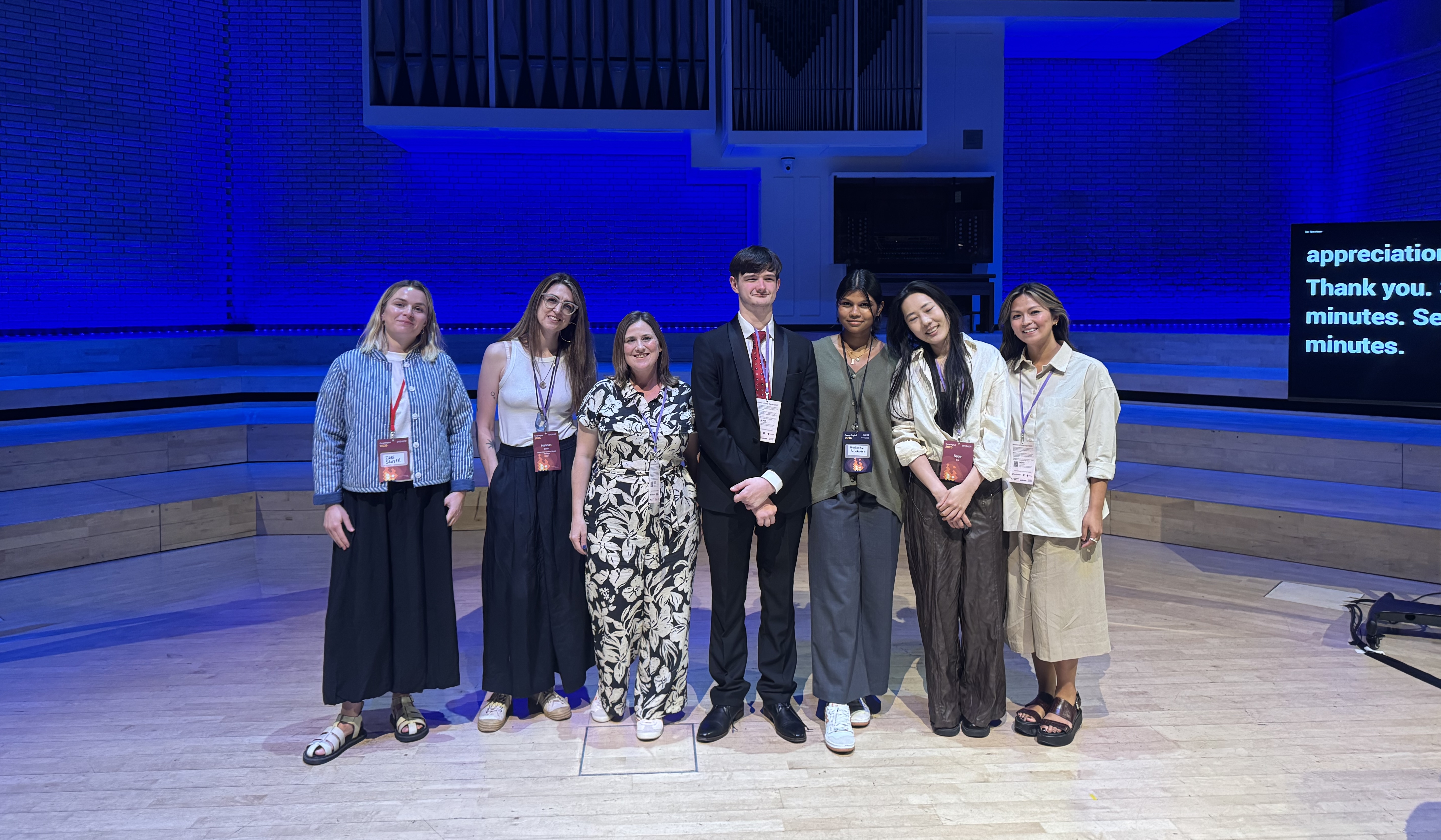
With the brilliant 300 Seconds speakers at Camp Digital in Manchester

It’s been two weeks since my last weeknote, but I feel like I’ve aged six months. Three trips to the UK, one conference, one festival — all while trying to keep the day job, the book, and the side project moving. I’m knackered.

I’m writing this from a hotel room in Manchester. Weekend plans didn’t quite come together — poor timing, crossed wires, and the quiet disappointment of being let down by someone. Maybe it’s just as well. I probably needed the space to stop and catch my breath.

This fortnight at work

Camp Digital was a bright spot — a brilliant event and a reminder that there are still good humans working in digital, design and comms. Our 300 Seconds lightning speakers smashed it. Fresh ideas, fresh perspectives, a healthy amount of swearing: the holy trinity of a good event. Roll on next year.

I’ve been working with one of our partners on some new opportunities — nothing I can share yet but fingers crossed. If it comes off, it’ll be fun.

The book is coming along; the first chapters are due to the publisher this week, so the mild panic is entirely justified. I am flitting wildly between ‘this is fine’ and ‘I should go and hide.’

And we’ve started experimenting with AI agents for communicators. Not the generative AI that everyone’s wanging on about, but actual agentic tools that can plan campaigns, track outcomes, and crunch numbers. The boring stuff no one in comms actually wants to do. The hope is that if the machines can take care of the drudgery, we can get back to the good bit: the human side of work.

Also this week

I have spent a ridiculous amount of time on the road. Cancelled flights, last-minute rebookings, 3am airport taxis, and that bleak routine of going home just long enough to unpack, shove everything through the wash, and pack again. I’m over it.

I mostly enjoy the rhythm of travel — airport rituals, playlists, good intentions to write en route. Now it’s just departure gates, bad coffee, and the creeping sense my suitcase sees me more than my friends do.

Meanwhile, I’ve been quietly chipping away at a side project. It’s killing me not to share more, but I promise it’ll be worth it. Or at least mildly interesting. We’ll see.

Consuming

👩🏻‍💻 Internetting

Matt Jukes posted the full script of his Camp Digital talk, The Power, Peril and Privilege of Working in the Open. It’s brilliant, funny, and painfully honest — basically a roadmap of what two decades of blogging, tweeting and weeknoting does to a person.

I related to a lot of it. Like Matt, I’ve been writing in public for over a decade, and I’ve got the bruises to show for it. He captures why openness is both exhilarating and exhausting — the opportunities, the random connections, the whisper networks and the weirdos.

If you’ve ever wondered why some of us keep putting our messy selves on the internet, this is the best explanation I’ve seen.

📺 Watching

I watched Attack on London: Hunting the 7/7 Bombers on Netflix, in the one day I spent at home this week (cheerful, I know). A tough but compelling four-part documentary marking 20 years since the London bombings. That number still doesn’t feel real — like most Londoners, that day is burned into my memory.

The series does a solid job of telling the story without sensationalism. The attacks, the huge investigation, the botched operation that led to the killing of Jean Charles de Menezes. It’s all there, plus reflections from survivors and first responders.

It’s honest, unsparing, and a reminder of how much that day reshaped the city and the people in it.

📚 Reading

Trips back to the UK meant a chance to stock up on actual books. I picked up The Genius Myth by Helen Lewis. I’ve barely scratched the surface, but so far: yes, this is for me.

🎧 Listening

Spent last weekend at Down The Rabbit Hole, a charming little festival in the east of the Netherlands. Big enough to get good acts, small enough that you’re not spending the whole time schlepping between stages. Plus, swanky glamping — I am absolutely past the point of roughing it.

Highlights: Patti Smith, still a force of nature. Underworld, euphoric as ever. Iggy Pop, Japanese Breakfast, Beth Gibbons, Bloc Party — all excellent. Massive Attack? Bit meh.

This one’s special for me, It was at Down The Rabbit Hole six years ago that I decided I wanted to move to the Netherlands. So in a roundabout way, this festival changed my life. Or at least my postcode.

Travel

Off to Malta on Monday for a quick solo break — a plan that seemed like a great idea when I booked it, and now feels like yet more admin. But then: two solid weeks at home. Thank Christ.

This week in photos
Weeknote 2025/26

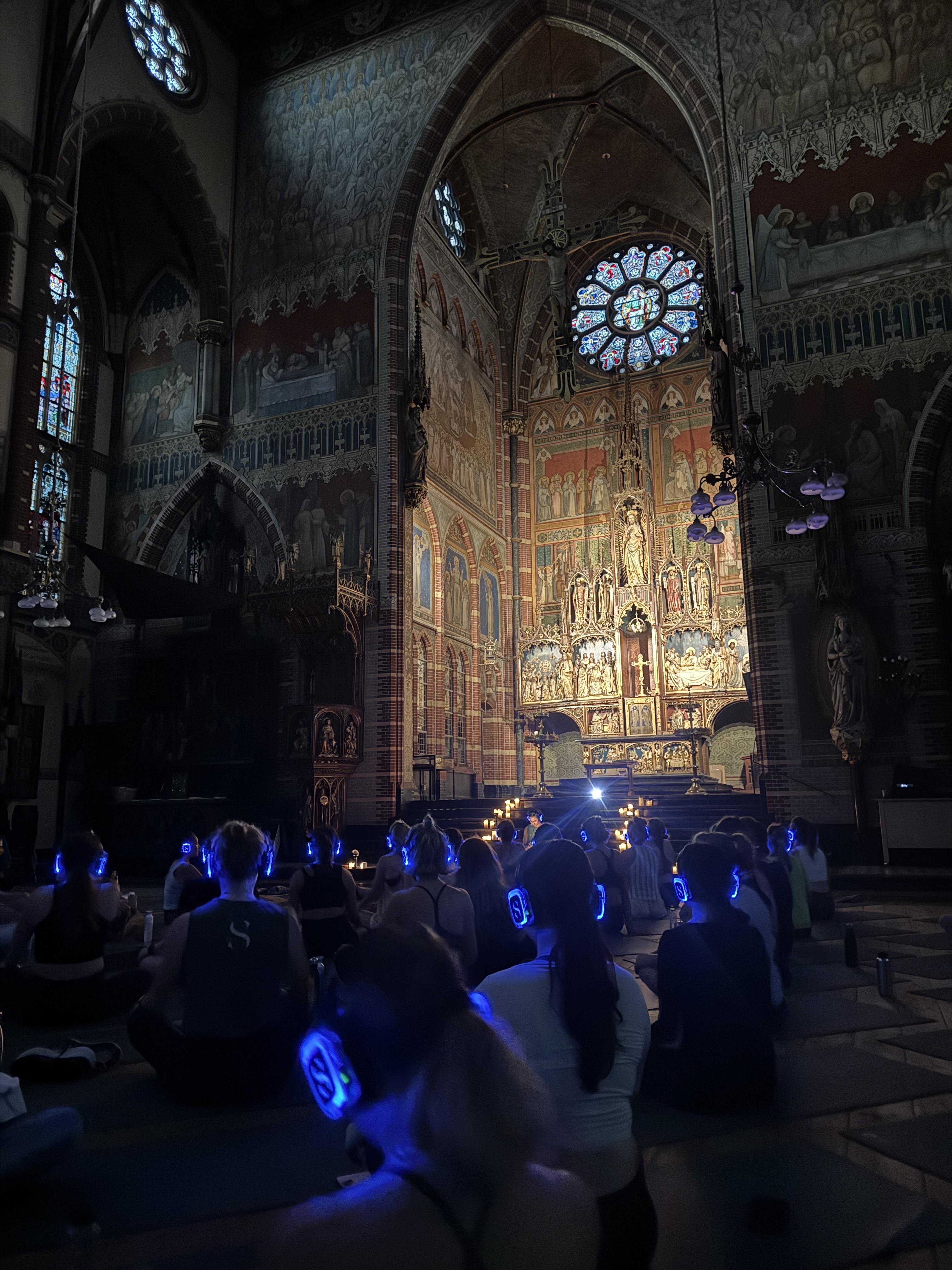
With some of my fellow 40 Over 40 in London this week

This week I was named one of Women in PR’s 40 Over 40 — and then, 24 hours later, I found myself weeping quietly at an Alanis Morissette concert.

Blame the hormones, the humidity, or the overwhelming realisation that somehow, improbably, I’ve made it here.

She was singing Hand in My Pocket, the song that lived on every mixtape of my teenage years. Back then, I clung to those lyrics like a lifeline:

I’m broke but I’m happy / I’m poor but I’m kind / I’m short but I’m healthy, yeah…

A catalogue of contradictions, sung with defiance and grace. It felt like someone finally understood what it meant to be a mess in progress.

Nearly 30 years later, I’m still a walking contradiction. Still figuring it out, still a bit of a mess. But maybe that’s the point.

Because I wasn’t supposed to end up on any kind of power list. I was the weird kid, the shy one, the late bloomer who couldn’t tie her shoelaces until she was ten. I didn’t finish university until 27. I didn’t have a ‘five-year plan’. Christ, I barely had a five-day one.

And yet here I am. Still learning, still growing, still a bit of a shambles — and now, somehow, a Woman in PR with Power(ish).

Alanis was right. What it all comes down to is that everything’s gonna be quite alright.

So this week, I’m feeling grateful. For the path I took, however winding. For the people who walked some of it with me. For the chance to be recognised not despite my messiness, but alongside it.

And for the reminder — courtesy of Alanis — that sometimes, having one hand in your pocket and the other giving a peace sign is exactly where you’re meant to be.

This week at work

This week we’ve been helping an organisation finally switch off their old intranets. A sentence that sounds simple until you realise the average corporate intranet is less a communications tool and more an archaeological dig site.

As ever, replacing ancient systems was the easy part. It’s the switching them off that sparks existential dread. People cling to old content like it’s the Magna Carta — even though they openly admit they haven’t looked at it since 2014 and wouldn’t know where to find it if their job depended on it (and sometimes it does).

We did the usual: combed through analytics, talked to stakeholders, did a full content audit to identify anything vaguely useful, and rebuilt what mattered using content design principles that mean people can actually use the thing. The new site went live earlier this year and has been met with widespread relief, bordering on joy. And still, no one wants to press the off switch on the old ones.

So we went back to the business case. We helped the team show the real costs of keeping ghost sites alive “just in case”: confused users, conflicting policies, and enough licensing fees to make your CFO reach for the scotch.

Because sunsetting old systems isn’t just a technical task; it’s grief management, version control, and low-key therapy. This week, we gave people the reassurance (and receipts) they needed to finally let go. The content has been saved. The users are happy. The money is waiting to be saved. All that remains now is to find someone brave enough to push the big red button.

Also this week

I also headed back to London for the Women in PR 40 Over 40 Power List reveal event. Yes, I’ve mentioned it already — and yes, I’m going to bang on about it again. I’m incredibly proud.

I was honoured, thrilled and all the other cliches to be included.  And even better, I got to celebrate it in a room full of brilliant, bold, and inspiring women who prove that purpose, power and possibility don’t peak at 30. 

Yes, we celebrated. But we also had honest conversations about the challenges women face in reaching and staying in senior roles, and what needs to change. The night was a reminder of how much talent, insight and leadership our industry already has. The real challenge is keeping it, growing it — and making space for more.

Massive thanks to the effervescent Nishma Patel Robb for MCing with style and sparkle, and the powerhouse panel—Effie Kanyua, Gavin Ellwood, Jo Patterson and Kate Hunter—for insights, data, and real talk, particularly on intersectionality, and how age and gender are just two of many barriers that people experience. And of course, huge credit to the amazing Women in PR team for pulling off a wonderful and important event.

And to the four speakers — Daniela Flores, Tanya Clarke, Shalini Gupta and Sarah Lloyd—you moved me, inspired me, and reminded me why I love this industry.

Full list of the amazing honourees here

Consuming

👩🏻‍💻 Internetting

This week marked nine years since the Brexit referendum, and someone resurfaced that piece by Daniel Hannan, written in June 2016, breathlessly predicting the glorious future awaiting us this week.

Needless to say, on 24 June 2025, we did not mark Independence Day. No fireworks. No street parties. No soaring national pride. Just the dull hum of a country quietly reckoning with the cost of a fantasy sold by snake oil salesmen.

The UK didn’t thrive. The only thing that prospered was Hannan himself—rewarded for his mendacity with a lifetime seat in the House of Lords, where he now enjoys a taxpayer-funded perch to opine on the ruins he helped create. If Brexit is a cautionary tale, his article is the ur-text: a case study in intellectual dishonesty, wishful thinking, and the staggering lack of accountability in British public life.

📺 Watching

This week I saw David Attenborough’s Ocean on the big screen — a stunning, sweeping, and frankly soul-pummelling reminder that humans really are the worst houseguests the planet’s ever had. Shoals shimmered, whales sang, coral reefs pulsed with life… and then came the horror: plastic bags doing their best jellyfish impressions, bleached reefs that look like ghost towns, and enough trawler-fishing ecological devastation to make you want to walk straight into the sea (while apologising profusely).

But because it’s Attenborough, there’s still a glimmer of hope buried under the guilt. Nature, it turns out, is astonishingly good at bouncing back… if we stop actively making things worse every five minutes. The film offers glimpses of recovery: marine sanctuaries teeming with life again, species reappearing like they’ve been hiding from us (fair), and communities putting things back together with patience and care. I left feeling both furious and faintly hopeful.

📚 Reading

Reading around for book research but didn’t get stuck into anything in depth this week.

🎧 Listening

Wednesday was Alanis at the Ziggo Dome: cathartic, emotional, and a reminder that she still has the range — vocally and spiritually. My mate and I were already crying before she even sang a note, undone by a montage of systemic gender discrimination (as one is). Then came the bangers, the acoustic interlude two metres from us, and a room full of women scream-singing You Oughta Know like it was a TED Talk. 10/10, no notes.

Alanis popped up at the sound desk right in front of us for a few acoustic numbers

Thursday I popped over to Haarlem for Sparks, who were gloriously weird and wonderfully theatrical, and made me regret not discovering them earlier. Also: PHIL is a lovely venue and I will be demanding to see all future gigs there, ideally while sipping their house IPA.

Sparks at PHIL in Haarlem

Coverage

The 40 Over 40 Power List got picked up by PR Week, meaning the whole thing is now official, on the record, and cannot be undone.

I also had another thinkpiece out in Strategic, this time on performative listening. If nothing else, it gave me the rare joy of citing Zygmunt Bauman for the first time since my undergrad dissertation. (You never forget your first postmodern sociologist.)

Travel

Next stop: Manchester for Camp Digital, where I’m once again hosting 300 Seconds, our lightning talks for new voices in tech. It’s our third time at the conference, and somehow I’m still surprised each year when a speaker drops out the week before. Nature is healing.

After that, I’m off to a festival. What kind? Who knows. Ask me next Monday. There won’t be a Weeknote 27 because I’ll be in a field, probably crying to something with banjos.

This week in photos