This is part one of a three-part series reflecting on ten years of self-employment — what led me to leave my last employed role, what came after, and how I now think about work, identity, and change.
I didn’t leave my last employed role because I was brave, burned out on corporate life, or driven by some entrepreneurial calling.
I left because staying had become untenable.
By the time I quit, I was exhausted, unwell, and out of road. Not in a dramatic way — but in the slow, grinding way that comes from trying to make an impossible situation workable for too long.
For over a year, I’d been doing the work of two, arguably three people. I spent a year living in a hotel on the other side of the world to deliver a project against an unrealistic deadline, with neither enough resources nor senior support. Alongside that, I was managing two teams across eight time zones — a logistical and emotional load that never let up.
I did all of this willingly. Partly out of professional pride. Partly out of ambition. And partly because I believed (and was quietly encouraged to believe) that if I proved myself hard enough, everything would eventually resolve.
I was chasing a promotion I thought I needed, and a bonus that had been dangled just far enough ahead to keep me running. Early in that financial year, I discovered that someone in my team, with significantly less responsibility and a lighter workload, was being paid more than I was. When I raised it, I was told it couldn’t be fixed — but that it would be rectified at bonus time.
In retrospect, I was a mug.
Then came the reorganisation.
It was badly handled, driven more by internal politics than how teams actually function. My team was disbanded — a fact I didn’t learn in a meeting, or even on a phone call, but via a text message from a junior team member, because my manager had forgotten to invite me to the meeting.
Shortly afterwards, I was moved under a new manager who neither understood nor valued digital, and who had little appetite for making a success of a platform I’d spent the previous year delivering. Because it wasn’t their idea, it was quietly undermined — along with the person responsible for it.
By then, my body had already started to register what I was still trying to rationalise. I barely slept. I was constantly tense. I was ill with stress in a way I’d never experienced before. I took a few days off sick — the only sick leave I took in the whole time I worked there — and received an email from HR informing me that if I remained off, my pay would be withdrawn.
It wasn’t framed as concern. It was framed as process.
That was the moment the spell broke.
Up until then, I’d still been operating under the illusion that if I just worked harder, explained myself better, or endured a bit longer, the situation would right itself. That email made it clear this wasn’t a misunderstanding or a temporary rough patch. The system had made its position known.
I didn’t quit because I was brave. I quit because I had reached the limit of what I could reasonably absorb.
At the time, it didn’t feel like a career decision so much as a physical and emotional necessity. I didn’t leave on good terms. I didn’t have a plan or a financial cushion. I left carrying a messy mix of anger, relief, fear, and a deep sense that I’d somehow failed.
Looking back, I wish I’d been kinder to myself.
I wish I’d trusted my own signals sooner, rather than forcing my body to escalate the message. I wish I’d recognised that enduring harm isn’t professionalism, and that loyalty to a system that isn’t reciprocated is rarely rewarded.
Ten years on, I don’t romanticise that moment — but I respect it. Walking away wasn’t a career move. It was an act of self-preservation.
A message for International Women’s Day. Photo: me.
Yesterday was International Women’s Day, so once again, I picked up the mantle of Asking Awkward Questions On The Internet.
Why? Because DEI is under attack, pay gaps persist, and women’s rights are rolling back globally. This work isn’t done.
Last year, I took a break—I was tired of shouting into the void. But this year, I couldn’t sit back while companies trotted out the same empty platitudes, hoping no one would notice the gaping chasm between their words and actions.
So once again I cleared my diary and got ready to call out hypocrisy when I saw it.
I came prepared. I’d invited women who didn’t feel able to comment on their own (or their former) employers to ping me the details so I could do it on their behalf.
In all I got 42 submissions calling out 33 organisations across the private and voluntary sectors. Roughly half mentioned maternity discrimination, about 40% unequal pay, with some more touching on harassment, lack of access to flexible work and other issues. About a third covered more than one issue.
What does that tell us? That equal pay reporting has barely nudged the dial on workplace equality. Worse, its tunnel-vision focus has let companies off the hook for the outright grim treatment of pregnant women and mothers—because if the numbers look sort of okay, no one’s asking the bigger questions.
Armed with my hit list, I got to work. I fed the lot into ChatGPT—pay data, corporate waffle about flexible work, news stories on maternity discrimination, the works. A bit of jiggery-pokery later, and I had myself a tidy spreadsheet.
Then the real graft started. Refining each into a solid response. I could have automated more, but didn’t. Partly because ChatGPT is a compulsive liar and needs fact-checking, but mostly because I wanted the flexibility to tailor my replies as the corporate nonsense started rolling in.
I set myself some ground rules:
Reply only to posts from companies someone contacted me about
Stick to actual IWD hypocrisy. If a company posted about how much they love women, I’d hit them with some inconvenient truths
Only use publicly available info. People shared grim stories of discrimination, but to protect their privacy (and my own arse), I kept it to news reports and official data
Then, on Friday afternoon, I got to work. Because in Asia, it was already IWD. And in corporate comms teams everywhere, social media managers were queueing up their posts so they could knock off early for the weekend. Fair dos. Been there too.
Of the 33 companies on my list, 22 posted something vacuous on LinkedIn. I replied to all of these.
So, well, what have we learned?
Firstly, the silence says it all. Of the 22 companies I called out, not one has responded. Not even a token “we’re working on it.” Just deafening, awkward silence.
These companies love talking about “celebrating women” and “accelerating action.” But ask a real question—about pay gaps, maternity discrimination, or flexible work—and it’s tumbleweed.
Pay gap reporting isn’t fixing anything. Years of mandatory reporting, yet progress on equal pay has stalled. Meanwhile, pregnant women and mothers are still treated like an inconvenience. The data is out there, but what’s the consequence for companies that do nothing? A bit of bad PR, if anyone even notices.
Speaking up is still a privilege. The sheer number of women who messaged me privately, asking me to say what they couldn’t, is as unsurprising as it is despressing. Calling out injustice still comes with career risks, and companies count on that silence.
And yet, public scrutiny works. No responses (yet), but to the PR teams lurking on my LinkedIn profile: hi, I see you. Maybe they’re scrambling for a response. Maybe they’re hoping this blows over. Either way, they’ve been reminded that people are paying attention.
What next?
I don’t expect a day of dunking on LinkedIn posts to fix corporate sexism. But dragging the gap between rhetoric and reality into the light? That matters. If more of us did this—if we asked real questions instead of just liking glossy IWD posts—maybe, just maybe, things would start to shift.
For now, I’ll keep watching. I’ll keep asking awkward questions. And if you see a company banging on about how much they support women while quietly making their lives harder, maybe you should too.
Because women don’t need more inspirational quotes. We need accountability.
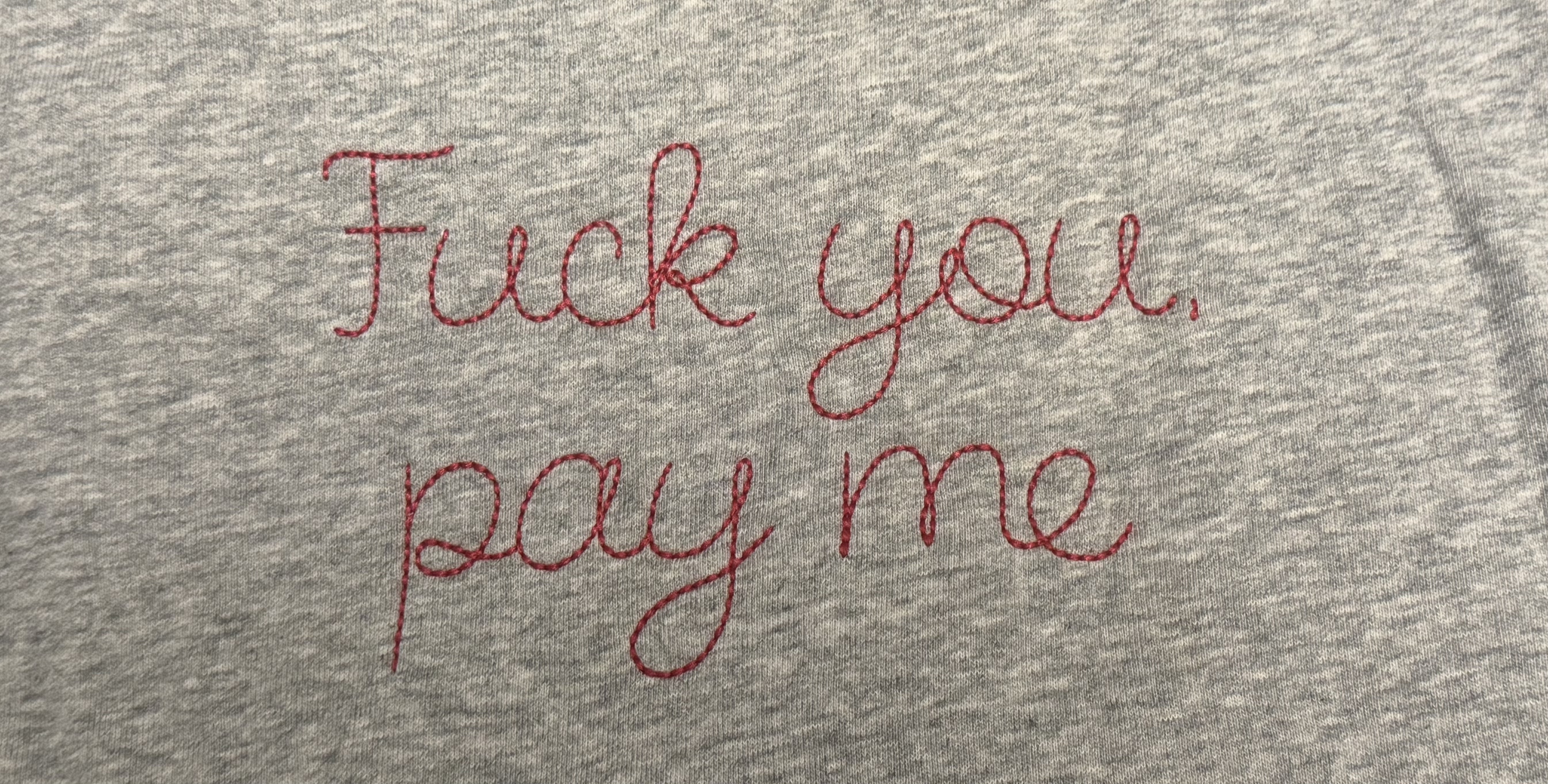
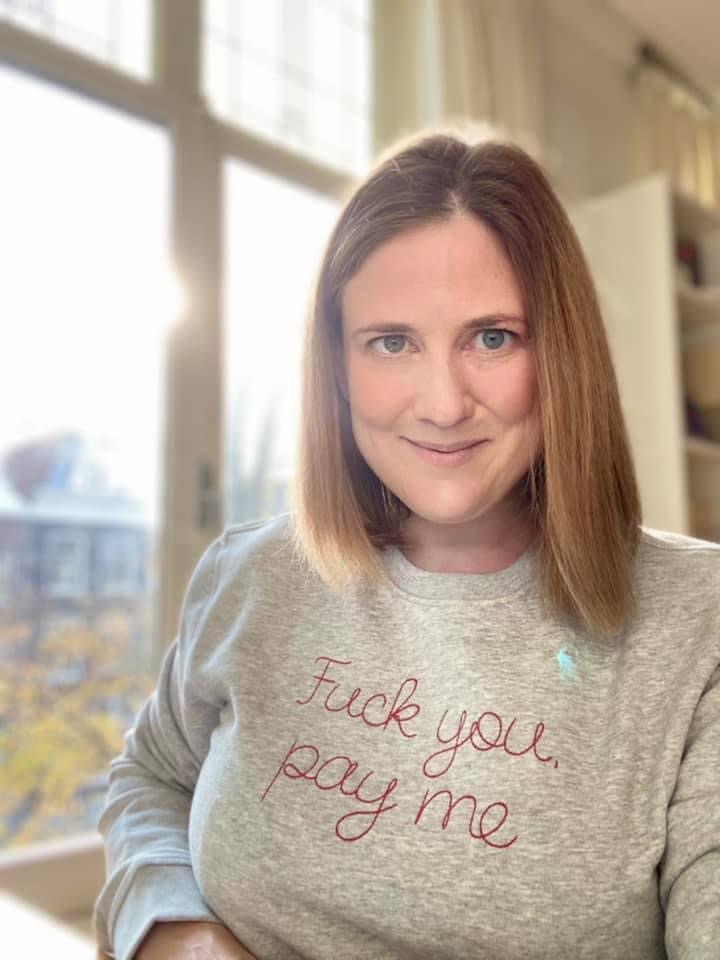
This is the sweater I had made when a company, fresh from raising $100m in their Series B, asked me to do a bunch of work in exchange for a €30 AMAZON VOUCHER. I got this custom-made by the wonderful Lisa Macario and sent them this photo by way of response. It’s now my default reply to such requests.
<normal weeknote service resumes>
This week at work
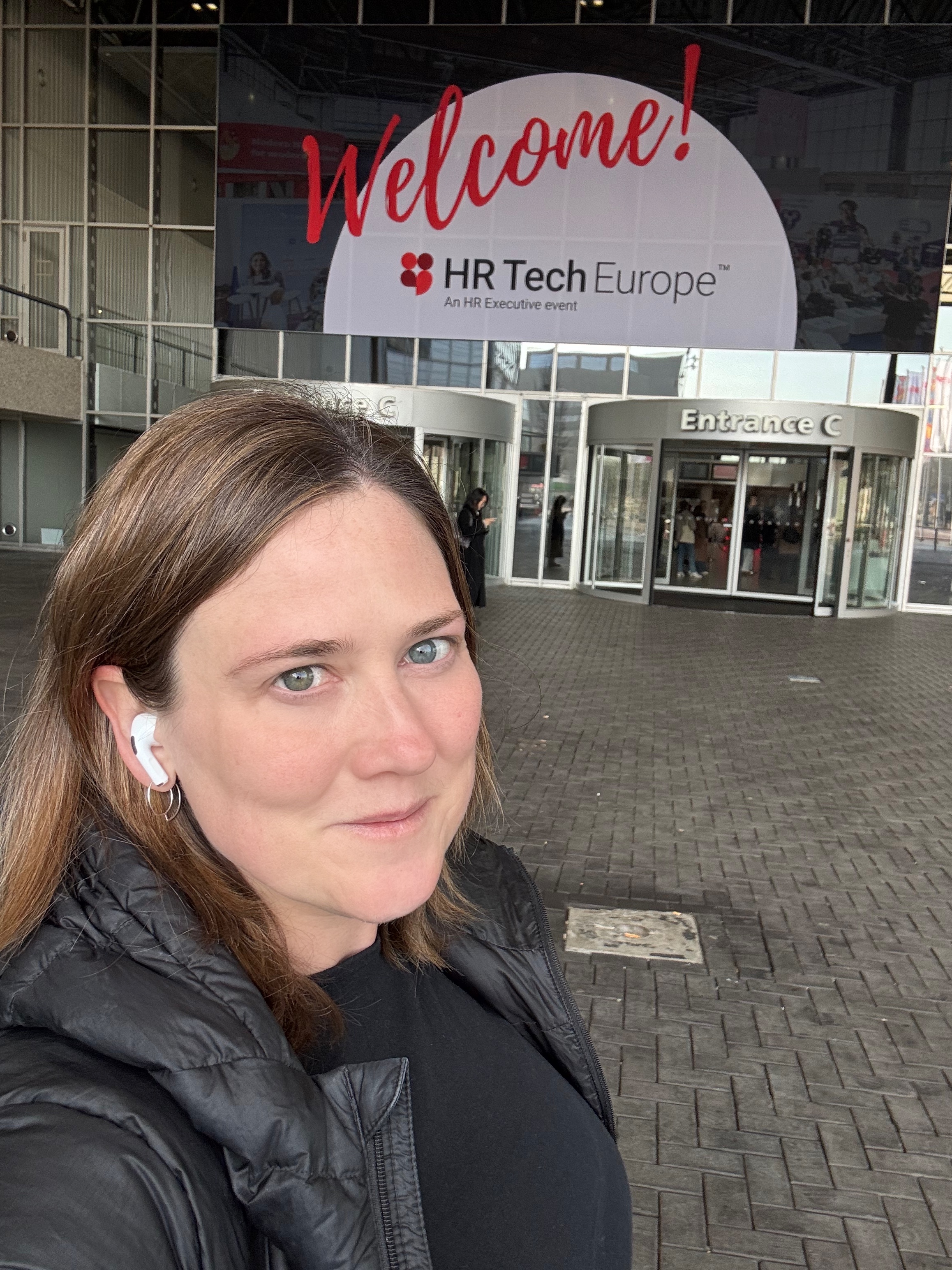
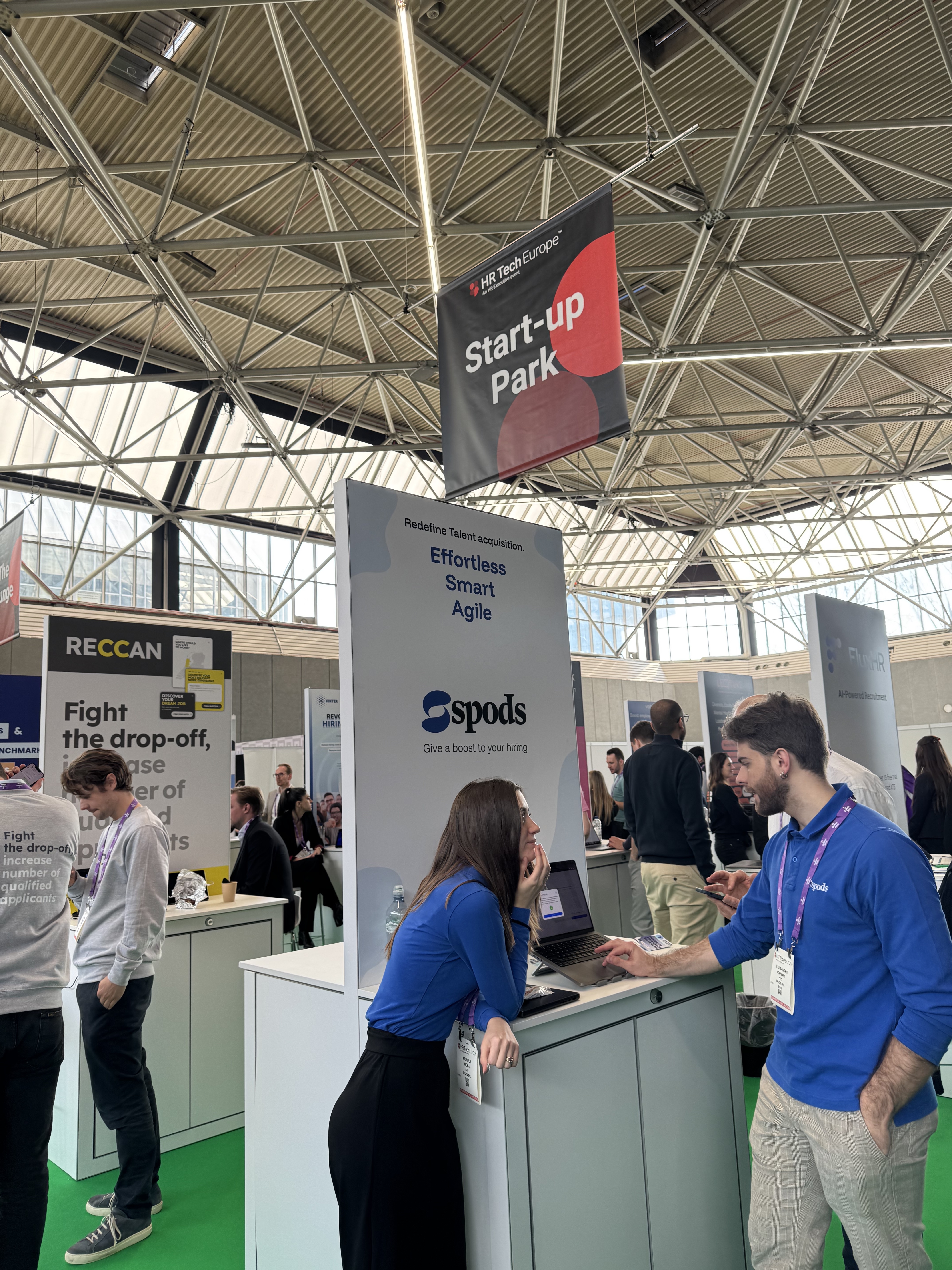
Spent two days at HR Tech Europe, covering everything from recruitment to onboarding, engagement, and employee experience. And by the end of it, one thing was clear: AI is transforming HR—but employee experience is still an afterthought.
AI could automate admin, improve decision-making, even redesign work itself. But too many vendors are busy selling AI to HR teams, not designing it for employees.
One session ran a live poll on AI in HR. Not a single mention of employee experience. For the second year running, vendors proudly boasted about time spent in their apps—as if forcing people to spend more time in HR software is something to celebrate.
Unless you work in HR, you should be spending as little time as possible in HR systems. The best tech automates, integrates, and disappears into the background so people can get on with the work they actually signed up for.
Another big theme? Tech overload. One company revealed they have 120 SaaS tools for 135 people. That’s not streamlining, that’s madness. Instead of reducing complexity, too many organisations are piling on more tools, more silos, more duplicated effort.
It’s not just about cutting tools—it’s about better design. As we tell clients: There’s no ROI in launch—only in sustained adoption and use. Good design, proper integration, and automation mean higher adoption, lower training costs, and a better experience for employees.
The big takeaway? HR tech should work for people, not against them. If we don’t prioritise employee experience, we’re not making work better—we’re just making it more complicated.
Also this week
It’s absolutely glorious in Amsterdam, like we’ve moved straight from winter to summer. The giant puffa jacket has given way to a cardigan. Along with half the city I had my first beers-on-terrace outing of the year. People are out on their boats and sitting by the canals. When the sun’s out this really is the best place in the world.
Saw Kyla Cobbler’s show at Boom Chicago this week. Sharp, fast, filthy and chaotic in the best way. A mix of razor-sharp storytelling and unfiltered crowd work, delivered with full Irish energy that keeps you on edge. Some bits landed harder than others, but when it hit, it really hit and my girlfriends and I laughed till we hurt. A wild, unpredictable ride.
Less of a hit was Biig Piig last night at the Melkweg. A few of us went, mostly just as something to do for my pal’s birthday. Felt a bit too try-hard, perhaps because our group were responsible for bringing the average age of the crowd up by at least a decade. One of those gigs where you realise you’re just not the target audience, and that’s fine.
Consuming
👩🏻💻Internetting What’s in my browser this week
With two holidays under my belt already this year, and three more booked, you can definitely file this one under “well you would say that, wouldn’t you?” but I enjoyed this piece on why travel makes you a better person.
Travel isn’t just fun—it can rewire your brain. Immersive experiences boost empathy, challenge assumptions, increase self-awareness, and spark creativity. Travel builds trust, fosters open-mindedness, and keeps you grounded by pushing you beyond your comfort zone. Travel has certainly made ME a. better person, and I’m thankful for that.
One of the exhibitors at the HR Tech conference had the bright idea of giving out free books if you pose with it for a selfie. So I’ve finally started reading Brene Brown, about a decade after everyone’s raved about her at me.
🎧 Listening
I’m two episodes in to Broken Veil. Unsettling.
Travel
🇬🇧 I’m heading to London this week. I have a little spare time so shout if you want to catch up.
Connections
I had a virtual coffee with Stephanie Barnes this week. We talked about moving countries, the overlaps between KM and digital workplace, and using creativity in workshops to prompt people to think differently.
HR Tech Europe also gave me a chance to catch up with Anne-Marie Blake again, and meet her co-founder Howard Krais for the first time.
With Anne-Marie Blake and Howard Krais at HR Tech Europe this week
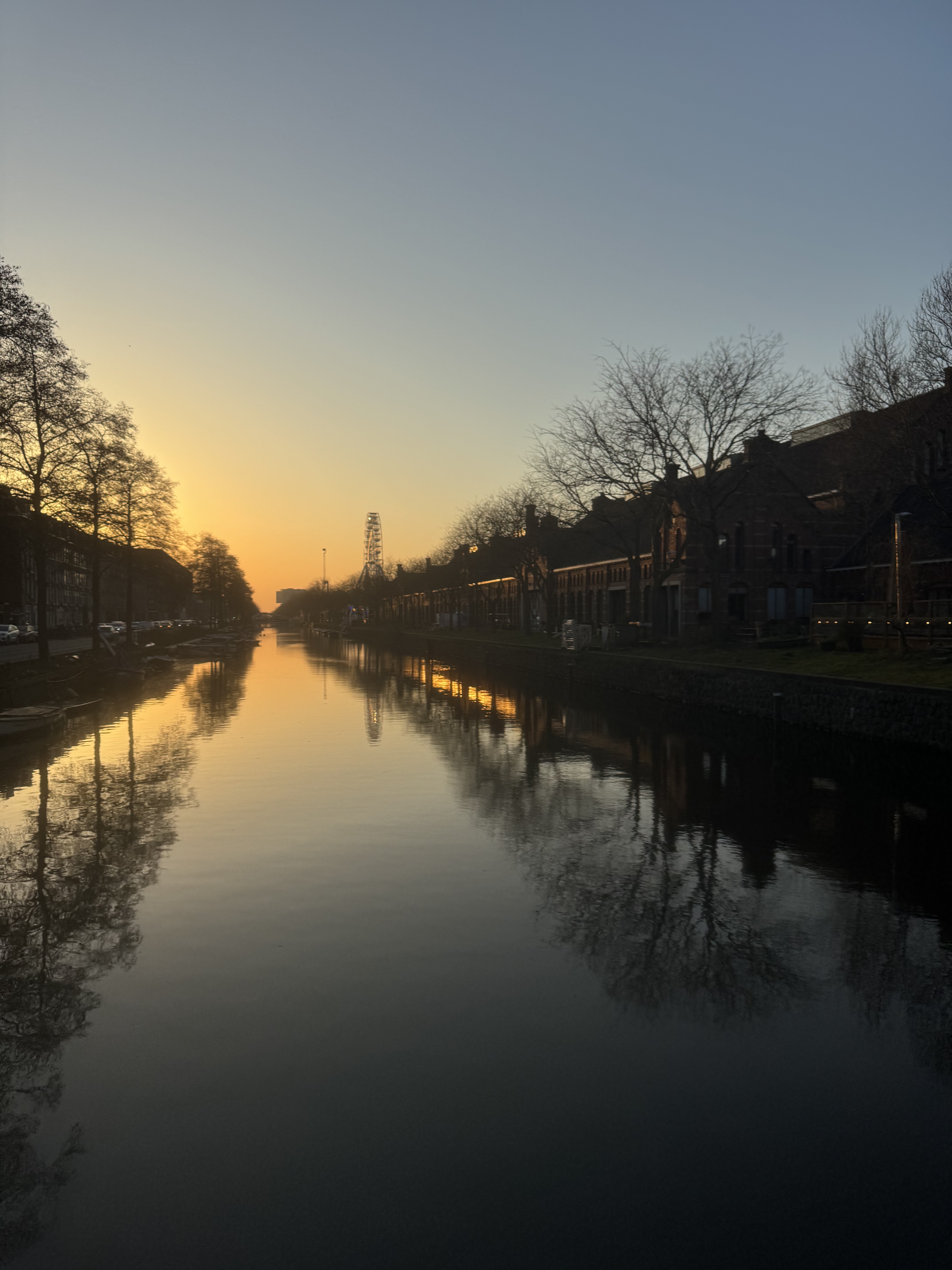
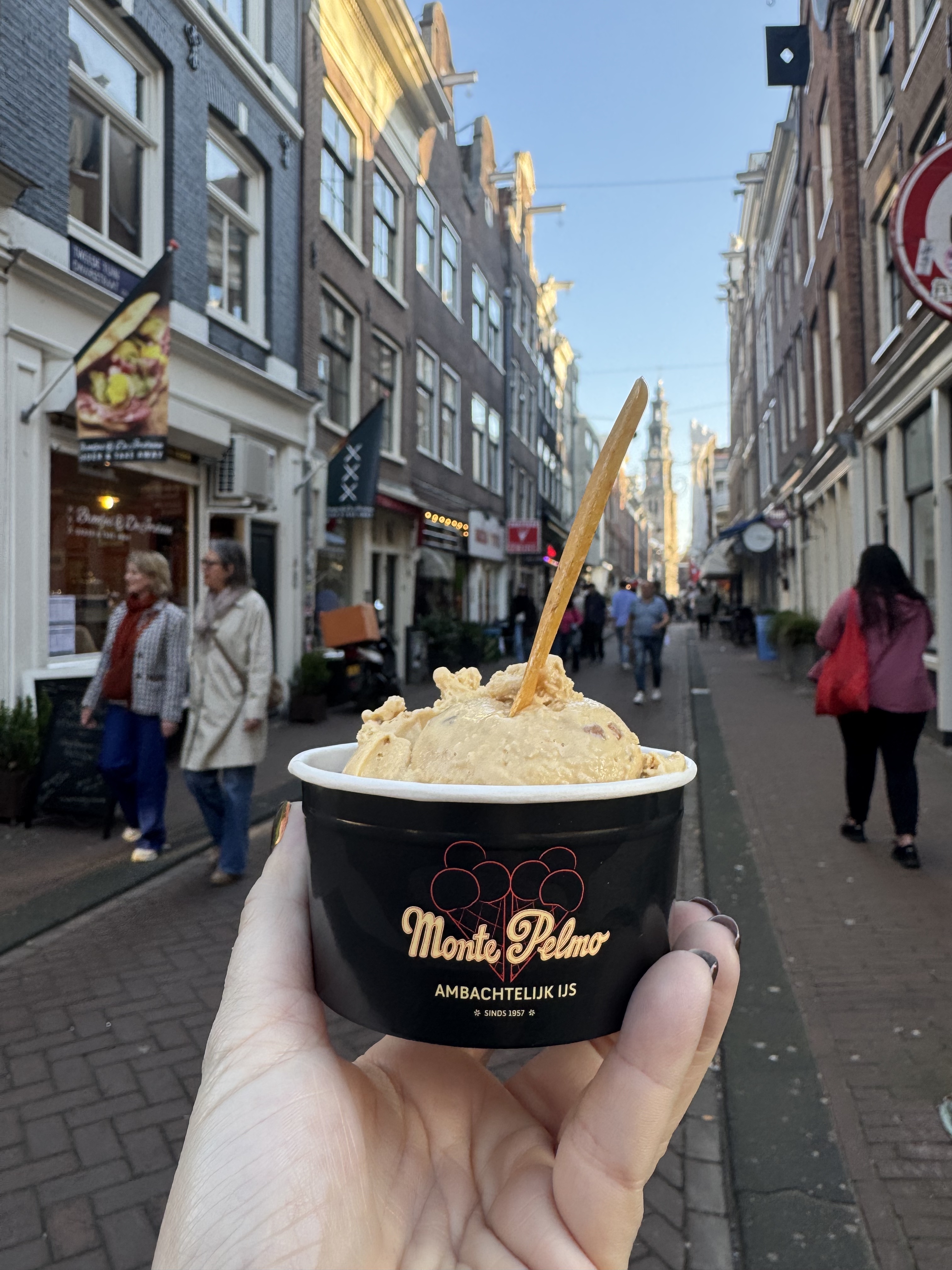
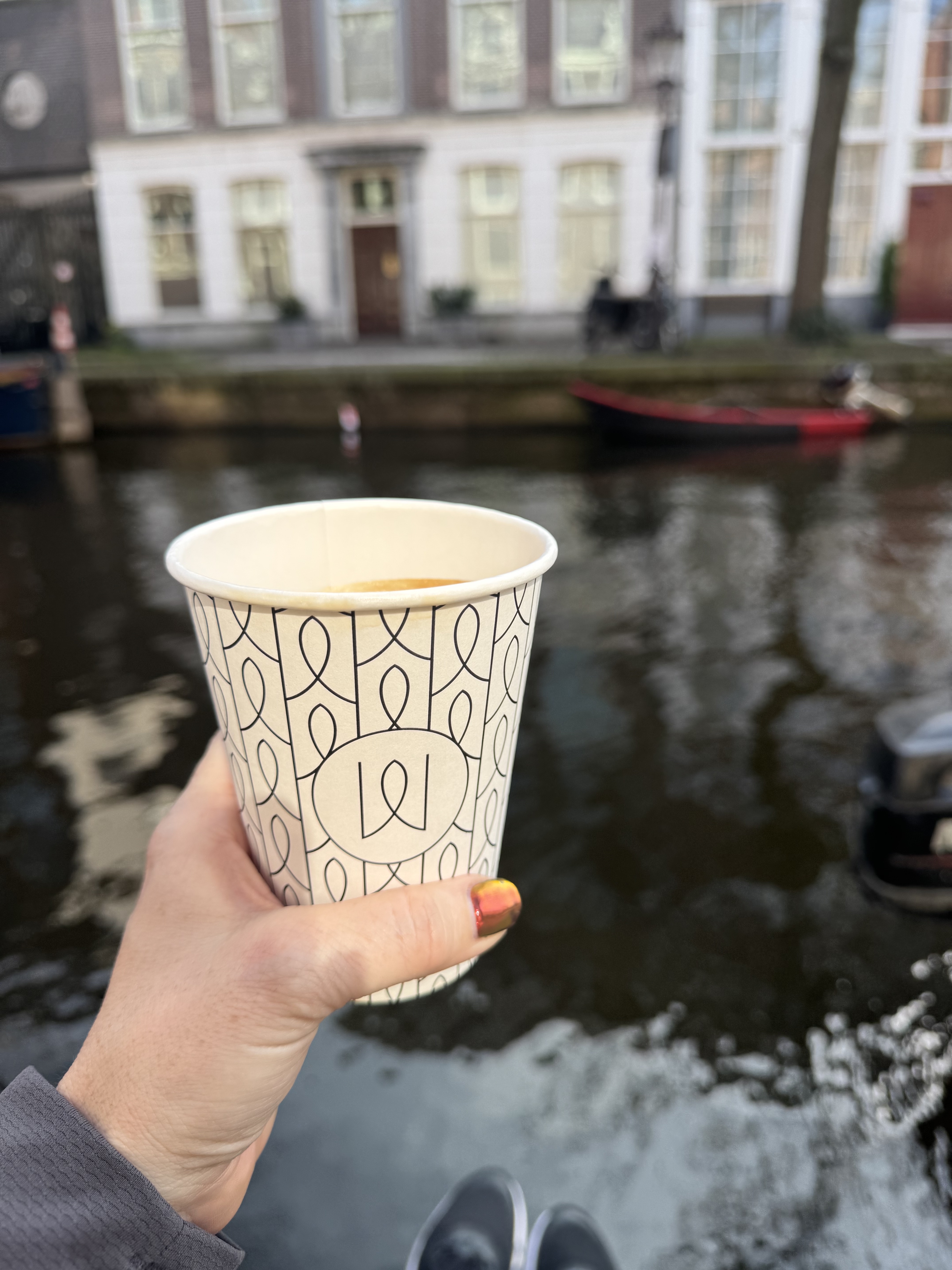
One of several banging Amsterdam spring sunsetsWith my pals after the comedyAt the spin studioFair commentSunset at WesterparkLocal gelateria has opened for the season. The weather got the memo too.Biig Piig at MelkwegDrinking my coffee sitting on the edge of the canal like it’s summer alreadyThis town 🥰
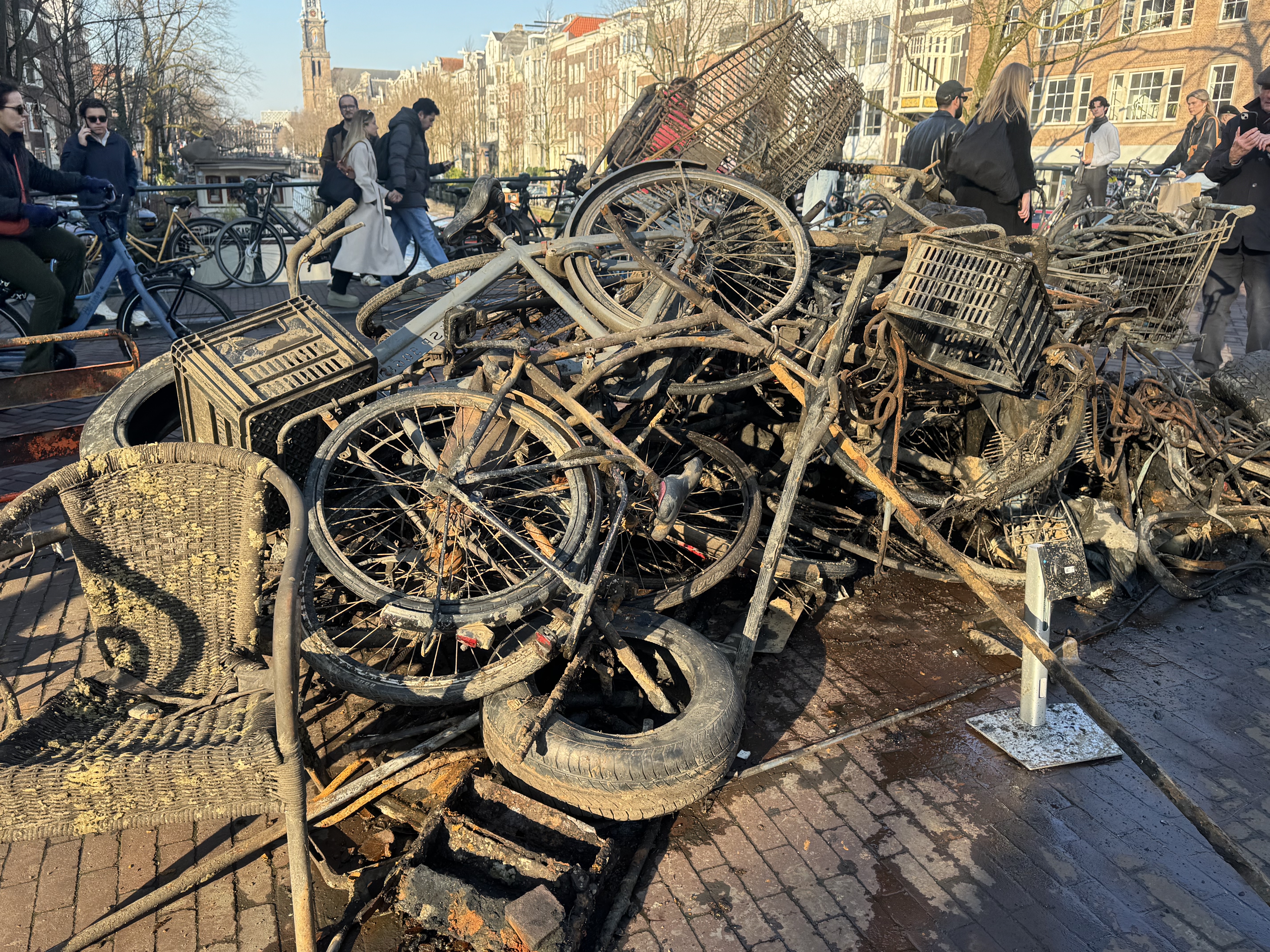
An impressive haul of rubbish magnet-fished out of the canal. Photo: me
It’s March. The sun is shining, and it feels like spring is on the way. A week where the world felt like it was shifting—seasons changing, politics unravelling, and everything moving just a little too fast.
This week at work
Started planning a programme to assess a client’s digital workplace skills and capabilities—identifying gaps and how to fill them. Too often, organisations fixate on platforms, forgetting that success needs equal focus on platforms, processes, and people. And people are the hardest to get right, so they need early attention. Refreshing to have a client prioritise this. Looking forward to getting stuck in.
Shared our recent work on digital workplace maturity with an industry ‘sounding board.’ Positive feedback so far—some useful tweaks to make, but overall, we’re on the right track.
Started developing my keynote for LumApps’ Bright conferences in Chicago and Paris. First event’s not until late April, but with work about to get busy, I’m getting ahead so I’m not scrambling later.
Adjusted an intranet delivery programme to flex around changes on the client’s side.
Also this week
My PowerPints appearance—”the world’s best (only) PowerPoint-based comedy show”—is next week, so I sketched out my material and slides. I think it’s in good shape now. Just need to work on delivery.
With International Women’s Day approaching, it’s time for my annual round of calling out corporate hypocrisy. I’ve been compiling data on pay, discrimination and flexible work (with a lot of heavy lifting by Perplexity and Chat GPT!) so I’m ready to respond on IWD.
I put out a call for tips on which firms deserve scrutiny, with an anonymous form for people to share details if they don’t feel able to call them out themselves. The responses have been rolling in. Plenty of grim stories of maternity discrimination and unequal pay. If you’d like me to take a look at your employer/former employer, drop me some deets here.
Went to my first Expats in Amsterdam meet-up. Five and a half years here, but the whole ‘meeting new people in your new city’ thing passed me by during the pandemic, and I never really caught up. Surprisingly good mix—new arrivals, long-timers, all sorts. Might even go again.
Two very different gigs this week:
Hinds at Tolhuistuin – Their infectious energy is impossible to resist. Even as a duo, Carlotta and Ana keep the party spirit alive, turning the gig into a chaotic, joy-filled conversation with the crowd. Their latest album Viva Hinds brings a more polished sound, but on stage, they’re as raw, fun, and effortlessly cool as ever.
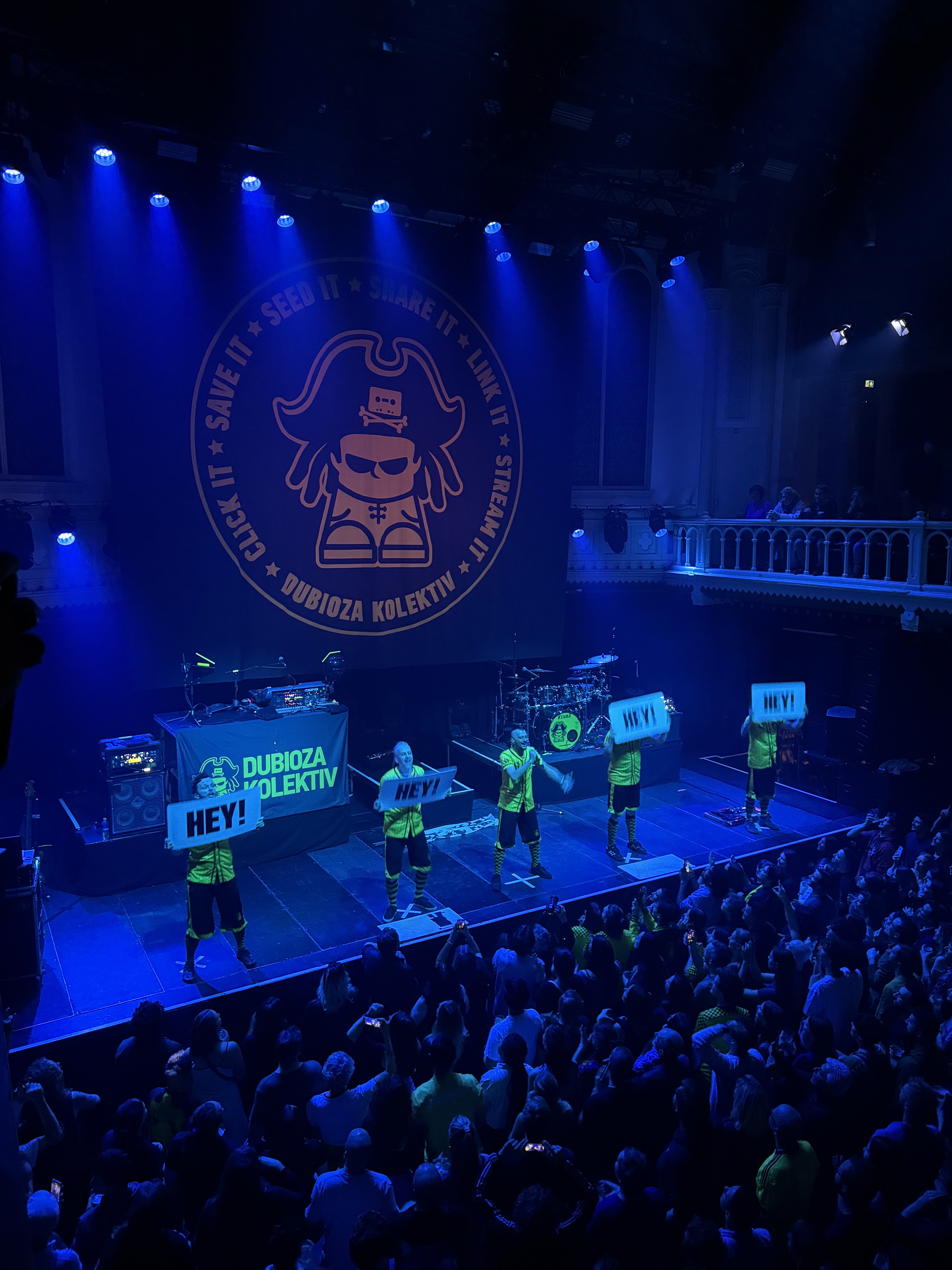
Dubioza Kolektiv at Paradiso – Second time seeing them live, and as ever, a whirlwind of energy and positivity. And positivity was sorely needed—as the post-war global order crumbled live on TV from the White House, people filtered into the venue. The band led a singalong to Bob Marley’s Three Little Birds, a thousand voices belting out “every little thing is gonna be alright”. Strange, beautiful, or just wishful thinking—because by then, we all knew it almost certainly wasn’t.
Consuming
👩🏻💻Internetting What’s in my browser this week
It’s been five years since the world changed overnight when Covid hit. Long enough now to reflect on what changed for good, rather than just a temporary blip we’d rather forget. This Guardian piece asks experts in politics, business, work, arts, and psychology about the unexpected consequences. A super interesting read.
Kind-of-relatedly, one of the more obvious outcomes of the pandemic was the rapid shift to remote work—a shift that’s clearly long-term. That’s reshaped how we manage people and teams, but one under-discussed aspect is the rise of monitoring and algorithmic “management” across many types of work, from gig-economy drivers to warehouse and office employees. This piece in MIT Tech Review gives a clear (and worrying) overview.
FWIW, I think algorithmic supervision is inevitable in remote work, but it needs much greater dialogue between employers and employees. People should know what’s being tracked and why, with transparency and accountability in place—otherwise, workers are at the mercy of automated tools that measure, judge, and potentially replace them, often with little recourse.
📺 Watching
Binge-watched the first five episodes of Apple Cider Vinegar, the dramatisation of Aussie fake wellness influencer Belle Gibson’s rise and fall. It’s proper trash TV, in the best way. Over-the-top performances, wild embellishments, and a steady drip-feed of how did she get away with this? moments make it compulsively watchable. Not exactly highbrow, but as a glossy, scandalous take on influencer culture, it delivers.
📚 Reading
Nothing much this week.
🎧 Listening
Hinds’ cover of Davey Crockett sent me back to the original by Thee Headcoats, and down a garage rock rabbit hole.
Connections
Caught up with my old pal Tony Stewart to talk freelancing and the eternal struggle between having a clear proposition and keeping things broad enough for varied work. Go too broad, and you’re indistinguishable in a sea of consultants. Go too narrow, and you risk being ruled out of work that’s easily within your skillset.
Coverage
Back in October, I keynoted at the Global Marketing Summit in Istanbul on employee advocacy—the role of internal comms in giving employees the confidence, psychological safety, and knowledge to be strong brand advocates. This week, Fady Ramzy, who I met there, invited me onto his LinkedIn Live to dive into it further. You can watch it back here.
(First LinkedIn Live—more fun than expected. Should I do more?)
This week in pics
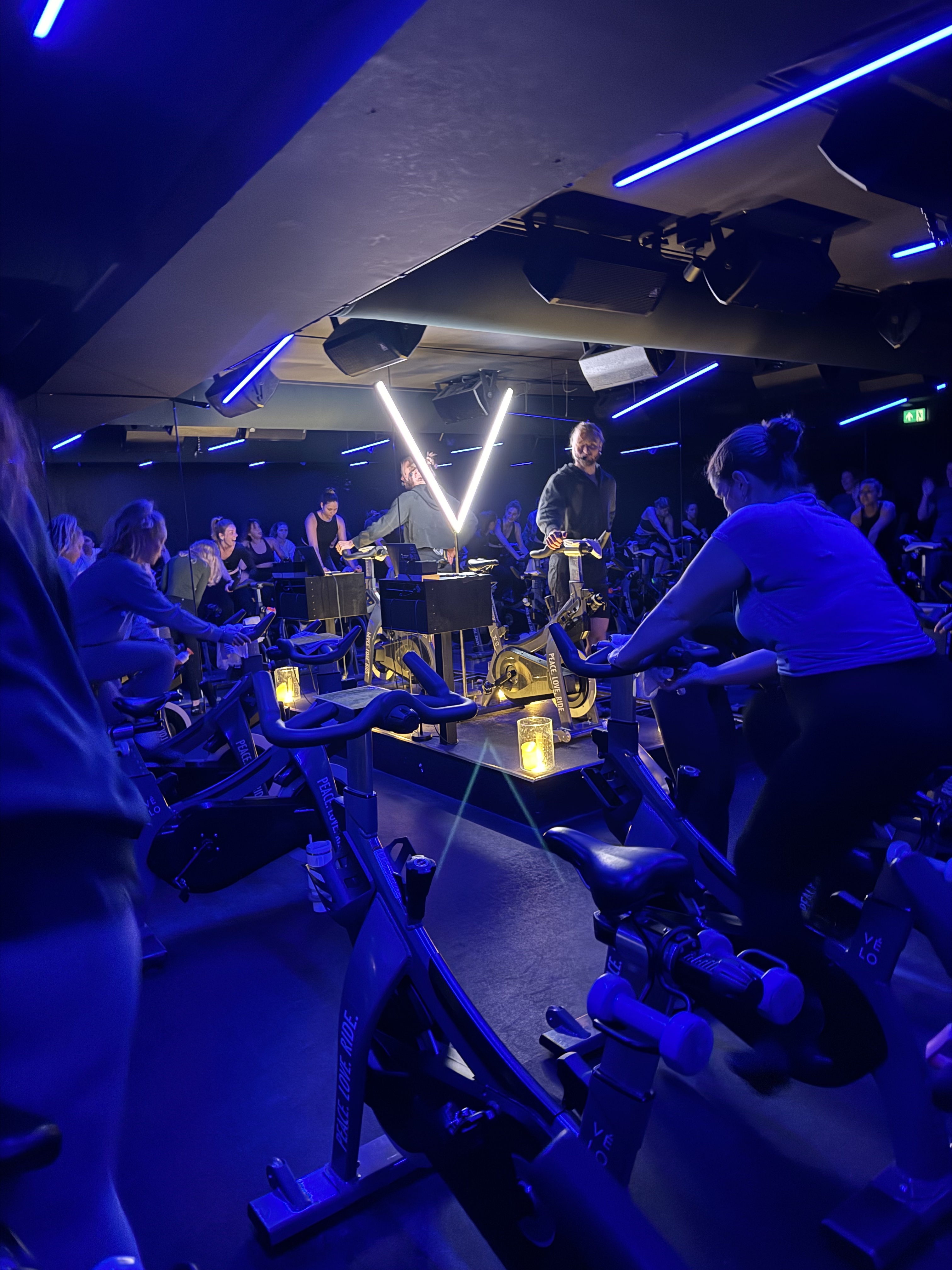
Coat and sunglasses weather at lastAmsterdam nightsTony’s now in a harder-to-resist mini sizeExpats meetup at the Duke of TokyoGorgeous, melty tempura aubergine at Hikage, onbe of my fave local spotsLast class for Harry at VeloTulip season means cheap flowers at the market. Lovely little treat every week.Sunset on my street. These views never get old.This town 🥰












 Sharon O'Dea