Weeknote 2025/49

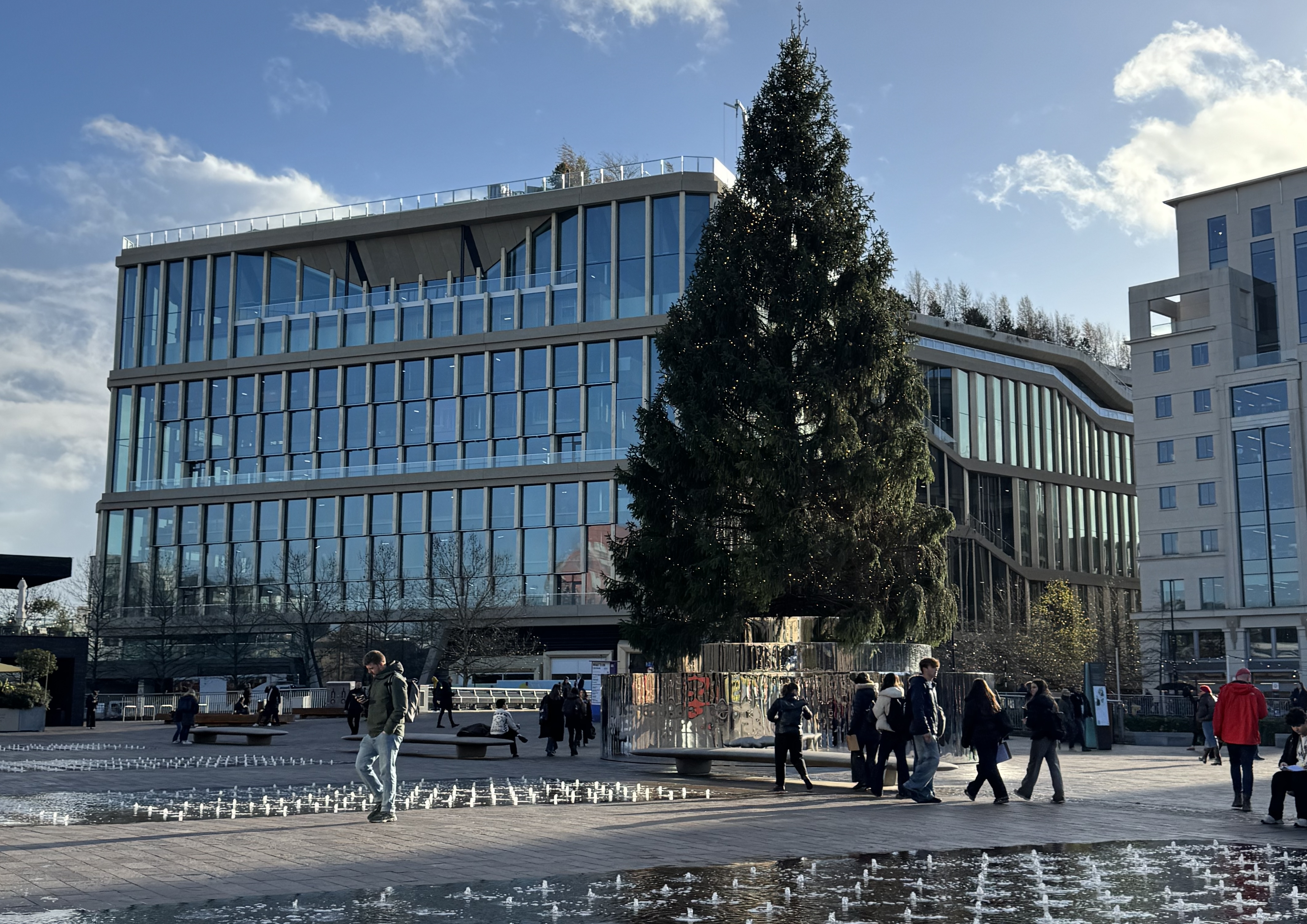
A modern building with large glass windows and a surrounding plaza, featuring a prominent evergreen tree. People are walking around the area under a partly cloudy sky.
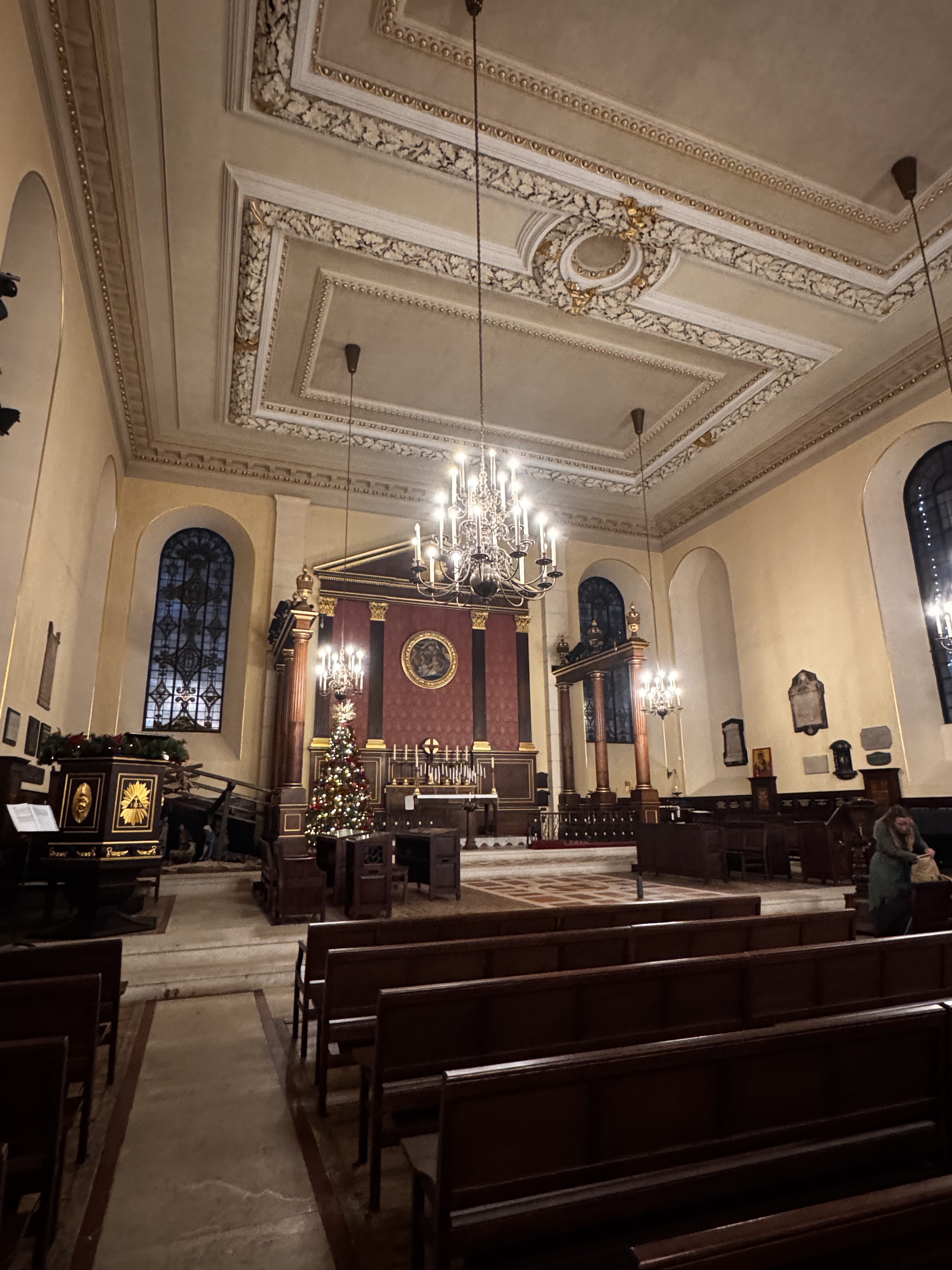
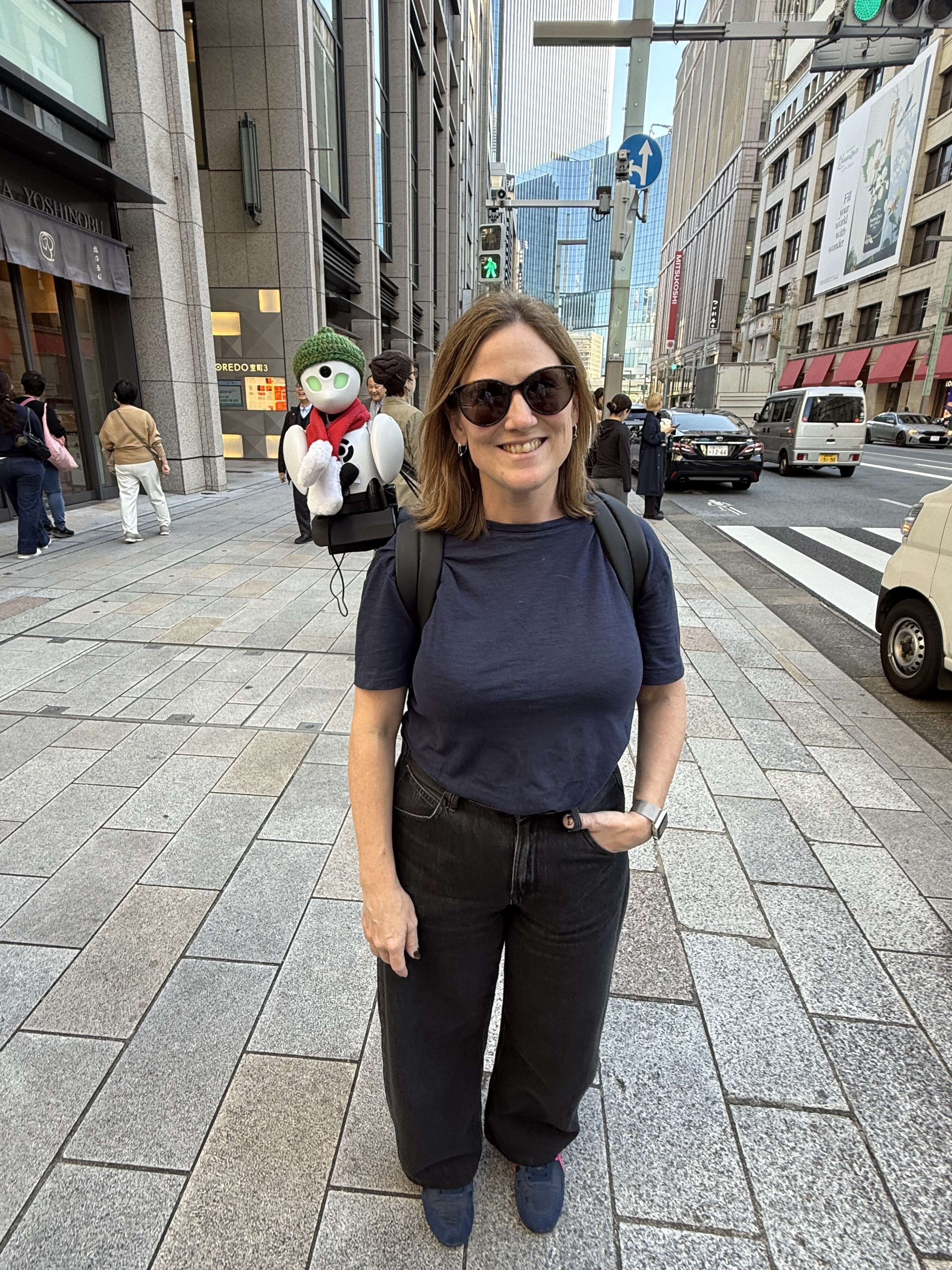
London trying its best to look festive this week. Photo by me.

I keep coming back to the same realisation this week: the future of comms isn’t just more digital. It’s more structurally complex.

Not more tools in a tidy stack. Not smarter systems in a neat ecosystem. But messier audiences, overlapping loyalties, porous identities, and workplaces that no longer contain people in the way they once pretended to. Add AI, video overload and algorithmic confidence into the mix and you don’t get clarity. You get chaos but with single sign-on.

Consider the past few days a field experiment no one asked for but everyone participated in.

This week at work

I’m currently locked in a low-grade standoff with the final chapter of the book — the one about the future of digital internal comms — which is refusing to behave like a normal chapter and instead insisting on being part travelogue, part systems theory, part group therapy session for a profession in the middle of a long, quiet identity crisis. It keeps pretending to be a chapter while actually being an accumulation of travel, interviews, unease and an unreasonable number of open browser tabs. It is, frankly, a menace.

Midweek I was back in London for the Communicate Conference, hosted by vendor Interact. It was at an Interact event, over 15 years ago, that I met my now business partner, Jonathan. So it felt oddly cyclical to be there discussing whether intranets even exist in the future.

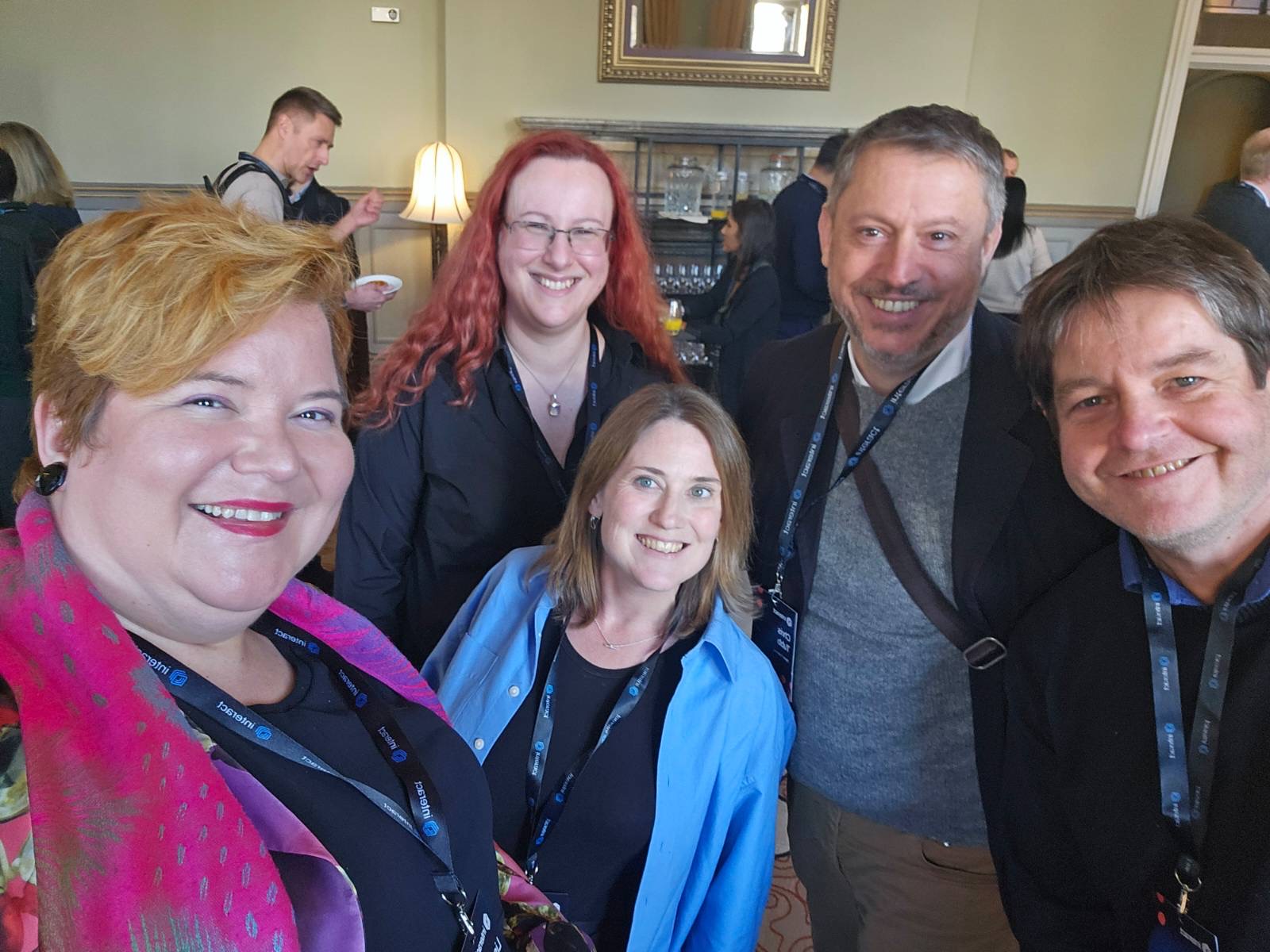
A group of five professionals posing for a photo at an event, smiling and wearing lanyards, with a background featuring a stylish interior.
Intranerds assemble! L-R: Lisa Riemers, Suzie Robinson, me (Sharon O’Dea) looking like I’ve been Photoshopped in at the wrong scale, Chris Tubb, Steve Bynghall. Photo by Lisa Riemers.

What I hadn’t fully anticipated was how many familiar faces I’d run into who’ve been in the intranet and comms world for as long as — and in some cases longer than — I have. Which led to a steady stream of conversations that start light and get surprisingly philosophical. The shared laugh was always the same one: everything old is new again. The same overblown vendor claims we heard fifteen years ago, now wearing an ill-fitting suit called AI.

Different nouns. Same promises waiting to be broken.

But running underneath the cynicism was something much more serious. The conversations quickly turned to how the organisations we’re working with now are structurally more complex than anything we dealt with a decade ago — layered supply chains, outsourcing, platforms, regulators, global delivery, blended workforces, algorithmic management. And at the same time, the pace of change has accelerated to the point where even seasoned teams feel permanently slightly behind their own reality.

It’s a strange duality: the tech rhetoric looping, while the organisational conditions it’s being dropped into are genuinely unprecedented. Which may explain why so many “this will finally fix it” moments keep… not fixing it.

A few highlights from the conference:

Allan Tanner opened with a session on AI and the digital workplace. A quick poll showed about two-thirds of the room using generative AI weekly, but early findings from the Gallagher State of the Sector report suggest one in three are using it without any oversight, and only 40% feel confident in their skills.

What surprised me wasn’t the numbers so much as the familiarity of them. You could lift this whole section almost intact from a conference two years ago and nobody would blink. In a field that insists it’s moving at hyperspeed, that’s… odd. Is the survey already ageing in dog years? Or are comms teams simply adopting more slowly than the hype suggests?

The idea of an AI agent-first future replacing intranets floated through the room — but the awkward ownership question still hung there, unresolved. Comms? IT? HR? When everyone owns it, no one really does.

Also: we have absolutely been here before with chatbots.

The exact example used was booking leave. The endlessly cited use case where, in theory, a bot should smoothly handle what currently requires checking a team calendar, emailing your boss, verifying your entitlement, and then logging it all in some separate HR system. That was the canonical chatbot demo when I was doing a whole series of talks on this… in 2017. That’s getting on for a decade ago. If this really is an easily solved problem, we’d be living in it by now. The fact that we aren’t tells you something important.

When the tech keeps changing but the outcome doesn’t, you’re not looking at a technology failure — you’re looking at a human systems failure.

Sam Bleazard followed with employer brand as the connective tissue between HR and marketing, using Fortnum & Mason as a case study in visual storytelling and employee voice.

Then came Tom Vollmer from Cofenster with the stat that properly landed: around 23 hours of internal video uploaded every week, versus about 10 minutes actually watched. The issue isn’t underinvestment — it’s saturation. We are not video-poor. We are video-exhausted.

I fear I have crossed a generational Rubicon because I now actively resent being asked to watch a video for an entire minute. A minute of looking. Nope. I want text I can skim while emotionally elsewhere. I want bullet points, headings, and plausible deniability. Video is no longer a medium; it’s an attention hostage situation.

AI can now generate highlights, scripts and even videos from PDFs, which is undeniably impressive. But it also raises a more troubling possibility: that we’re no longer just producing noise at scale — we’re now automating it at industrial volume.

And when people can’t even keep up with the volume of information being thrown at them, it’s hardly surprising they stop engaging with it. Cognitive overload is the silent assassin of communication.

Helen Bissett shared disengagement data from Gallup that was hard to ignore: 90% of UK employees feel disengaged at work, while over 80% practise mindfulness outside of work. People are repairing themselves in their own time because work no longer does.

But this is also where I felt a quiet friction forming with some of our default assumptions. Engagement is treated as the unquestioned North Star — yet I’ve just spent weeks in Japan, a country consistently cited as having low employee engagement, alongside high levels of personal life satisfaction.

It left me, once again, with a nagging sense that we may not always be chasing the right thing.

The closing case study from AMS took an 11-page PDF innovation brief and turned it into an intranet takeover with storytelling, countdowns and discussion. Strong results. But what stuck with me was structural: AMS staff often hold dual loyalty, to the company that employs them and the client organisation they sit inside. It’s a pattern on the rise: the audience for “internal” comms is often not internal at all.

Across the day, the pattern repeated: AI, video, employer brand, purpose — all accelerating. But the deeper shift isn’t technological. It’s structural. Our audiences are fragmenting, our channels are multiplying, and the idea of a single, coherent “employee experience” is becoming more theoretical than real.

Oh, and we unexpectedly landed a juicy new client. Entirely unplanned. Entirely welcome <stares at impending HMRC bill>. All systems go.

Also this week

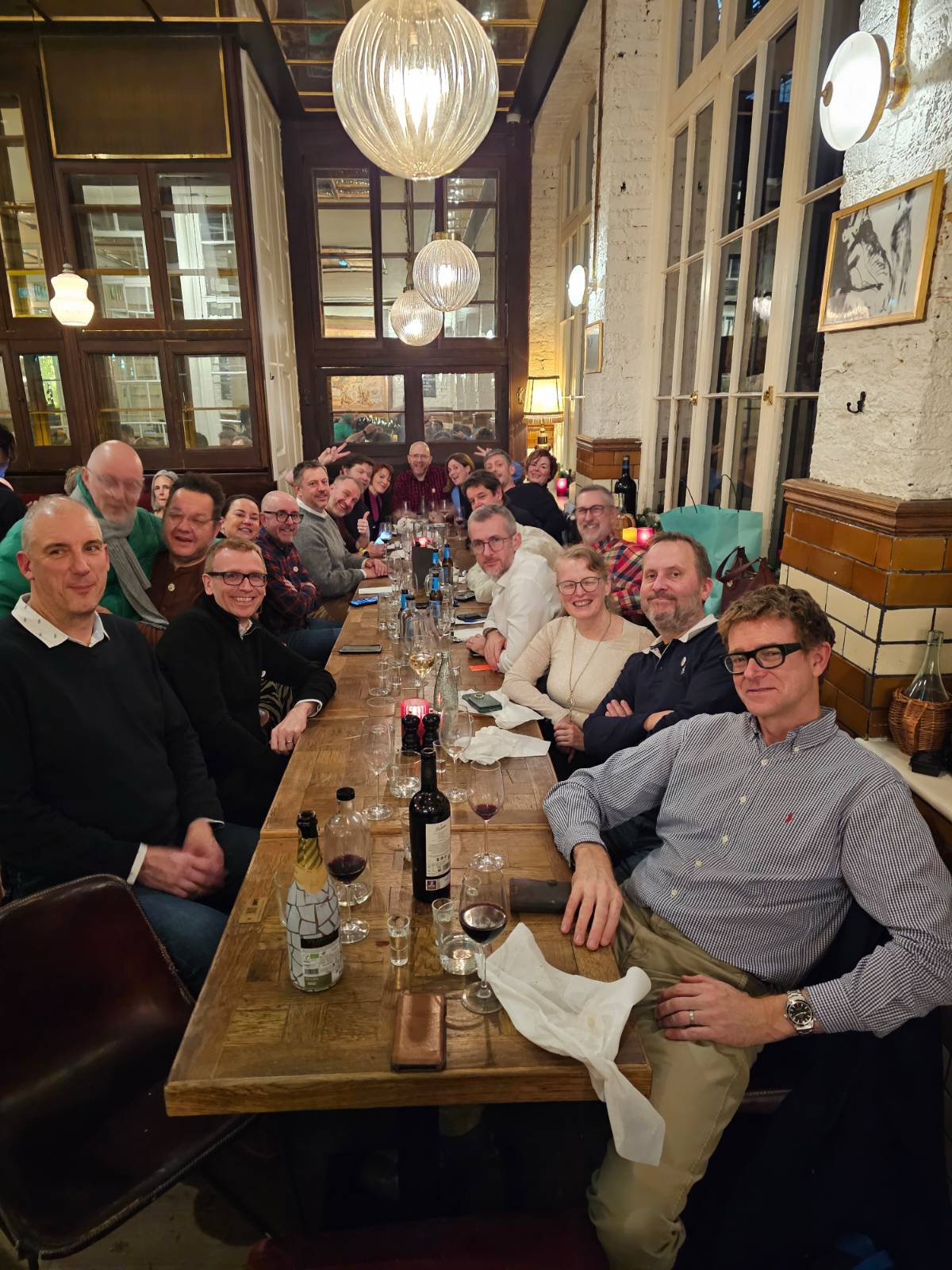
I went to the WB-40 Christmas dinner in London. WB-40 is a podcast about how tech reshapes work, with an associated Signal group that might genuinely be the friendliest place on the internet. It was lovely to see people properly, in three dimensions, after years of being avatars in each other’s phones.

And it left me with a question I can’t quite shake: what if low engagement at work isn’t always a failure? What if, in some cases, it’s a boundary?

It certainly maps, subjectively at least, to my own experience of the last decade. I haven’t had a “proper job” in years, and I don’t look to work for belonging, identity or community in the way I once did. Those needs are met elsewhere now — through friendships, networks, odd little internet corners, shared projects.

So if people can have rich lives, strong identities and real community without work being the emotional centre of gravity, is “more engagement at work” always the right thing to chase? Or are we sometimes trying to re-inflate a social and psychological role that work can no longer credibly carry?

That Japan contrast keeps needling at me. Maybe the problem isn’t that people are disengaged from life. Maybe they’re disengaging from work — deliberately.

Some of the most important people in my life mostly exist as glowing rectangles in my pocket. Which feels odd to admit, and yet it’s completely true.

Which made the next thing I went to this week land even harder: a talk on psychological safety with Ania Hadjdrowska — and instead of feeling theoretical, it felt uncomfortably operational.

Because in a world of hybrid teams, async work, platform hopscotch and digital performativity, psychological safety now shows up (or doesn’t) first in online behaviour:

  • Who speaks in the channel
  • Who stays silent
  • Who only reacts with emojis
  • Who disappears entirely

In remote and hybrid work, participation is visibility. Silence is no longer just silence. It’s interpreted as disengagement, resistance, risk, apathy. Often unfairly. Often reductively.

The classic barriers still apply:

  • Fear of judgement
  • Fear of exclusion
  • Fear of conflict

But digital work amplifies all three. You don’t get tone-of-voice buffers. You don’t get corridor repairs. You don’t get the quiet reassurance of eye contact after a risky comment lands badly. Everything is logged, screenshot, searchable. Mistakes feel permanent. So people calculate. And then they don’t speak.

Before the rational brain catches up, the amygdala scans for threat — hierarchy, tone, uncertainty. If it detects danger, it triggers fight, flight, freeze or fawn. No one innovates when they’re being emotionally chased by a tiger. And no one meaningfully collaborates when every contribution feels reputationally risky.

Psychological safety, as defined by Amy Edmondson, is the belief that you won’t be punished or humiliated for speaking up with ideas, questions, concerns or mistakes. Not agreement, but constructive disagreement.

That matters even more when:

  • Teams are distributed
  • Trust is assumed rather than built
  • People meet as avatars before they meet as humans
  • Employment relationships are shorter, looser, more conditional

We are asking people to be brave in systems that increasingly give them no margin for error.

The line I can’t shake is still this: silence is expensive. In digital workplaces especially, it quietly drains collaboration, learning, innovation and belonging — while looking, misleadingly, like “everything’s fine.”

And that “booking leave” example kept needling at me again. Such a small task, yet it still demands procedural obedience, reputation management, tool-hopping and emotional calibration. Multiply that across a working life and you start to see why people are tired — and why AI keeps stalling on exactly the same rocks.

Layer on the social media disinhibition effect (performance, oversharing, dunking, provocation) and it doesn’t always switch off at work. When trust thins, people retreat into safer containers: private chats, external networks, side communities. Belonging migrates. Collaboration fragments. Comms gets harder.

Consuming

(Keeping this bit short this week cos I’ve wittered on above)

Like the rest of the planet, my listening week was dominated by the release of Spotify Wrapped — the global ritual in which an algorithm holds up a mirror and everyone pretends to be surprised by what’s staring back.

Once again, mine was a window into my not-so-secret pop shame. I had solemnly vowed that Taylor Swift would not dominate my Top 10 this year. And then she went and released a banger. And Lily Allen casually dropped the confessional of the decade. What’s a woman supposed to do?

Once again, I will not be sharing my list with the wider world.

Spotify also informed me that my “listening age” is 46. I am 45 and a half, thank you very much. I refuse to be aged up by an algorithm.

Connections

Staying with the theme of where community actually lives these days, I also met up with Jenny Watts — a mainstay of another of my favourite online communities, the old FitFam crowd.

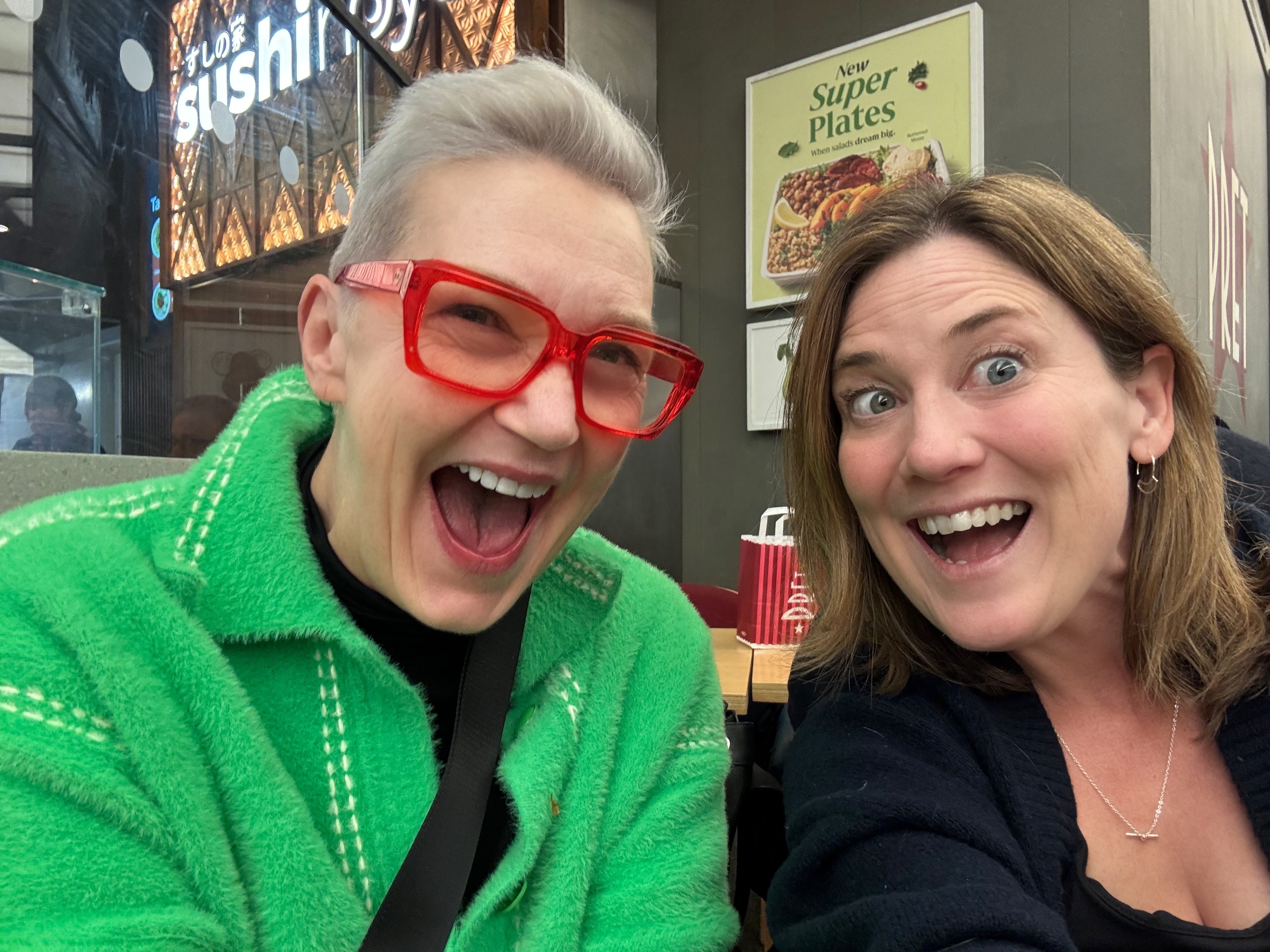
Two women smiling and posing together in a casual setting, wearing colorful clothing. In the background, a sushi restaurant sign is visible.
Jenny Watts and me

FitFam started life years ago on Twitter: a loose group of people talking about health and fitness, cheering each other on with our running times, gym attempts and “I went for a walk instead of lying face down on the sofa” victories. It was low-key, kind, and weirdly effective.

Given the descent of Twitter into a hate-filled sewer, the group’s now migrated to WhatsApp. Same people, different platform. The conversations are smaller, more honest, less performative. It’s a nice reminder that while platforms come and go, the communities that matter tend to quietly pack their bags and move together.

Another small data point in the same direction: belonging is increasingly something people build around themselves, not something work hands out with a lanyard.

Coverage

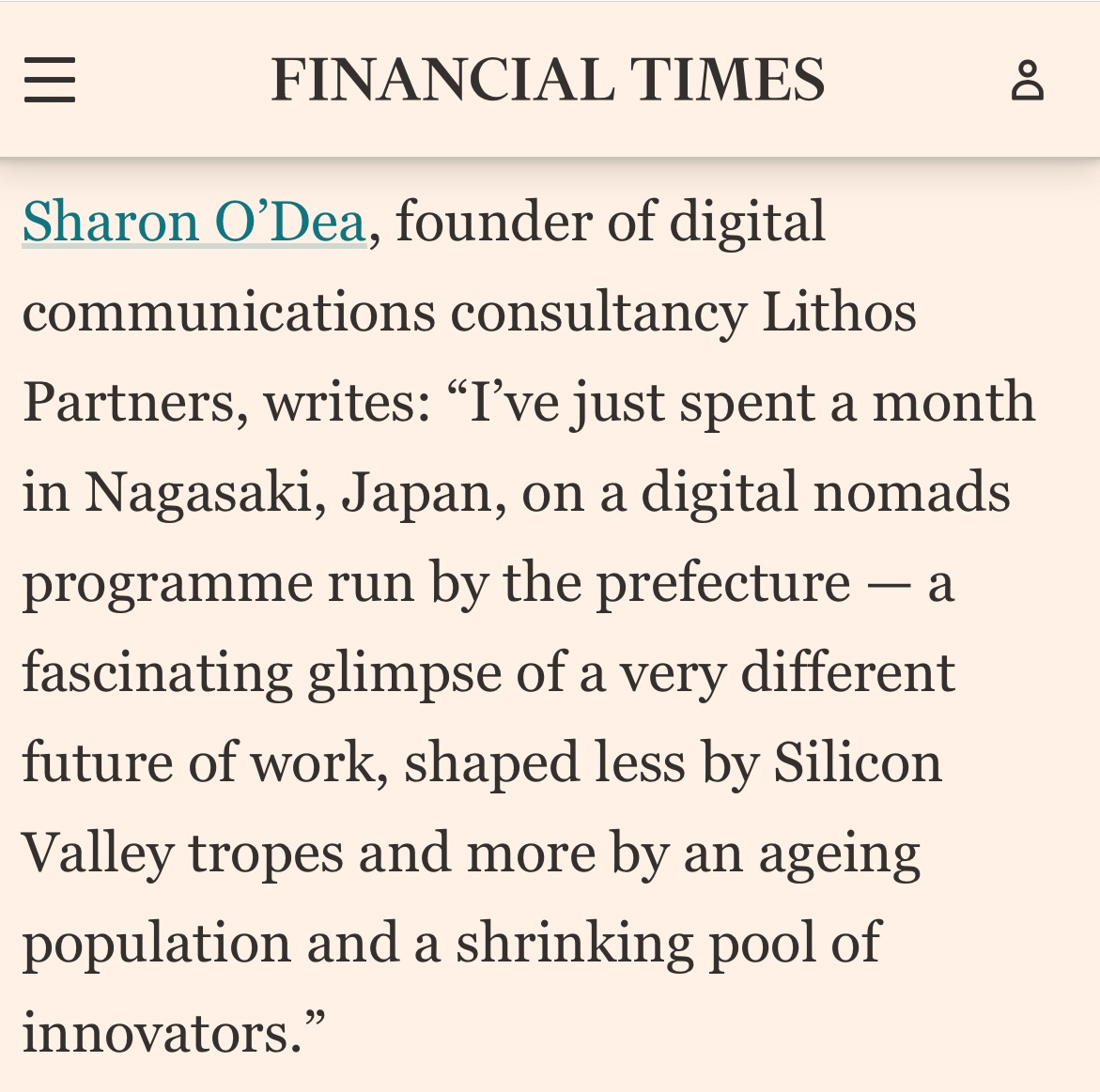
I ended up in the Financial Times this week. Which, in comms-world terms, is basically being knighted.

They shared a slice of my time in Nagasaki. Including my slightly surreal exploration of the future of work alongside a remote-controlled robot tour guide, piloted by a disabled operator elsewhere in Japan. A sentence I still can’t quite believe I get to write.

Screenshot of an article from the Financial Times featuring Sharon O'Dea discussing her experiences in Nagasaki, Japan, and insights on the future of work.
Screenshot

And yes, I am rightly smug about this. A positive mention in the FT is the biggest win you can get in this industry. It’s the comms equivalent of a Michelin star, an Olympic medal, and being retweeted by someone with an opinion column — all at once.

I will now be quietly unbearable about this for a while.

Travel

I’m going absolutely nowhere this week. An entire week without visiting an airport or getting up at the crack of dawn to catch a train. Bliss.

Next week, though, I’m back in London for the final time this year. I’m organising some drinks —  if you’re around and would like to come*, give me a bell.

*and I actually know you

This week in photos

Weeknote 2025/48

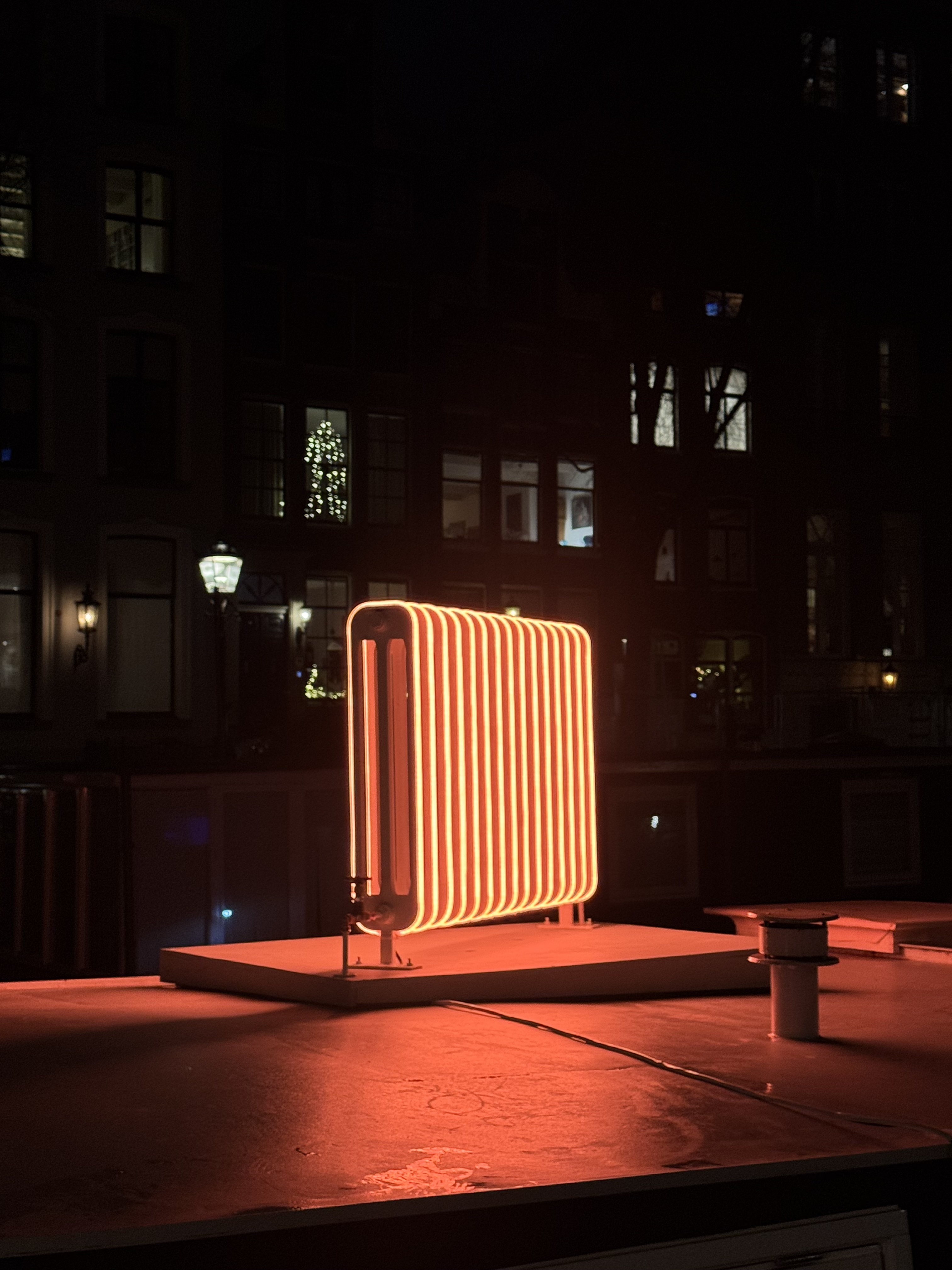
A illuminated sign on a building in Amsterdam that reads 'THE LIGHT YOU SEE IS PAST.' with bicycles parked nearby.
Amsterdam Light Festival.

After six weeks in Japan, this week was all about timing — or more accurately, being completely out of sync with it. My body is convinced 4am is an excellent time to start the day. My inbox seems startled that I’m replying during daylight hours. And all the ideas I’d parked while sweating my way around Nagasaki chose this week to sit up in bed like startled toddlers.

Between jetlag, a chapter that staged a full rebellion, and Andreas Wagner’s talk on dormant innovations (apparently even grass needed 100 million years to get going), I’ve been reminded how much of this job is just… timing. When a client’s ready. When a chapter clicks. When the organisation finally notices the thing you’ve been politely suggesting since 2019.

Timing might not be everything, but this week it certainly felt like the main character.

This week at work

A lovely vote of confidence: We won a new piece of work with an existing client — always gratifying, always reassuring, and always a reminder that just doing good work is always the best marketing.

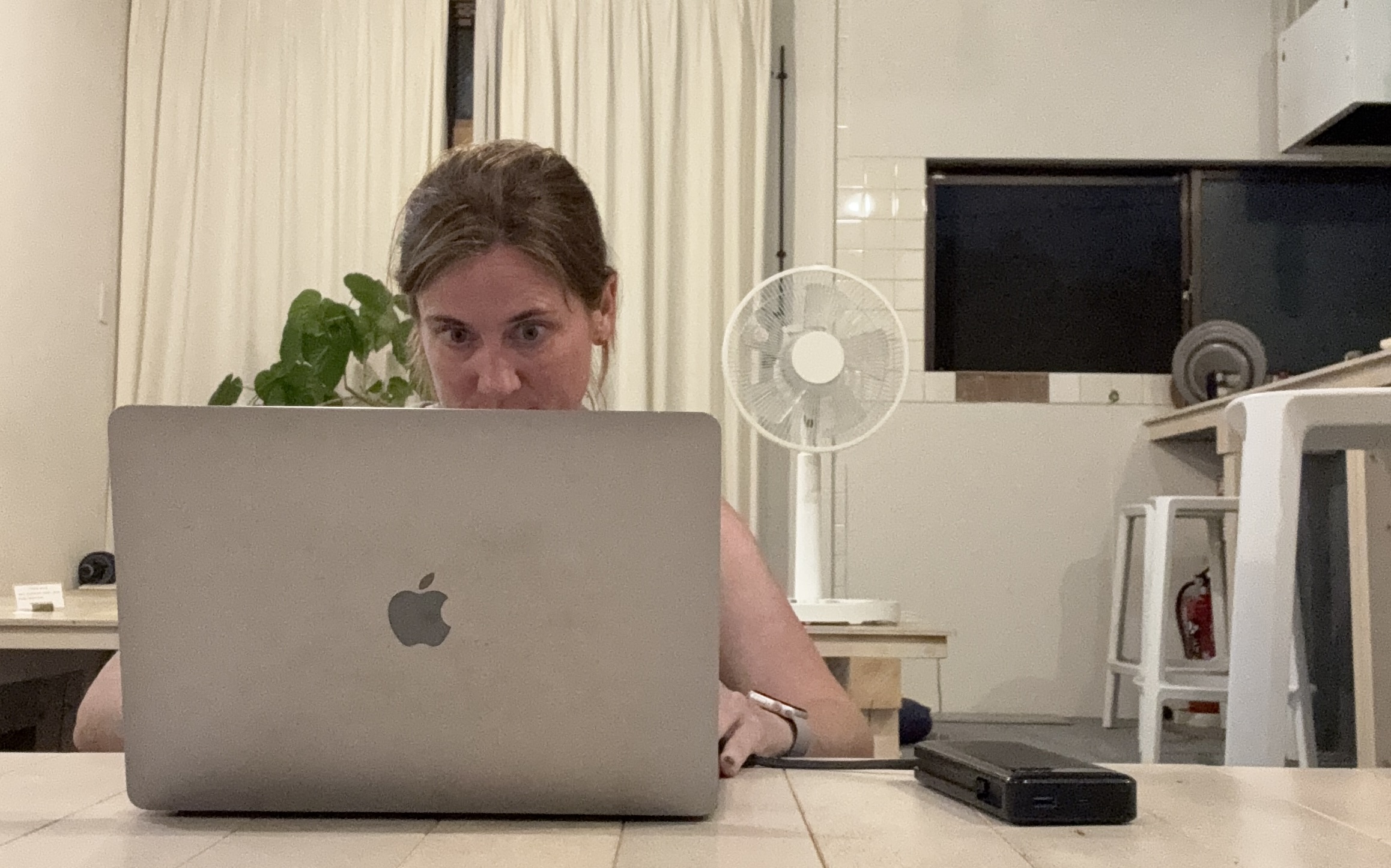
In my first week in Japan I ended up doing a pitch. It was 9pm where I was, but still 32 degrees. I had to duck out of a group dinner to join the call. I was sitting on the floor with a fan blowing behind me to partially avoid collapsing into a puddle of sweat. Somehow, we won the gig and we start work next week. So this week we’ve been getting ready to do just that.

The chapter that fought back: Got one of the earlier chapters back from our editor at Kogan Page. On reread, it just… didn’t sing. Too many lists, not enough soul, and absolutely none of the “why should anyone care?” that Jon and I bang on about. It was also far too long.
So I did what any reasonable author would do: took a deep breath and decided to brutally rewrite the whole thing.

What I thought would be a quick tidy-up became two solid days of editing, trimming, rearranging, despairing, and eventually emerging triumphant. By Thursday it felt like a completely different chapter — tighter, clearer, and something I’m actually happy to put my name on. But it was a slog.

With that behind me, I finally pulled together the outline for the twelfth and final chapter of the book. Can’t quite believe we’re almost there — after months of interviews, diagrams, Japan detours, and existential questions about the future of workplace comms, the end is in sight. So I spent a chunk of the week writing up insights from Japan — drones, shrinking workforces, robot tour guides — and threading the best bits into the horizon-scanning sections.

Also this week

Went to this month’s Science and Cocktails talk by evolutionary biologist Andreas Wagner, on the mystery of dormant innovations — ideas or traits that emerge long before they have any impact, sitting quietly until the environment shifts and suddenly they’re transformative.

Think grasses: they appeared, did nothing much for 100 million years, and then boom, global dominance — and the basis of most human food systems. Or bacterial genes capable of antibiotic resistance long before antibiotics existed. Or early cultural ideas and technologies that only take off when society is finally ready for them.

The tl;dr is: nature – and culture – generate far more potential than they currently need, and environments act as the “prince” that wakes these sleeping beauties when the moment is right.

It made me think about internal comms and digital workplace work: how often the “innovation” isn’t the new tool, but the dormant capability already in the organisation — the half-built governance model, the underused feature, the employee insight nobody acted on — just waiting for the right conditions, leadership, or crisis to wake it.

And, frankly, how much of my job is quietly planting seeds for things that won’t catch until the organisation shifts in the right way. A slightly humbling, slightly comforting reminder that timing is half the craft.

Aside from that, I had a quiet week back in Amsterdam. Woke up at 4am several times, which is perfect if you’re a monk; less so if you’re merely someone who made poor timezone choices.

Cultural re-entry has hit me at odd times, mostly when tired. I nearly bowed at multiple Dutch people, but have avoided saying arigato gozaimasu at anyone (so far).

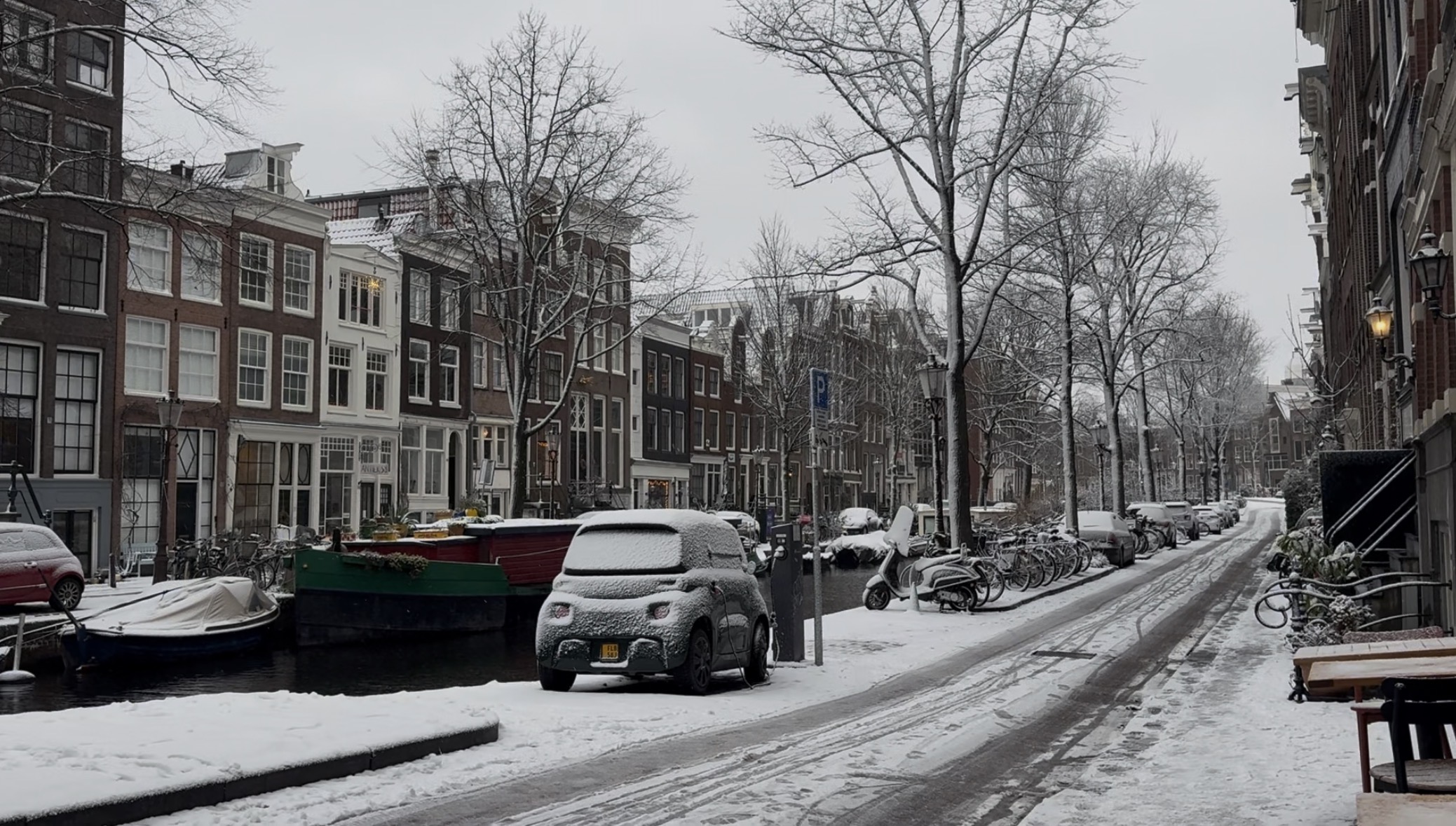
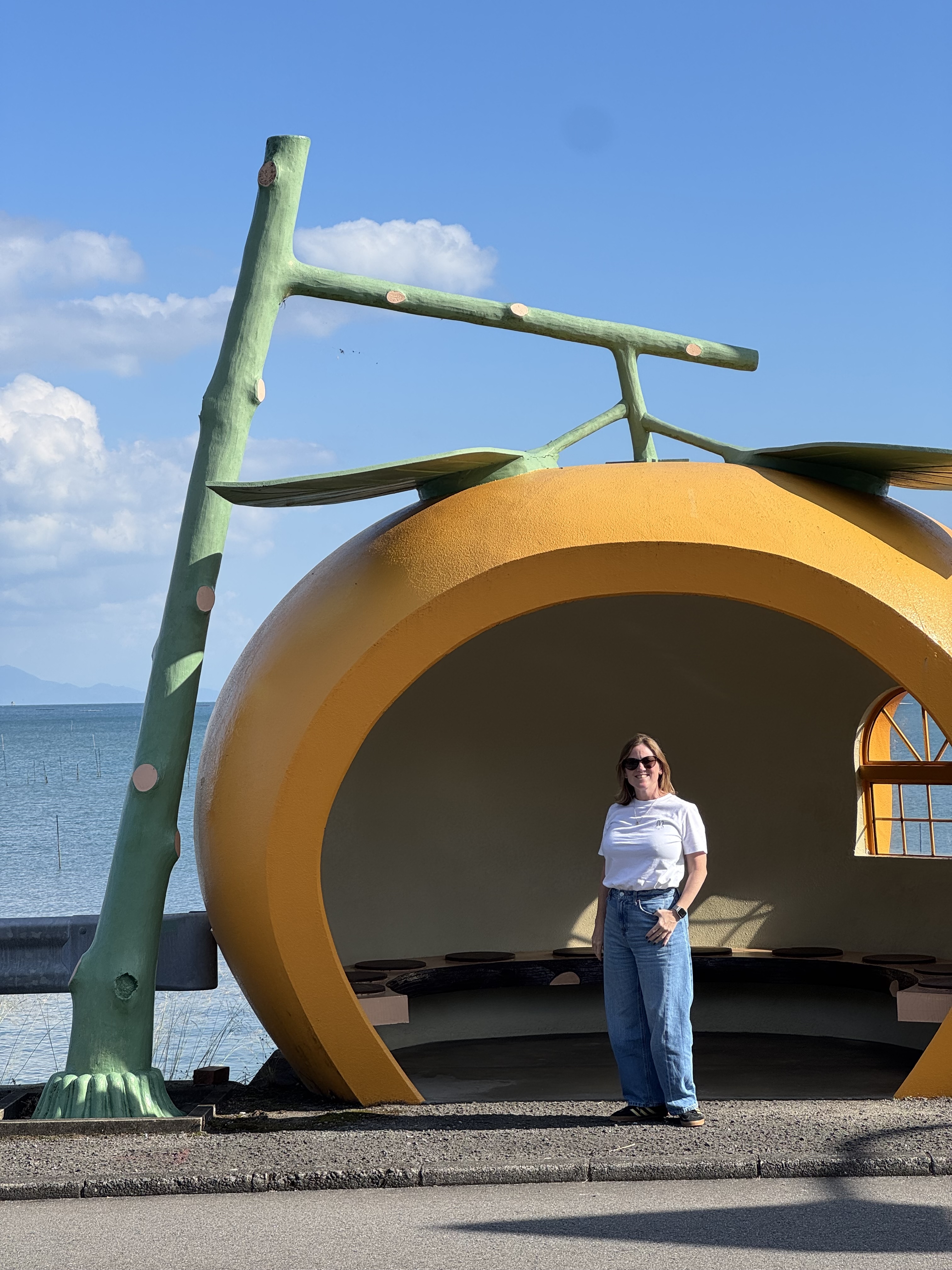
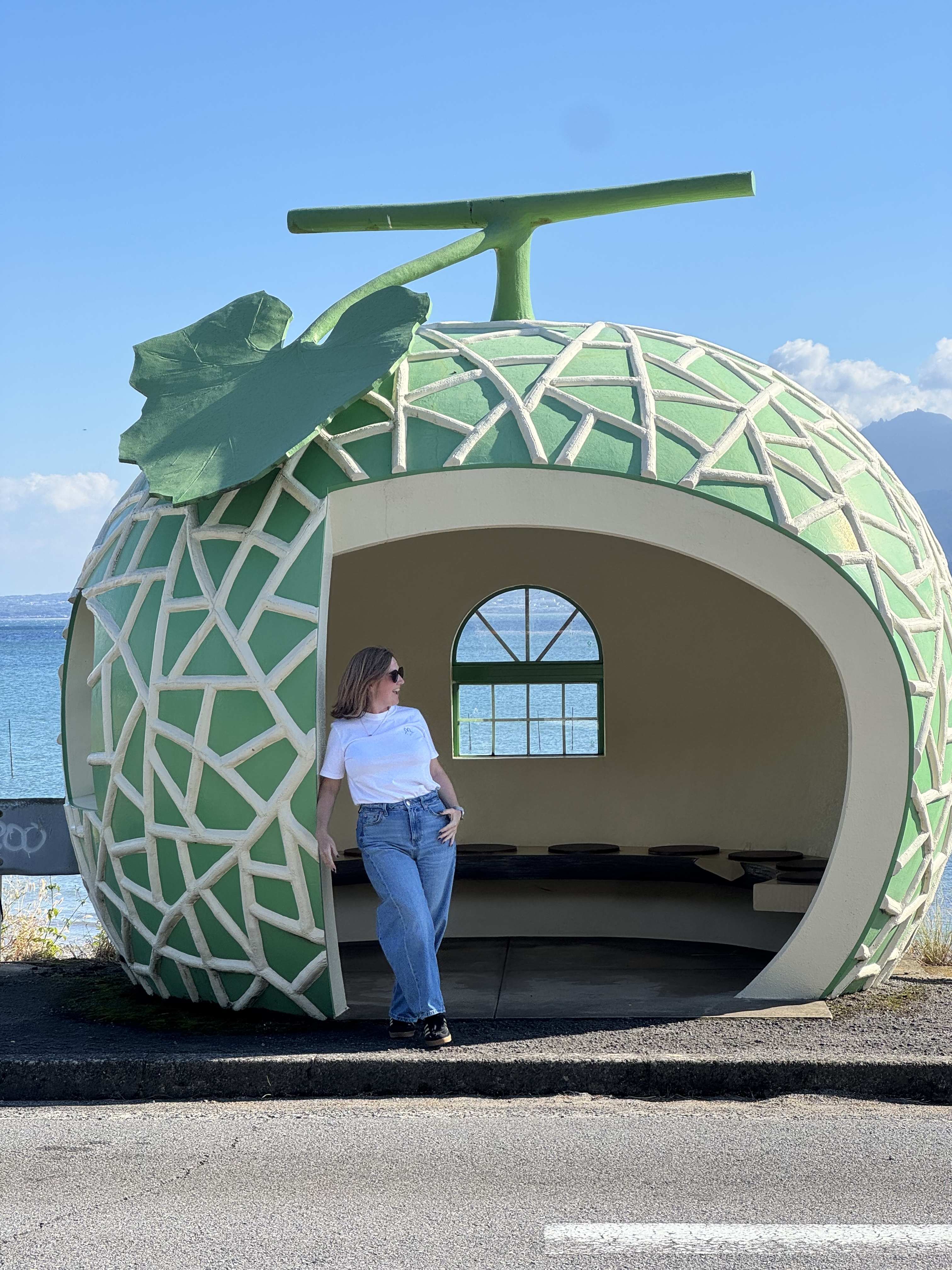
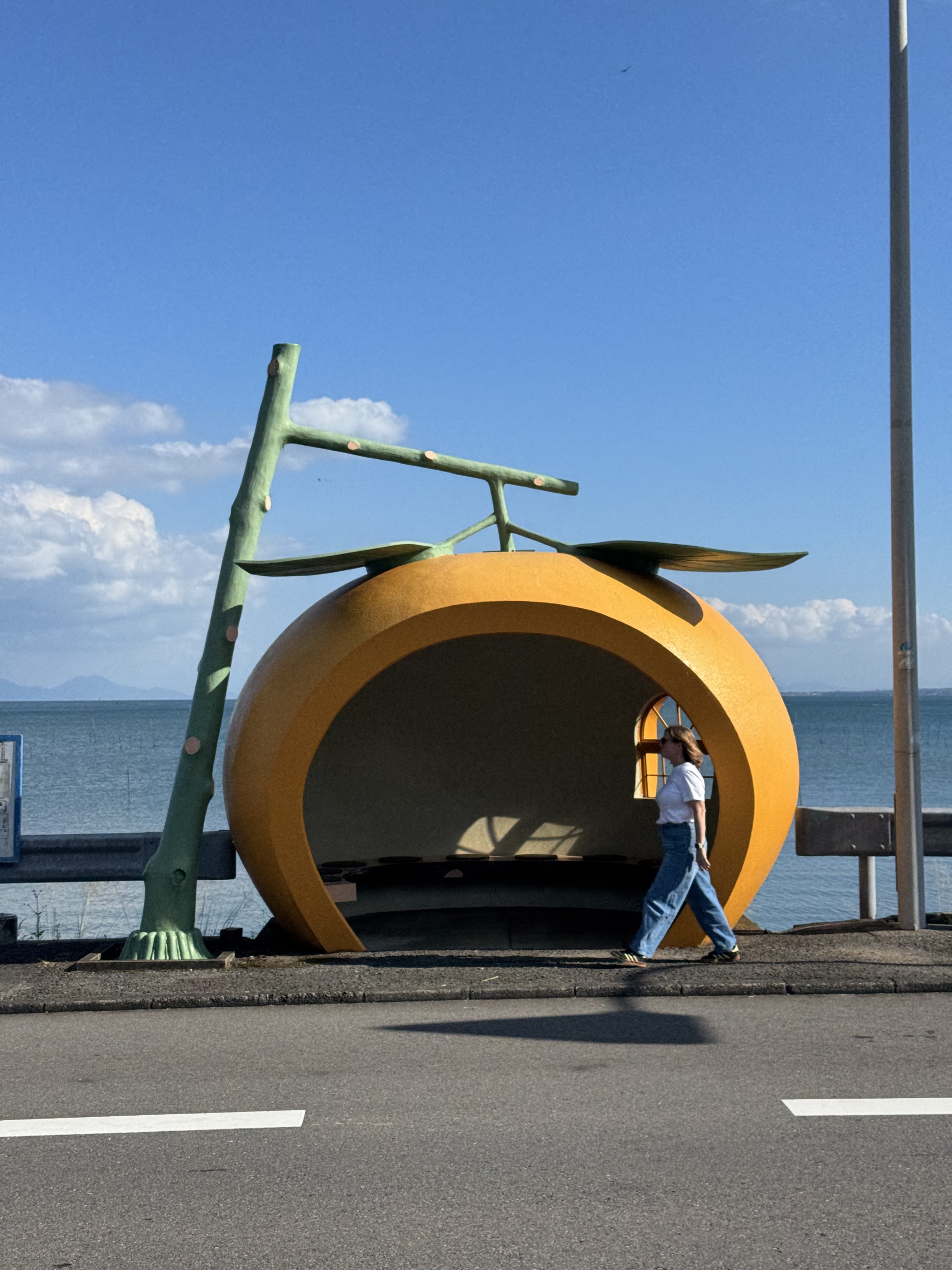
I’m playing catch-up on socials, sorting through thousands of photos and ten times as many memories. Realised I now possess 400 photos of fruit-shaped bus stops. No plan for them. Yet.

Consuming

👩🏻‍💻 Internetting

Two very different takes on the future of internal comms collided in my feed on Tuesday, and the contrast was so stark it felt almost choreographed.

On one hand: Unily’s “Future of the Workplace”

On the other: Mike Klein’s “Big Shift”

Unily’s view is the one most people in big, complicated organisations will recognise: grounded, sensible, measured.

The world of incremental improvements: a bit less friction, a bit more governance, modest, polite steps toward AI, progress paced by budget cycles and risk committees. And honestly, that’s where most digital workplaces genuinely are. The average intranet of 2026 won’t look wildly different from its 2016 ancestor — and that’s fine. Evolution has value.

Klein, meanwhile, is squinting at an entirely different horizon. His lens: AI compressing decision cycles, dissolving management layers, accelerating knowledge loss, reshaping coordination itself. Less “optimise the comms plan”, more “your operating model may not survive contact with the next five years”.

The key thing, of course, is that both are true — just on different timescales.

But the bit we can’t wish away: AI isn’t a shiny add-on. Used badly, it could be a workplace bloodbath.  Many people are understandably nervous about automating themselves out of relevance. And demographic change is already gnawing at the edges.

Japan hammered that home. Fewer workers, more automation, and a very immediate need to rethink how work gets done at all.

Small DEEx improvements still matter. They make the day-to-day tolerable. But they’re not the thing that will get us through the real shifts barrelling towards us.

If anything, the moment calls for more boldness — in how we use AI, how we explain it, and how we help people navigate what’s coming.

📺 Watching

Finger on the cultural pulse as always, I finally started Celebrity Traitors. I intended to watch one episode as a palate cleanser after a day of editing… and then resurfaced four episodes later, blinking at the clock like someone who has accidentally time-travelled.

It really is as good as everyone says: the camp, the scheming, the sheer operatic commitment to drama over absolutely nothing. It’s the kind of show that gives you whiplash from switching between “oh come on” and “I would absolutely betray every one of these people for £120k”.

No spoilers, obviously — but I am now fully invested, irrationally suspicious of everyone, and contemplating whether a roundtable on “psychological safety and betrayal in hybrid teams” might be a useful conference talk.

📚 Reading

My copy of Lisa Riemers and Matisse Hemel-Nelis’s Accessible Communications was waiting for me when I got home — a comforting sight after weeks with only my Kindle for reading company. I’d already had the pleasure of reading an advance copy earlier this year, but there’s something about holding a hard copy (a proper dead-tree edition) that makes the material land differently. Maybe it’s the weight; maybe it’s the guilt of knowing this will outlive all of us.

Re-reading it, I’m reminded what a genuinely important book this is for our industry. Too much accessibility advice for comms people is either painfully high-level (“write clearly!”) or so technical it requires a support animal. Lisa and Matisse manage to bridge that gap beautifully. They give you the principles and the practicalities, without ever making you feel lectured or incompetent.

What I love most is that they treat accessibility not as a compliance box to tick, but as core craft — part of what it means to be good at communication, full stop. They weave in examples, checklists, real-world scenarios, and the kinds of small, humane decisions comms people make a hundred times a day but rarely interrogate.

For anyone working in internal comms, content design, digital workplace, HR, UX, or frankly anywhere words meet humans: it’s one of those books you’ll keep within arm’s reach and quietly force on colleagues. Highly recommend.

🎧 Listening

Lily Allen’s new album has been on repeat in my ears since it dropped last month. I keep intending to listen to something else — a podcast, a serious audiobook, literally anything that would make me seem more intellectual — and then five seconds later I’m back in Lily-land, tapping away like a woman possessed. 10/10, no notes.

Travel

 I’m heading to London this week for the Communicate conference. Looking forward to seeing some of my favourite intranerds in 3D. If you’re coming, say hello — or buy me a coffee if you’d like to hear about robot tour guides.

This week in photos
Weeknote 2025/47

A woman walks down a city street with a small robot on her back, showcasing a blend of technology and urban life.
Exploring Tokyo and the future of the work

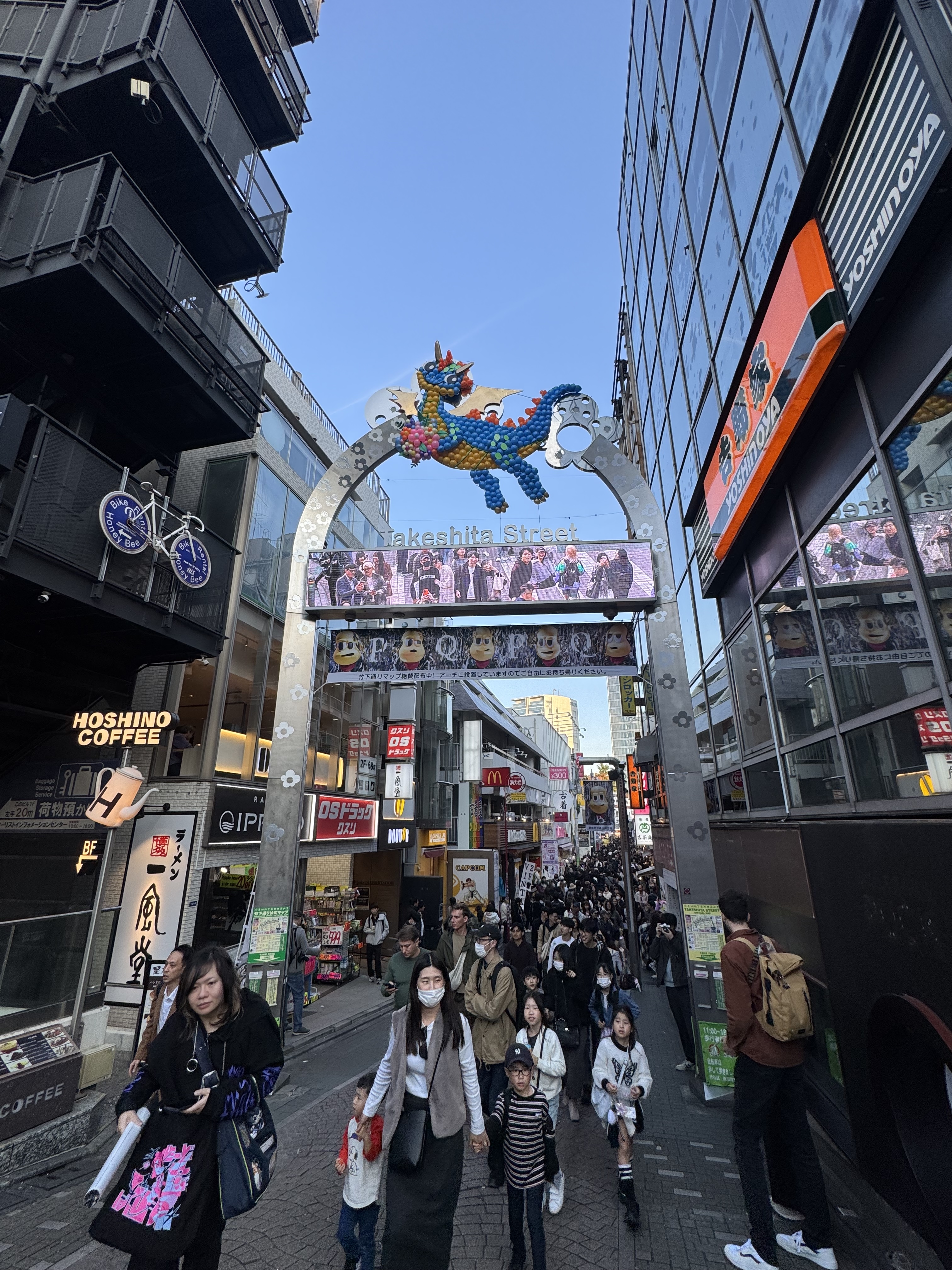
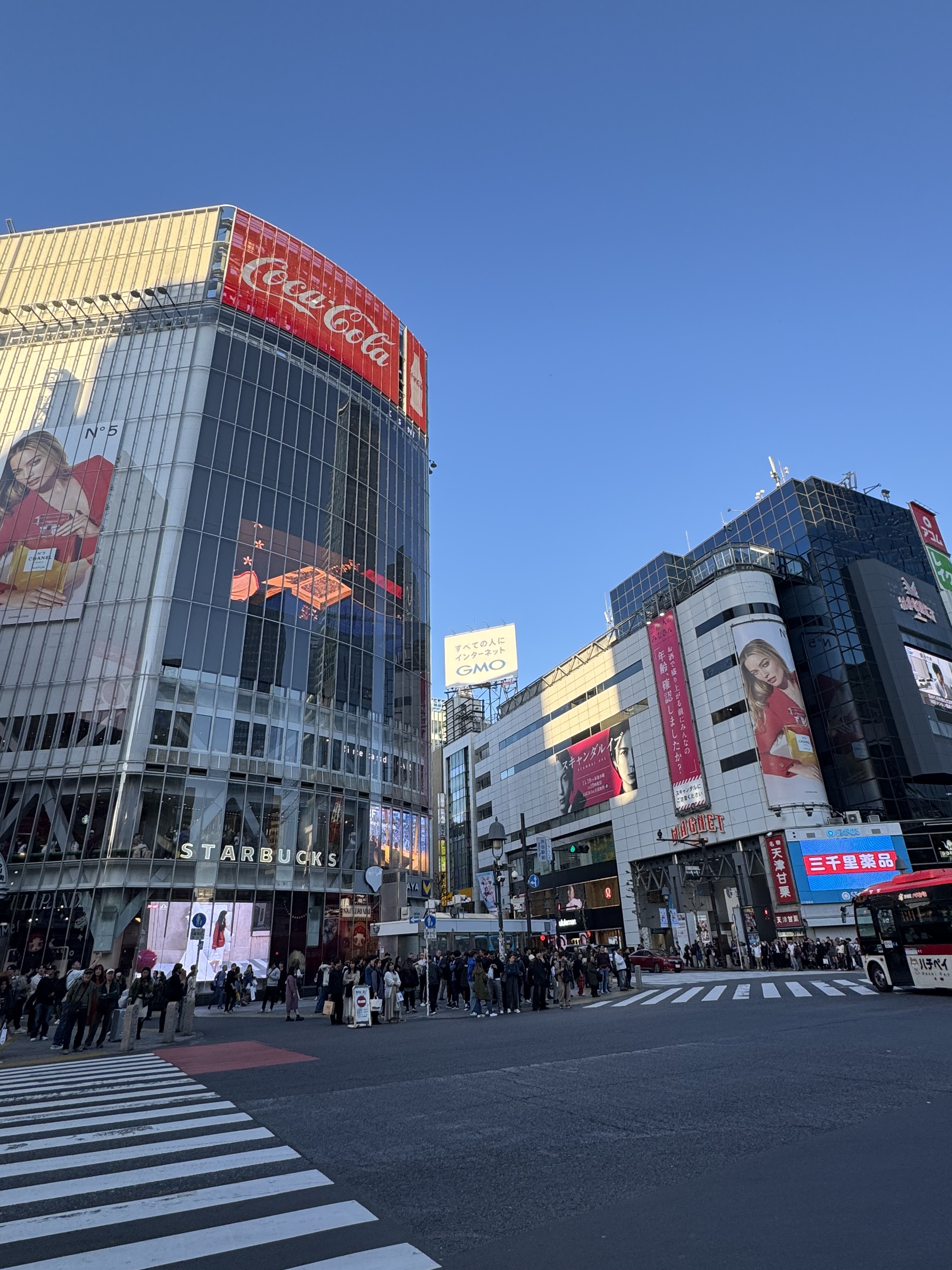
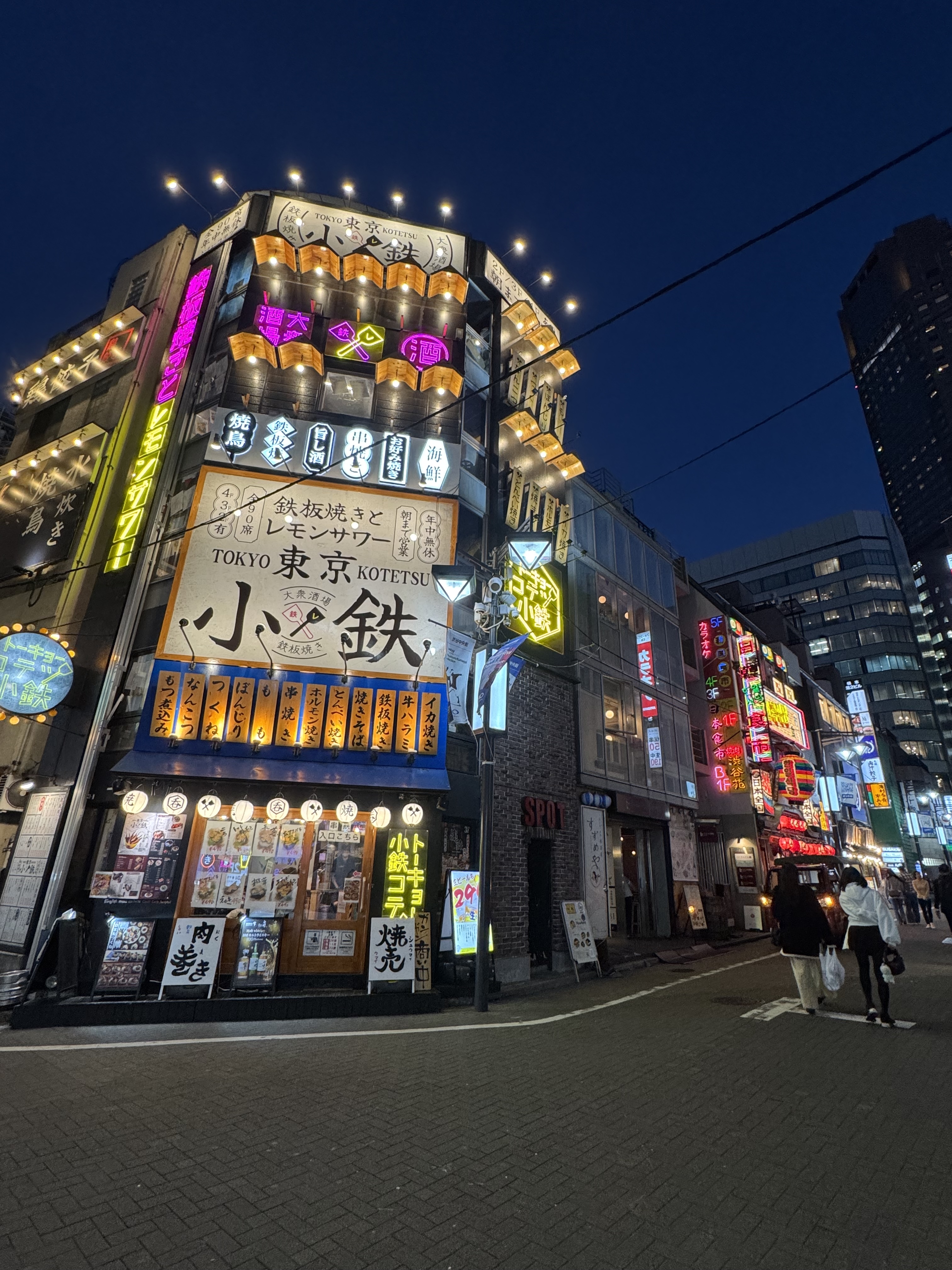
This week was spent under Tokyo’s pulsating screens, where the pavements hum, the escalators chirp, the traffic lights sing, and you’re permanently one missed step away from being swept into a tide of humanity. The city doesn’t so much greet you as flip your settings to 11 and leave you buzzing like a faulty transformer.

If you’ve never experienced it, it’s hard to explain the sheer scale of the sensory assault. It’s immediate and total. Visually, the city is a chrome-and-neon deluge: vast video boards loop hyper-real animations that bathe the crowds in shifting washes of cerise, cobalt and electric green. Every surface is broadcasting something — a brand, a warning, an offer, a jingle — all competing for your attention at once.

The soundscape is its own kind of madness: pachinko parlours spilling manic 8-bit cheer into the street; “don-don-donki Don Quijote” worming its way into your skull; the rhythmic clatter of the Yamanote line overhead; clipped, polite announcements issuing instructions you’re too overloaded to follow; the constant shuffle and thrum of tens of thousands of footsteps. It’s a multi-layered wall of noise you feel as much as hear.

Even the air has texture: a metallic tang of exhaust, the savoury steam of yakitori stalls, the strangely comforting detergent-clean fragrance that leaks from department stores every time their doors sigh open.

It’s an unrelenting, high-definition reality that demands attention. Your brain simply cannot keep up with the bits-per-second being hurled at it. You become both anonymous and hyper-stimulated. You’re a single vibrating nerve ending plugged into a city-sized nervous system.

As a dyed-in-the-wool city girl, I was both in love with it and completely exhausted by it. Exhilarated one minute, brain-fried the next.

But every night, as my circuits started to smoke, I slipped back to Shimokitazawa: a low-rise pocket of sanity I’ve stayed in so often it feels like popping on a familiar jumper. Gentrified? Absolutely. But still human-sized, warm, and (crucially) horizontal. After a month in slow, sloping Nagasaki, Shimo was the space I needed to transition into Tokyo without short-circuiting entirely.

Evenings in Shimo were the antidote to Tokyo’s intensity: smoky teppanyaki counters frying okonomiyaki bigger than your face; tiny wood-panelled izakayas with fogged-up windows; a six-seat local bar where the drinks are strong, the welcome quiet, and the conversation optional. In a city that overwhelms by design, Shimo made the whole thing survivable.

The rest of the week unfolded as a tour of contrasts — human, urban, sensory and technological. The kind of juxtapositions Japan does with unnerving ease.

I went to two gigs: one in Shimokitazawa, one in a suburban burger restaurant, both showcasing that deeply Tokyo magic trick of creating tiny, intimate worlds inside the sprawl. There’s a particular joy in finding these pockets where no one cares that you’re foreign; you’re just another person there for the music.

I finally made it to the Yayoi Kusama Museum (worth the booking hassle, worth the hype, worth the wait). I wandered through Tokyo’s parks in full autumn drag, riotous maples showing off under cold blue skies. I slurped heroic amounts of ramen in small rooms filled with smoke and laughter.

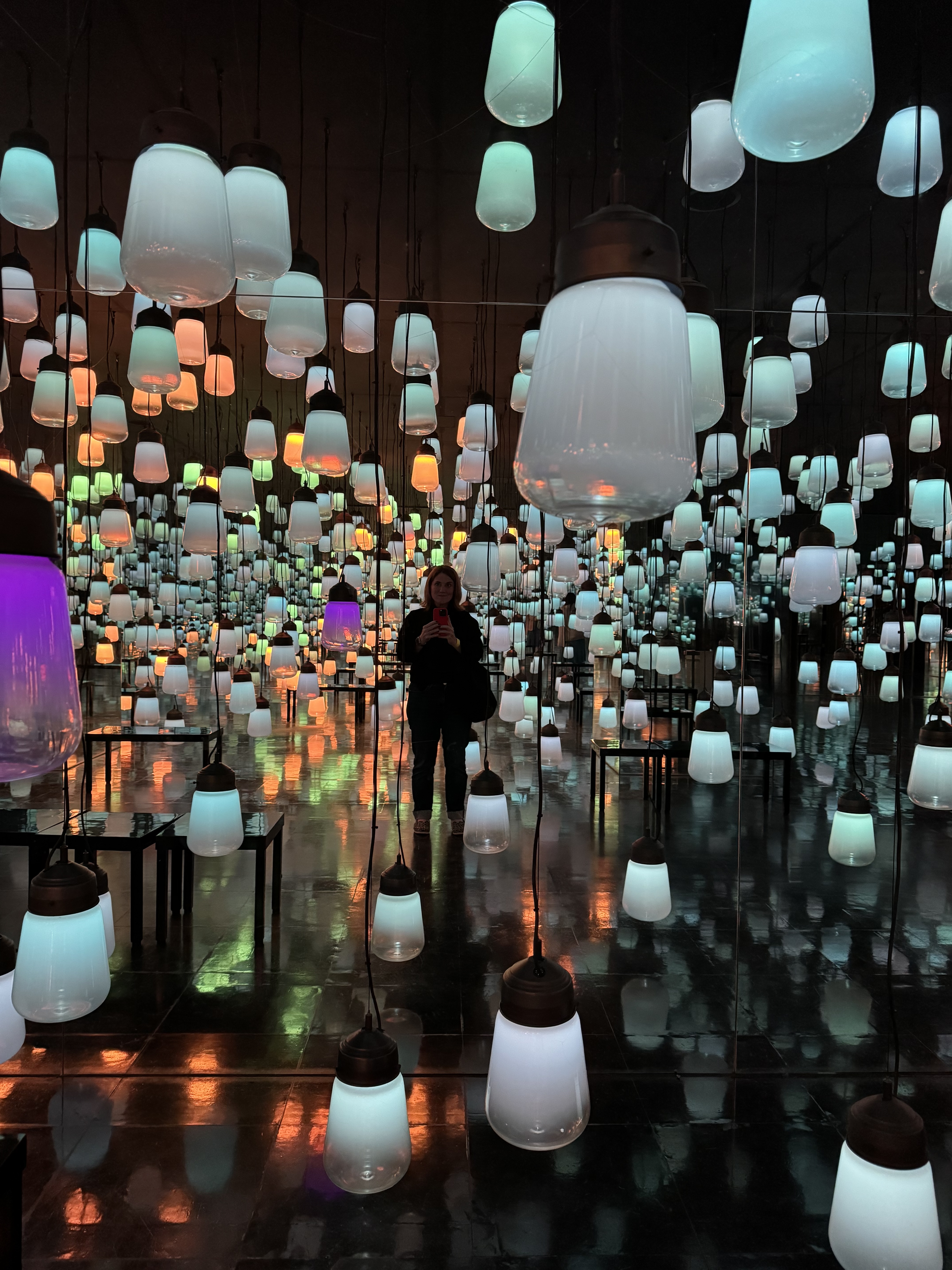
I made the pilgrimage to TeamLab Planets, something I’d avoided for years because on paper it is precisely the sort of place I should hate. Big Influencer Energy. The kind of venue where you fully expect to be elbowed aside by someone wielding a ring light like a weapon. I arrived ready to roll my eyes so hard I’d sprain something.

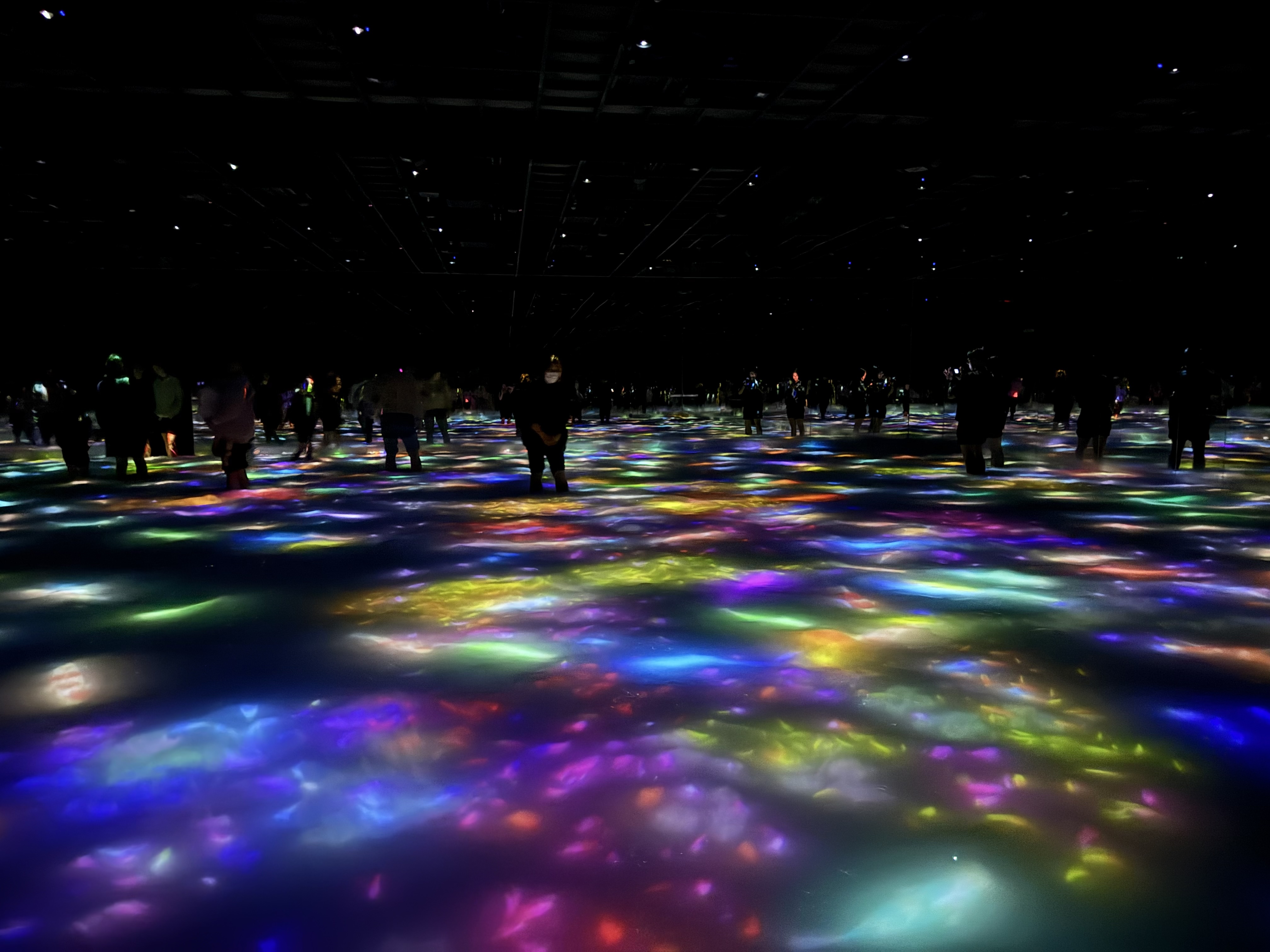
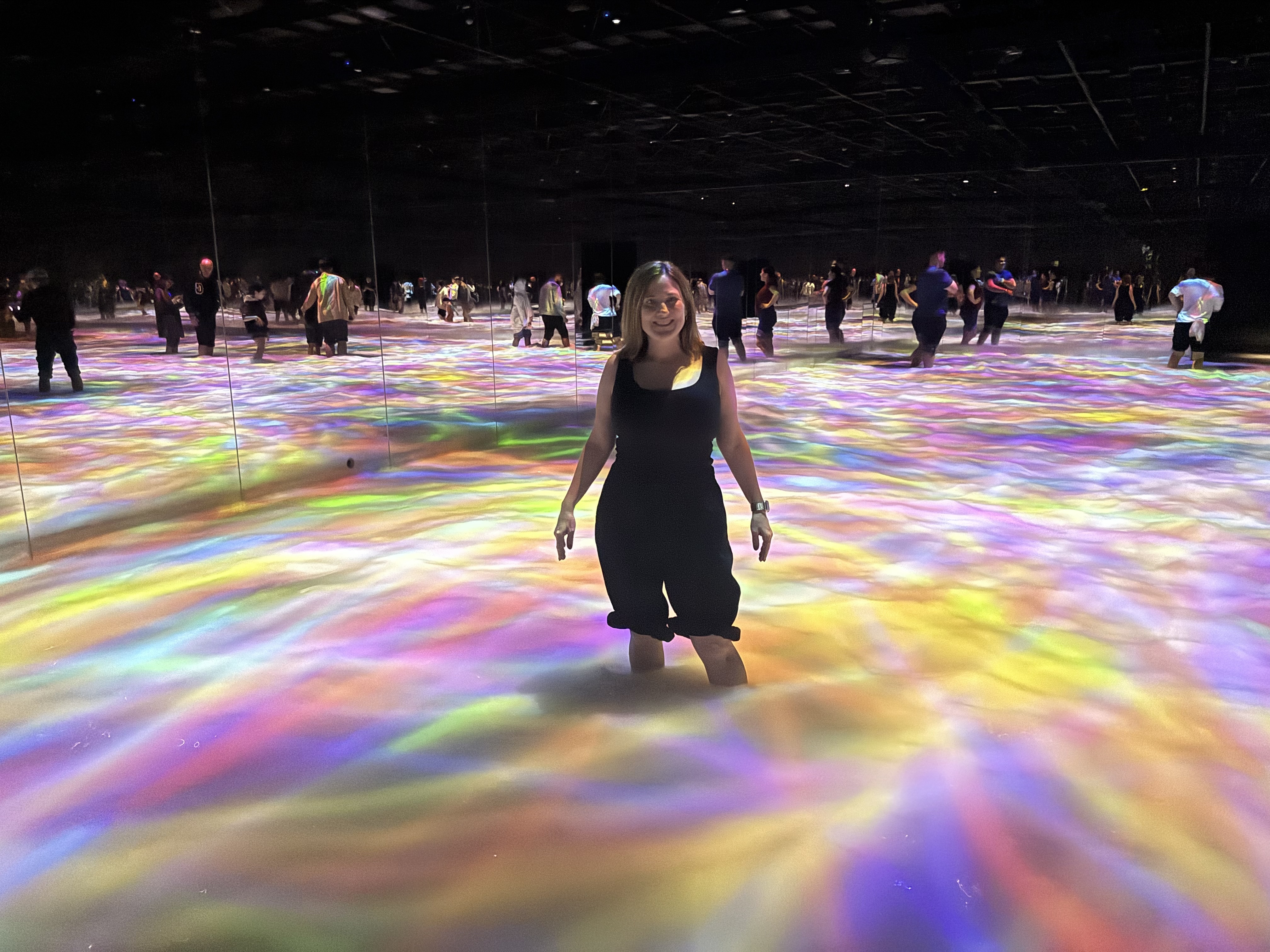
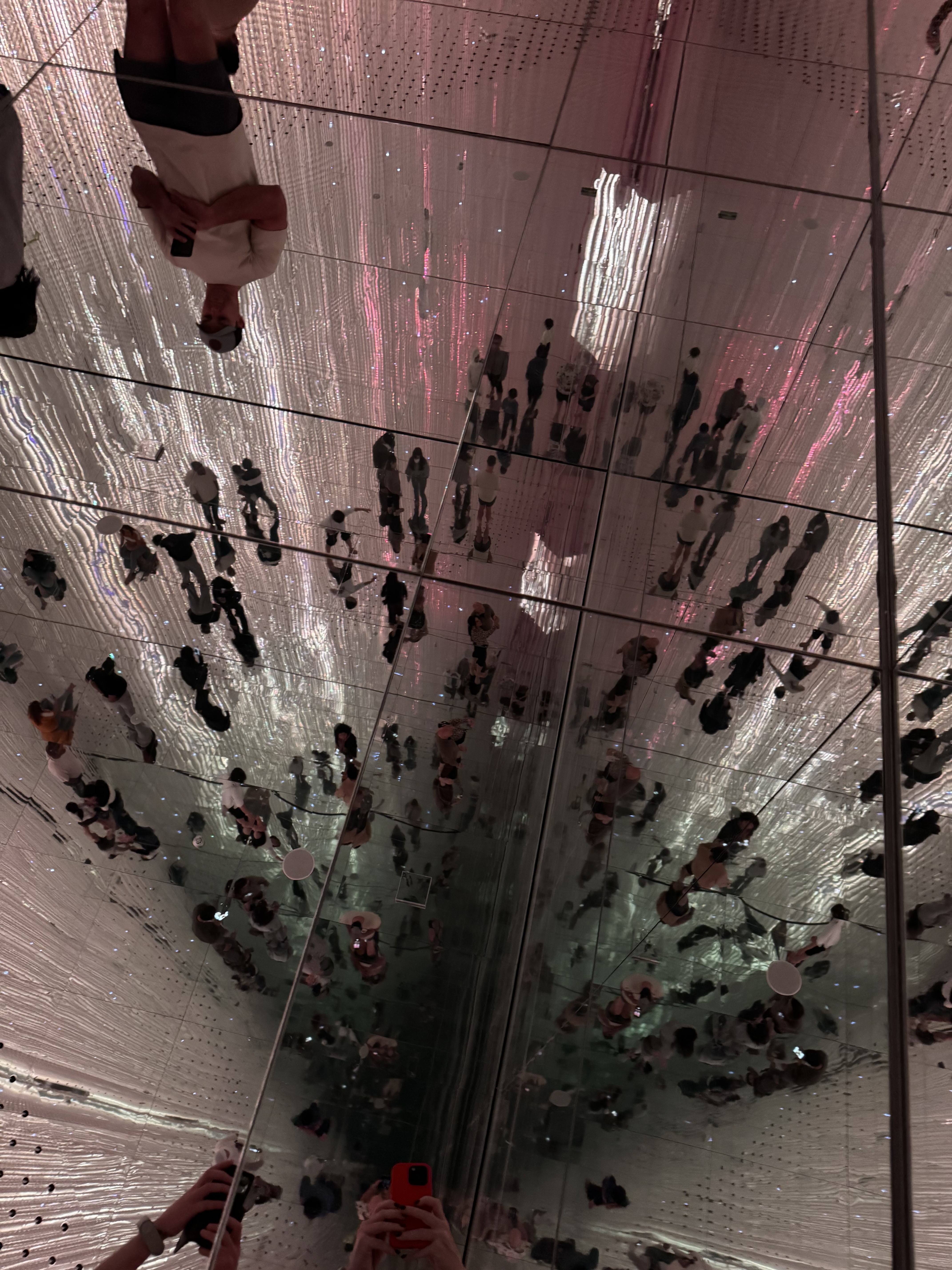
Wading through warm water in a mirrored room has no business being as good as it is. Nor does being surrounded by giant drifting flowers; on paper it’s pure gimmick, yet there I was, perilously close to having feelings. It’s sensory overwhelm with actual depth: playful, deliberate, and mercifully not designed solely for people who say “content creator” with a straight face.

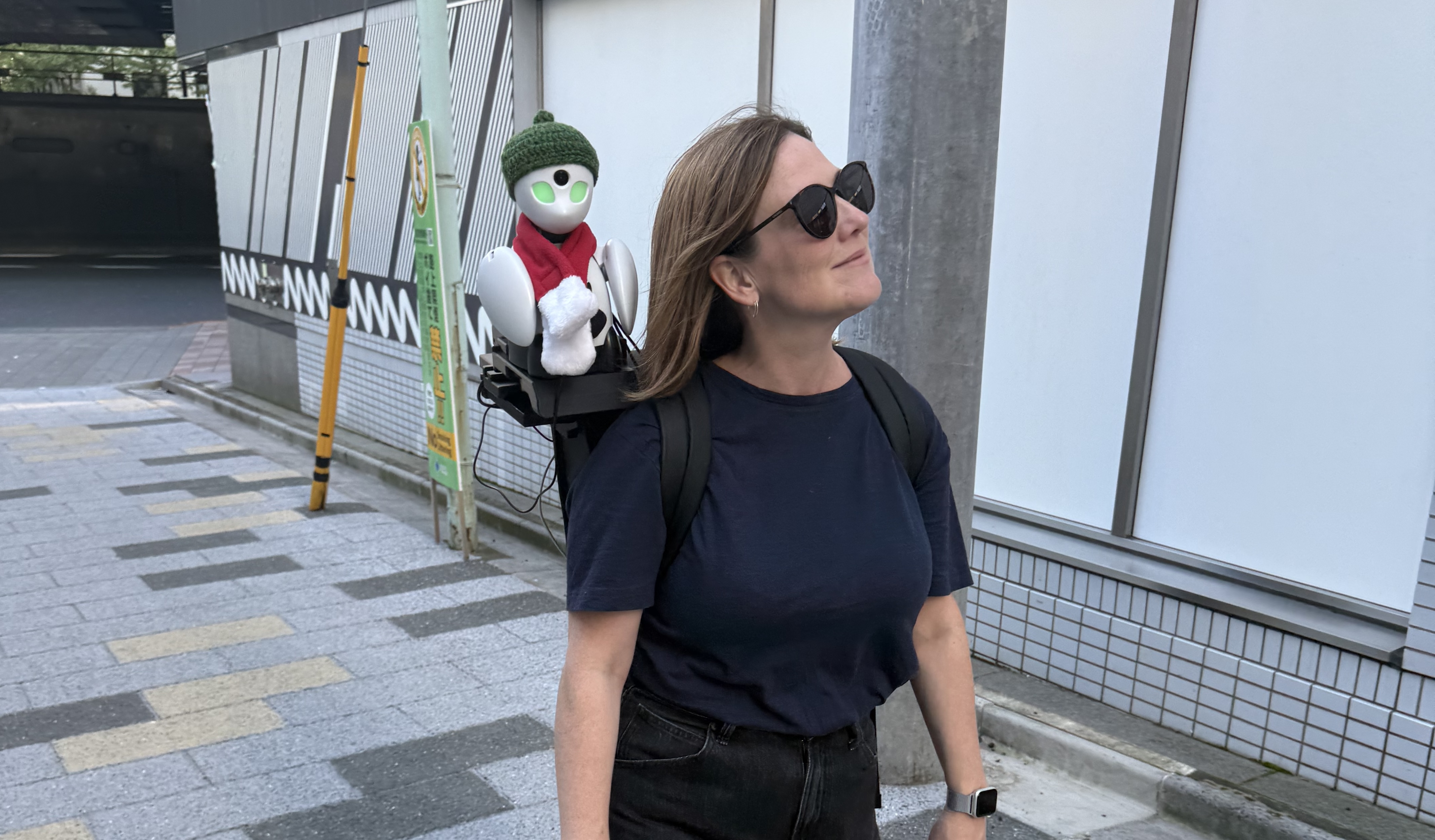
I also did something rather lovely: a walking tour of Tokyo with a palm-sized robot perched on my shoulder, remotely operated by someone with a disability, working remotely from elsewhere in Japan. Fun, surprisingly polished, and a little glimpse into a future of work I’ll write much more about another time.

And then there was Kagaya. I genuinely don’t know how to describe Kagaya Izakaya without sounding unhinged. It’s nominally a dinner, but in reality: a one-man piece of performance art that veers between slapstick, surrealism and something approaching group therapy. At various points there were puppets. There were costume changes. There were props I’m fairly sure violated several fire codes. The man has the timing of a seasoned comedian and the energy of someone who’s drunk six cans of Monster and made peace with chaos.

The food was excellent, but also completely beside the point. If David Lynch ever opened a pub, it would be this: unsettling, hilarious, oddly tender, and impossible to explain to anyone who wasn’t in the room. I’m still trying to process it tbh.

He asked that we don’t put videos on the internet, and I absolutely respect that. Some experiences deserve to stay unmediated, uncaptured, held in the moment rather than flattened for the feed. Kagaya is very much one of those. So this one solitary snap it is.

Kagaya sitting at an easel, looking at the viewer with a surprised expression, wearing a green checkered shirt and a black hat, in a cozy, wooden interior.

Amid all this, I published my first reflection from Nagasaki: an article for Reworked on what organisations can learn from the digital nomad movement. It’s the first of what will no doubt be many pieces. Now that I’m briefly still, I finally have space to breathe, process, reflect and write. This whole experience has given me a lot to think about; I’ve barely begun to scratch the surface.

I also made a reel summing up my month — forty-odd one-second clips stitched into a fever dream of trains, temples, islands and neon. The algorithm seems determined to bully me into becoming better at video, so… apparently that’s a 2026 project.

Between it all: the shopping. So much shopping. Tokyo retail isn’t an activity; it’s an endurance sport. One minute you pop into Don Quijote “just to have a look”, and two hours later you’re on floor 5 of 8, dehydrated, overstimulated and clutching two baskets filled with matcha KitKats, face masks, Totoro purses, Super Mario bag charms, Ichiran ramen kits and a hair towel you saw on TikTok. You’re seriously considering upgrading to one of those little basket trolleys so you can start a third.

You have lost all sense of time. You have no idea if the sun is still up. The shop jingle has played for the 756th time and permanently lodged itself in your skull. Every surface flashes something at you; every aisle whispers “buy me.” You are borderline delirious. You reach — helplessly, inevitably — for another Hello Kitty coin purse. Bic Camera, Yodobashi Camera, Donki… they’re all the same fever dream: capitalism at its most chaotic, joyful and unhinged.

And then — abruptly — Amsterdam.

Back home, I battled the jetlag and stayed awake long enough to see The Hives at AFAS — a band I’ve been going to see for over two decades. I’ve seen them in a tiny venue in Malmö, a community centre in Warsaw, a big corporate venue in London, and everything in between. Pure, chaotic rock-and-roll energy that hasn’t dimmed a watt in 20 years.

And honestly, after six weeks in Japan, stepping out into the Dutch winter (a hard, unfriendly zero degrees) and trying to remember how to be a person in my own life again… that helped. A reminder that some rhythms — loud guitars, shared joy, a band giving absolutely everything — travel with you.

And that’s it. My final weeknote from Japan.

Six weeks that shifted how I think about work, community, belonging and pace. A reminder that cities are laboratories, that culture is generous, that work has a future if we’re imaginative enough, and that slowing down long enough to notice is half the point.

Not quite the end of the story, I suspect. But definitely the end of this chapter.

This week in photos
Weeknote 2025/46

A wooden torii gate leading into a lush forested area, with people walking beneath it, symbolizing a traditional Japanese threshold.
Torii gates: thresholds between worlds

There are weeks that feel like a straight line, and weeks that feel like a series of thresholds. This one was the latter: a chain of quiet crossings, each nudging me from one state of mind to another.

Japan has physical markers for these moments: torii gates. Step beneath one and, in theory at least, you leave the human world and enter the realm of the kami. But what I’ve learned this month is that thresholds don’t have to be dramatic to matter. Sometimes they’re a shift in perspective; sometimes they’re the soft double-click of a chapter ending.

My week has been full of these liminal moments. Some planned, some unexpected, all adding up to a sense that I’ve stepped from one space in my life and work into something else. I can’t name the new thing yet, but I can feel its outline.

At the shrine where I took that torii photo, it wasn’t the gate that caught me so much as the details: the heavy shimenawa rope; the tassels; the zig-zag shide strips hanging like paper lightning. I learned they symbolise rain, renewal, and the hope for a good harvest. Not a passive hope, but an active one: may what begins here find nourishment enough to grow.

I don’t yet know what will grow out of the past month, but the soil is definitely shifting.

A traditional torii gate adorned with shimenawa rope and tassels, surrounded by dense greenery, symbolizing a threshold between the human world and the spiritual realm.

The first threshold of the week wasn’t spiritual, though; it was the lobby of a Fukuoka hotel, where my husband David arrived after a long flight from Amsterdam. After a month on the far edge of Japan — working odd hours, accumulating tiny cultural recalibrations — seeing him appear felt like briefly stepping back into my own life. Or at least the version of it that comes with an Irish lilt and knows how I take my tea.

But before that, Fukuoka delivered a different kind of homecoming.

I met up with my friend Tony, whom I first encountered on the intranet scene in the early 2010s, back when we were all swapping SharePoint hacks and governance war stories. It was a rooftop bar in Singapore in 2015 that shifted us from acquaintances to friends, and we’ve crossed paths in London, Berlin (their adopted home), and now, improbably, Japan.

We spent the evening eating ramen, hammering Taiko no Tatsujin in an amusement arcade, and laughing with the sort of abandon you reserve for people who have witnessed your more ridiculous professional eras. The universe also arranged for us to turn up in almost identical outfits, resulting in a “fit check” video under the glow of claw machines. I even won a Taiko plushie, prompting an entirely undignified amount of joy.

It reinforced something I keep relearning: home is, more often than not, people rather than places.

And once David arrived, Fukuoka became another kind of home. We did what we always do in a new city: walked, talked, ate too much, and tried to understand the place through its smallest details. Fukuoka is warm, open, generous — but after Nagasaki’s sleepy intimacy, even a soft re-entry into big city life was A LOT.

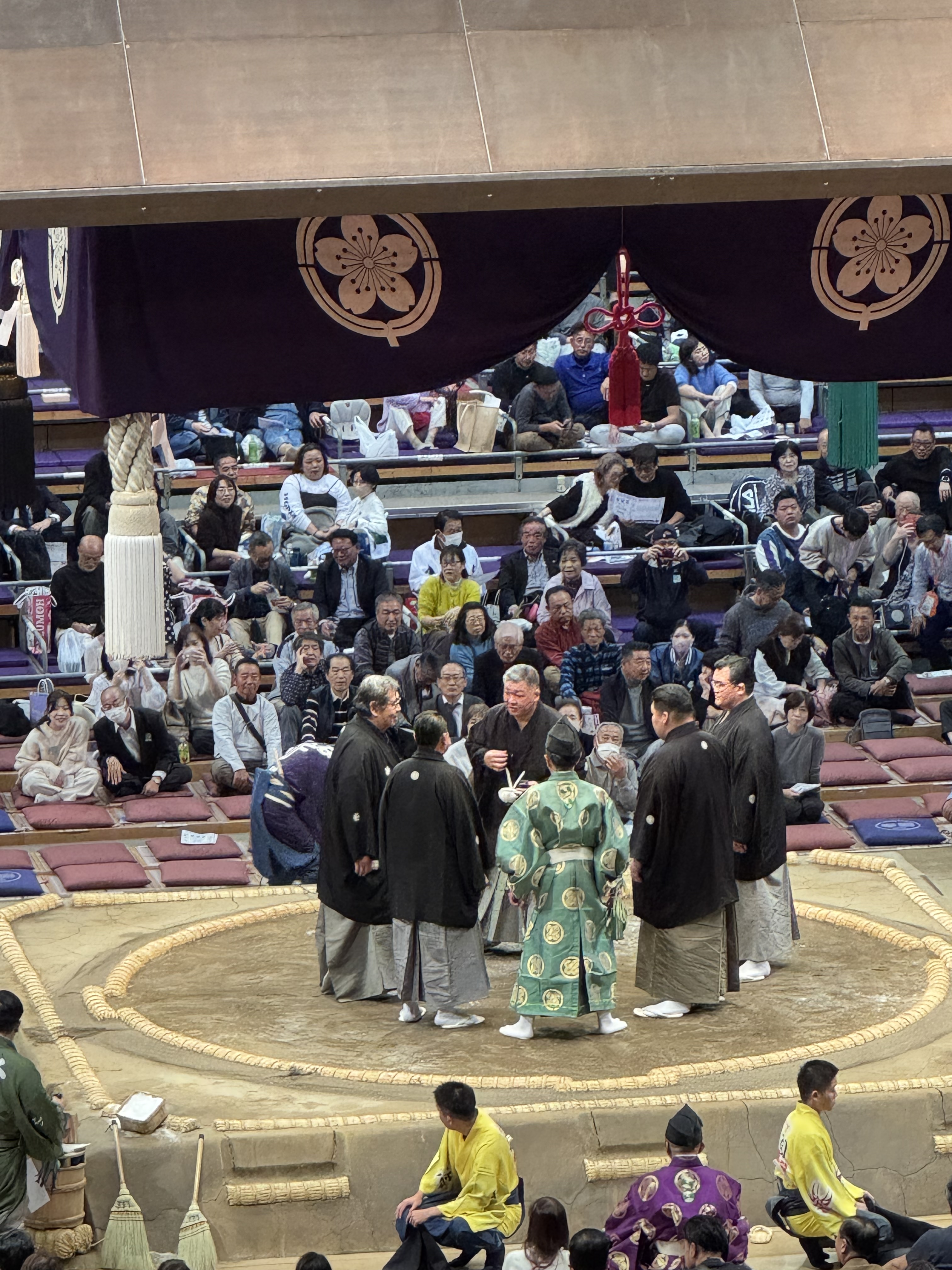
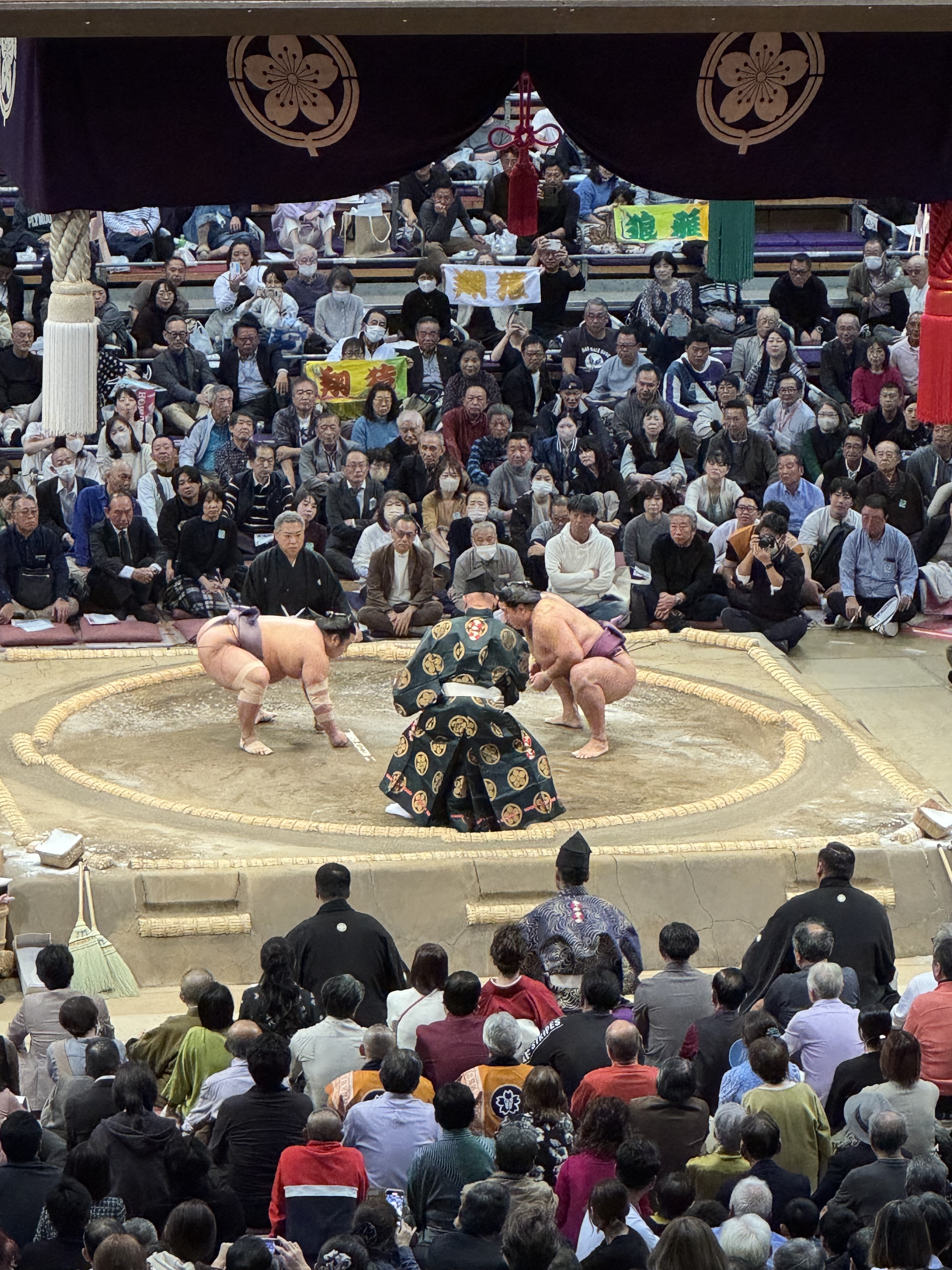
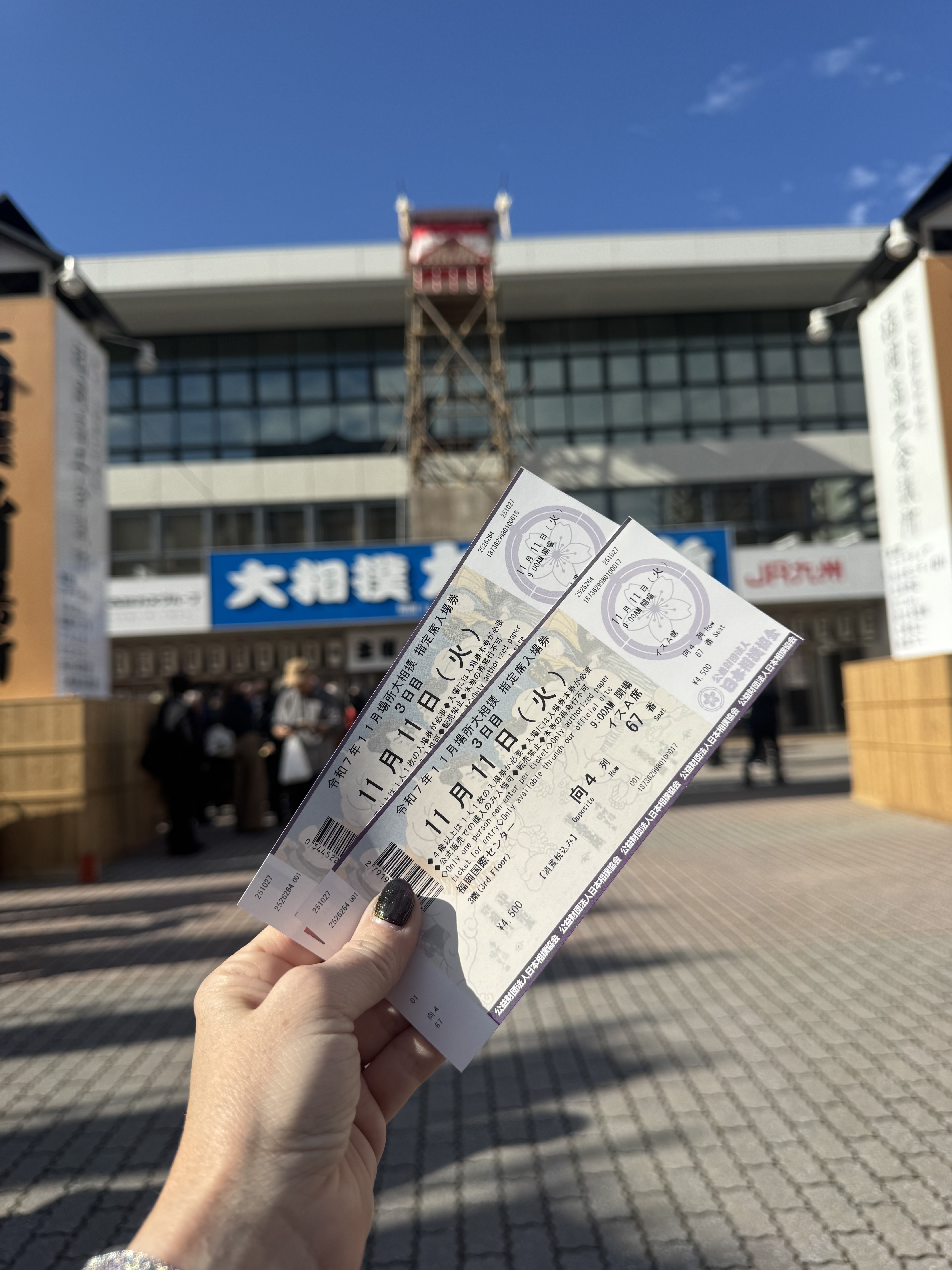
And then: sumo. I’d expected drama, ritual, weight. And I got it. But I hadn’t expected quite so much theatre. Watching the wrestlers step into the ring felt like watching a centuries-old operating system running beautifully on modern hardware. Ceremony and precision, every movement carrying the residue of repetition. The crowd swung between reverence and sudden, explosive joy. One of the most choreographed human experiences I’ve ever seen.

Sitting there, I realised sumo isn’t really about the moment of impact. It’s about the build-up — the stamping, the salt, the slow escalation toward inevitability.

Another threshold. A step, a breath, a brief clash.

Fukuoka reminded me that not all thresholds mark endings. Some are reunions, reconnections, or simply the recognition of who you are when you’re with the right people.

A few days later I was back on Gunkanjima — Hashima, the Battleship Island — for the second time in three weeks. The first visit had been full of big narratives: industrial rise and collapse, whole communities uprooted, the human cost of rapid change. The story you expect the island to tell (and which, indeed, I did in weeknote 45).

This time I tried to notice what doesn’t make the documentaries. The angles of collapsed staircases. Plants punching their way through concrete. The wind’s low hum as it threads through broken windows. The guide’s almost affectionate way of describing buildings on the verge of collapse. A single gull perched on the rusting rail of a former school, as if taking attendance.

Gunkanjima isn’t just a monument to abandonment; it’s also a lesson in what remains.

The first time, I saw it as a symbol of disruption — what happens when the world changes faster than people can adapt. This time, it felt like a study in endurance. Not resilience in the motivational-poster sense, but the plain, unsexy persistence of things that refuse to disappear.

The walls crumble, but the city is still legible: market square, shrine, apartment blocks. The sea eats the edges, but the island keeps its shape. Even absence has structure.

Thresholds aren’t always about stepping forward; sometimes they’re about looking again. A second reading. A different angle. A willingness to listen for the other story.

Gunkanjima, this time, wasn’t a cautionary tale. It was a reminder that endings — even violent ones — don’t erase what came before. Some places, and some experiences, leave an imprint that outlasts their usefulness.

Another threshold crossed. Not forward this time, but deeper.

And then it was time for the nomads programme to end. The final days had that familiar end-of-term energy: admin, emotion, last lunches, shared folders, and the sudden urge to squeeze in just one more conversation with people you’ve only known for a month but who now sit firmly in the rhythm of your day.

I’ve done enough programmes to know most are neatly bounded. This one wasn’t. It was lived. Embedded. Threaded through Nagasaki in a way that made leaving feel like stepping out of a parallel life.

We’d spent a month meeting city officials, entrepreneurs, artistans, students, elders watching demographic change unfold, and families who opened doors tourists never find. A decade’s worth of experiences in four weeks. Not in a TikTok bucket-list sense, but in the sense of having been allowed inside something special.

The team behind it all — industrious, warm, omnipresent without being intrusive — created a space where curiosity sparked easily. Where conversations stretched from marketing tactics to the future of urban economies without anyone blinking.

And then came the final night: a goodbye dinner with speeches — the heartfelt, slightly wobbly kind that only happen when something genuine has happened. Laughter in corners. That soft ache that sits under any meaningful ending.

In that moment, I realised we’d all adopted a very Japanese habit: the long goodbye. All month, whenever we visited workplaces or workshops, people would bow and wave until we were fully out of sight — round the corner, down the road, onto the bus, they’re still waving.

On our final night, we did exactly the same. Waving, hugging, bowing, waving again, stretching the goodbye because no one wanted it to end.

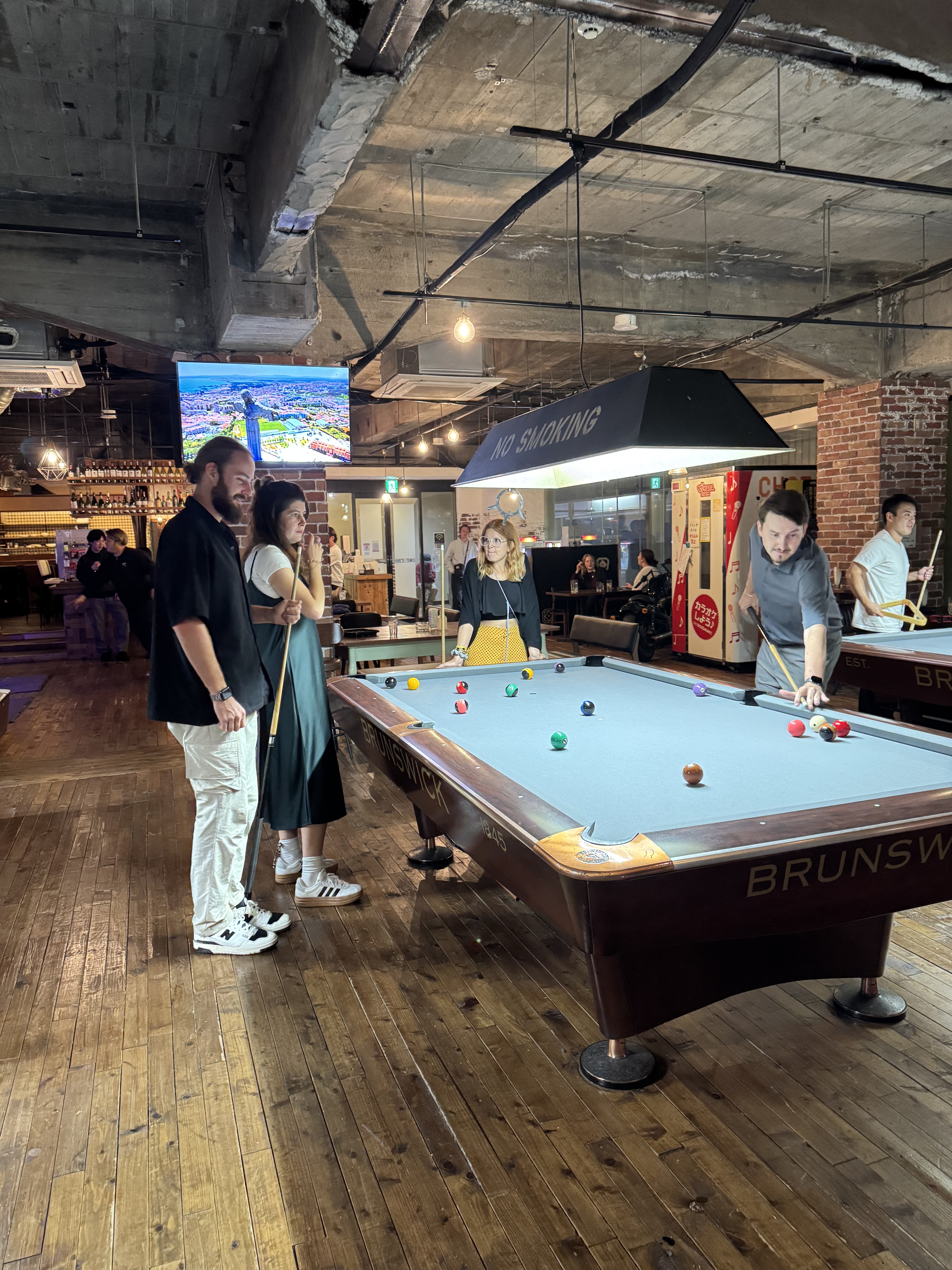
But naturally, it didn’t. Nomad cohorts don’t do tidy exits. We spilled into the night and ended up in a bar: karaoke massacred with enthusiasm, pool played with debatable competence, photos taken that we’ll be grateful for later. Messy, joyful, perfect.

These aren’t just programme peers now; they’re the sort of friends you’ll bump into again in Berlin, Bangkok, Lisbon, or some godforsaken airport you never meant to be in. Nomads orbit like that.

By the time the evening finally fizzled out — karaoke ringing in our ears, pool balls still clacking — I could see how many storylines were quietly forming. New collaborations. Ideas not quite ready to declare themselves. Questions hitching a ride into the next phase of the book.

Not outcomes. Just beginnings pretending not to be beginnings.

So yes, bittersweet. Sad to leave, of course. But I’m also carrying an inconvenient amount of… hope? Perspective? Mildly chaotic inspiration? Whatever it is, it’s coming with me.

Another threshold crossed. Not grand, but the sort that matters later.

Leaving Nagasaki for Tokyo felt like stepping out of a quiet room and straight into a speaker stack. One moment I was waving increasingly ridiculous goodbyes in a café — then crying in an airport like a woman in a low-budget travel documentary — and the next I was in Shinjuku Station trying to remember how to function in a city built entirely from escalators and LED screens.

Tokyo is always a jolt, but after a month of islands and low-rise neighbourhoods, it hit differently. Buildings stacked on buildings. Trains layered like geological strata. Enough neon to power a small European nation. My brain, still tuned to Nagasaki’s warmth, tried to cope and promptly threw an exception error.

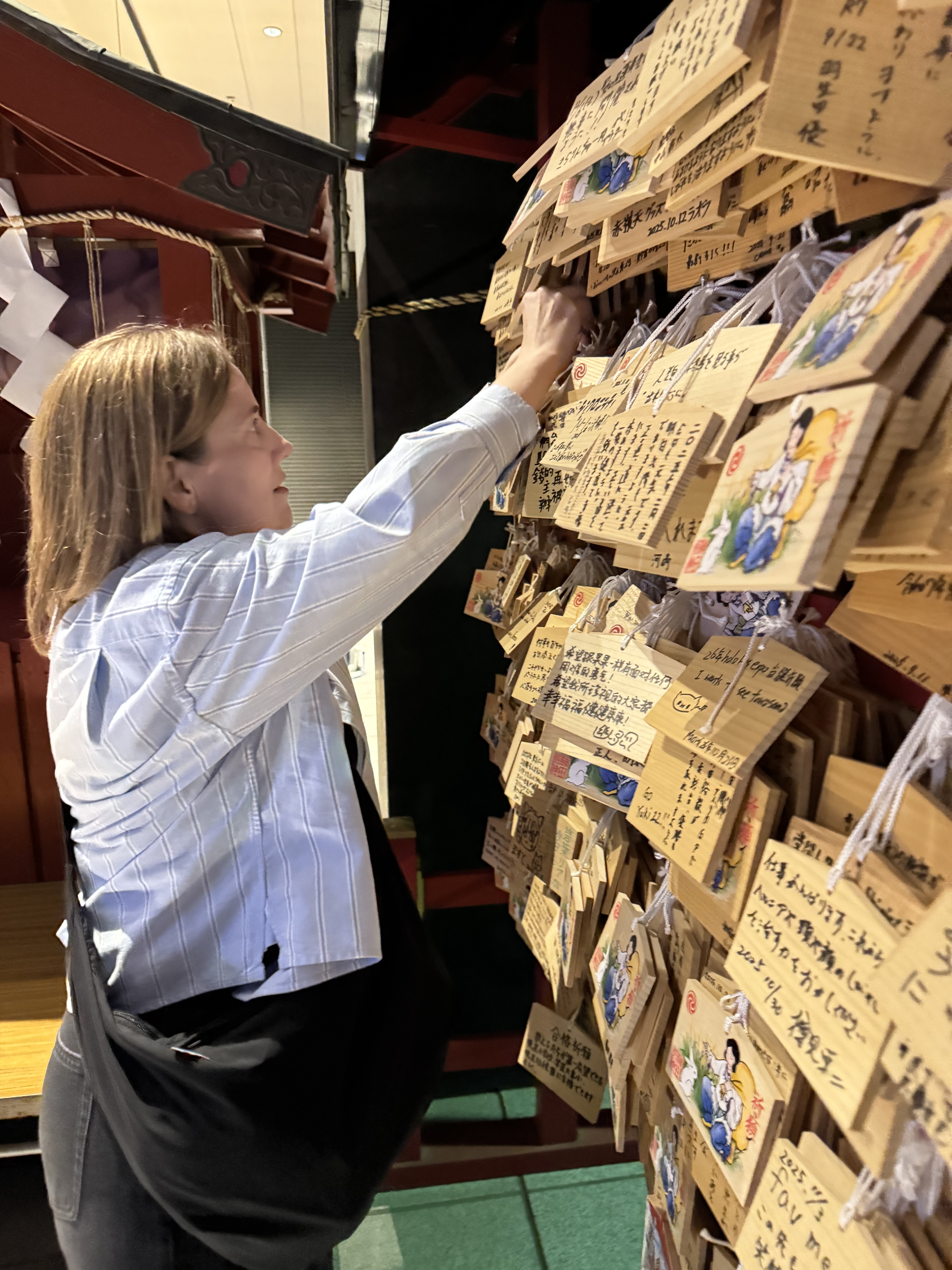
But in the middle of all that intensity was a tiny moment of calm: a visit to Kanda Myojin Shrine, where Tokyo’s tech industry goes to have its ventures blessed. In Akihabara’s chaos — all anime billboards, maid cafés, shops selling cables of brief but unquestionable necessity — I bought a charm for digital safety and asked for a blessing for my business. A thoroughly modern pilgrimage: startup meets Shinto.

Oddly grounding, too. A reminder that even in a hypermodern city, people still seek rituals to mark beginnings or ask for protection as they step into the unknown. Another threshold, just with better branding.

The rest of Tokyo unfolded as it always does: exhilarating, overwhelming, impossible to process in real time. Even buying water felt like an extreme sport. Every sign shouts. Every pavement pulses. Every crossing demands confidence you may or may not possess.

But beneath the sensory overload was something gentler. A sense that this, too, was part of the transition. If Nagasaki was the month-long inhale, Tokyo was the exhale — abrupt, glittering, impossible to ignore, but ultimately part of the same breath.

And somewhere between Shinjuku’s chaos and Meiji Shrine’s calm, I realised I wasn’t overwhelmed because Tokyo is too much.

I was overwhelmed because the past month had meant more than I’d let myself admit.

This week in photos
Weeknote 2025/45

A distant view of Gunkanjima, also known as Hashima Island, featuring abandoned concrete buildings and a rocky hill under a clear blue sky.
Gunkanjima, or Battleship Island (photo by me)

I began the week on a boat bound for Gunkanjima, a ghost island that was once the most densely populated place on Earth. From the deck, it looks like a floating city, a tangle of concrete blocks rising from the sea. A century ago, thousands of miners lived here, stacked in dormitories above the tunnels they worked in below. Coal fuelled Japan’s industrial revolution, and this tiny island was its engine room.

Then the coal ran out. Within months, the residents were gone, leaving behind schools, cinemas, playgrounds — lives interrupted mid-sentence. Nature has reclaimed it now: trees sprout from window frames, waves gnaw at stairwells, concrete smashed by annual typhoons. The tour guide called it “a monument to progress” though it looked more like a cautionary tale. Every industrial revolution leaves ghosts. You wonder what ours will look like. Server farms in the desert, perhaps, or data centres left humming to themselves long after we’ve moved on.

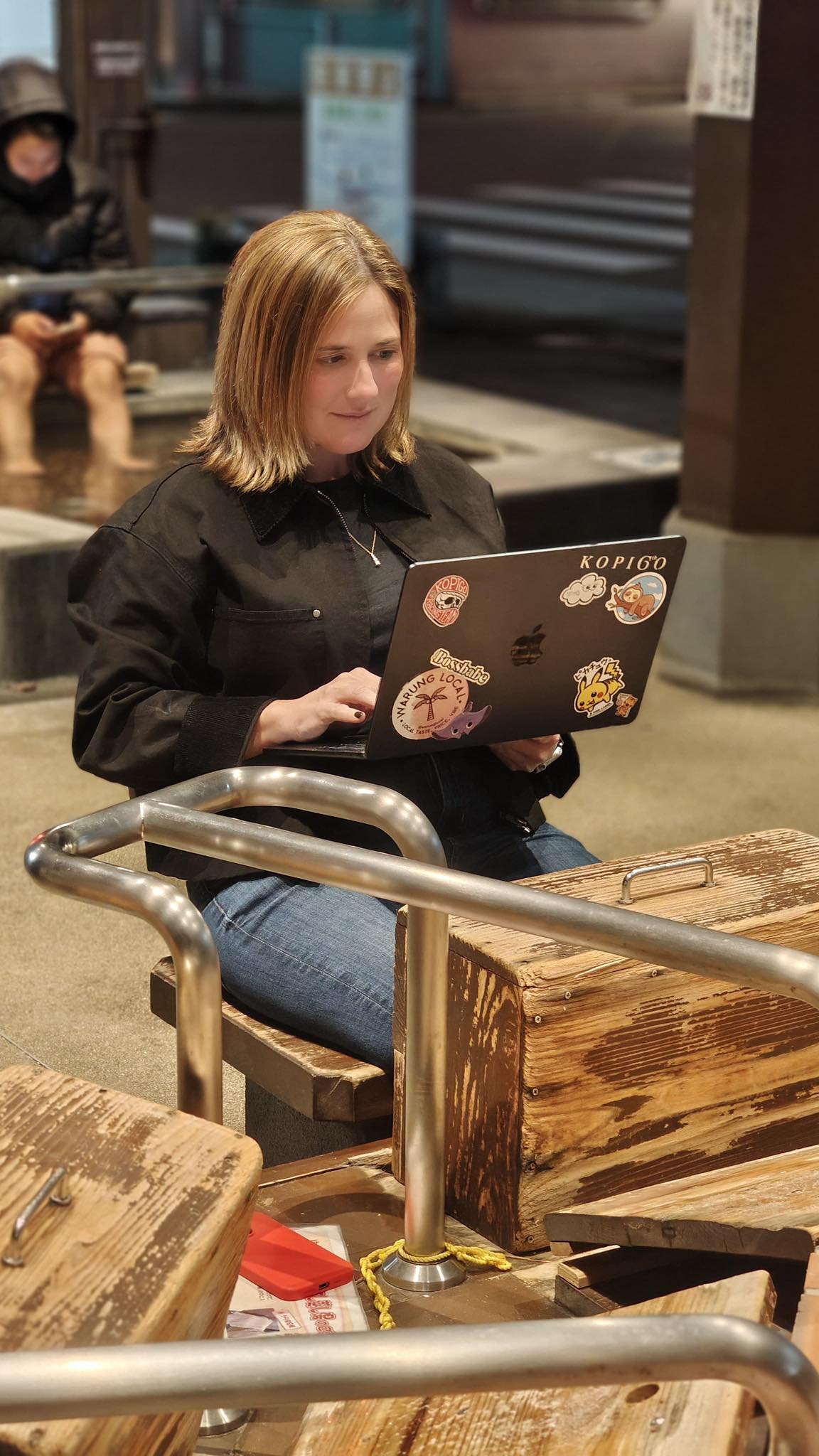
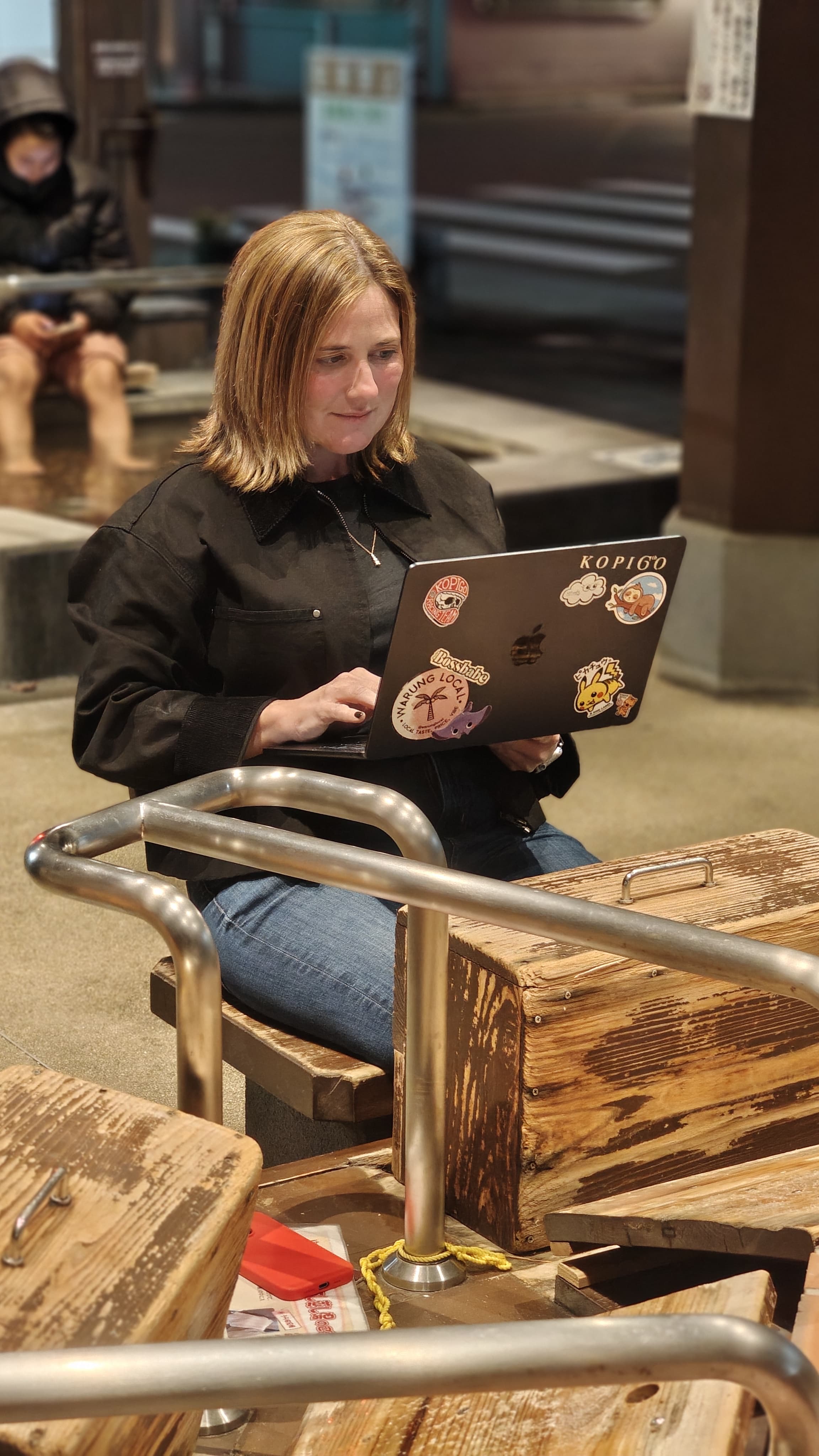
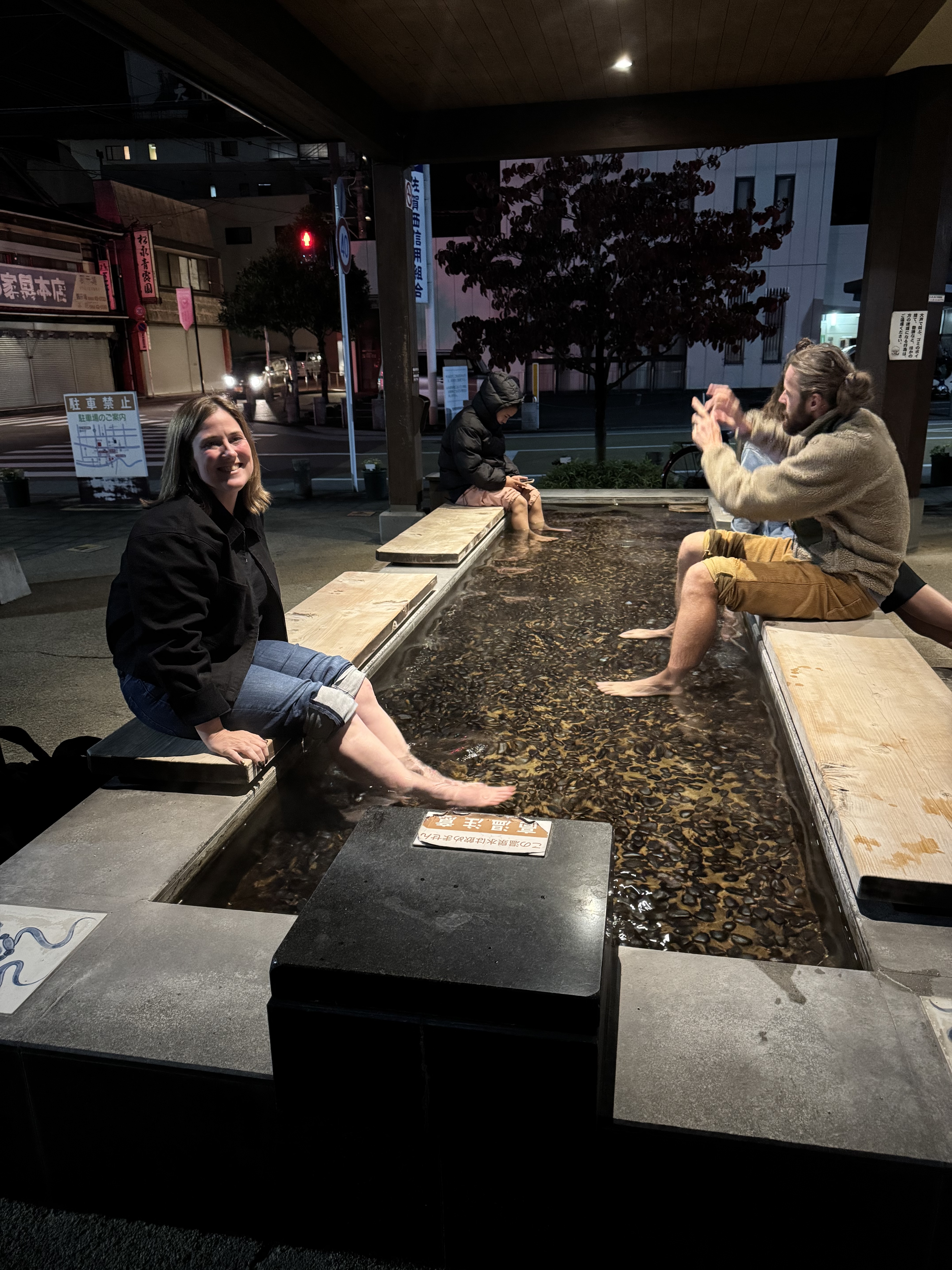
The week turned from from ruins to road trips. On Monday, on a whim, we headed north. First, the glass sand beach at Omura, the most Wes-Anderson train station imaginable glowing under a pink sky, then dinner in a tiny onsen town where hot-spring footbaths line the street. At one point I found myself perched at one with my laptop — the most literal interpretation yet of “working from anywhere.”

Finally we set off to catch the final night of teamLab: A Forest Where Gods Live, an installation we’d only discovered the day before. The exhibition had been running for months in the ancient Mifuneyama forest, but Monday was its very last evening. So we threw plans to the wind, piled into a rental car, and drove through the dark.

By the time we arrived, it was pitch dark, save for the moon hanging over the park — a vast garden of ancient stones and trees, half-swallowed by mist. teamLab had transformed it into something otherworldly: waterfalls of light cascading down boulders, azaleas blooming in digital colour as you passed, and koi fish made of pixels swimming in rippling ponds.

It wasn’t just beautiful; it felt sentient. The light shifted as you moved, responding to your presence. A trunk would glow, then fade. A rock would bloom briefly, then fall dark again. The boundary between nature and code dissolved. The forest felt alive; half divine, half designed.

And because we’d arrived at the very end (the last night, actually the very last hours) there was an added sense of fragility. Soon it would all vanish. The lights dismantled, the cables packed away, the forest returned to its unlit self.

Tuesday brought another hidden world: a private bar tucked inside a 200-year-old house. The barman, dressed entirely in black, spoke softly through an interpreter, his enthusiasm and knowledge palpable. He talked us through his gin collection, explaining why drinks taste better from crystal glasses — not as a gimmick, but as a philosophy. I’m not entirely convinced. But each pour was deliberate, reverent even. The house itself was a work of understated beauty: all tatami mats, dark beams, and the scent of cigarette smoke and stories.

Experiences like this keep catching me off guard here. Not curated, not for show, just shared out of sheer generosity and pride. The kind that make you feel lucky to have stumbled into them.

Wednesday was back to work: an interview with a journalist from the Asahi Shimbun about global nomadism, the future of work, and this curious experiment I’m part of. Then a meeting with a digital workplace vendor (because I am, unapologetically, a massive nerd for such things) before rounding off the day at Stadium Onsen for a sauna and cold plunge. A uniquely Japanese ritual I’m fast becoming addicted to; equal parts mindfulness and mild masochism.

At a community gathering that evening, Ryota (one of the programme team) told us about okagesame: the unseen labour that allows things to happen. The work that doesn’t seek attention. The shadows that make the light visible. The concept lodged in my head and hasn’t left since.

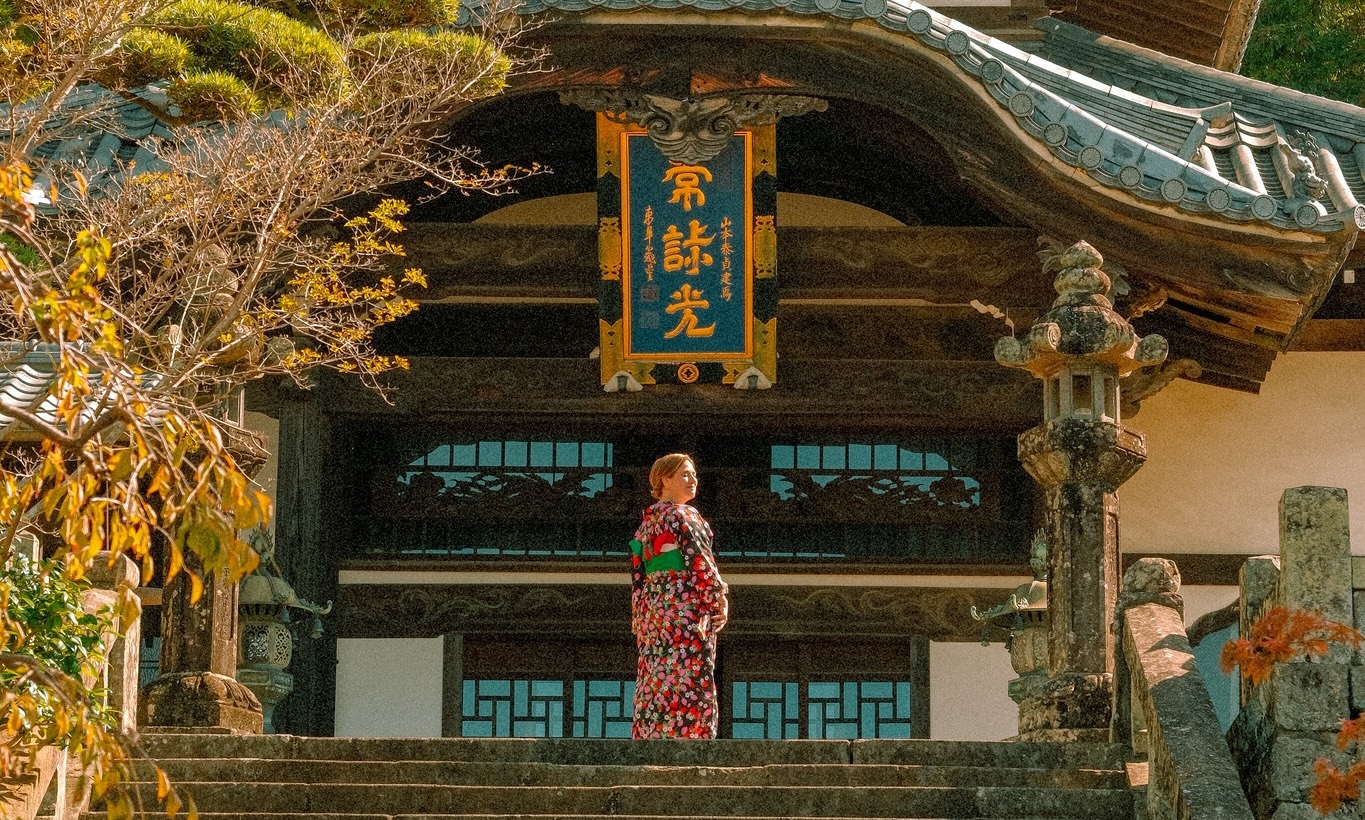
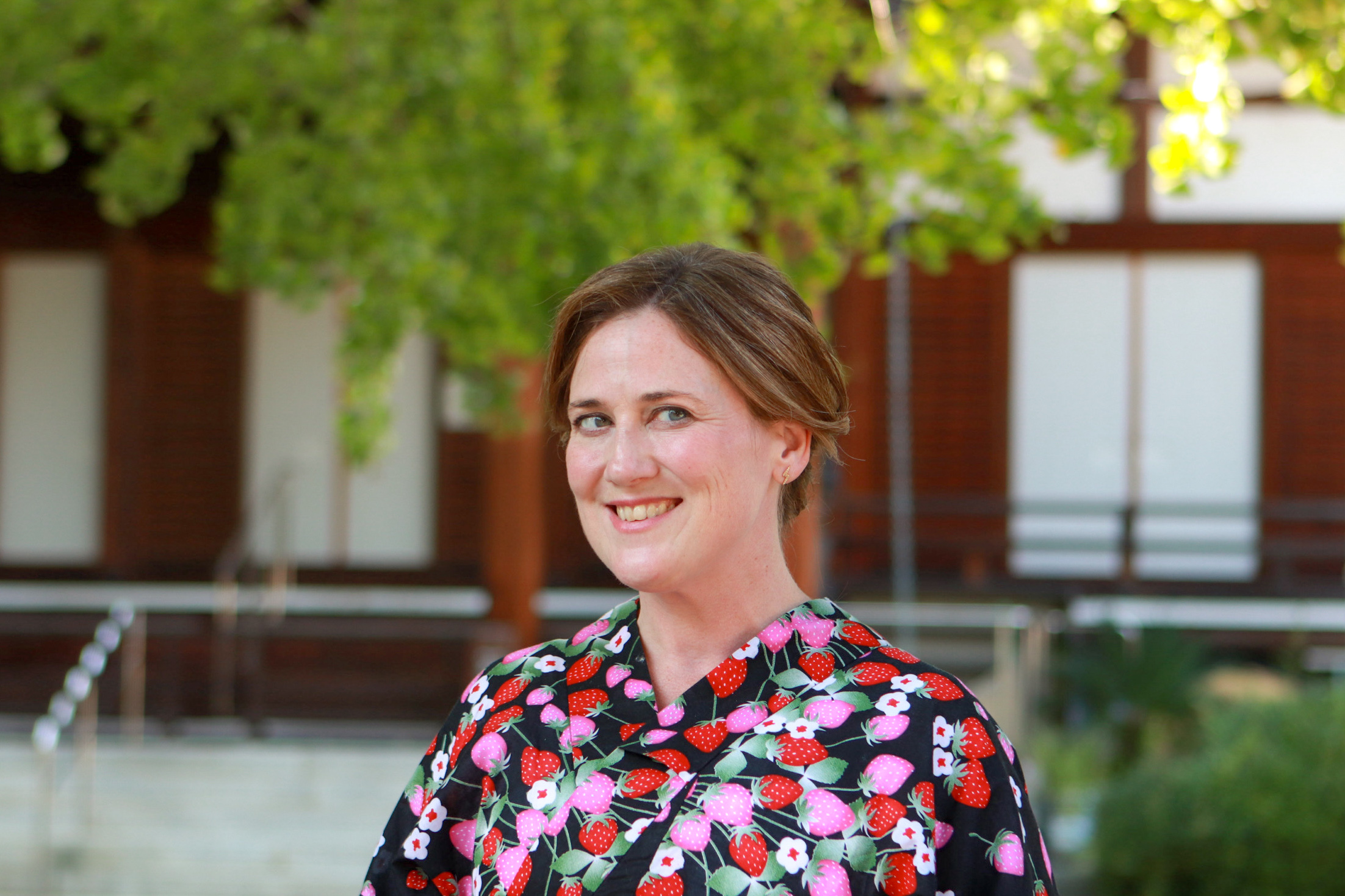
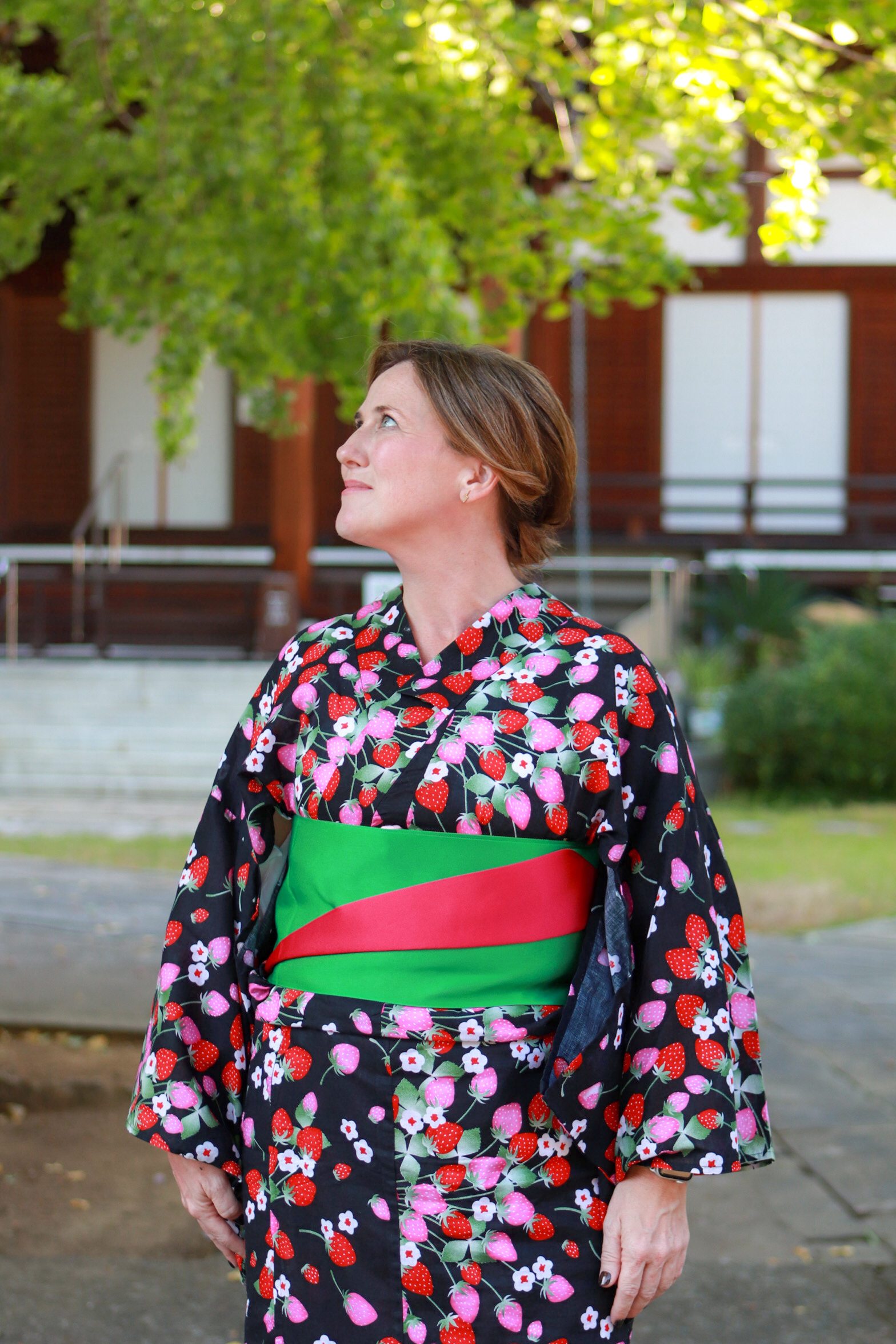
Thursday might have been my favourite day so far. A group of local women invited us to dress in yukata (lighter, day-wear kimonos) and even did our hair before taking us on a photo walk around town. There’s something special about seeing a place through someone else’s eyes, especially when they’re so proud to share it.

I did find myself wondering, briefly, whether this edges into cultural appropriation. Everyone here insists it doesn’t, but no one can quite explain why. Perhaps context matters: who’s offering, who’s receiving, and whether the exchange is rooted in pride or parody. Either way, it felt genuine.

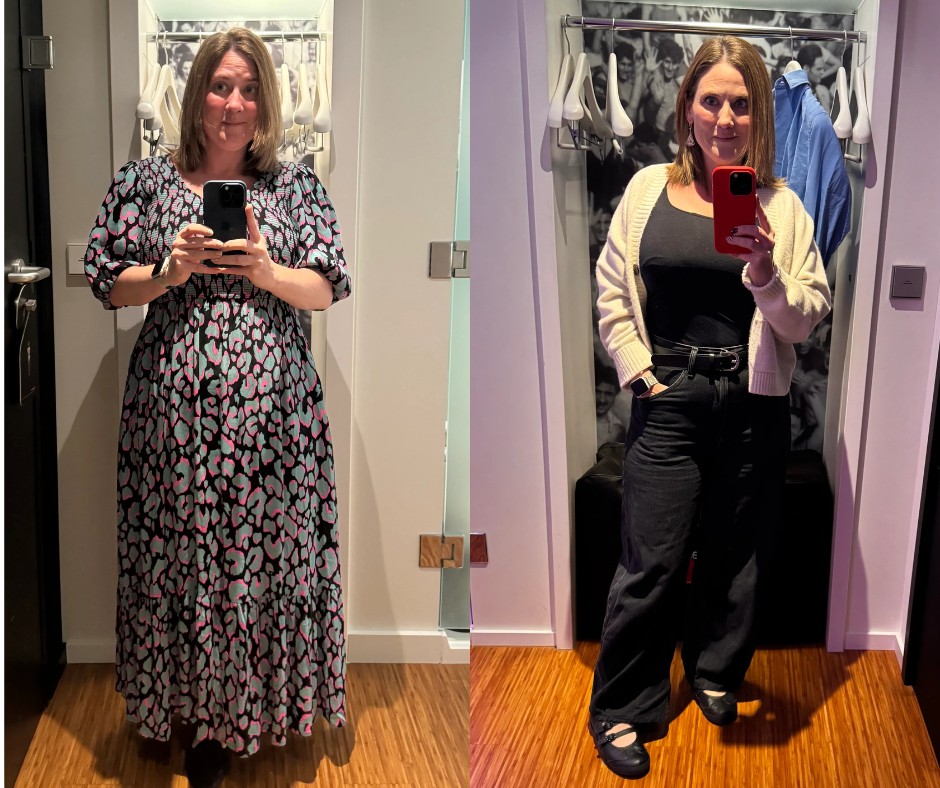
I felt radiant for once. And, having weighed myself at the onsen the day before and realised I’d quietly hit my target weight, it was nice to see a photo of myself and not immediately wince. Small victories.

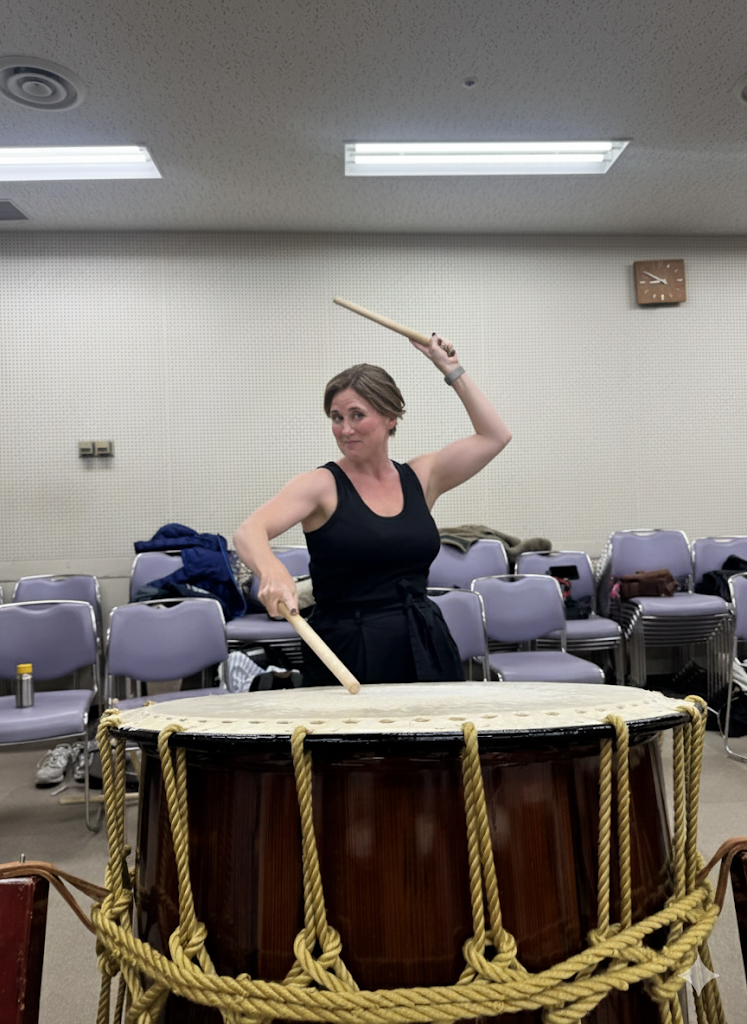
That evening we drove back to Omura for a taiko drumming workshop. Loud, joyful, and communal. You can’t play taiko alone: it’s about rhythm and synchronicity, trust and timing. Again, that theme of unseen coordination. The collective effort that makes something beautiful look effortless.

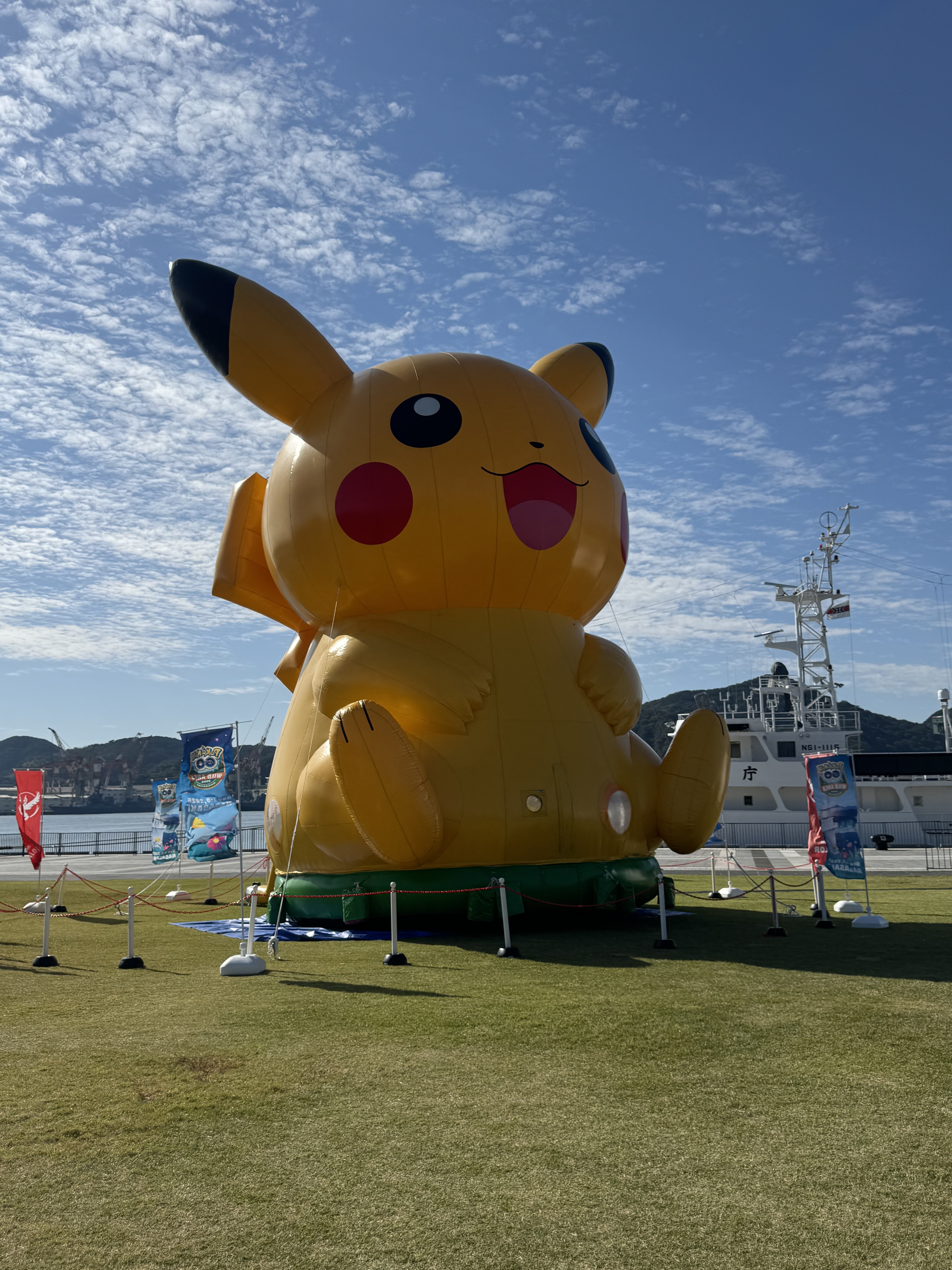
By Friday, Nagasaki had been overrun by Pokémon Go players. Thousands had flown in for an in-game event, chasing digital creatures through real streets. I didn’t have a ticket, but it was fun to watch the city buzz with people of all ages.

That night, a “quick drink” with my fellow digital nomads — people I’ve only known a couple of weeks — turned into a late night out, which turned into ramen at 3am. Connection happens fast here. Different languages, different backgrounds, but the same impulse to stay up too late laughing and being heroically bad at darts. Proof, maybe, that even in a world intently staring at its phone, what we crave most is still human connection.

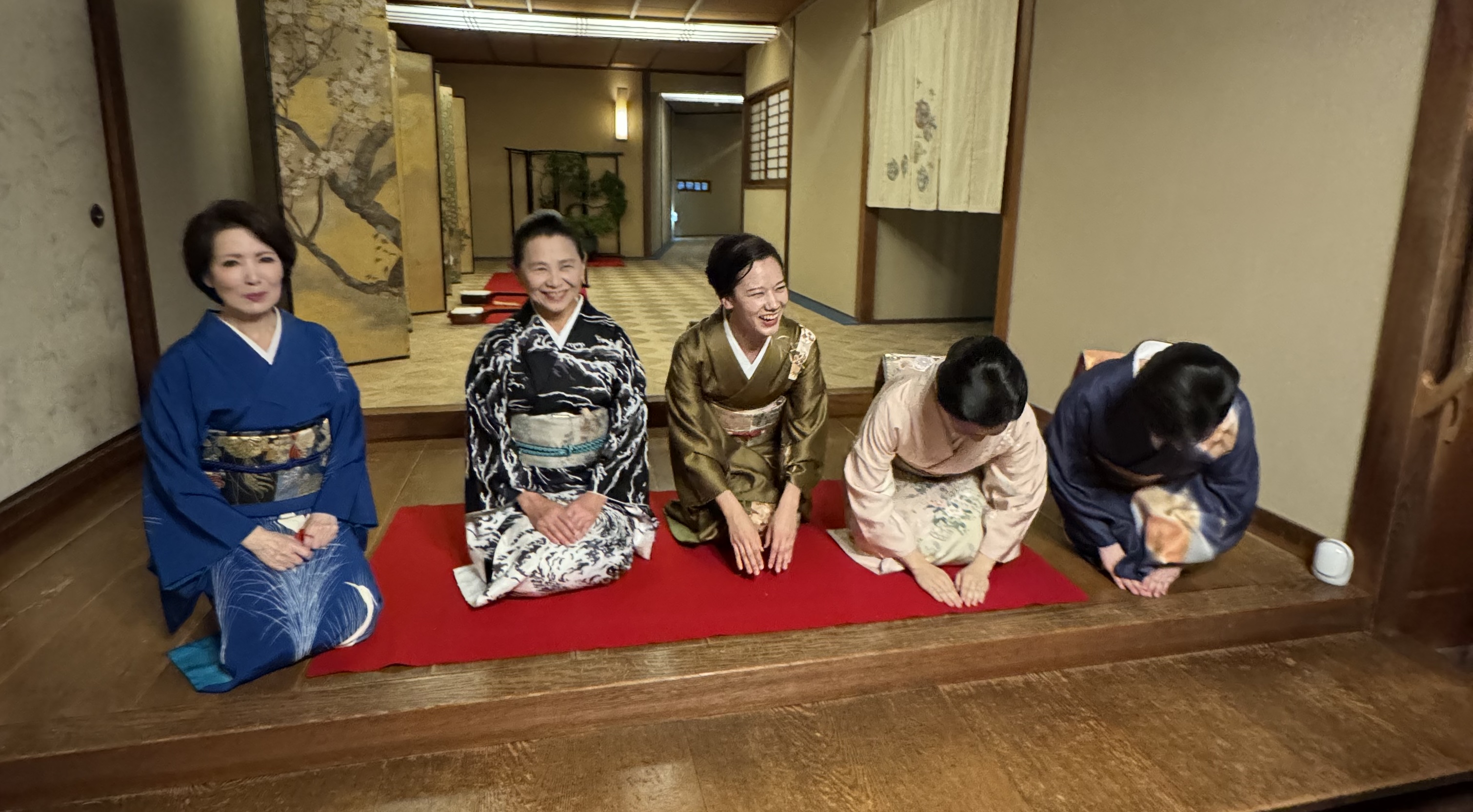
Saturday unfolded in two acts: a morning of small, personal triumph (I bought my first pair of UK size 8 jeans in about twenty years and cannot stop smiling), then a remarkable evening. Our group met the Mayor of Nagasaki to share feedback on making the city more nomad-friendly — the visible, civic part of this grand experiment — before heading to dinner hosted by kenban, Nagasaki’s geisha. The food exquisite, the music ethereal, the laughter unguarded. A glimpse of a world few Japanese people ever see. Another gift, freely shared.

Now, as I write this, I’m on the shinkansen slicing across Kyushu, fields and mountains blurring past, heading to Fukuoka to meet my husband for our anniversary. I’m thinking about how much of life — and work — runs on okagesame. The invisible scaffolding. The people who hold things up without ever being seen. From the miners who built Gunkanjima to the engineers who built TeamLab’s dreamscape; from the barman who polishes crystal glasses to the local women who tie silk sashes just so; from the quiet work of Ryo, Shelly, Tam, Nanami, Doy-Chan and the Nagasaki Nomads team to the simple pleasure of a shared meal, everything depends on what’s hidden.

It’s funny, really. You come halfway across the world to think about the future of work, and end up learning from a miner, a barman, and a forest full of lights. Turns out the future isn’t an app. It’s appreciation.

This week in photos
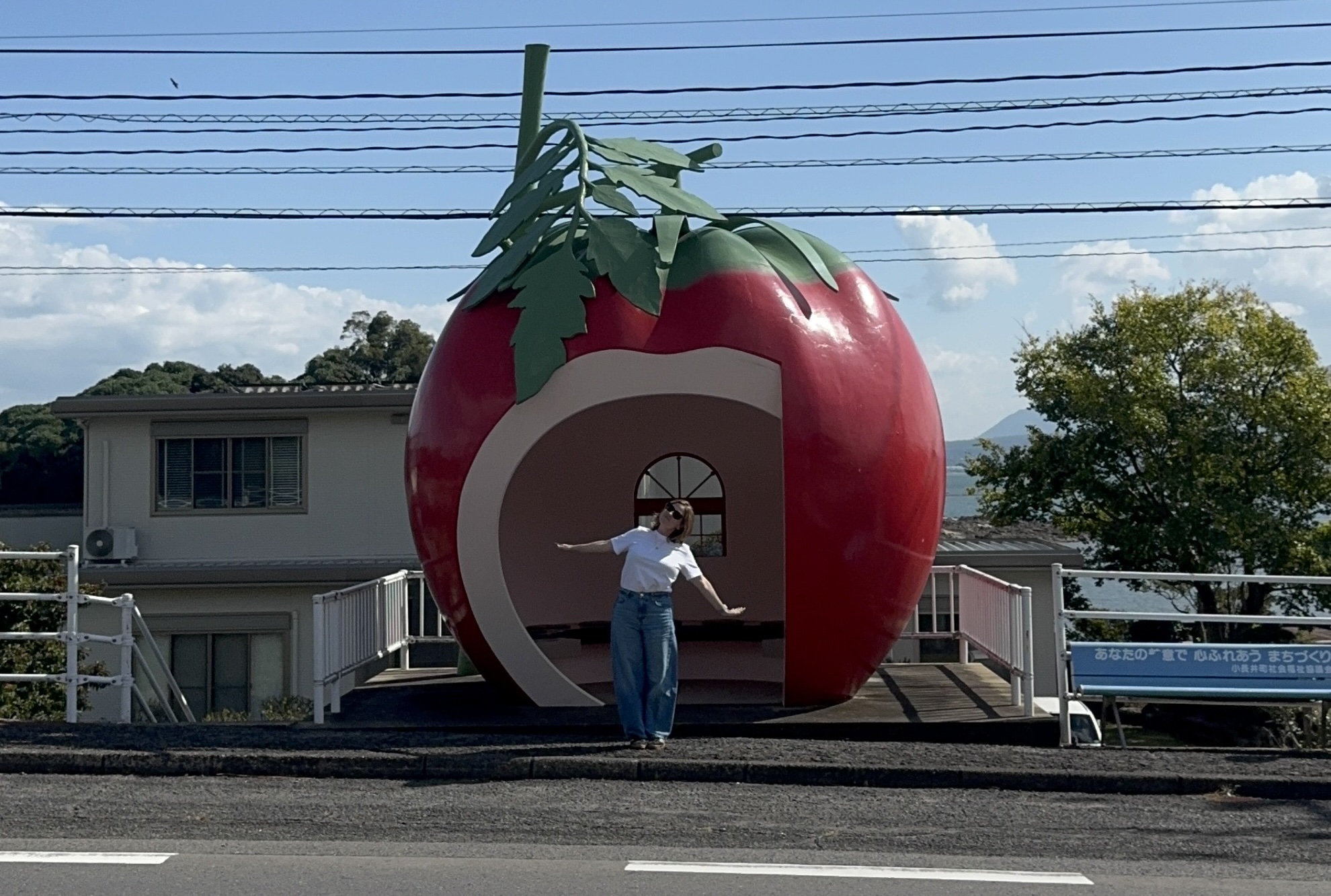
Weeknote 2025/44

A person stands next to a fruit-shaped bus stop designed to look like a pineapple, with a coastal view in the background.
Joyfully waiting for a bus on the Kyushu coast

This week began, and ended, where Japan once met the world.

On Monday I joined a walking tour that began on Nagasaki’s Holland Slope, a steep street lined with stone houses built in a vaguely Western style. Unlike the northern half of the city, flattened by the atomic bomb, this area survived intact. From there we climbed to the old foreign settlement, where those same European influences linger in a scattering of beautiful but increasingly unfashionable hillside homes. Two centuries ago this was a rare pocket of openness. A place where Japanese and Westerners co-existed, warily but productively. The air smelled of camellias and salt. The views were heartbreakingly pretty. But many of the houses stand empty now, their owners long gone. Beautiful places without people.

That night I walked up to Glover Garden and looked out over the harbour as the city twinkled below — one of Japan’s three best night views (though I’ve yet to find a Japanese city that doesn’t make that claim). From up there, Nagasaki looks vast and alive, not a place quietly losing its young to Tokyo and Fukuoka.

On Tuesday I visited the Twenty-Six Martyrs Museum, which marks the spot where 26 believers were crucified after Japan decided foreigners were less opportunity than threat. Even for someone as devoutly irreligious as I am (I got ‘ungraded’ in my RE GCSE, which I suspect makes me a statistical anomaly in both Britain and Japan) it was oddly affecting. The museum is small, restrained, and unmistakably clear in its message: at times, this city welcomed new ideas; at others, it nailed them to a cross. “Openness”, it turns out, has always come with terms and conditions.

Later, from a co-working space overlooking the football stadium, I met a local entrepreneur building clever, local solutions for a future with fewer people. Our conversation — and a viral LinkedIn post that followed — circled the same theme: how societies adapt when the gates start closing.

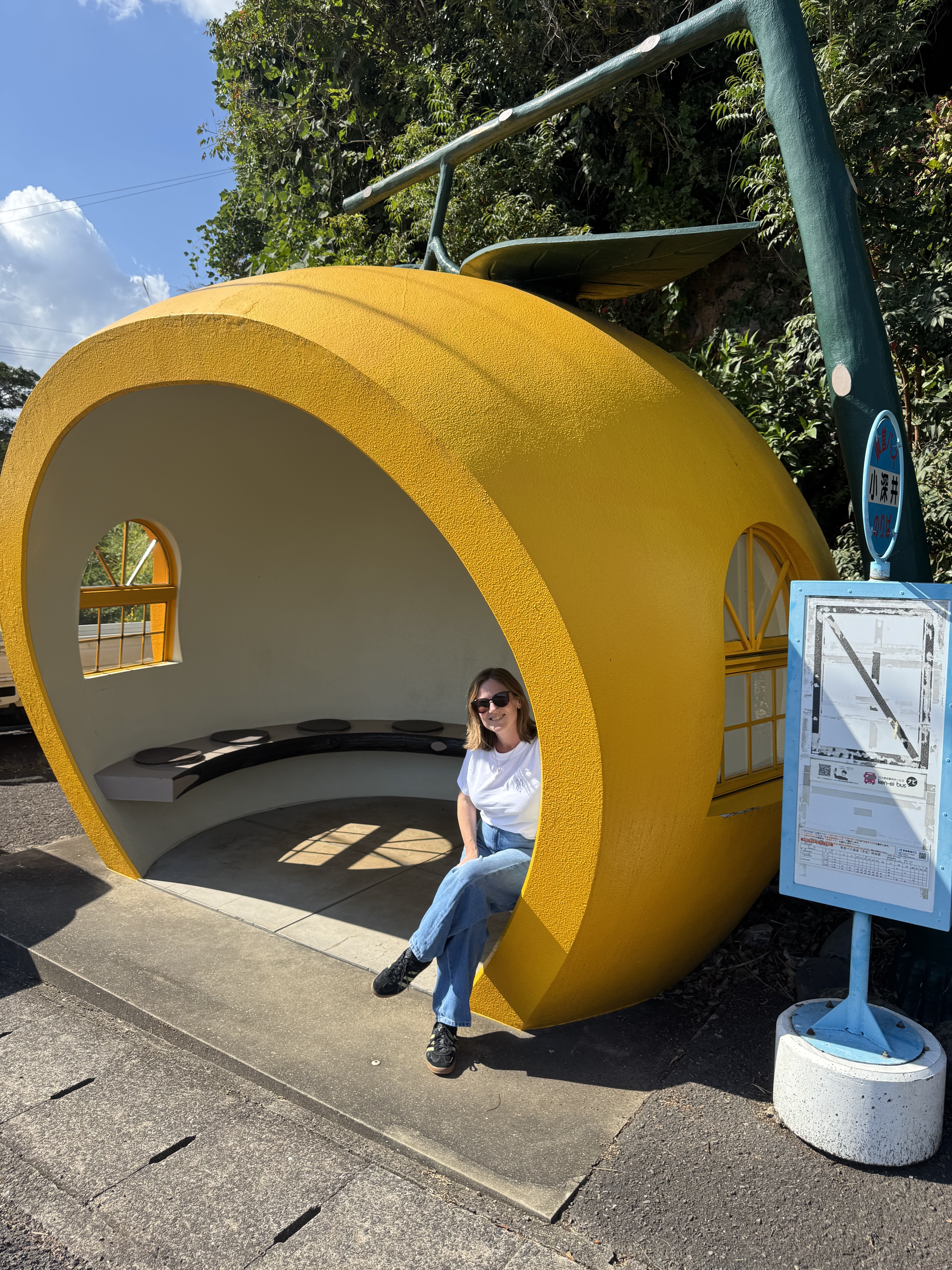
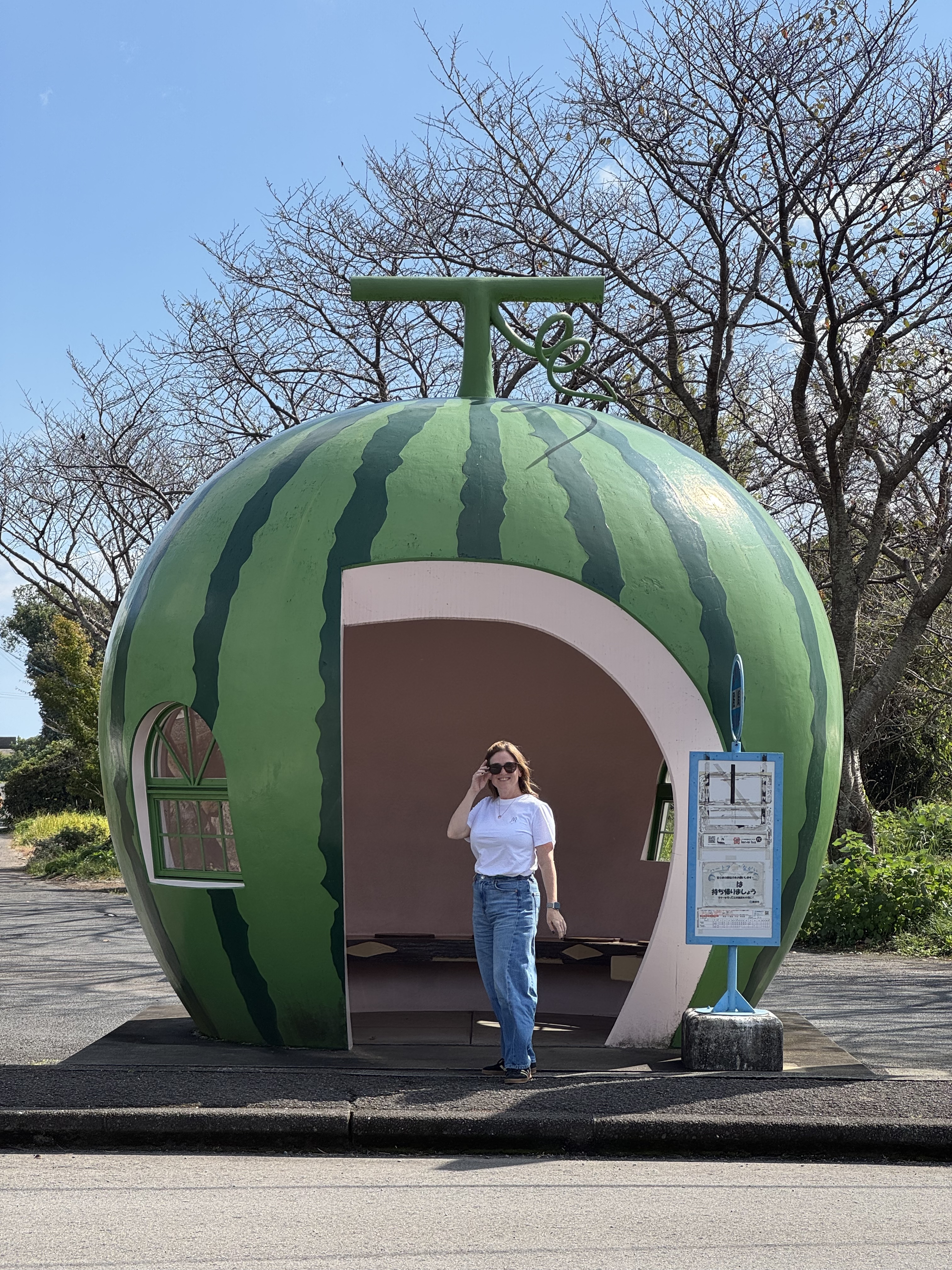
The rest of the week blurred between rooftops and basketball games, onsen and Halloween costumes. Proof that even in decline, a city can still have fun. One afternoon I took a trip up the coast to see a series of fruit-shaped bus stops (mandarins, strawberries, melons) built in the 1990s for no reason other than civic whimsy. A perfect, pointless joy.


At a weekend Halloween party, a swarm of small, costumed children buzzed with ideas, enthusiasm and an excessive intake of sugar. Watching them, I couldn’t help wondering: when does that curiosity wear off?

Group photo of adults and children dressed in various Halloween costumes, posing together in a festive environment.


The next evening brought Nagasaki Canvas, a monthly gathering of locals trying to re-imagine their city’s future. The facilitator shared a statistic that stopped the room: Japanese adults spend just 13 minutes a week learning (compared with more than 100 in China). Over half do none at all. After graduation, curiosity apparently clocks off. In a culture where jobs are secure but unfulfilling, and advancement depends more on age than ability, perhaps there’s little incentive to keep learning.

It struck me because, just last month, I spent an hour on a podcast — The Company You Keep — talking about my own wiggly career path and all the people who’ve nudged, mentored, or occasionally derailed me along the way. If I’ve learned anything, it’s that curiosity is rarely efficient but always generative. I can’t imagine giving it up after graduation.

That same evening, someone at Canvas pointed out that the Digital Nomads programme I’m part of exists precisely to counter that — to bring in outsiders, new ideas, and different ways of living and working. A kind of 21st-century Dejima experiment, but with better wifi and a flawless Instagram aesthetic: drone shots of beaches, latte art, and neatly captioned transformation stories. We’re here to model a different future; one where you can work from anywhere, learn constantly, stay open.

Still, it made me wonder how easy it really is to escape deeply held expectations and culture, even when the door’s wide open. Because openness isn’t just physical; it’s mental. And those gates can be harder to spot.

Maybe that’s the quiet tragedy: when curiosity stops being rewarded, we don’t just lose new ideas —we lose the muscle that made them possible.

By Sunday I was walking through the reconstructed streets of Dejima, the man-made island where foreign traders were once confined. The exhibits are immaculate, the streets spotless, the story neatly told. Even curiosity has been restored, curated, and contained.

Everywhere I went this week, Nagasaki seemed to ask the same thing I ask myself more often than I’d like: how do you stay open in a world that rewards staying safe?

This week in photos
Weeknote 2025/43

Group photo in Nagasaki, Japan, with a statue in the background and participants posing together in a relaxed outdoor setting.
Nomads at the peace statue, Nagasaki.

This week swung between solemnity and silliness. Running down hills like a kid one day, weeping in a peace museum the next. Japan has a way of pulling you into the present: the light shifting over the Onidake hills, the hum of the ferry engine, the precision of a plastic lettuce leaf. I’ve realised that wonder doesn’t live in grand gestures, but in paying attention. To history, to people, to the unexpected joy of learning something new every day.

On the Goto Islands, I learned about the Hidden Christians who practised their faith in secret when it was banned. Centuries of silence, survival, and small acts of defiance, told through the weathered walls of Gozaki Church. Then, an hour later, I was in a tiny distillery tasting gin and running down a volcano at sunset, laughing like a child. That’s Japan in a nutshell: reverence and play, often in the same breath.

A scenic sunset over rolling hills and a body of water, with vibrant orange and pink hues illuminating the sky.

That evening, at Ako House (the beautifully restored old home we’d been staying in) I somehow found myself running an impromptu workshop. The team needed to gather feedback from our digital nomad group for the programme organisers, and fast. So out came the flipchart paper and markers; within minutes I was scribbling objectives, framing questions, and herding participants like it was a Tuesday in a London boardroom rather than a tatami-floored home in rural Japan. It reminded me that the craft of facilitation — starting with the outcome, working backwards from the constraints, adapting to the people in the room — works anywhere. I prefer more than an hour’s notice, but it turns out I can pull it out of the bag if I have to.

When bad weather cancelled our ferry, we took the slow boat back to Nagasaki instead — a cavernous hall where everyone simply curled up on the floor with blankets and napped. Absurd, communal, oddly peaceful. Plus as a bonus I caught another stunning sunset over the islands as we left.

A woman lays on a pillow, looking perplexed, while others are seen resting nearby wrapped in blankets on a floor in a communal space.
Weirdest ferry ever

Back on the mainland, I toured Nagasaki’s improbably numerous coworking spaces, then spent the evening listening to Dr Brian Burke-Gaffney trace the city’s long history as Japan’s window to the world. He spoke about how trade made peaceful coexistence possible — how exchange, not isolation, sustained the delicate balance between cultures during the Meiji period. A timely reminder, as barriers to trade seem to rise again elsewhere: Brexit, tariffs, walls, and fears.

At the Atomic Bomb Museum, that idea of coexistence shifted from something I’d read about to something I could feel and relate to.

My grandmother was born just after the First World War; my grandfather, a lifelong conscientious objector, shared her pacifism. They met at a Communist peace rally in Hungary — that strange, hopeful post-war moment when people still believed a fairer world was possible. They didn’t stay married long, but both spent decades campaigning against nuclear proliferation. I remember Grandad’s “Nuclear? No thanks” badges scattered across his coat like small, stubborn acts of hope.

Standing there in Nagasaki, I thought of them. Near the end of the exhibition, a display on the global anti-nuclear movement caught my eye. One photo showed the Aldermaston marches he’d told me about going on. Another placard read No More Hiroshimas — the same title as a writing competition I entered as a teenager. I wrote about my grandparents’ stories and won a modem. My first gateway to the internet.

It occurred to me that it was that prize which set me on the path to working in digital. A path that that’s brought me, improbably, here: three generations, three threads — a peace rally that led to my grandparents meeting, a writing competition that launched my career, and now this moment in the city that connects them both. History has a funny way of looping back on itself sometimes.

The rest of the week unfolded with lighter lessons: football chants with strangers at the Peace Stadium, and a day in Hasami making sampuru, the hyper-realistic wax food that adorns Japanese restaurant windows. My wax tempura prawn and lettuce are ridiculous and perfect, symbols of the care and craft that run through everything here.

The rhythm of the week has been all contrasts: reverence and laughter, reflection and running downhill. I’m learning (still) that wonder hides in the small stuff: a shared laugh, a wax prawn, a quiet moment in a crowded room.

This week in photos
Weeknote 2025/41

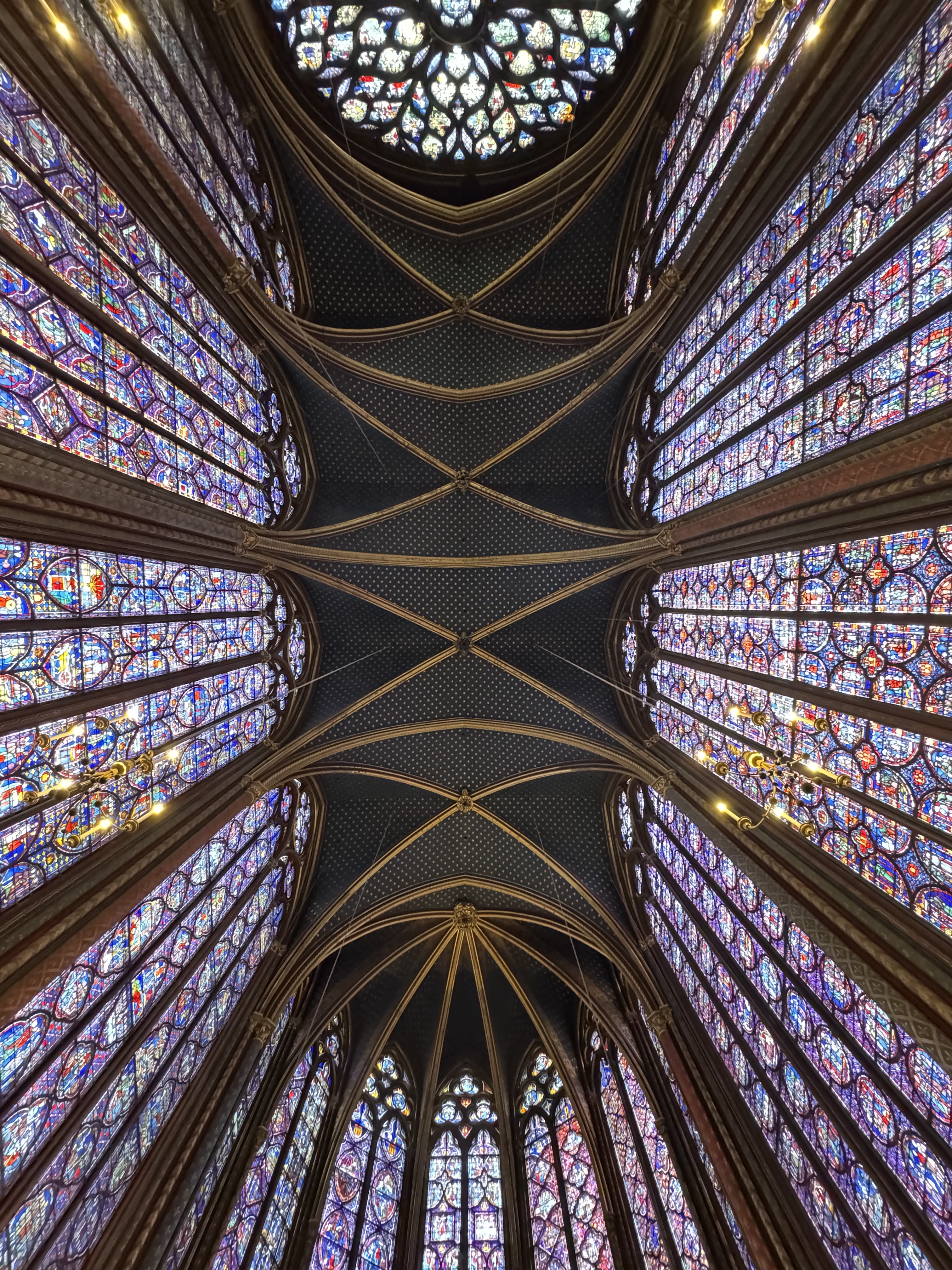
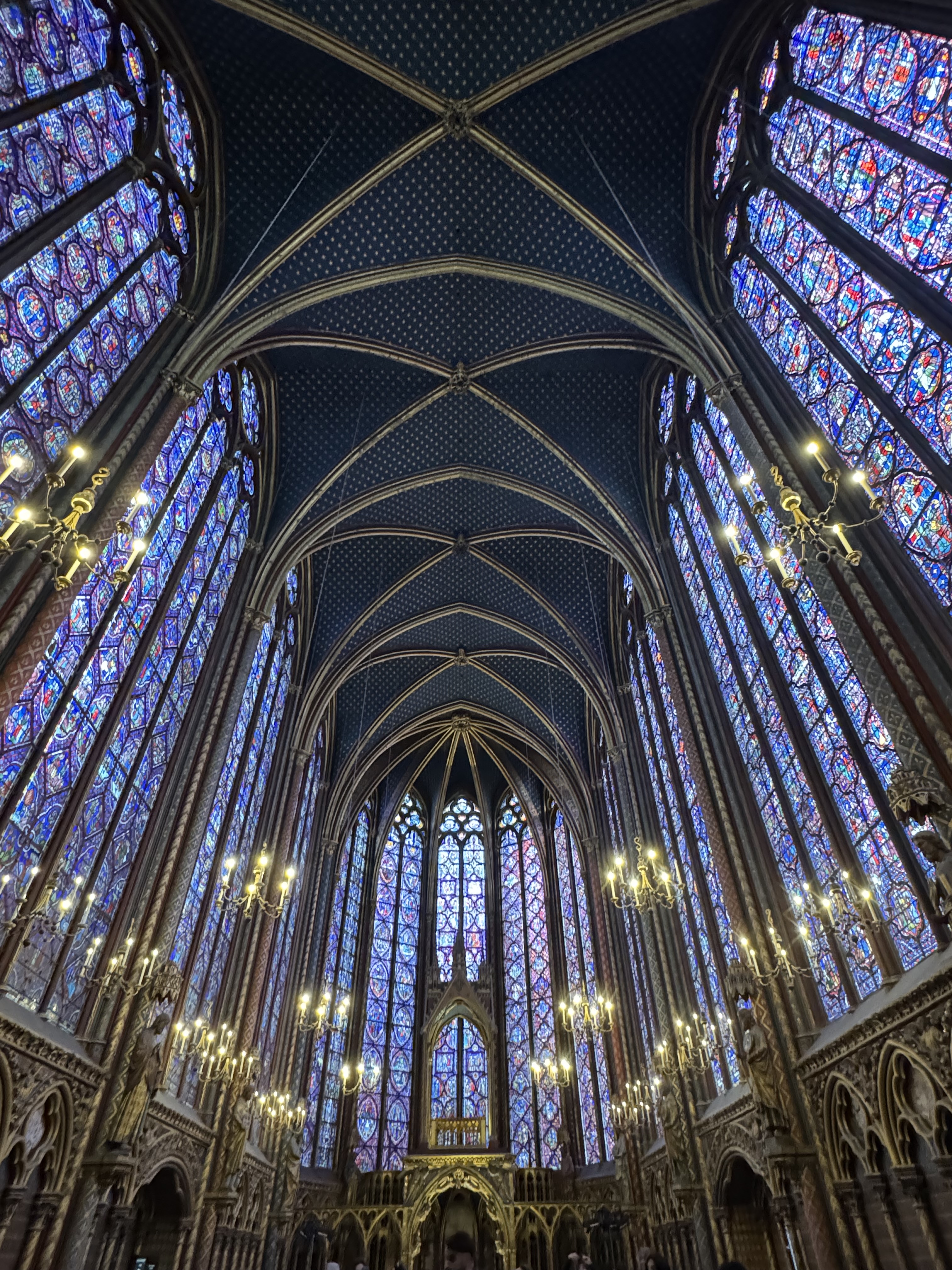
Interior view of the Sainte-Chapelle in Paris, featuring intricate stained glass windows and ornate architectural details.
Sainte-Chapelle, Paris. Awe-inspiring, literally.

A week of motion and mixed emotions: gratitude, nerves, excitement. Paris one day, Japan the next. I keep catching myself thinking how lucky I am — and then immediately worrying I sound insufferable for saying so.

The truth is, I am grateful. I get to do things my younger self could never have imagined. But I’m also anxious, tired, feeling guilty and slightly overwhelmed. Big changes always come with a wobble, even the good ones.

This week at work

Still a quiet one. Began the final tranche of chapters for the book. Prepped for Japan. Did some thinking about (organisational) transformation.

Spent some time with an firm doing a discovery in a complex, multi-national setup, helping them to make sense of what they’ve seen and heard. Like many such organisations, they’re trying to find the right balance between central control, consistency and governance — and giving local teams the freedom and flexibility to create relevant content and experiences. In our experience, good governance balances both: standards set centrally, freedom within a framework. And an acceptance that, much as you’d like to, sometimes it’s best to control the things you can change and accept the things you can’t.

We also started ramping up work on a project that’s kicking off soon. Less positively, another proposal got bounced. The market’s pretty tough for everyone right now, I know, but I’m really feeling it right now.

Also this week

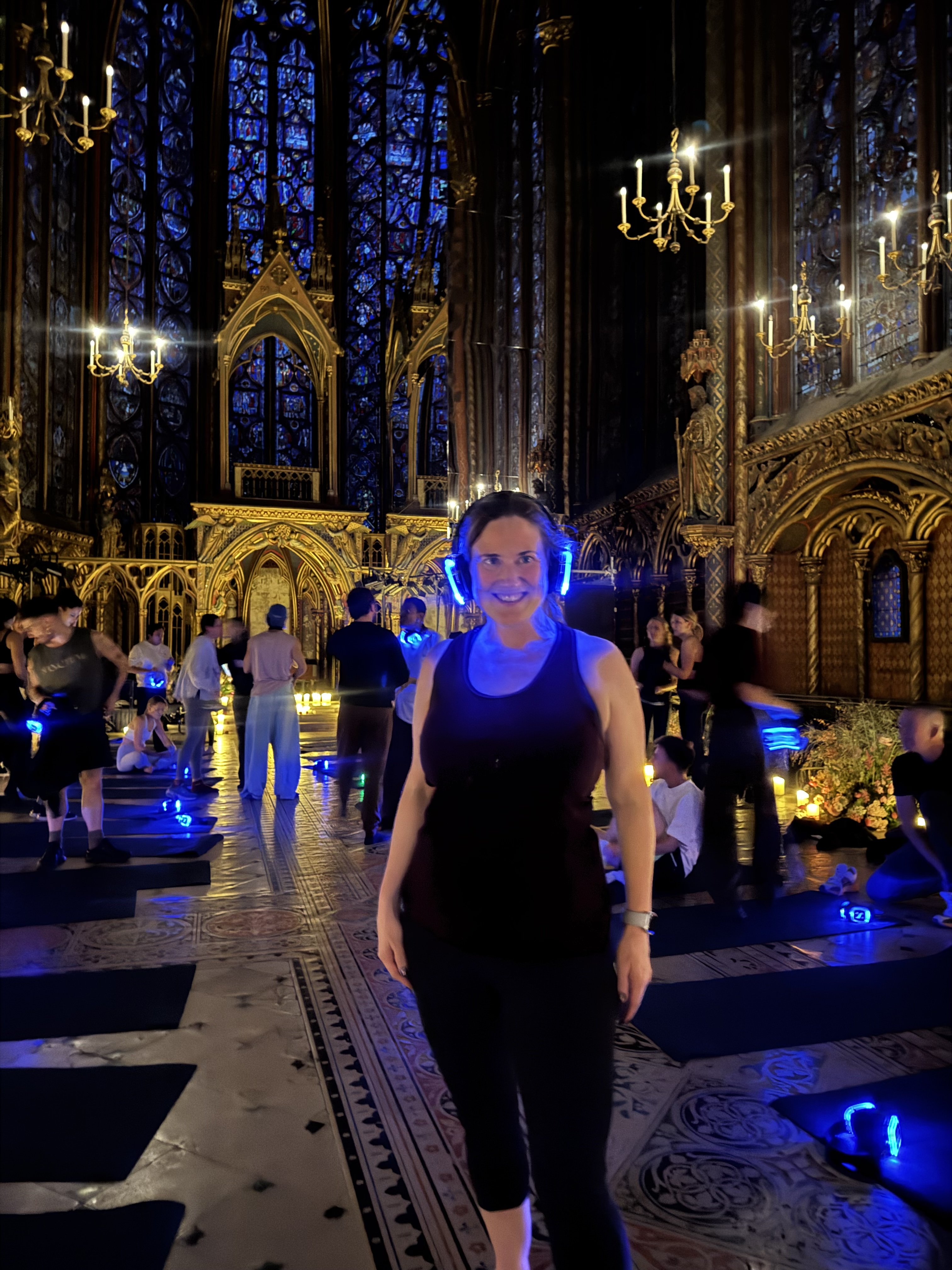
I went all the way to Paris for an exercise class. Which is, however I spin it, a ridiculous thing to do. The bonkers class I go to in Amsterdam announced a one-off special at Sainte-Chapelle — that extraordinary 13th-century jewel box of stained glass, in the city my grandmother called home. So I blagged a ticket and went.

I danced to Florence and the Machine in silent-disco headphones, gazing up at the kaleidoscope of light and thinking of all the history those windows have witnessed. During the meditation at the end, I lay on my back listening to Alan Watts’ Dream of Life speech:

“Then you would get more and more adventurous and you would make further and further-out gambles as to what you would dream. And finally you would dream where you are now — the dream of living the life that you are actually living today. That would be within the infinite multiplicity of choices you would have.”

Somewhere between Paris and Tokyo, that line landed hard. What was once a dream really is the life I get to live — and I’m grateful for every improbable, ridiculous bit of it.

Consuming

📺 Watching

Rewatched Princess Mononoke to get in the Japan mood (after last week’s Silence misery-fest). Looking forward to seeing some Ghibli-esque landscapes in the Goto Islands this week.

📚 Reading

Made some slow progress on Blood in the Machine. Still grimly fascinating. A reminder that every technological revolution, from the Luddites to AI, comes with winners, losers and a lot of noise in between.

🎧 Listening

Still have Life of a Showgirl on repeat, but after hearing Alan Watts in the Sanctum class I’ve been deep-diving into more of his speeches on Spotify. Here’s the playlist — perfect plane-listening for big thoughts somewhere over the ‘stans.

Coverage

Had a flurry of messages this week telling me that a provocative LinkedIn post I wrote a few months back — asking if enterprise social networks are over — was being used by Kim England to open her talk at the Unite conference in Nashville.

When you send things out into the internet, you’re never quite sure if you’re sparking debate or just belming into the void. So it’s lovely to hear when something actually lands — and even better when it sparks thoughtful replies and reflection months later.

Turns out being a twat on the internet isn’t a total waste of time after all.

Connections

Met up with campaigner and growth hacker Pranay Manocha as he was passing through Amsterdam this week. We talked Brexit, passport privilege, growth, social media toxicity (and balanced it all out with a few Amsterdam beers).

A smiling man and woman taking a selfie outdoors, with a cafe ambiance in the background.

Travel

I’m writing this 39,000 feet over Asia, midway through a 24-hour, three-flight travel day. I’ll land in Tokyo in four hours and be in Nagasaki by the afternoon. My bag’s still in Paris, so I’m reluctantly piloting a minimalist approach to packing. Wish me luck. I fear I will need it.

Aside from that, looking forward to exploring my new city and meeting the other nomads on the trip, starting with a ferry to the Goto Islands.

Excited to explore, learn, get lost and find something new. Or, at the very least, buy some clean clothes. I’ll share it all here.

This week in photos
Weeknote 2025/38

Group of five hikers posing triumphantly at the summit, with rugged mountains and a clear blue sky in the background.
My pals and I at the peak of the Valbonë-Theth Pass in Albania, this week

Bumper two-week note: I spent ten of the last fourteen days adventuring around the Balkans. So this one’s light on work and heavy on holidays. I’m not apologising.

Two themes stuck with me: who shows up, and what happens when they do. At the IABC summit Mike Klein dropped the line “the world is run by the people who show up” (sometimes credited to Ben Franklin, who probably didn’t say it but would’ve if he’d had LinkedIn).

Then in Albania I learned how a tiny communist party basically turned up, seized power, and held the country in a half-century headlock. Proof, if you needed it, that history isn’t written by the best ideas; it’s written by the people who managed to get a room booked and never gave back the keys.

In politics, as in comms, it’s never the smartest who win. Just the ones who had the audacity to pull up a chair and refuse to sod off.

This week at work

Book progress continues: three new chapters in draft. People, on the skills and roles that actually make digital comms work. Content, the stuff employees actually come for, and what shapes their real user experience. And Communities, why they’re not fluffy side projects but strategic assets in the comms mix.

I drafted mine in a bar in Tirana while Jon hammered his out in a Bristol home office. Then we swapped, edited, iterated. That’s our system: one of us gets words down, the other makes them better, and the time zones/weird schedules do the heavy lifting.

Back from holiday, I went straight into the IABC Strategic Communication Leadership Summit. Blissfully free of the usual death-by-panel (aka “three senior leaders carefully saying nothing for 45 minutes”) or the kind of platform case study where a vendor insists their intranet launch was “seamless” and everyone claps politely while knowing full well it wasn’t.

Instead: an unconference. Fifty comms leaders from 30+ countries, fifteen sessions, zero sponsor pitches, and actual conversations about the real stuff — strategy, frontline and middle managers, the impact of AI, the future of the profession. I even left with a notebook full of scrawls that might translate into something useful, rather than the usual bingo card of buzzwords. If I can read my own writing, that is.

The big theme: Leadership in comms isn’t about craft or channels. It’s about showing up, making space, and keeping the profession credible, vibrant and tied to business goals.

Huge thanks to Mike, Natasha, Ruxana and Monique for pulling it together. I left buzzing with ideas — and reminded that this job is at its best when we stop presenting at each other and start working with each other.

Also this fortnight

But for most of the past two weeks I’ve been blissfully offline, on a proper adventure in Balkans. Some people spend two weeks horizontal on a beach. But  apparently my idea of a holiday is “exhaust yourself in three different countries, climb a mountain, then fly straight to a strategy summit.”

Kosovo first. Europe’s newest country, where Tony Blair is such a national hero that people have named their children after him. (Yes, Tonibler is an actual given name. No, I didn’t meet a little Gordonbrown.)

A stop in the capital Pristina, with its monuments to Mother Teresa and Madeline Albright. Prizren was next: Ottoman bridges, minarets, mountain views — basically Türkiye on decaf.

Then North Macedonia: home of the Cyrillic alphabet, Alexander the Great, and views so good they should come with subtitles. That also makes it my 86th country. I promised myself that’s the last new one this year, but let’s be honest: my willpower is about as strong as Balkan WiFi.

Speaking of which, Tirana. Bunkers, boho bars, bonkers architecture. The whole vibe reminded me of backpacking in South America in my 20s — nothing works how you expect, yet everything somehow does. Bring patience. And raki.

Then things got really good: a farm on the edge of Lake Koman, a place as beautiful as any I’ve ever seen, accessible only by boat, where we swam, kayaked, ate food that had been growing approximately five minutes earlier, and slept under a million stars. Basically an Instagram advert for “disconnecting” that, for once, was actually worth it.

And then: the Valbonë–Theth trail. 16km, 1100m of climb, endless switchbacks. My lungs and thighs staged a coup about halfway up, but the views shut them right up. There’s something oddly satisfying about doing hard things — like hiking a mountain or checking your inbox after a week offline.

And then, as if to prove I have range: Tirana airport, shorts and hiking boots still on, headed straight to a Brussels for the conference. From mountains to meeting rooms in 72 hours. Wouldn’t have it any other way.

Consuming

👩🏻‍💻 Internetting

CIPR’s new report An Age-Old Problem confirms what most of us already knew but the industry prefers to pretend isn’t happening: PR has an ageism problem. If you’re young, you’re “too green to lead”; if you’re older, you’re “out of touch”. The sweet spot, apparently, is being exactly 32, fluent in TikTok dances and miraculously free of childcare or eldercare responsibilities.

The report calls for common-sense fixes: make age part of DEI, stop sneering at colleagues across generations, build careers that don’t fall off a cliff at 40, and measure progress instead of writing another report about it in five years’ time. Reverse mentoring even gets a mention (because god forbid we admit that both a 23-year-old and a 57-year-old might know useful things at the same time).

In short: if comms wants to be taken seriously as a profession, it needs to stop treating people’s date of birth as more important than their talent. Otherwise, the only thing ageing gracefully in this industry will be the clichés.

📺 Watching

Didn’t turn a TV on for two weeks. Turns out the world keeps spinning (and the scenery’s better).

📚 Reading

Finished The Albanians: A Modern History while trundling around the country. I like to read the history of wherever I land, and in this case it was much-needed: I knew shamefully little about Albania beyond bunkers and Enver Hoxha. The book filled in the blanks — a crash course in how a small, beautiful country endured decades of isolation and is still shaking off the aftershocks at speed. Makes wandering its chaotic, charming present-day streets feel a lot less baffling.

And yes: turns out there’s more to Albania than Taken 2 and handing out pity points at Eurovision.

🎧 Listening

Nothing in particular — except discovering that Boney M’s Ma Baker is bizarrely popular in Albania. No idea why, but it seemed to follow me everywhere. Answers on a postcard (or a disco beat) please.

Connections

The IABC event was basically a high-end school reunion: catching up with old comms friends and finally confirming that the people I’ve known online for years do, in fact, have legs.

Also managed a Breakfast App meet-up with Rita, an academic visiting from California (proof that occasionally the internet serves up something more useful than ads for AI tools). And Brussels gave me the bonus of a catch-up with Anthony and Jane Zacharewski — because apparently I can’t set foot in a European capital without turning it into a networking opportunity.

Travel

Made it home yesterday and, for a fleeting few hours, thought I might actually have no travel booked for the rest of the year. Cute idea. Obviously didn’t last. Now there’s something very exciting in the diary… but you’ll have to wait for Weeknote 39 for the reveal. Consider this the cliffhanger no one asked for

This week in photos
Weeknote 2025/36

Panoramic view of a lush green valley - the Les roches Tuilière et Sanadoire - surrounded by rocky cliffs under a partly cloudy sky.
Les roches Tuilière et Sanadoire. Photo by me.

This week I travelled to the Auvergne to scatter my grandmother’s ashes, close to the village where she was born more than a century ago.

In her last years she painted from memory a scene of her childhood: a forest road, two great rocks, then suddenly a clearing — the valley opening up below. “It was a wonderful sight I would always remember,” she wrote.

On Friday I stood in that same spot, saw the same view she carried with her for a lifetime, and laid her to rest in the ground she loved. A return, of sorts, to her beginnings.

Nan’s life stretched far beyond that valley. She lived through occupation in Paris, celebrated its liberation in a shower of tricolores, trained as one of the few women engineers of her generation, raised a family in a new country, and never stopped campaigning for the values she believed in: liberty, equality, fraternity.

But she was also the woman who knitted us jumpers, made extraordinary birthday cakes, and whose cooking remains unmatched. She juggled logic and creativity — designing a trigonometry-inspired cushion one day, writing poetry the next.

Being back in the volcanic hills where she was born, I kept coming back to this thought: our origins matter. The places we start from, the people who shape us, the values we inherit. Even if we take a different path, we carry those beginnings with us.

That theme ran through the rest of my week too. A conversation with Cathryn, who was a formative influence on me as a teenager. And then my gym instructor, during a Sanctum class — which, if you’ve not had the dubious pleasure, is essentially a wellness cult disguised as a workout. Picture a candlelit room full of beautiful people in Lululemon, bouncing in silent-disco headphones to pounding techno, somewhere between burpees and interpretive dance. It’s like Berghain meets a yoga retreat, only designed to be an Instagrammable Experience.

In the middle of this fever dream, the instructor delivered his pep talk about looking back at who you were five years ago. Normally I’d have rolled my eyes so hard I’d need medical attention. But, landing as it did at peak pre-menstrual sensitivity, I found myself ugly-crying into my wireless headphones while influencers around me humped the ether like it was a path to enlightenment. A spiritual awakening via techno squats.

And I couldn’t help but wonder what my Nan (practical, principled, sharp as a tack) would have made of it all. Probably a raised eyebrow, then a wry laugh at the strange, circuitous ways we find meaning.

So that’s this week’s reflection: on beginnings, origins, returns — and remembering to be proud of the journey as much as the destination.

This week at work

After a quiet summer, the inbox has suddenly remembered we exist. A flurry of new business signals came through, so this week was largely about shaping proposals. One’s already had a tentative yes — the best kind of feedback — and I’m looking forward to getting started. The others are out in the world now, hopefully working their magic.

On the book front, Jonathan and I made good progress on the next two chapters: one on the people and skills needed for digital comms at work, the other on content. We’re finding our co-writing rhythm — passing drafts back and forth, layering in ideas, editing each other’s words until we’re not quite sure who wrote what. It’s satisfying, collaborative, and occasionally a little disorienting.

But even as the chapters take shape, I can hear the sound of deadlines approaching fast, like distant thunder that’s getting louder every day.

Also this week

I climbed up the Dek van de Stad, a temporary platform built on top of the Nieuwe Kerk. The views were spectacular — a chance to look down on Dam Square and Amsterdam’s rooftops from a height you don’t normally get. Equal parts breathtaking and mildly vertigo-inducing.


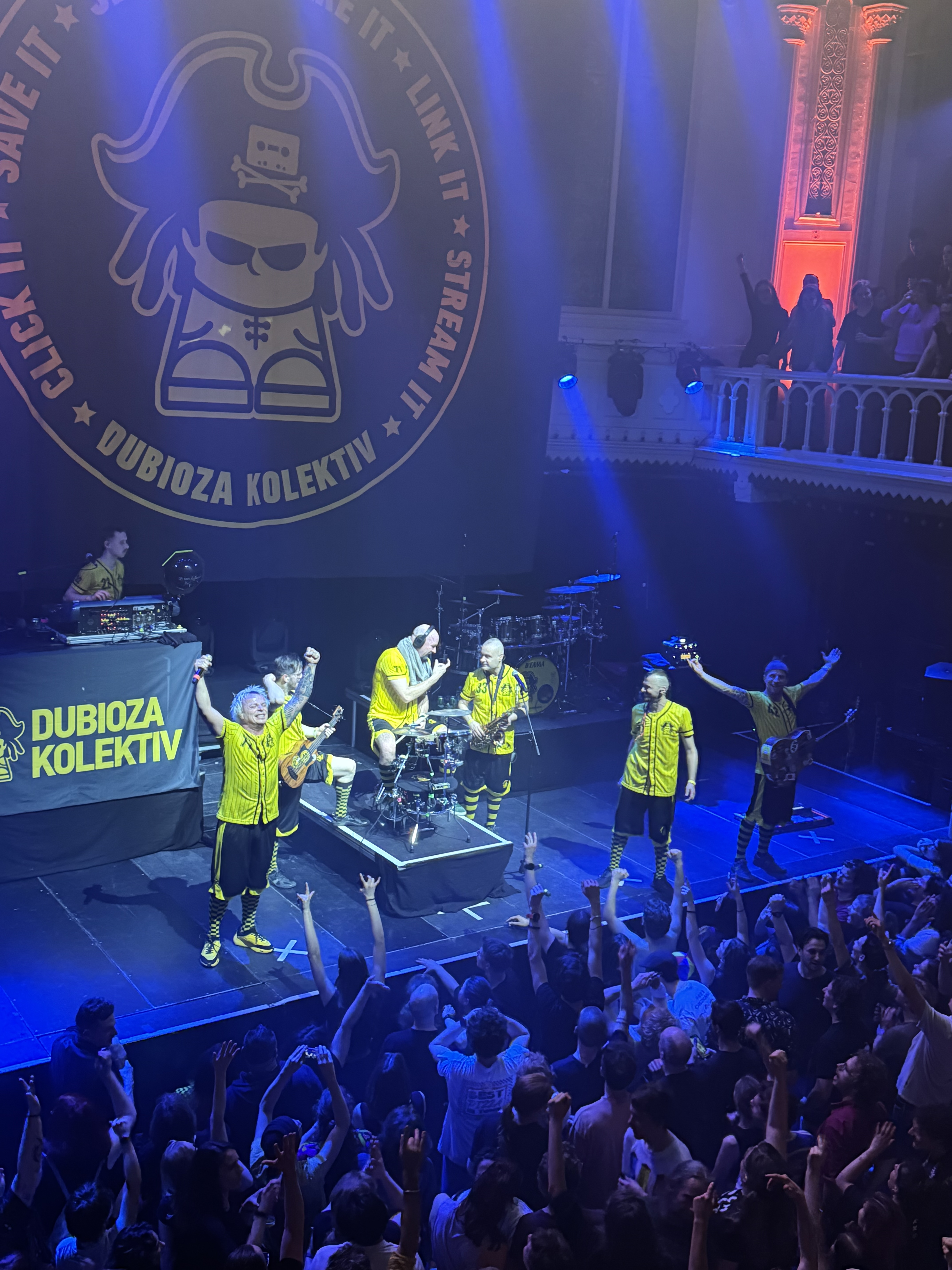
And then straight back down to earth (and into chaos) at Paradiso, where I saw Kneecap. Security was tight, the crowd was raucous, and it’s still mad to me that less than two years ago I saw them in what was basically the upstairs of a pub. Now they’ve got a sold-out Paradiso bouncing in unison, two nights in a row. The rise has been meteoric, the energy relentless — right through to the crowd singalong to Come Out Ye Black And Tans after they went off stage.

Consuming

👩🏻‍💻 Internetting

News this week that the UK Department for Business and Trade’s three-month trial of Microsoft Copilot found… no real productivity boost. Emails and meeting summaries sped up a bit, but anything more complex actually slowed people down or spat out lower-quality work. So much for the hype cycle.

Does that reflect a lack of proper strategy and training, or just cold, hard reality? Probably both. In my experience, some people and roles naturally click with AI tools while others flounder when left to get on with it. Curiosity, persistence, confidence — and the time to experiment — all matter. Without those, adoption lags.

There’s clearly a lot we need to do to help people level up with AI at work. But I can’t say I was surprised. My own encounters with Copilot have been… underwhelming. Let’s just say it’s not yet living up to the billing of “revolutionary productivity tool” — more “expensive intern who occasionally remembers to attach the file.”

📺 Watching

Marking 50 years since its release, we re-watched Jaws. Still the ultimate advert for staying on dry land. Half a century on, the special effects remain gloriously ropey, the mayor still deserves a prison sentence for crimes against public safety, and John Williams’ two-note score is still the best thing ever written about imminent death by fish.

It’s amazing how Jaws manages to be both a tense thriller and a camp comedy, depending entirely on how rubbery the shark looks in a given scene. And yet it still works: a masterclass in making you terrified of something that looks like it escaped from a theme park gift shop. Just the thing I need before a holiday that involves boats.

📚 Reading

Continued with The Albanians: A Modern History, but have only got as far as the Ottoman Empire. Hoping to nudge my knowledge closer to the 20th century by the time I get there.

🎧 Listening

Driving around with my brother this week introduced me to Cheekface, an LA indie trio who specialise in anxious brain dumps set to catchy riffs. Imagine Lou Reed or Jonathan Richman talk-singing about late capitalism, social awkwardness and existential dread.

They’re smart, deadpan and gloriously uncool, with songs that turn modern malaise into shout-along anthems. Start with I Only Say I’m Sorry When I’m Wrong Now or Listen to Your Heart. If you like those, welcome to the cult of Cheekface.

Coverage

My Red Hot Opinion Department was working overtime this week.

For Strategic, I looked at the noticeable chill in corporate culture — how empathy has slipped off the agenda, and what that means for leaders trying to engage their people when the mood music is getting distinctly frostier.

And over at Unleash, I turned a jaw-droppingly bad comms experience into something more useful: practical advice on governance, sequencing, and the role internal comms can play in making difficult moments a little less painful.

Connections

Earlier in the week I had a long Teams chat with Cathryn Atkinson, who led the youth journalism project I was involved in as a teenager (which I mentioned back in Weeknote 33 — and which prompted this catch-up). The last time I saw her she had a baby strapped to her in a harness; that baby is now in his late 20s and about to get married. Safe to say we had plenty to catch up on.

I also met with Cai Kjaer, CEO of Swoop Analytics, who was in Amsterdam for meetings. We talked about the looming launch of their Information Overload Calculator, the Viva Engage Benchmarking Report, and the uncomfortable truth that while tech platforms — and now AI — make it easier than ever to publish, people’s bandwidth hasn’t magically expanded to cope. My line on this: internal comms needs to focus on orchestrating flows and making sure messages land safely. Hyper-personalisation will be key, but that comes with its own challenges.

A smiling woman and man posing for a selfie on a staircase with stained glass windows in the background.

Travel

I’m off on an adventure tomorrow — Albania, Kosovo and North Macedonia, all firsts for me and all a little off the usual tourist trail.

Next weekend I’ll be hiking in the gloriously named Accursed Mountains (because why not tempt fate on holiday?), and there’ll be a few boats involved too. Which, having just re-watched Jaws, feels like impeccable planning. So there won’t be a Weeknote 37 — unless I’m writing it from the belly of a shark.

This week in photos