Weeknote 2026/07

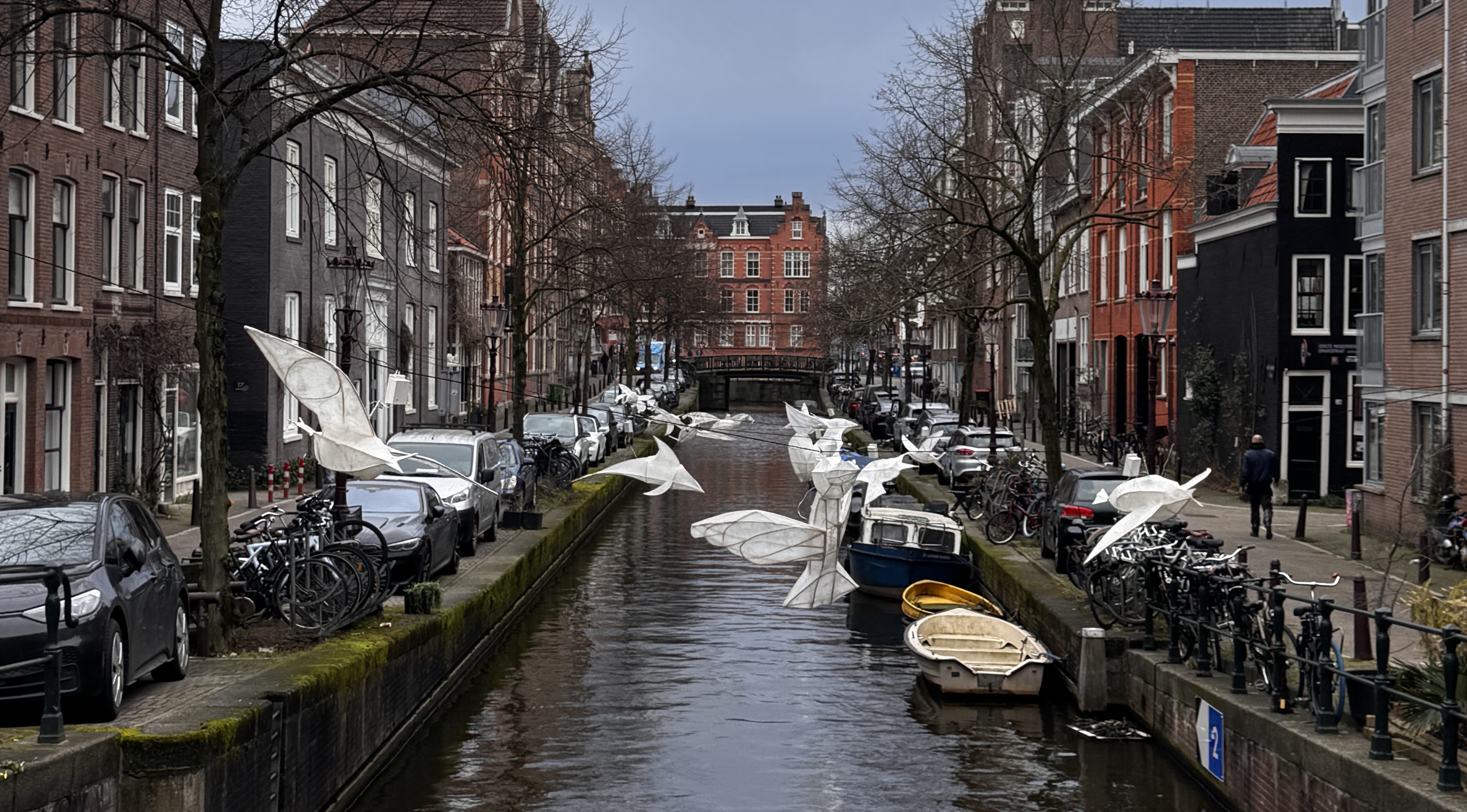
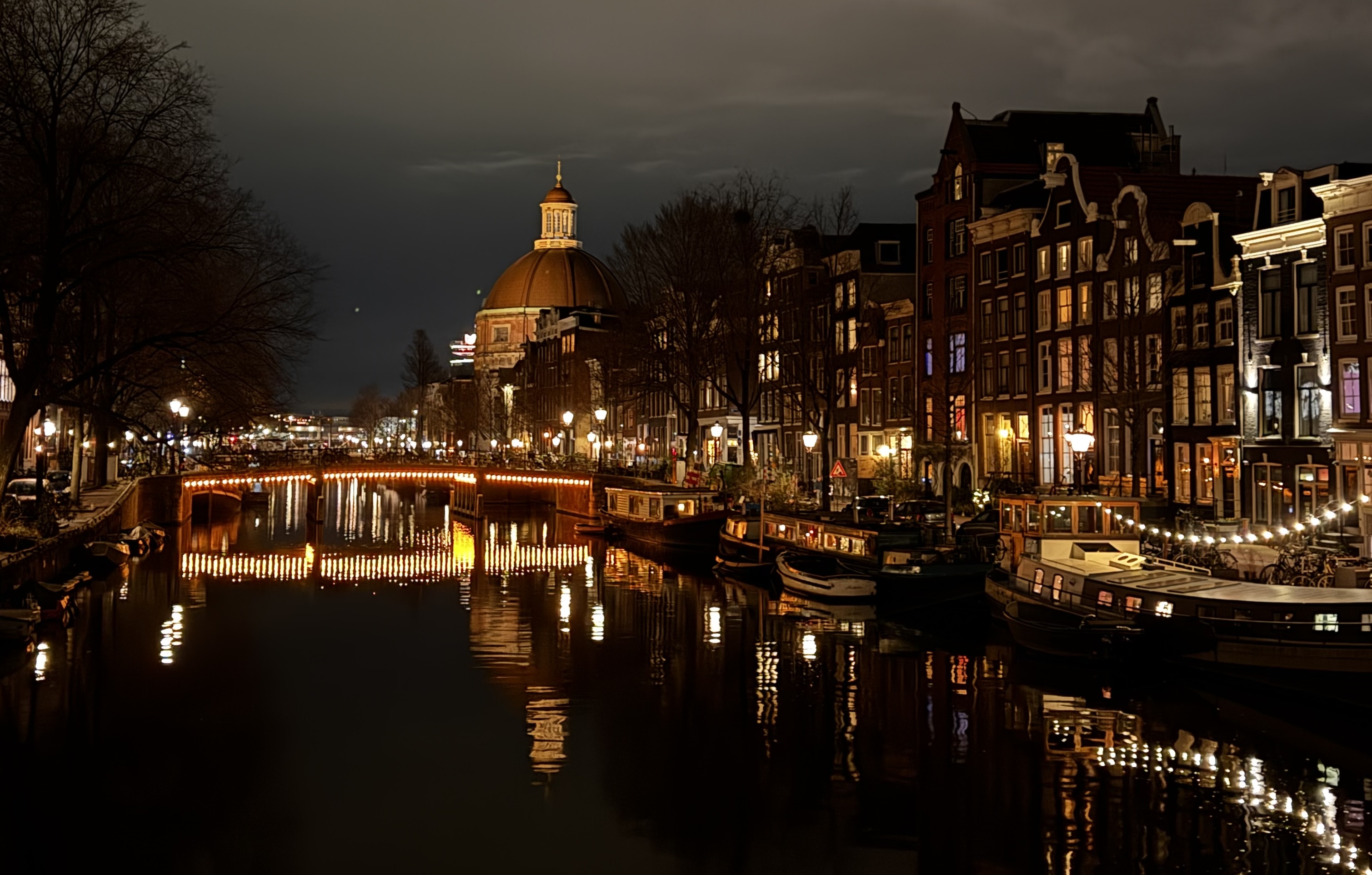
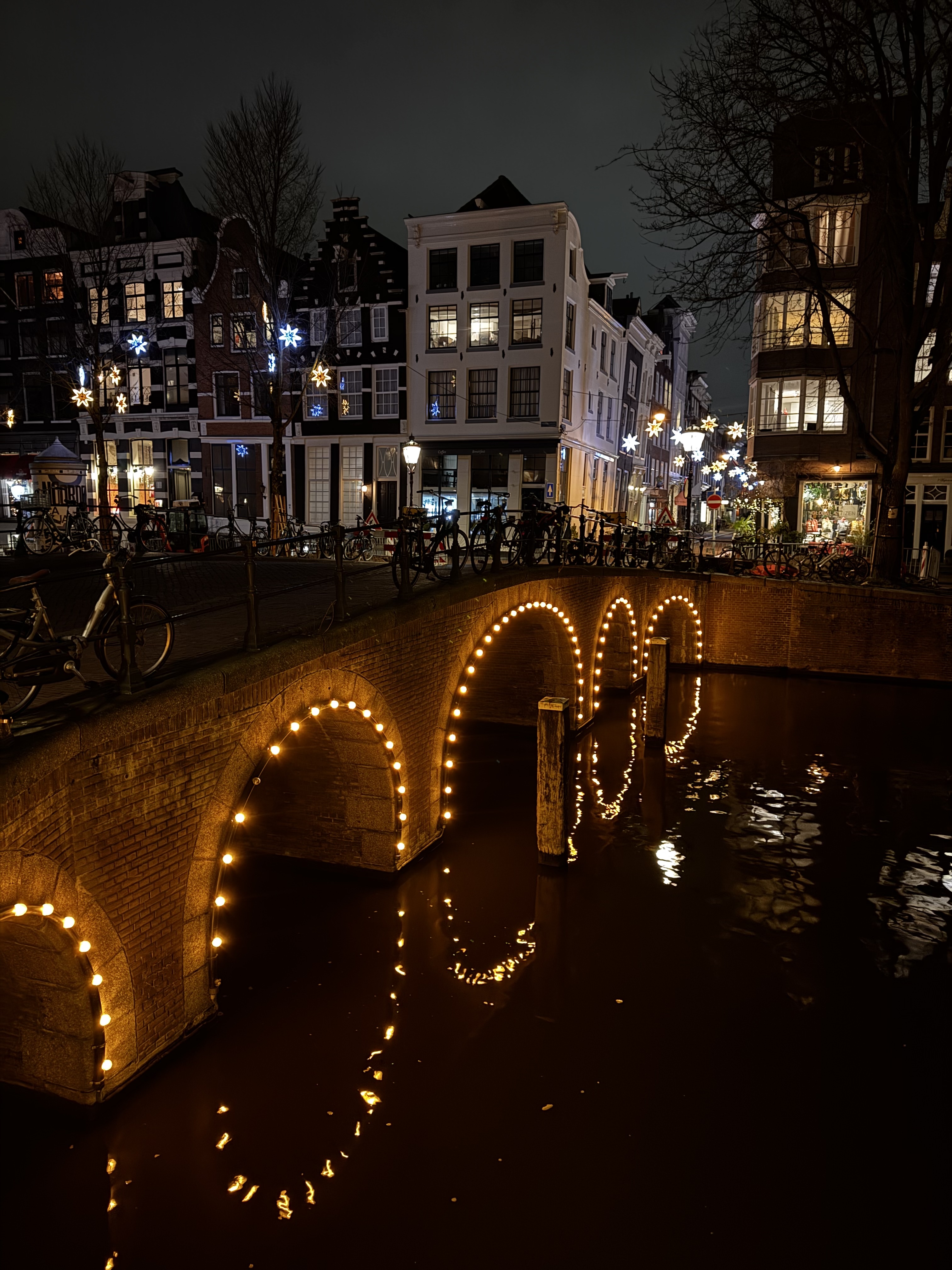
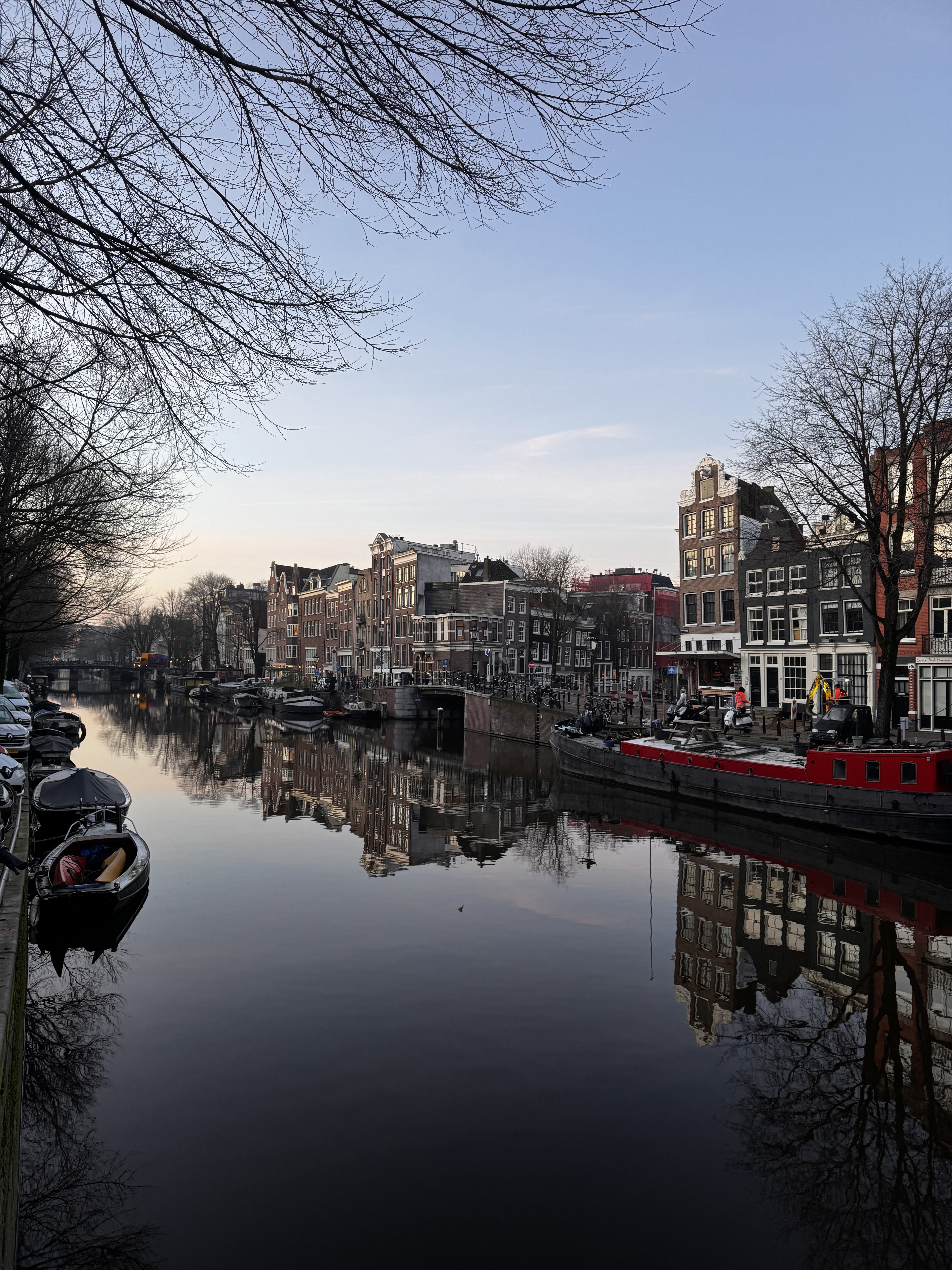
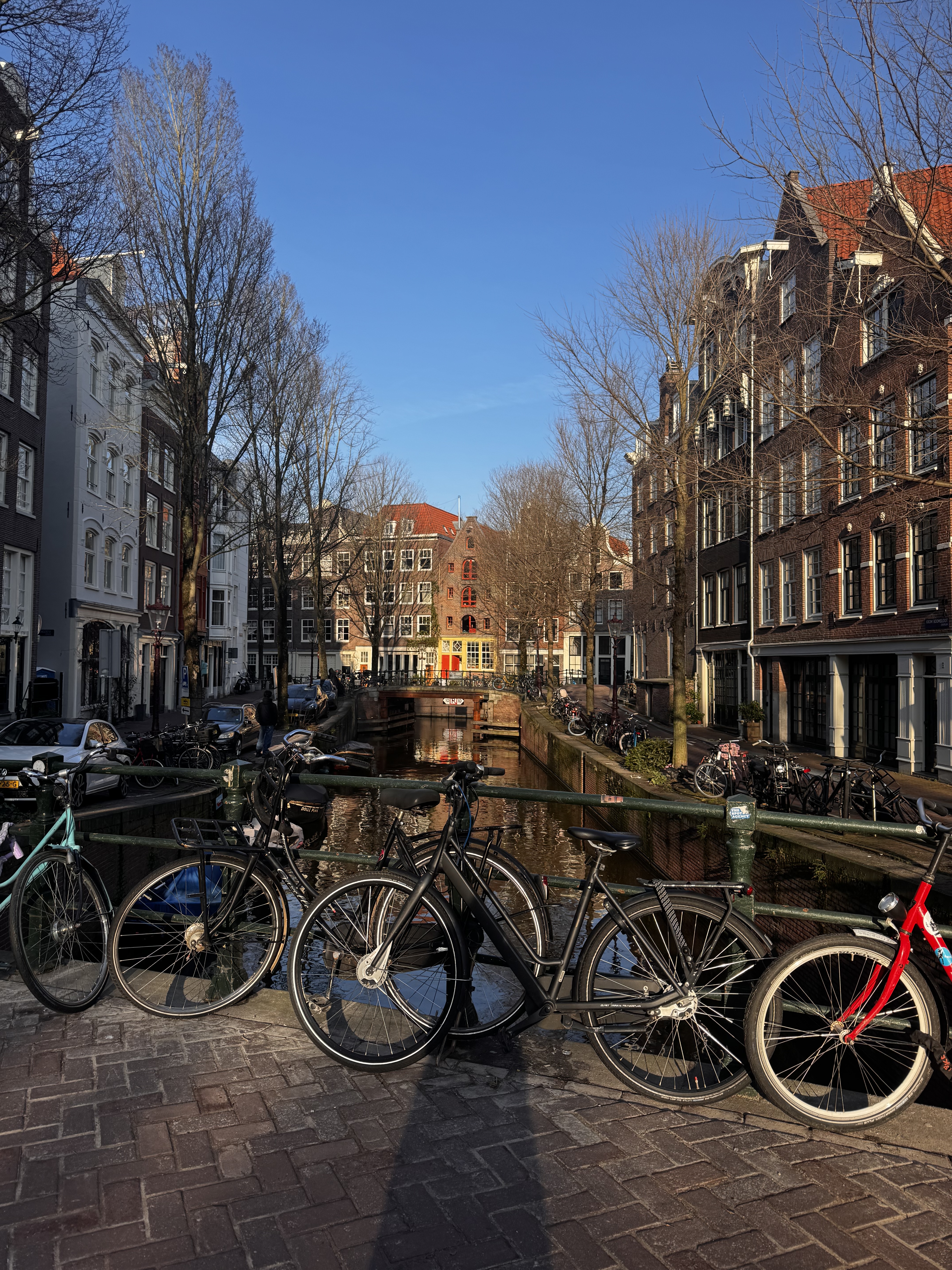
A scenic view of a canal in a city, lined with brick buildings and parked bicycles. Several boats are visible in the water, along with whimsical, white paper-like figures resembling birds, creating an artistic touch to the urban landscape.
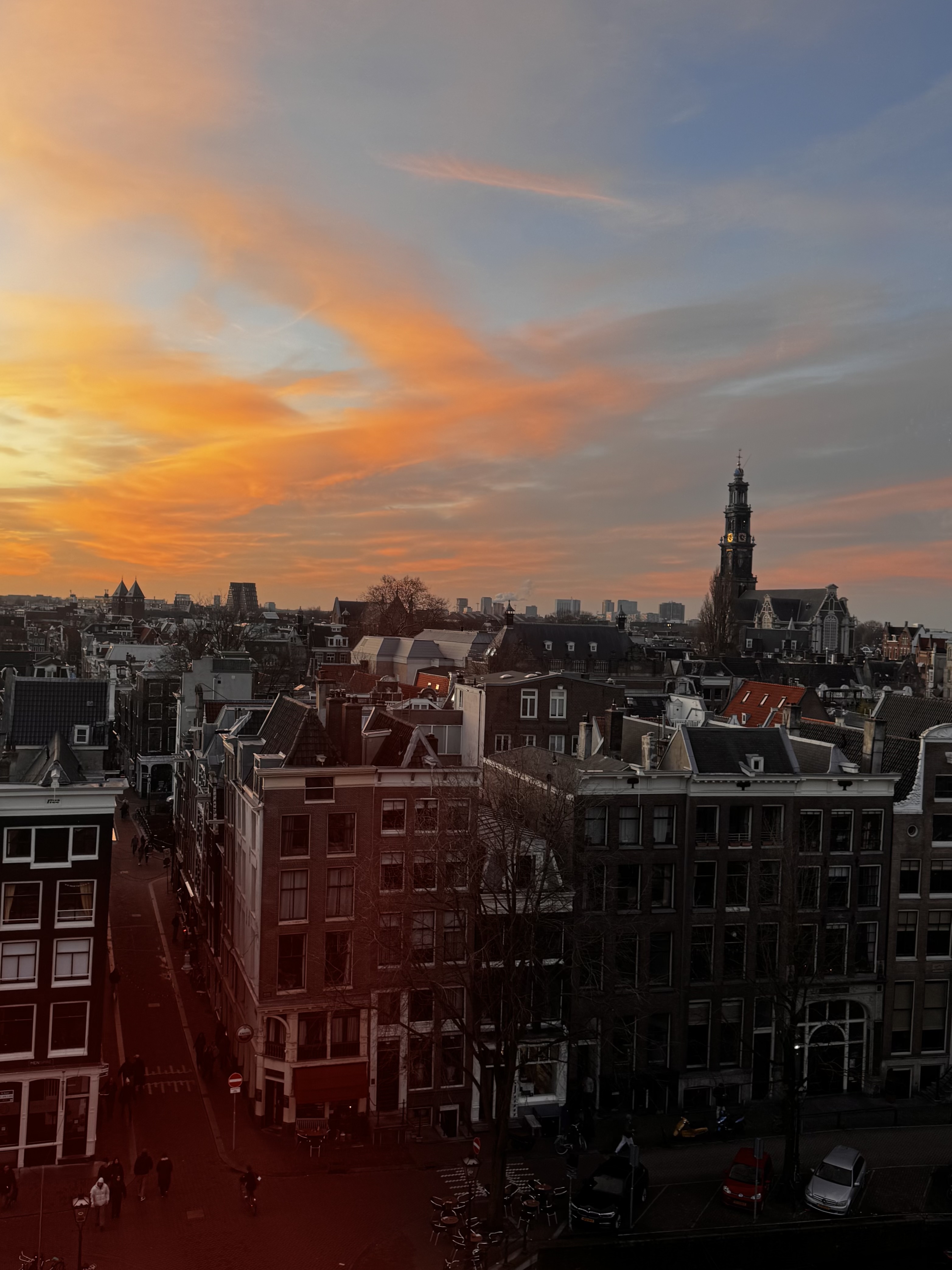
Back home in Amsterdam (photo: Sharon O’Dea)

Consulting is a game played over years, not weeks. Some engagements are about architecture and impact. Others are about helping procurement tick a box before buying what they were always going to buy.

The ratio varies depending on market conditions, how disciplined you are about qualifying leads, and whether you’re willing to walk away from bad-fit work when the pipeline looks thin. Most small consultancies say they’re selective. Most small consultancies also have mortgages.

The discipline is remembering that not every loss is a mistake — but some are instructive.

This week at work

We had the official kickoff with a new client this week, and it’s one of those projects that makes you feel the stretch in a good way. Ambitious scope. A platform that’s new not just to us, but to the industry. And a brief that isn’t “launch an intranet” but “design the foundations for an agentic-first communication architecture.”

Content structured for humans and AI agents. Governance designed with automation in mind, not bolted on afterwards. Distribution built around orchestration rather than broadcast.

It’s rare, in this field, to work on something that feels genuinely new. Most of what we do is evolutionary — cleaning up legacy, untangling compromises, retrofitting governance onto yesterday’s shortcuts. This feels different. I’m relishing it.

Less positively, we were also knocked back on a proposal this week. One we’d invested in properly.

We were recommended in by a former client. We had multiple constructive calls. We built demos. We did due diligence. We produced a draft project plan — explicitly positioned as a working document for discussion.

The moment that draft landed, the temperature changed. Silence.

Then, weeks later: “We’ve decided on a change of direction.”

Reader: there was no change of direction. There was a decision already made. Our work simply helped validate it — or more accurately, helped their procurement team tick the “we got an alternative proposal” box before buying what they’d already decided to buy.

This is a pattern small consultancies recognise instantly. You’re invited in to cost the hard bits — content, governance, migration, adoption — so a glossy platform decision can survive CFO scrutiny. You expose the complexity. You quantify the risk. You make the organisational reality visible.

And then that thinking becomes unpaid pre-sales support for someone else’s commission.

Let’s call it what it is: extracting expertise without paying for it.

It’s short-termism disguised as process. And it disproportionately hurts smaller firms, because speculative proposal work is not a rounding error for us. It’s days of senior time. It’s pulling in partners. It’s opportunity cost.

What makes it worse is the economics.

The organisation hasn’t “saved money.” They’ve simply shifted where it’s spent — typically towards a vendor backed by private equity, buoyed by marketing budgets, promising “turnkey” simplicity that rarely lives up to reality.

They will still need content. They will still need governance. They will still need adoption work. Software does not generate clear ownership, accurate information or disciplined lifecycle management by magic. It just generates invoices more efficiently.

You can underpay for advice or overpay for consequences. The invoice arrives either way.

The only guaranteed winner in this dynamic is the vendor.

And that’s the part that leaves a faint sadness beneath the anger. Because we actually want these programmes to succeed. We care about the long-term architecture, not the quarter’s sales target. Which is precisely why we’re less convenient to hire.

But then the very next day, we got the green light on a new project with a far more interesting client. One where the conversations are candid. Where the problem is complex in the right way. Where substance beats theatre. Where we’re building something durable, not decorative.

But that’s the gig. One minute you’re being picked clean like a buffet carcass by people who consider “market research” a legitimate use of your skull contents. The next, you’re signing something that actually matters. The whiplash is simply the cost of staying solvent.

Also this week

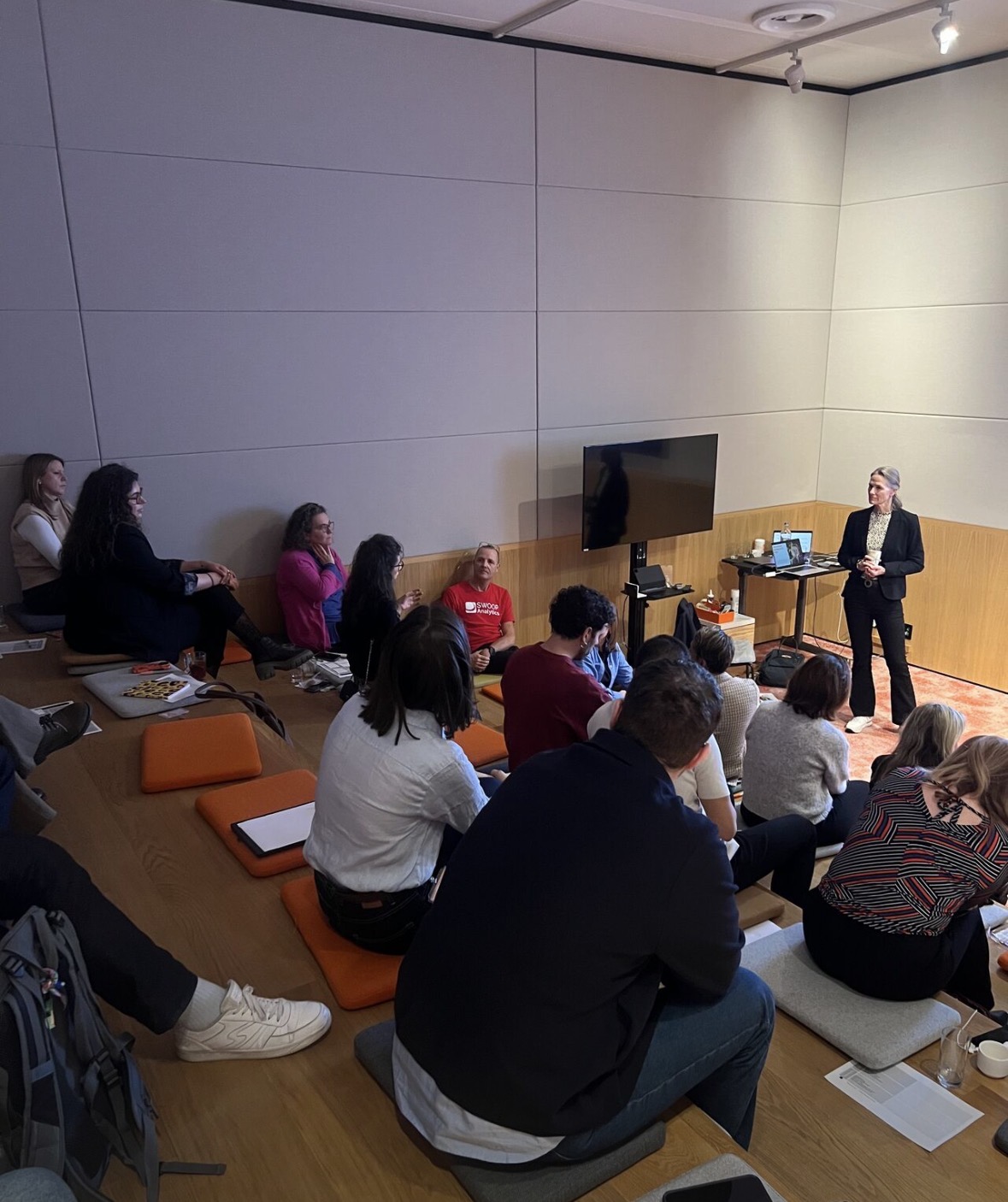
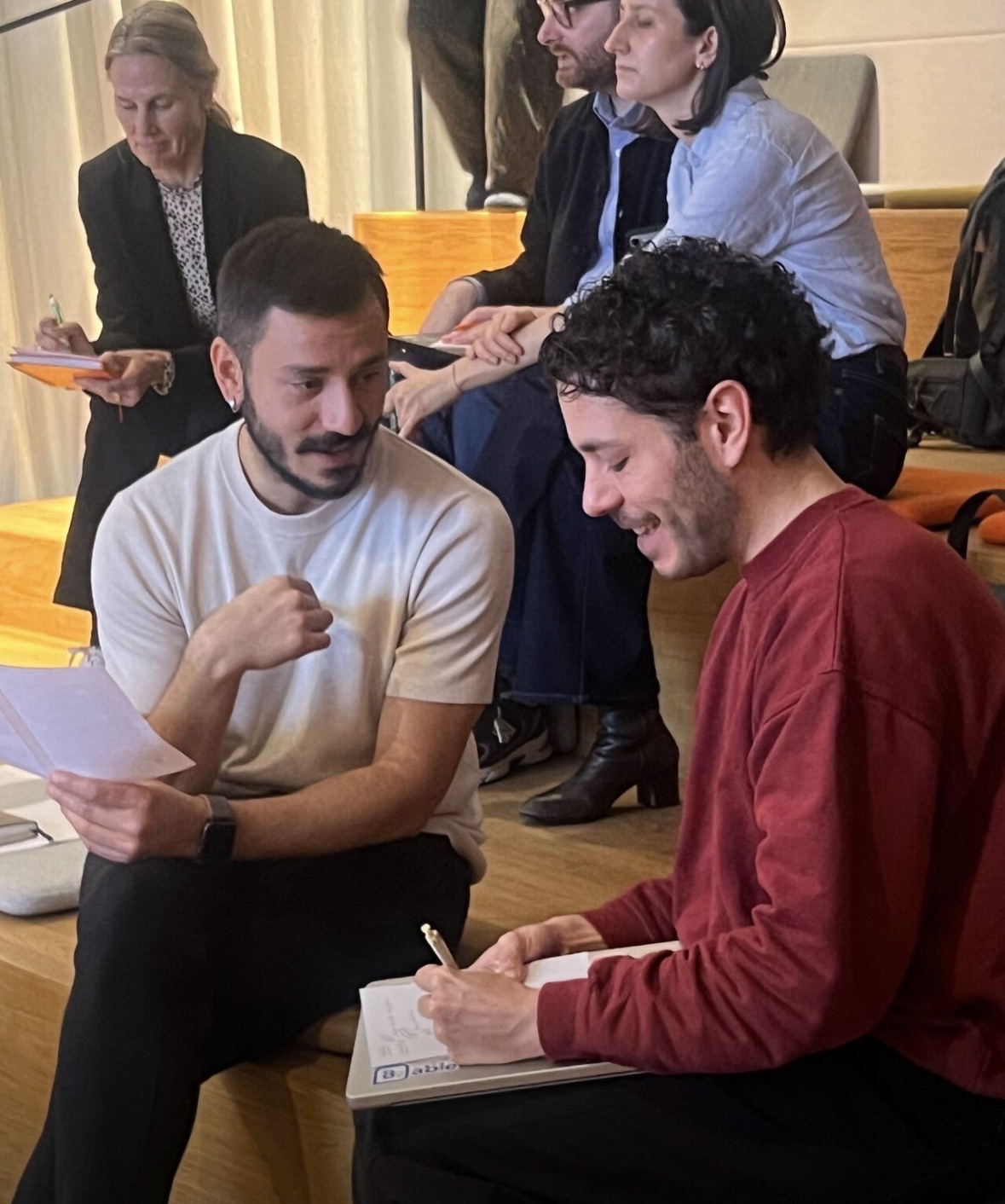
Accidentally had a week of AI immersion. Three sessions, three lenses — but a surprisingly consistent message.

The first focused on protecting our “human OS”: judgment, stance, taste, sense-making and responsibility. AI can inform and accelerate. It cannot own consequences. (Though it’s certainly convenient for those who’d prefer not to.)

The second, at Work/Shift, made the uncomfortable observation that individual productivity gains aren’t translating into organisational value. People are faster. Teams are not. AI is amplifying whatever system it enters — including half-finished transformations and fuzzy accountability. If your organisation isn’t legible to itself, it certainly won’t be legible to machines.

Kim England shared an instructive example from Pearson: a five-day reduction in customer response time only happened after fixing broken processes. AI layered on top of clarity works; AI layered on top of chaos simply scales it at premium margins.

The third was the launch of IABC’s AI Special Interest Group — communicators recognising that we’re now in the room for governance and ethics whether we like it or not. The tone was less “how do we deploy this?” and more “how do we remain human while we do?”

Across all three, the pattern was clear.

There’s a growing murmur that AI isn’t living up to enterprise hype. Gains are localised, uneven, individual. The transformation dividend hasn’t shown up in the quarterly numbers.

But that often precedes normalisation. The dip before the Plateau of Productivity. Or the bit where everyone stops mentioning the initiative while still paying the licence fees. Which makes this moment less about disappointment and more about architecture.

If AI is going to move beyond personal productivity hacks and into collective capability, the foundations matter. Governance. Context. Team coherence. Legible decision-making.

In other words: exactly the sort of agentic-first communication architecture we kicked off this week. Funny how these things converge.

Consuming

Work didn’t leave much time for TV or reading this week, but I did re-watch the original Star Wars in preparation for our forthcoming trip to actual Tatooine.

Not “inspired by.” Not “filmed near.” Actual Tatooine.

There is something deeply pleasing about revisiting the 1977 version — before the CGI accretions, before the franchise industrial complex metastasised into a content vertical, when it was just slightly wonky world-building, questionable haircuts and a desert that genuinely looked like it might ruin your moisturiser.

Watching it now, you can see how much of modern storytelling muscle memory it created. The pacing is almost quaint. The practical effects hold up alarmingly well. And the optimism — that scrappy, analogue rebellion energy — feels oddly refreshing in an era of algorithmically optimised content engineered to perform well in A/B testing.

It also turns out that once you know you’re going somewhere that lent its name to Tatooine, every sand dune becomes a scouting exercise.

I cannot promise I won’t hum the theme tune the entire time.

Travel

On Thursday, we’re heading to Tunisia for the first time.

Roman ruins. Star Wars geography. Sahara edges. North African food that I suspect will permanently recalibrate my spice tolerance.

It’s a short trip, so this week is all anticipation. Next week: sand, ruins, and (inevitably) reflections.

If you’ve got Tunis tips, send them quickly. Binary sunsets pending.

This week in photos

Weeknote 2026/06

A laptop on a wooden table next to a Heineken 0.0 beer bottle, with a view of a lounge area in the background.
Back on the road this week (photo: Sharon O’Dea)

One of the more unexpected joys of writing a book is watching the pre-orders trickle in — each one a small, specific vote of confidence from someone who’s decided they’d like to read what you’ve written before it actually exists. It’s encouragement from the future, which feels oddly fitting for a week spent largely planning things that haven’t happened yet: workshops, proposals, projects that may or may not materialise. Much of the work was invisible, preparatory, and entirely unshowy. But it was there. And sometimes that’s enough.

This week at work

This week brought a flurry of conversations about potential new work, all via people I’ve worked with before who’ve since moved on to new organisations. Which is a pleasing reminder that doing good work, and not being a pain to deal with, remains the most reliable marketing strategy available.

Those conversations have already turned into two live proposals. Each proposal we do is entirely bespoke — no rinse-and-repeat templates here — which means they take a minimum of half a day to pull together, and often stretch over several days once the thinking, shaping, and sense-checking are properly done. I always underestimate how long these take, despite all available evidence.

We’ve got a workshop coming up this week, and spent a good chunk of time planning how to use that time well. Workshops are often treated as the work itself, when really they’re about setting the tone for the many months of work that follow. The challenge — and the point — is creating enough structure to help a diverse group of stakeholders with genuinely divergent views get to alignment and agreement, without flattening those differences or rushing to false consensus. Much of the real work happens before anyone enters the room: designing the flow, deciding where decisions actually need to be made, and being very deliberate about what doesn’t need to be debated on the day.

I also had a great call with the team from an employee experience and intranet app vendor. It’s always refreshing when vendors are open and thoughtful in response to the more awkward questions — recognising that edge cases are simply the price of doing business with the kind of complex organisations we advise. We’re never asking those questions to trip anyone up; we ask them because those messy, inconvenient realities are exactly what make a platform work, or not, in practice.

We also kicked off a promotion plan for the book. It’s been genuinely heartwarming to see how many people have already pre-ordered it — a small but steady drumbeat of encouragement from the future.

Also this week

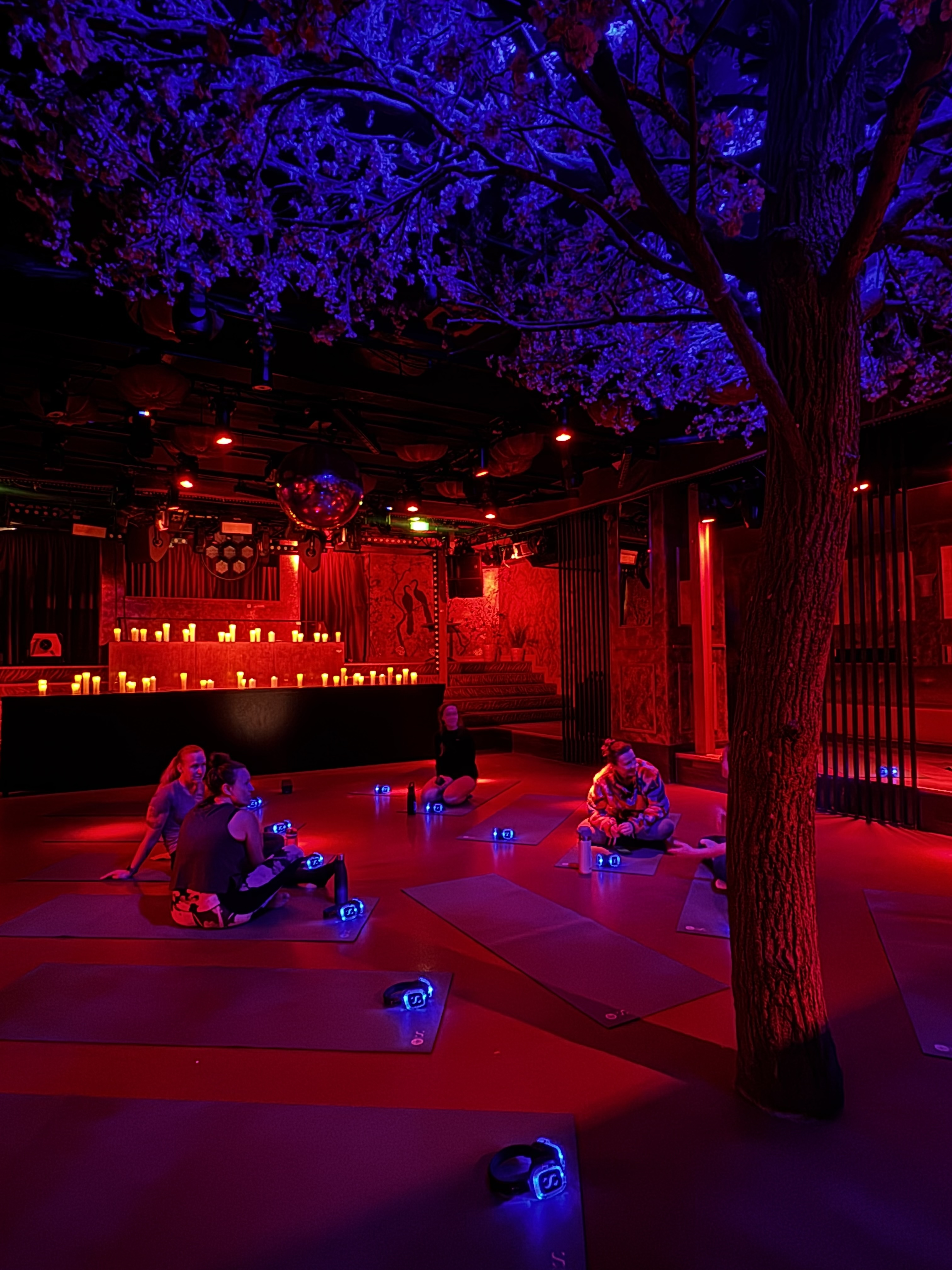
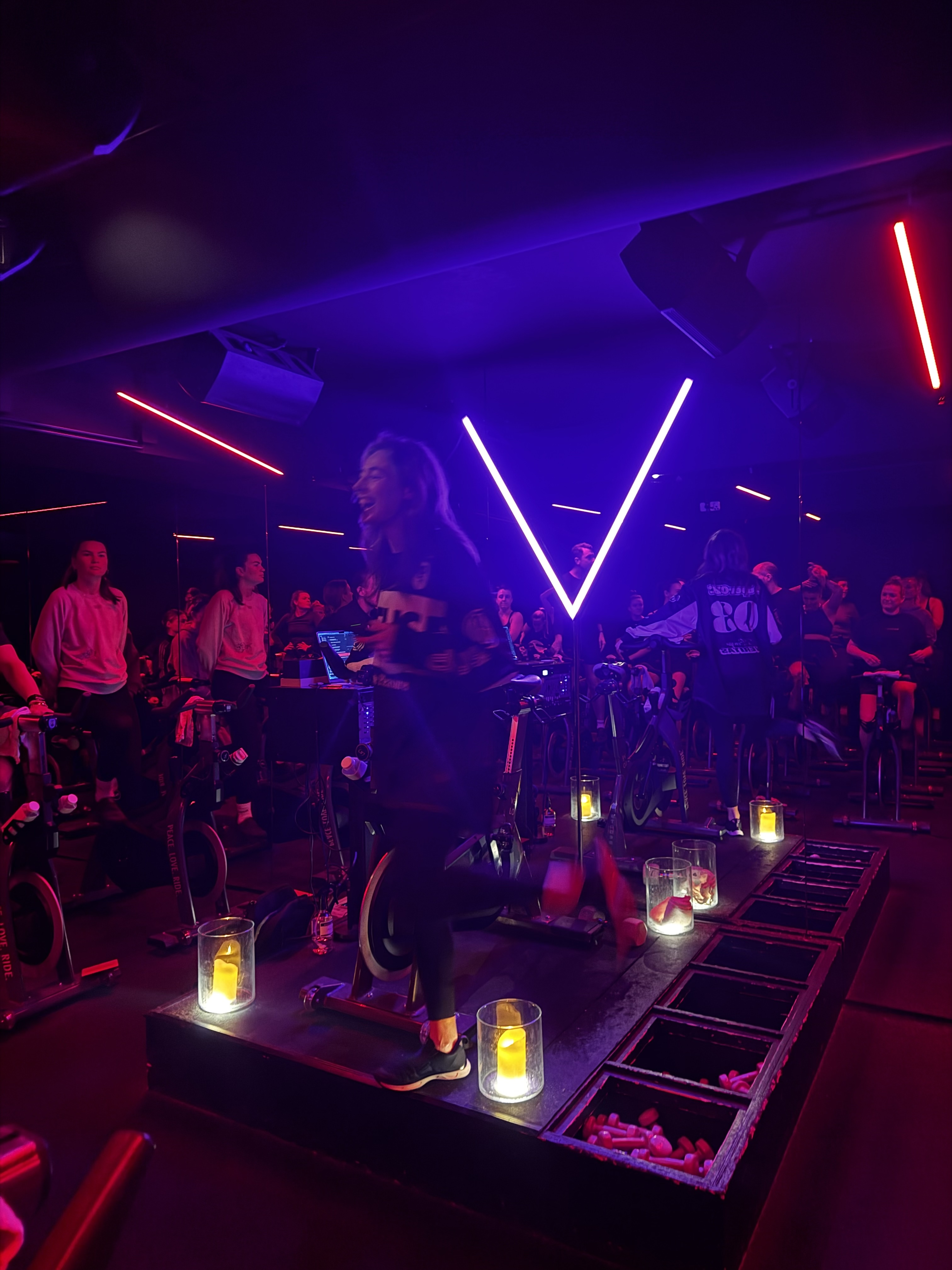
Otherwise, a relatively quiet one. Gym sessions, and a new Sanctum class location — in a nightclub near my house. My first time setting foot in a nightclub in many years, and the fact it was for an exercise class says a great deal about my gentle but unmistakable slide into decrepitude.

A trip to the UK also meant I finally got to catch up with my brother and his wife, who I hadn’t seen in far too long.

All in all, one of those weeks that felt busy in the head, quieter on the surface, and better for the balance of the two.

Consuming

Pretty light this week, but I have been mainlining Irish Traitors to fill the Traitors-shaped gap in my life. It’s exactly the right level of drama: suspicious looks, mild hysteria, and strategic betrayal, all played out with just enough restraint to stay entertaining rather than exhausting. Add in the Irish lilt, a healthy fondness for swearing, and a cast who sound permanently on the verge of telling someone to cop on, and it’s been the perfect comfort watch.

Connections

I met with the founder of Statement to talk through plans for the next phase. It was great to shoot the breeze in person, and it reminded me why I was excited by the concept and vision in the first place — one of those conversations that leaves you a little clearer, and a little more energised, than when you arrived.

Travel

Incredibly, I made it all the way to February without setting foot in an airport. Normal service has now resumed; I’m writing this weeknote from an airport lounge.

The next six months will see me heading to three different continents, and I promise to be as infuriating about it as ever.

This week in photos

Weeknote 2026/05

Night view of a canal in Amsterdam with illuminated buildings, boats, and a dome-shaped structure in the background.
Amsterdam, Monday (photo: Sharon O’Dea)

January is finally behind us. And yesterday was St Brigid’s Day, which for Irish people marks the start of spring. Not actual spring, obviously (it’s still absolutely baltic) but the promise of spring. A loosening. A sense that the light is thinking about showing up again, if it can be arsed.

That feels about right for this week: decisions made, things taking shape, and the faint sense that we might be emerging from winter with our critical faculties mostly intact. SharePoint is still not free, AI is still raising more questions than answers, and I’m still promoting a book with the shamelessness of someone who’s made their peace with being insufferable. But at least we’re moving in the right direction.

This week at work

We’ve been helping a client weigh up building a SharePoint/Viva Engage digital workplace versus buying something off-the-shelf. Comms teams get nudged—shoved, really—towards SharePoint on the basis that it’s “free,” which is a bit like saying a puppy is free if you ignore the food, the vet bills, the training, and the fact it’ll outlive your sofa.

A genuinely good SharePoint site takes time, skill, and ongoing investment. Off-the-shelf platforms are quicker to deploy and deliver a noticeably better experience out of the box—but at the cost of flexibility and an annual licensing bill that makes finance wince. We’ve been walking stakeholders through the real benefits, drawbacks, and long-term costs so they can actually just… decide. And move on.

I also sat through a Gartner webinar on the future of work which was—unexpectedly—genuinely useful. One thread stuck with me all week: the growing cognitive impacts of GenAI use.

We’re enthusiastically embedding AI into everyday work, but doing far less thinking about what that does to judgement, decision-making, and sense-making over time. Not a dystopian meltdown—something subtler and arguably more worrying. I shared some thoughts on LinkedIn, going against platform orthodoxy by posting troubling questions rather than easy answers. Because there aren’t any.

Alongside that, I started planning an upcoming client kick-off workshop. This is a phase I genuinely love: the careful choreography before everyone arrives clutching their assumptions like emotional support animals and their strong opinions like concealed weapons.

And with the book now submitted, we’ve started thinking about how to promote it. Prepare for sustained, shameless self-promotion. I will not be taking questions about my dignity at this time.

Also this week

I’m trying to try more things this year. Doing things, making things, learning things. Fewer hours doomscrolling through other people’s catastrophes, more hours with actual materials that can’t algorithmically enrage me.

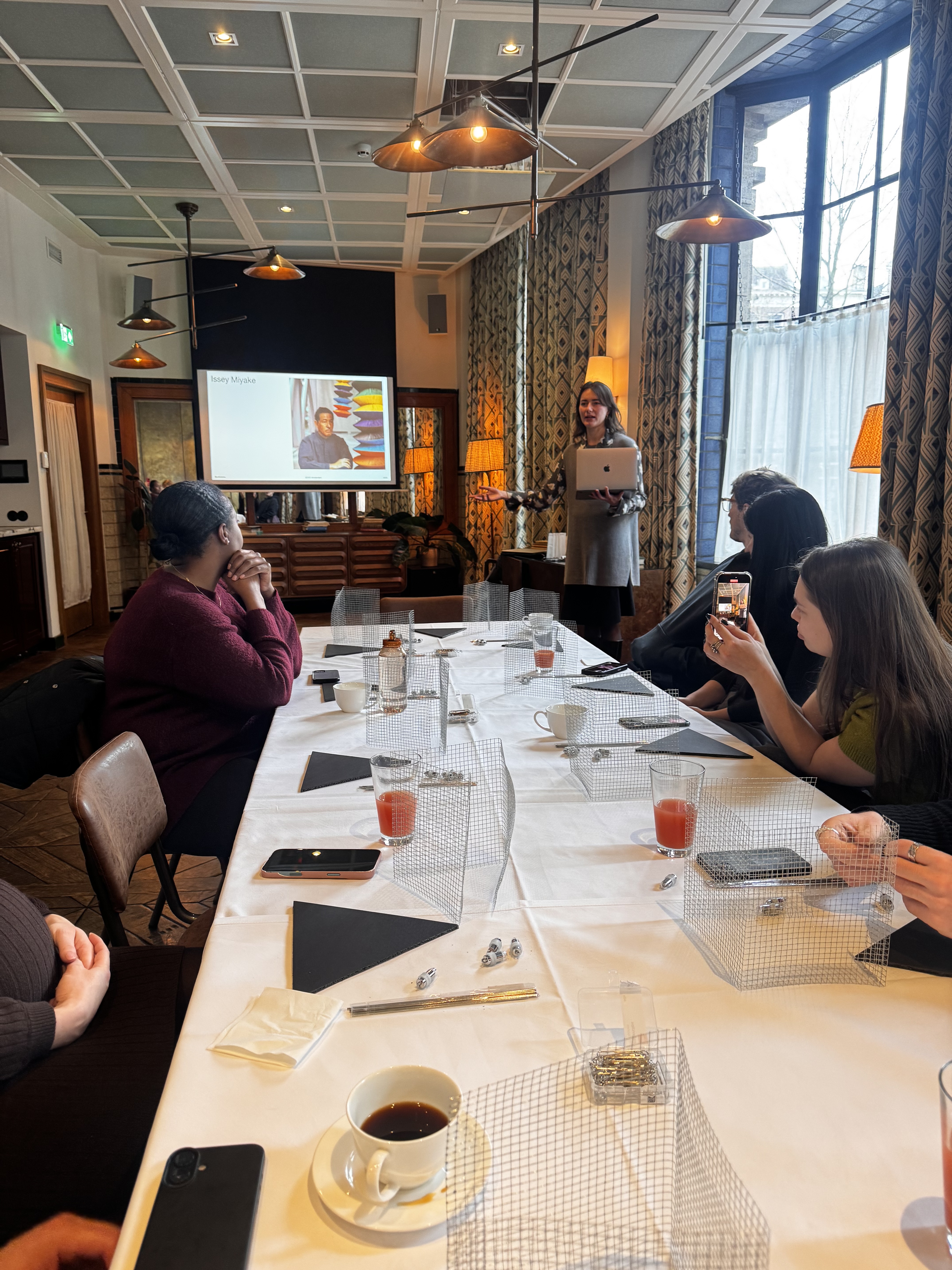
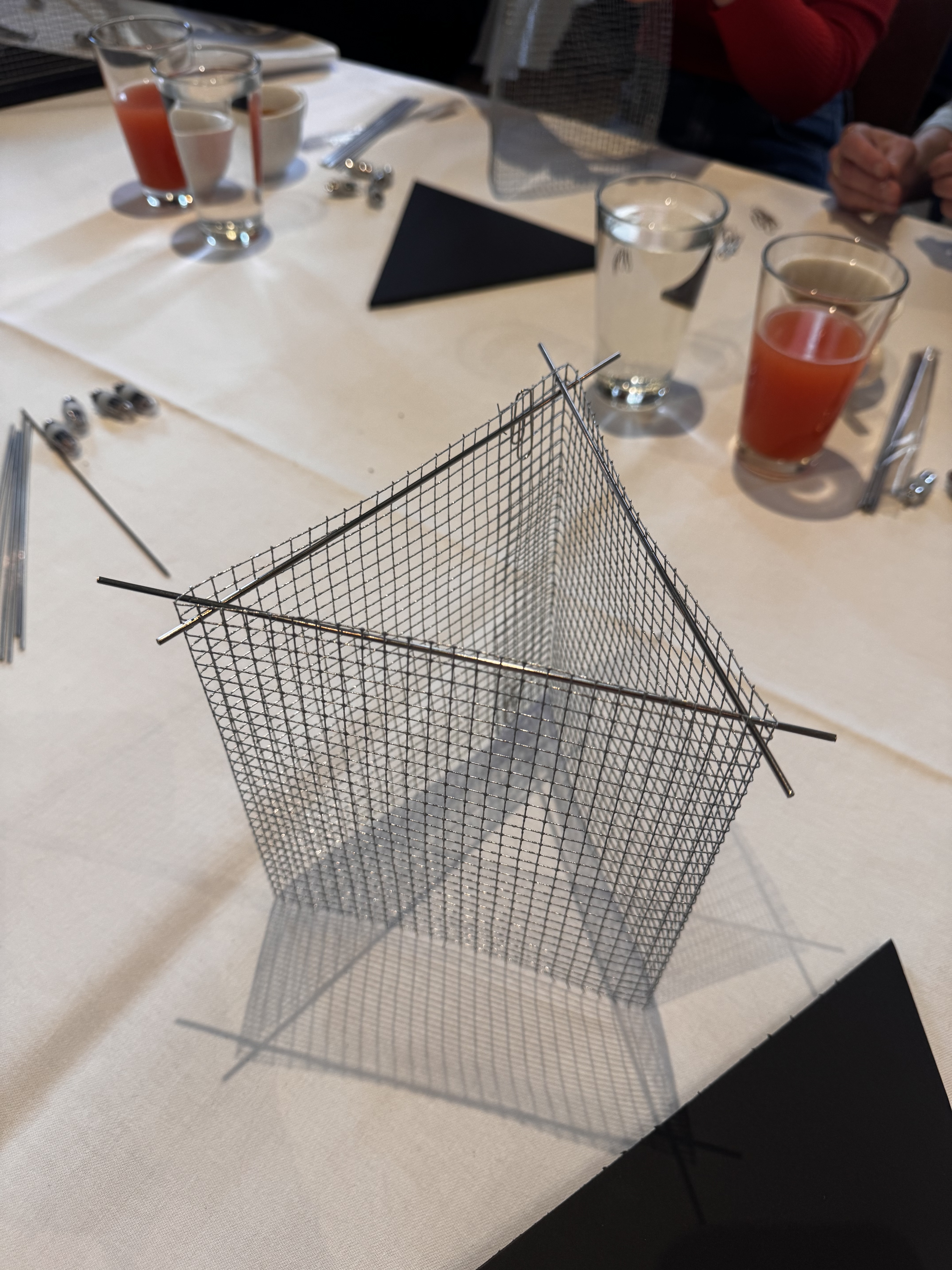
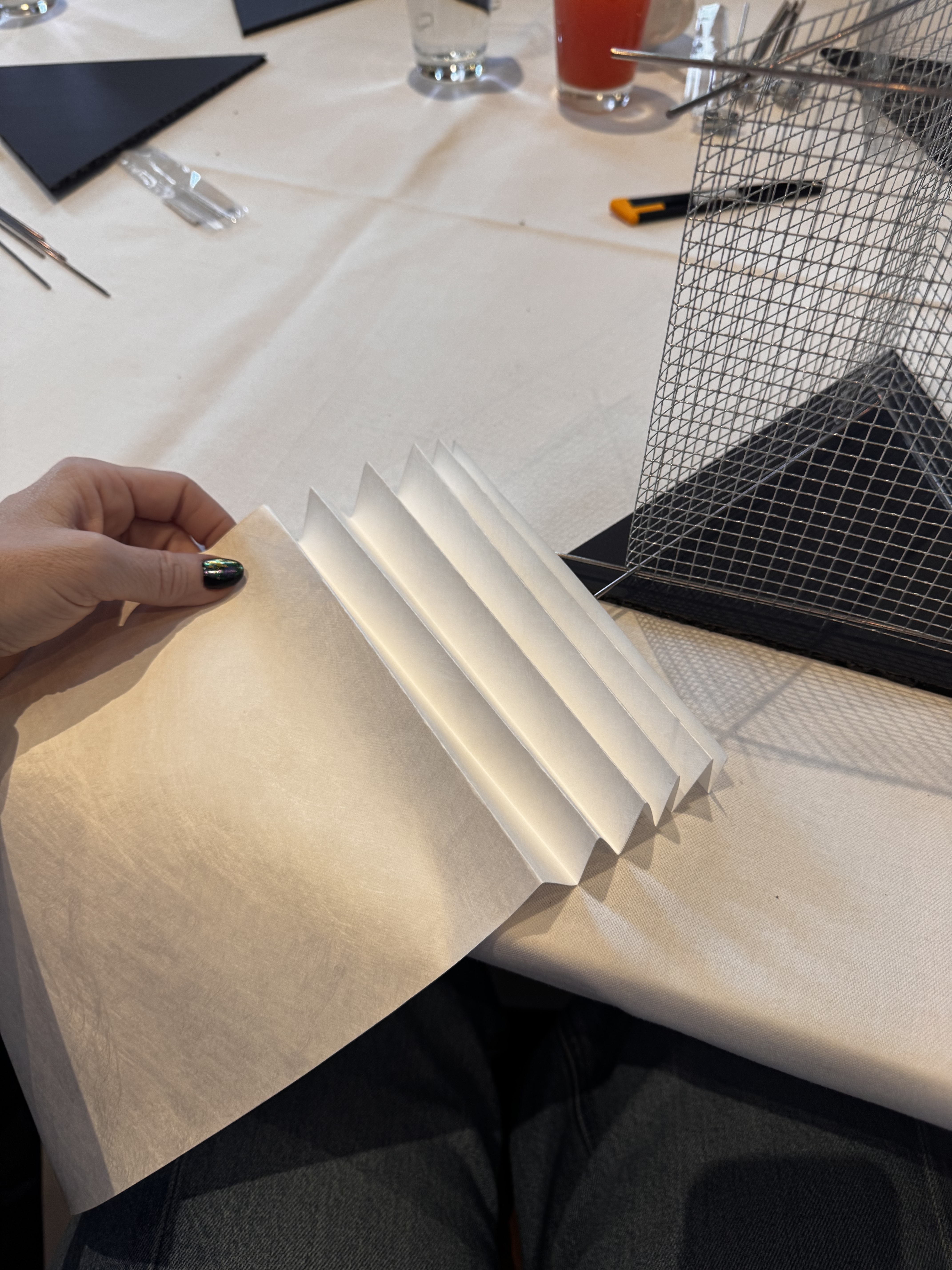
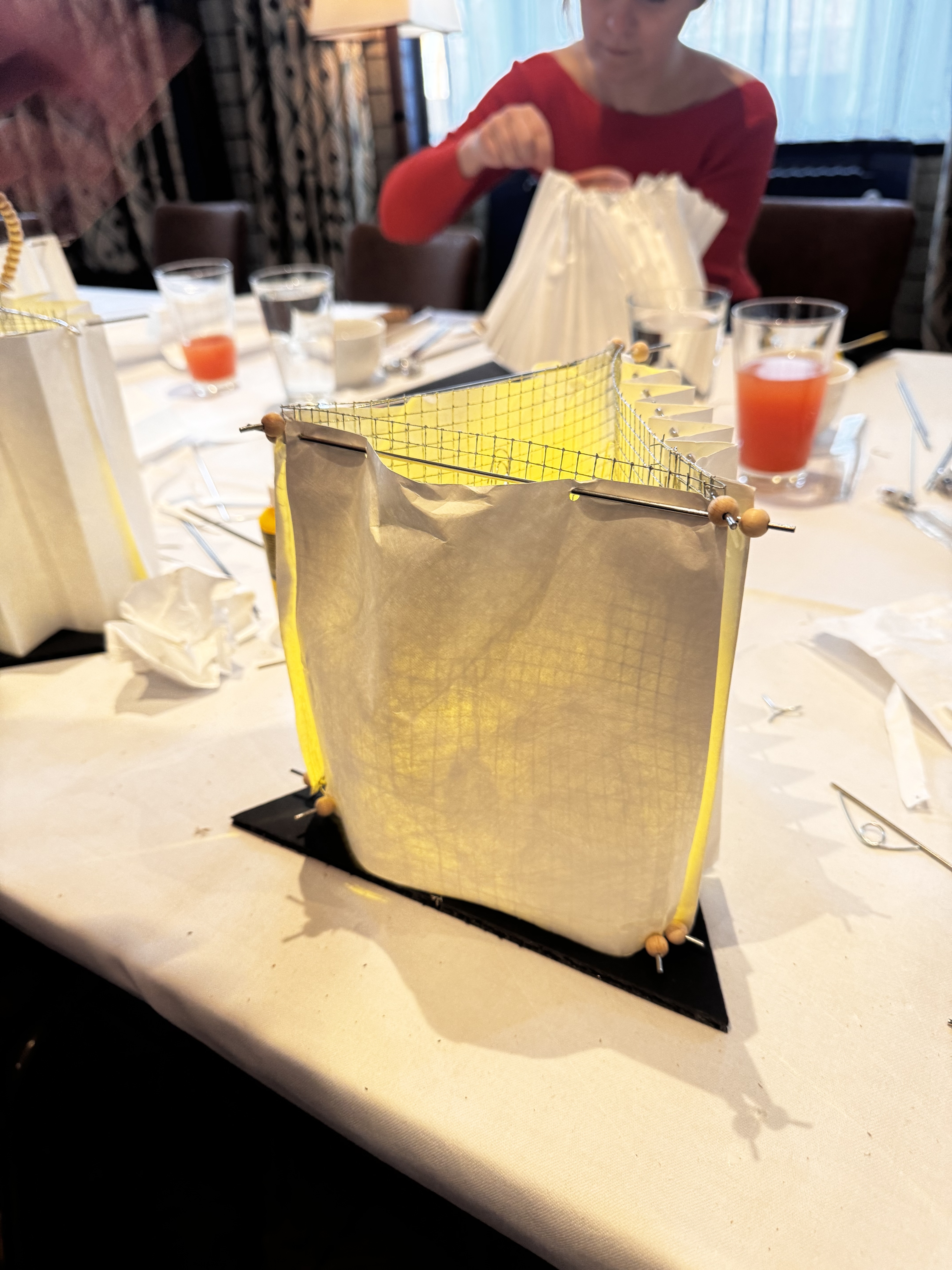
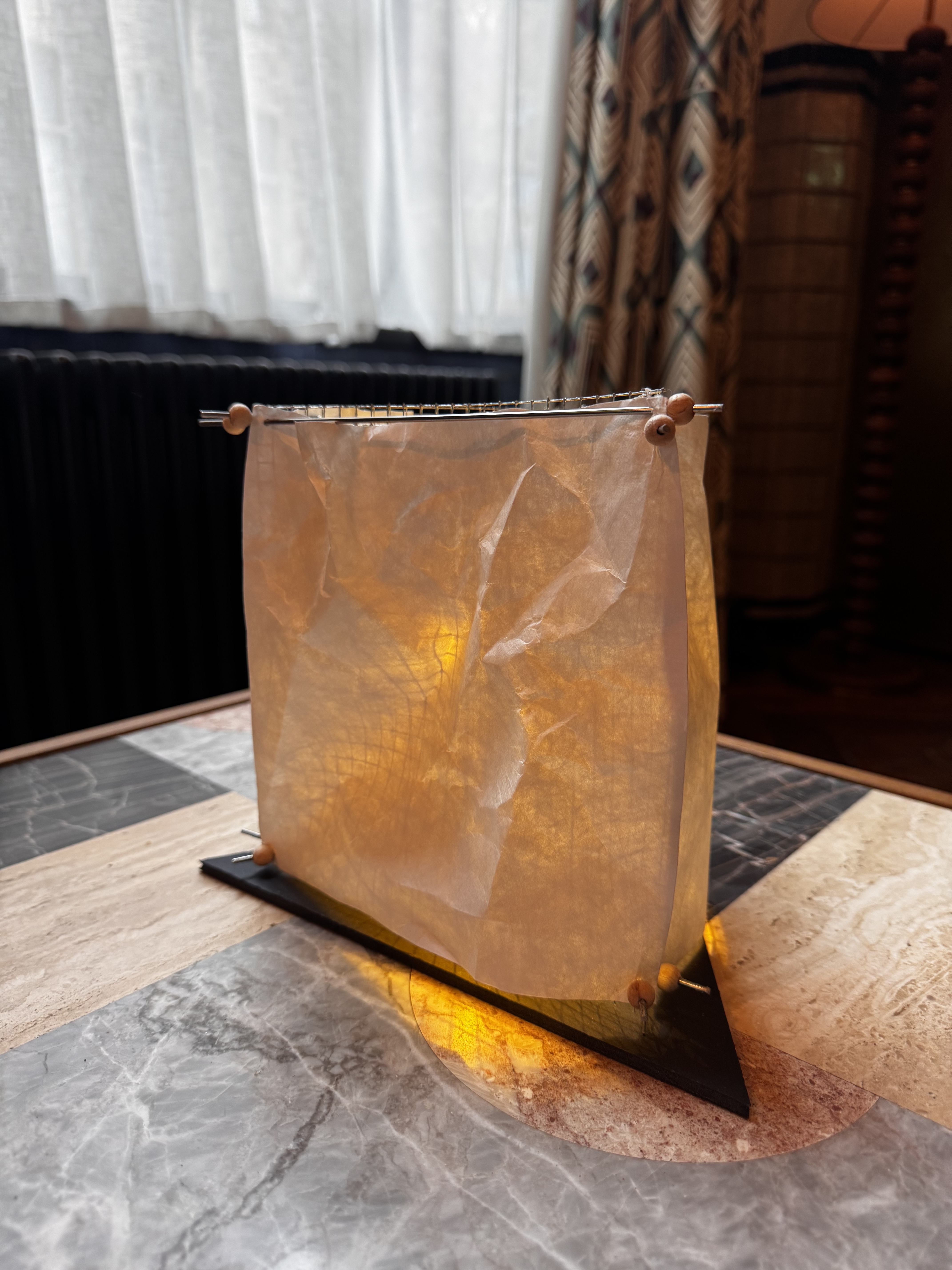
This week that took the form of an assemblies workshop, where the founder of Sets Studio helped us make a lamp, loosely inspired by the sculptural work of Issey Miyake and Isamu Noguchi.

The process was fun, genuinely interesting, and harder than I expected—always a good sign. A pleasingly absorbing way to spend an afternoon, and a chance to make something with my hands rather than my opinions.

I also now own one more object that will clutter up my house until I inevitably chuck it in a guilt-purge sometime around 2027.

Consuming

A friend and I went to the cinema to watch Cover Up, the Netflix documentary on the life and work of Seymour Hersh. It was heavy going, and I was glad not to watch it alone—very much the sort of film that needs a decompression chat afterwards, ideally accompanied by wine.

It revisits Hersh’s biggest stories, particularly My Lai and Abu Ghraib, and keeps circling the same unsettling question: how normal people dehumanise others, and what conditions make that kind of abuse possible. The film doesn’t flinch from Hersh’s own mistakes either, which saves it from the usual Great Man bollocks and gives it a welcome sharpness.

What landed hardest were the moments interspersed with him speaking to sources in Gaza, watching the same patterns repeat in real time. The central argument—about the role of a free press in protecting human rights—felt stark enough on its own. The timing made it worse, coming amid fresh headlines about journalists being arrested in the US, because apparently we’re speed-running every authoritarian playbook simultaneously now.

Uncomfortable viewing, but important. The kind of important that makes you want to lie on the floor afterwards.

Connections

This week I finally met up with Alexis Jimenez, who I first met on Twitter back when it was full of wonderful humans rather than Nazis and grifters, but had somehow never crossed paths with in real life. He was in town for a work event, so we did the sensible thing and prioritised dinner over whatever corporate nonsense had brought him here.

We covered Amsterdam, sales, Dutch food, running, and the absolute state of everything—which feels like the correct agenda for finally turning an internet acquaintance into an actual person. One of those reminders that some of the best professional relationships start as tiny avatars with opinions, before the platform inevitably goes to shit.

Alex and me in a freezing cold Amsterdam street

Coverage

Another week, another podcast—this one with a pleasingly quick turnaround, because this book isn’t going to flog itself and I’ve fully accepted my fate as a relentless self-promoter. 

I joined Cofenster’s Chris Brennan for a conversation about navigating digital communication in an era of suffocating noise. We talked infobesity (yes, I’m still pushing that term), why quality actually matters when everyone’s drowning in content, and what human-centred communication looks like when people are stretched, distracted, and operating at 60% capacity on a good day.

We also covered video, experimentation, audience insight, and where AI genuinely helps—spoiler: personalisation—without falling into the usual breathless “AI solves everything” nonsense that’s currently clogging LinkedIn.

Available on all your favourite podcast platforms, assuming you still have the attention span for podcasts.

Travel

It’s been over a month since I last left the country—the longest uninterrupted stretch at home since 2020, when “staycation” stopped being aspirational and became a legally enforceable lifestyle. It feels profoundly wrong, like I’ve forgotten how to perform my natural habitat: departure lounges and budget airline coffee. 

But this week normality resumes. I’m off to the UK for meetings that will definitely justify the carbon emissions. And there’s plenty more travel after that, because I’ve apparently committed to a lifestyle that involves eating meal deals in hotel lobbies. Normal service (by which I mean “perpetual motion with occasional invoicing”) restored.

This week in photos

Weeknote 2026/04

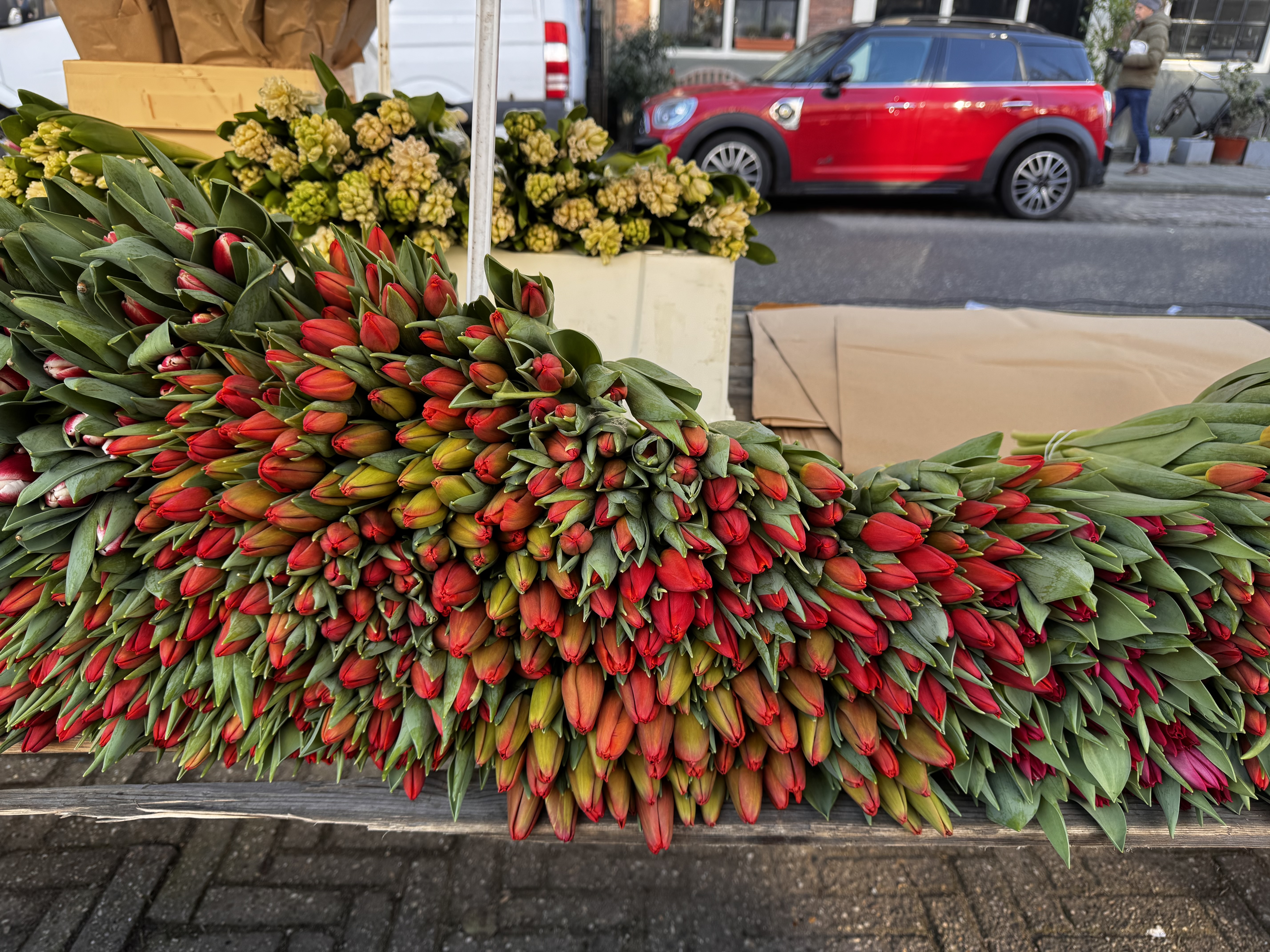
A vibrant display of red and green tulips stacked on a market table, with a blurred background featuring a red car and boxes of flowers.
It’s tulip season again (photo: Sharon O’Dea)

A Wall Street Journal story caught my eye this week, showing a striking gap between how much time CEOs claim AI is saving them, and how little difference it’s making to working lives for everyone else. Which makes sense: if you’re senior enough, saved time comes back to you. If you’re not, it just creates space for more tasks to rush in and fill the gap in your to-do list.

It’s a useful test for most things we currently label as “progress”. AI. Trust initiatives. New ways of working. Not whether they sound impressive, but who actually gets the gains. This week I found myself on both sides of that equation.

This week at work

The work that actually landed this week reinforced how new doesn’t always mean shiny — and the most interesting work often happens in the gaps nobody’s quite bothered to map yet. We’ve been working with a client on preparing their internal content for an agentic-first future, which sounds like the sort of consultant waffle that should come with a health warning but actually just means: what happens when your systems stop passively sitting there like well-meaning idiots and start doing things with your content? Making decisions. Taking action. Possibly developing opinions about your governance framework. It’s been genuinely exciting to think through. The sort of work that makes you sit up slightly straighter because it feels like you’re operating at the edge of something that hasn’t quite settled yet, which is either thrilling or deeply unnerving, depending how your week’s going.

Predictably, it’s also reinforced the least fashionable truth in comms: none of this works without solid foundations. Clear content. Sensible structure. Agreed ownership. The boring stuff. The stuff that makes people’s eyes glaze over in workshops. It was never about the tools, and it still isn’t.

I also read the Edelman Trust Barometer this week, found myself increasingly irritated by the conclusions, and wrote about it for Strategic. The response suggested I wasn’t alone in my scepticism. There’s something about the annual ritual of treating a global perception survey as if it were both diagnosis and cure for trust that reliably sets my teeth on edge. Plenty of people agreed with my view that we shouldn’t be too quick to congratulate ourselves on employers being the most trusted institution: it’s only because we’re the least worst in a world where everything’s gone comprehensively to shit. Edelman’s prescription — “trust brokering” — might make communicators feel momentarily useful, like we’ve been handed a purpose and a tote bag, but we’re not in any position to fix fractured societies through great workplace facilitation and a really solid Q&A format. Lots of nodding along in the LinkedIn comments, which is always reassuring (if slightly depressing).

On the book promo front, I recorded a conversation with Chris Brennan from Cofenster, an AI video company for internal comms. Regular readers will know I’m something of a workplace video sceptic. A words person. A face for text. Too old for TikTok. I resent something being shoved into a one-minute video when a single sentence would do the job, sitting there in its tab demanding my undivided attention like a needy bastard. People have limited time, limited attention, and often limited reason to care — and video is a particularly demanding format if you get it wrong. Which, let’s be honest, most people do. Despite all this barely-suppressed hostility, we found ourselves agreeing on more than we disagreed on: video has a place, but only when it’s intentional, respectful of time, and actually good. AI can help with that. It can also automate the production of absolute drivel at industrial scale, so, you know.

Also this week

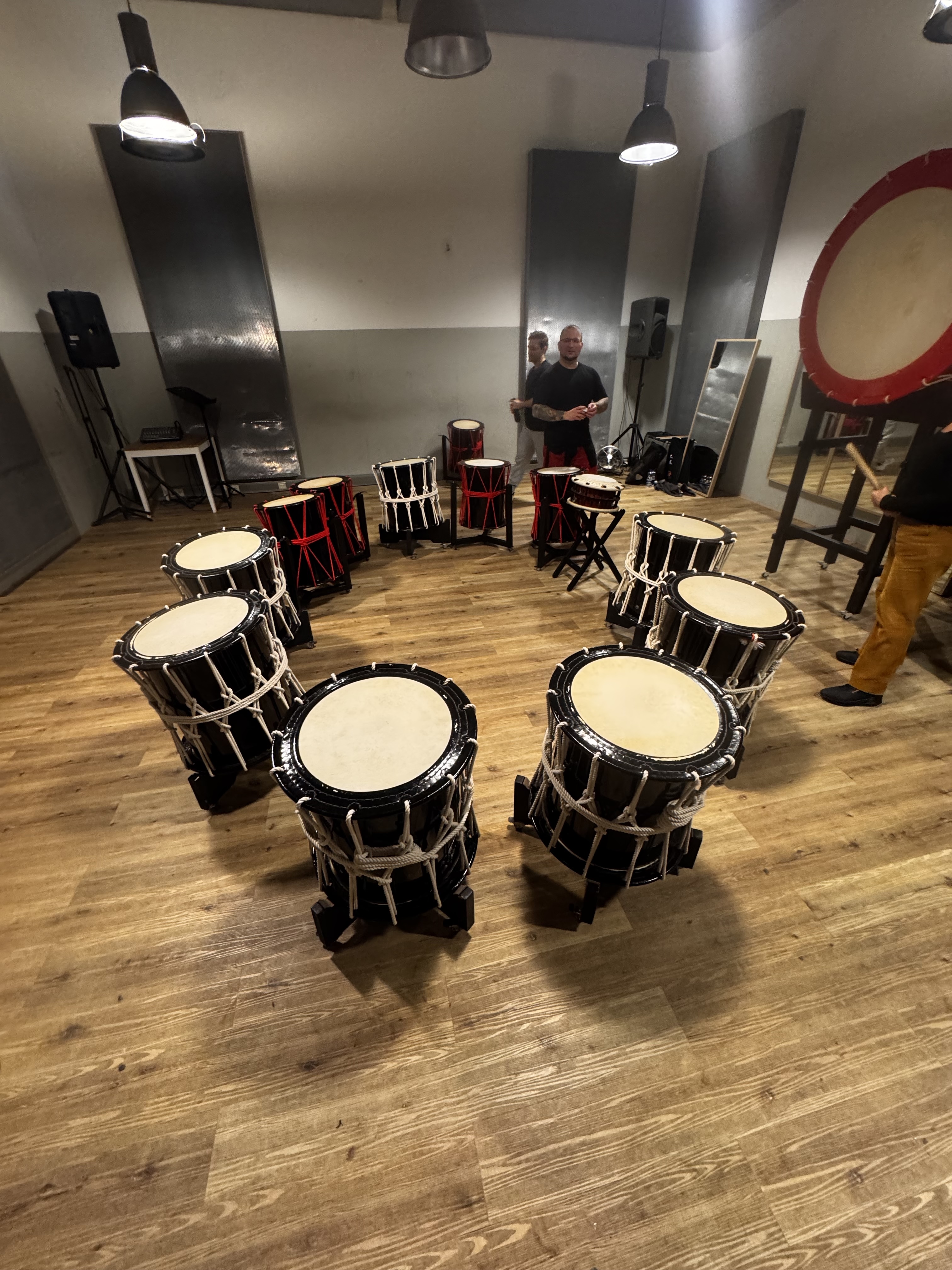
Off the back of the taiko drumming workshop I did in Japan, I signed up for a class here in Amsterdam. Extremely fun, deeply physical, and unexpectedly calming — all rhythm, coordination and collective focus. I will absolutely be drumming again.

I was also delighted to get confirmation that we’re bringing 300 Seconds back to Camp Digital this year. This will be our fourth outing: five-minute talks from first-time speakers, showcasing new voices and perspectives. Camp Digital is always an absolute corker — smart, thoughtful, genuinely cross-disciplinary — and I love that it consistently makes room for people who don’t usually put themselves forward for a conference stage. If you manage or mentor talented people who have something to say but might not yet see themselves as “speakers”, please nudge them in our direction.

I’m especially chuffed to see Jane Bowyer, one of last year’s 300 Seconds speakers, appearing on the main conference agenda this year — exactly the outcome this format is designed to create. Huge thanks to the Nexer Digital team for carving out space for this again. Manchester in May: firmly in the diary.

All of which put me in a suspiciously good mood — the kind that briefly convinces you you’re on top of things. Feeling unusually competent, I made the classic error of assuming this was a good moment to finally deal with my expenses.

And in a stunning personal breakthrough: I cracked them. With AI’s help. This is not a small thing. I hate admin. I am catastrophically terrible at expenses. My avoidance of them has been a recurring source of low-level stress and occasional quiet despair. The sort where you lie awake at 3am wondering if HMRC has a special category for “tax evader through sheer incompetence and avoidance.”

But this week, I finally built myself a system that works with my brain rather than against it. And for once the efficiency actually benefited me.

Some context: I am in the unfortunate position of being both dreadful at admin and having a complex financial life. Businesses and homes in two countries, multiple currencies and accounts, frequent travel. A combination that lends itself not to calm quarterly expense management but to spreadsheet paralysis and elaborate procrastination, usually involving reorganising the kitchen.

For years, the problem wasn’t the maths. It was the ‘activation energy’. Too many receipts, too many edge cases, too much scope to get something slightly wrong and then feel dreadful about it for weeks. So instead of trying (again) to “be better at expenses” — a resolution that has failed me annually since roughly 2012 — I built a system that does the thinking with me.

The result: a task I’d been avoiding for months got done in a morning, and I could stop feeling guilty and stressed about it.

And this, I think, is the bit that often gets missed in the AI efficiency conversation. AI can make us more efficient — but only if we’re allowed to keep the gains. In irritants removed. In tasks genuinely finished. In stress not carried around for weeks and keeping you awake at night. And sometimes, if you’re lucky, in the ability to take that reclaimed time or money and reward yourself with something tangible — like booking a holiday and remembering what it feels like to be slightly ahead of your life rather than chasing it.

(If you also hate doing expenses, there’s a short note at the bottom of this post on how I did this myself.)

Consuming

Like much of the UK, I have been completely gripped by The Traitors. This is the first time in years I’ve curtailed an evening out with friends on purpose so I could be home at a specific time to watch a television programme as it was broadcast. All round, it’s top-notch TV: pacey, absurd, psychologically vicious, and impeccably cast. I now have no idea what to do with my evenings now that it’s finished. I suppose I could go back and watch the first three series, which I somehow failed to get around to at the time — a rare luxury, discovering you’ve accidentally stockpiled excellent television.

At the other end of the spectrum, I read On Tyranny: Twenty Lessons from the Twentieth Century, which I picked up after hearing Timothy Snyder speak last week. It’s a short read, but a bracing one — and it feels especially urgent given events in Davos and the US this week. Not exactly comfort reading, but the sort of book that sharpens your thinking and makes it harder to wave away things you’d rather not look at too closely.

Coverage

Jonathan and I popped up on Mike Klein and Janet Hitchen’s Navigating Disruption podcast, talking about the present (and alleged future) of work. It was a genuinely refreshing conversation, mostly because it refused the usual Anglo-Saxon rut: endless RTO discourse, a light dusting of AI panic, and everyone pretending the “future of work” is being drafted in a WeWork somewhere between London and San Francisco.

This episode was recorded with me in Japan, Janet and Jonathan in two different UK cities, and Mike in Iceland — which rather made the point for us. Work is already global, hybrid, mobile and messy; the debate just hasn’t caught up. With Mike about to head to India for a study visit, we talked about demographic realities that completely reshape the problem statement: Japan’s rapidly ageing population and shrinking workforce, versus India’s surge of young people joining the workforce faster than jobs can be created. The “future of work” isn’t a singular. It’s a patchwork — and a lot of it is already happening.

We also ended up, inevitably, back in our home territory: comms and digital channels are still designed around an outdated archetype of the Western office worker, while real organisations are a mix of employees, contractors, outsourced teams, mobile workers, and people in places where the power and wifi don’t behave reliably. The challenge isn’t “how do we boost engagement?” so much as “how do we enable people to do good work, wherever and however they’re doing it?”

A note on how I finally did my expenses (without hating every second)

As mentioned above, I’ve finally cracked expenses with AI’s help. And I’m sharing the approach in case it’s useful to other admin-haters out there.

Realising that what was stopping me getting this job done was the combination of data entry and detail-orientation, I experimented with building a custom agent to do it for me.

  • I used AI as a patient, non-judgemental admin assistant, not as an accountant. I fed it photos of receipts, bank statements, and my often rambling explanations, and asked it to turn those into the exact structured format I needed to submit to my accountant.
  • I didn’t just dump everything in and hit go. I worked one statement at a time, sense-checking the outputs, confirming accuracy, and correcting it where needed.
  • Each pass made the agent better. I tweaked the instructions as I went — clarifying rules, edge cases, VAT treatment — so it gradually learned how my finances work.
  • I gave it the rules once (what counts as a business expense for me, what needs explanation, what doesn’t) and reused that context.
  • I asked for very specific outputs: itemised lists, totals, and notes I could paste straight into my spreadsheet
  • Crucially, I stayed responsible for the final check. It reduced the load; it didn’t absolve me of responsibility.

And doing that means a task I’d been dodging for far too long finally got done. Even the fiddly little ones I’d previously have decided weren’t worth the. effort.

The broader lesson (for me, at least) is that AI is at its most useful not when it’s doing flashy, impressive things, but when it removes friction from the tasks you dread, so they actually get done.

This week in photos

Weeknote 2026/03

Night view of a historic clock tower beside a canal, with illuminated buildings and street lamps in Amsterdam.
Amsterdam, again (photo: Sharon O’Dea)

This week involved a disconcerting amount of physical reality.

People materialised in actual rooms. Ideas escaped their Google Docs and did things to other humans in real time. Work happened in ways that required shoes—sometimes even presentable ones. Collaboration, usually a distributed affair mediated by timestamps and emoji reactions, briefly acquired mass and occupied three-dimensional space. It was all very analogue, in that faintly unnerving way analogue things are when you’ve forgotten they exist.

I hadn’t quite realised how thoroughly my working life now exists as a theoretical proposition rather than a physical practice until this week gently but firmly dragged me back into corporeal form.

This week at work

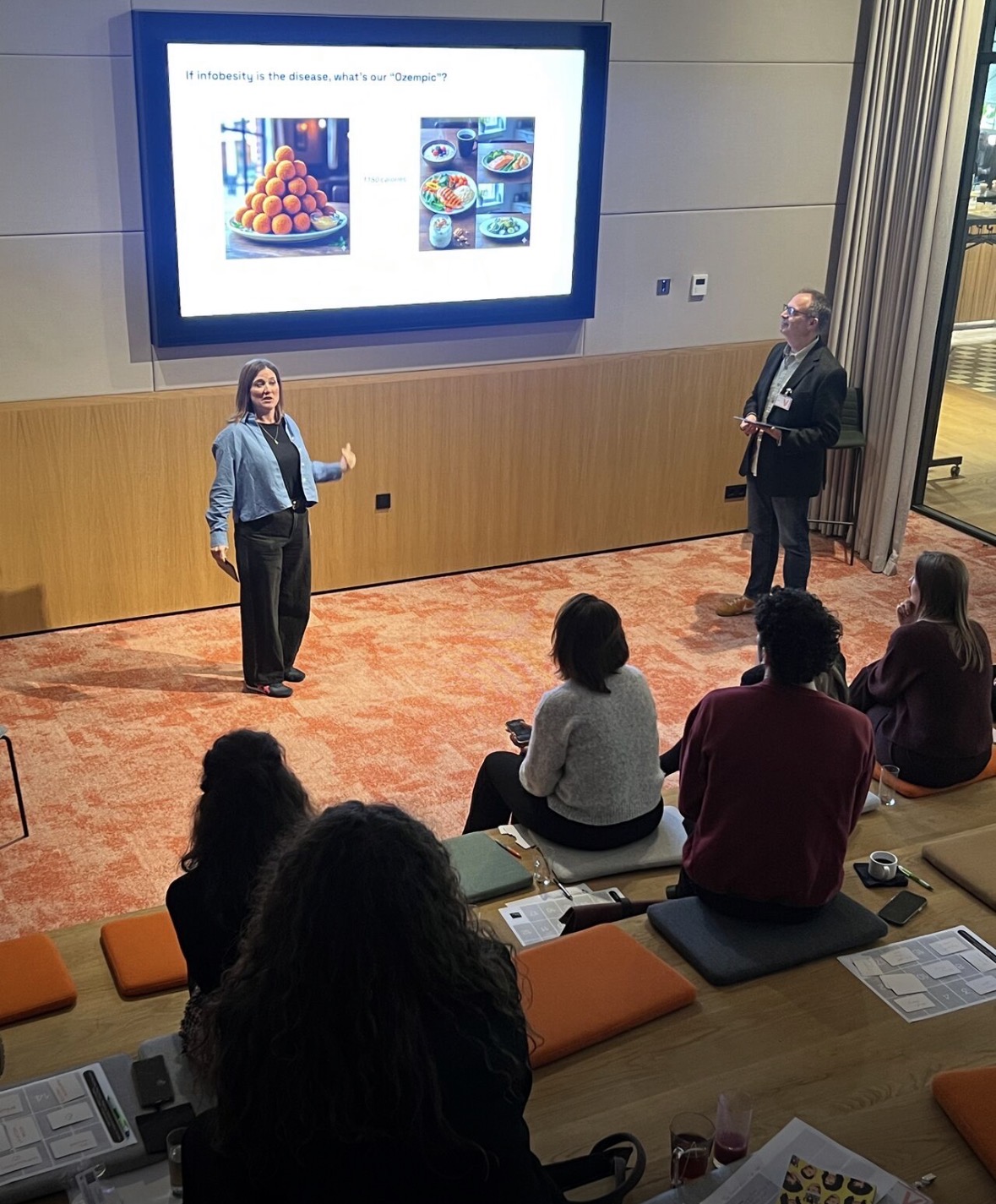
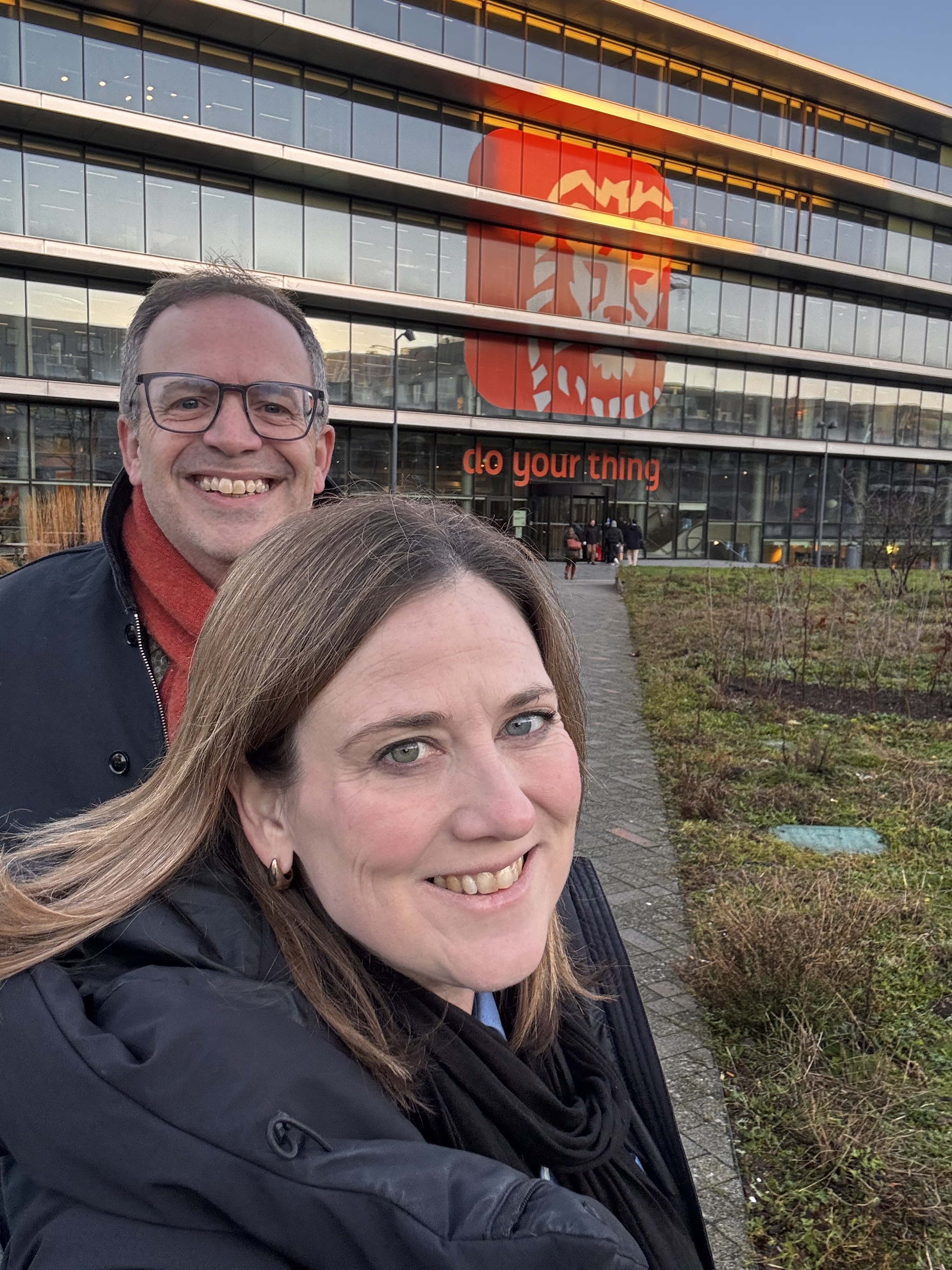
We delivered an ‘infobesity’ workshop with Swoop at ING—their term for information overload, and a very good one, which resonated immediately with me, a middle aged woman who has tried and failed at every diet known to (wo) man.

The morning brought together a collection of comms people from pleasingly complex organisations. And I’ll admit it: I love running workshops. The architecture of ideas, the careful choreography, that electric moment when something actually lands in a room full of people who’ve heard everything before. It went well. People were open, honest, collaborative, generous with their ideas and tolerant of our extended metaphors. And that’s the best I can hope for.

It was also my first public outing of the “Infozempic” concept, which I’d been nursing like a potentially embarrassing joke at a wedding. The collective intake of breath when I said it—that visceral ohhh—was gratifying in a way that probably says something unflattering about me. The metaphor hit a nerve. Possibly because everyone’s drowning and I just named the water.

A presenter speaks to an audience during a presentation about obesity, with images of food displayed on a screen behind her.
Me at the workshop this week. Photo: Gemma Saint

The feedback was effusive enough that I immediately carved out time to write an extensive blog post on the same theme. Yes, responding to a workshop about information restraint by producing more information is ironic in a way that would make Alanis Morissette weep. But when an idea has heat, you chase it. Better a considered piece written in the moment than another half-arsed thread abandoned at 11pm.

With Jon in town for the workshop, we seized the opportunity to tick off two remarkably adult tasks. First: professional photographs. Despite speaking daily across international borders, we’ve somehow amassed approximately zero visual evidence of existing in the same postcode. Given the book’s imminent arrival, it seemed prudent to acquire proof that we’re not an elaborate catfishing scheme before journalists start asking reasonable questions about whether we’ve ever actually met.

Second: actual strategic planning for book promotion. We discussed what we want to say, who might conceivably care, and how to avoid becoming just another desperate voice howling into the digital void come launch day. The bar is low, but we’re hoping to clear it.

Mid-week brought a pitch to a potential new client. Early omens were promising, which means we’re now in that delightful purgatory between “I think that went well?” and “now we wait while they ghost us or don’t.”

Simultaneously, we’re spinning up two new projects, doing the unglamorous but essential work of actually understanding the organisations before swanning in with hot takes. It’s the bit that doesn’t make for good anecdotes, but it’s where most projects are quietly sentenced to success or failure.

And the book continues its stately procession through the publisher’s approval machinery, advancing without us like a child you’ve sent off to university. It’s oddly pleasant and faintly unsettling to watch something you’ve made take on independent life, trundling along tracks you’re no longer steering.

Also this week

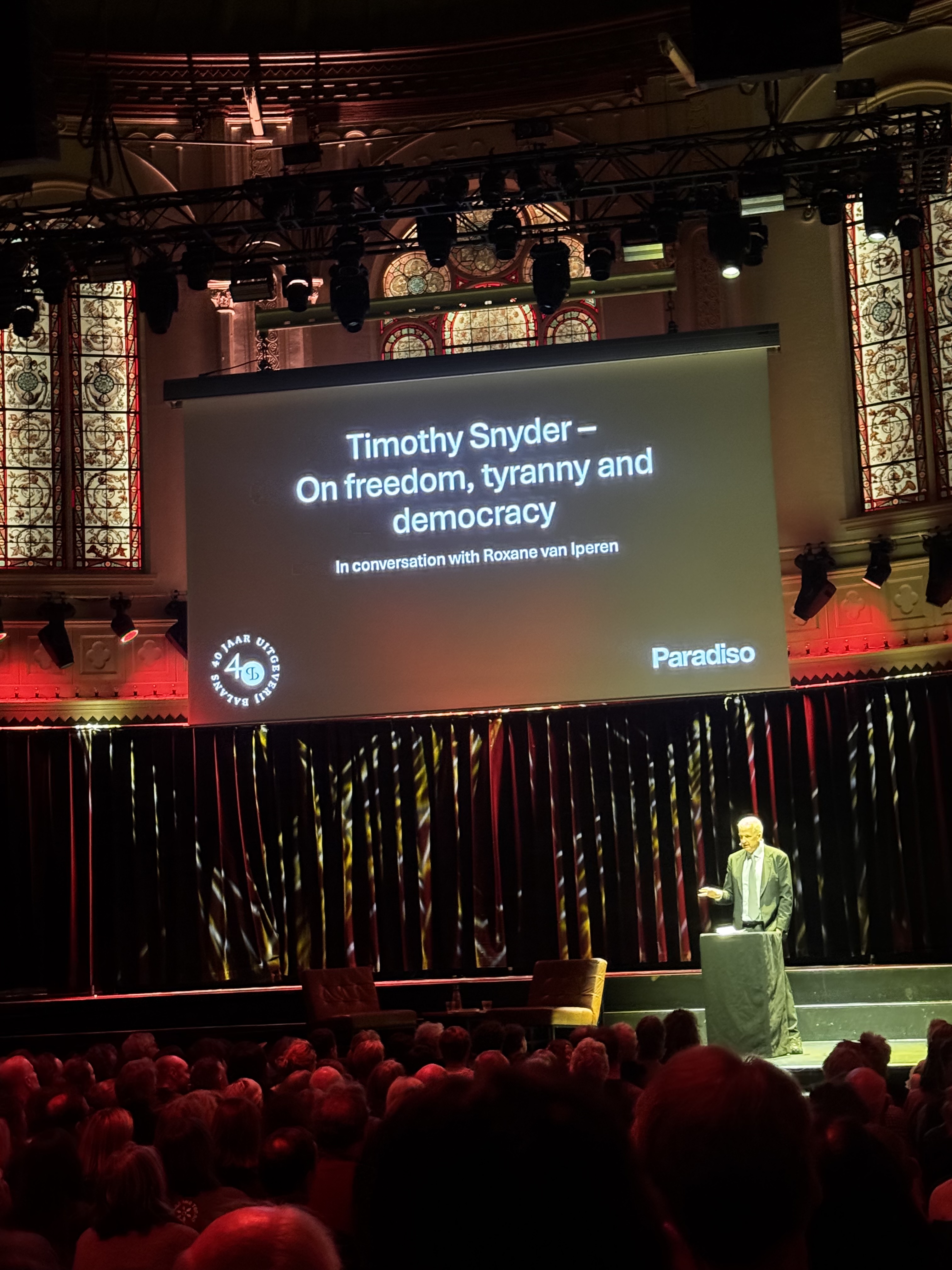
I also went to hear Timothy Snyder talk about tyranny and freedom, which is exactly the sort of thing a normal person voluntarily does on a weeknight. I left genuinely uncertain whether I felt enlightened or simply more anxious about everything—probably both, which I suspect was rather the point. He positioned Ukraine not as just another crisis to scroll past between doom updates, but as the philosophical hinge point for Europe. No pressure.

A speaker, Timothy Snyder, is presenting on the topics of freedom, tyranny, and democracy at an event in Paradiso, with Roxane van Iperen in conversation. The background features a large screen displaying the event details and an audience is visible in the foreground.

What lingered was his insistence that resistance requires an actual vision of what you’re for, not just what you’re against. Freedom, properly understood, isn’t just the absence of interference—that thin, negative American definition—but the conditions that let people become what they want to be. Europe, he noted, practices this reasonably well while barely mentioning it, which leaves us ideologically underprepared when someone shows up to actively dismantle it.

The framing stuff was grimly compelling: Trump understanding sovereignty purely as property rights, immigration as pretext for building an unaccountable federal force, oligarchy and surveillance capitalism aligning beautifully with authoritarianism. None of it felt theoretical. All of it had the unfortunate coherence of something that’s already happening, which—Snyder argued—is exactly what makes it resistable if you can see the pattern.

He was bracingly blunt about media deference letting US presidents set Europe’s agenda days in advance. And he positioned history not as a warning label we slap on things, but as a reservoir of actual meaning alongside art and culture. Protest needs art, he said, especially now that AI can churn out infinite aesthetic slop. Human unpredictability still counts for something.

Oddly, the hopeful bit came last: talk to people in real life, including the racist uncle. Don’t try to win—plant seeds. Build coalitions with people you agree with 85% of the time, not 100%. Fascism is never defeated intellectually; you have to actually win things. Elections, institutions, minds, power.

I didn’t leave reassured. But I did leave thinking the catastrophe is at least comprehensible, which means it’s not inevitable. Small mercies.

Connections

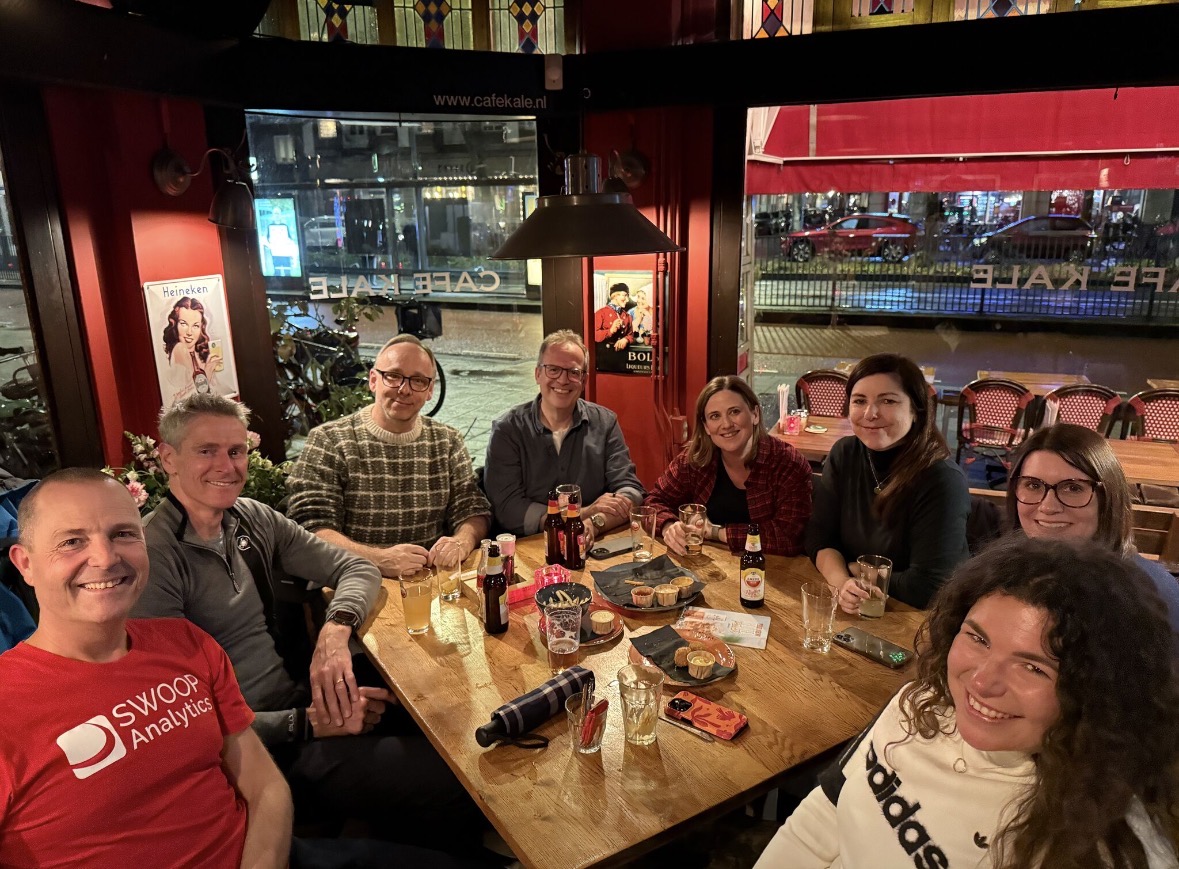
Ahead of the workshop, with Jon and the Swoop team already in Amsterdam, I did something dangerously close to networking: I organised drinks for comms and digital workplace people. Actual, three-dimensional humans gathered in a bar—a concept that still feels faintly experimental post-pandemic.

Intranerds in 3D, for once.

It was genuinely lovely meeting people I’ve known online for years but never actually stood near, plus a few I’d met once years ago, and had since reverted to being profile pictures who occasionally like my posts. Always a relief when your LinkedIn feed materialises as actual thoughtful, funny folks rather than the corporate avatars you’d half-convinced yourself they were. We complained about vendors, and I demonstrated the ancient Dutch art of eating bitterballen without incinerating your entire mouth (secret: patience bordering on the superhuman, waiting until the molten core drops below lava temperature).

Coverage

I appeared on the WB-40 Podcast this week, talking nomad working with Lisa Riemers—podcast host and regular Lithos co-conspirator. The conversation emerged after she’d read my Yearnote, specifically the bit cataloguing the increasingly ridiculous places I’d worked from last year, and decided this warranted interrogation.

Her challenge was entirely fair: just because you can work from a capsule hotel in Fukuoka doesn’t mean you should, or that anyone else wants to. What about people who need routine, a proper desk, the psychological comfort of consistency? I didn’t argue. In fact, I have a half-finished blog post festering in my drafts that’s essentially a litany of everything that doesn’t work about nomad working—the friction, the exhaustion, the endless low-level admin of simply existing somewhere new.

But that doesn’t make it pointless. Working from Japan isn’t viable for most people—it’s barely viable for me much of the time. People like me are early adopters operating at the extreme edges of what current work systems can tolerate. And that’s precisely the point. If you can make work function for nomads, you make it work better for a vastly larger group: parents, carers, people nowhere near major cities, people whose lives categorically refuse to conform to a 9-to-5 tethered to a single postcode.

We already have most of the tools. What we haven’t managed is loosening our death grip on time the way we’ve started—barely—to loosen it on place. Until we do, we’ll keep extracting a fraction of the potential value while excluding far more people than necessary. But at least we’ll all be in the office on Tuesdays.

This week in photos

Weeknote 2026/01

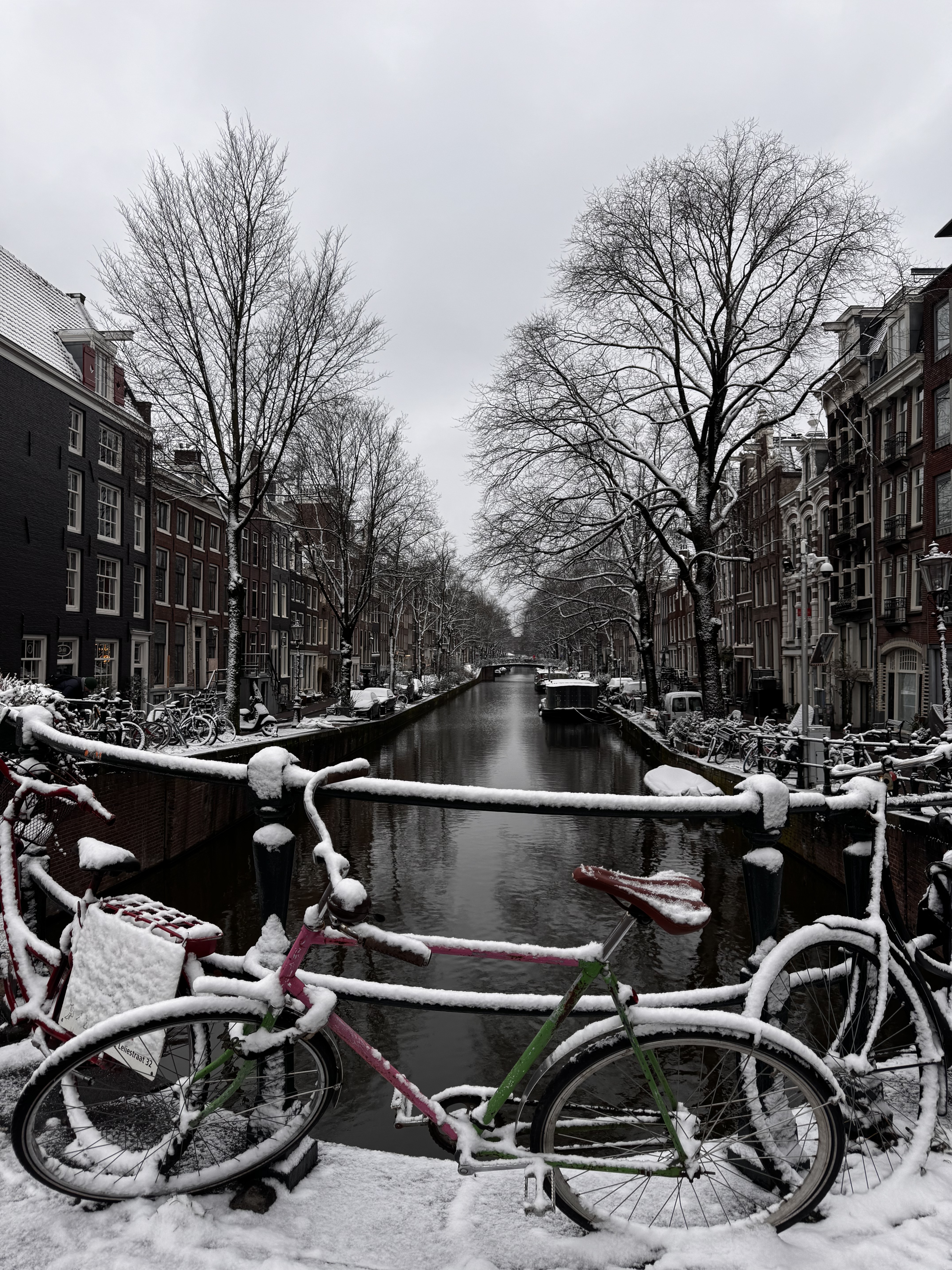
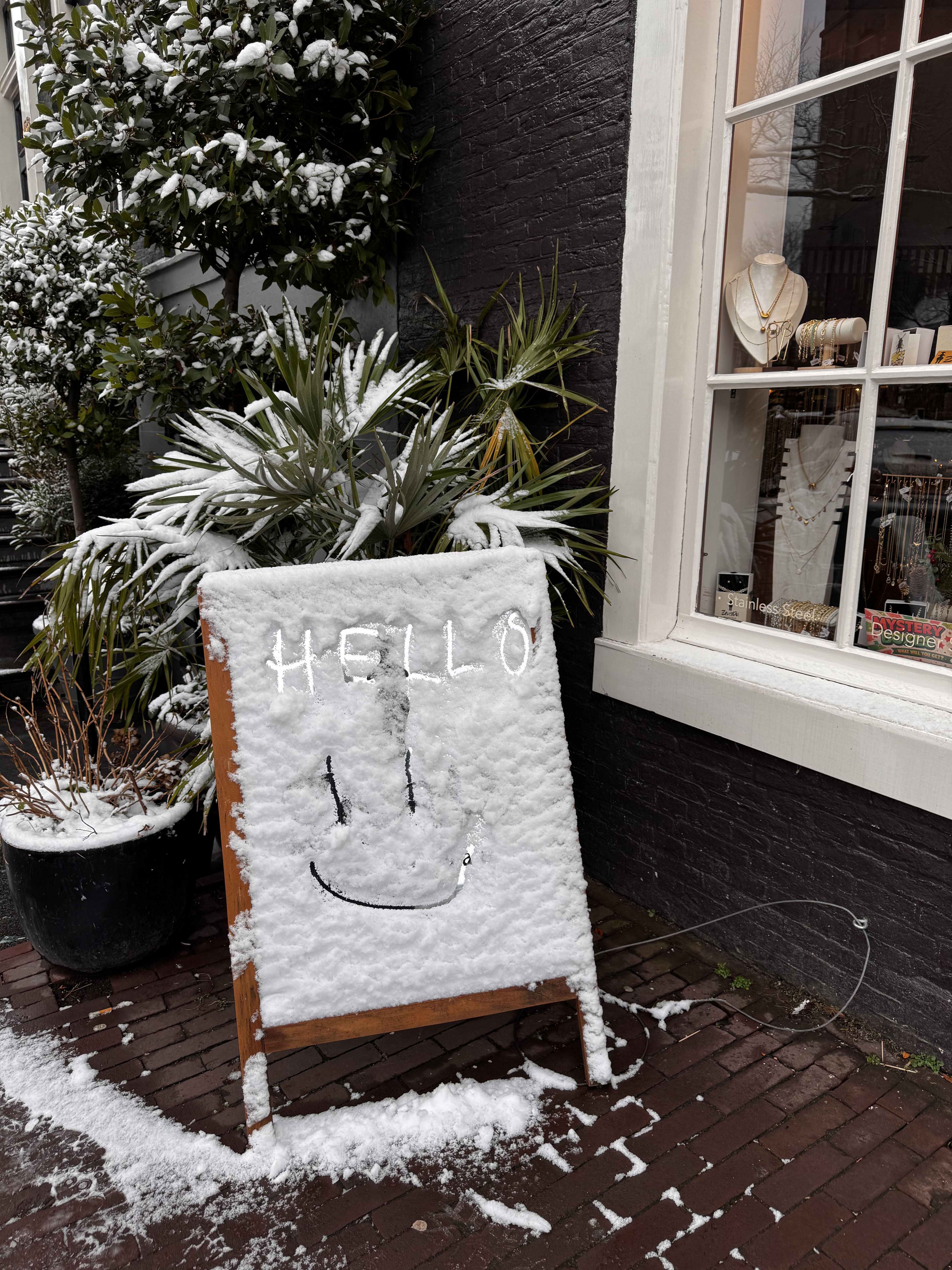
Snow-covered street in Amsterdam featuring traditional Dutch architecture, parked cars, bicycles, and a canal lined with boats.
Snowy Amsterdam this week (photo: Sharon O’Dea)

Amsterdam was briefly hit by snow this week, which meant Schiphol ground to a halt and the city centre instantly transformed into an ice rink — if ice rinks also had surprise downhill sections and the occasional canal waiting to claim you. Crossing bridges became a daily exercise in risk assessment, dignity management, and knowing when not to rush.

It turns out this was a fairly accurate metaphor for the rest of the week: a lot of careful progress on unstable ground, a strong urge to keep control, and the uncomfortable realisation that at some point you have to stop edging forward and just… let go.

This week at work

A week largely spent hovering around the finish line, circling it like someone who suspects there might be a trap if they actually cross.

On the book, we made what are, on paper, the final edits to the last three chapters before re-submitting. Final in the technical sense, if not the psychological one. At the same time, we’ve been working with a designer to redraw all the diagrams, replacing our pedestrian PowerPoint efforts with something professional and consistent. There’s something faintly unsettling about seeing ideas you’ve kicked about for years rendered cleanly and decisively, in a way that suggests permanence. These are no longer drafts. They are artefacts.

We also met with our editor to talk about what happens next, which turns out to be the moment where the existential weight really lands. I could keep editing forever. There’s always a word that could be better, a paragraph that could be tightened, a clarifying sentence that could be added to pre-empt a reviewer who exists solely in my imagination. Letting go doesn’t feel like confidence so much as surrender — an acceptance that at some point clarity has to trump completeness, if only for my sanity.

There’s also the uncomfortable realisation that once it’s out there, it’s no longer for us. People will read it in contexts we can’t control, bring their own histories and irritations to it, misunderstand parts, skim sections we laboured over, and quote back lines we barely remember writing. This is, I’m told, normal. It does not make it easier.

Finishing a book isn’t a clean, triumphant moment. It’s a long, slow uncoupling from something you’ve been holding very close. You don’t stop because it’s perfect. You stop because at some point you have to say: this is as good as I can make it, for now. Then you step away and hope it does something useful in the world.

Alongside all that emotional restraint, Jon and I are running an in-person workshop with senior internal communicators next week, so we spent a couple of days working through the mechanics and flow. I love this part: pitching to the right level of seniority, designing something people can genuinely take back to their teams, and making the most of the energy and dynamics of a room rather than pretending workshops are just slide decks with chairs. We also started playing around with a new model which we’re going to preview.

We hope people like it. We hope we still like it once it’s been stress-tested by a room full of smart, sceptical people.

We’ve also had a few sniffs of new business, which meant a couple of quick-turnaround proposals. I always underestimate how much work these take, despite all available evidence. We don’t do rinse-and-repeat proposals, which is the right thing intellectually and the worst possible decision from a time-management perspective. Each one eats at least half a day: thinking properly, costing honestly, and tailoring it to the actual problem rather than the imaginary one the client thinks they have.

This work then disappears into the void, where it may return as a polite rejection, a prolonged silence, or — in the best-case scenario — a win that arrives just late enough for me to have emotionally written it off. I am currently choosing to believe this week’s efforts will not go down in history as some of my finest examples of beautifully formatted disappointment.

Also this week

Several years ago I bought a gorgeous dress for a friend’s wedding. Somehow, while it sat at the bottom of the laundry basket waiting to be hand-washed (for months), it acquired a bleached-out patch — a stain impossible to hide or remove. What followed was a familiar pattern: two further years of sincere promises to take it to a repair café or a tailor, immediately broken by doing absolutely nothing.

Then I spotted an upcycling workshop and signed up. Partly because I’m trying to do more things this year that don’t involve staring at my phone. Partly because I’m committing to buying less fast fashion and dealing more honestly with the clothes I already own.

And so I spent two hours painting my dress.

It was genuinely fun. Meditative, even. I’m not entirely sure the end result is something I will ever wear in public, but it does now exist as a different thing — rescued from the purgatory of I’ll deal with that later.

I remain available for events that feel emotionally robust enough to cope with a hand-painted frock.

Consuming

I am now fully, unashamedly hooked on The Traitors, to the point that I am cancelling other plans when it’s on, as if it were a non-negotiable diplomatic engagement rather than a reality TV show involving cloaks, candlelight, and breakfast-based psychological warfare. This week’s Rachel/Fiona clash alone was worth rearranging my life for. Emerging victorious, Rachel not only survived but materially raised the reputation of Heads of Comms everywhere: calm under pressure, forensic with language, and quietly letting the other person talk themselves into a hole. A masterclass in stakeholder management, reputational defence, and the art of saying very little while meaning everything. It remains a perfect study in group dynamics, overconfidence, and the human tendency to mistake confidence for competence — all set in a Scottish castle and edited like a gothic thriller. I remain obsessed and will not be taking questions at this time.

I also caught Nuremberg at the cinema, which is exactly my sort of thing: a psychological thriller wrapped in historical drama. Russell Crowe is surprisingly compelling as Göring — likeable in a way that is deeply unsettling and psychologically awkward to experience as a viewer. You’re constantly aware that this is wrong, that you’re being pulled into the charm, intelligence and humanity of someone who absolutely should not be humanised — and that tension is arguably the film’s most interesting achievement. Richard E Grant is reliably excellent. A slightly hammy performance from Rami Malek tips parts of it into unintended absurdity, which is a shame, because the Crowe-led psychological unease deserved a steadier hand. Still, I was entertained, albeit in a slightly morally conflicted way.

On Saturday afternoon, my pal Lauren and I went to see It’s Never Over, Jeff Buckley, an achingly beautiful retrospective of a beautiful man. The film is patient and unsensational, refusing the usual shortcuts of myth and tragedy. Instead, it assembles Buckley slowly — through archive footage, answering machine messages, and the intensity of people who clearly loved him — allowing his sensitivity and seriousness about the work to surface in their own sweet time. It’s exactly as he deserves.

It dismantled a lot of what I thought I knew about him Yes, he was Tim Buckley’s son, but Buckley Senior was an absent dad. And no, Jeff Buckley did not die as part of the cursed “27 Club”. What’s left is not a doomed-prodigy narrative, but a portrait of someone still figuring things out. The film sent me straight back into a Grace rabbit hole — an album I played on repeat in my teenage bedroom — and listening now, older and theoretically wiser, I’m struck by how much we smooth artists into symbols once they’re gone, and how much more painful it is to meet them again as people.

That same recalibration landed again this week, ten years exactly since David Bowie died. He released Blackstar on his birthday and then, days later, performed what may be the most David Bowie manoeuvre imaginable: he died and retroactively changed the album’s entire meaning. Overnight, something wilfully strange and opaque snapped into focus as a controlled exit. Not just an album, but a final piece of stagecraft.

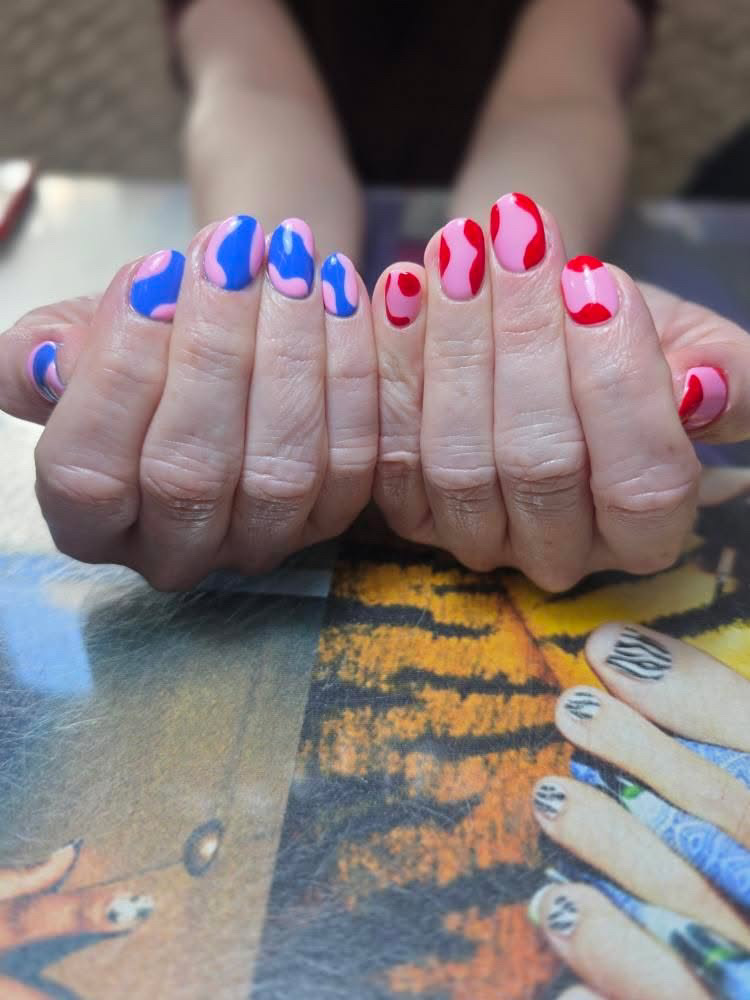
I’d forgotten how destabilising that shift felt — how every lyric suddenly became a clue, every image a message delivered late. On the walk from the nail bar to work, sporting these frankly epic Bowie-inspired nails, I put Lazarus on for the first time in years. Which is how I ended up crying in the street. Not because it’s clever or iconic, but because meaning has a habit of arriving late, and without checking whether you’re ready for it.

A close-up of neatly manicured hands displaying a variety of nail designs, including a shiny silver, black with a star, and a white nail featuring a red and blue lightning bolt.
My David Bowie-tribute nails. Design by Magda at Lakwerk.

Coverage

Reworked published a piece this week, showcasing me as one of their Contributors of the Year, which is a very generous way of saying: she has a lot of thoughts and keeps writing them down.

I’ve really valued having Reworked as a home for my writing. The discipline of a regular outlet forces me to finish thoughts rather than letting them linger as half-formed LinkedIn posts that should, frankly, have been paragraphs — or occasionally not posted at all. Writing is partly my job, but mostly it’s how I make sense of an industry that keeps promising salvation via tools, platforms, and dashboards, while quietly making everyone more tired.

I also work largely on my own, so publishing is a useful alternative to standing in my kitchen muttering about governance, notifications, and why “engagement” continues to do an implausible amount of conceptual heavy lifting. I’m grateful to Reworked for giving those thoughts a place to land — and to everyone who reads, disagrees, or sends a message that begins with “this made me feel less mad”, which remains one of the highest forms of professional praise.

An excuse — not that one was needed — to keep writing in 2026. See you next week.

This week in photos
Weeknote 2025/52

A person wearing a festive Christmas sweater with a snowman design and a Santa hat, smiling in front of a beautifully decorated canal lined with holiday lights and ornaments.
What ChatGPT thinks Amsterdam looks like at Christmas. It does not look like this.

A low-drama week, light on novelty, heavy on retrospection, turkey, Brussels sprouts, gravy, and the slow erosion of self-control via Lindor balls. Editing the book, revisiting earlier decisions, and discovering — once again — that momentum leaves a visible trail. Christmas did the rest.

This week at work

Final edits on the book, which turned out to be less of a victory lap and more of a bracing encounter with our past selves.

After handing in the last three chapters, I looped back to the beginning and immediately felt it: the first couple of chapters were… fine. Competent. Sensible. But slightly anaemic. Somewhere along the way Jon and I had clearly loosened up, found our rhythm, and started writing like People With Opinions. The second half has energy, confidence, and a voice. The first half sounded like it was still asking permission.

So this week was about corrective surgery. Trimming the flab. Replacing polite vagueness with the language we actually use. Making sure the opening chapters don’t just explain things correctly, but explain them like us.

It turns out momentum is visible on the page — and so is caution. This week was about choosing the former, retrospectively.

Also this week

Honestly, not much. It was Christmas, so the days blurred into a perfectly pleasant loop of over-indulgence, leftovers, and vague time-blindness.

I did manage a spin class on Christmas Day, which allowed me a brief but intense bout of moral superiority. It passed quickly, as these things should.

Consuming

📺 Watching

The Muppets Christmas Carol and Elf. As is right and proper.

Coverage

Reworked named me one of their Contributors of the Year, which was a genuinely lovely thing to land just as the year wound down.

At the start of the year I made myself a small, specific commitment: one piece for Reworked every month. No grand strategy — just a regular prompt and a place to think in public. I managed 11 out of 12, which given I also managed to write an entire book I’m unreasonably pleased with.

I’ve really enjoyed having that rhythm: a clear outlet, a monthly theme, an intelligent audience, and enough editorial constraint to stop me disappearing down my own rabbit holes. I’d like to get my Red Hot Opinions in a few more outlets next year.

This week in photos
Weeknote 2025/51

A nighttime view of traditional Dutch buildings lining a canal in Amsterdam, illuminated by warm lights, reflecting off the water.
Christmas week on the Prinsengracht. Photo by me.

Today is the shortest day of the year. Winter’s nadir. The moment the light turns back in the right direction, however grudgingly.

I find winter utterly miserable at the best of times, and this year more so for having skipped the opening act by being in Japan, only to return and take the full European version in one concentrated hit. It’s faintly reassuring to know that, technically, things improve from here, even if January and February — the grimmest months — are still very much ahead.

Still, direction matters. And as it happens, this week has been full of looking back at moments that felt bleak, uncertain, or poorly timed at the time — and recognising them, with the benefit of distance, as the point at which things quietly started to turn.

From here on in, it gets brighter.

This week at work

We kicked off a new project with a new client, which is always a small thrill. We have a fairly standard approach to kick-off meetings — getting clear, early, on who actually needs to be involved, what we’re trying to achieve at a high level, realistic timelines, and the immediate next steps that stop everything dissolving into “we’ll come back to that”.

What’s exciting about this one is the ambition. The brief talks openly about building an AI-ready — even AI-first — communications infrastructure. But crucially, there’s a shared recognition that none of that will be achieved by simply bolting on new tech and hoping for the best. Instead, the foundations are the unglamorous but essential things: well-managed content, clarity on roles and responsibilities, and governance that enables rather than constrains. Get those right, and you create the conditions for a genuinely flexible, hyper-personalised channel ecosystem — one that adapts to people’s needs, preferences and ways of working, rather than forcing everyone through the same narrow funnel.

I’m already very excited about making this real. Proof, if any were needed, that I am a massive nerd.

Less exciting: the inevitable end-of-year admin scrum. Last-minute requests, frantic emails, and invoicing going right down to the wire. Very much the yin to the project work’s yang.

And while we submitted the final three chapters of the book last week, this week marked the start of the second review pass — looping back to the opening chapters to tidy, tighten and make sure the full narrative holds together as a coherent whole. Less triumphant finish line, more careful stitching. Which, in many ways, feels about right.

Also this week

It marked ten years since I left my job, with nothing to go to, a few days before Christmas. At the time it felt reckless, frightening, oddly calm — and also inevitable. The kind of decision that only makes sense once it’s already been made.

It felt like the right moment to reflect properly on what happened, how it felt then, and what’s unfolded since. So I wrote a short series of three blog posts: not a triumphalist origin story, but a more honest account of discomfort, drift, relief, uncertainty — and the slow accumulation of orientation rather than any single turning point.

Here’s the three posts

The response has been… a lot. The comments have been generous, but it’s the DMs that have really been on fire. So many women saying how closely it mirrors their own experiences: the erosion of confidence, the sense of being managed out rather than supported, the quiet calculation that leaving might be less costly than staying.

On the one hand, it’s reassuring to know I’m not alone. On the other, it’s deeply depressing that this pattern is so common — and that so many talented, experienced women end up circulating through the freelance market not out of burning entrepreneurial ambition, but because organisations make it structurally and culturally difficult for them to remain. Not a talent pipeline so much as a slow leak.

In London this week, I went to the annual Christmas Carol fundraiser for The Food Chain — a small but vital charity providing nutritional support to people living with HIV. The charity was formed in 1988 by a group of friends who simply delivered Christmas dinner to people living with HIV, who faced stigma and loneliness as well as as the illness.

The service struck a thoughtful balance: a lovely choir, extremely enthusiastic singing from me and friends, a genuinely funny speech from Jay Rayner (the charity’s patron), and a more sombre one from the CEO on why this work still matters — even now, when HIV is clinically manageable but inequality, isolation and food insecurity remain.

Somewhere between the carols, the message about feeding the hungry, and the sheer warmth of it all, it finally put me in a Christmas mood.

Consuming

📺 Watching

In what has now become an annual tradition, I hosted my Feminist Film Club. The format is simple: we re-watch a classic film and drink whenever we spot an instance of problematic behaviour. It is, as methodologies go, robust.

Previous years have seen us reassess Love Actually through a feminist lens (spectacularly problematic; blind drunk) and Pretty Woman (surprisingly progressive; mild surprise all round).

This year, we tackled Dirty Dancing. And to my surprise holds up remarkably well. Bodily autonomy. Class politics. A woman allowed to want things, choose things, and not be punished for it. A quietly feminist film hiding inside a watermelon-based cultural memory.

We still got drunk, obviously — it was the weekend before Christmas. But it was a genuinely lovely girls’ night in, equal parts cultural critique and joyful nostalgia.

Connections

Also in London, I caught up with fintech OGs Sarah Kocianski and Harriet Allner for lunch and the traditional end-of-year ritual of putting the world to rights.

A close-up selfie of two women smiling at the camera, with a blurred background of bright overhead lights.
With Sarah Kocianski this week

Coverage

My latest piece appeared in Reworked this week. This month’s editorial theme — next-generation self-service — finally gave me the excuse to write something that’s been brewing ever since I first came across Jamie Bartlett’s idea of “techno-admin”.

The piece isn’t really about self-service so much as the quiet redistribution of administrative work onto employees. Technology doesn’t remove the work; it just relocates it — updating records, fixing errors, navigating opaque systems — all framed as empowerment, and rarely acknowledged as labour.

I argue that genuinely next-generation self-service should reduce admin rather than disguise it, designing around human reality instead of system convenience.

Travel

My trip to London marked my last trip of the year. According to Flighty, that makes 59 flights in 2025 — which is bad, even by my standards. A frankly unhinged amount of time spent hurtling through the sky, drinking tiny cups of bad coffee and being a #LoungeWanker.

But here’s the strange bit: for the first time in… I don’t know, a couple of years? I have no travel booked. Nothing pencilled in. No flights lurking ominously in January.

It feels deeply unnatural. Like I’ll wake up like the mum in Home Alone with the sudden realisation I’ve forgotten something important.

Until then, I’ll enjoy being gezellig at home with my favourite people. Merry Christmas, Fijne Feestdagen to you and yours.

This week in photos
Weeknote 2025/50

A collection of vinyl records displayed on a shelf, featuring album covers from various artists including Sepultura and Suicide Silence.
Amsterdam Vinyl Club this week Photo by me.

This week had a strong clearing space energy to it.

Not in the sense of bold new beginnings or fresh starts, but in the quieter, less Instagrammable way: finishing things, tidying edges, and letting go of what no longer needs to be carried forward. Less about acceleration, more about reduction.

French writer and fellow airport departure lounge regular Antoine de Saint-Exupéry wrote that perfection is achieved not when there is nothing more to add, but when there is nothing left to take away. That line kept resurfacing for me this week, not as an abstract ideal, but as a practical reality. Editing rather than drafting. Removing rather than accumulating. Accepting that some things have done their job.

Some of that showed up as work. Some of it looked suspiciously like procrastination. Some of it was simply recovery after intensity. All of it, in one way or another, was about making space.  Mentally, professionally, and occasionally quite literally.

This week at work

We submitted the final three chapters of Digital Communications at Work. After months of living with these ideas — in offices, airports, trains, hotel rooms, borrowed desks, co-working spaces, OneNote thought-dumps, half-finished Notes apps, a thousand Teams chats, Slack messages, voice notes, screenshots of whiteboards, comments in Word, comments on comments, and the occasional “I’ll remember this later” (I did not) — the moment of pressing send on the email to the publisher was an odd mix of momentous and underwhelming.

The chapters focus on the unglamorous but decisive end of the digital workplace lifecycle:

  • Launching channels — not as a moment, but as a process. How organisations communicate value, build habits, and avoid the familiar post-launch fade where “new” quietly becomes “ignored”.
  • Measurement and management — moving beyond vanity metrics and zombie stats towards evidence that actually helps teams make better decisions, course-correct, and earn trust over time.
  • What’s next — less about shiny tools, more about the slow forces reshaping work: demographic change, automation, trust erosion, and what all of that means for internal communication as a profession.

The book is no longer hypothetical. It exists now as something that has to survive editing, disagreement, and the uncomfortable process of being read by people who weren’t in my head when I wrote it.

Also this week

With a book deadline looming, I indulged in a familiar form of productive procrastination and cleared out my wardrobe.

It’s a decade since I left my last corporate job. The pandemic killed off the corporate suit for me and, it appears, consulting more generally. And yet some things had been hanging in there for years — not because I wore them, but because of what they might one day be for.

Maybe I’d go back into corporate. Maybe future-me would finally be that person.

On the floor lay the ghosts of a life past… and a few imagined futures that never quite happened.

There was also something telling about how easy it was to part with things that are now too big — a decisiveness I notably did not show in the opposite direction.

Undeniably work avoidance, yes.  But also an oddly appropriate companion to a week spent finishing a book about legacy, change, and what we choose to carry forward.

Consuming

📺 Watching

After a week of intense writing, thinking, and deadline-brain, I deliberately switched my higher functions off and let television do its thing.

I watched the entire second series of Welcome to Wrexham and became genuinely, embarrassingly invested in the fortunes of a football team in a town I’ve never visited and, realistically, probably never will. It’s an object lesson in narrative engineering: take stakes, characters, time, and a sense of shared jeopardy, and you can make anyone care about anything. Football is almost incidental.

And like any good Swiftie, I watched the first two episodes of the The End of an Era docuseries released on Disney+ on Friday. I was caught off guard by how emotional it made me, reliving a tour that already feels oddly historic. There’s something about watching collective experience back through a screen — tens of thousands of people moving in sync, night after night — that hits harder in retrospect than it does in the moment.

I also started knitting again — largely while watching all of the above. I’m still objectively terrible at it, but it turns out keeping my hands occupied is an effective way to stop myself doom-scrolling through the credits. Parallel processing, but make it wool.

🎧 Listening

In a similar spirit, my listening was entirely functional rather than aspirational. A heady mix of cheerful pop and various flavours of ADHD Focus Music on Spotify — deployed less for deep work than for emotional regulation. Not taste so much as task support.

Connections

Earlier in the week, I met up with my old mate Peter Morley, now Head of Communications at AI infrastructure darling Nebius. He filled me in on life inside a company in genuine hypergrowth; I filled him in on the correct way to eat bitterballen.

Peter also introduced me to a former Nebius colleague, Anna Fedosova, who’s now building an HR startup tackling an achingly familiar problem: keeping policies and compliance current across multiple geographies and fast-changing legislation.

I took a selfie afterwards but, in my haste, failed to check whether my eyes were actually open in it. In retrospect, a fairly accurate metaphor for the week ahead.

Three friends smiling for a selfie in a warmly lit urban setting with holiday decorations.
Peter, Anna and me (with my closed eyes fixed by Google Gemini with a surprising degree of competence)

Coverage

I appeared in two industry publications this week, both circling a familiar theme: cutting through noise.

In InComms, I shared practical advice on making LinkedIn work for you without becoming beholden to the algorithm — focusing on voice, format, and visibility that serves real professional goals rather than platform theatrics.

And in HR Grapevine, I contributed to a piece looking beyond the usual AI-heavy trend forecasts for 2026, arguing instead for closer collaboration between HR and internal communications, and for designing change that people can actually understand and act on.

Travel

I was home all week, which felt not just pleasant but extremely necessary. No trains, no airports, no tactical packing.

This coming week I’m heading to London for a couple of meetings — my final trip of the year. I’ve got a little slack in the diary, so shout if you’re around and fancy a cuppa.

This week in photos
Weeknote 2025/49

A modern building with large glass windows and a surrounding plaza, featuring a prominent evergreen tree. People are walking around the area under a partly cloudy sky.
London trying its best to look festive this week. Photo by me.

I keep coming back to the same realisation this week: the future of comms isn’t just more digital. It’s more structurally complex.

Not more tools in a tidy stack. Not smarter systems in a neat ecosystem. But messier audiences, overlapping loyalties, porous identities, and workplaces that no longer contain people in the way they once pretended to. Add AI, video overload and algorithmic confidence into the mix and you don’t get clarity. You get chaos but with single sign-on.
Consider the past few days a field experiment no one asked for but everyone participated in.
This week at work

I’m currently locked in a low-grade standoff with the final chapter of the book — the one about the future of digital internal comms — which is refusing to behave like a normal chapter and instead insisting on being part travelogue, part systems theory, part group therapy session for a profession in the middle of a long, quiet identity crisis. It keeps pretending to be a chapter while actually being an accumulation of travel, interviews, unease and an unreasonable number of open browser tabs. It is, frankly, a menace.

Midweek I was back in London for the Communicate Conference, hosted by vendor Interact. It was at an Interact event, over 15 years ago, that I met my now business partner, Jonathan. So it felt oddly cyclical to be there discussing whether intranets even exist in the future.

A group of five professionals posing for a photo at an event, smiling and wearing lanyards, with a background featuring a stylish interior.
Intranerds assemble! L-R: Lisa Riemers, Suzie Robinson, me (Sharon O’Dea) looking like I’ve been Photoshopped in at the wrong scale, Chris Tubb, Steve Bynghall. Photo by Lisa Riemers.

What I hadn’t fully anticipated was how many familiar faces I’d run into who’ve been in the intranet and comms world for as long as — and in some cases longer than — I have. Which led to a steady stream of conversations that start light and get surprisingly philosophical. The shared laugh was always the same one: everything old is new again. The same overblown vendor claims we heard fifteen years ago, now wearing an ill-fitting suit called AI.

Different nouns. Same promises waiting to be broken.

But running underneath the cynicism was something much more serious. The conversations quickly turned to how the organisations we’re working with now are structurally more complex than anything we dealt with a decade ago — layered supply chains, outsourcing, platforms, regulators, global delivery, blended workforces, algorithmic management. And at the same time, the pace of change has accelerated to the point where even seasoned teams feel permanently slightly behind their own reality.

It’s a strange duality: the tech rhetoric looping, while the organisational conditions it’s being dropped into are genuinely unprecedented. Which may explain why so many “this will finally fix it” moments keep… not fixing it.

A few highlights from the conference:

Allan Tanner opened with a session on AI and the digital workplace. A quick poll showed about two-thirds of the room using generative AI weekly, but early findings from the Gallagher State of the Sector report suggest one in three are using it without any oversight, and only 40% feel confident in their skills.

What surprised me wasn’t the numbers so much as the familiarity of them. You could lift this whole section almost intact from a conference two years ago and nobody would blink. In a field that insists it’s moving at hyperspeed, that’s… odd. Is the survey already ageing in dog years? Or are comms teams simply adopting more slowly than the hype suggests?

The idea of an AI agent-first future replacing intranets floated through the room — but the awkward ownership question still hung there, unresolved. Comms? IT? HR? When everyone owns it, no one really does.

Also: we have absolutely been here before with chatbots.

The exact example used was booking leave. The endlessly cited use case where, in theory, a bot should smoothly handle what currently requires checking a team calendar, emailing your boss, verifying your entitlement, and then logging it all in some separate HR system. That was the canonical chatbot demo when I was doing a whole series of talks on this… in 2017. That’s getting on for a decade ago. If this really is an easily solved problem, we’d be living in it by now. The fact that we aren’t tells you something important.

When the tech keeps changing but the outcome doesn’t, you’re not looking at a technology failure — you’re looking at a human systems failure.

Sam Bleazard followed with employer brand as the connective tissue between HR and marketing, using Fortnum & Mason as a case study in visual storytelling and employee voice.

Then came Tom Vollmer from Cofenster with the stat that properly landed: around 23 hours of internal video uploaded every week, versus about 10 minutes actually watched. The issue isn’t underinvestment — it’s saturation. We are not video-poor. We are video-exhausted.

I fear I have crossed a generational Rubicon because I now actively resent being asked to watch a video for an entire minute. A minute of looking. Nope. I want text I can skim while emotionally elsewhere. I want bullet points, headings, and plausible deniability. Video is no longer a medium; it’s an attention hostage situation.

AI can now generate highlights, scripts and even videos from PDFs, which is undeniably impressive. But it also raises a more troubling possibility: that we’re no longer just producing noise at scale — we’re now automating it at industrial volume.
And when people can’t even keep up with the volume of information being thrown at them, it’s hardly surprising they stop engaging with it. Cognitive overload is the silent assassin of communication.

Helen Bissett shared disengagement data from Gallup that was hard to ignore: 90% of UK employees feel disengaged at work, while over 80% practise mindfulness outside of work. People are repairing themselves in their own time because work no longer does.

But this is also where I felt a quiet friction forming with some of our default assumptions. Engagement is treated as the unquestioned North Star — yet I’ve just spent weeks in Japan, a country consistently cited as having low employee engagement, alongside high levels of personal life satisfaction.

It left me, once again, with a nagging sense that we may not always be chasing the right thing.

The closing case study from AMS took an 11-page PDF innovation brief and turned it into an intranet takeover with storytelling, countdowns and discussion. Strong results. But what stuck with me was structural: AMS staff often hold dual loyalty, to the company that employs them and the client organisation they sit inside. It’s a pattern on the rise: the audience for “internal” comms is often not internal at all.

Across the day, the pattern repeated: AI, video, employer brand, purpose — all accelerating. But the deeper shift isn’t technological. It’s structural. Our audiences are fragmenting, our channels are multiplying, and the idea of a single, coherent “employee experience” is becoming more theoretical than real.

Oh, and we unexpectedly landed a juicy new client. Entirely unplanned. Entirely welcome <stares at impending HMRC bill>. All systems go.

Also this week

I went to the WB-40 Christmas dinner in London. WB-40 is a podcast about how tech reshapes work, with an associated Signal group that might genuinely be the friendliest place on the internet. It was lovely to see people properly, in three dimensions, after years of being avatars in each other’s phones.

And it left me with a question I can’t quite shake: what if low engagement at work isn’t always a failure? What if, in some cases, it’s a boundary?

It certainly maps, subjectively at least, to my own experience of the last decade. I haven’t had a “proper job” in years, and I don’t look to work for belonging, identity or community in the way I once did. Those needs are met elsewhere now — through friendships, networks, odd little internet corners, shared projects.

So if people can have rich lives, strong identities and real community without work being the emotional centre of gravity, is “more engagement at work” always the right thing to chase? Or are we sometimes trying to re-inflate a social and psychological role that work can no longer credibly carry?

That Japan contrast keeps needling at me. Maybe the problem isn’t that people are disengaged from life. Maybe they’re disengaging from work — deliberately.

Some of the most important people in my life mostly exist as glowing rectangles in my pocket. Which feels odd to admit, and yet it’s completely true.

Which made the next thing I went to this week land even harder: a talk on psychological safety with Ania Hadjdrowska — and instead of feeling theoretical, it felt uncomfortably operational.

Because in a world of hybrid teams, async work, platform hopscotch and digital performativity, psychological safety now shows up (or doesn’t) first in online behaviour:

  • Who speaks in the channel
  • Who stays silent
  • Who only reacts with emojis
  • Who disappears entirely

In remote and hybrid work, participation is visibility. Silence is no longer just silence. It’s interpreted as disengagement, resistance, risk, apathy. Often unfairly. Often reductively.

The classic barriers still apply:

  • Fear of judgement
  • Fear of exclusion
  • Fear of conflict

But digital work amplifies all three. You don’t get tone-of-voice buffers. You don’t get corridor repairs. You don’t get the quiet reassurance of eye contact after a risky comment lands badly. Everything is logged, screenshot, searchable. Mistakes feel permanent. So people calculate. And then they don’t speak.

Before the rational brain catches up, the amygdala scans for threat — hierarchy, tone, uncertainty. If it detects danger, it triggers fight, flight, freeze or fawn. No one innovates when they’re being emotionally chased by a tiger. And no one meaningfully collaborates when every contribution feels reputationally risky.

Psychological safety, as defined by Amy Edmondson, is the belief that you won’t be punished or humiliated for speaking up with ideas, questions, concerns or mistakes. Not agreement, but constructive disagreement.

That matters even more when:

  • Teams are distributed
  • Trust is assumed rather than built
  • People meet as avatars before they meet as humans
  • Employment relationships are shorter, looser, more conditional

We are asking people to be brave in systems that increasingly give them no margin for error.

The line I can’t shake is still this: silence is expensive. In digital workplaces especially, it quietly drains collaboration, learning, innovation and belonging — while looking, misleadingly, like “everything’s fine.”

And that “booking leave” example kept needling at me again. Such a small task, yet it still demands procedural obedience, reputation management, tool-hopping and emotional calibration. Multiply that across a working life and you start to see why people are tired — and why AI keeps stalling on exactly the same rocks.

Layer on the social media disinhibition effect (performance, oversharing, dunking, provocation) and it doesn’t always switch off at work. When trust thins, people retreat into safer containers: private chats, external networks, side communities. Belonging migrates. Collaboration fragments. Comms gets harder.

Consuming

(Keeping this bit short this week cos I’ve wittered on above)

Like the rest of the planet, my listening week was dominated by the release of Spotify Wrapped — the global ritual in which an algorithm holds up a mirror and everyone pretends to be surprised by what’s staring back.

Once again, mine was a window into my not-so-secret pop shame. I had solemnly vowed that Taylor Swift would not dominate my Top 10 this year. And then she went and released a banger. And Lily Allen casually dropped the confessional of the decade. What’s a woman supposed to do?

Once again, I will not be sharing my list with the wider world.

Spotify also informed me that my “listening age” is 46. I am 45 and a half, thank you very much. I refuse to be aged up by an algorithm.

Connections

Staying with the theme of where community actually lives these days, I also met up with Jenny Watts — a mainstay of another of my favourite online communities, the old FitFam crowd.

Two women smiling and posing together in a casual setting, wearing colorful clothing. In the background, a sushi restaurant sign is visible.
Jenny Watts and me

FitFam started life years ago on Twitter: a loose group of people talking about health and fitness, cheering each other on with our running times, gym attempts and “I went for a walk instead of lying face down on the sofa” victories. It was low-key, kind, and weirdly effective.

Given the descent of Twitter into a hate-filled sewer, the group’s now migrated to WhatsApp. Same people, different platform. The conversations are smaller, more honest, less performative. It’s a nice reminder that while platforms come and go, the communities that matter tend to quietly pack their bags and move together.

Another small data point in the same direction: belonging is increasingly something people build around themselves, not something work hands out with a lanyard.

Coverage

I ended up in the Financial Times this week. Which, in comms-world terms, is basically being knighted.

They shared a slice of my time in Nagasaki. Including my slightly surreal exploration of the future of work alongside a remote-controlled robot tour guide, piloted by a disabled operator elsewhere in Japan. A sentence I still can’t quite believe I get to write.

Screenshot of an article from the Financial Times featuring Sharon O'Dea discussing her experiences in Nagasaki, Japan, and insights on the future of work.
Screenshot

And yes, I am rightly smug about this. A positive mention in the FT is the biggest win you can get in this industry. It’s the comms equivalent of a Michelin star, an Olympic medal, and being retweeted by someone with an opinion column — all at once.

I will now be quietly unbearable about this for a while.

Travel

I’m going absolutely nowhere this week. An entire week without visiting an airport or getting up at the crack of dawn to catch a train. Bliss.

Next week, though, I’m back in London for the final time this year. I’m organising some drinks —  if you’re around and would like to come*, give me a bell.

*and I actually know you

This week in photos