This was one of those weeks that makes me sound far more impressive than I actually am: shiny award, marathon of book research, and — for reasons that presumably made sense once — launching a social network. From the outside: overachiever. From the inside: mostly caffeine, bad posture, and a browser with 147 tabs open.
Aristotle said excellence is a habit*. Personally, I’ll settle for a week that pinballed between dusty footnotes and the App Store. Hardly the Nicomachean Ethics, but it kept me out of trouble.
* actually he didn’t, it’s misattributed to him, but let’s roll with it.
This week at work
Some weeks crawl by with all the excitement of a damp Weetabix. Then there are weeks like this one: I won a big shiny award and launched a social network — while allegedly “writing a book” in my spare time. IKR? Truly, I contain multitudes (and also have no free evenings).
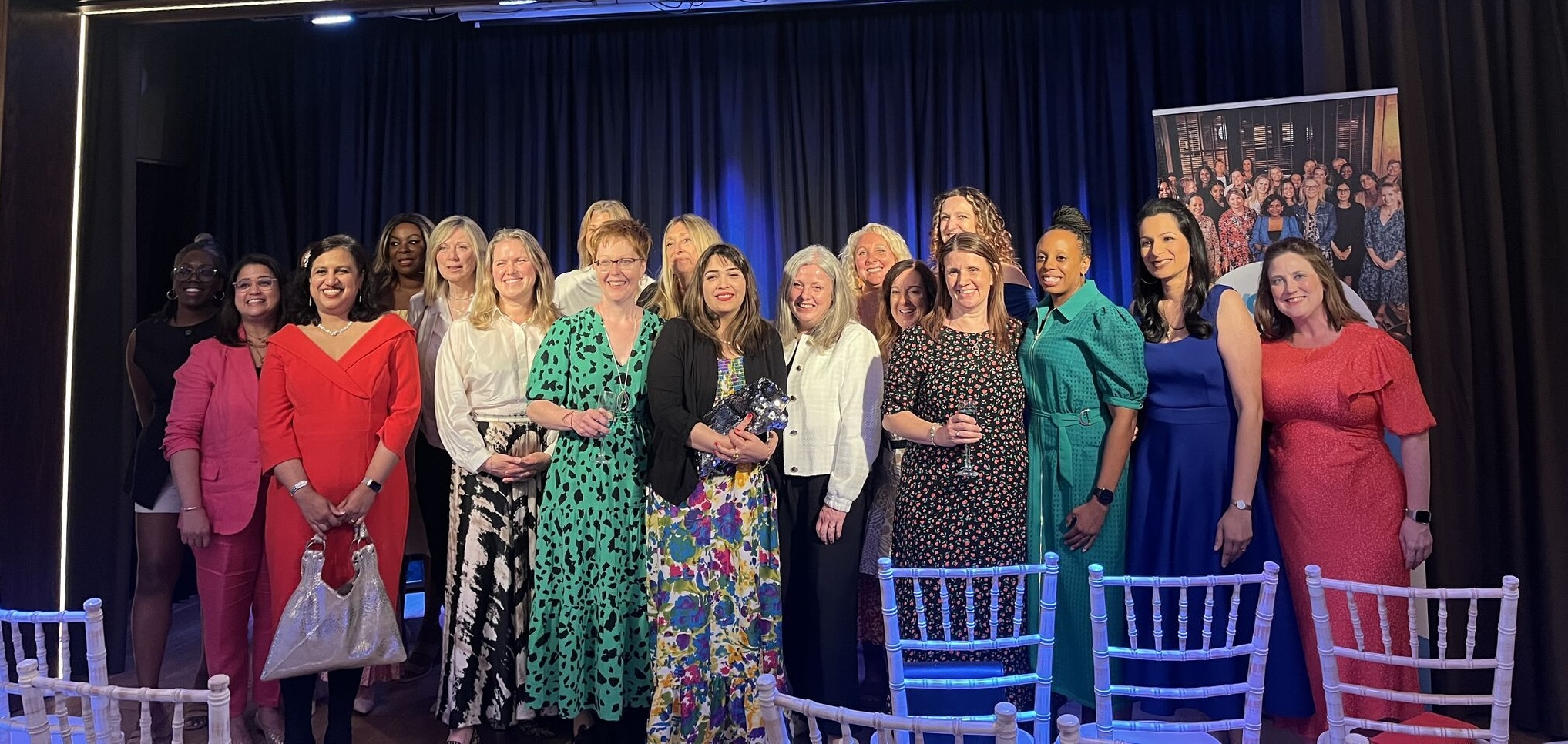
First up: the intranet we delivered for German energy company SEFE bagged a Step Two Intranet & Digital Workplace Award. This matters because, unlike so many industry awards these aren’t pay-to-win baubles dished out to whoever coughed up for a table at the gala dinner. They actually recognise… excellence. Imagine!
And this project was exactly that. We turned around an entire intranet in 100 days: config, IA, content, training, the lot. In an age where everyone is trying to duct-tape ChatGPT onto their mess and call it strategy, we did the radical thing: used humans. Actual, qualified humans, working with subject matter experts to create content that was both new and correct. Wild, I know. We binned the outdated sludge, rebuilt the lot (in two languages), and put governance in place so it doesn’t immediately rot again. Is it sexy? No. Does it work? Yes. And frankly, that’s what counts.
Bonus humblebrag: between Jon and me, that’s now three Step Two Awards. At this point we may need a bigger shelf.
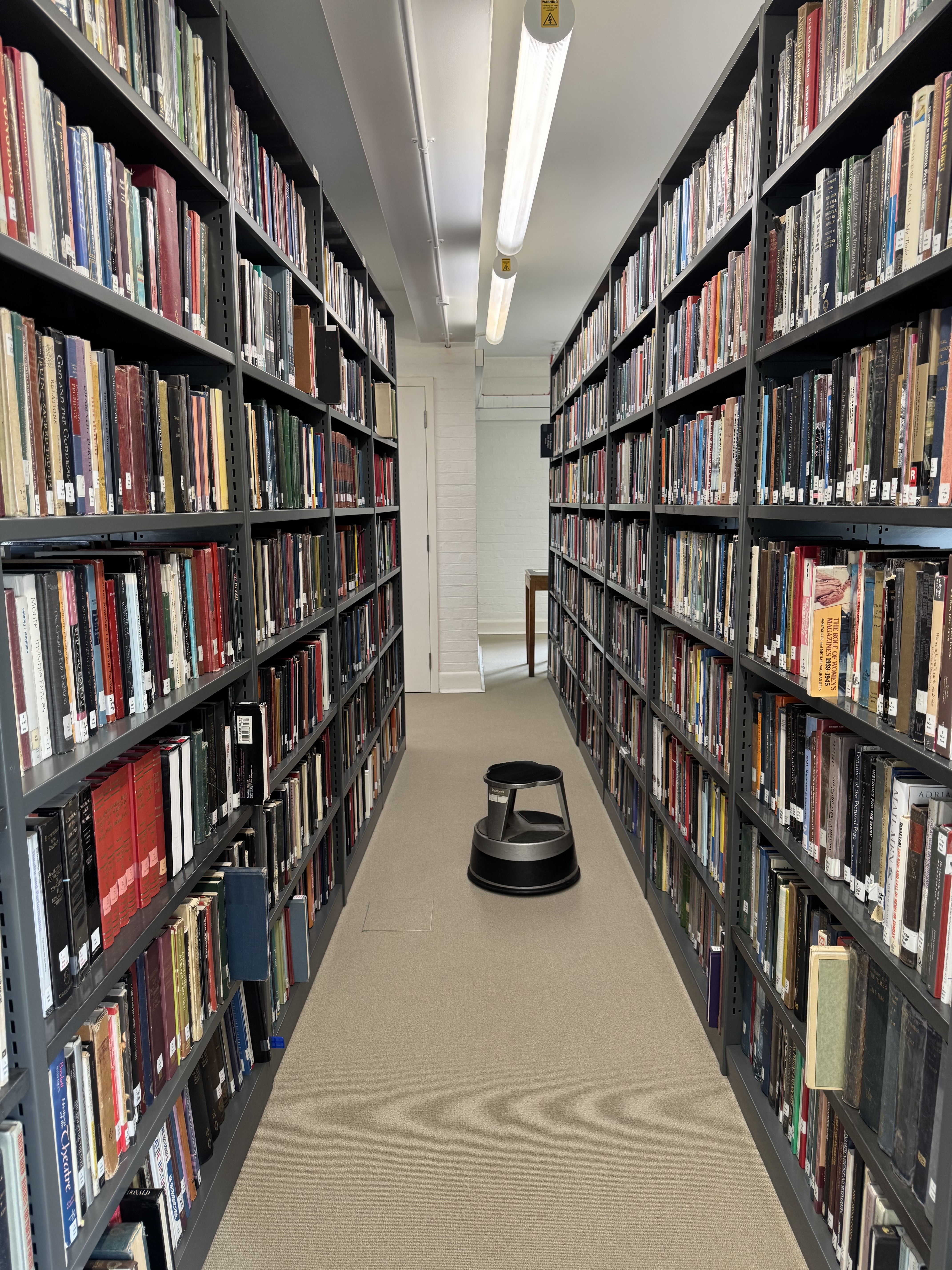
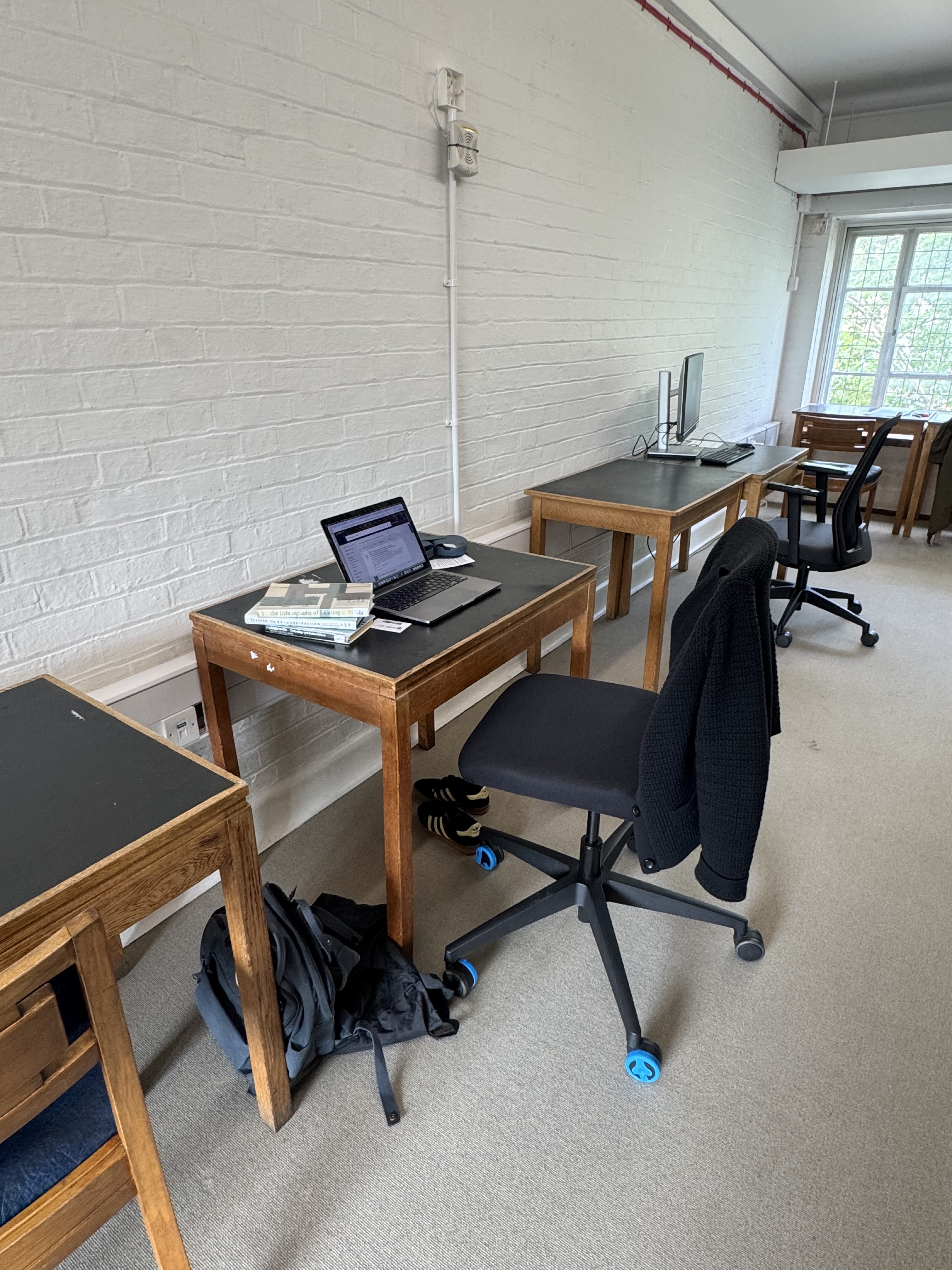
Meanwhile, I spent much of the week haunting London’s university libraries like some over-caffeinated academic poltergeist. Goldsmiths, my alma mater, has somehow become a library with almost no books. Which feels a bit like opening a pub that’s mainly vibes.
One afternoon I even wandered back to my old haunt: the 5th floor of Senate House, same desk, same view, same faint eau-de-dust. In a world of absolute batshit chaos, it’s oddly reassuring that one corner has politely refused to move on since 1976.
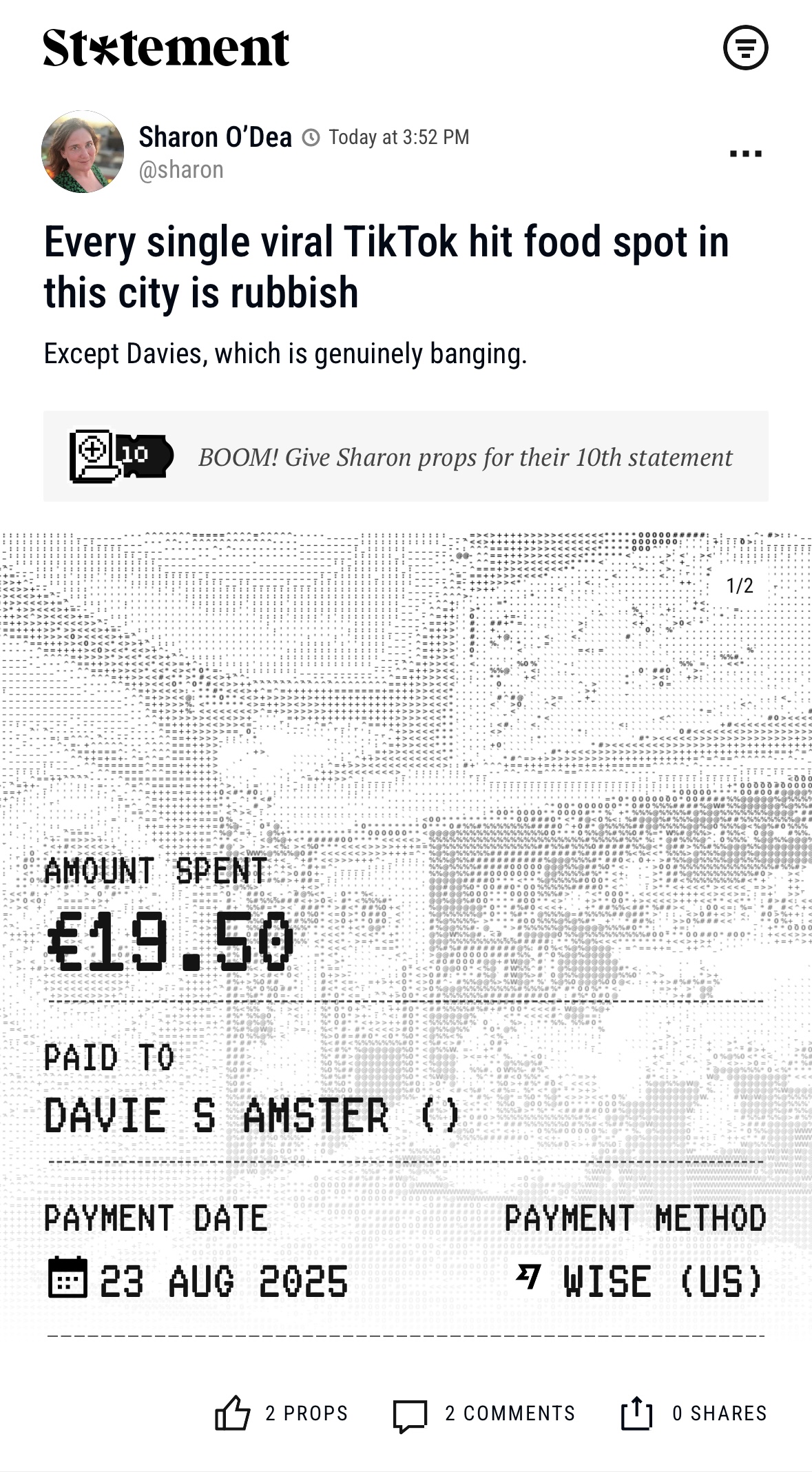
And because nothing says “healthy work-life balance” like juggling flaming chainsaws, I also launched a whole new social network. The big idea: Instagram and TikTok are increasingly full of shit, so how do you prove something actually happened? Simple. Your bank statement.
Enter Statement: Strava, but for your wallet. You securely connect your bank account, pick a transaction, and share it. It’s a social network powered by proof.
Yes, it’s early days. Yes, it’s missing about nine hundred features we’d like to add. But it looks good, it works, and it’s live in the US app stores. We’ve got a small band of early adopters making Statements and sending us feedback. If you’ve got a US iTunes account, go on, download it. Because nothing says fun like letting your friends know you really did make that 3am drunk eBay purchase.

Also this week
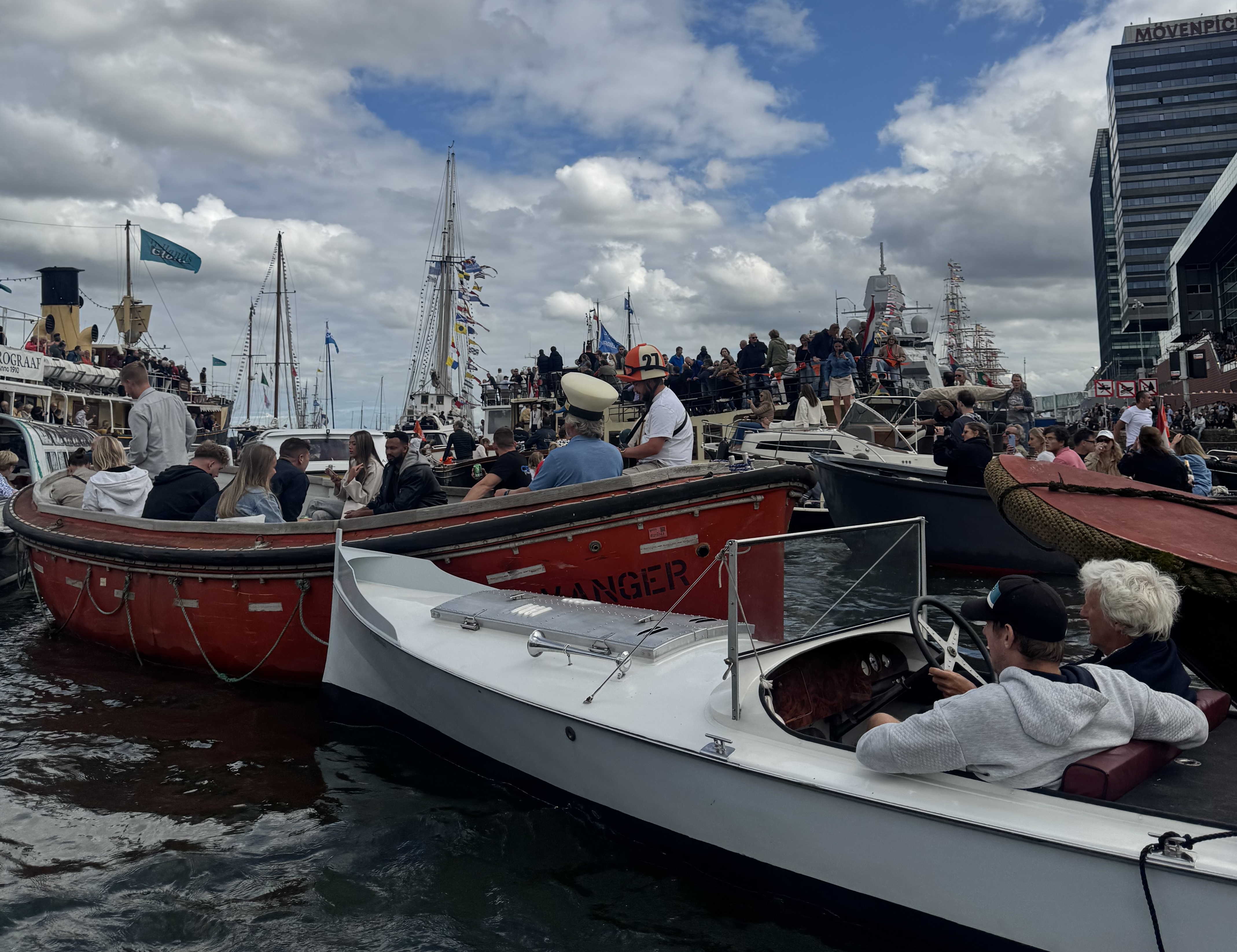
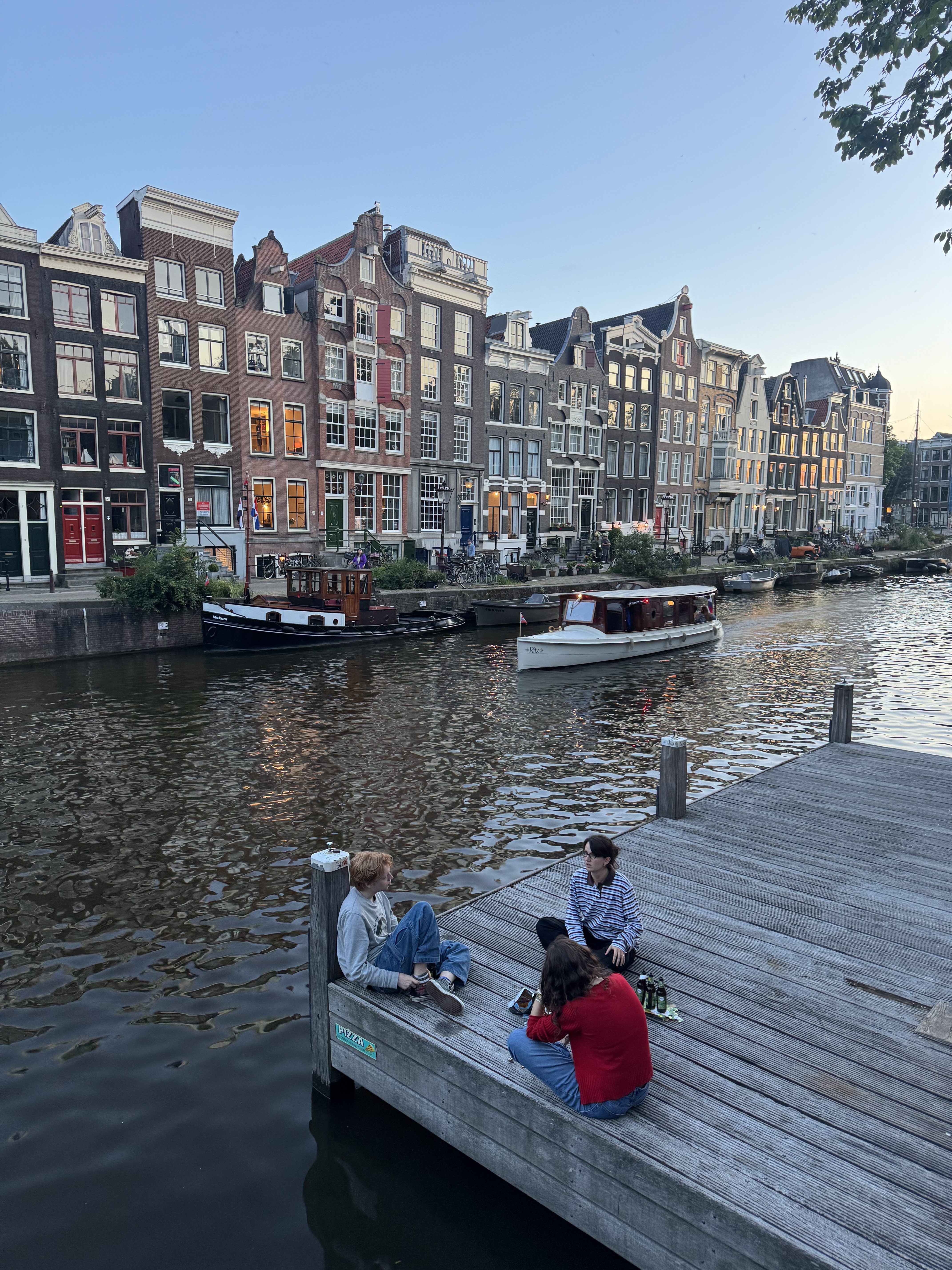
I landed back in Amsterdam just in time for the last couple of days of Sail — the floating festival where hundreds of ships gather on the IJ and the entire city decides to throw a party on the water. It’s meant to happen every five years, but thanks to You-Know-What the last one was cancelled, so this was my first. And honestly, it was magical. We hopped on a boat to get up close, which turned out to be like playing Mario Kart with actual consequences: hundreds of little vessels jostling for space, glasses clinking in the sun, the whole city afloat and slightly tipsy.


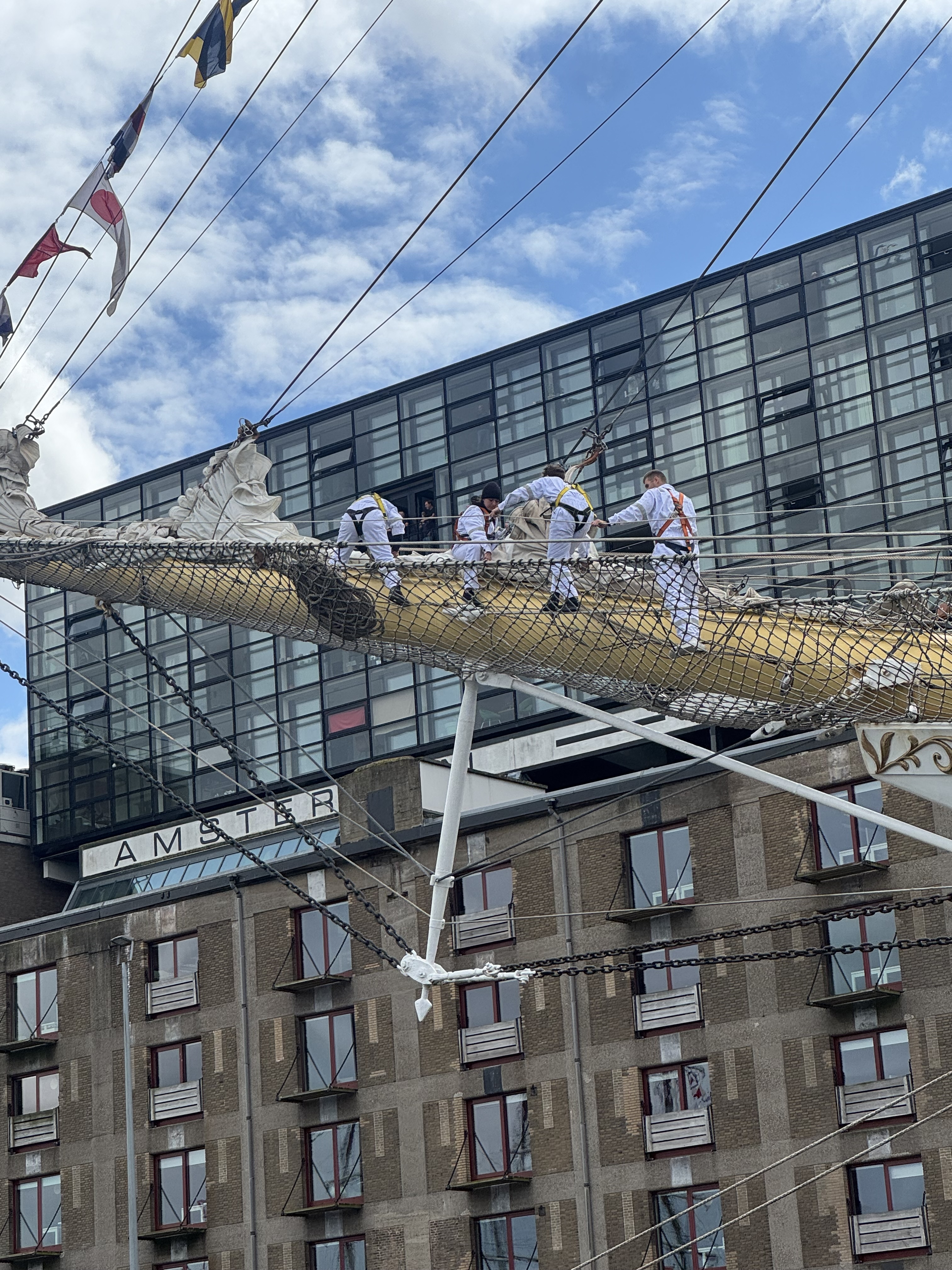


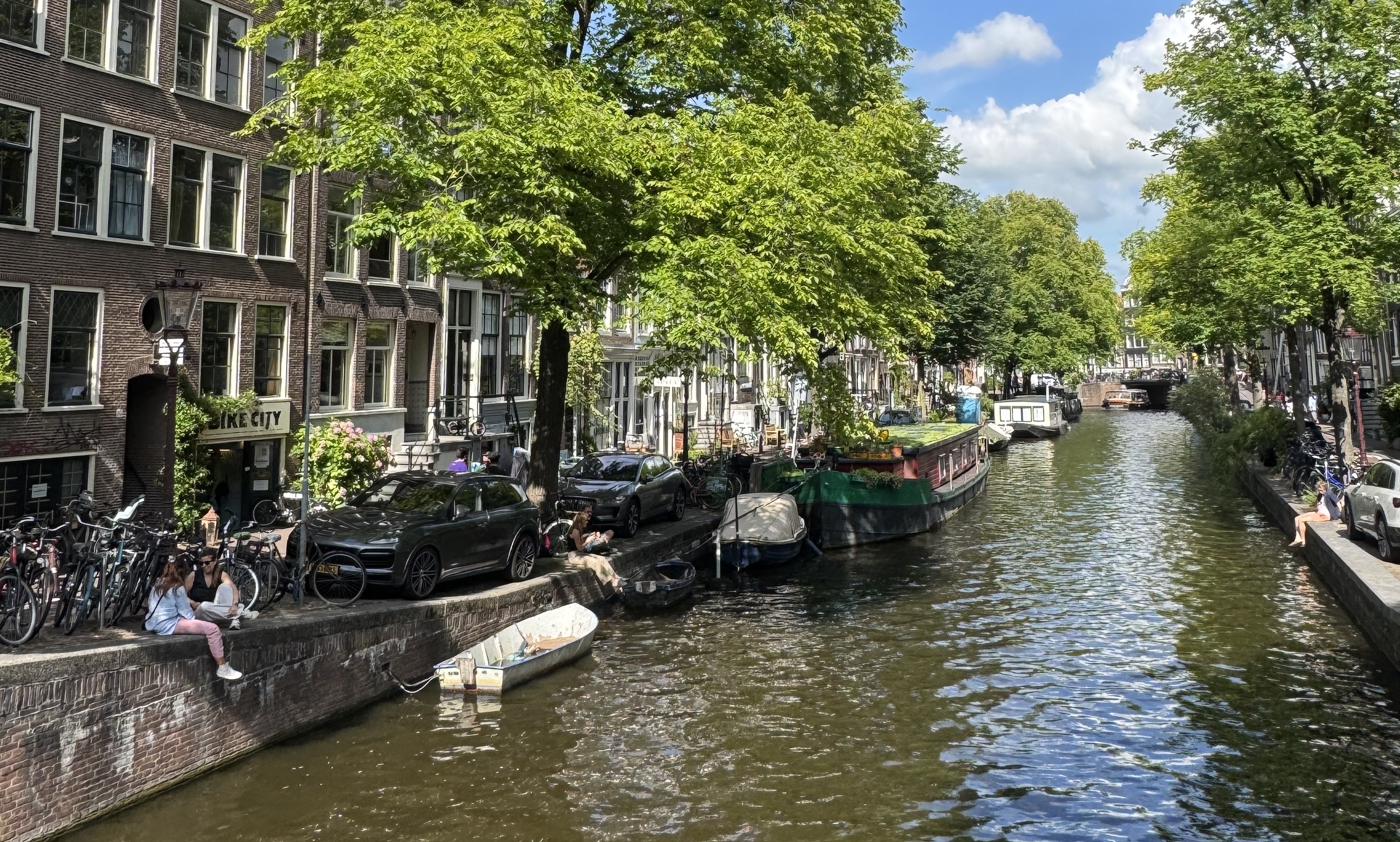
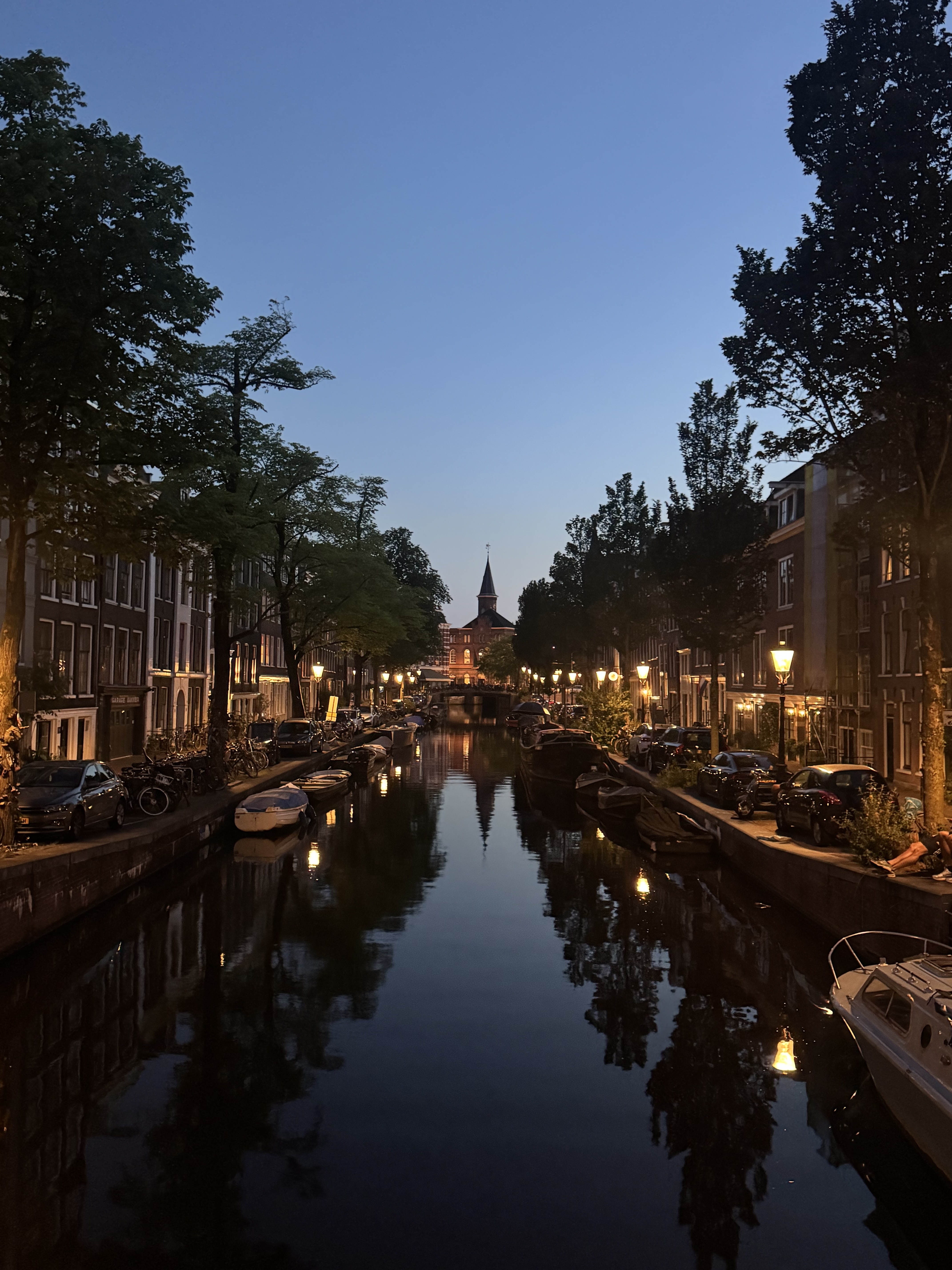
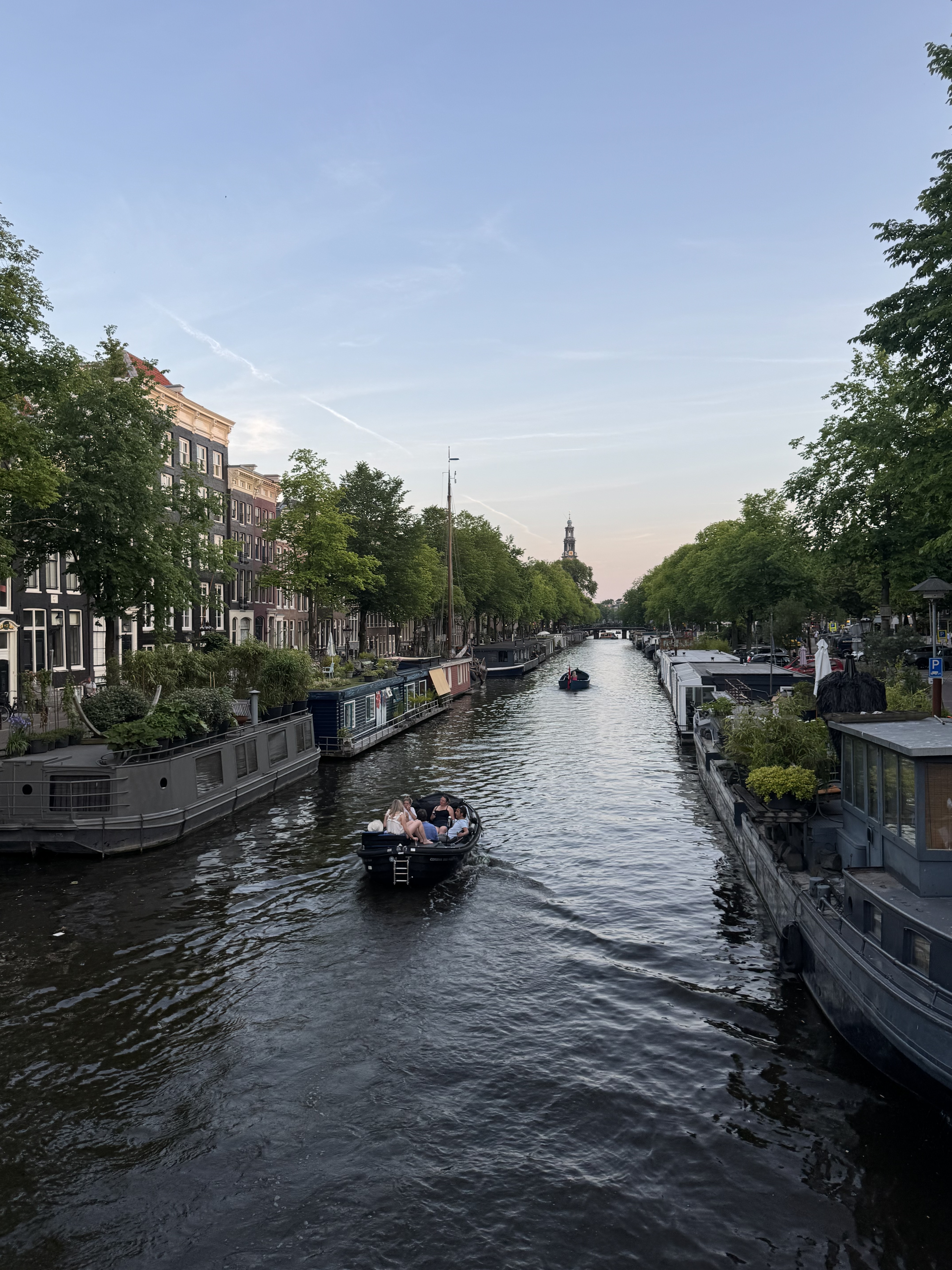
As if that wasn’t enough, last night was the Prinsengracht Concert — the annual tradition where a stage is built on the canal by my house and everyone piles into boats to watch. It closes with Aan De Amsterdamse Grachten, sung by hundreds of people swaying and belting it out across the water.
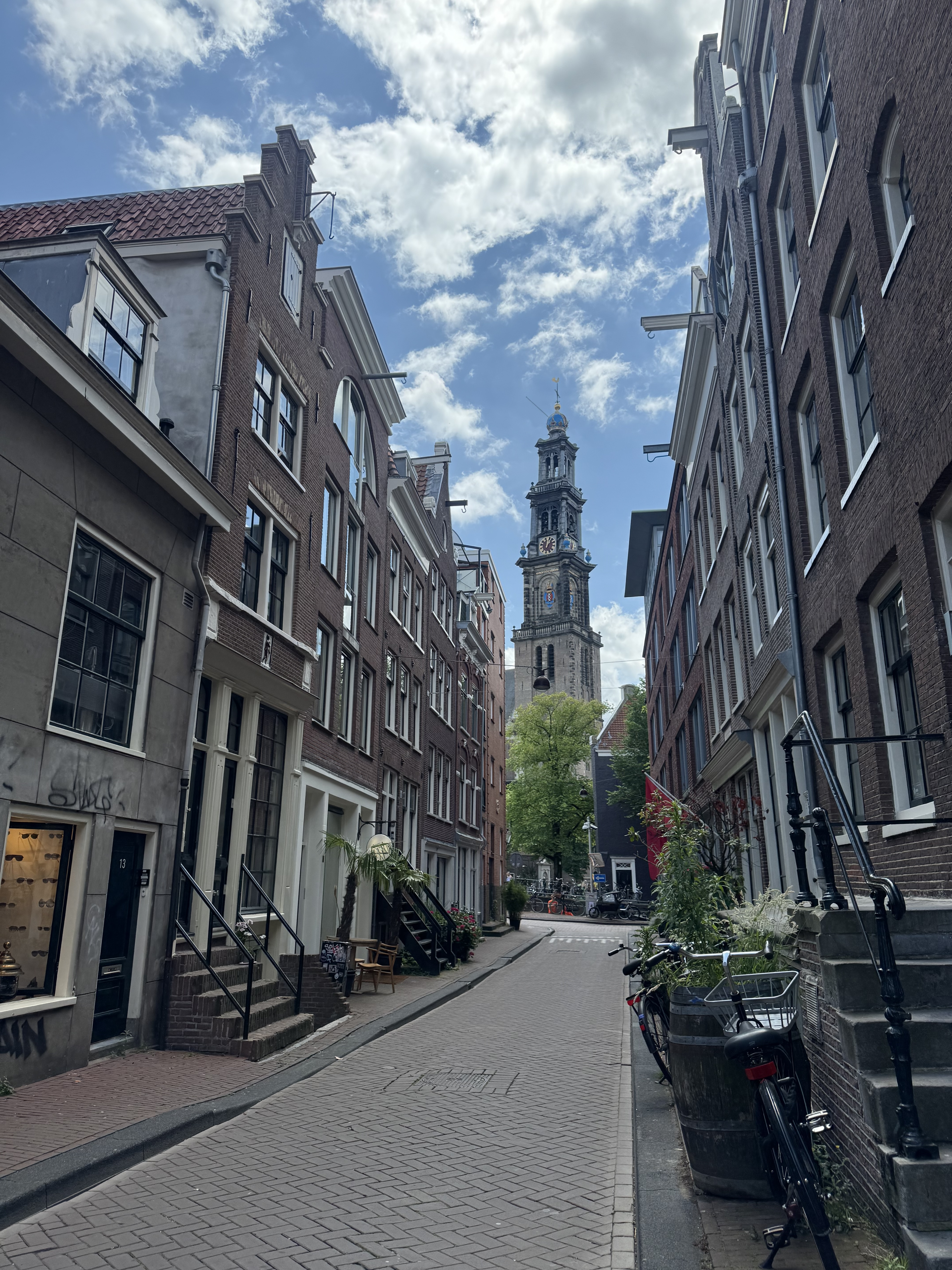
Between the tall ships and the canal choirs, this weekend was Amsterdam at peak Amsterdam: chaotic, beautiful, and just a little bit smug about how lovely it all is.
Consuming
👩🏻💻 Internetting
Stumbled across e-mail.wtf this week — a quiz on allowable formats for email addresses. Turns out the answer to “is this valid?” is almost always “yes, unfortunately.” You can have an address that starts with an exclamation mark, or one that’s just a single letter. Fun little distraction, and also a reminder that the internet is basically held together with duct tape and regret.
📺 Watching
Not a thing.
📚 Reading
This week I mainlined close to 100 journal articles. Anything even vaguely relevant from the International Journal of Organisational Analysis, Public Relations Review, Review of Management Literature, and everything in between. Footnotes, citations, abstruse diagrams: give me the lot. And you know what? I loved it. Apparently “spending a week buried in academic journals and calling it fun” is my kink. Maybe a PhD isn’t such a terrible idea after all.
🎧 Listening
News just dropped that Belle and Sebastian are touring next year for their 30th anniversary. And yes, I immediately bagged tickets for both nights. Obviously. Cue me tumbling headfirst into one of my periodic B&S rabbit holes, where I remember all over again that no one does wistful indie quite like them. Some people binge Netflix; I binge flutes and wryly observed teenage melancholy.
And the timing was spot on: I’d just spent the week buried in my old university libraries, right where I used to listen to them on my OG iPod while reading books on media theory. Full circle moment, soundtrack included.
Connections
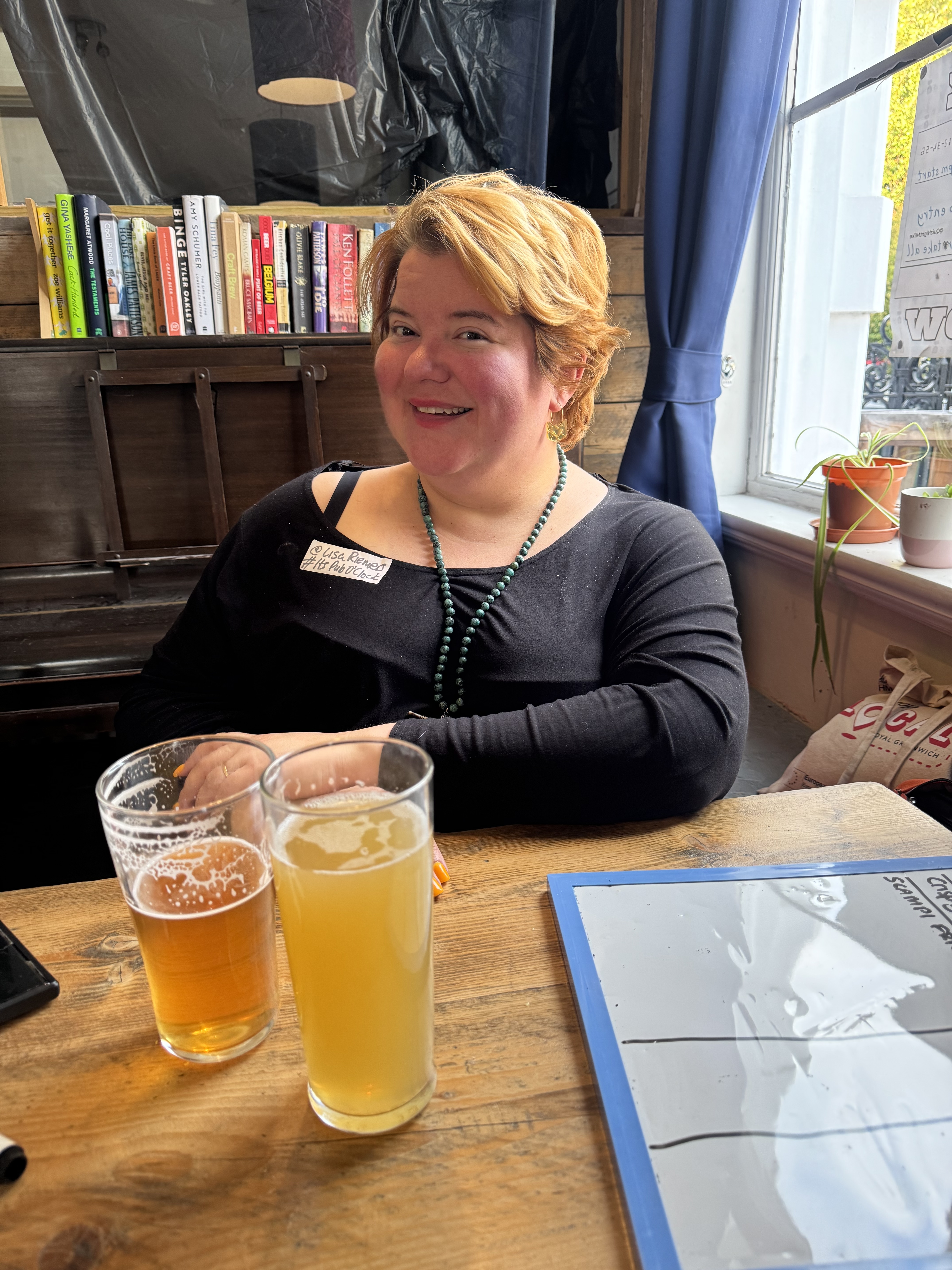
A week in London meant the rare treat of seeing a bunch of people I’ve not caught up with in yonks. Highlights included coffee with my old colleague Nic Wilson, scheming with my regular co-conspirator and accessibility wizard Lisa Riemers, swapping stories with comms legends Janet Hitchin and Anne-Marie Blake, and a long-overdue reunion with governance guru Steve Way — who I somehow hadn’t seen in a full decade. Proof, if nothing else, that time really does bend in strange ways.


Coverage
My recent post on whether corporate culture is shifting — and what comms needs to do about it — was picked up by Jenni Field and Chuck Gose on their Frequency podcast. Always nice when your musings escape LinkedIn and make it into other people’s conversations.
Travel
Nothing for two whole weeks! I barely recognise myself. No airports, no 5am alarms, no half-packed suitcase glaring at me from the corner of the room. Just the novelty of staying put — which, frankly, feels almost decadent.
But let’s be honest: it’s the calm before the storm. September has me ricocheting across five countries in two weeks, all while trying to crank out the next three chapters of the book. So I’ll enjoy the rare luxury of my own bed and my own coffee machine while I can… before life turns back into one long game of suitcase Tetris.
Here’s hoping for a quieter week ahead. Though given recent form, I’ll probably accidentally launch a space programme by Thursday.
This week in photos





















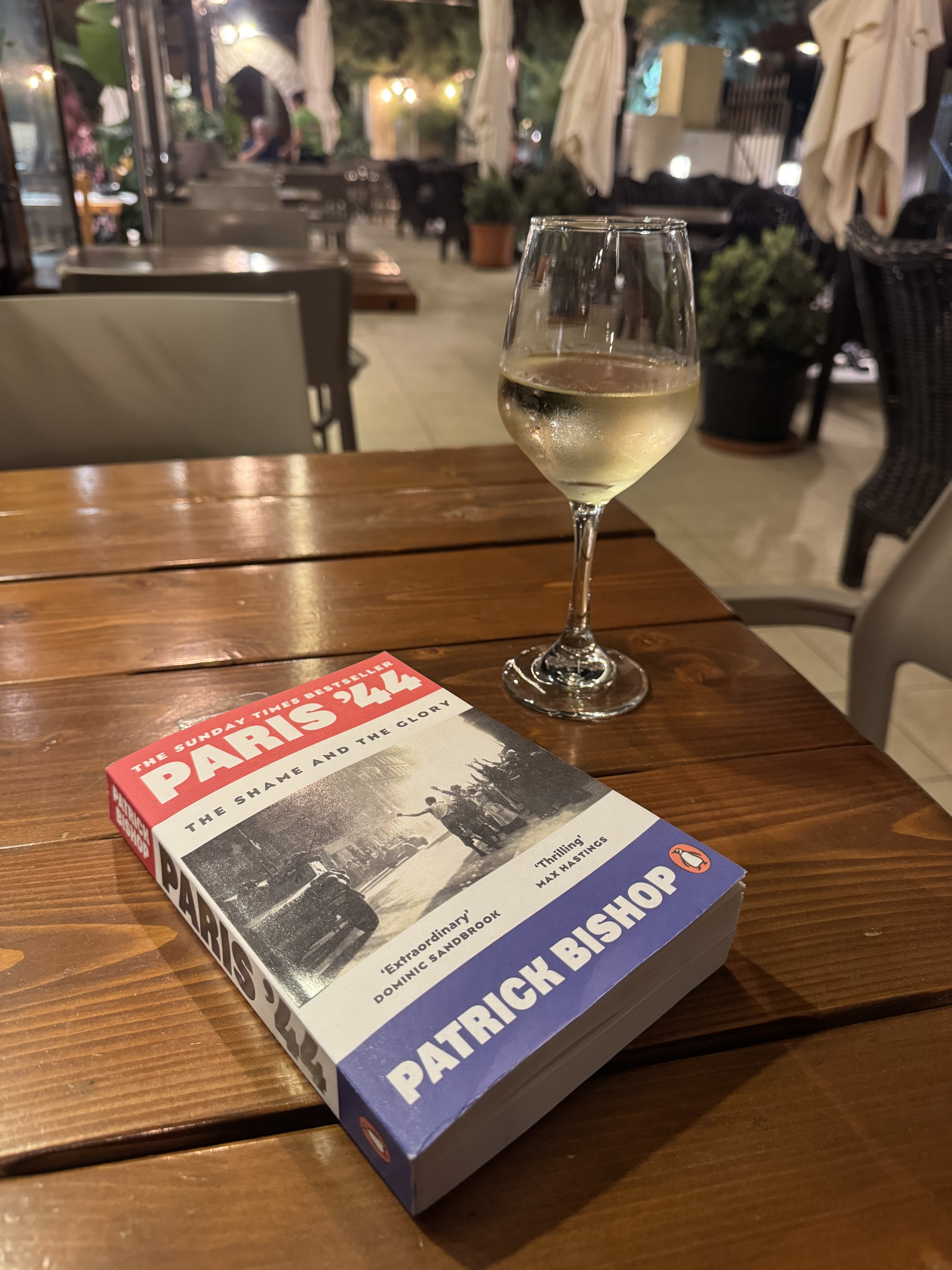





























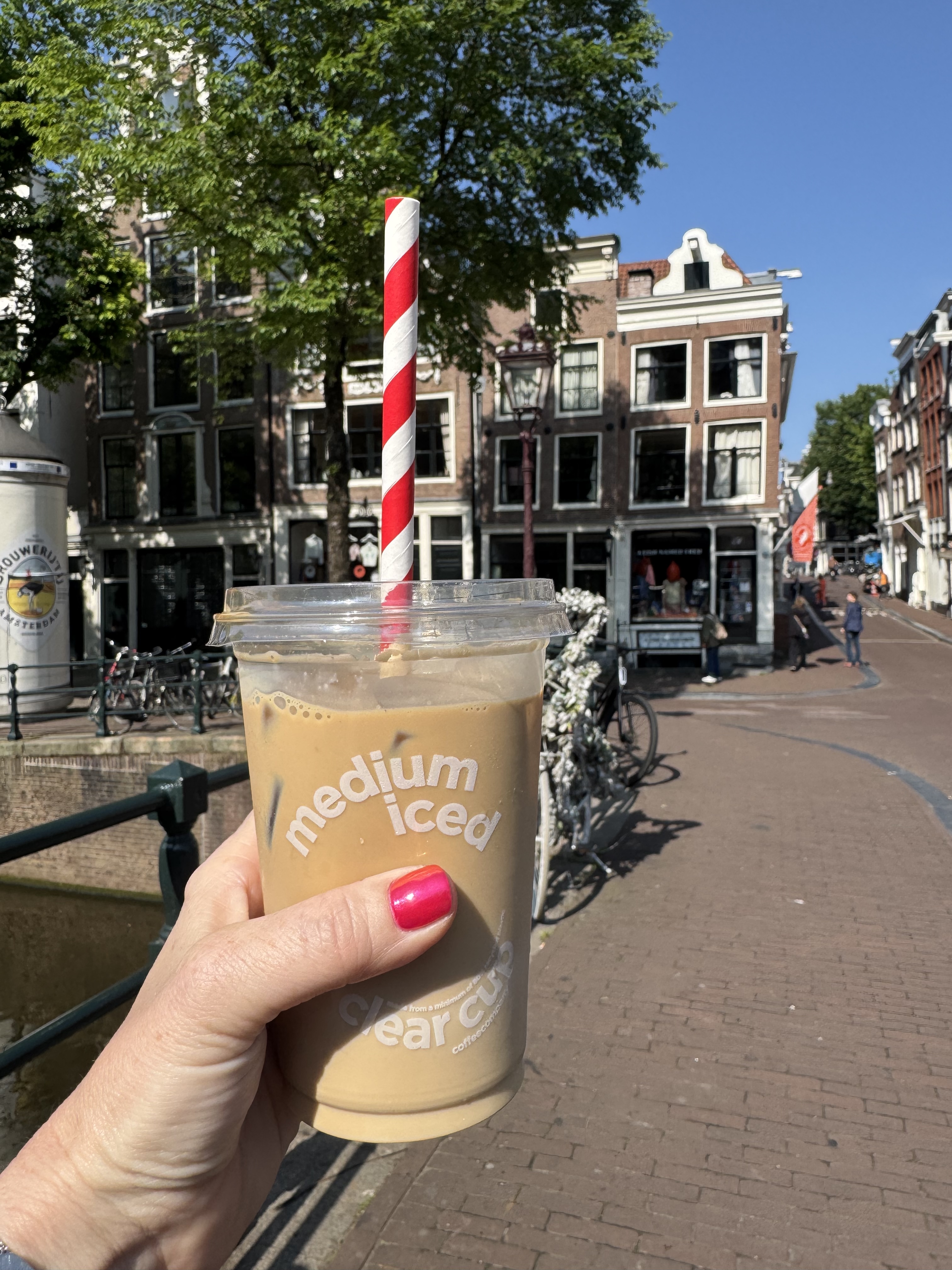


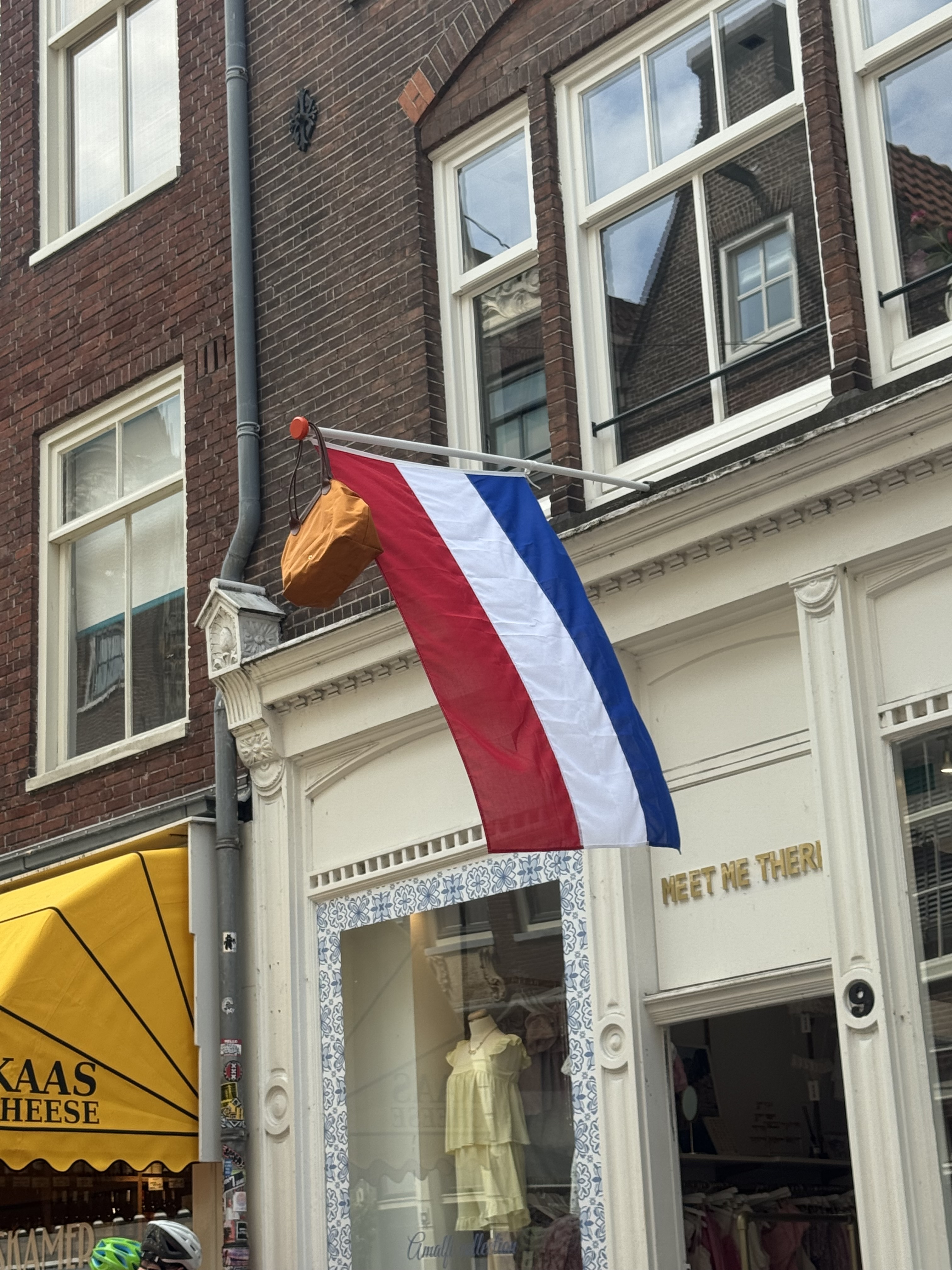
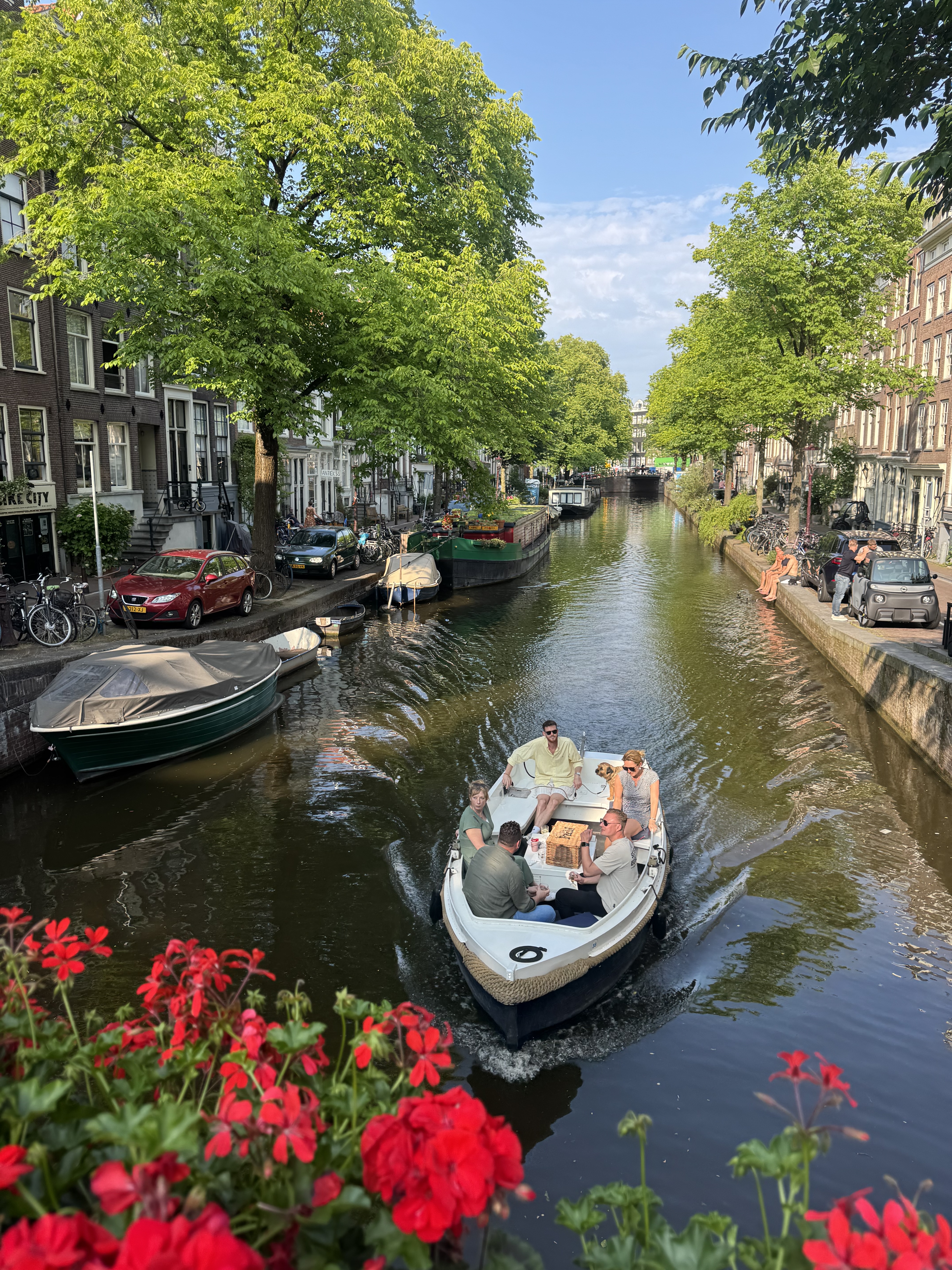
 Sharon O'Dea