Weeknote 2025/20

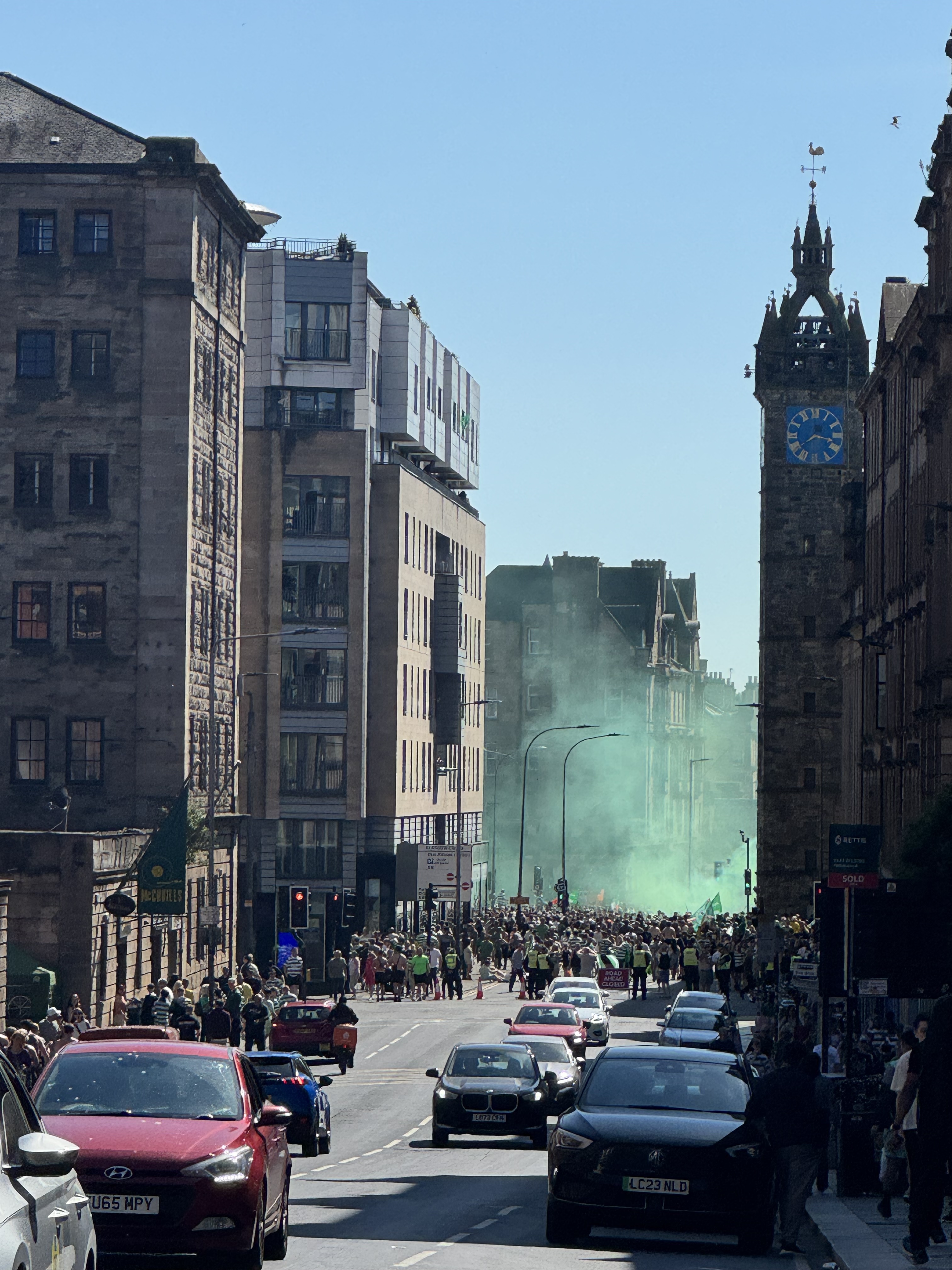
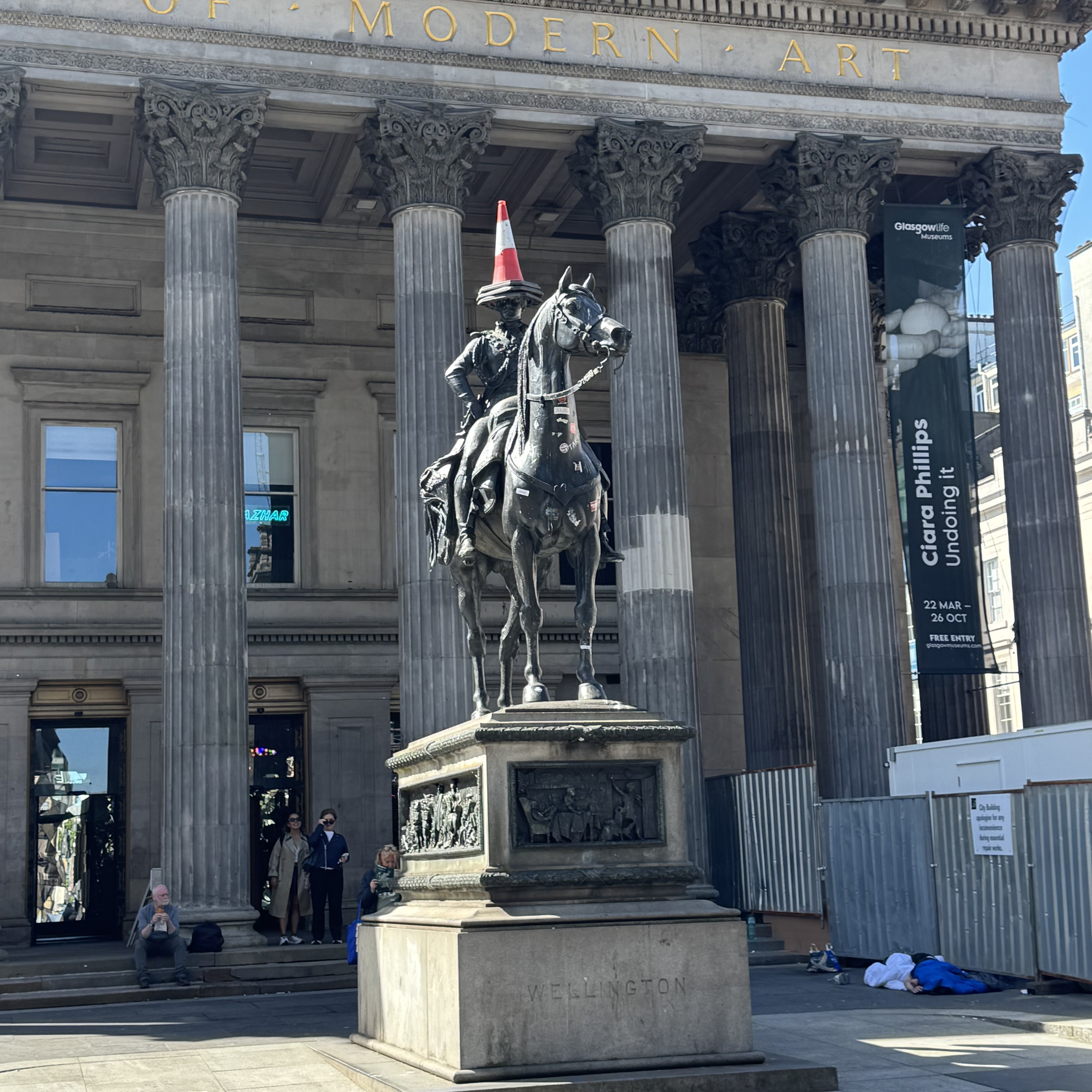
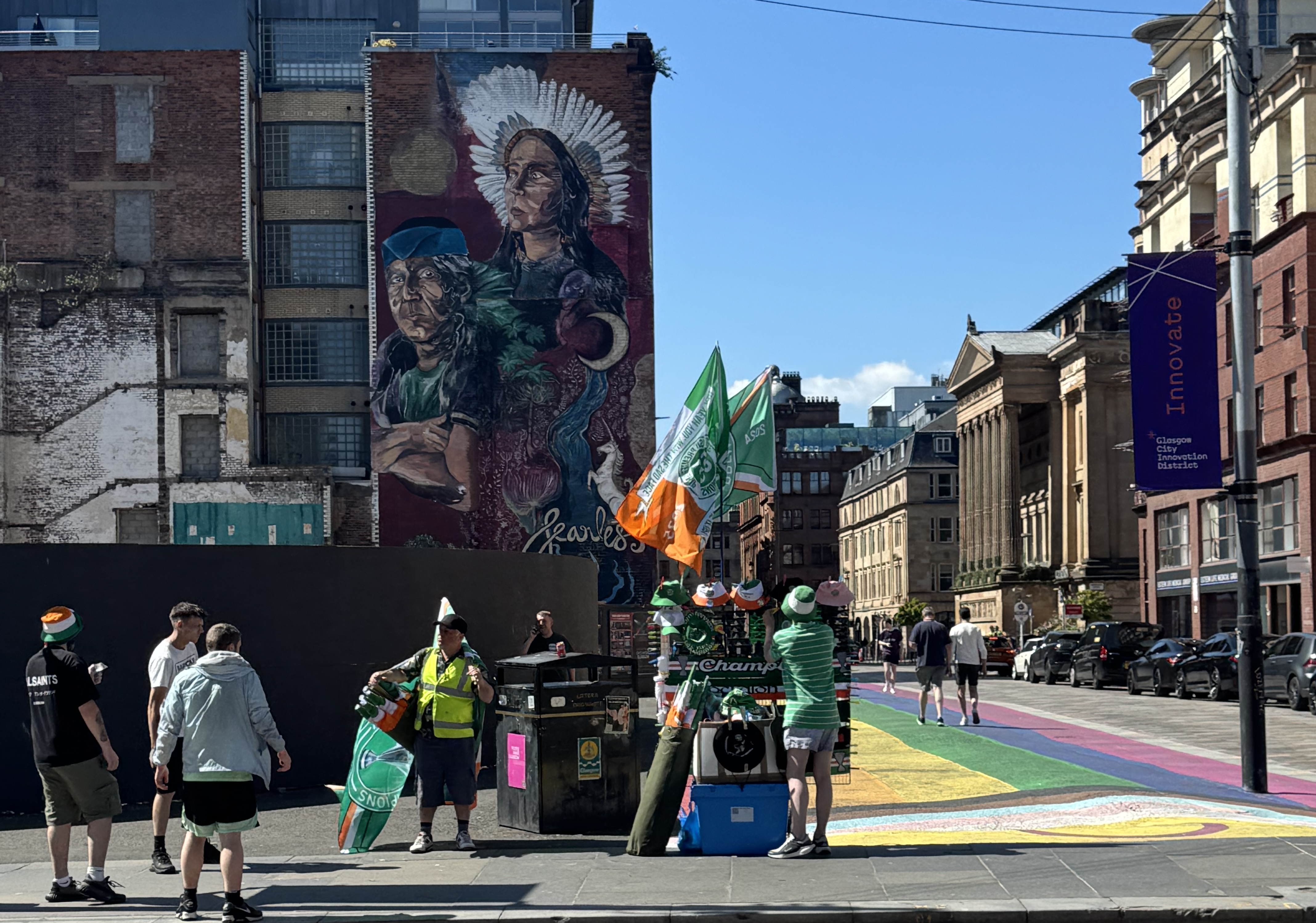
Sunshine, sectarianism and sequins in Glasgow (Photo: me)

Mid-May, and everything’s in full swing, from Glasgow’s sunshine-and-sequins chaos to rooftop chats and research calls back in Amsterdam.

This week’s had a bit of everything: live music, sectarian parades, strategic business cases, and a reminder that good comms (like good gigs) need more than just volume — they need structure, purpose, and the right rhythm.

This week at work

Last week’s Strategic post on the damage caused by flimsy, made-up productivity metrics sparked a flurry of comments and DMs — mostly variations on: “OK, but how do I build a real business case, with numbers that actually mean something?”

The honest answer is it takes time, expertise, and a bit of graft. You need to understand the problems you’re solving, the costs and benefits of each option, the risks of doing nothing — and then turn all that into a case the board can’t ignore.

One of those DMs came from a communicator whose previous business case had been knocked back. This week we helped her map out an eight-week plan to build a stronger one. It starts with discovery: not just how the current channels are performing, but where the friction points and missed opportunities lie. From there, we’ll shape solutions that fit their timeline, budget, and culture — and wrap it all up in a business case that blends data on business impact with human stories that make the cost of inaction impossible to ignore.

The team’s excited. It’s the kind of partnership we love — where we bring the strategy, structure, and skills, and they bring deep knowledge of their people and context.

Elsewhere, we’ve been planning the second in a series of alignment workshops with a long-term client, and I’ve started prep for a webinar I’m delivering with Cerkl on 28 May, on how to personalise internal comms at scale.

And I’ve been cracking on with interviews for our current research project. It’s been a brilliant excuse to chat to smart, thoughtful people working at the coalface of the digital workplace.

Also this week

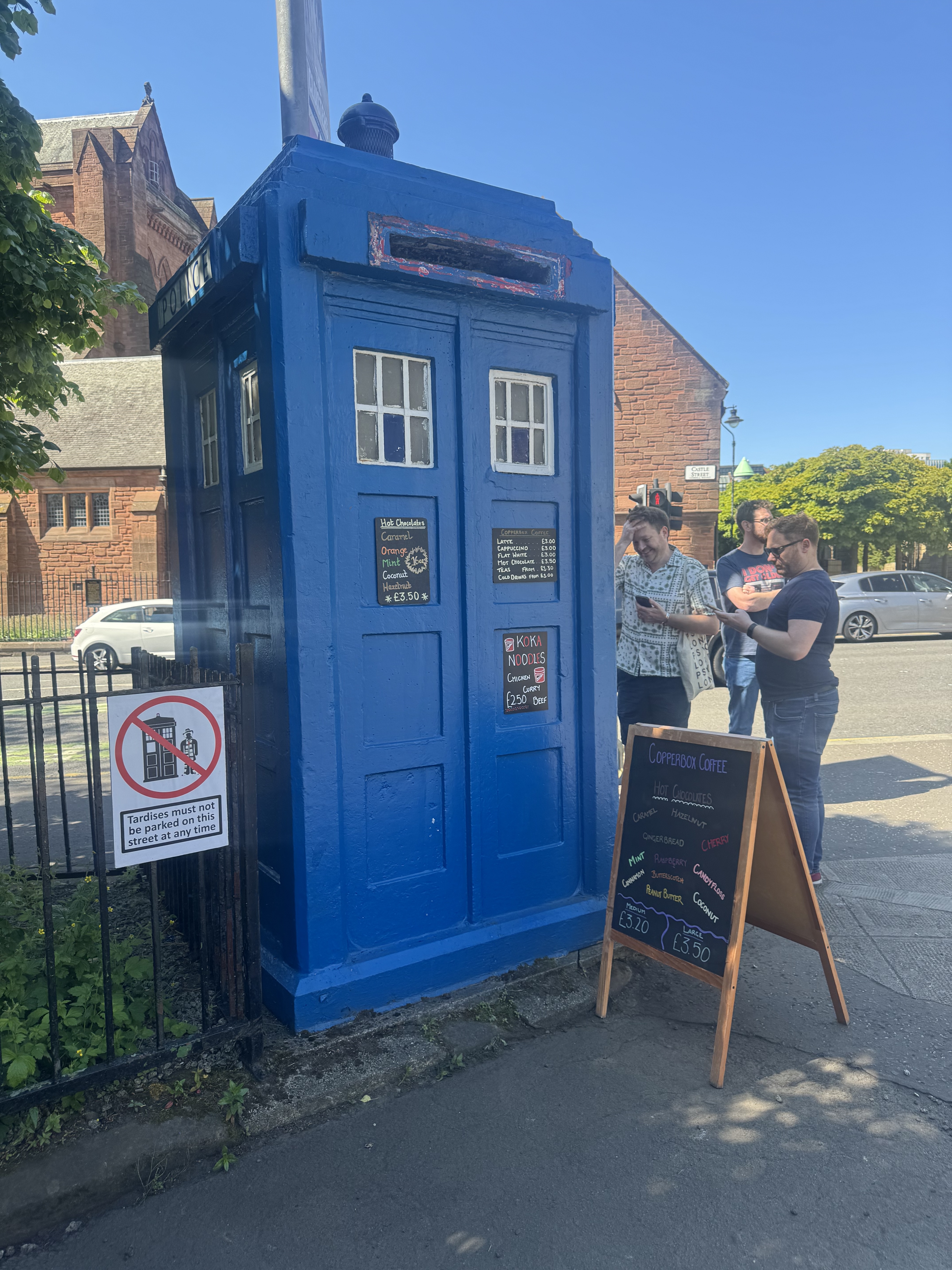
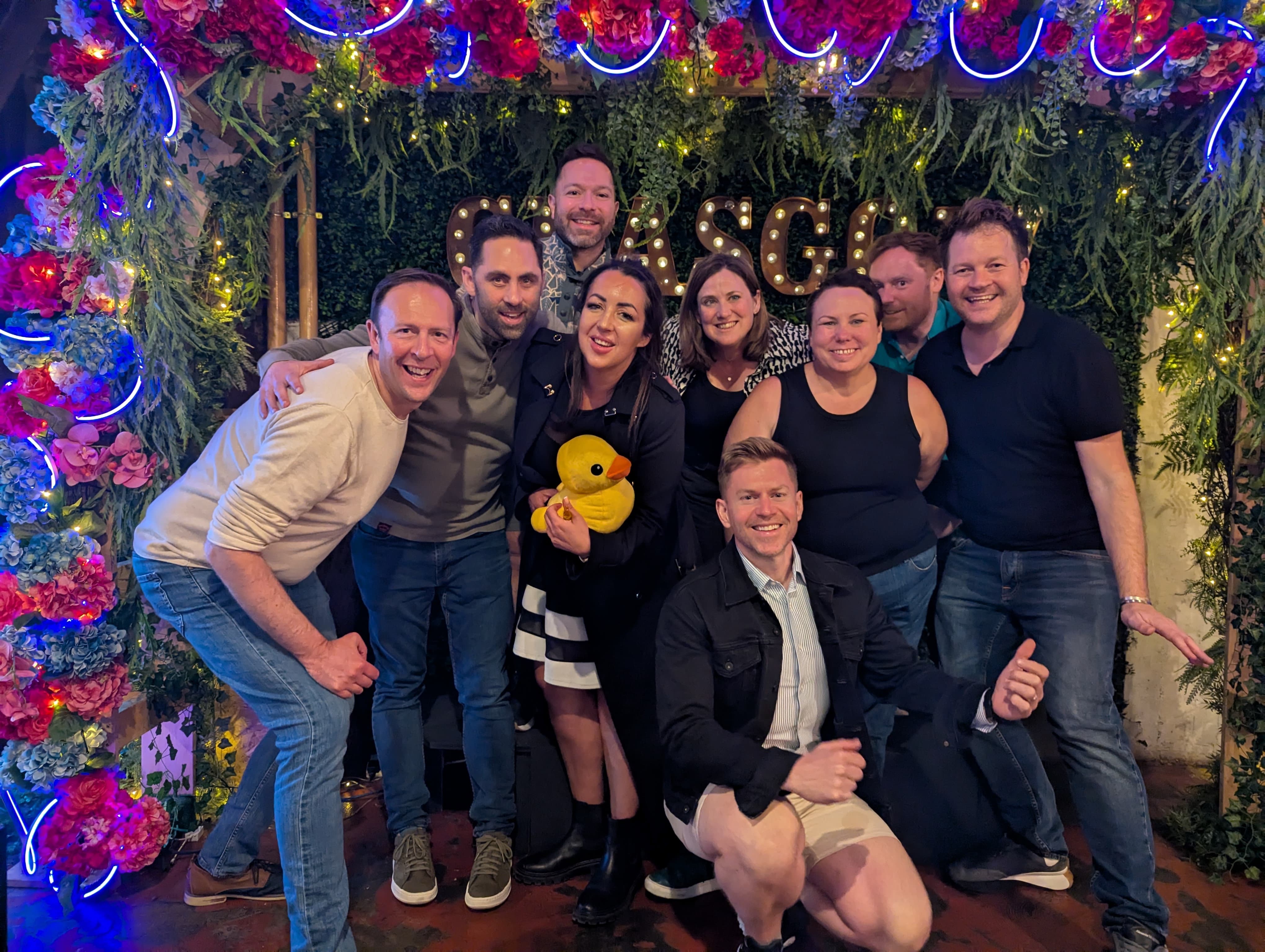
Back to Glasgow again — this time for my annual weekend away with a different group of friends. The city was every bit as sunny and welcoming as last week, but with an added chaotic twist: Celtic’s league win, an Orange March, and Kylie headlining during Eurovision weekend. Sunshine, sequins and sectarianism made for quite the cultural cocktail.

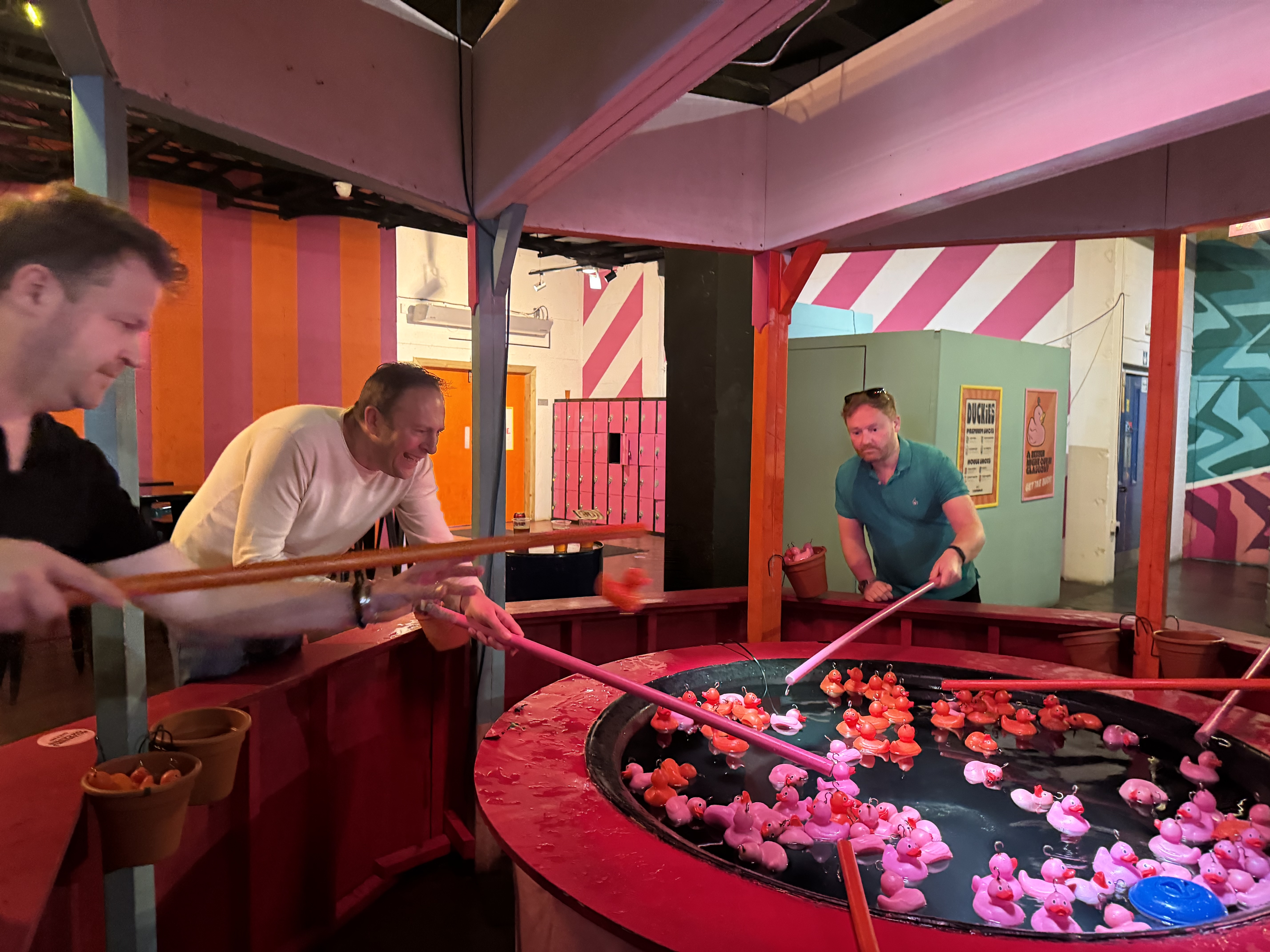
Boozy backdrop aside, it was a glorious long weekend of laughs, wandering, and very good company.
Consuming

👩🏻‍💻 Internetting

Intrigued by this story in the weekend’s FT: a law firm offering a £1m bonus pot if staff collectively rack up a million Microsoft Copilot prompts this year.

It’s a bold move to drive AI adoption, but it also raises familiar questions. When you incentivise a behaviour that can be gamed, are you driving real change, or just inflating the numbers?

This kind of thing will be familiar to anyone who’s ever had a KPI based on clicks or page loads: dashboards full of ‘engagement’ that doesn’t stick, incentives that drive quantity over quality, and habits that vanish the moment the carrots do.

Does this kind of scheme lead to sustained, meaningful use, or just a a race to writing meta Copilot prompts that generate twenty prompts a day?

(Which is precisely what I would do if offered that bonus)

Incentivising prompt count feels a bit like rewarding people for sending emails. Technically activity, but is it progress?

AI’s the future, shouldn’t we be teaching people to *think* with it, not just rack up prompts like step-counters for productivity?

📺 Watching

Nothing. At all.

📚 Reading

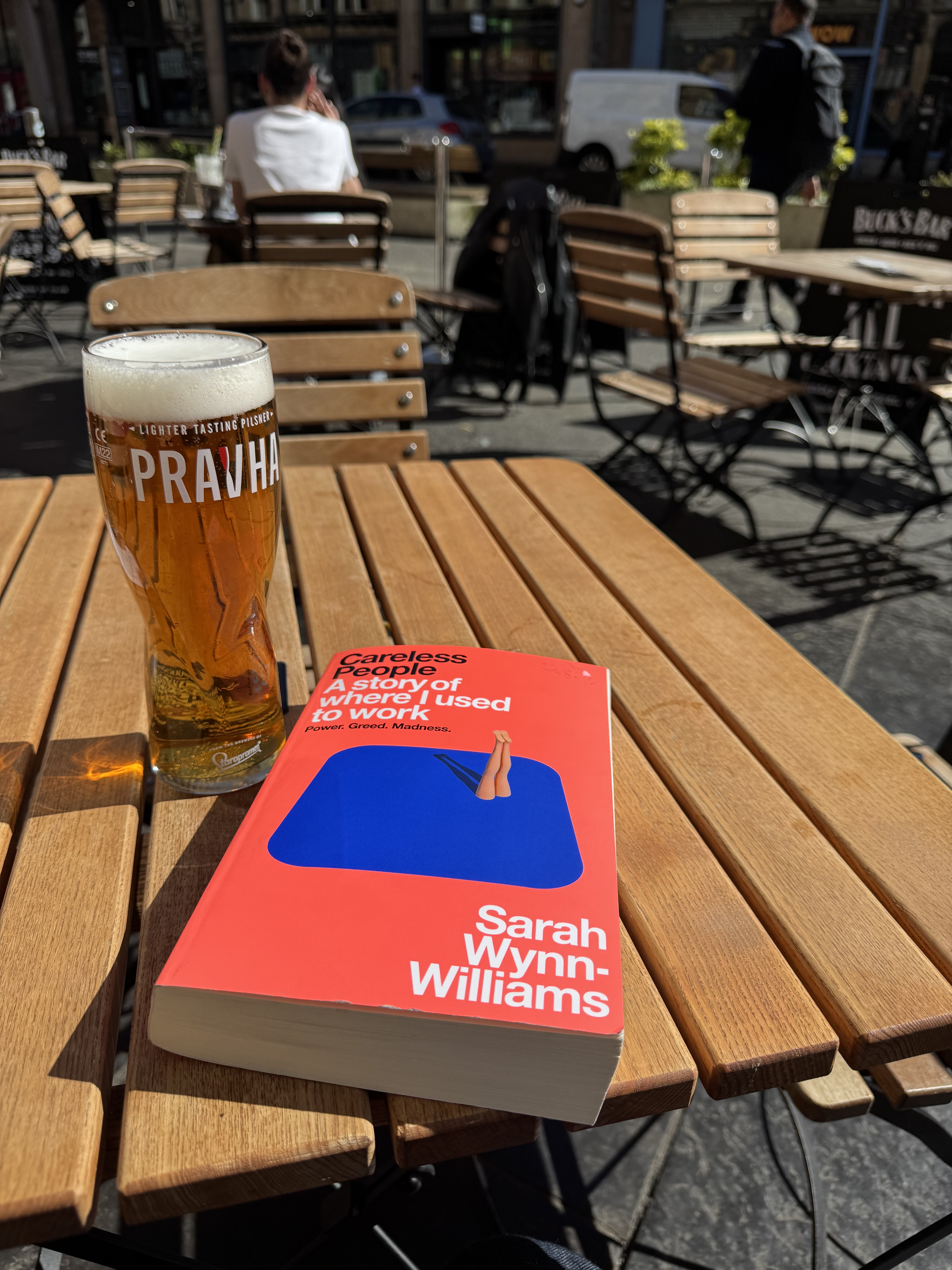
I picked up Careless People, a sharp, scathing account of life inside Facebook, as part of my airport WHSmith book haul. It’s brilliantly, terrifyingly compelling. I’ve ploughed through 39 chapters in three sittings.

The book charts how a company that promised to connect the world instead amplified division, eroded privacy, and ducked accountability — all while its leadership, particularly Zuckerberg and Sandberg, remained either wilfully blind or strategically indifferent. A story of hubris, harm, and the high cost of scale without ethics.

(I still haven’t deleted my Facebook account though, although I do barely use it anymore)

🎧 Listening

I caught San Francisco psych-rock heroes Osees at the Paradiso last night. Few bands summon chaos quite so joyfully. Relentless, raucous, and gloriously weird, they tore through a set that felt more like a ritual than a gig — and yes, any band with two drummers gets bonus points for commitment to noise.

Enjoy the setlist, but do it properly: volume up, neighbours be damned.

Connections

Caught up with Dutch intranet veteran Samuel Driessen this week for a great chat on a sunny Amsterdam rooftop — the sort of meeting that reminds you why in-person is still magic. We covered a lot: the tricky leap from Dutch to international markets, the different rhythms of public vs. private sector work, and how intranet strategy is (finally) starting to converge with product thinking. A thoughtful conversation with someone who’s seen the field evolve and isn’t afraid to challenge it.

Travel

Tomorrow I’m heading to Berlin to catch up with our client there and to attend Flip’s conference. I’ve got a little spare time so if you’re about, give me a shout.

This week in photos

Weeknote 2025/19

Cone on the head of the famous statue in Glasgow
Hello, Glasgow! (Photo: me)

It’s been a week of looking back—at old stats, old habits, and old gigs. That well-worn claim about intranets saving millions in productivity has resurfaced, yet again. I’ve written about it for Strategic, because, as the saying goes, some people use statistics like a drunken man uses lampposts—more for support than illumination. And we deserve better.

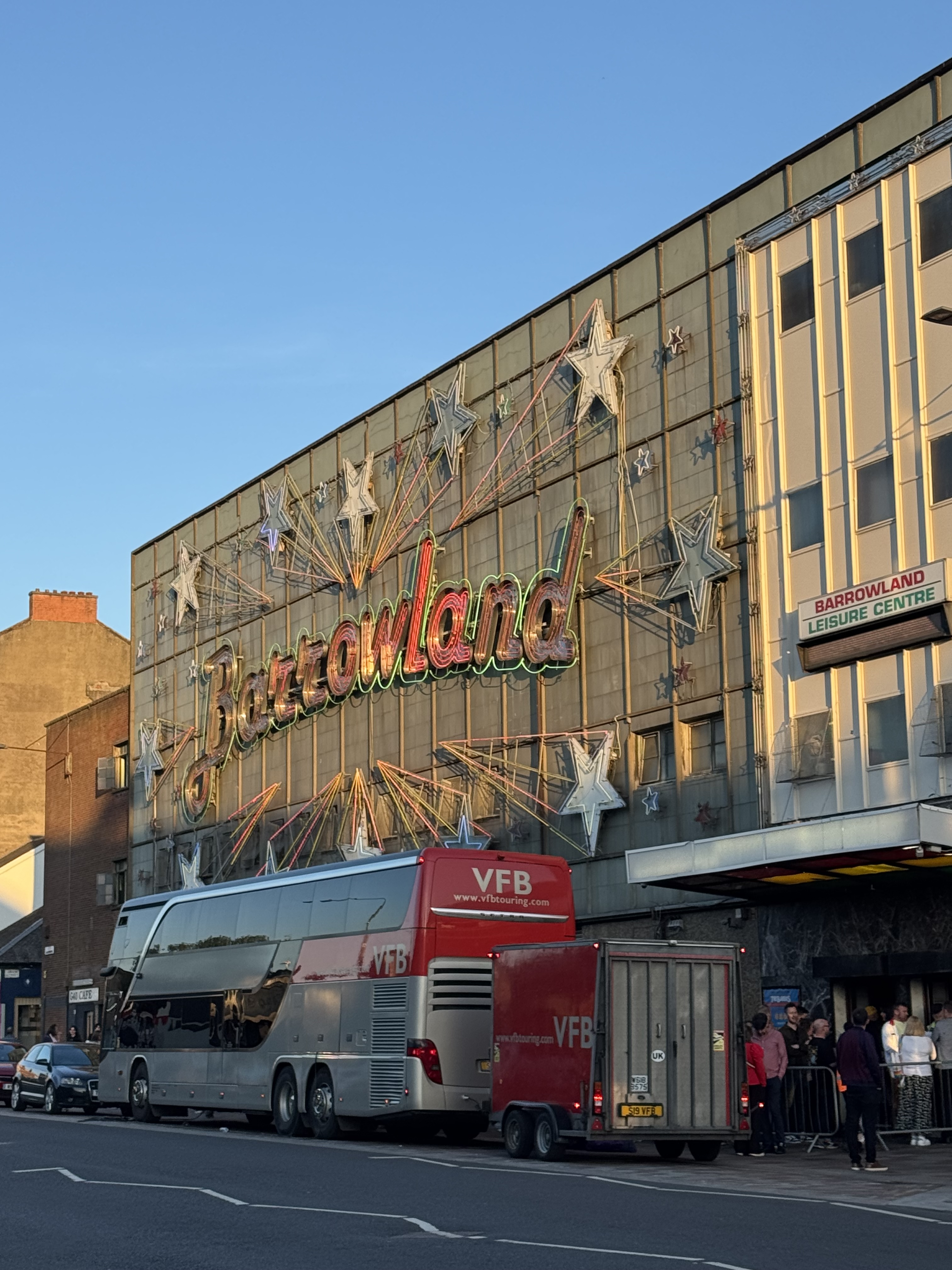
At the same time, I’ve been revisiting email. Not in my inbox (LOL no. I am heroically bad at my own email), but in research, trying to understand why the channel everyone loves to hate still quietly endures. And then, on the weekend, came Barrowland: a venue I’d mythologised since my teens, where I finally saw Supergrass play the album I bought with my pocket money. It’s strange how some things stick—channels, bands, friendships—and how time sneaks up on you while you’re still busy singing along.

This week at work

For someone in communications, I spend surprisingly little time actually communicating. Most of my work is on the plumbing behind the messages: platforms, processes, systems, and governance. Understanding user and organisational needs. Finding solutions. Helping clients sell the vision and deliver the change. I work closely with comms leaders and manage content teams, but rarely get to roll up my sleeves and write actual messaging these days.

This week was a welcome exception. I spent time with a product team, helping them articulate what they’re building and how it adds value for different kinds of users. It was great fun to stretch that part of my brain again—one I haven’t used much lately.

Jon and I also got stuck into a new writing and research project. For the next few weeks, we’re diving deep into email. Tech bros and comms pros alike have been confidently predicting the death of internal email for at least 15 years. And yet, it persists. Clunky? Often. Badly used? Certainly. But for many use cases, it’s still the most effective tool we’ve got. It cuts across hierarchies, systems, and schedules in a way few other channels can. As I often say, two things will survive the nuclear winter: cockroaches and email.*

(*I think I got that line from Sam Marshall, but I could be wrong.)

Also this week

My two besties and I had our annual girls’ weekend away. The tradition is simple: if a band we all like announces a tour, we pick a city we fancy visiting and make a trip of it. This year it was Glasgow, and Supergrass.

We finally made it to Barrowland—an iconic venue I’ve been reading about since I was a teenager. It’s one of those rare places that lives up to the myth: a sprung dancefloor, a luminous ceiling, and a crowd that knows how to have a good time. There’s a magic to it. Seeing a band you love there feels like a rite of passage.

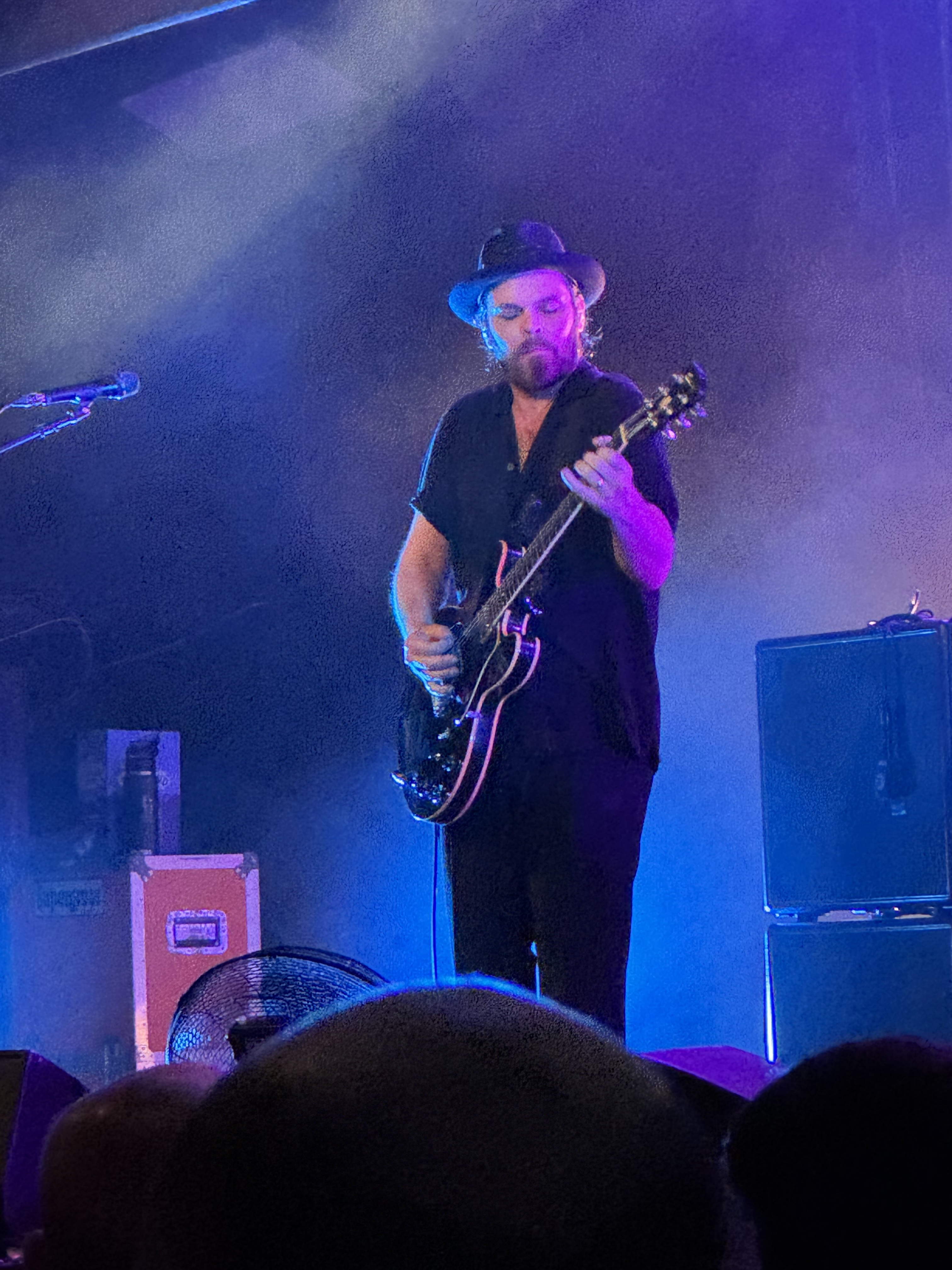
Supergrass played I Should Coco in full—an album I bought with my pocket money in Our Price when I was 15. My pal Katy and I have been seeing them together since we met at 17. Mid-gig, fuelled by several beers, I turned to her and said: “I can’t believe we’ve been watching this band for twenty years.”

She looked at me, with the weary kindness of someone breaking bad news, and said: “It’s thirty years.”

And just like that, the beer wore off and my knees started hurting.

Supergrass' Gaz Coomes at Barrowland, Glasgow, 9 May 2025

Consuming

👩🏻‍💻 Internetting

Spotted this  thoughtful piece this from Sarah Daly which explored the subtle but significant ways AI is reshaping how we work. It’s not always about job losses; more often, it’s the quiet squeeze—doing more with less, with little time to adapt. While AI tools promise to save time, they often just shift the burden elsewhere. We’re now swimming in content: drafted, summarised and polished at speed, but lacking the depth or judgment that makes it useful. The term botshit—AI-generated sludge that clutters rather than clarifies—feels painfully apt.

The biggest loss might be the space to think. As AI accelerates the pace, opportunities for reflection, strategy, or just breathing room are eroded. If we want AI to genuinely augment human potential, we need to start designing for thinking time, not just throughput.

📺 Watching

No time for telly this week

📚 Reading

I’ve been reading Cal Newport’s A World Without Email—part research, part self-flagellation—as we dig into why the one channel everyone claims to hate just won’t die.

🎧 Listening

This week was all about Supergrass. Enjoy this setlist. The classic album in full, followed by a few fan favourites. Nostalgia turned up loud.

Coverage

A few weeks ago I posted on LinkedIn about dodgy McKinsey stats that do the rounds on vague productivity savings, and how I learned the hard way that these don’t wash with CFOs.

The same flawed stats did the rounds again this week, so Mike Klein invited to write my first piece for Strategic on how bullshit maths doesn’t help our profession to be taken seriously

Travel

Glasgow again later this week. Berlin next week. Shout if you wanna catch up.

This week in photos
Weeknote 2025/18

Action shot from LumApps Bright in Chicago this week. (Photo: LumApps)

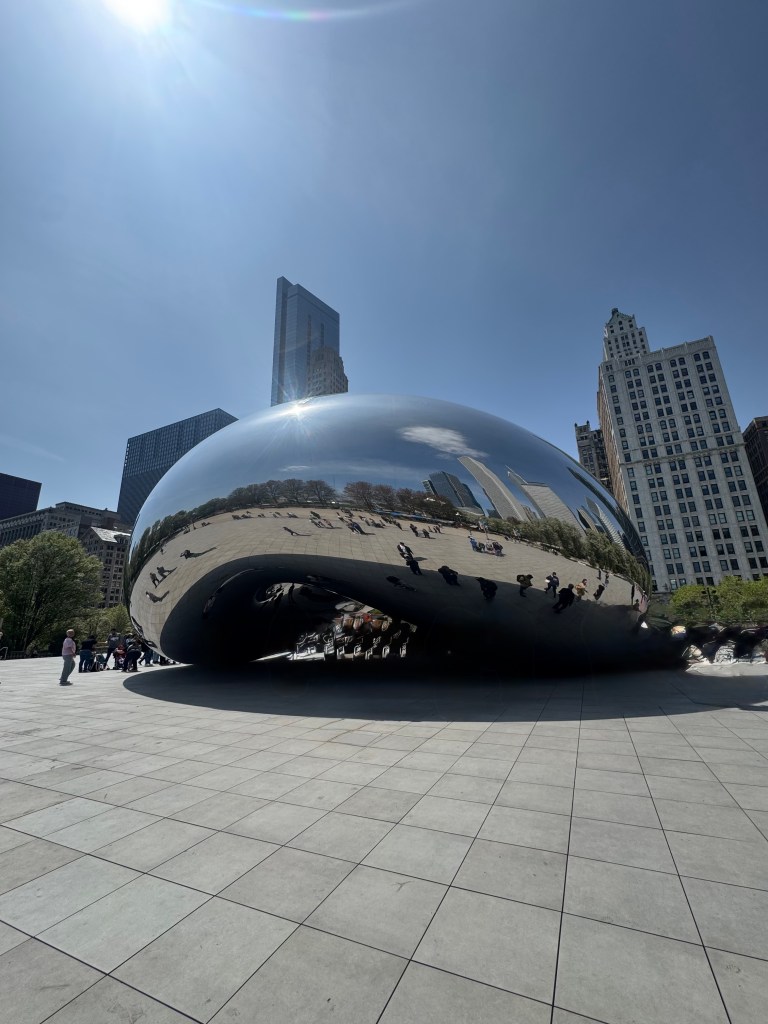
This week’s travels took me to two very different cities: Toronto, which I visited for the first time, and Chicago, which I’ve been to before, but never with quite so many slides in tow.

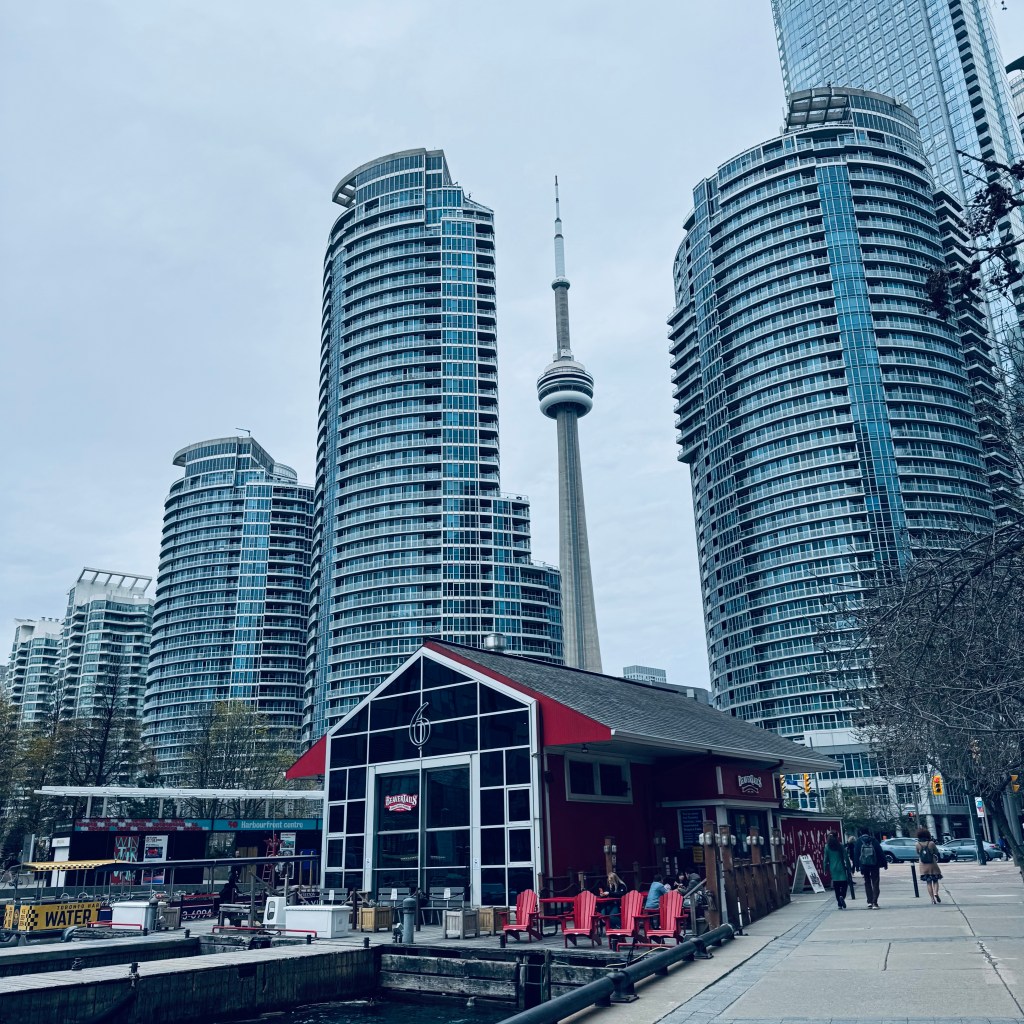
Toronto was all maple leaves and mid-century apartment blocks, with unexpectedly excellent pastries and the sort of icy politeness that makes British manners feel borderline aggressive. It was good to decompress and catch up properly with friends.

Chicago was all business: a keynote on the future of workplace communication, delivered to a ballroom full of people who hopefully didn’t notice I was running on three hours’ sleep and a Starbucks croissant. The talk landed well (no heckling! some laughter!) and sparked the kind of conversations I always hope for—about clarity, culture, and why the tools we use at work feel like they were designed by someone who’s never actually worked with real humans.

A week of contrasts, then: friends and flights, ideas and jet lag. On the plane back home now, with a suitcase full of leaflets, receipts, and hotel pens, and a head full of new thinking.

This week at work

The early half of the week was mostly consumed by the LumApps Bright event: prepping, presenting, and the usual performance anxiety. But I was on first, as the opening keynote, which meant I could relax and spend the next two days listening and learning too.

Plenty of bright thinking from Bright too. The usual chatter about tools gave way to deeper questions about trust, friction, and how people actually experience work.

Day 1 focused on personalisation, content strategy, and the evolving role of AI. Key themes: effective intranets are governed well, personalised smartly, and designed with the frontline in mind. Employee-led content outperforms corporate noise. And AI? Not a threat, but a capacity-booster—if it’s embedded into workflows, not bolted on as a gimmick.

Day 2 got a bit meatier. Mike Klein shared new research showing a sharp disconnect between comms and business leaders: different views on adversity, tool effectiveness, and what employee engagement even means. Business leaders want more interaction; comms want more streamlining. Everyone wants better alignment between IT, HR and comms—but that’s still a work in progress.

Mike’s survey on the future of work is ongoing. If you’re a comms leader, do take ten minutes to share here.

DWG’s Nancy Goebel did a fireside chat with LumApps’ Sean Winter (who I finally met in person, after working on the StanChart Jive rollout with back in 2012-15!). Key messages from Nancy: AI remains the dominant undercurrent, but treat it like a teammate, not a toy. Hyperpersonalisation is driving a comeback for knowledge management, and there’s a growing call for intrapreneurship and investing in employee adaptability. Or, as Nancy neatly put it: agility is the new social currency.

I also kept a few client plates spinning from hotel desks and airport lounges.

Also this week

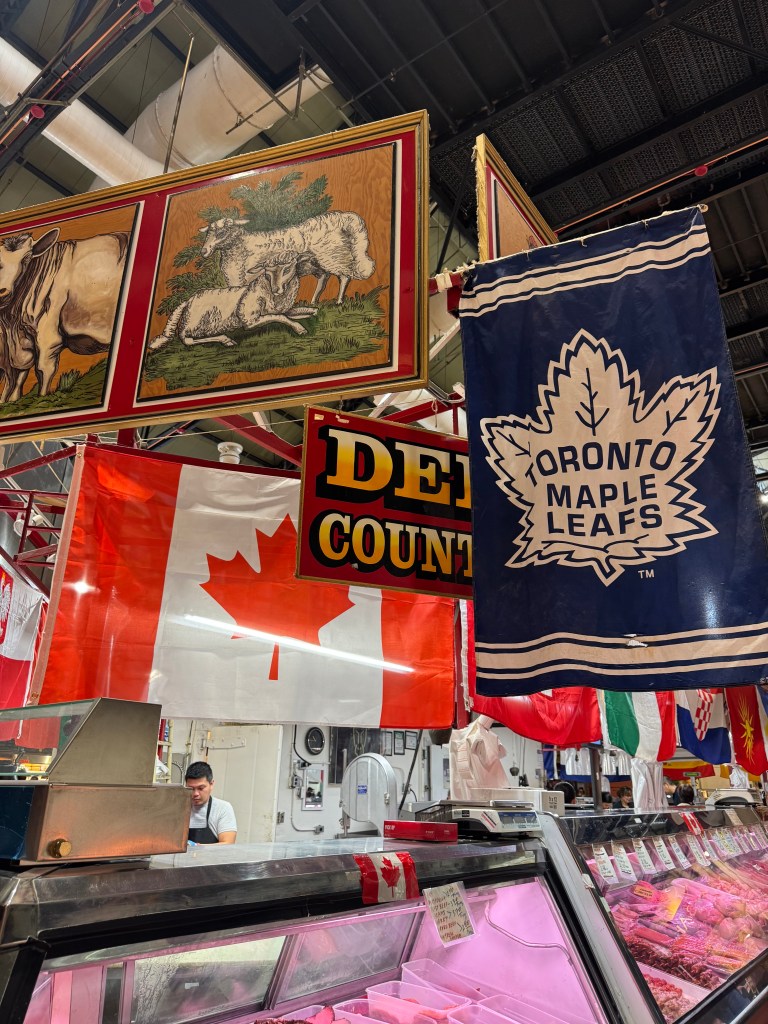
Toronto! My first time in Canada 🇨🇦 (taking my country count to 82), and I liked it as much as I expected. Big bookshops, brilliant food, and the kind of orderly vibe that makes you feel like you should apologise for jaywalking. Saw friends, walked miles, and remembered what it’s like to spend an afternoon doing nothing in particular. Bliss.

Elbows up! Headed north.

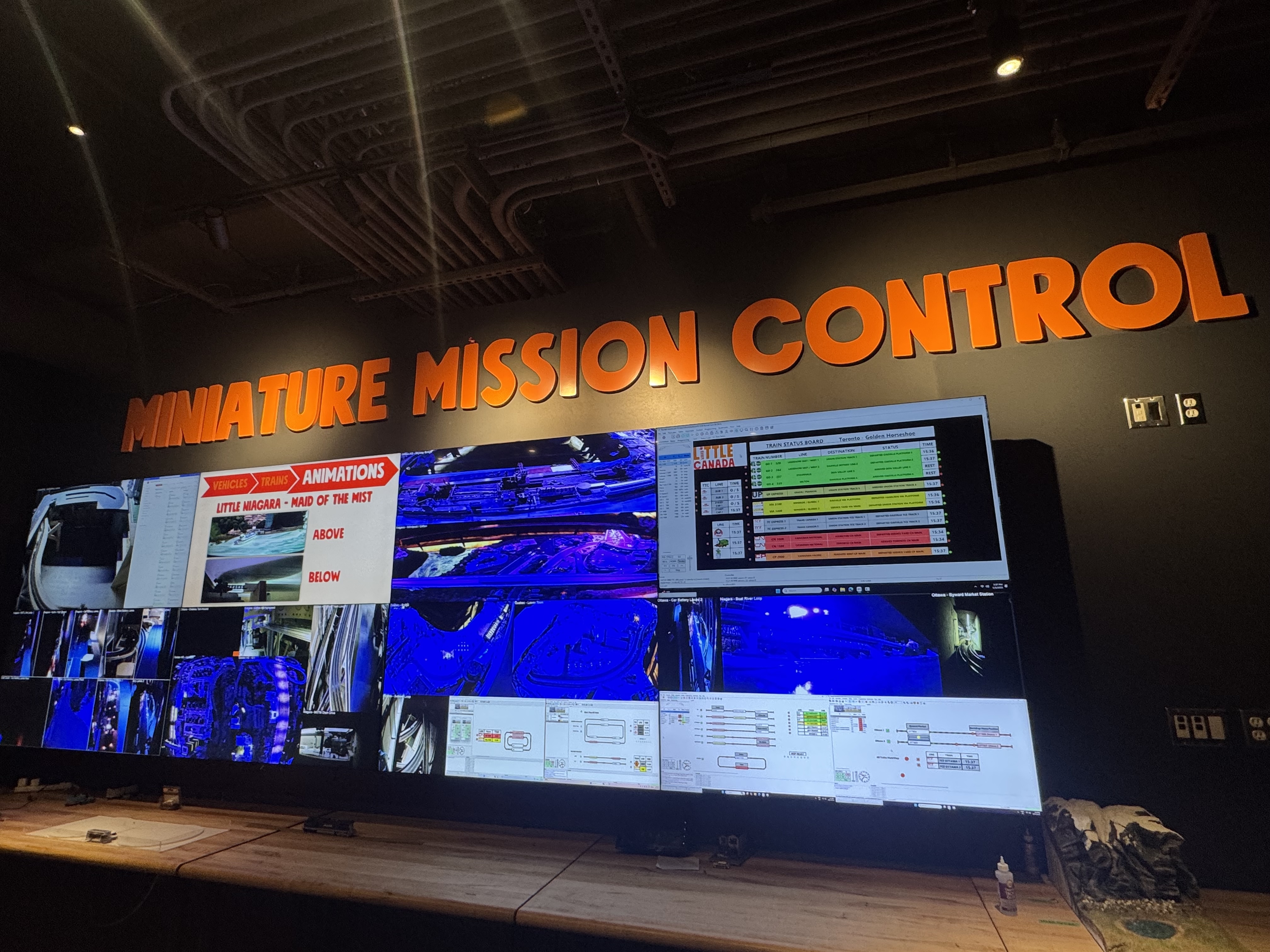
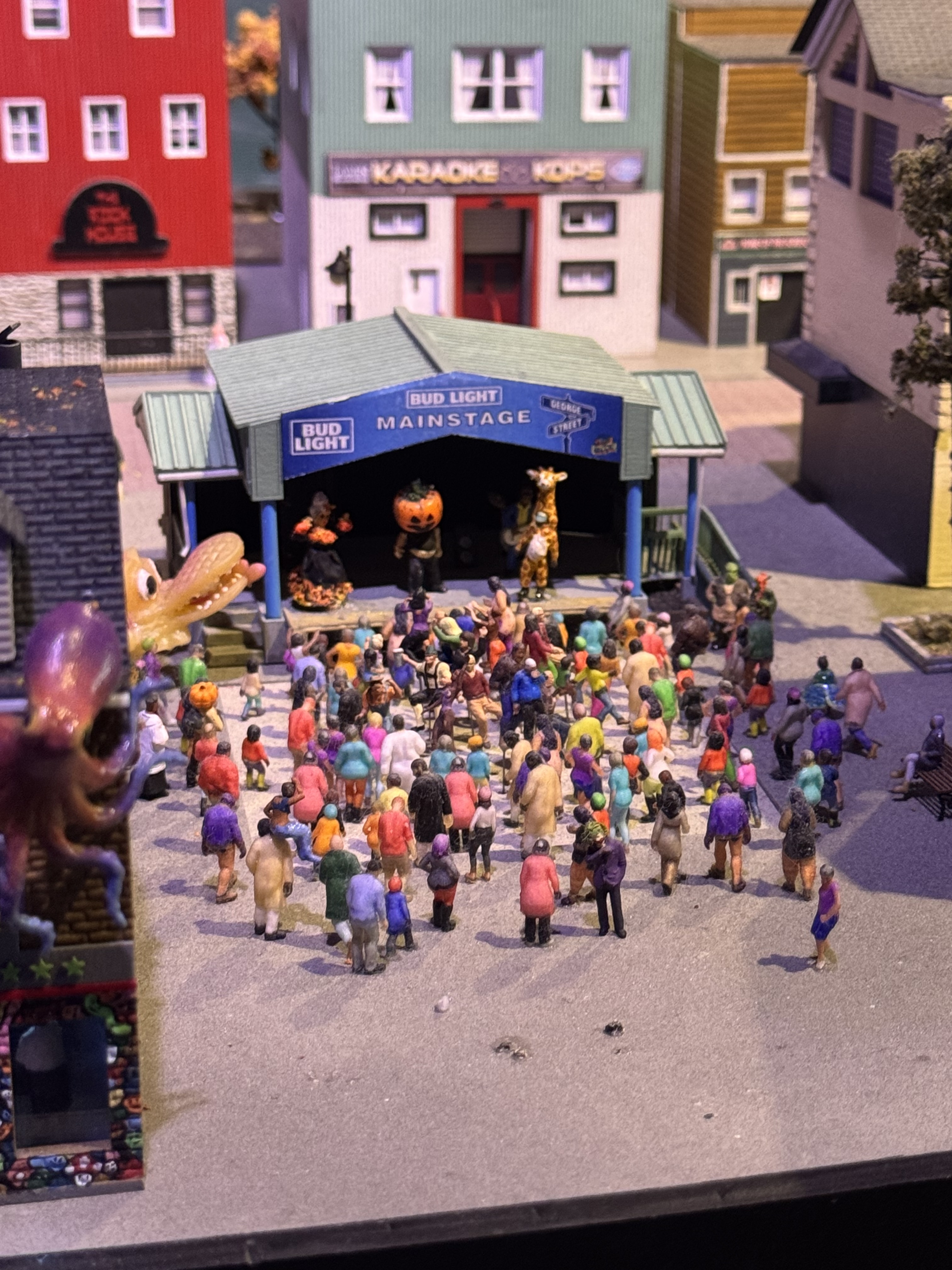
Also visited Little Canada, a surprisingly delightful miniature version of the country, complete with tiny trains, tiny cities, tiny lakes, tiny forests, tiny music festivals and tiny hockey games. Left wanting to see a lot more of Big Canada, which seems like a delightful place to be.

Consuming

👩🏻‍💻 Internetting

It felt timely to read this after another conference where the AI conversation has clearly moved from hype to value: Johnson & Johnson made headlines by pivoting their GenAI strategy, doubling down on only the highest-value use cases and quietly killing off the pilots that weren’t delivering.

Their CIO, Jim Swanson, was refreshingly blunt: it’s about focus, not novelty. After a year or so of exploratory dabbling across industries, we’re now firmly in the ROI phase. Not every use case deserves to make it out of the lab—and that’s not failure, it’s progress.

I also picked up this pro networking tip from Melinda Seckington on LinkedIn: create a QR code of your LinkedIn profile, add it as an image on your Apple Watch. Took minutes and was really handy meeting people at the conference.

Pro Networking

📺 Watching

Found myself watching a lot of US cable news (Fox, CNN, ABC), which left me feeling equal parts baffled and terrified.

Also happened to catch coverage of the 80th anniversary of the liberation of the Netherlands by Canadian forces. Touching to see the commemorations, given I live there. Something quite moving about watching it unfold on Canadian news, from Canada itself.

📚 Reading

It was not a reading week. But I did find a place in Toronto with a vending machine dispensing a random book for five bucks. I wound up with a copy of Tikta’Liktak: An Inuit-Eskimo Legend, which I’m not at all unhappy about.

🎧 Listening

Went to see The Vaniers, a Toronto band launching their new album. They dressed and sounded like a composite of every Britpop band from the tail end of the ’90s—after Britpop had quietly stopped being cool. The lead singer wore John Lennon sunglasses with an Umbro football top, like Liam Gallagher circa 1997. Watching a nostalgia trend come back round again was like bumping into your own teenage diary: oddly familiar, slightly cringey, and deeply unsettling.

The Vaniers album launch show, Toronto. Photo: me.

In a bout of jetlag-induced insomnia, I listened to the entire series of Invisible Hands, a BBC podcast presented by David Dimbleby about the shifting story of capitalism over the past century or so. The first half of the series explores how ideas once on the fringes—about markets knowing best, governments stepping back, and the primacy of shareholder value—moved into the mainstream.

The second half shifts focus, tracing how support for capitalism is now waning, as its promised fruits have instead delivered widening inequality, hollowed-out public services, and a growing sense that the system no longer works for most people.

It’s thoughtful, balanced, and surprisingly absorbing at 3am when your brain refuses to adjust to a new timezone.

Connections

My two-centre visit gave me a chance to catch up with all manner of brilliant folks.

At Bright Conference I had a chance to catch up with fellow speakers Nancy Goebel and Mike Klein. And like all these events, I was able to put a face to names I know only on LinkedIn, and met a bunch of brilliant intranerds from across the US and further afield for the first time.

And outside of the conference, I had a few great catch-ups too. I first met Jim Ylisela back in 2011 when he gave a memorable keynote on what communicators can learn from the rough-and-tumble of Chicago politics. So memorable, in fact, that I can still recall key points 14 years later—and there are very few conference talks I can say that about.

As often happens in our line of work, we’ve since found ourselves working together on a few client projects that needed some transatlantic expertise in either direction. I couldn’t visit Chicago without catching up with Jim. He was even more delightful in person. I find folks like him usually are.

I also caught up with Sara Zailskas Walsh. Sara and I first met at work events in Denmark and New York, and have kept in touch since. Last time we saw each other was in 2022—since then she’s beaten breast cancer, so there was a lot to catch up on.

Up in Toronto, I squeezed in a coffee with Meena, an old colleague from Standard Chartered. We met in the lobby of the bank where she now works, and it felt like no time had passed at all, like being back at Marina Bay Financial Centre.

But my highlight was catching up with two of the gals from my recent Colombia trip. I’ve done four Flash Pack trips and have kept in touch with people from all of them, but there was something special about this particular combination of people. I feel like I made firm friends that week.

I couldn’t visit Jenna’s hometown and not hang out—and Andrea even drove down from Ottawa to make a weekend of it. It was wonderful to see them again.

Andrea, Jenna and me in Toronto.

Travel

Landing back from Canada this morning. Heading to Glasgow later in the week.

This week in photos