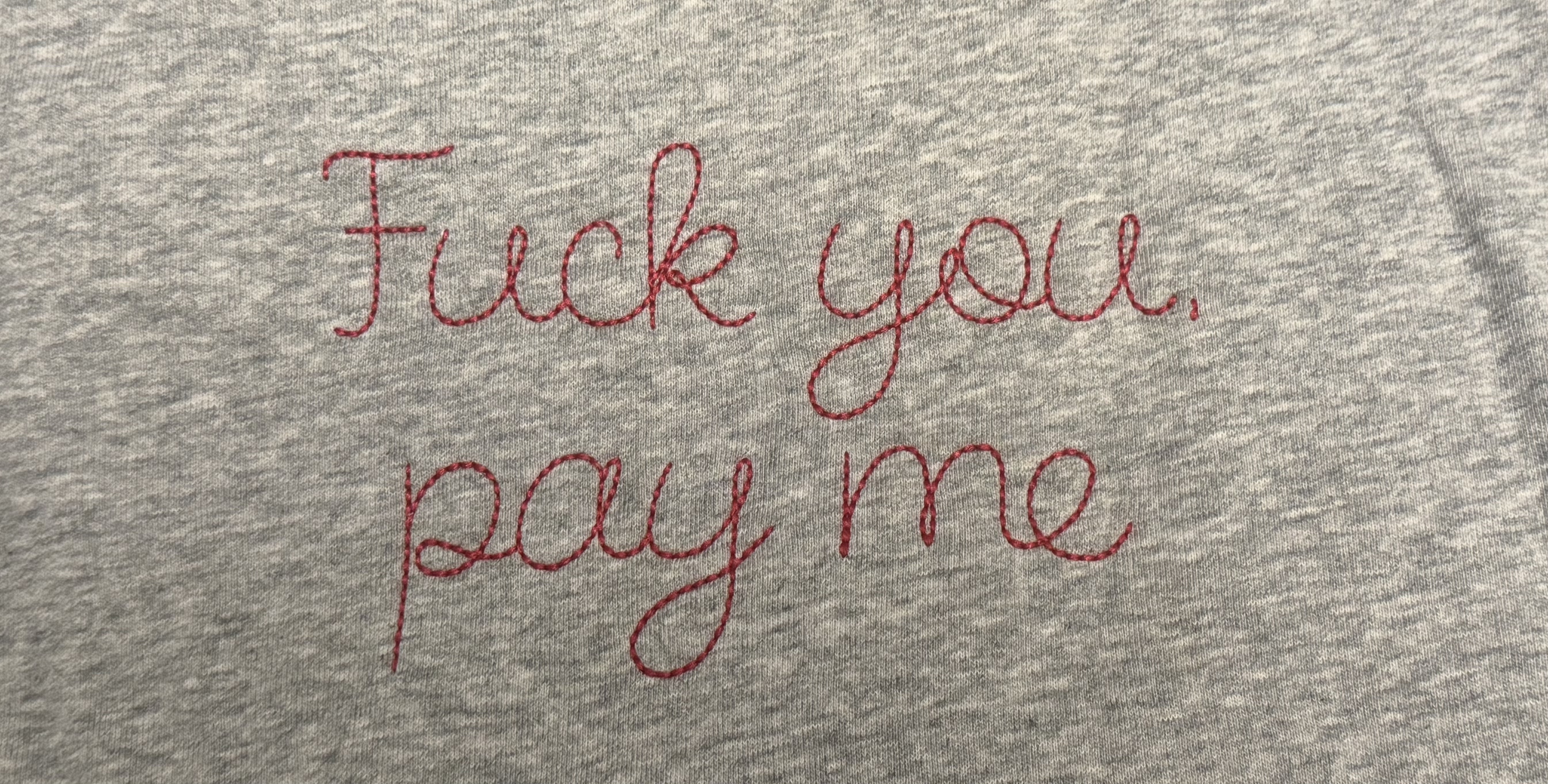
Yesterday was International Women’s Day, so once again, I picked up the mantle of Asking Awkward Questions On The Internet.
Why? Because DEI is under attack, pay gaps persist, and women’s rights are rolling back globally. This work isn’t done.
Last year, I took a break—I was tired of shouting into the void. But this year, I couldn’t sit back while companies trotted out the same empty platitudes, hoping no one would notice the gaping chasm between their words and actions.
So once again I cleared my diary and got ready to call out hypocrisy when I saw it.
I came prepared. I’d invited women who didn’t feel able to comment on their own (or their former) employers to ping me the details so I could do it on their behalf.
In all I got 42 submissions calling out 33 organisations across the private and voluntary sectors. Roughly half mentioned maternity discrimination, about 40% unequal pay, with some more touching on harassment, lack of access to flexible work and other issues. About a third covered more than one issue.
What does that tell us? That equal pay reporting has barely nudged the dial on workplace equality. Worse, its tunnel-vision focus has let companies off the hook for the outright grim treatment of pregnant women and mothers—because if the numbers look sort of okay, no one’s asking the bigger questions.
Armed with my hit list, I got to work. I fed the lot into ChatGPT—pay data, corporate waffle about flexible work, news stories on maternity discrimination, the works. A bit of jiggery-pokery later, and I had myself a tidy spreadsheet.
Then the real graft started. Refining each into a solid response. I could have automated more, but didn’t. Partly because ChatGPT is a compulsive liar and needs fact-checking, but mostly because I wanted the flexibility to tailor my replies as the corporate nonsense started rolling in.
I set myself some ground rules:
- Reply only to posts from companies someone contacted me about
- Stick to actual IWD hypocrisy. If a company posted about how much they love women, I’d hit them with some inconvenient truths
- Only use publicly available info. People shared grim stories of discrimination, but to protect their privacy (and my own arse), I kept it to news reports and official data
Then, on Friday afternoon, I got to work. Because in Asia, it was already IWD. And in corporate comms teams everywhere, social media managers were queueing up their posts so they could knock off early for the weekend. Fair dos. Been there too.
Of the 33 companies on my list, 22 posted something vacuous on LinkedIn. I replied to all of these.
So, well, what have we learned?
Firstly, the silence says it all. Of the 22 companies I called out, not one has responded. Not even a token “we’re working on it.” Just deafening, awkward silence.
These companies love talking about “celebrating women” and “accelerating action.” But ask a real question—about pay gaps, maternity discrimination, or flexible work—and it’s tumbleweed.
Pay gap reporting isn’t fixing anything. Years of mandatory reporting, yet progress on equal pay has stalled. Meanwhile, pregnant women and mothers are still treated like an inconvenience. The data is out there, but what’s the consequence for companies that do nothing? A bit of bad PR, if anyone even notices.
Speaking up is still a privilege. The sheer number of women who messaged me privately, asking me to say what they couldn’t, is as unsurprising as it is despressing. Calling out injustice still comes with career risks, and companies count on that silence.
And yet, public scrutiny works. No responses (yet), but to the PR teams lurking on my LinkedIn profile: hi, I see you. Maybe they’re scrambling for a response. Maybe they’re hoping this blows over. Either way, they’ve been reminded that people are paying attention.
What next?
I don’t expect a day of dunking on LinkedIn posts to fix corporate sexism. But dragging the gap between rhetoric and reality into the light? That matters. If more of us did this—if we asked real questions instead of just liking glossy IWD posts—maybe, just maybe, things would start to shift.
For now, I’ll keep watching. I’ll keep asking awkward questions. And if you see a company banging on about how much they support women while quietly making their lives harder, maybe you should too.
Because women don’t need more inspirational quotes. We need accountability.
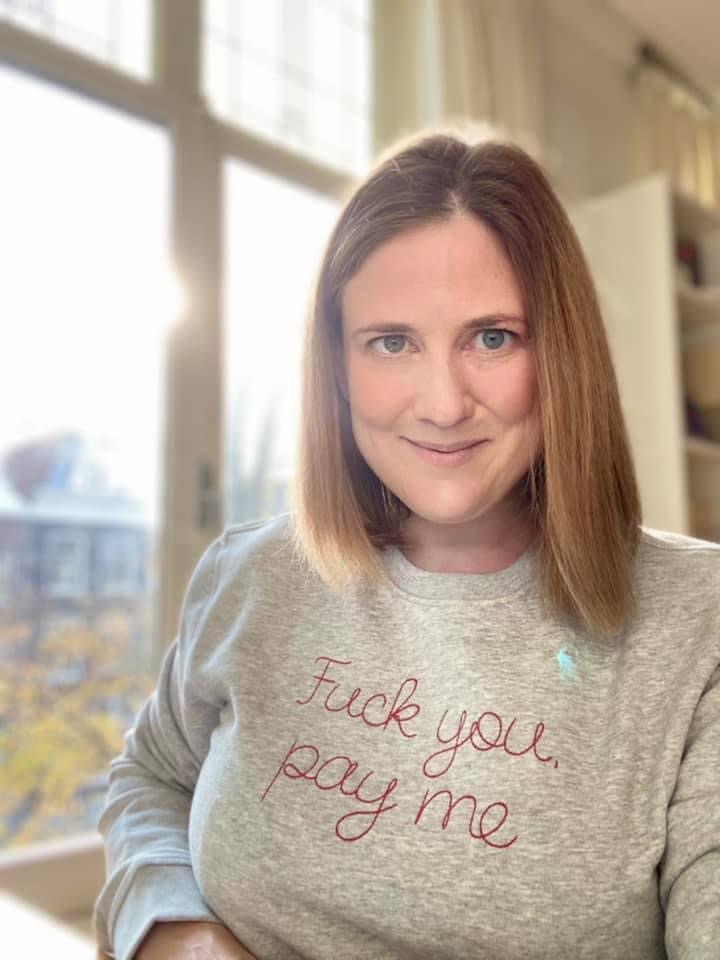
<normal weeknote service resumes>
This week at work
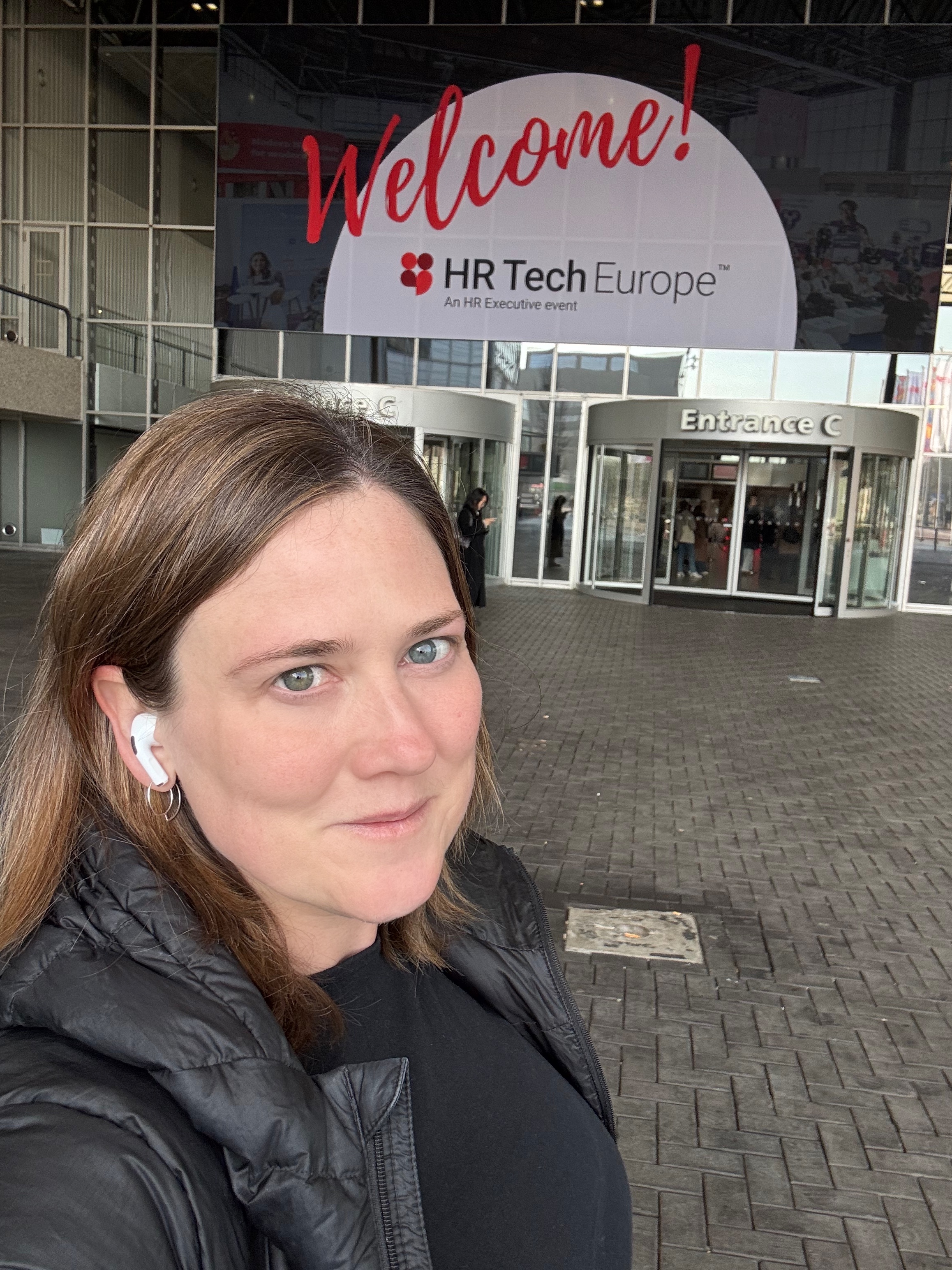
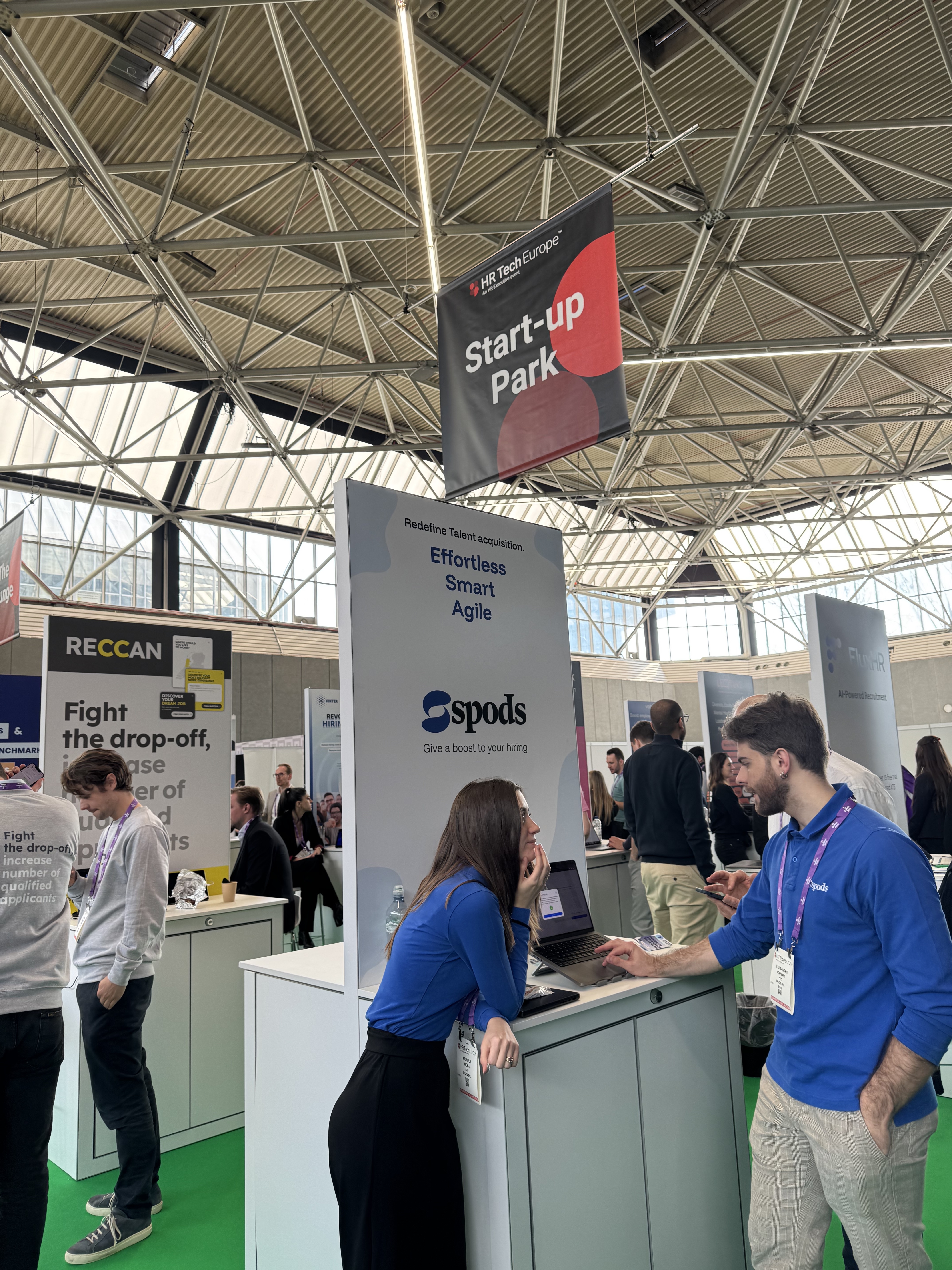
Spent two days at HR Tech Europe, covering everything from recruitment to onboarding, engagement, and employee experience. And by the end of it, one thing was clear: AI is transforming HR—but employee experience is still an afterthought.
AI could automate admin, improve decision-making, even redesign work itself. But too many vendors are busy selling AI to HR teams, not designing it for employees.
One session ran a live poll on AI in HR. Not a single mention of employee experience. For the second year running, vendors proudly boasted about time spent in their apps—as if forcing people to spend more time in HR software is something to celebrate.
Unless you work in HR, you should be spending as little time as possible in HR systems. The best tech automates, integrates, and disappears into the background so people can get on with the work they actually signed up for.
Another big theme? Tech overload. One company revealed they have 120 SaaS tools for 135 people. That’s not streamlining, that’s madness. Instead of reducing complexity, too many organisations are piling on more tools, more silos, more duplicated effort.
It’s not just about cutting tools—it’s about better design. As we tell clients: There’s no ROI in launch—only in sustained adoption and use. Good design, proper integration, and automation mean higher adoption, lower training costs, and a better experience for employees.
The big takeaway? HR tech should work for people, not against them. If we don’t prioritise employee experience, we’re not making work better—we’re just making it more complicated.
Also this week
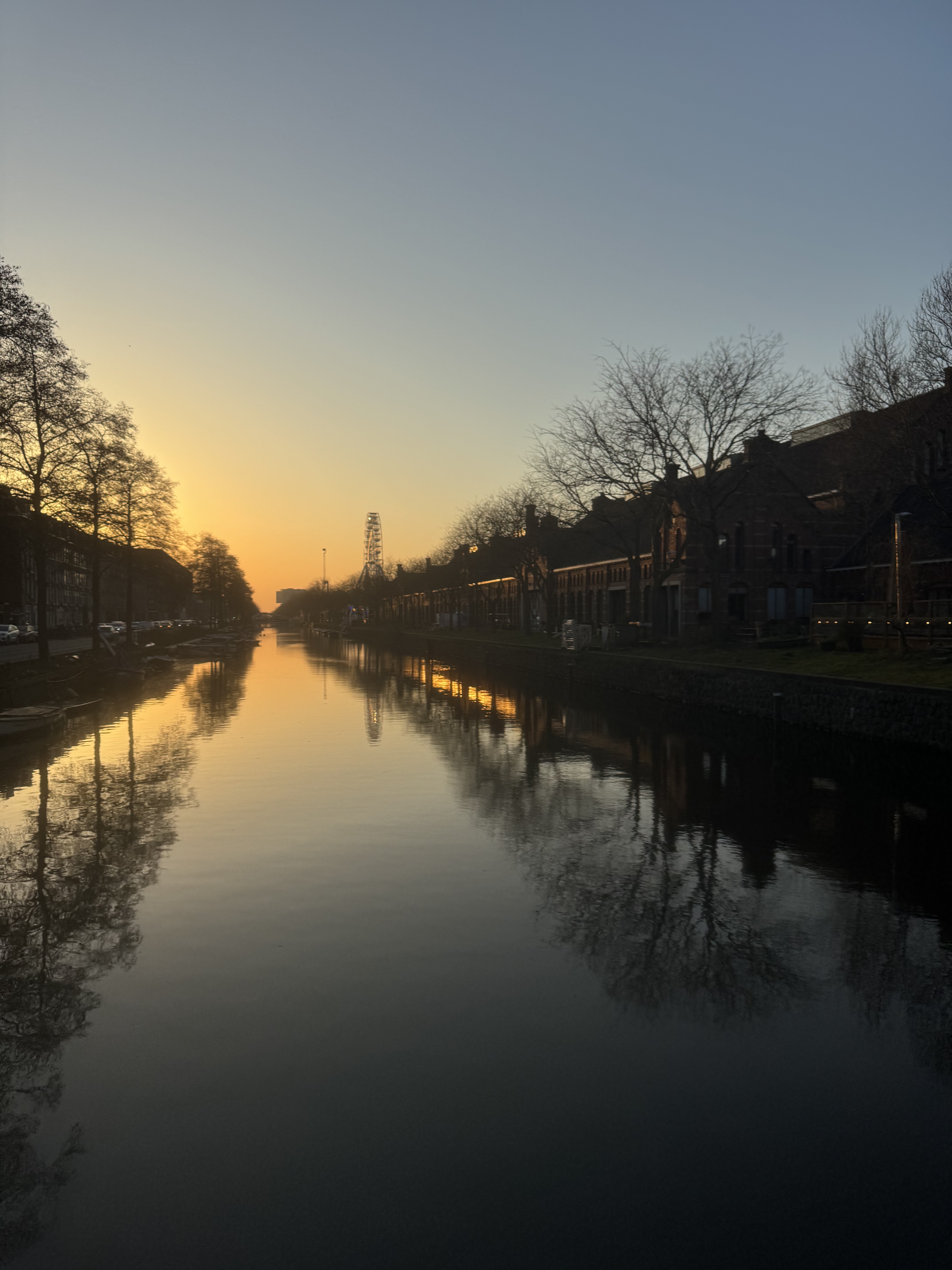
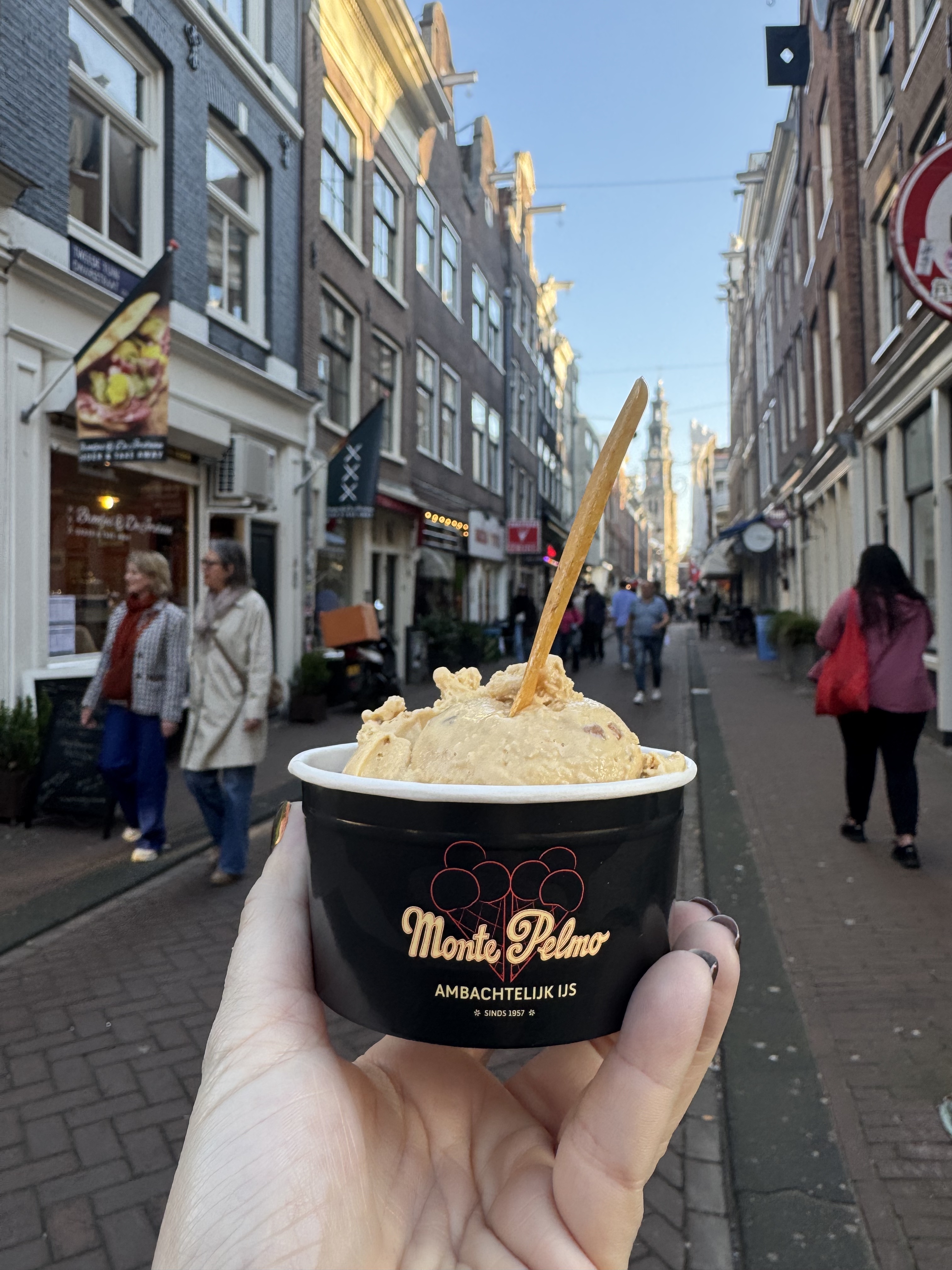
It’s absolutely glorious in Amsterdam, like we’ve moved straight from winter to summer. The giant puffa jacket has given way to a cardigan. Along with half the city I had my first beers-on-terrace outing of the year. People are out on their boats and sitting by the canals. When the sun’s out this really is the best place in the world.
Saw Kyla Cobbler’s show at Boom Chicago this week. Sharp, fast, filthy and chaotic in the best way. A mix of razor-sharp storytelling and unfiltered crowd work, delivered with full Irish energy that keeps you on edge. Some bits landed harder than others, but when it hit, it really hit and my girlfriends and I laughed till we hurt. A wild, unpredictable ride.
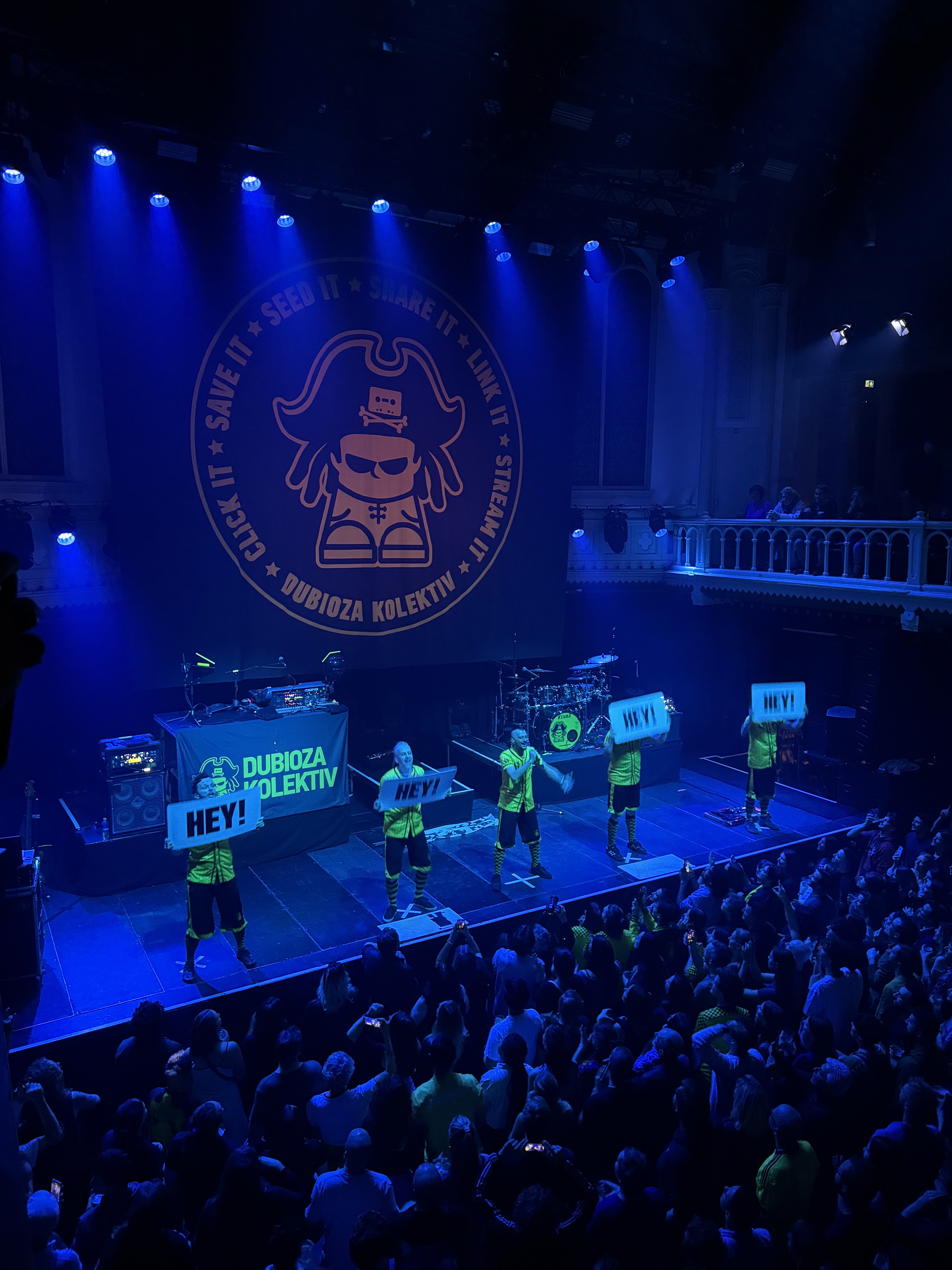
Less of a hit was Biig Piig last night at the Melkweg. A few of us went, mostly just as something to do for my pal’s birthday. Felt a bit too try-hard, perhaps because our group were responsible for bringing the average age of the crowd up by at least a decade. One of those gigs where you realise you’re just not the target audience, and that’s fine.
Consuming
👩🏻💻 Internetting
What’s in my browser this week
- With two holidays under my belt already this year, and three more booked, you can definitely file this one under “well you would say that, wouldn’t you?” but I enjoyed this piece on why travel makes you a better person.
Travel isn’t just fun—it can rewire your brain. Immersive experiences boost empathy, challenge assumptions, increase self-awareness, and spark creativity. Travel builds trust, fosters open-mindedness, and keeps you grounded by pushing you beyond your comfort zone. Travel has certainly made ME a. better person, and I’m thankful for that. - A timely piece in the Economist on the persistence of the gender pay gap. Sunlight has not, in fact, turned out to be the best disinfectant.
📺 Watching
Nothing of note this week.
📚 Reading
One of the exhibitors at the HR Tech conference had the bright idea of giving out free books if you pose with it for a selfie. So I’ve finally started reading Brene Brown, about a decade after everyone’s raved about her at me.

🎧 Listening
I’m two episodes in to Broken Veil. Unsettling.
Travel
🇬🇧 I’m heading to London this week. I have a little spare time so shout if you want to catch up.
Connections
I had a virtual coffee with Stephanie Barnes this week. We talked about moving countries, the overlaps between KM and digital workplace, and using creativity in workshops to prompt people to think differently.
HR Tech Europe also gave me a chance to catch up with Anne-Marie Blake again, and meet her co-founder Howard Krais for the first time.

Coverage
I spoke to Nexer’s Cat Cutmore about what 300 Seconds is and how the idea came about.
My one-woman IWD campaign was picked up by West Country Voices.
This week in pics











 Sharon O'Dea