Orientation, not arrival

A person walking along a dirt path towards a city skyline, with a signpost indicating the direction, under a clear blue sky.

This is the final piece in a three-part series reflecting on ten years of self-employment — what led me to leave my last employed role, what came after, and how I now think about work, identity, and change.

(if you haven’t read Part One and Part Two, read those first)

Ten years on, I’m not especially interested in tidy origin stories or triumphant endings.

What I have instead is orientation.

For a long time, I thought comfort meant stability: a role you could explain in one sentence, a trajectory you could sketch on a whiteboard, a sense that you were “on track”. I no longer think that. Comfort, as it turns out, isn’t the absence of change. It’s the ability to exist inside change without being overwhelmed — or taking it personally.

That distinction has taken years to learn.

Earlier in my career, I absorbed the idea that legitimacy had to be earned constantly. In the banking environment I worked in, surrounded by people who seemed far more confident, polished, and socially assured than I felt, I carried a low-level sense of being a chancer. Someone who’d slipped through a side door and needed to justify their presence.

So I worked harder. Stayed later. Took on more. Put my hand up when others didn’t. I treated exhaustion as evidence that I was doing it right. If I could just make myself indispensable enough, visible enough, useful enough, then my credentials couldn’t be questioned.

It’s not hard, in hindsight, to see where that leads.

These days, I’m better at holding uncertainty without immediately turning it into a personal failure. I don’t always get it right, but I’m quicker to notice when I’m reacting rather than responding.

That difference matters. Reaction wants certainty and closure. Response allows for partial information, for waiting, for keeping options visible. I make fewer decisions in a rush to feel safe. I’m more deliberate about what I lock in, and what I leave adjustable.

I expect the ground to shift, so I design for movement.

Being multi-hyphenated is often framed as a lack of focus. For me, it’s closer to a coping mechanism in a world that refuses to sit still. I don’t treat optionality as indecision; I treat it as resilience. I commit, but only lightly. I choose depth over novelty, without betting everything on a single version of relevance.

What I notice now, more than anything, is range — the ability to move between depth and breadth without losing my footing.

I have work that still interests me — not because it’s new, but because it’s deep. I work with people I respect, on problems that are hard in ways that matter. I have space for thinking, for writing, for changing my mind in public and in private.

I have a working life that accommodates curiosity and contradiction. One that leaves room for travel, for friendships, for health, for creative detours that don’t need to justify themselves immediately — or maybe ever. None of this arrived quickly or neatly. Very little of it could have been predicted at the outset.

But it’s a life that fits — not perfectly, but well enough.

Titles still don’t quite capture what I do. They probably never will. I’ve stopped trying to compress a complex working life into a single, tidy label. Some ambiguity is simply the price of doing work that spans systems, disciplines, and contexts. And that’s ok.

What’s changed is that I’m no longer looking for a final definition.

Writing has helped with that. It’s given me a place to be authoritative on my own terms — not by pointing at outputs, but by articulating patterns, judgement, and expertise. Over time, I’ve come to trust that credibility doesn’t only come from what you reveal. It also comes from sharing how you think.

And I’m comfortable saying this plainly: I have a bloody great life.

Not because everything worked out. Not because there was a master plan. But because enough worked out. Because the work is meaningful, the people are interesting, and the days contain more choice than they once did, and I wake up every day (well, most days) feeling like I’m making a positive difference to people’s working lives.

There wasn’t a moment of arrival. There still isn’t.

What there is, is a steadier way of standing while things move. A clearer sense of what I’m willing to tolerate, and what I’m not. The confidence that I can adjust my stance as the ground shifts — because it always will.

I’m not finished. I’m not “there”.

But I’m facing in the right direction.

And, for now, that’s enough.

The Long Middle

A surreal image of a woman standing with her back to the viewer on large stone slabs that are broken apart and floating above a reflective surface, with a wide blue sky and clouds stretching out ahead of her.

This is part two of a three-part series reflecting on ten years of self-employment — what led me to leave my last employed role, what came after, and how I now think about work, identity, and change.

(if you haven’t read Part One yet, read that first)

Leaving got me out of a toxic situation. It solved the urgent problem — but it didn’t hand me a new map.

What followed wasn’t clarity or momentum, but a long stretch of recalibration.

There wasn’t a clear trajectory. There still isn’t. What changed was my tolerance for that.

In the early years after I left, I spent a fair amount of time trying on different versions of myself. Some of this was curiosity. Some of it was necessity. And some of it was the lingering belief that “progress” ought to look like movement towards something newer, shinier, or more obviously impressive.

I flirted with adjacent worlds — product, innovation, startups — not because I was particularly drawn to them, but because they seemed to represent where the action was. In contrast, going back to intranets and the digital workplace initially felt like a step backwards. I’d internalised the office pyramid: bigger portfolios, bigger teams, broader remits. Returning to a domain I’d started in felt uncomfortably like reversing down the ladder.

At the time, I was still measuring myself by scope rather than substance. Portfolio size rather than domain authority.

That shifted once I stopped borrowing other people’s career templates.

Joining forces with my now-business partner was a turning point. Not because it suddenly clarified everything, but because working in partnership changed the texture of my working life. Ideas became conversational rather than solitary. Drafts were sharpened through debate. Momentum came not from self-discipline alone, but from shared accountability. If I promised something by the end of the day, it happened — not because of pressure, but because I’d said it out loud to someone whose judgement I trusted.

More importantly, partnership reflected my strengths back to me.

Returning fully to intranet and digital workplace work stopped feeling like retreat, and started to feel like reclaiming something I was genuinely expert in. What had once felt “unsexy” now felt deep, consequential, and hard-earned. I stopped apologising for caring about work that sits at the intersection of people, systems, governance, and power — because that’s where things actually succeed or fail in complex organisations.

One of the more disorienting parts of this period was realising that a skill I’d come to doubt was, in fact, central to my value.

In my last job, the authority to do this work — rolling the pitch, preparing the ground, building buy-in — was quietly withdrawn, and with it went my confidence. Politics was treated as something faintly embarrassing — a distraction from “real” work — rather than the environment in which real work actually happens.

After the break knocked my confidence, I lost sight of the fact that understanding how organisations function is a skill in its own right. Knowing what a project sponsor is carrying. Recognising where resistance is coming from. Being close enough to the reality of organisational life to empathise — but far enough away to offer perspective and judgement.

The first time an old colleague hired me to support them at another organisation specifically for that capability, it was a genuine eureka moment. Not because I’d suddenly acquired a new skill, but because I could finally see clearly again what I’d been doing all along.

Consultants are often accused — sometimes fairly — of proposing ideas that sound elegant in theory but collapse in the cold light of day. What I’d been led to question wasn’t a weakness. It was the craft: working with context rather than around it, acknowledging politics instead of pretending they don’t exist, and offering help that is grounded, realistic, and usable.

That balance — empathy without over-identification, distance without detachment — turned out to be the thing that makes my work stick.

That realisation didn’t instantly restore confidence. Confidence lagged behind evidence. I had to stop apologising for how I work — and that happened slowly, unevenly, over years rather than months.

Identity, meanwhile, remained unresolved. Losing a job title I’d spent a decade chasing was harder than I expected. “Head of digital comms at a bank” collapsed overnight into “freelancer”, with all the ambiguity that entails. Titles are crude, but they’re socially useful shorthand, and I missed having one that did the explanatory work for me.

Go too narrow, and you limit the range of work you’re considered for. Go too broad, and you dissolve into a sea of digital hand-waving. I still feel that tension. But I’ve stopped treating it as a problem that needs solving.

This wasn’t simplification so much as a recognition of complexity.

Another quiet shift during this period was my relationship to impact and evidence. Working for large, complex organisations means you can rarely talk openly about what you’re doing. Commercial confidentiality applied in my last role, and it still does. For a while, I struggled with that invisibility — the inability to point to outputs, launches, or neat before-and-after stories.

What helped was returning to writing. Twitter (RIP), LinkedIn, and blogging gave me a way to be authoritative without breaching confidence. I didn’t need to show the workings to demonstrate the thinking. Over time, I became more comfortable with the idea that much of my value lies not in what I produce directly, but in the choices I help organisations make — including the mistakes they avoid.

Conditions during this period were far from perfect. I still wish I’d left my last job on better terms, with a clearer plan and some savings behind me. For a long time, I was angry — not just about how it ended, but about the injustice of it all. About being made to feel like a failure by an organisation that had benefited from my willingness to stretch, absorb, and endure.

That anger was oddly clarifying.

It stripped away some of the residual self-doubt and forced a reappraisal of what I’d normalised. I could see more clearly how readily I’d equated over-extension with professionalism, and how easily I’d absorbed responsibility for failures that weren’t mine to carry.

The anger didn’t vanish quickly. It lingered. It resurfaced, often out of nowhere. For a while, it was part of how I made sense of what had happened.

But over time, it loosened its grip.

It stopped being the engine of the story and became part of the context instead — something I could acknowledge without letting it define how I saw myself or what came next.

This phase of my career wasn’t about reinvention. It was about unlearning — letting go of borrowed hierarchies, inherited measures of success, and my habit of treating uncertainty as a personal failing.

The long middle taught me to live without a script. To value depth over novelty. To accept that some careers don’t resolve into clean arcs, and that progress is sometimes a matter of stance rather than speed.

The ground kept shifting. I learned to stand differently.

Now read Part 3, Orientation, not arrival.

The Break

A surreal painting showing a woman in a dark business suit, seen from behind, stepping through an open door that leads into a blue sky filled with clouds. Behind her is a dim office interior with a desk and lamp fading into shadow.

This is part one of a three-part series reflecting on ten years of self-employment — what led me to leave my last employed role, what came after, and how I now think about work, identity, and change.

I didn’t leave my last employed role because I was brave, burned out on corporate life, or driven by some entrepreneurial calling.

I left because staying had become untenable.

By the time I quit, I was exhausted, unwell, and out of road. Not in a dramatic way — but in the slow, grinding way that comes from trying to make an impossible situation workable for too long.

For over a year, I’d been doing the work of two, arguably three people. I spent a year living in a hotel on the other side of the world to deliver a project against an unrealistic deadline, with neither enough resources nor senior support. Alongside that, I was managing two teams across eight time zones — a logistical and emotional load that never let up.

I did all of this willingly. Partly out of professional pride. Partly out of ambition. And partly because I believed (and was quietly encouraged to believe) that if I proved myself hard enough, everything would eventually resolve.

I was chasing a promotion I thought I needed, and a bonus that had been dangled just far enough ahead to keep me running. Early in that financial year, I discovered that someone in my team, with significantly less responsibility and a lighter workload, was being paid more than I was. When I raised it, I was told it couldn’t be fixed — but that it would be rectified at bonus time.

In retrospect, I was a mug.

Then came the reorganisation.

It was badly handled, driven more by internal politics than how teams actually function. My team was disbanded — a fact I didn’t learn in a meeting, or even on a phone call, but via a text message from a junior team member, because my manager had forgotten to invite me to the meeting.

Shortly afterwards, I was moved under a new manager who neither understood nor valued digital, and who had little appetite for making a success of a platform I’d spent the previous year delivering. Because it wasn’t their idea, it was quietly undermined — along with the person responsible for it.

By then, my body had already started to register what I was still trying to rationalise. I barely slept. I was constantly tense. I was ill with stress in a way I’d never experienced before. I took a few days off sick — the only sick leave I took in the whole time I worked there — and received an email from HR informing me that if I remained off, my pay would be withdrawn.

It wasn’t framed as concern. It was framed as process.

That was the moment the spell broke.

Up until then, I’d still been operating under the illusion that if I just worked harder, explained myself better, or endured a bit longer, the situation would right itself. That email made it clear this wasn’t a misunderstanding or a temporary rough patch. The system had made its position known.

I didn’t quit because I was brave. I quit because I had reached the limit of what I could reasonably absorb.

At the time, it didn’t feel like a career decision so much as a physical and emotional necessity. I didn’t leave on good terms. I didn’t have a plan or a financial cushion. I left carrying a messy mix of anger, relief, fear, and a deep sense that I’d somehow failed.

Looking back, I wish I’d been kinder to myself.

I wish I’d trusted my own signals sooner, rather than forcing my body to escalate the message. I wish I’d recognised that enduring harm isn’t professionalism, and that loyalty to a system that isn’t reciprocated is rarely rewarded.

Ten years on, I don’t romanticise that moment — but I respect it. Walking away wasn’t a career move. It was an act of self-preservation.

And everything that followed began there.

Part two, The Long Middle, is here.

Weeknote 25/11

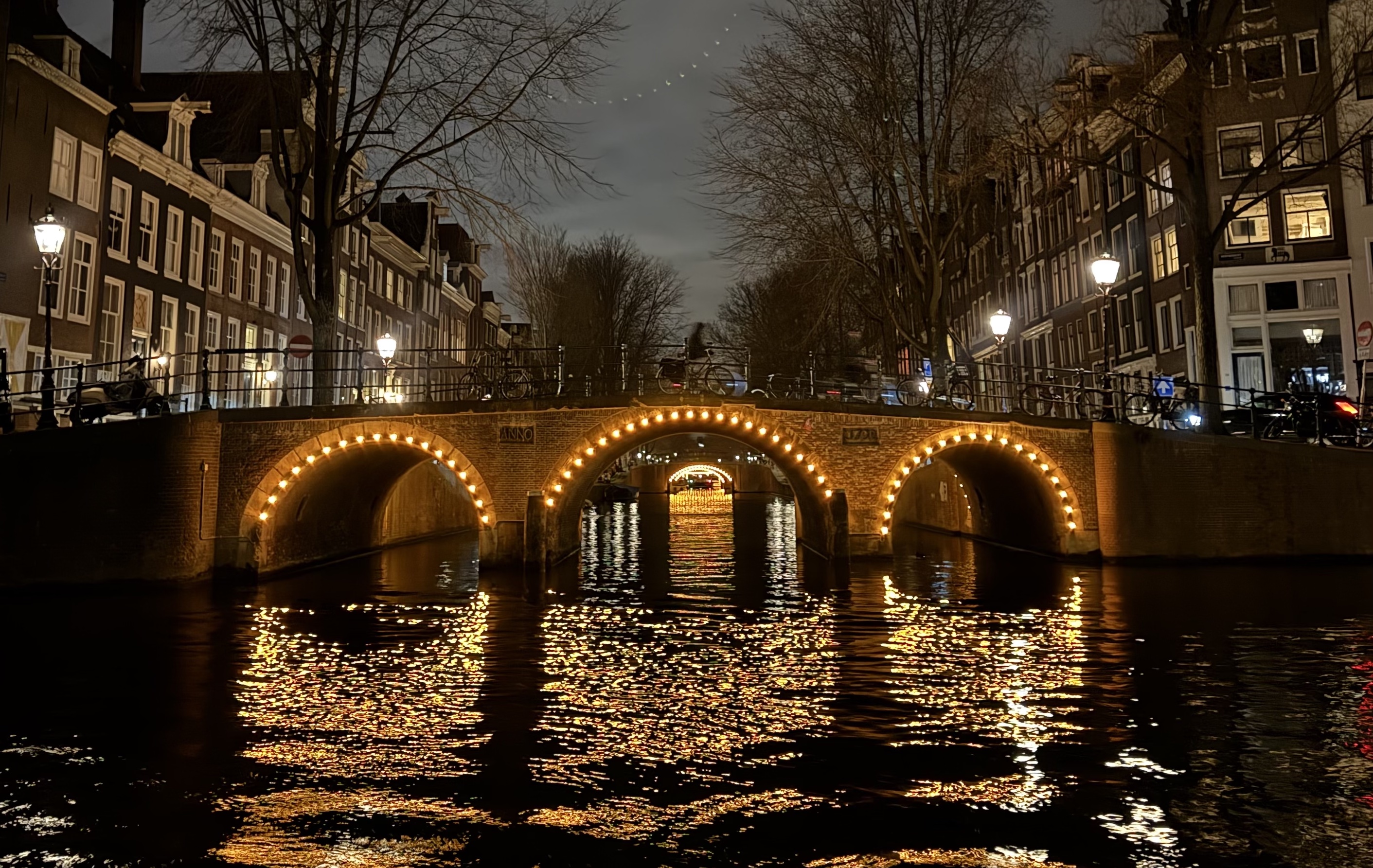
On my walk home last night I managed to catch that spot at Reguilersgracht/Herengracht where you can see all six bridges, with no boats. Jackpot. Photo: me.

It’s St. Patrick’s Day, which means somewhere, someone is butchering the pronunciation of sláinte, and the world’s most tenuous Irish connections are being milked for all they’re worth.

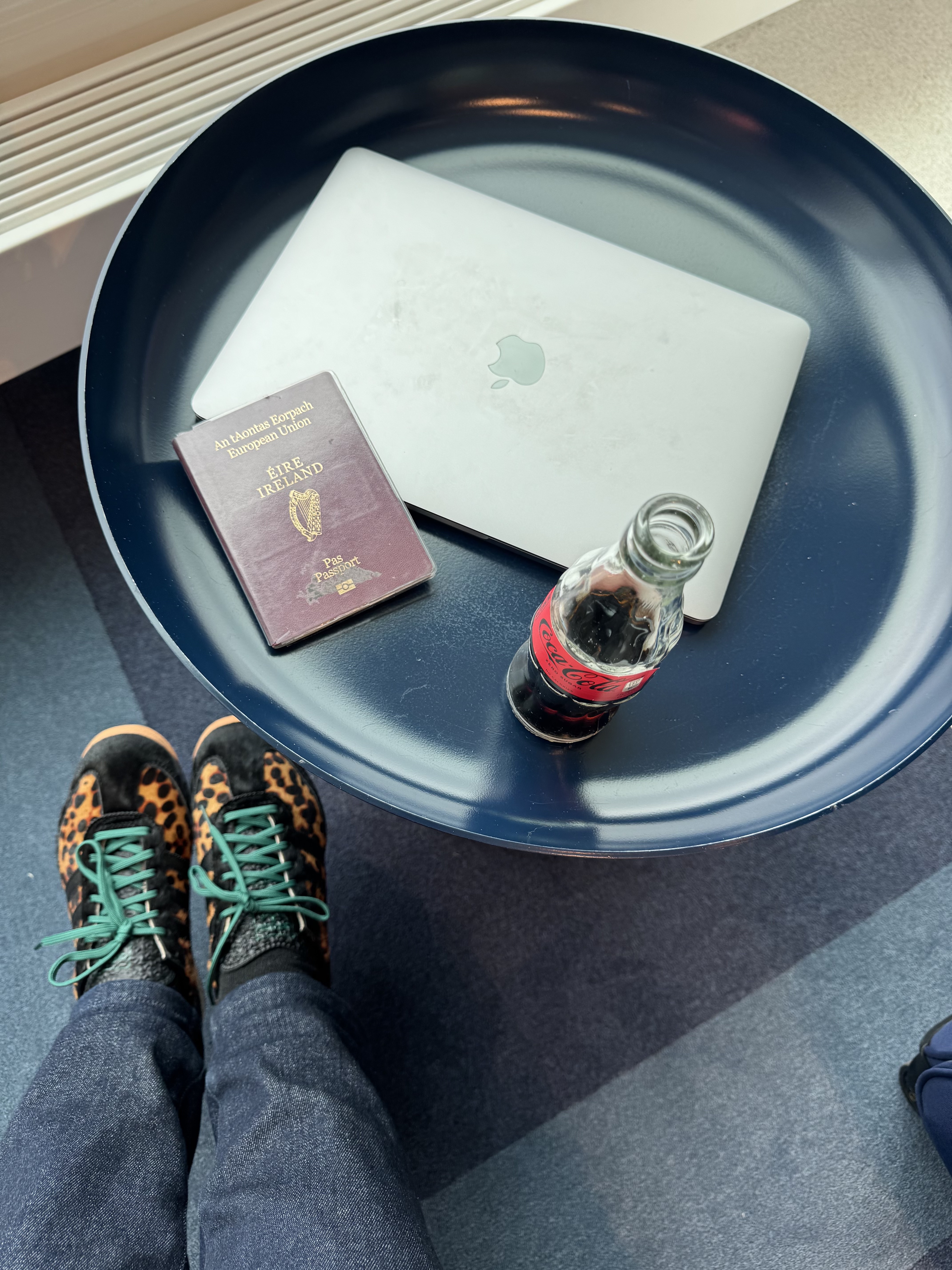
As an actual passport-holding half-Irish person, I shall be marking the occasion by… doing what I do every week: wrangling intranets, herding stakeholders, and wondering why AI still can’t do the boring but important stuff properly.

This week at work

Back working with a client we helped launch an intranet for at the end of last year. It’s landed well—users like it, stakeholders are pleased, and now comes the next phase: shutting down the digital graveyards of legacy sites. We’re mapping what to keep, what to archive, and what to chuck in the bin.

Teams are often stunned at how little of their content is doing anything useful. Most pages get barely a glance. And while you could argue that abandoned content costs nothing, every extra page makes it harder to find the stuff that actually matters. Worse, if it’s outdated or misleading, it’s not just clutter, it’s a risk. The brutal reality is that unless you’ve had cast-iron content governance from day one, you can probably delete at least half your intranet with zero consequence. More likely, 90%.

So we’re sifting for the gold, reassuring stakeholders that most of their lovingly hoarded PDFs are no great loss, and helping the client streamline their digital estate. Fewer sites, less noise, and some actual cost savings.

Everyone in this space loves to talk about AI, but for now, it’s the unglamorous grind of governance and admin that makes the biggest difference to employee experience. (And yet, sorting the short neck of valuable stuff from the very long tail of ROTten content is exactly the sort of thing AI should be good at, and yet… isn’t. If you’re an intranet vendor with software that actually does this well, I would love to see it.)

Meanwhile, on another project, we’re developing a series of bespoke workshops. Didn’t set out to be a ‘workshop person,’ yet here we are. Apparently, we’re quite good at it too.

And since no one else is tooting our horn, I’ll do it myself. Recent feedback includes:

  • “That was the best-run workshop I’ve ever been to. I can’t believe we got through so much in a day.”
  • “Every meeting, I admired the way you managed to bring people together, even in tricky situations.”
  • “That was fantastic! Perfectly paced, and I love how you kept everyone focused.”

I do enjoy it—designing a well-paced, structured session that cuts through competing perspectives and actually gets people to a decision.

On the downside, a project we were due to start has been booted to a later budget round, so we’ve got some unexpected capacity over the next few months. If you need help untangling your communication and collaboration mess, give us a shout. Maybe you don’t quite know what you need, just that things aren’t working as well as they should. Those are my favourite projects.

In a laughably unsubtle attempt at business development, here’s my page on working with me. (And this lack of subtlety is why I don’t work in sales.)

Also this week

False spring came and went, but at least it was proof the planet is still spinning towards brighter days. News remains an omnishambles, so I’m sticking to my avoidance diet.

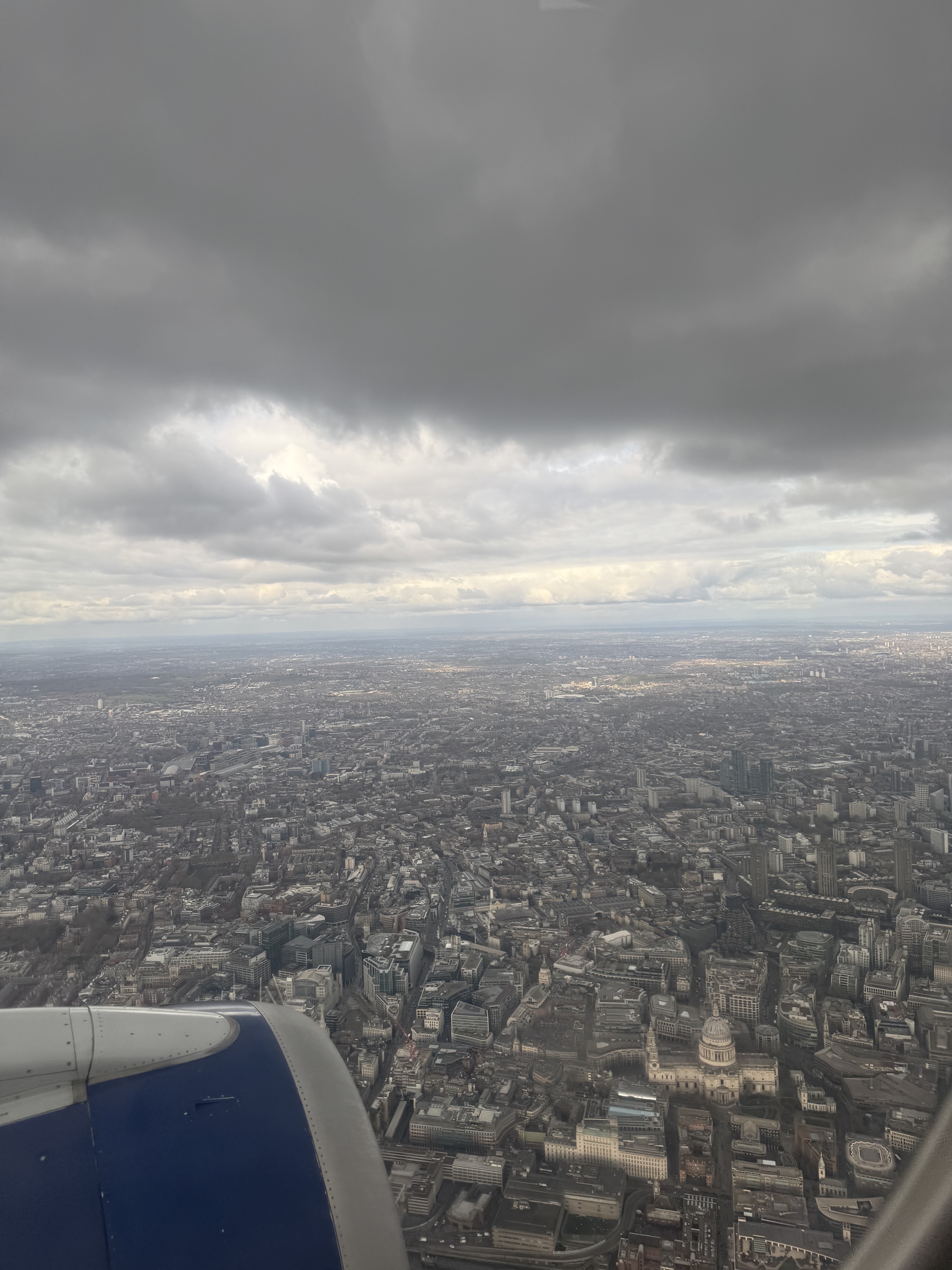
Quick trip to London to meet a prospective client, do some planning, and see my folks.

Consuming

👩🏻‍💻 Internetting

Anyone who’s worked on the internet for long enough will have watched the same cycle play out: bright young thing arrives to ‘shake things up,’ promptly tears everything apart, and then vanishes before the consequences hit, leaving others to clean up the mess.

So I appreciated this interview with Jennifer Pahlka, founder of Code for America and former US Deputy CTO. She lays out a case for smarter, more responsible government transformation. Her book argues that bureaucracy smothers good policy and that better internal tech capacity—rather than over-reliance on contractors—could fix it. Instead, we get sweeping, indiscriminate cuts that hurt the people who rely on public services the most.

Not that anyone in power will listen for a second.

The internet was built on cat pictures, so logically, its next evolutionary step is cat videos. Cats making burgers, to be precise.

It’s no “He’s making a mockery of you, Derry” bat video but an otter loose in the kitchen is always worth watching.

📺 Watching

I had a second attempt at watching Slow Horses, and got sucked in this time. Once you suspend disbelief at the poor OPSEC and laughably lax controls of a team supposedly working for the secret services it’s really quite enjoyable nonsense with some great performances.

I also saw the new Bridget Jones movie at the cinema. It was sold as a romcom but turned out to be a movie about grief that had me weeping from about 5 minutes in.

📚 Reading

Nowt this week

🎧 Listening

Episode three of Broken Veil cranked the creepiness up a notch.

Connections

I managed to catch up with the wonderful Lisa Riemers when I was in London. We talked, inevitably, about accessible comms. I’m looking forward to her book on the same.

This week in photos

Weeknote 2025/05

Lo Hei: marking Lunar New Year, Singapore style. (Photo: Wikimedia Commons)

As January is finally behind us, different cultures mark the transition into a new season. So yesterday I found myself celebrating both Lunar New Year and St Brigid’s Day, two festivals marking the turn of the seasons in very different cultures.

At their core, both St. Brigid’s Day and Lunar New Year are celebrations of renewal, abundance, and the enduring power of traditions. But in a world where borders blur and cultures interweave, celebrating traditions from every corner of the globe has become a way of life.

My longtime nomad friend Lauren scheduled a Lunar New Year dinner for her first Curiosity Supper Club, intimate gatherings of global citizens to share stories and perspectives shaped by different places, cultures, and experiences.

My dining companions were certainly a cosmopolitan bunch, including a Hong Konger who grew up in Cairo, a Taiwanese man who came to the Netherlands via Colombia, a Thai-Italian former Londoner who grew up in Norway, and a Sámi Swede from Lapland.

Our host asked everyone to contribute some food or drink. And somehow, with no real coordination, we ended up with starters, mains and dessert. A blend of family recipes and favourites from the diverse mix of places all of us have called home at points.

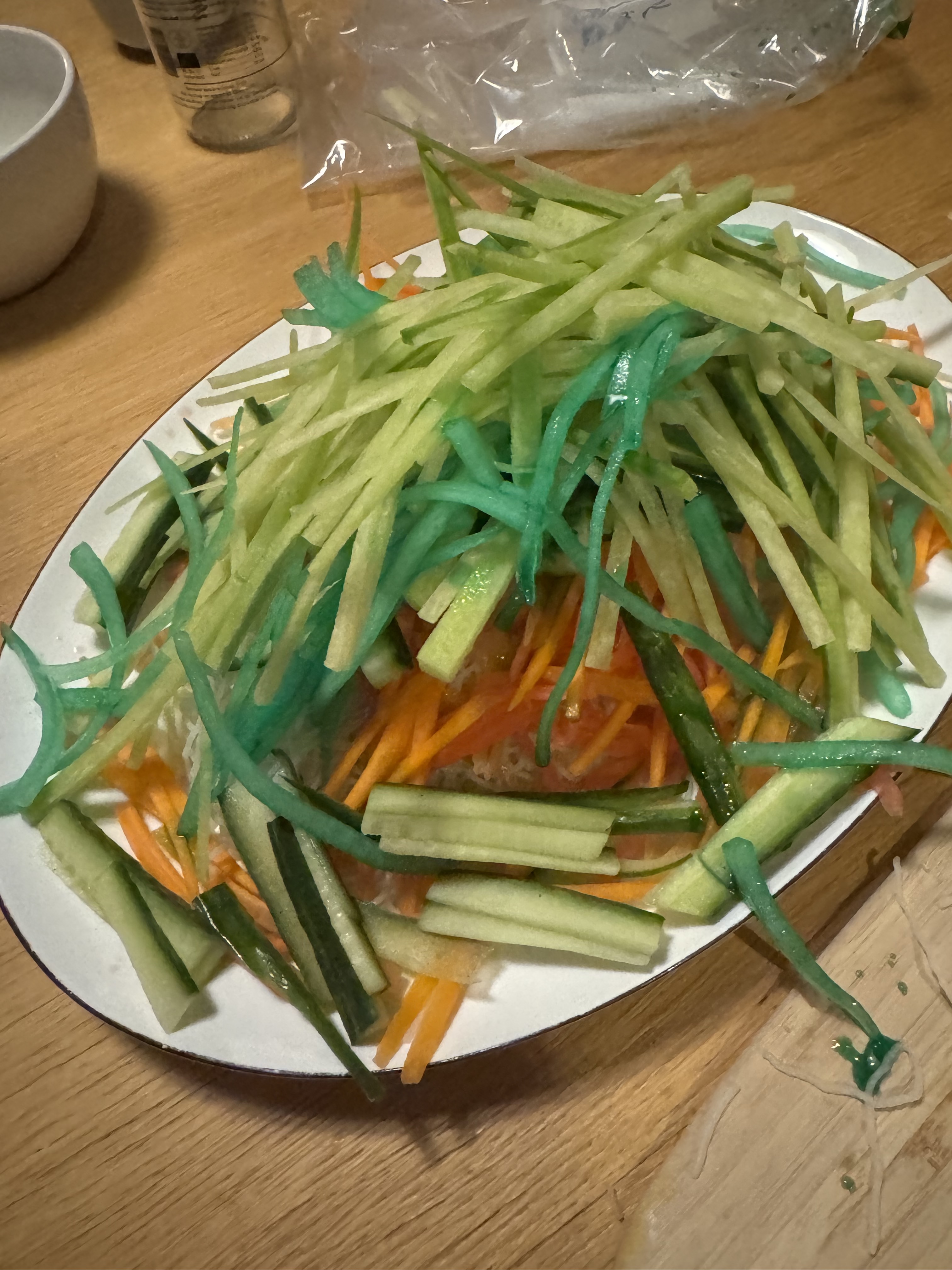
Amidst this wonderfully mixed group of people from every continent, I had the pleasure of introducing ‘Lo Hei’, the Singaporean prosperity toss tradition I enjoyed while living there.

Part of being a global citizen is carrying traditions with you—adopting new ones, sharing old ones, and seeing how they evolve in new places.

Whether tossing raw fish and shredded vegetables in the air for luck or weaving Brigid’s crosses for protection, these rituals connect us to the past while bringing people together in the present.

This week at work

  • We’re thinking a lot about digital workplace maturity. Too often organisations focus on platforms and technologies, but maturity is driven much more about how you use them. You can have cutting-edge platforms, but if you don’t have mature processes and the right skills and capabilities, you won’t get the best from them. Conversely, you can have old tech but with great processes (particularly in use of data and thinking on user experience) have a mature DW. “All the gear, no idea” is a common phenomenon.

    With that in mind, we’ve been exploring what digital workplace maturity looks like and how you can objectively assess it. We cracked some of the big questions this week and am looking forward to sharing with some partners and clients soon
     
  • Started planning for a swathe of conferences and events this year. My travel diary for this year is already looking a bit bonkers (even by my standards!)
     
  • Kicked off some thought leadership work for a vendor
     
  • Worked on post-launch improvements for a client’s intranet

Also this week

With a bunch of travel coming up I spent this week catching up on personal admin. Legal stuff, tax bills, pension, dentist x 2, haircut (same haircut I’ve had forever; I fear change), gym x 5.

Consuming

👩🏻‍💻 Internetting
Bits of digital lint caught in my browser’s belly-button

  • This study from the Oxford Internet Institute on the impact of generative AI on the freelance job market. The study finds that the impact on the labour market is complex – creating opportunities in some areas while reducing demand in others.
  • Clearbox have published an updated edition of their intranet and employee app review report. It’s an essential resource for anyone looking to invest in a new solution or boost the value of their current one. And it’s free.

📺 Watching
I’ve started watching The Diplomat on Netflix. Only three episodes in – I’ve been out lots this week so not had much TV time – but I can already see why people recommend it

📚 Reading

Nothing this week. I need to find my book mojo again.

🎧 Listening

  • Enjoyed a few episodes of Redacted, a series on declassified incidents in government institutions
  • I’ve had Confidence Man on repeat on Spotify. Was in preparation for seeing them live, before realising I’ll be away so will miss it. Still, banging tunes nonetheless.

🧳 Travelling

I had a whole week at home. But that changes this week as I’m off on an adventure. More on that next week.

Connections

I caught up with Public Digital’s Cate McLaurin and Oli Lovell (but only a brief wave to Tom Loosemore), and joined them for dinner with colleagues from one of their clients.

I decided to give networking app The Breakfast another go, and ended up matched with Adhar, a marketer from Bangalore. We met for a decidedly non-breakfast drink had a great chat about music, keeping track of your network, craft beer and food in the Netherlands.

Coverage

Jon and I were interviewed for this piece in Reworked on measuring digital workplace maturity

A throwaway post on LinkedIn, in which I asked in Enterprise Social Networks have had their day, blew up big time. It attracted comments from some of the people I respect most in the industry.

My post was picked up by Shel Holtz and Neville Hobson on their For Immediate Release podcast, along with another timely question from Caroline Kealey: is change management dead?

To my mind there are a couple of trends which contribute to both: 1) the hollowing-out of trust at work, which has eroded psychological safety. And 2) a sense of fatigue; people are simply overwhelmed with the sheer amount of change and messaging to process. So they retreat into silos and safer spaces, online.

There’s an irony, then, in my posting a question about thew death of social networking on a public social network and it generating one of the most thoughtful and interesting discussions I’ve had online in years. But I guess that illustrates the point quite well; that where there’s clear purpose, there’s still appetite for community.

Weeknote 2024/13

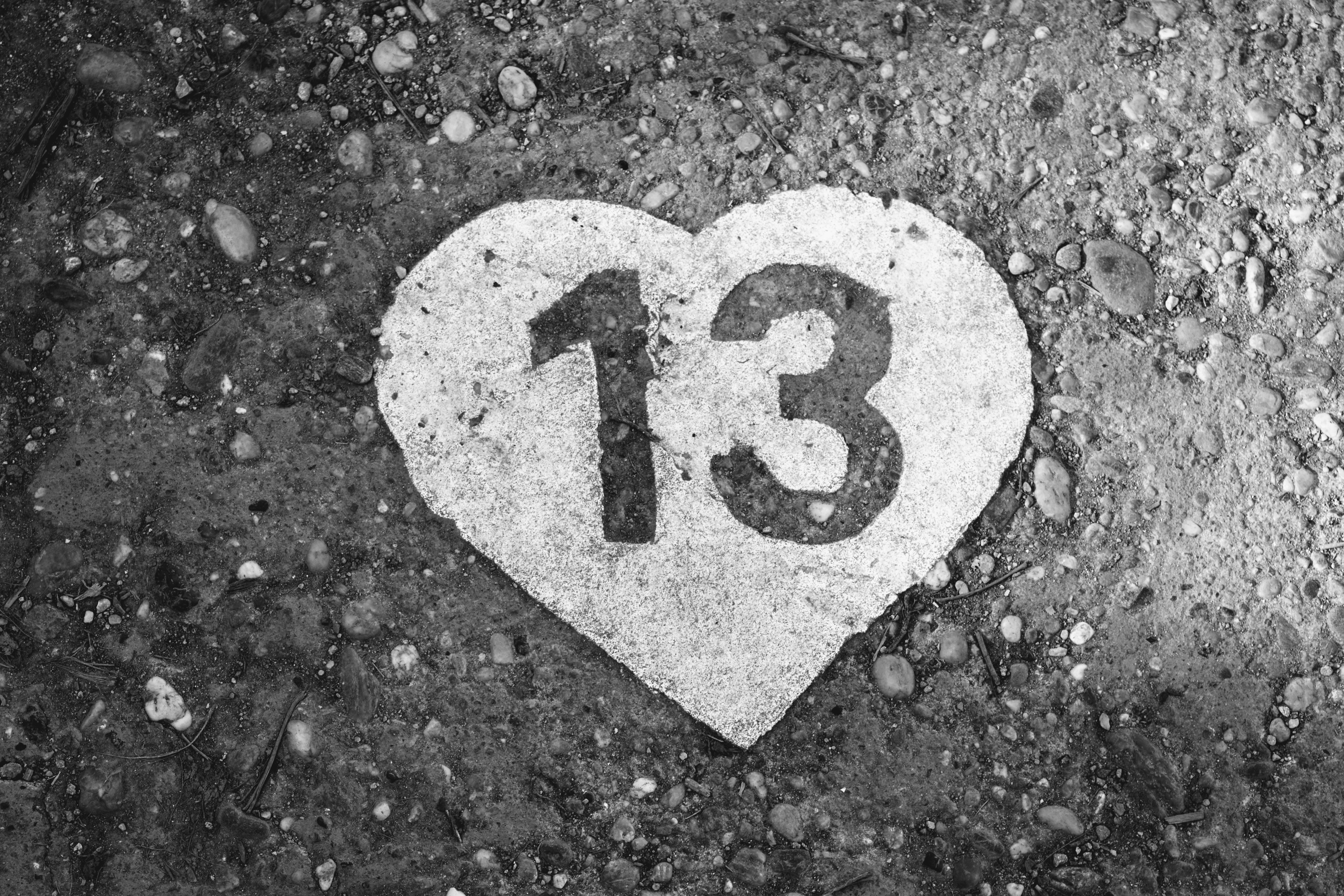
number 13 in a heart on gravel
Photo by SC Lime (Pexels)

“Genres are a funny little concept, aren’t they? Yes, they are. In theory, they have a simple definition that’s easy to understand. But in practice, well, some may feel confined.”

— Beyonce, SPAGHETTII

It’s barely a day since Beyonce – not content with her status as Queen of Pop – released Cowboy Carter and rode into country music like she owns the place. 

She’s plucked a little bit of hip-hop here and mixed it with some psychedelic funk there, pulled in a bit of Miley Cyrus, covered a Beatles song and even reimagines Jolene, with fiercer lyrics and an intro from Dolly P herself. 

I’ve listened to it through over and over and I love every darn thing about it. I even went to a Bey special spin class this morning, in which Velo’s indefatigable Jeff can make a legit claim to have delivered the world’s first Cowboy Carter indoor cycling class. 

The album is a masterclass in reinvention, in bending genres to your will, in never sitting still, and not just being comfortable with change but embracing it, thriving on it and having everyone love you for it.  

I like to think I can be a little bit Bey. I mean, I have a career that’s veered from publishing to comms to tech to consultancy to… whatever this is.

But I am writing this weeknote from the hairdressers, where I am getting exactly the same haircut that I have had since 2005. 

Beyonce I am not. But I guess I’ll never be Jolene or Becky With The Good Hair either.

Some things I did this week

The big theme of this week was wrapping up. We’ve completed two discovery programmes recently. This week the focus was on helping both of those teams to socialise these internally and turn them into budget and support to move forward with the required change.

One of these teams is considering both build and buy options for their intranet. Every client is different so I can never give an answer without considering their specific circumstances and needs. But on the whole unless your needs are genuinely unusual, building your own is rarely worth it. I was reminded of this blogpost I wrote on exactly this; despite being five years old I still stick by this principle:

You could build it, and in doing so you could make it perfectly meet your needs. But, really, can you be arsed?

Between wrapping up and people being off for the long weekend it was a relatively quiet one. I took the opportunity of an entirely meeting-free day to skive off on a day trip to Maastricht. A rather delightful little city, with some interesting history, decent places to eat and a truly next-level bookshop

Between that and the trip down to Den Haag I zipped up and down the country twice for under €100 all-in, with no pre-booking or discount railcards or anything. In case anyone wants to know what a well-functioning nationalised rail network looks like. 

What I’m reading

Electrify: An Optimist’s Playbook for Our Clean Energy Future by Saul Griffith. 

The tl;dr is “make everything run on electricity, then we can use renewables to make it all work without everyone having to give up the stuff they like”.

The author isn’t just dreaming big; he’s got the science and engineering chops to back up his vision. He breaks down the idea of electrifying everything—from cars to homes to entire industries—with renewable energy sources like wind and solar, making it seem not just possible, but achievable (and even exciting?).

What I liked about this book is how it combines optimism with pragmatism. Griffith lays out a blueprint for us to follow, showing how current technology can be harnessed to create a sustainable future without sacrificing the comforts of modern life. Plus, he dives into how this shift could save money and create jobs, making the economic case for clean energy just as strong as the environmental one.

Amidst gloomy predictions about the future of the climate and increasingly extreme weather highlighting the pace at which this is becoming a lived reality, it was refreshing to think about the climate crisis in the context of a clear, actionable path forward. 

It’s a mix of inspiring vision and hands-on advice that could really make you look at the world differently and feel hopeful about our ability to tackle climate change head-on. If (like me) you’ve ever felt overwhelmed by the doom and gloom of environmental Armageddon, this book offers a refreshing perspective.

Connections

When I wrote my last weeknote I had no particular plans to meet anyone. But the best plans are spontaneous ones.

Susan Hayes Cullerton (aka the Positive Economist) was in the Netherlands so we had a lovely catch up in Den Haag. A cracking evening of chat about the challenges and joys of running your own business.

Then the following day I caught up with AutogenAI’s Gurjinder Dhaliwal, a fellow Brit-in-NL, to talk navigating life in the Netherlands.

Something I learned

That coming up with a new Something I Learned every week is a huge PITA that makes writing a weekly note more work and less fun than I’d like. Binned.

Weeknote 2024/12

A hand holds an Irish passport and Dutch voting papers
Photo: Sharon O’Dea

“To be in favour or against migration is as silly as being in favour or against the economy or the environment. It’s there. A fundamental part of who were are, as human beings, as societies.” 

I spent Monday evening listening to Sociologist Hein de Haas introduce his book at  Science & Cocktails, the monthly pop-science event at Paradiso Amsterdam.

Drawing on three decades of research, the migration expert spent the next hour deconstructing the myths that have made immigration a hot-button issue in both of the countries I call home.

  • Global migration is not at an all-time high – it’s remarkably stable 
  • Migrants aren’t escaping desperate poverty – a desire to migrate comes from growing aspiration
  • Immigration mainly benefits the wealthy – not workers
  • Border restrictions paradoxically produce more migration. Economic migrants will travel back and forth, until you make entering harder, when they’re forced to make a choice and stay.

Using a fact-based approach, de Haas showed migration is not a problem to be solved, nor a solution to a problem, but simply part of the human experience.

(lectures are so much more fun with cocktails and a support band btw – universities take note)

This fascinating talk left me pondering for days afterwards about my own migration experience. For the third time in my life, I am an immigrant. But I’m conscious that there’s a growing tide of anti-immigrant sentiment here, and many see people like me as a problem.

I’m also a child of an immigrant. My dad’s family, like generations of Irish families before them, moved in search of work.

As this St Patrick’s Day message from the Irish Foreign Ministry notes, while there are seven million inhabitants of the Island of Ireland, 70 million people worldwide call themselves Irish.

And I’m one of them. 

Listening to de Haas’ talk on Monday I was struck by how the myths he deconstructed reflect the very forces that bring me to where I am today.

Ireland was historically a country that people left. My dad, grandfather, his father, and generations of great-uncles and aunts and cousins, all forced from home by poverty, famine or religious oppression. 

The statistics de Haas discussed, drawing a correlation between economic cycles and emigration… they are the story of my family too. 

But while Ireland was historically a place people left, it isn’t anymore. Transformed over recent decades, it’s a place people move to. 

Economic migration – on both sides of my family – has (literally) made me who I am. Where my family ended up gave me the resources and education to make my own choices to migrate. While the Irish passport I have as a result now gives me an extraordinary amount of privilege, in global terms, to choose where I live.

As I walked home from Science & Cocktails I realised that at the very same moment, the Parliament of my other nation were voting on the Rwanda Bill, a despicable piece of legislation that guts the UK’s the moral standing, will cost a fortune and inflict misery on a tiny handful of people while doing absolutely nothing to decrease illegal migration to the UK.

De Haas’ closing line rang through my head: “Instead of wasting taxpayer money on failed policies that will only create suffering, we need a new approach that’s based on facts”.

Some things I did this week

  • Finished and submitted an intranet discovery/business case development
  • Spent a little time with a client to plan how to take the discovery work I did forward through changes to processes and ways of working. Making sustainable change is never just about the technology you have, but about your people and the way they use those platforms and tools. Organisations need to spend time and money on adoption, training and reviewing processes to any tech is aligned with how the organisation works, or investment in tools just won’t be realised. It was encouraging to see how much thought the team had put into how they’ll embed change themselves, and model behaviours for their wider network
  • Intranet pilot started digging in to the weeds on branding and design
  • MCed an event for Poppulo on aligning Comms with board-level strategic goals (more on which below)
  • Saw The Pixies perform the whole of Bossanova and Trompe de Monde. Underrated albums, both, and it was a joy to hear them both in full. Plus a couple of greatest hits tacked on the end.

What I’m reading

Be Funny Or Die. I picked this out partly because I wanted something easier going after the Robin Dunbar book, so I was surprised to find an overlap in themes. 

Comedy writer Joel Morris is an old mate and in this book he unveils the secrets and science of humour. Sharing jokes is an evolution of primate grooming behaviour that cements social bonds. Like tickling, but for your brain.

Evolution is a story of survival of the fittest – and the funniest.

Packed with example gags from some of the top comedies of our time, covering everything from stand-up to slapstick, Be Funny or Die is a deep dive into how our species has honed and embraced this crucial mode of expression, and why some jokes fall flat.

I also started watching For All Mankind, years after everyone else raved about it. Finger on the pulse as always.

The hotel review no one asked for

None. An entire week in my own bed. Joy!

Connections

On Thursday I MCed an event for comms platform vendor Poppulo, including moderating a brilliant panel discussion with four fantastic senior internal comms folks. 

It was my first time Emceeing an in-person event in ages and I genuinely feel like I’ve got loads better at it. I think the comedy has helped me be less reliant on notes/script. I also enjoyed it a lot more.

I haven’t done much networking-type stuff since moving here – what with the old global pandemic putting the kybosh on events – so it was lovely to chat to loads of other comms nerds. I left feeling so energised. I should do more of it. 

Coverage

I wrote a piece for Reworked on the importance of user research and change management in automation programmes, and why we need to look for the spreadsheets and the stories behind them.

Weeknote 2024/11

View through a red doorway to an empty bullfighting ring
Malaga, in about the only half-hour last weekend when the sun was out.
Photo: Sharon O’Dea.

Today, 15 March, is the Ides of March. The phrase “beware the Ides of March” comes from William Shakespeare’s play in which a soothsayer advises Julius Caesar to be cautious about the Ides of March, the day on which he was eventually assassinated.

There are historical references to suggest this wasn’t literary embellishment on Shakespeare’s part. According to Greek biographer and essayist Plutarch, on the fateful day Caesar is said to have passed the seer who foretold of his impending doom and joked, “The Ides of March are come,” implying that the prophecy had not been fulfilled.

The seer responded, “Ay, Caesar; but not gone”. Remember it’s not over till it’s over, folks.

March 15th is also the date on which, four years ago, the Netherlands went into Covid lockdown and the single weirdest period any of us will ever live through began.

Some things I did this week

  • Went to Malaga with Ann. We yomped up hills, looked out at the sea, stumbled across an excellent photography exhibition in a bullring, went to a hammam, ate slightly more tapas than was strictly necessary and had a good old catch up
  • Prepped for an event I’m MCing for Poppulo here in Amsterdam next week. We’ve a hugely experienced panel lined up and I’m really looking forward to it.
  • Helped a client understand options and timelines for their future roadmap
  • Began working on delivery of a pilot intranet with internal teams and a vendor. Lots to do but great to see it happening
  • Took a quick trip down to Brussels

What I’m reading

Not much – again. Must do better.

The hotel review no one asked for

The Malaga hotel I stayed in was SO close to perfect, including:

  • Power sockets by the bed
  • A decent hairdryer
  • Full size glasses for water
  • No germ-laden strip of fabric across the bed
  • Bathroom with actual walls and a door

Just a few minus points for baffling light switches, no combination of which actually made the room light enough to see properly.

The campaign for hotel design sanity continues.

Connections

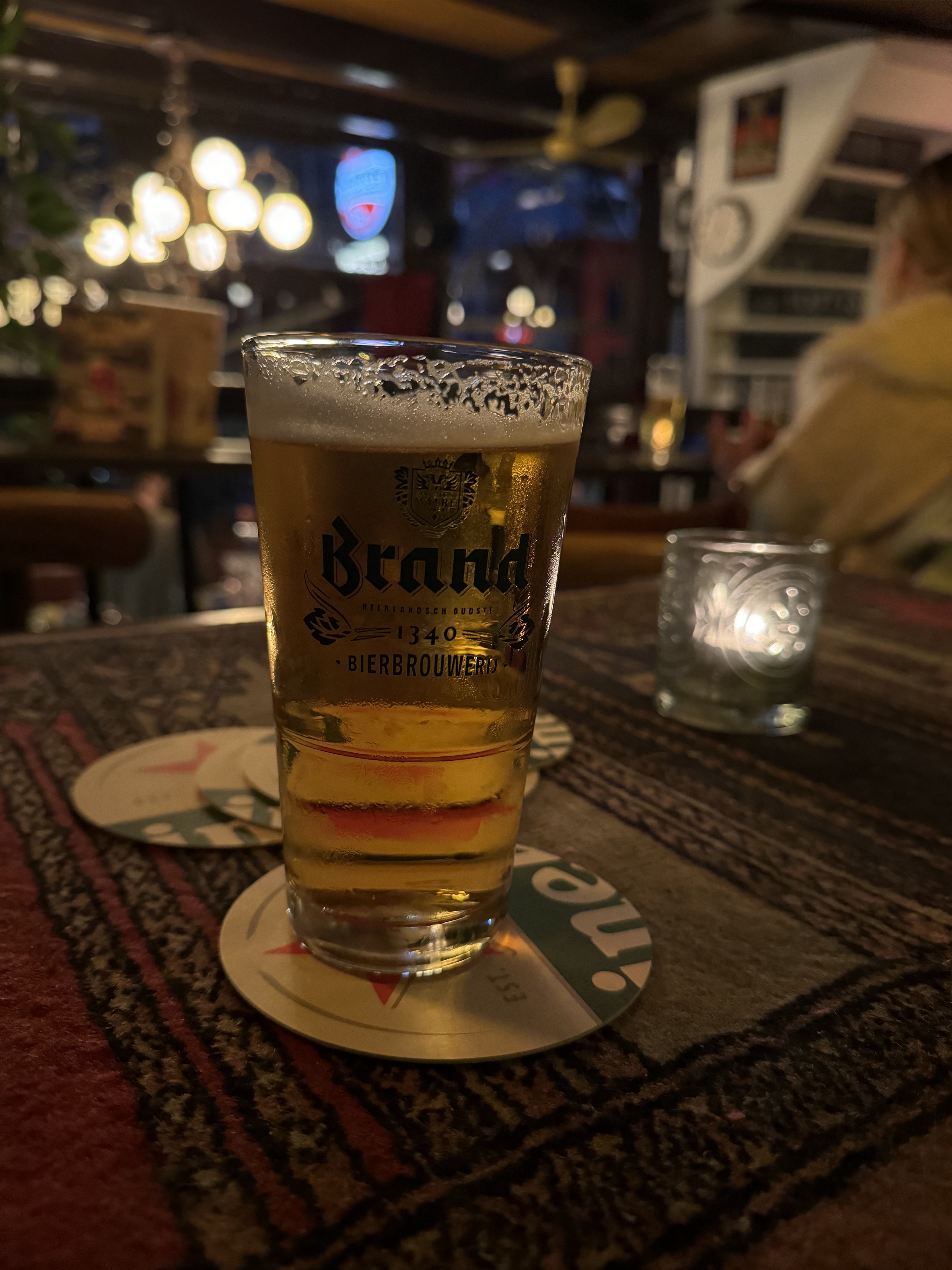
I was quoted this piece on traditional Dutch ‘brown cafes’, in which I refuse to name my favourite one in case other people go there and ruin it. But it prompted me to take my visiting mate Peter there for biertjes, comms chat a stroke of the pub cat.

You know you’re in a proper kroeg when there’s carpet on the table but not on the floor.

Something I learned

The Ides of March wasn’t originally associated with ominous warnings. In the Roman calendar, the Ides, occurring in the middle of the month, was primarily known as a deadline for settling debts. The March ides was also associated with the festival of Anna Perenna, a goddess of the year (hence “perennial”) who was celebrated with picnics, drinking, and revelry by common people.

So, before Caesar’s assassination, the Ides of March was more akin to a day of financial reckoning and festive celebration rather than a day of foreboding.

A reminder, if you need one, to pay your credit card bill (then go and get yourself a nice drink).

2023 Yearnote

2023 was a year of growth. Not literally – I remain, wearyingly, below the 5ft mark – but personally and professionally it was a good year.

Q1: Spinning plates

Towards the end of 2022 the work diary was looking a little barer than I’d like for the start of the year, so I said yes to a gig that I would otherwise have turned down, and invested some time and money in launching our new product, DWXS.

Naturally, no sooner had I started both than other juicy, rewarding projects turned up. So the first few months of the year was a crazy busy whirlwind of long days and weekend working, juggling clients and contractors.

My main focus in the first quarter was a discovery project with a thorny client that just the right level of challenging. We were really proud of the of the work we did – and rightly so, as we were quickly asked to partner with them on a few overlapping digital transformation workstreams. That’s kept us busy all year. On the plus side, that’s means I’ve felt more confident declining work that’s not a good fit, but it’s also meant I’ve not had the bandwidth to spend as much time as I’d hoped on DWXS.

Q2: Disconnecting, entertaining, Interrailing

After the craziness of the first 11 weeks of the year I badly needed a break. So I booked myself, last minute, on a group tour in the Philippines. It promised escapism and it delivered that in spades.

By day 2 I was headed for a private island which had no electricity or phone signal. This is exactly what I – someone who is terrible at switching off – needed. I took my Apple Watch off and let my 1500-day move streak finally end. Even I was surprised how liberating it was to finally break the clutches of my wrist-based prison guard. I jumped off the side of a boat into the clear, warm sea. I read. I ate. I laughed. But mostly I did absolutely nothing, and that was enough.

I spend my life pointing at PowerPoint, so I signed up to do a turn at a slideshow-based comedy night. I was more nervous than I’ve been over any professional speaking I’ve ever done, but I only went and won Best Act. Here it is if you’re interested.

Back in 2022 I bought an Interrail pass in the sale, feeling guilty about the number of flights I take and resolved to use lower-carbon transport where possible. With the expiry date impeding I did a badly-planned, disjointed rail tour. A few observations:

  1. The idea of digital nomadding by rail is far better than the reality. I got a lot less done working on a train than I hoped to.
  2. The German reputation for train efficiency is entirely undeserved
  3. It’s striking how I can turn up to my local station, Amsterdam Centraal, and jump on a train to almost anywhere in Europe… except the UK, which demands passengers arrive 60-90 mins early, go through passport control twice, and waste time drinking vending machine coffee in a depressing waiting room. I’m not sure I could find a more perfect illustration of the UK’s self-defeating isolation from its neighbours.
  4. If you have an address outside the UK, an Interrail pass is a great hack for the UK’s overpriced train tickets. The saving on a single, last-minute journey from Wales to London was over half of the cost of my two-month Europe-wide pass.

Would I do it again? Maybe, but only if I had time to plan it better.

Q3: Teamwork

My business partner Jonathan Phillips and I work brilliantly together. Arguably a bit too well. On client calls we know exact what the other is about to say. Sometimes we’ll open a collaborative document and start writing exactly the same thing. Recently I sent him a slide I’d done to illustrate a web of relationships between different elements of a programme, only to find he’d created something almost identical at the same time.

We worry we’re in danger of failing to challenge our own thinking. And because we’re so aligned, when we bring others into the team we need to work harder to intentionally communicate our expectations. We’ve not always got that right in the past.

But Q3 was where it seemed to fall into place. A couple of chunky projects demanded we really beef up our team, bringing in experts on digital skills, training, user research, content strategy and adoption. We’ve worked with some brilliant and talented people over the years and love it when we have the opportunity to bring people we trust and respect into our client work. Expanding our team rapidly forced us to rethink the way that we plan and share our work, to delegate more, to share more consistently.

All of that meant that while Q3 was even busier than Q1, I shared that burden with a great team and didn’t end up burned out at the end of it.

Q4: Travelling, connecting, celebrating

The final quarter of the year started much like the others: at an airport. Kicked off with a new client in New York, which afforded me the opportunity to catch up with a few NY-based pals while I was there. Took a side quest to Philadelphia and ended up getting interviewed by Fox News.

In November my husband and I celebrated 20 years together. He’s the best. Being an unconventional couple, after marking the event at home in Amsterdam we headed off on holiday… separately. I spent a little under a month travelling around India. Watched the cricket cup final with a tense crowd in Mumbai, worked from poolside in Goa, joined Hindu devotees waiting for sunrise on the beach, ate my way around old Delhi  by tuktuk, took a Bollywood dance class, cycled in Jaipur (which I do NOT recommend), rode a camel in the Thar desert, took a train through rural Rajasthan, drank masala chai in the sunset in Udaipur and caught up with old friends in Bangalore.

For the 6th year in a row I had a list of 100 people I hoped to meet before the year was out. A mixture of former colleagues/business associates and online connections. I managed 53 catch-ups across 10 cities, which is less than I’d hoped, but every one of them left me energised and my mind bubbling with new ideas.

I’ve never been much of a planner. But a combination of sheer dumb luck and a few good decisions have given me the opportunity to do work I enjoy, with people I like, to live where I want to, given me a brilliant support network of friends and family, and allowed me to travel the world and see some incredible things. And for that I’m incredibly grateful.

I hope to see more of the world – and of you – in 2024.

Here’s my year in daily one-second snapshots

2023 in quant

  • Flights: 42
  • Trains: 22
  • Countries visited: 12
  • Cities visited: 22
  • Hotels stayed in: 36
  • Events spoken at: 7
  • Comedy gigs: 2
  • Podcasts: 1
  • Times voted: 1 (Dutch water board elections – there’s no vote too provincial for for me to get excited about)
  • Spin classes: 114
  • Weight lifted: 100kg
  • Weight lost: -2kg (the food was too good in India)
  • Umbrellas lost: 1
  • Books read: 23
  • % of 100 people target met: 52

Sustainable growth key to competitiveness in the new world of work

UK businesses face a perfect storm in the months ahead. The Brexit transition and pending deal means UK businesses must find their footing in a new—and currently uncertain—era of international trade. And at the same time, the crisis caused by Covid-19 shows little sign of abating, leaving a trail of economic impacts and forcing changes to the way that we live and work forever.

So firms face an almighty challenge; they must fundamentally adapt and find new ways to remain competitive at a time of unparalleled disruption. But how?

Having written about the factors businesses need to consider as they adapt previously, I was interested to see Microsoft’s latest report Creating a blueprint for UK competitiveness. This comprehensive piece of research looks at what it takes to compete in a post-COVID, post-Brexit world. 

They partnered with an independent team of economists and researchers, led by Dr Chris Brauer (Director of Innovation at my alma mater, Goldsmiths, University of London). Through extensive qualitative and quantitative research, they uncovered the need for a new model of competitiveness. 

Among the report’s recommendations, they focus on the need to shape a new world of work.  They outline two potential paths to growth, which resonated with me and the work I’ve been doing this year.

Path 1: ‘Hollow Growth’: cost reduction with missed opportunities

The first path, which the report calls Hollow Growth, is characterised by a focus on cost reduction. While a switch to distributed work presents the opportunity for huge real estate savings, if businesses focus on savings alone, they’ll miss this chance to radically reshape the business.

When it comes to future readiness, hollow growth organisations are notable for:

  • rigid organisational structures (which, as I blogged about previously, are a barrier to strategic delivery in a remote-first world)
  • minimal support for workers when it comes to adapting and re-skilling for the future
  • basing forward plans heavily on the past, for example by sticking to traditional measures of productivity and ignoring less tangible outcomes like agility, resilience and culture
  • failure to use technology to optimise individual functions and services


Path 2: Sustainable Growth (or ‘Sustainable Growth’: finding strategic advantages to bring real transformation, over cost reduction) 

As a counterpoint to the earlier short-termist approach, the report outlines an alternative, sustainable path to growth. One which:

  • focuses on organisational resilience
  • nurtures and grows the culture of trust, empowerment and inclusivity—essential to scale distributed ways of working adopts leadership defined by both empathy and decisiveness

Sustainable Growth organisations prioritise real transformation over cost reduction alone. This part of the report chimed with me, reflecting many of the points I’ve made about leadership, strategy and skills for example. 

The Sustainable Growth model the report outlines provides a useful model for organisations looking to turn flexible and distributed work into a driver of strategic advantage. With a focus on people and culture, employees are empowered to work flexibly and supported to learn new skills.

Similarly, the Sustainable Growth model takes a more mature and (small ‘a’) agile approach to digital, embedding it into the heart of the organisation. This means tools are transitioned to quickly and systemically, making the organisation fit to respond to new challenges and opportunities when they arise.

But given the uncertain-looking future, companies want and need those cost savings, as does the economy. Can the Sustainable Growth model deliver? The authors certainly think so.

The report paints a powerful picture of the benefits of taking this sustainable path. The Goldsmiths researchers calculate that if, supported by the government, every UK organisation adopted a more sustainable growth model and achieved a small, incremental increase in their competitiveness, it would deliver a boost to the national economy of £48.2 billion.

It’s clear UK businesses will be put to the test like never before in 2021. Competitiveness will be critical in the short term as businesses fight to stay afloat and remain relevant. But a laser focus on sustainable growth is essential for the long term too—yielding a long-term impact on organisational performance that’s positive for people, communities and our planet, as we grow our economy out of crisis. 

You can read the report in full here.

Written in paid partnership with Microsoft UK.