Weeknote 2025/18

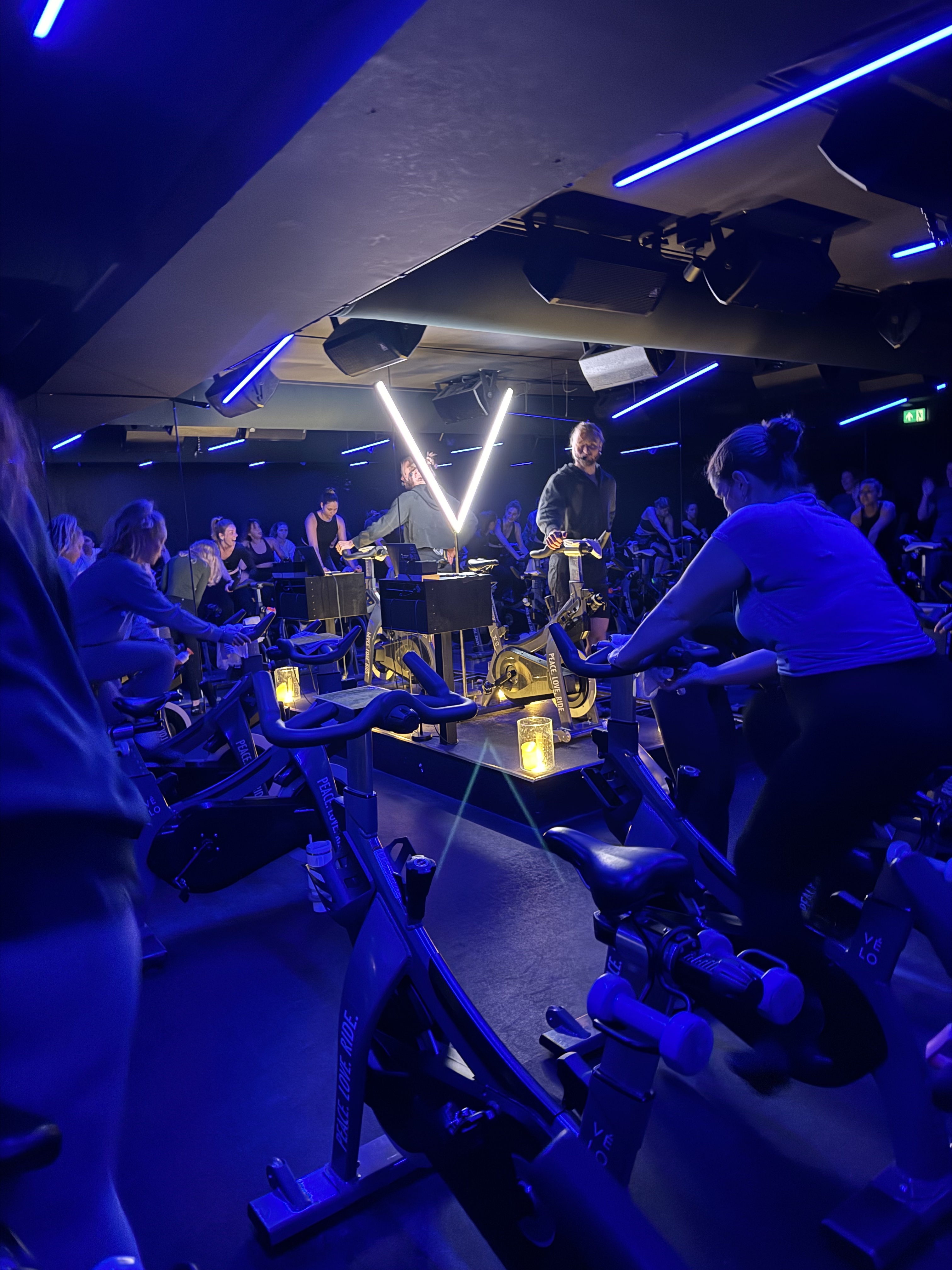
Action shot from LumApps Bright in Chicago this week. (Photo: LumApps)

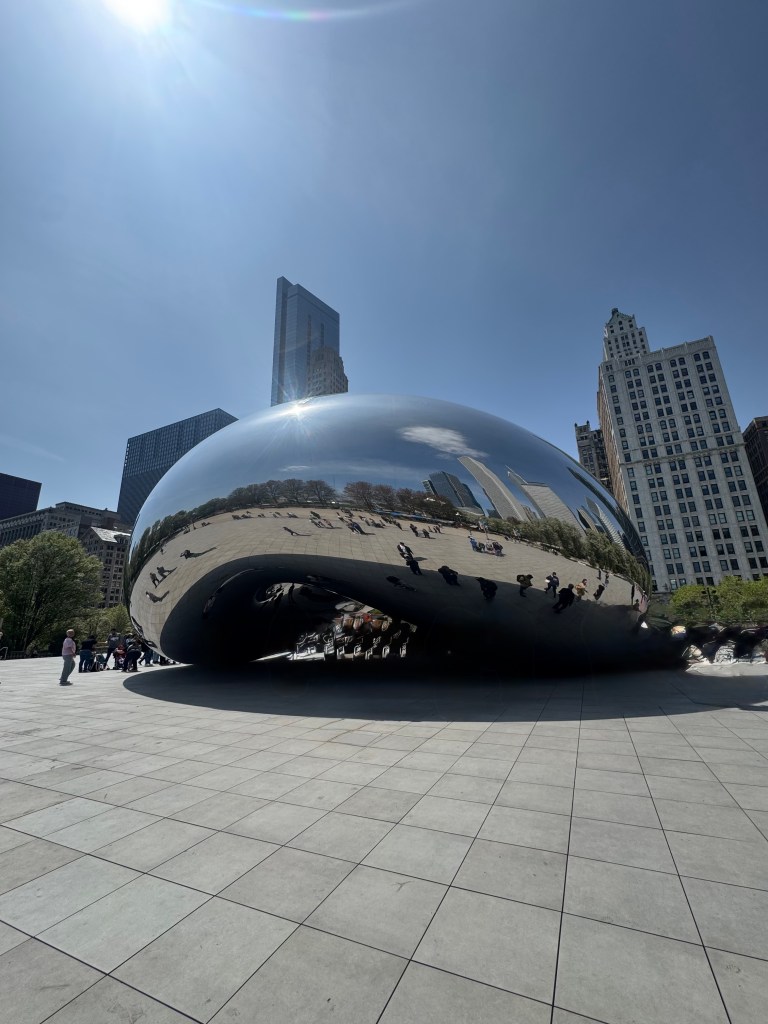
This week’s travels took me to two very different cities: Toronto, which I visited for the first time, and Chicago, which I’ve been to before, but never with quite so many slides in tow.

Toronto was all maple leaves and mid-century apartment blocks, with unexpectedly excellent pastries and the sort of icy politeness that makes British manners feel borderline aggressive. It was good to decompress and catch up properly with friends.

Chicago was all business: a keynote on the future of workplace communication, delivered to a ballroom full of people who hopefully didn’t notice I was running on three hours’ sleep and a Starbucks croissant. The talk landed well (no heckling! some laughter!) and sparked the kind of conversations I always hope for—about clarity, culture, and why the tools we use at work feel like they were designed by someone who’s never actually worked with real humans.

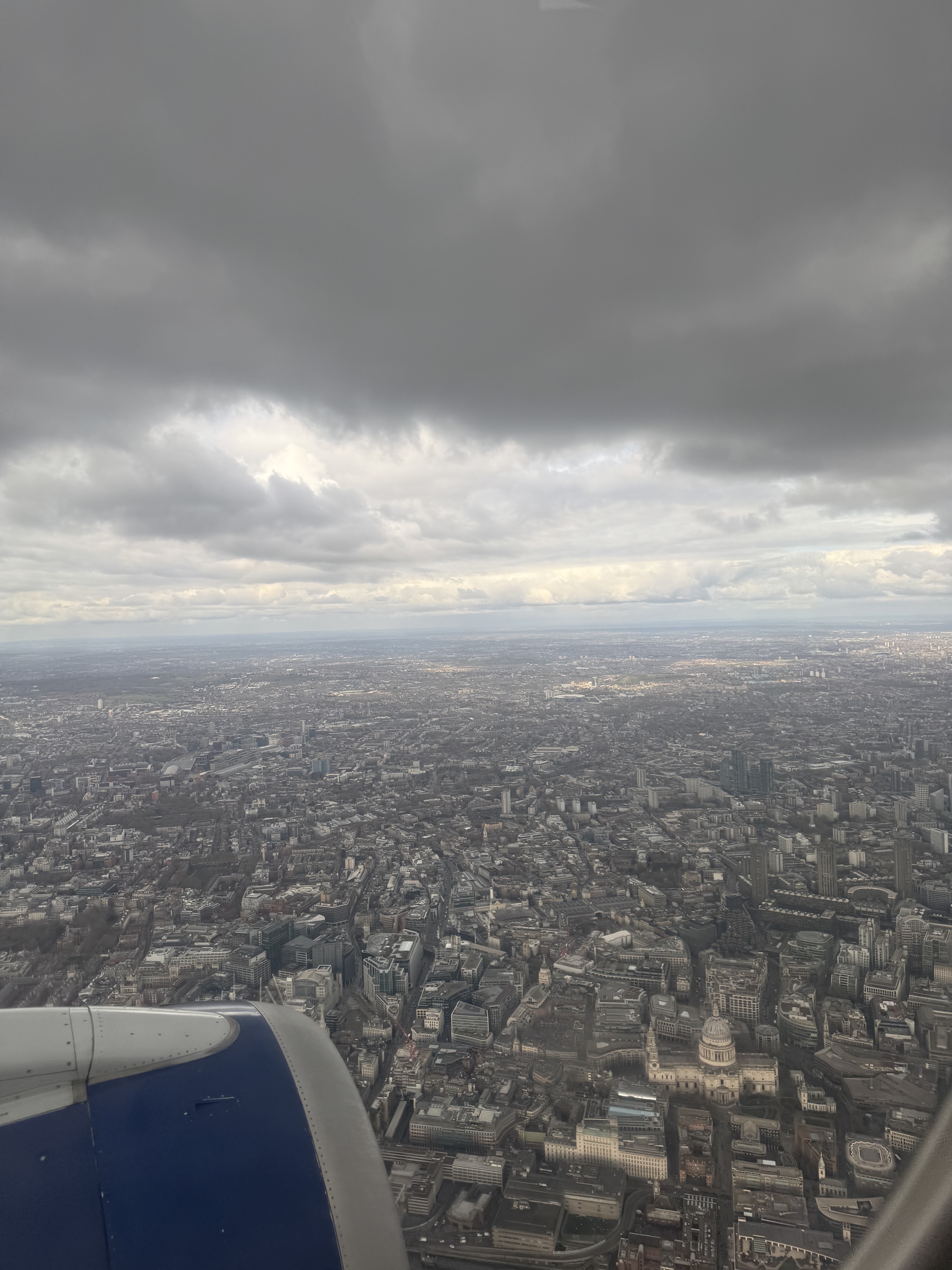
A week of contrasts, then: friends and flights, ideas and jet lag. On the plane back home now, with a suitcase full of leaflets, receipts, and hotel pens, and a head full of new thinking.

This week at work

The early half of the week was mostly consumed by the LumApps Bright event: prepping, presenting, and the usual performance anxiety. But I was on first, as the opening keynote, which meant I could relax and spend the next two days listening and learning too.

Plenty of bright thinking from Bright too. The usual chatter about tools gave way to deeper questions about trust, friction, and how people actually experience work.

Day 1 focused on personalisation, content strategy, and the evolving role of AI. Key themes: effective intranets are governed well, personalised smartly, and designed with the frontline in mind. Employee-led content outperforms corporate noise. And AI? Not a threat, but a capacity-booster—if it’s embedded into workflows, not bolted on as a gimmick.

Day 2 got a bit meatier. Mike Klein shared new research showing a sharp disconnect between comms and business leaders: different views on adversity, tool effectiveness, and what employee engagement even means. Business leaders want more interaction; comms want more streamlining. Everyone wants better alignment between IT, HR and comms—but that’s still a work in progress.

Mike’s survey on the future of work is ongoing. If you’re a comms leader, do take ten minutes to share here.

DWG’s Nancy Goebel did a fireside chat with LumApps’ Sean Winter (who I finally met in person, after working on the StanChart Jive rollout with back in 2012-15!). Key messages from Nancy: AI remains the dominant undercurrent, but treat it like a teammate, not a toy. Hyperpersonalisation is driving a comeback for knowledge management, and there’s a growing call for intrapreneurship and investing in employee adaptability. Or, as Nancy neatly put it: agility is the new social currency.

I also kept a few client plates spinning from hotel desks and airport lounges.

Also this week

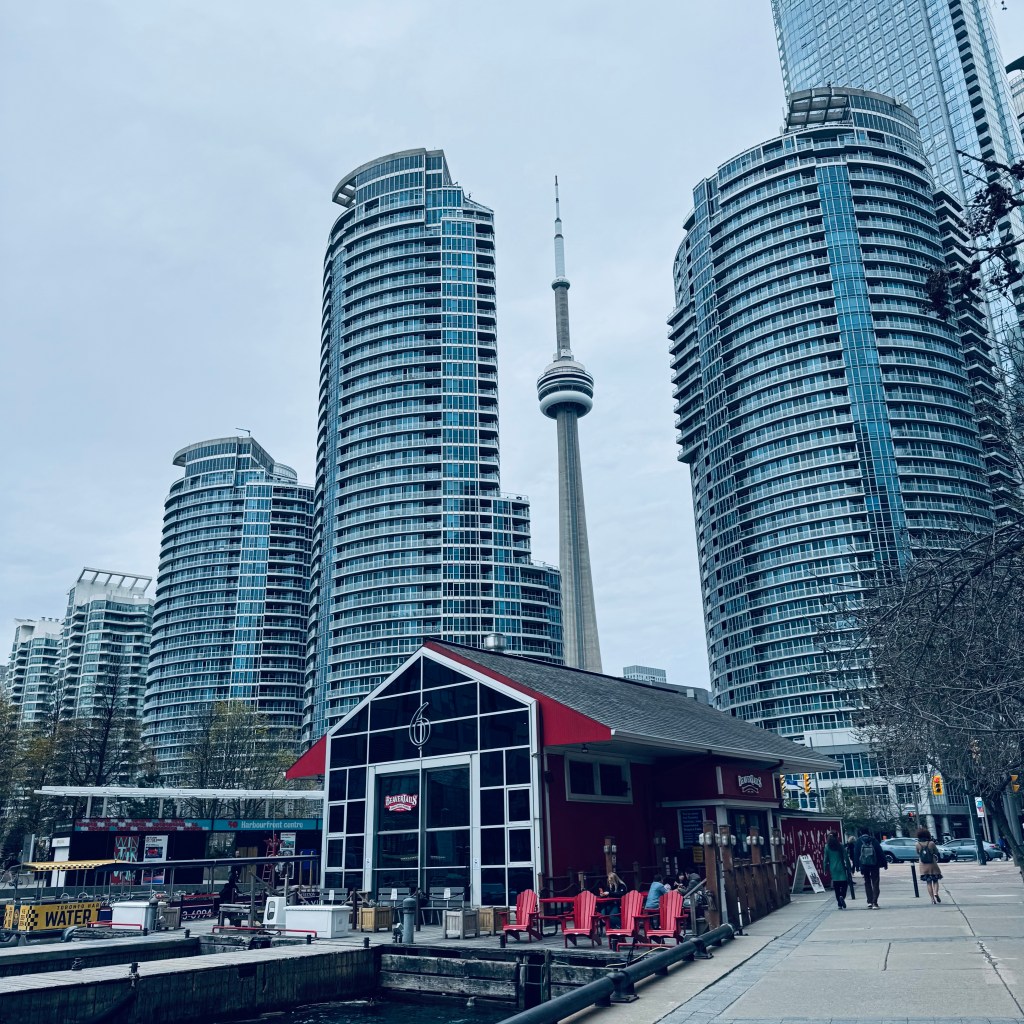
Toronto! My first time in Canada 🇹🇩 (taking my country count to 82), and I liked it as much as I expected. Big bookshops, brilliant food, and the kind of orderly vibe that makes you feel like you should apologise for jaywalking. Saw friends, walked miles, and remembered what it’s like to spend an afternoon doing nothing in particular. Bliss.

Elbows up! Headed north.

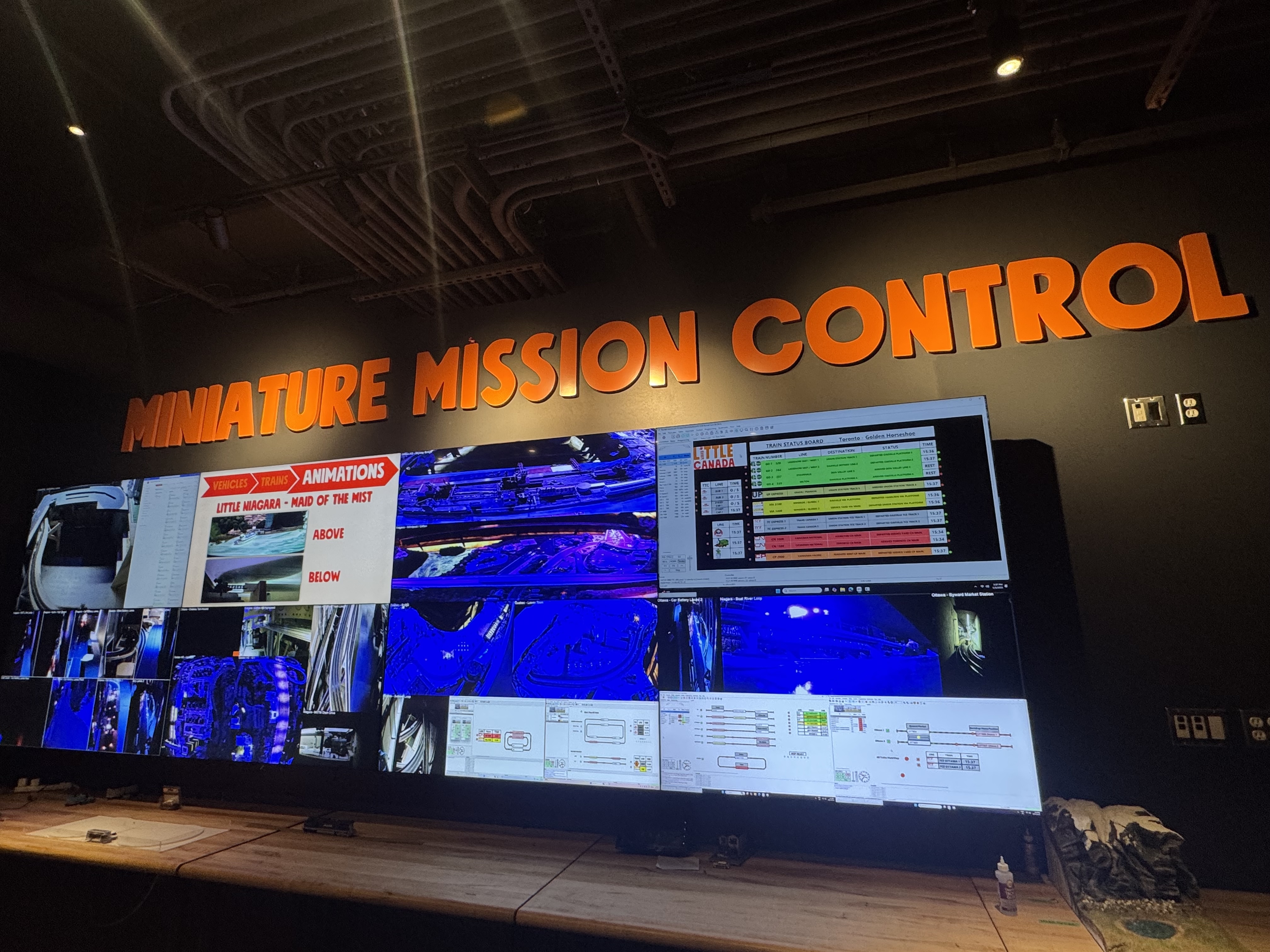
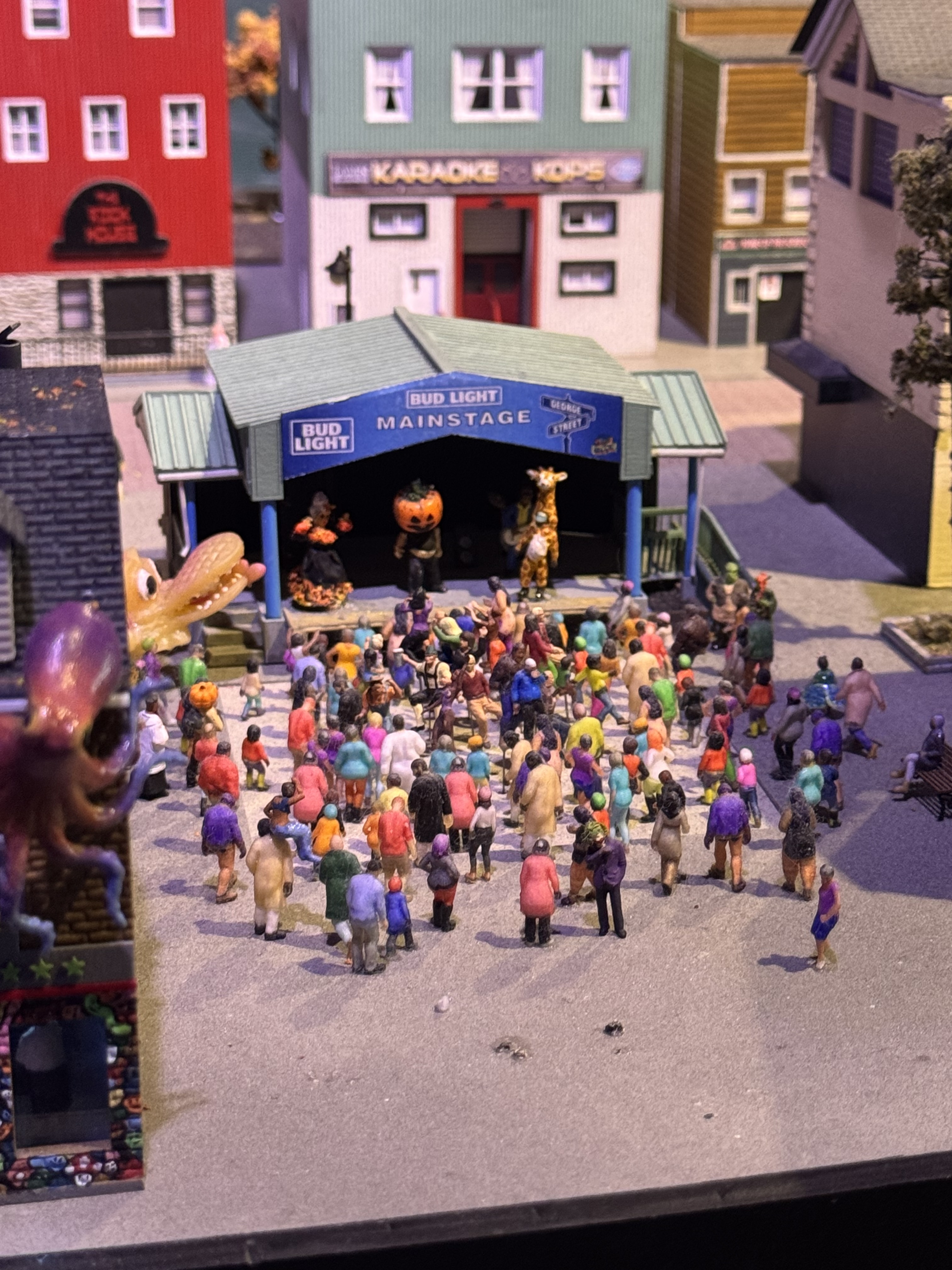
Also visited Little Canada, a surprisingly delightful miniature version of the country, complete with tiny trains, tiny cities, tiny lakes, tiny forests, tiny music festivals and tiny hockey games. Left wanting to see a lot more of Big Canada, which seems like a delightful place to be.
Consuming

đŸ‘©đŸ»â€đŸ’» Internetting

It felt timely to read this after another conference where the AI conversation has clearly moved from hype to value: Johnson & Johnson made headlines by pivoting their GenAI strategy, doubling down on only the highest-value use cases and quietly killing off the pilots that weren’t delivering.

Their CIO, Jim Swanson, was refreshingly blunt: it’s about focus, not novelty. After a year or so of exploratory dabbling across industries, we’re now firmly in the ROI phase. Not every use case deserves to make it out of the lab—and that’s not failure, it’s progress.

I also picked up this pro networking tip from Melinda Seckington on LinkedIn: create a QR code of your LinkedIn profile, add it as an image on your Apple Watch. Took minutes and was really handy meeting people at the conference.

Pro Networking

đŸ“ș Watching

Found myself watching a lot of US cable news (Fox, CNN, ABC), which left me feeling equal parts baffled and terrified.

Also happened to catch coverage of the 80th anniversary of the liberation of the Netherlands by Canadian forces. Touching to see the commemorations, given I live there. Something quite moving about watching it unfold on Canadian news, from Canada itself.

📚 Reading

It was not a reading week. But I did find a place in Toronto with a vending machine dispensing a random book for five bucks. I wound up with a copy of Tikta’Liktak: An Inuit-Eskimo Legend, which I’m not at all unhappy about.

🎧 Listening

Went to see The Vaniers, a Toronto band launching their new album. They dressed and sounded like a composite of every Britpop band from the tail end of the ’90s—after Britpop had quietly stopped being cool. The lead singer wore John Lennon sunglasses with an Umbro football top, like Liam Gallagher circa 1997. Watching a nostalgia trend come back round again was like bumping into your own teenage diary: oddly familiar, slightly cringey, and deeply unsettling.

The Vaniers album launch show, Toronto. Photo: me.

In a bout of jetlag-induced insomnia, I listened to the entire series of Invisible Hands, a BBC podcast presented by David Dimbleby about the shifting story of capitalism over the past century or so. The first half of the series explores how ideas once on the fringes—about markets knowing best, governments stepping back, and the primacy of shareholder value—moved into the mainstream.

The second half shifts focus, tracing how support for capitalism is now waning, as its promised fruits have instead delivered widening inequality, hollowed-out public services, and a growing sense that the system no longer works for most people.

It’s thoughtful, balanced, and surprisingly absorbing at 3am when your brain refuses to adjust to a new timezone.

Connections

My two-centre visit gave me a chance to catch up with all manner of brilliant folks.

At Bright Conference I had a chance to catch up with fellow speakers Nancy Goebel and Mike Klein. And like all these events, I was able to put a face to names I know only on LinkedIn, and met a bunch of brilliant intranerds from across the US and further afield for the first time.

And outside of the conference, I had a few great catch-ups too. I first met Jim Ylisela back in 2011 when he gave a memorable keynote on what communicators can learn from the rough-and-tumble of Chicago politics. So memorable, in fact, that I can still recall key points 14 years later—and there are very few conference talks I can say that about.

As often happens in our line of work, we’ve since found ourselves working together on a few client projects that needed some transatlantic expertise in either direction. I couldn’t visit Chicago without catching up with Jim. He was even more delightful in person. I find folks like him usually are.

I also caught up with Sara Zailskas Walsh. Sara and I first met at work events in Denmark and New York, and have kept in touch since. Last time we saw each other was in 2022—since then she’s beaten breast cancer, so there was a lot to catch up on.

Up in Toronto, I squeezed in a coffee with Meena, an old colleague from Standard Chartered. We met in the lobby of the bank where she now works, and it felt like no time had passed at all, like being back at Marina Bay Financial Centre.

But my highlight was catching up with two of the gals from my recent Colombia trip. I’ve done four Flash Pack trips and have kept in touch with people from all of them, but there was something special about this particular combination of people. I feel like I made firm friends that week.

I couldn’t visit Jenna’s hometown and not hang out—and Andrea even drove down from Ottawa to make a weekend of it. It was wonderful to see them again.

Andrea, Jenna and me in Toronto.

Travel

Landing back from Canada this morning. Heading to Glasgow later in the week.

This week in photos

Weeknote 2025/12

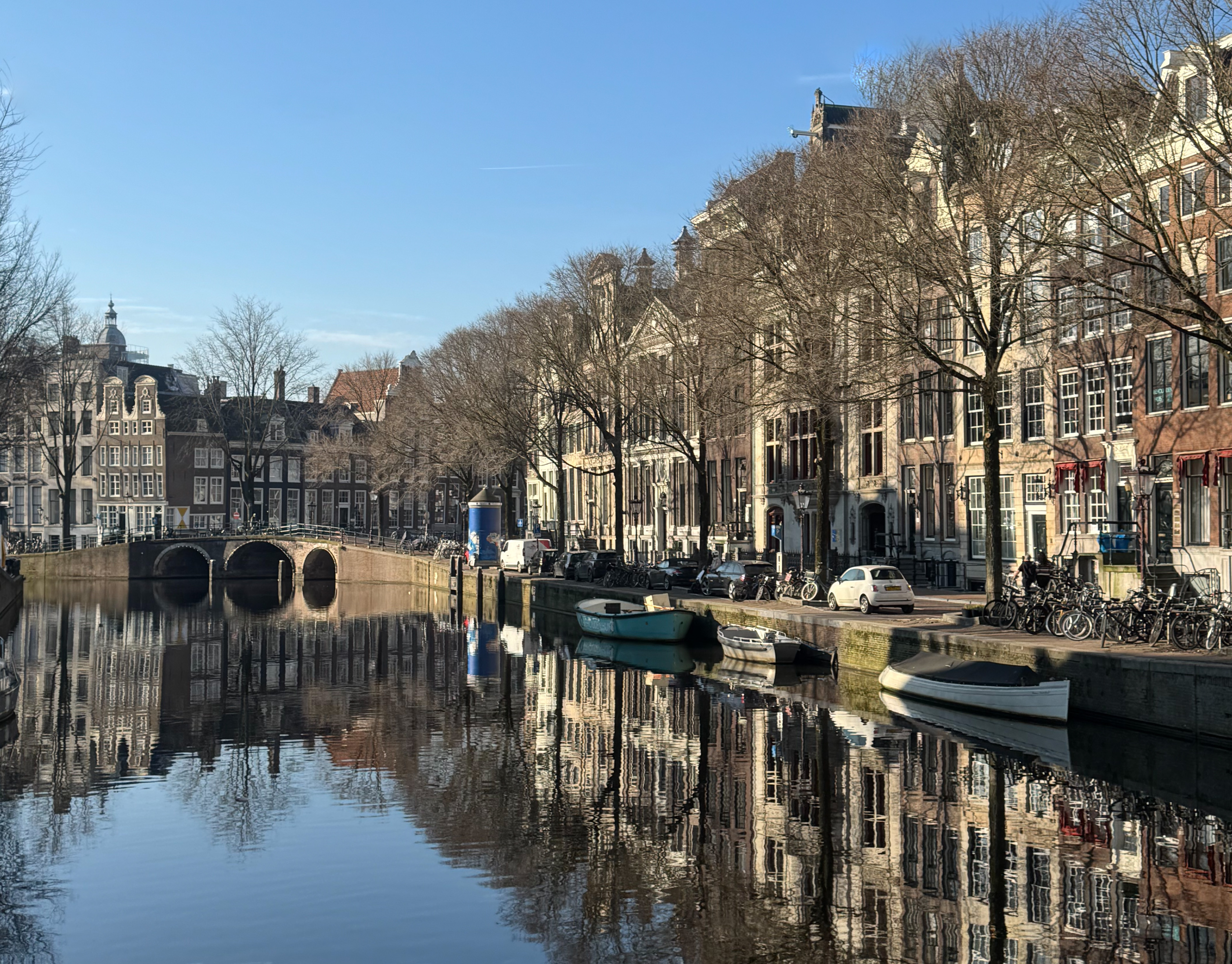
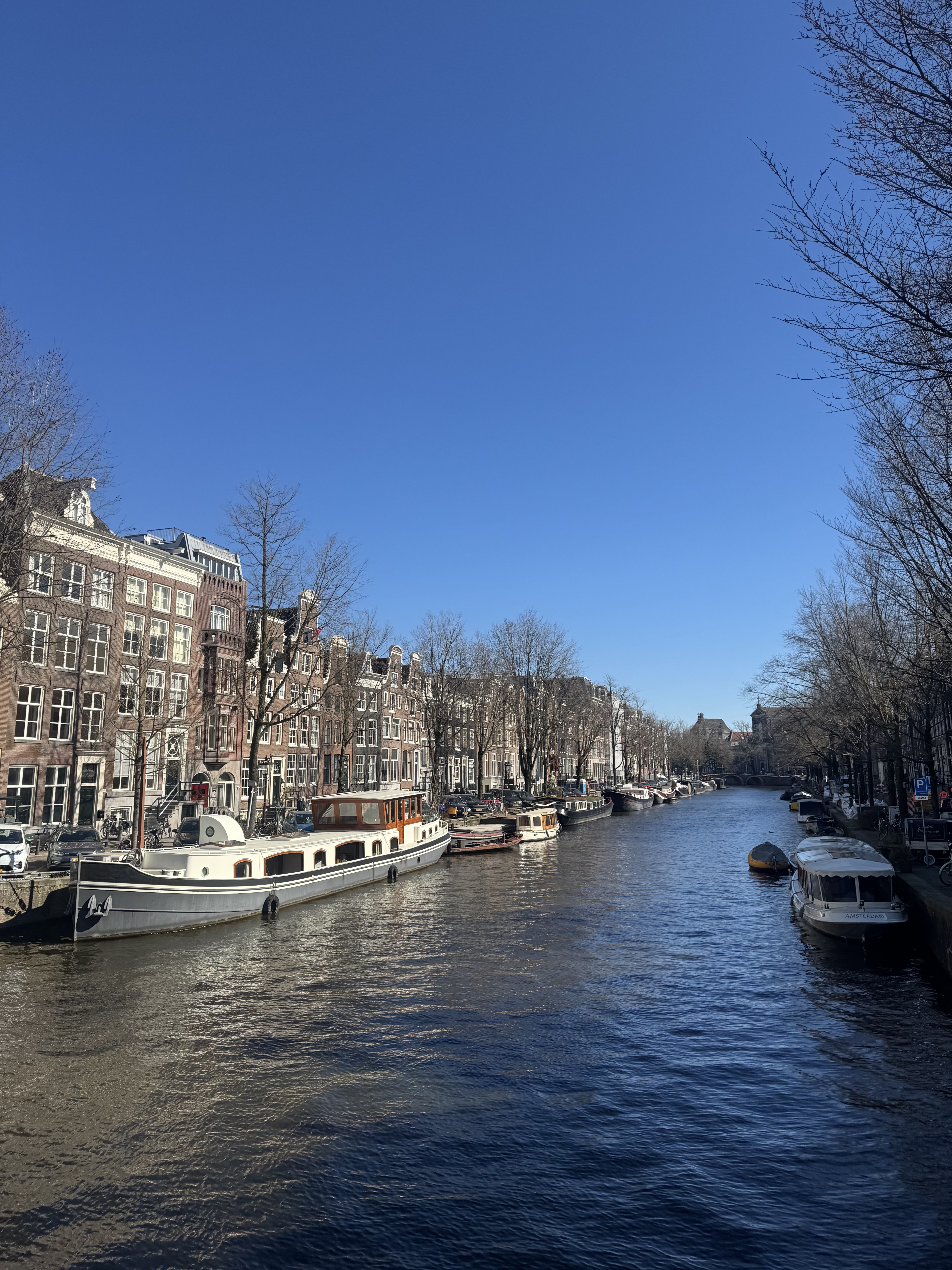
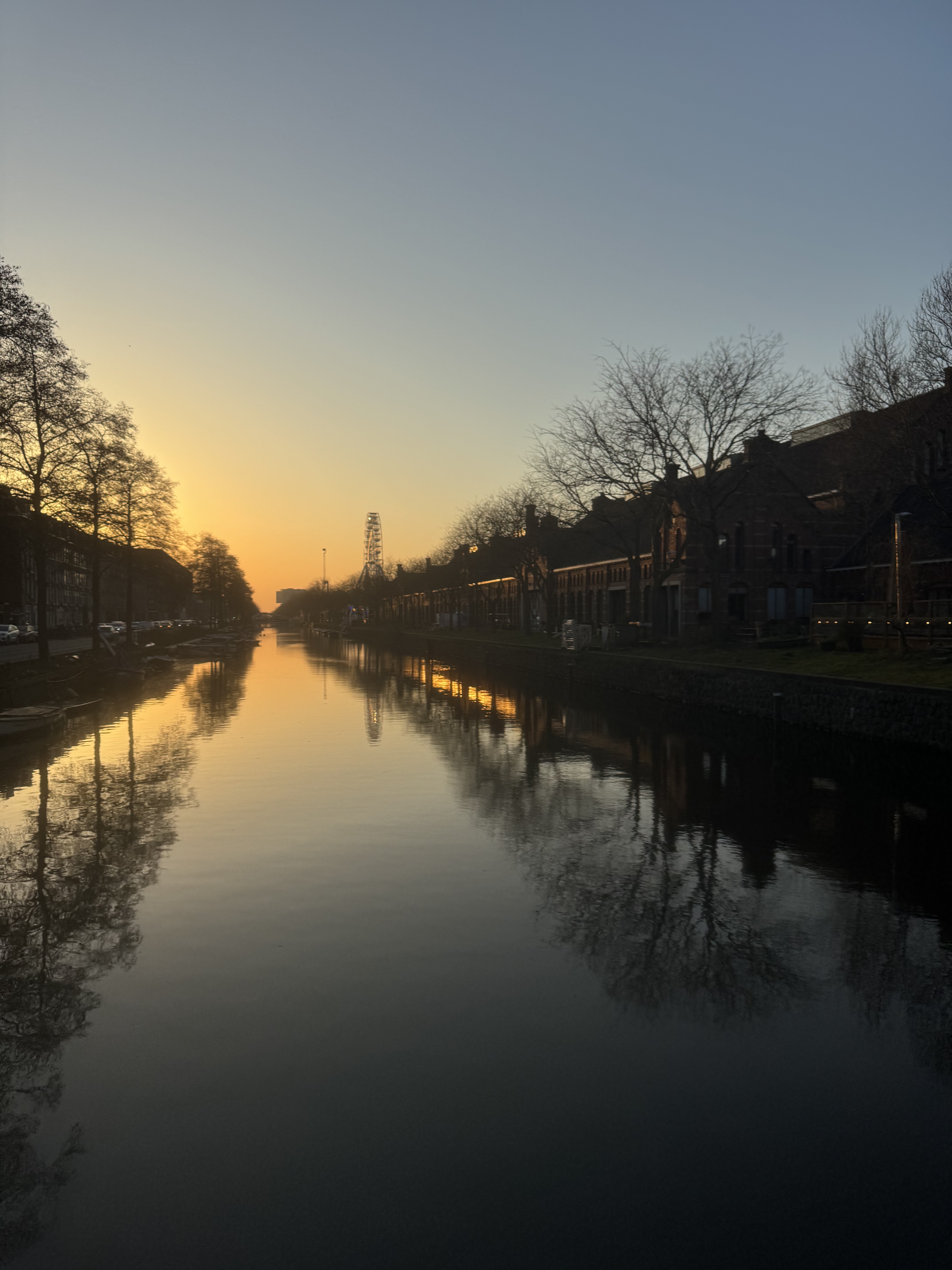
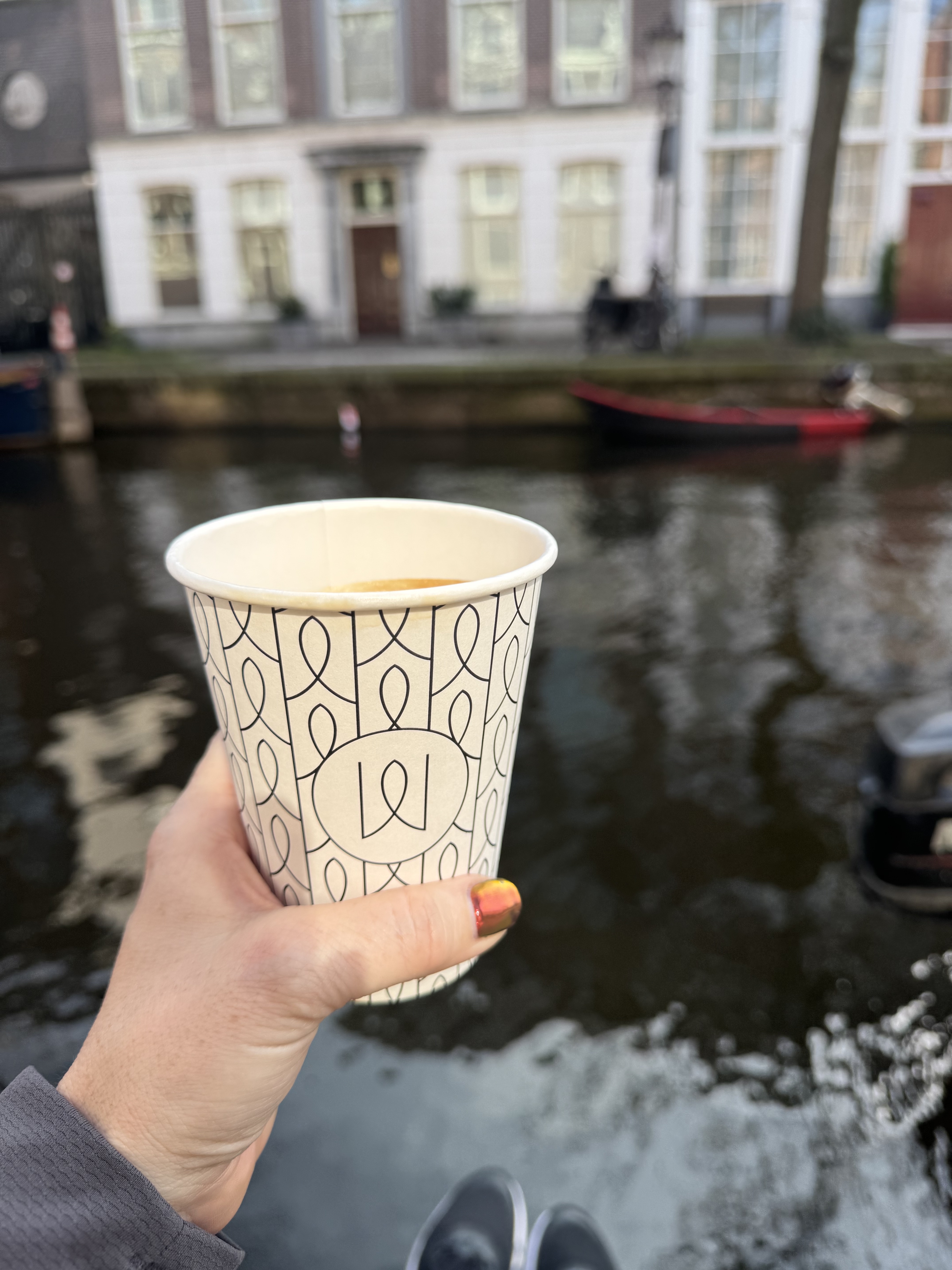
A bend in the Herengracht canal in Amsterdam. It's a clear sunny day with blue sky and the canal houses are reflected in the water.
Amsterdam looking banging in the spring sunshine. I love this town. Photo: me.

After watching a film this week and diving headlong into a playlist of 60s protest songs, it struck me how much those voices felt both urgent and completely of their time. That raw, direct, unpolished energy — it’s hard to imagine it cutting through today’s noise. But the sense of fighting for something, the doing, stuck with me.

Which might be why this week felt like a battle cry of its own.

This week at work

It was probably inevitable that after saying last week I had some spare capacity, this turned out to be our busiest week in ages.

A big focus was helping a client find alignment on plans and ways of working across various streams in a digital transformation programme. We’re looking at how to balance wide input with the need to make a viable plan and actually get things done. It’s all about finding the right mix of consultation and decision-making.

Wrote the first draft of a keynote I’m giving at the LumApps Bright event next month.

Helped a client submit an award entry for an intranet we supported the development of. Always happy to do this; it’s a nice excuse to look back at the impact it’s had for the company and their people.

Responded to two RFPs. I never do a find-and-replace generic response. Either I take the time to think properly about what the client needs and how we can help, or I don’t respond at all. I like to think that gives people confidence we know what we’re doing. But it does mean:

a) every RFP takes days of work;
b) many go nowhere;
c) I’m left with the nagging feeling the whole process is designed to make us give our thinking away for free.

Also made some progress on a secret little side project. More on that soon.

Also this week

With an unexpected free weekend coming up, I booked a solo trip to Bucharest on a whim. So I spent some time planning that.

And when I say planning
 I think this is a safe space to confess just how geeky my travel prep has become.

First, I have a travel planner board. So far, so Standard Nerd Behaviour. It’s in Microsoft Loop — basically a Blue Cross Week Notion for people forced to use Microsoft. We’re not, but most of our clients are, so we dogfood it anyway to stay close to their world.

The board has columns for:

  • Booked – trips in the diary, logistics sorted (or mostly)
  • Planned – agreed or pencilled in, but not yet booked
  • Wishlist – places I’d like to go
  • Done – completed trips, useful for sharing recommendations or just remembering what I’ve actually done
Travel planner board in Microsoft Loop.

Each trip links to its own Loop page, with a schedule showing transport, accommodation and any activities planned or booked. I also create a Google Map with sights, restaurants, shops, and must-sees pinned.

Separately, I’ve made a custom GPT that acts as my personal travel agent. It remembers hotel and travel preferences, airline loyalty schemes, the type of restaurants I like, and has persistent memory so I can keep adding to it.

I use it to generate itineraries: just plug in dates and ask it to build an agenda based on my preferences (weird history, long walks, offbeat sights, nothing that could ever be called “relaxing”). Once everything’s booked, I add the finalised schedule (from the Loop), then use it to ask things like:

My Travel Buddy chat
  • “Can you give me a packing list for Colombia, based on the weather and planned activities?”
  • “What’s the best way to get between these places today?”
  • “Is there a lounge I can use at this airport?”
  • “Organise my packing into logical packing cubes. Will it all fit in carry-on?”

Geeky? Yes. Useful? That’s up for debate. But I enjoy figuring out how this stuff works — and the best way to learn is to apply it to your own weirdly specific use cases.

Consuming

đŸ‘©đŸ»â€đŸ’» Internetting

I’m watching from a distance as the usual vendor-consultancy alliance flogs AI as the answer for comms and customer service. It has bags of potential, but realising that potential relies on having great, up-to-date and well-organised content to train it on. And guess what? Yours isn’t.

Enterprise search didn’t magically solve the problem of findability, because the problem was never search. It’s the content being searched.

Realising investment in and promises of AI relies on the boring and unsexy work of governance and admin. Of producing good content and managing what you have tightly so you can be 100% confident what’s being produced, presented or regurgitated into new interfaces by AI is accurate.

As ever, that’s a people and organisation problem, not a tech one. So I very appreciated this piece from Clearbox’s Suzie Robinson which urges buyers to consider what they actually need AI for then vet the tools on that basis rather than base decisions on vendor hype.

đŸ“ș Watching

Finished the first series of Slow Horses. Started Adolescence because everyone was talking about it, but only managed one episode. It’s A Lot. I’ll watch the rest, but take my time over it.

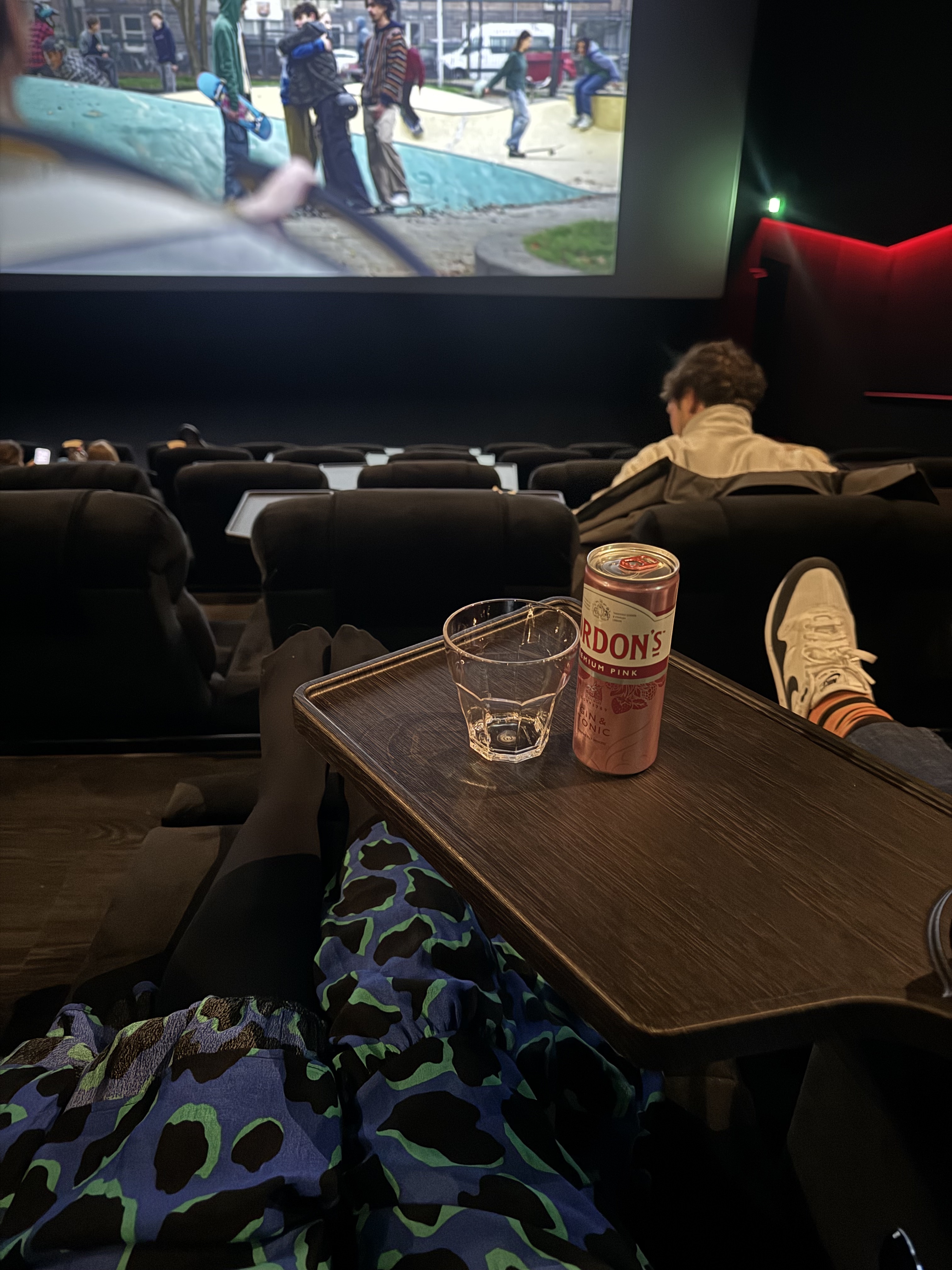
Caught A Complete Unknown at the cinema. There’s a fascinating, complex story to be told about Bob Dylan — myth-making, reinvention, and what happens when a reluctant icon picks up an electric guitar and changes music history. This isn’t that story. Instead, it’s a reverential, paint-by-numbers biopic that never gets close to its subject. For a film so determined to explore who Dylan really was, it offers no insight beyond what any vaguely stoned ex-hippie could tell you in a pub.

Chalamet does a solid Dylan impersonation, and the production design is lovely — all smoky clubs and sixties grit — but the film drags. Dylan is written as a charmless narcissist, yet treated with such deference it’s as if the filmmakers were lobbying for his canonisation. The result is oddly inert: a film about a cultural earthquake that feels more like a tribute concert in soft focus

📚 Reading

Another non-reading week. I can either watch telly or read, but apparently not both.

🎧 Listening

With Woody Guthrie and Pete Seeger both central to the Dylan story, it’s no surprise they feature heavily in A Complete Unknown. It sent me down a bit of a rabbit hole, listening to a whole heap of 60s and 70s protest songs — Guthrie, Seeger, Joan Baez, Dylan himself.

They sound both urgent and like relics from another world. For the first time in my life it feels like progress on the issues they sang about — war, poverty, injustice — is going in reverse.

But the form, the earnestness, the melodies, and especially the lyrics (“Solidarity forever, for the union makes us strong!”) feel of another time. There’s a rawness and sincerity that’s hard to imagine cutting through today. And yet, there’s still something powerful in how directly they spoke to the times — and how much people listened.

Connections

Went to the Female Founders Brunch at TNW Spaces this week. Good people, bad coffee, and the usual mix of useful insight and slightly-too-earnest advice. Always energising to be in a room full of smart women building interesting things — though let’s be honest, women don’t need more encouragement to ask for help. They need investment.

Coverage

It’s five years since the first lockdown, and somehow companies still haven’t fully rethought how they communicate in a hybrid world. I wrote a piece for Reworked on how to turn communication chaos into clarity in the hybrid workplace.

This week in photos

Weeknote 25/11

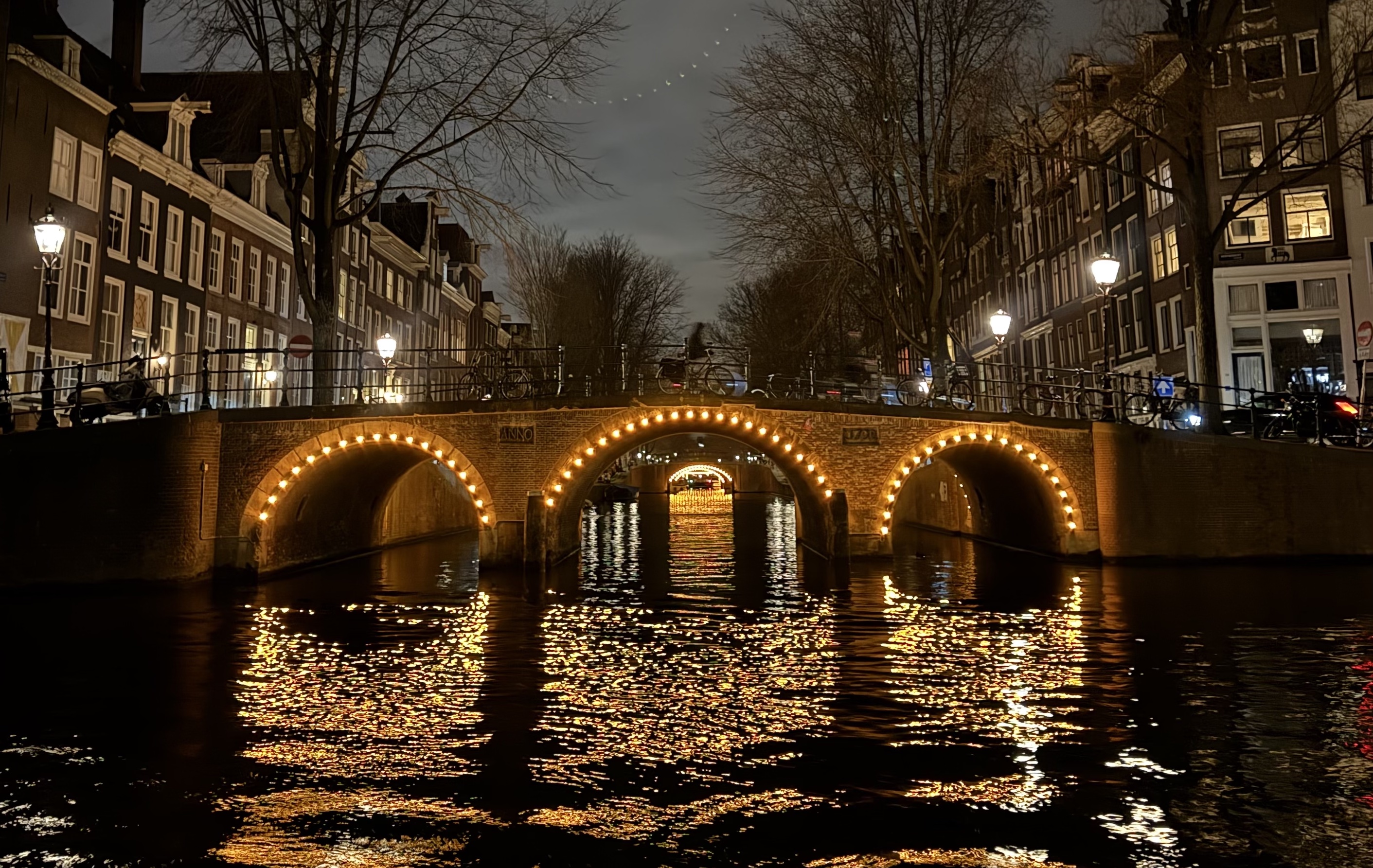
On my walk home last night I managed to catch that spot at Reguilersgracht/Herengracht where you can see all six bridges, with no boats. Jackpot. Photo: me.

It’s St. Patrick’s Day, which means somewhere, someone is butchering the pronunciation of sláinte, and the world’s most tenuous Irish connections are being milked for all they’re worth.

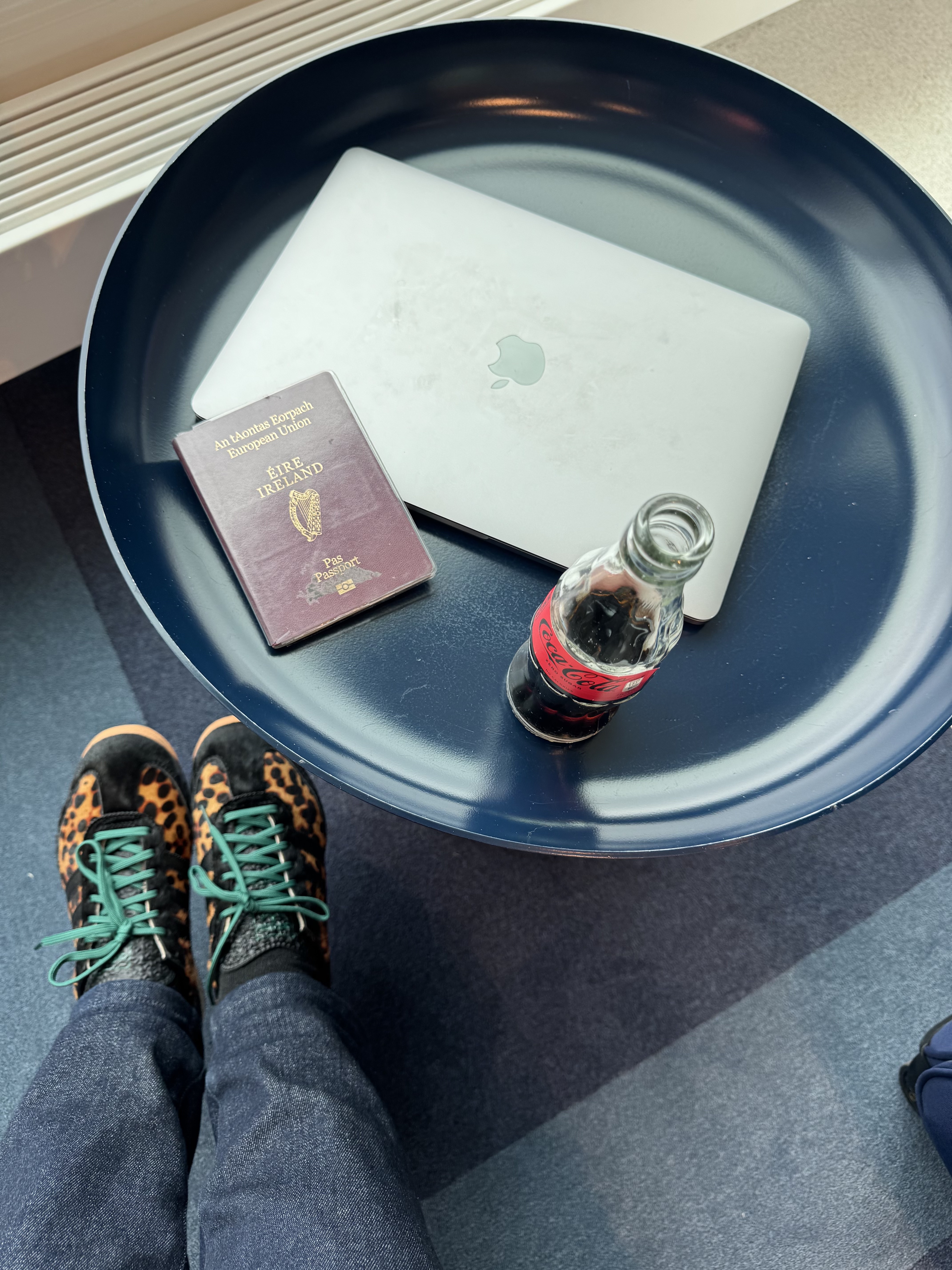
As an actual passport-holding half-Irish person, I shall be marking the occasion by
 doing what I do every week: wrangling intranets, herding stakeholders, and wondering why AI still can’t do the boring but important stuff properly.

This week at work

Back working with a client we helped launch an intranet for at the end of last year. It’s landed well—users like it, stakeholders are pleased, and now comes the next phase: shutting down the digital graveyards of legacy sites. We’re mapping what to keep, what to archive, and what to chuck in the bin.

Teams are often stunned at how little of their content is doing anything useful. Most pages get barely a glance. And while you could argue that abandoned content costs nothing, every extra page makes it harder to find the stuff that actually matters. Worse, if it’s outdated or misleading, it’s not just clutter, it’s a risk. The brutal reality is that unless you’ve had cast-iron content governance from day one, you can probably delete at least half your intranet with zero consequence. More likely, 90%.

So we’re sifting for the gold, reassuring stakeholders that most of their lovingly hoarded PDFs are no great loss, and helping the client streamline their digital estate. Fewer sites, less noise, and some actual cost savings.

Everyone in this space loves to talk about AI, but for now, it’s the unglamorous grind of governance and admin that makes the biggest difference to employee experience. (And yet, sorting the short neck of valuable stuff from the very long tail of ROTten content is exactly the sort of thing AI should be good at, and yet
 isn’t. If you’re an intranet vendor with software that actually does this well, I would love to see it.)

Meanwhile, on another project, we’re developing a series of bespoke workshops. Didn’t set out to be a ‘workshop person,’ yet here we are. Apparently, we’re quite good at it too.

And since no one else is tooting our horn, I’ll do it myself. Recent feedback includes:

  • “That was the best-run workshop I’ve ever been to. I can’t believe we got through so much in a day.”
  • “Every meeting, I admired the way you managed to bring people together, even in tricky situations.”
  • “That was fantastic! Perfectly paced, and I love how you kept everyone focused.”

I do enjoy it—designing a well-paced, structured session that cuts through competing perspectives and actually gets people to a decision.

On the downside, a project we were due to start has been booted to a later budget round, so we’ve got some unexpected capacity over the next few months. If you need help untangling your communication and collaboration mess, give us a shout. Maybe you don’t quite know what you need, just that things aren’t working as well as they should. Those are my favourite projects.

In a laughably unsubtle attempt at business development, here’s my page on working with me. (And this lack of subtlety is why I don’t work in sales.)

Also this week

False spring came and went, but at least it was proof the planet is still spinning towards brighter days. News remains an omnishambles, so I’m sticking to my avoidance diet.

Quick trip to London to meet a prospective client, do some planning, and see my folks.

Consuming

đŸ‘©đŸ»â€đŸ’» Internetting

Anyone who’s worked on the internet for long enough will have watched the same cycle play out: bright young thing arrives to ‘shake things up,’ promptly tears everything apart, and then vanishes before the consequences hit, leaving others to clean up the mess.

So I appreciated this interview with Jennifer Pahlka, founder of Code for America and former US Deputy CTO. She lays out a case for smarter, more responsible government transformation. Her book argues that bureaucracy smothers good policy and that better internal tech capacity—rather than over-reliance on contractors—could fix it. Instead, we get sweeping, indiscriminate cuts that hurt the people who rely on public services the most.

Not that anyone in power will listen for a second.

The internet was built on cat pictures, so logically, its next evolutionary step is cat videos. Cats making burgers, to be precise.

It’s no “He’s making a mockery of you, Derry” bat video but an otter loose in the kitchen is always worth watching.

đŸ“ș Watching

I had a second attempt at watching Slow Horses, and got sucked in this time. Once you suspend disbelief at the poor OPSEC and laughably lax controls of a team supposedly working for the secret services it’s really quite enjoyable nonsense with some great performances.

I also saw the new Bridget Jones movie at the cinema. It was sold as a romcom but turned out to be a movie about grief that had me weeping from about 5 minutes in.

📚 Reading

Nowt this week

🎧 Listening

Episode three of Broken Veil cranked the creepiness up a notch.

Connections

I managed to catch up with the wonderful Lisa Riemers when I was in London. We talked, inevitably, about accessible comms. I’m looking forward to her book on the same.

This week in photos
Weeknote 2025/10

A message for International Women’s Day. Photo: me.

Yesterday was International Women’s Day, so once again, I picked up the mantle of Asking Awkward Questions On The Internet.

Why? Because DEI is under attack, pay gaps persist, and women’s rights are rolling back globally. This work isn’t done.

Last year, I took a break—I was tired of shouting into the void. But this year, I couldn’t sit back while companies trotted out the same empty platitudes, hoping no one would notice the gaping chasm between their words and actions.

So once again I cleared my diary and got ready to call out hypocrisy when I saw it.

I came prepared. I’d invited women who didn’t feel able to comment on their own (or their former) employers to ping me the details so I could do it on their behalf.

In all I got 42 submissions calling out 33 organisations across the private and voluntary sectors. Roughly half mentioned maternity discrimination, about 40% unequal pay, with some more touching on harassment, lack of access to flexible work and other issues. About a third covered more than one issue.

What does that tell us? That equal pay reporting has barely nudged the dial on workplace equality. Worse, its tunnel-vision focus has let companies off the hook for the outright grim treatment of pregnant women and mothers—because if the numbers look sort of okay, no one’s asking the bigger questions.

Armed with my hit list, I got to work. I fed the lot into ChatGPT—pay data, corporate waffle about flexible work, news stories on maternity discrimination, the works. A bit of jiggery-pokery later, and I had myself a tidy spreadsheet.

Then the real graft started. Refining each into a solid response. I could have automated more, but didn’t. Partly because ChatGPT is a compulsive liar and needs fact-checking, but mostly because I wanted the flexibility to tailor my replies as the corporate nonsense started rolling in.

I set myself some ground rules:

  • Reply only to posts from companies someone contacted me about
  • Stick to actual IWD hypocrisy. If a company posted about how much they love women, I’d hit them with some inconvenient truths
  • Only use publicly available info. People shared grim stories of discrimination, but to protect their privacy (and my own arse), I kept it to news reports and official data

Then, on Friday afternoon, I got to work. Because in Asia, it was already IWD. And in corporate comms teams everywhere, social media managers were queueing up their posts so they could knock off early for the weekend. Fair dos. Been there too.

Of the 33 companies on my list, 22 posted something vacuous on LinkedIn. I replied to all of these.

So, well, what have we learned?

Firstly, the silence says it all. Of the 22 companies I called out, not one has responded. Not even a token “we’re working on it.” Just deafening, awkward silence.

These companies love talking about “celebrating women” and “accelerating action.” But ask a real question—about pay gaps, maternity discrimination, or flexible work—and it’s tumbleweed.

Pay gap reporting isn’t fixing anything. Years of mandatory reporting, yet progress on equal pay has stalled. Meanwhile, pregnant women and mothers are still treated like an inconvenience. The data is out there, but what’s the consequence for companies that do nothing? A bit of bad PR, if anyone even notices.

Speaking up is still a privilege. The sheer number of women who messaged me privately, asking me to say what they couldn’t, is as unsurprising as it is despressing. Calling out injustice still comes with career risks, and companies count on that silence.

And yet, public scrutiny works. No responses (yet), but to the PR teams lurking on my LinkedIn profile: hi, I see you. Maybe they’re scrambling for a response. Maybe they’re hoping this blows over. Either way, they’ve been reminded that people are paying attention.

What next?

I don’t expect a day of dunking on LinkedIn posts to fix corporate sexism. But dragging the gap between rhetoric and reality into the light? That matters. If more of us did this—if we asked real questions instead of just liking glossy IWD posts—maybe, just maybe, things would start to shift.

For now, I’ll keep watching. I’ll keep asking awkward questions. And if you see a company banging on about how much they support women while quietly making their lives harder, maybe you should too.

Because women don’t need more inspirational quotes. We need accountability.

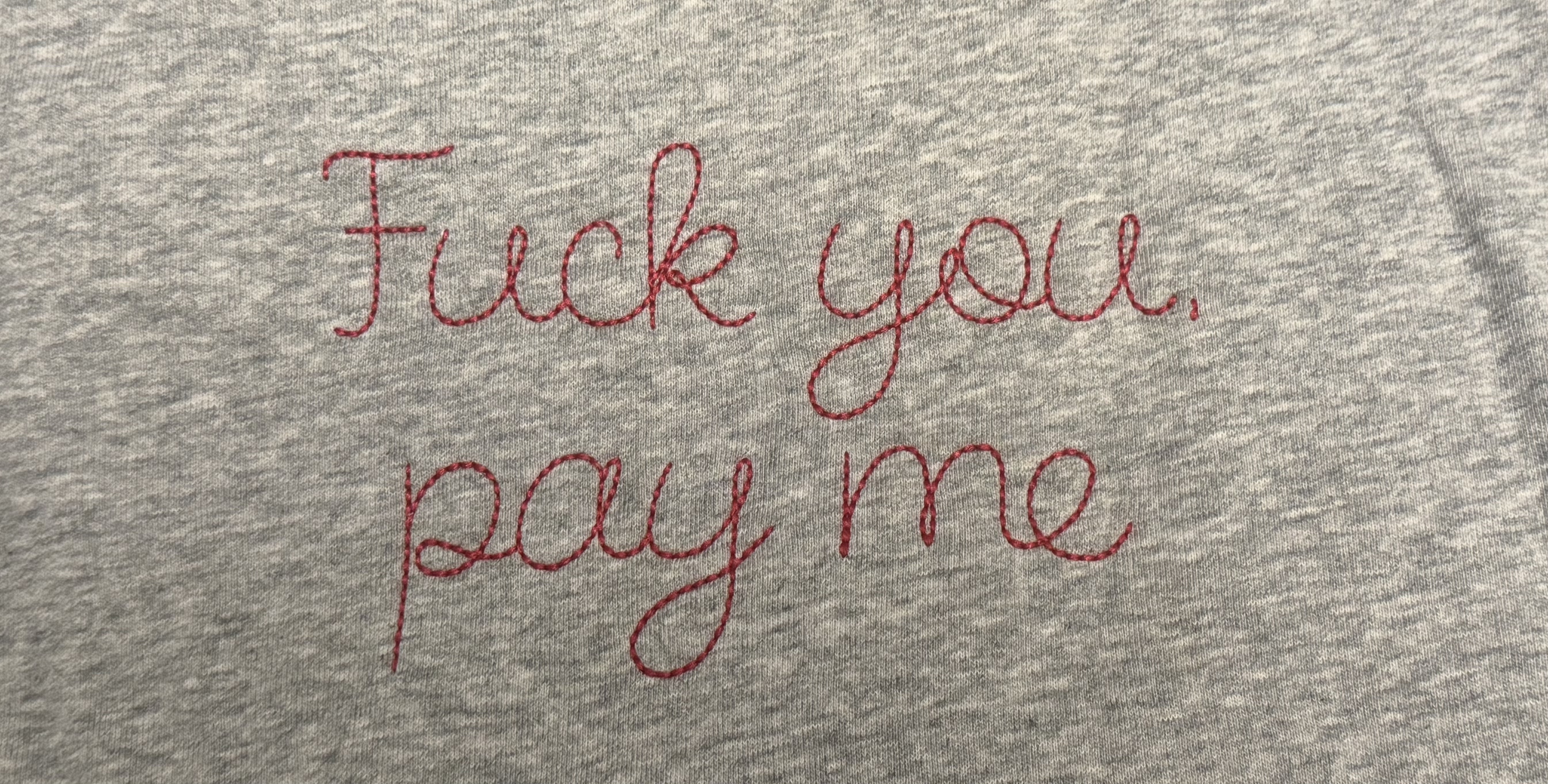
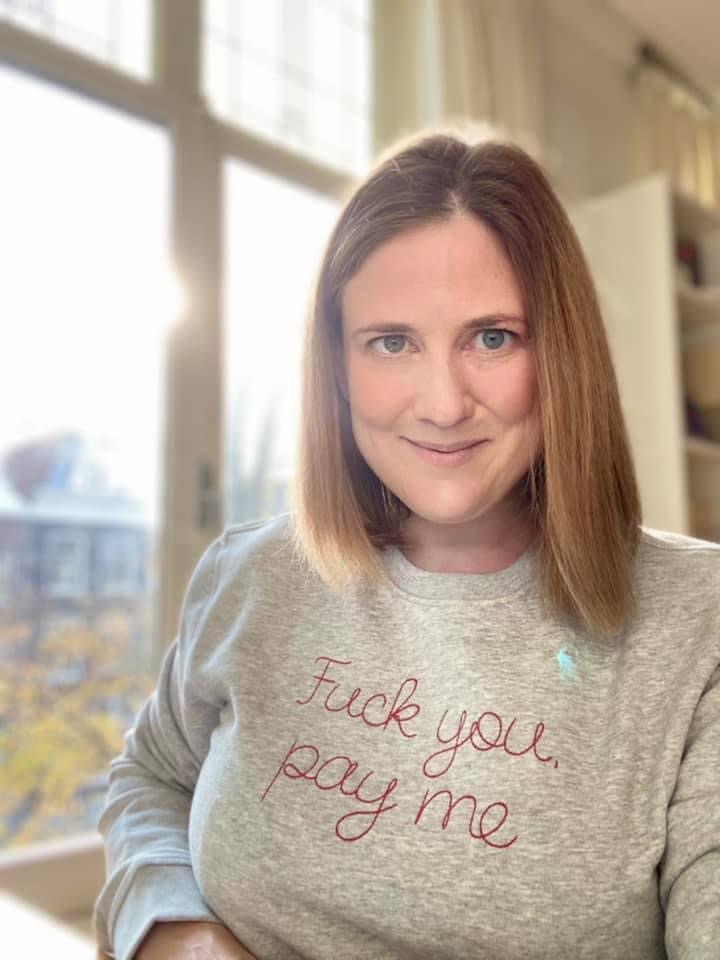
This is the sweater I had made when a company, fresh from raising $100m in their Series B, asked me to do a bunch of work in exchange for a €30 AMAZON VOUCHER. I got this custom-made by the wonderful Lisa Macario and sent them this photo by way of response. It’s now my default reply to such requests.

<normal weeknote service resumes>

This week at work

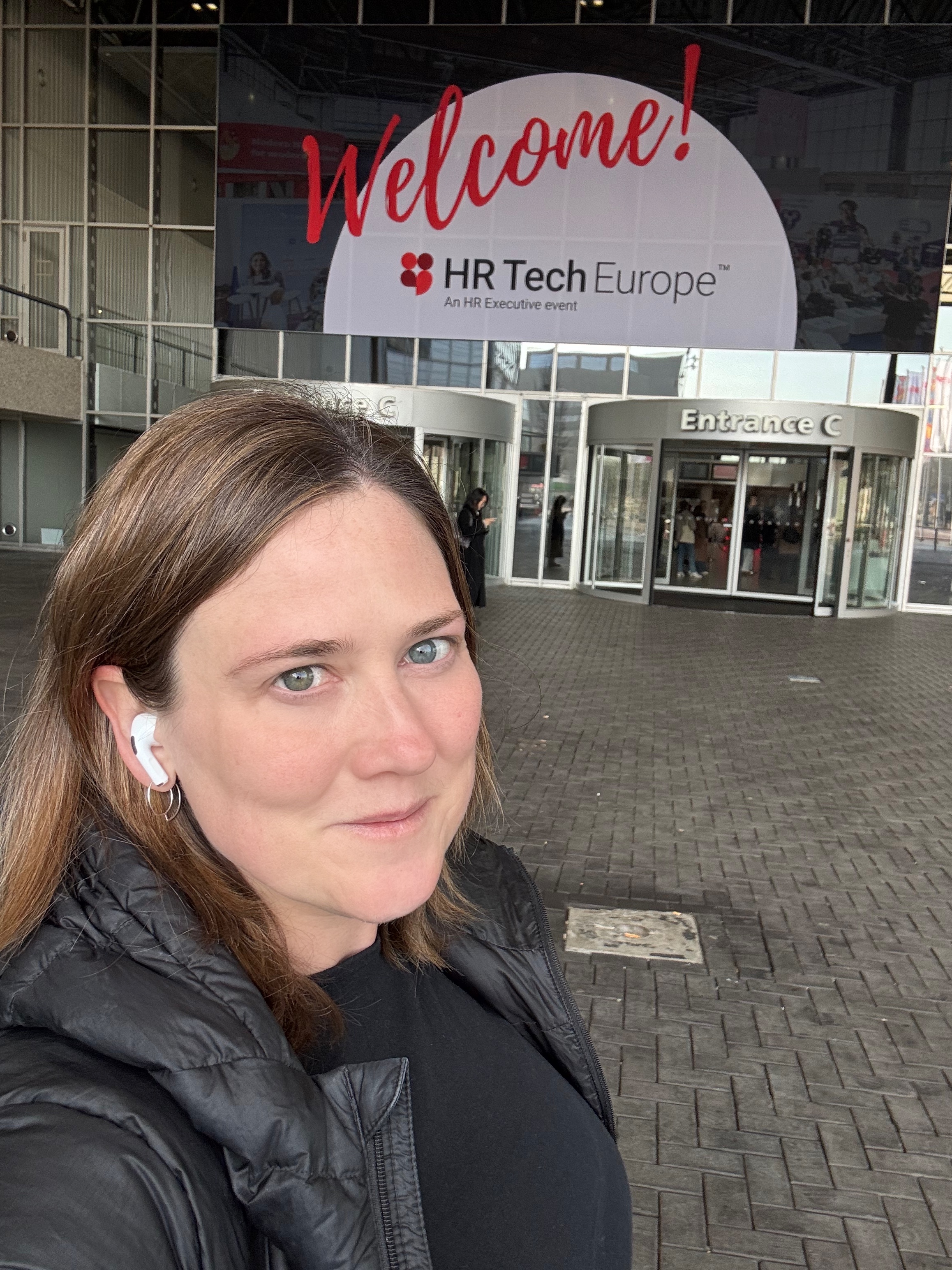
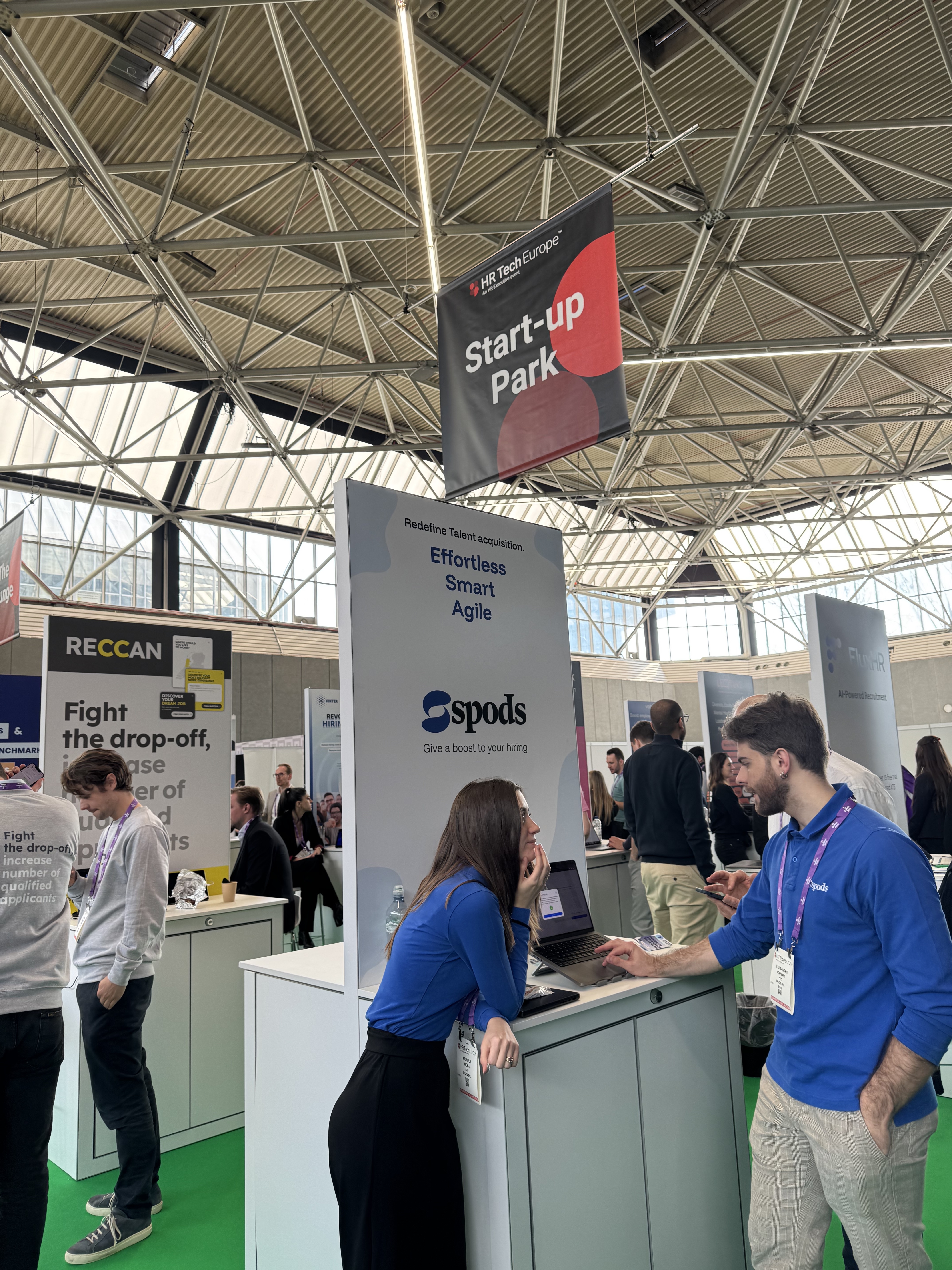
Spent two days at HR Tech Europe, covering everything from recruitment to onboarding, engagement, and employee experience. And by the end of it, one thing was clear: AI is transforming HR—but employee experience is still an afterthought.

AI could automate admin, improve decision-making, even redesign work itself. But too many vendors are busy selling AI to HR teams, not designing it for employees.

One session ran a live poll on AI in HR. Not a single mention of employee experience. For the second year running, vendors proudly boasted about time spent in their apps—as if forcing people to spend more time in HR software is something to celebrate.

Unless you work in HR, you should be spending as little time as possible in HR systems. The best tech automates, integrates, and disappears into the background so people can get on with the work they actually signed up for.

Another big theme? Tech overload. One company revealed they have 120 SaaS tools for 135 people. That’s not streamlining, that’s madness. Instead of reducing complexity, too many organisations are piling on more tools, more silos, more duplicated effort.

It’s not just about cutting tools—it’s about better design. As we tell clients: There’s no ROI in launch—only in sustained adoption and use. Good design, proper integration, and automation mean higher adoption, lower training costs, and a better experience for employees.

The big takeaway? HR tech should work for people, not against them. If we don’t prioritise employee experience, we’re not making work better—we’re just making it more complicated.

Also this week

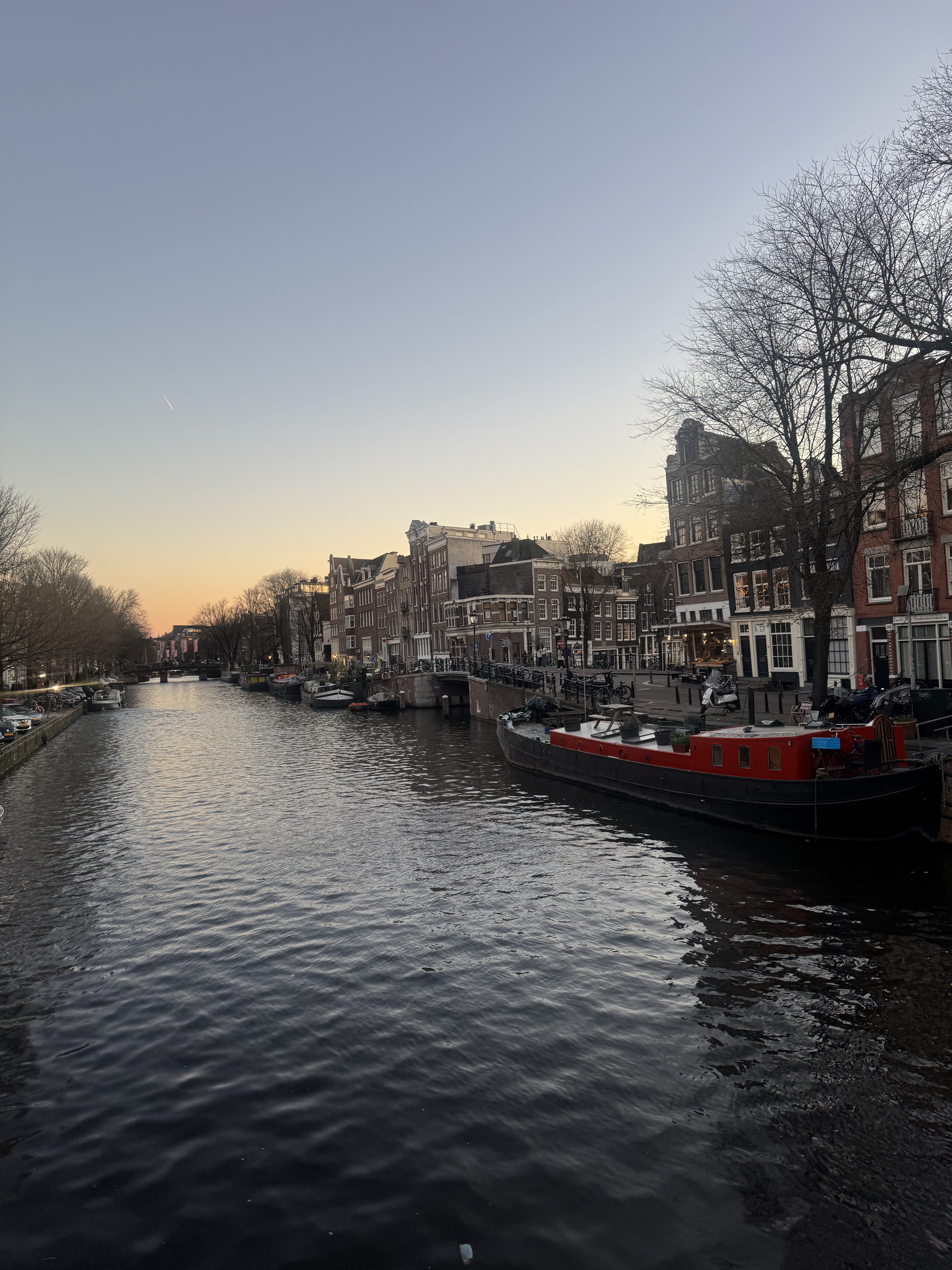
It’s absolutely glorious in Amsterdam, like we’ve moved straight from winter to summer. The giant puffa jacket has given way to a cardigan. Along with half the city I had my first beers-on-terrace outing of the year. People are out on their boats and sitting by the canals. When the sun’s out this really is the best place in the world.

Saw Kyla Cobbler’s show at Boom Chicago this week. Sharp, fast, filthy and chaotic in the best way. A mix of razor-sharp storytelling and unfiltered crowd work, delivered with full Irish energy that keeps you on edge. Some bits landed harder than others, but when it hit, it really hit and my girlfriends and I laughed till we hurt. A wild, unpredictable ride.

Less of a hit was Biig Piig last night at the Melkweg. A few of us went, mostly just as something to do for my pal’s birthday. Felt a bit too try-hard, perhaps because our group were responsible for bringing the average age of the crowd up by at least a decade. One of those gigs where you realise you’re just not the target audience, and that’s fine.

Consuming

đŸ‘©đŸ»â€đŸ’» Internetting
What’s in my browser this week

  • With two holidays under my belt already this year, and three more booked, you can definitely file this one under “well you would say that, wouldn’t you?” but I enjoyed this piece on why travel makes you a better person.

    Travel isn’t just fun—it can rewire your brain. Immersive experiences boost empathy, challenge assumptions, increase self-awareness, and spark creativity. Travel builds trust, fosters open-mindedness, and keeps you grounded by pushing you beyond your comfort zone. Travel has certainly made ME a. better person, and I’m thankful for that.
  • A timely piece in the Economist on the persistence of the gender pay gap. Sunlight has not, in fact, turned out to be the best disinfectant.

đŸ“ș Watching

Nothing of note this week.

📚 Reading

One of the exhibitors at the HR Tech conference had the bright idea of giving out free books if you pose with it for a selfie. So I’ve finally started reading Brene Brown, about a decade after everyone’s raved about her at me.

🎧 Listening

I’m two episodes in to Broken Veil. Unsettling.

Travel

🇬🇧 I’m heading to London this week. I have a little spare time so shout if you want to catch up.

Connections

I had a virtual coffee with Stephanie Barnes this week. We talked about moving countries, the overlaps between KM and digital workplace, and using creativity in workshops to prompt people to think differently.

HR Tech Europe also gave me a chance to catch up with Anne-Marie Blake again, and meet her co-founder Howard Krais for the first time.

With Anne-Marie Blake and Howard Krais at HR Tech Europe this week

Coverage

I spoke to Nexer’s Cat Cutmore about what 300 Seconds is and how the idea came about.

My one-woman IWD campaign was picked up by West Country Voices.

This week in pics

Weeknote 2025/09

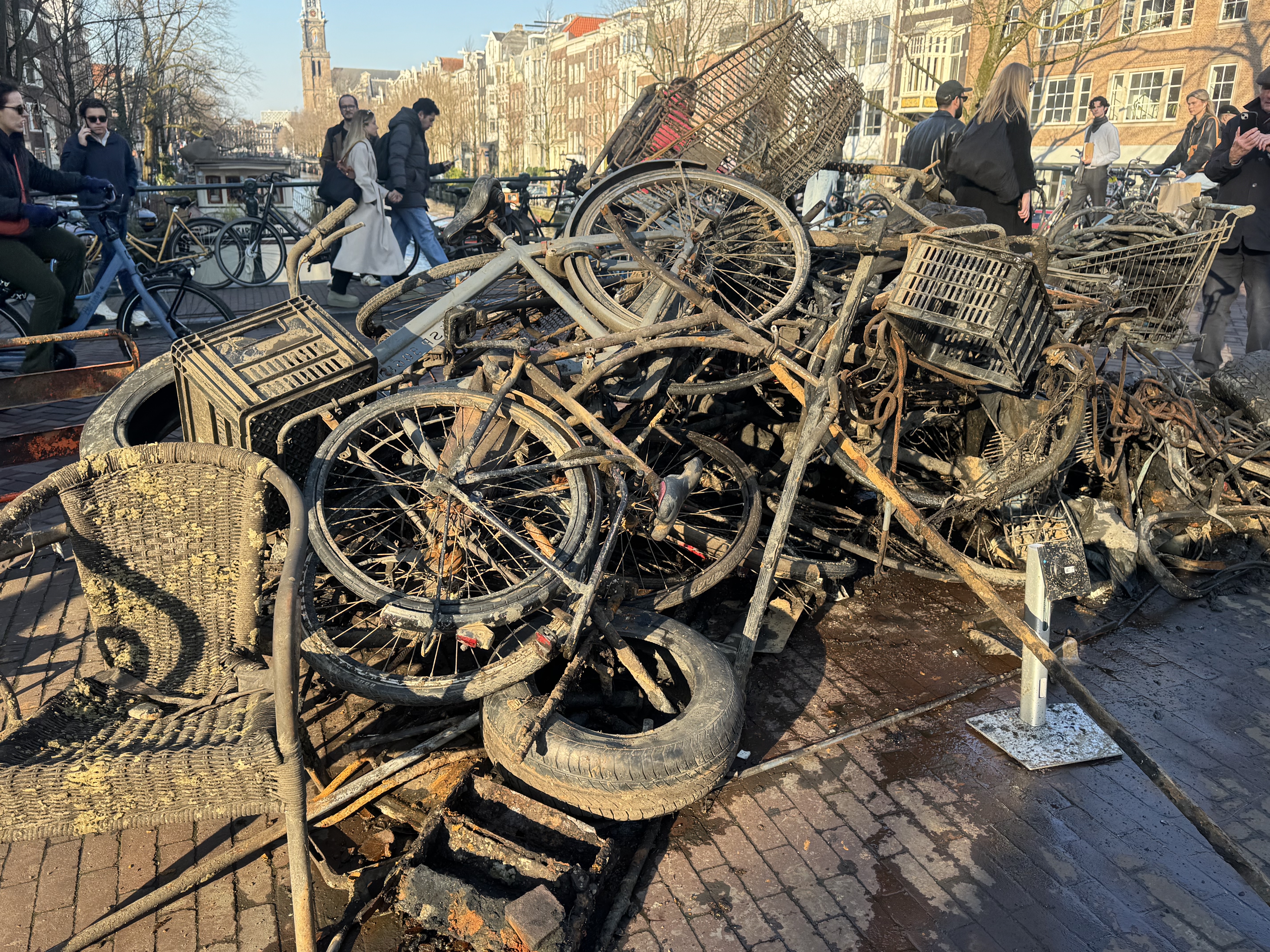
An impressive haul of rubbish magnet-fished out of the canal. Photo: me

It’s March. The sun is shining, and it feels like spring is on the way. A week where the world felt like it was shifting—seasons changing, politics unravelling, and everything moving just a little too fast.

This week at work

  • Started planning a programme to assess a client’s digital workplace skills and capabilities—identifying gaps and how to fill them. Too often, organisations fixate on platforms, forgetting that success needs equal focus on platforms, processes, and people. And people are the hardest to get right, so they need early attention. Refreshing to have a client prioritise this. Looking forward to getting stuck in.
  • Shared our recent work on digital workplace maturity with an industry ‘sounding board.’ Positive feedback so far—some useful tweaks to make, but overall, we’re on the right track.
  • Started developing my keynote for LumApps’ Bright conferences in Chicago and Paris. First event’s not until late April, but with work about to get busy, I’m getting ahead so I’m not scrambling later.
  • Adjusted an intranet delivery programme to flex around changes on the client’s side.

Also this week

My PowerPints appearance—”the world’s best (only) PowerPoint-based comedy show”—is next week, so I sketched out my material and slides. I think it’s in good shape now. Just need to work on delivery.

If you’re in Amsterdam, come down and watch.

With International Women’s Day approaching, it’s time for my annual round of calling out corporate hypocrisy. I’ve been compiling data on pay, discrimination and flexible work (with a lot of heavy lifting by Perplexity and Chat GPT!) so I’m ready to respond on IWD.

I put out a call for tips on which firms deserve scrutiny, with an anonymous form for people to share details if they don’t feel able to call them out themselves. The responses have been rolling in. Plenty of grim stories of maternity discrimination and unequal pay. If you’d like me to take a look at your employer/former employer, drop me some deets here.

Went to my first Expats in Amsterdam meet-up. Five and a half years here, but the whole ‘meeting new people in your new city’ thing passed me by during the pandemic, and I never really caught up. Surprisingly good mix—new arrivals, long-timers, all sorts. Might even go again.

Two very different gigs this week:

Hinds at Tolhuistuin – Their infectious energy is impossible to resist. Even as a duo, Carlotta and Ana keep the party spirit alive, turning the gig into a chaotic, joy-filled conversation with the crowd. Their latest album Viva Hinds brings a more polished sound, but on stage, they’re as raw, fun, and effortlessly cool as ever.

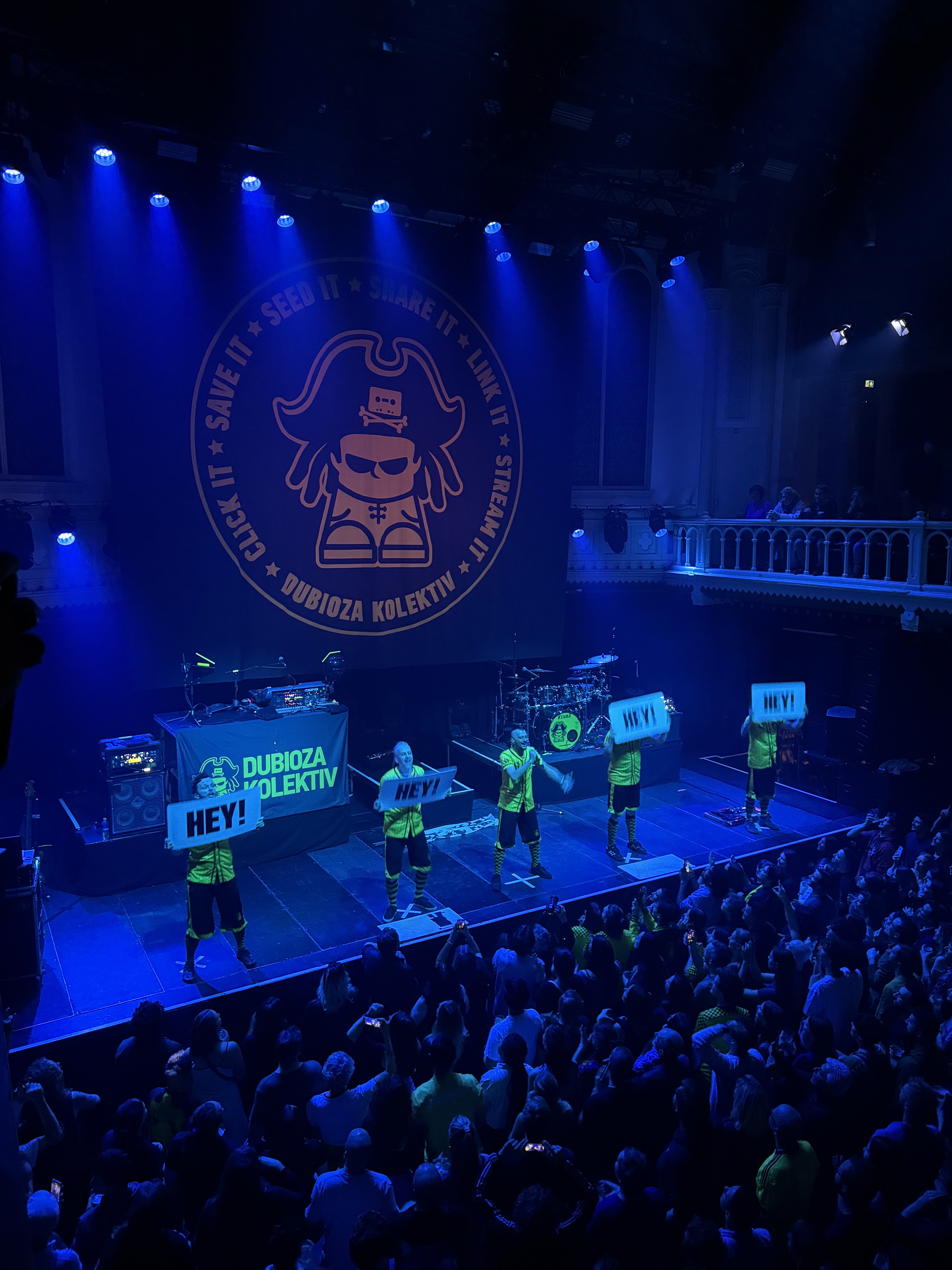
Dubioza Kolektiv at Paradiso – Second time seeing them live, and as ever, a whirlwind of energy and positivity. And positivity was sorely needed—as the post-war global order crumbled live on TV from the White House, people filtered into the venue. The band led a singalong to Bob Marley’s Three Little Birds, a thousand voices belting out “every little thing is gonna be alright”. Strange, beautiful, or just wishful thinking—because by then, we all knew it almost certainly wasn’t.

Consuming

đŸ‘©đŸ»â€đŸ’» Internetting
What’s in my browser this week

  • It’s been five years since the world changed overnight when Covid hit. Long enough now to reflect on what changed for good, rather than just a temporary blip we’d rather forget. This Guardian piece asks experts in politics, business, work, arts, and psychology about the unexpected consequences. A super interesting read.
  • Kind-of-relatedly, one of the more obvious outcomes of the pandemic was the rapid shift to remote work—a shift that’s clearly long-term. That’s reshaped how we manage people and teams, but one under-discussed aspect is the rise of monitoring and algorithmic “management” across many types of work, from gig-economy drivers to warehouse and office employees. This piece in MIT Tech Review gives a clear (and worrying) overview.

    FWIW, I think algorithmic supervision is inevitable in remote work, but it needs much greater dialogue between employers and employees. People should know what’s being tracked and why, with transparency and accountability in place—otherwise, workers are at the mercy of automated tools that measure, judge, and potentially replace them, often with little recourse.

đŸ“ș Watching

Binge-watched the first five episodes of Apple Cider Vinegar, the dramatisation of Aussie fake wellness influencer Belle Gibson’s rise and fall. It’s proper trash TV, in the best way. Over-the-top performances, wild embellishments, and a steady drip-feed of how did she get away with this? moments make it compulsively watchable. Not exactly highbrow, but as a glossy, scandalous take on influencer culture, it delivers.

📚 Reading

Nothing much this week.

🎧 Listening

Hinds’ cover of Davey Crockett sent me back to the original by Thee Headcoats, and down a garage rock rabbit hole.

Connections

Caught up with my old pal Tony Stewart to talk freelancing and the eternal struggle between having a clear proposition and keeping things broad enough for varied work. Go too broad, and you’re indistinguishable in a sea of consultants. Go too narrow, and you risk being ruled out of work that’s easily within your skillset.

Coverage

Back in October, I keynoted at the Global Marketing Summit in Istanbul on employee advocacy—the role of internal comms in giving employees the confidence, psychological safety, and knowledge to be strong brand advocates. This week, Fady Ramzy, who I met there, invited me onto his LinkedIn Live to dive into it further. You can watch it back here.

(First LinkedIn Live—more fun than expected. Should I do more?)

This week in pics