Weeknote 2025/23

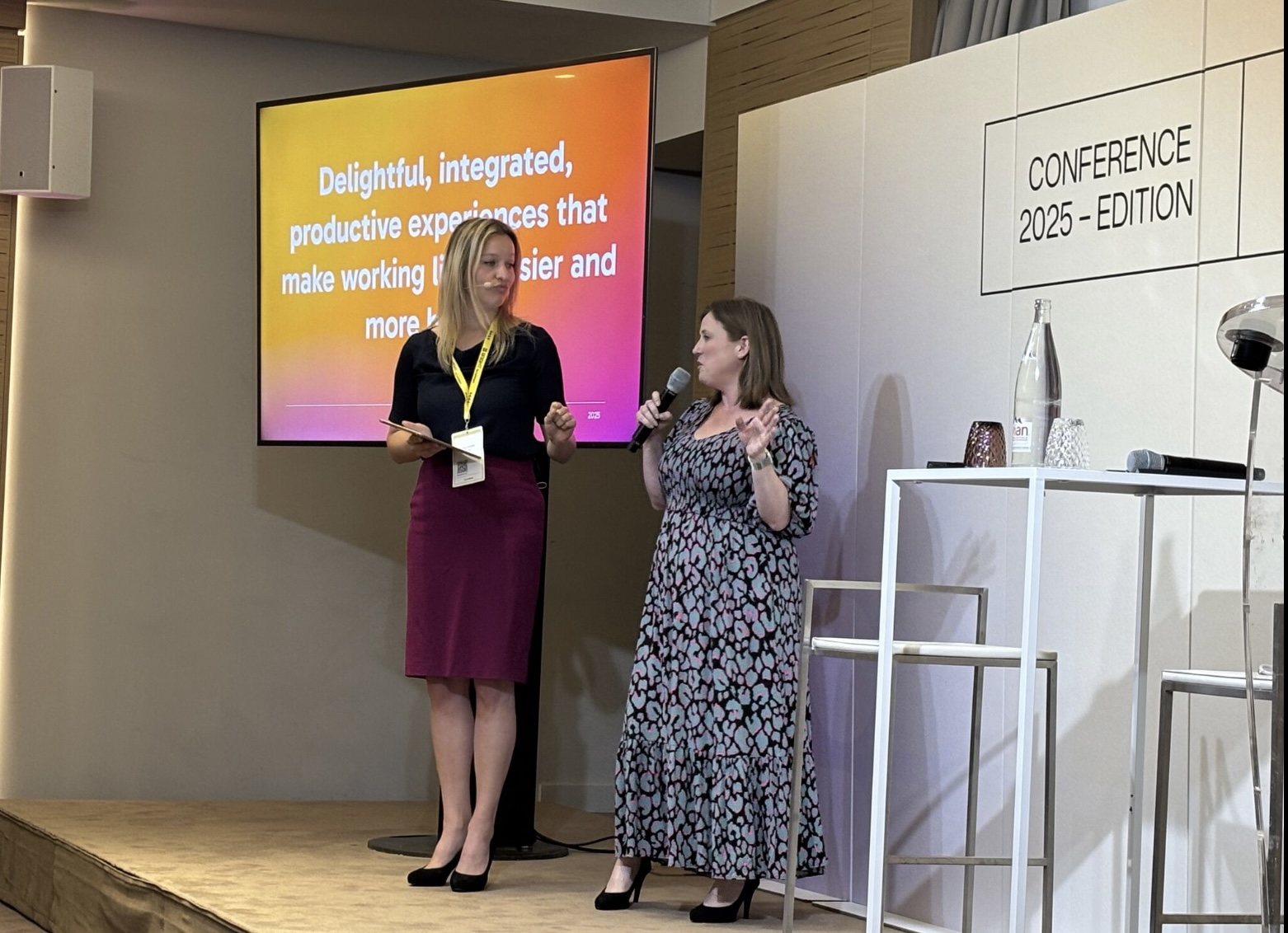
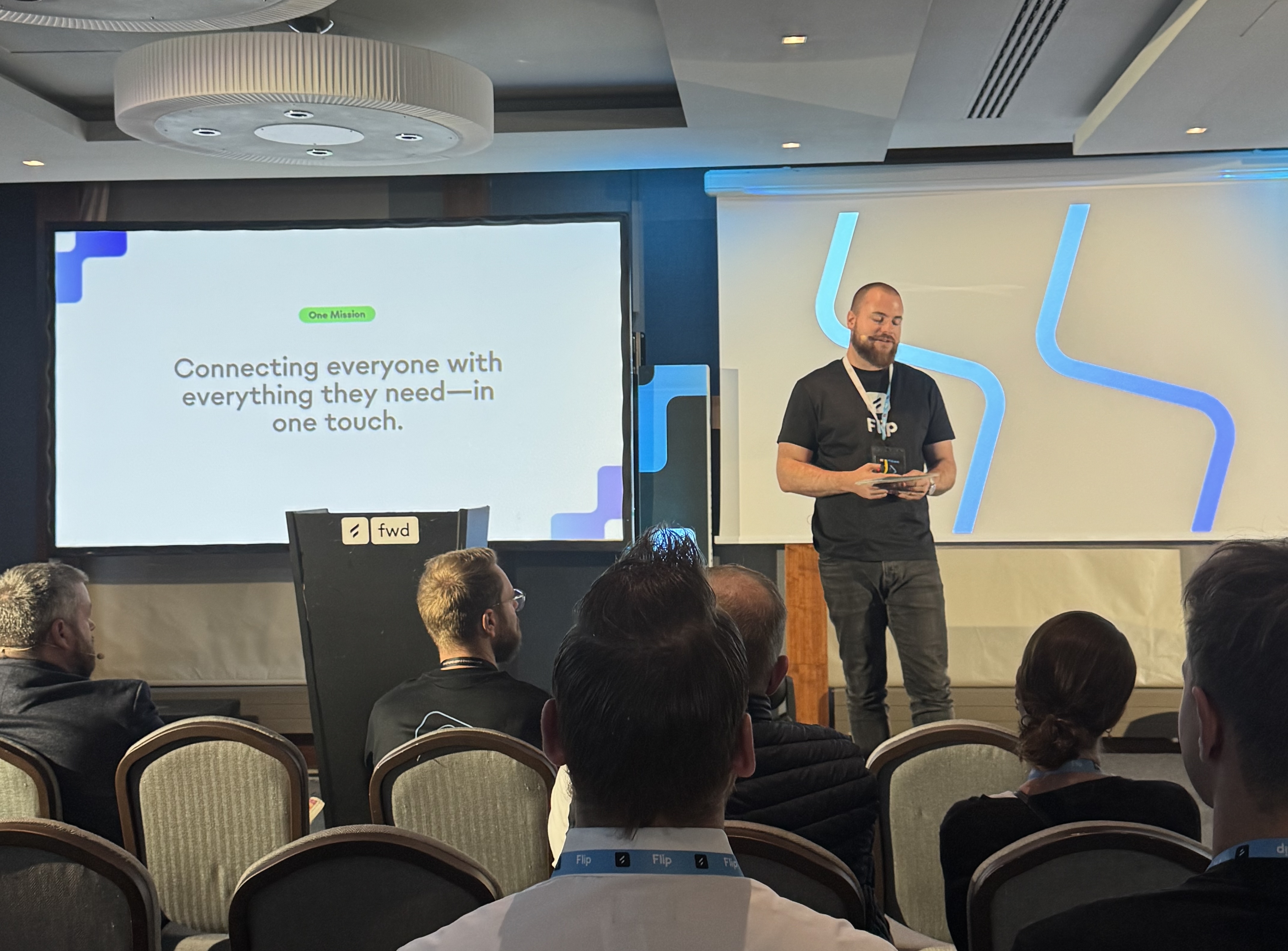
On stage at LumApps Bright Paris (Photo: Andrew Hesselden)

It’s been 13 days since my last weeknote and, somehow, I’ve crammed in a month’s worth of work, two cross-border events, several metric tonnes of confetti, and a minor brush with academic despair. I’ve danced under a disco ball in a museum, communed with inflatable robots in a laser fog, and read so many journal articles on “organisational sensemaking” that I briefly lost the will to live, then found it again in a footnote citing Habermas.

I’ve had days where I felt like a confident grown-up delivering keynotes and running strategy workshops, and others where I stared at a blank slide titled “Relevance at Scale” for so long I started to question whether anything in this life is ever truly relevant, let alone scalable.

Anyway. Here’s what else I’ve been up to while trying to outrun both burnout and late capitalism with a portable ring light and a decent day rate.

This week at work

It’s been a blur of conferences, client sessions, and the slow, creeping suspicion that time is folding in on itself. Conference season is in full swing, which means I’ve been knee-deep in decks, speaker notes, and trying not to visibly malfunction when someone asks me to “slow down a bit” — a request I find almost physically impossible once I’m excited and mid-flow.

First up was a thought leadership webinar for Cerkl on personalising comms at scale. Conveniently, it ties into a chapter of the book — distribution, personalisation, targeting, and relevance — so I got to test-drive some of our thinking in the wild.

Then came the European leg of LumApps Bright, where I gave the extended ‘director’s cut’ of my Chicago keynote — same themes, more depth, this time with added self-depreciation about my bad French. I also ran a roundtable on understanding employee needs, which turned into one of those lovely sessions where people are honest, energised, and insightful. DEEx and comms folks continue to impress me with their blend of grit, grace and spreadsheets.

There was also a UK client workshop — part of a series — and pleasingly, we can actually see momentum building between sessions. Progress. Real, tangible, post-it-note-covered progress.

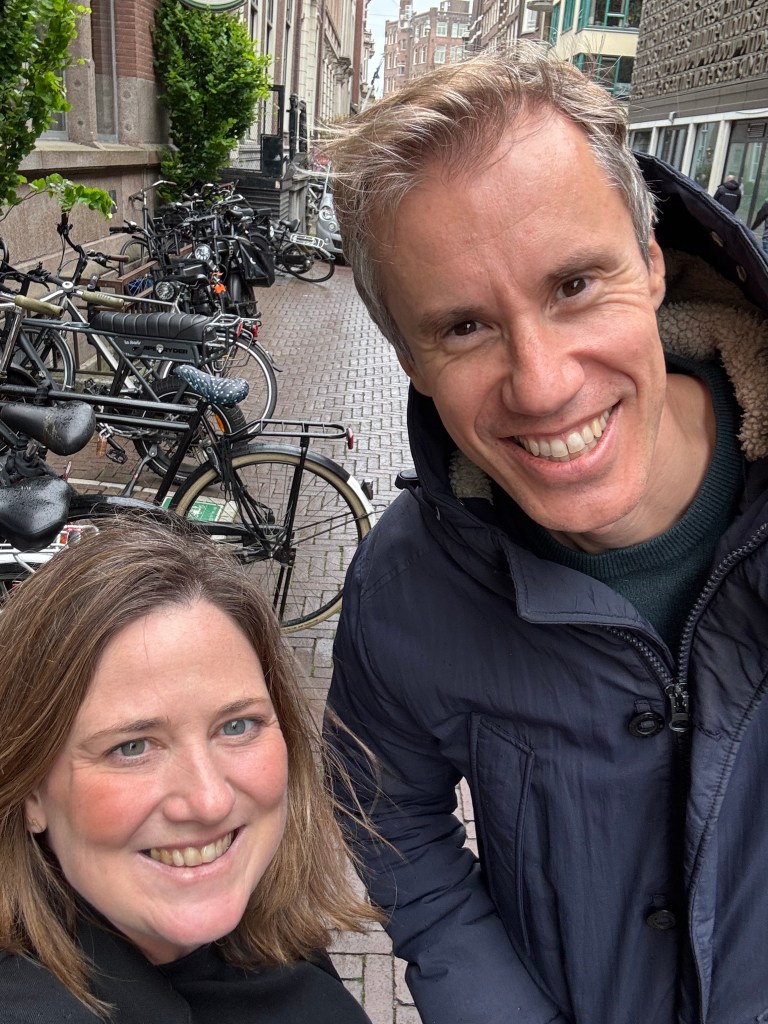
I asked Copilot to edit this to remove the text on post-its, for client confidentiality. It did, but also edited Jon to be a completely different person. Go figure.

And with Camp Digital just around the corner, I’ve had prep calls with our brilliant first-time speakers. I can’t wait to see them in action — and to be the overly proud backstage goblin cheering them on.

Also this week

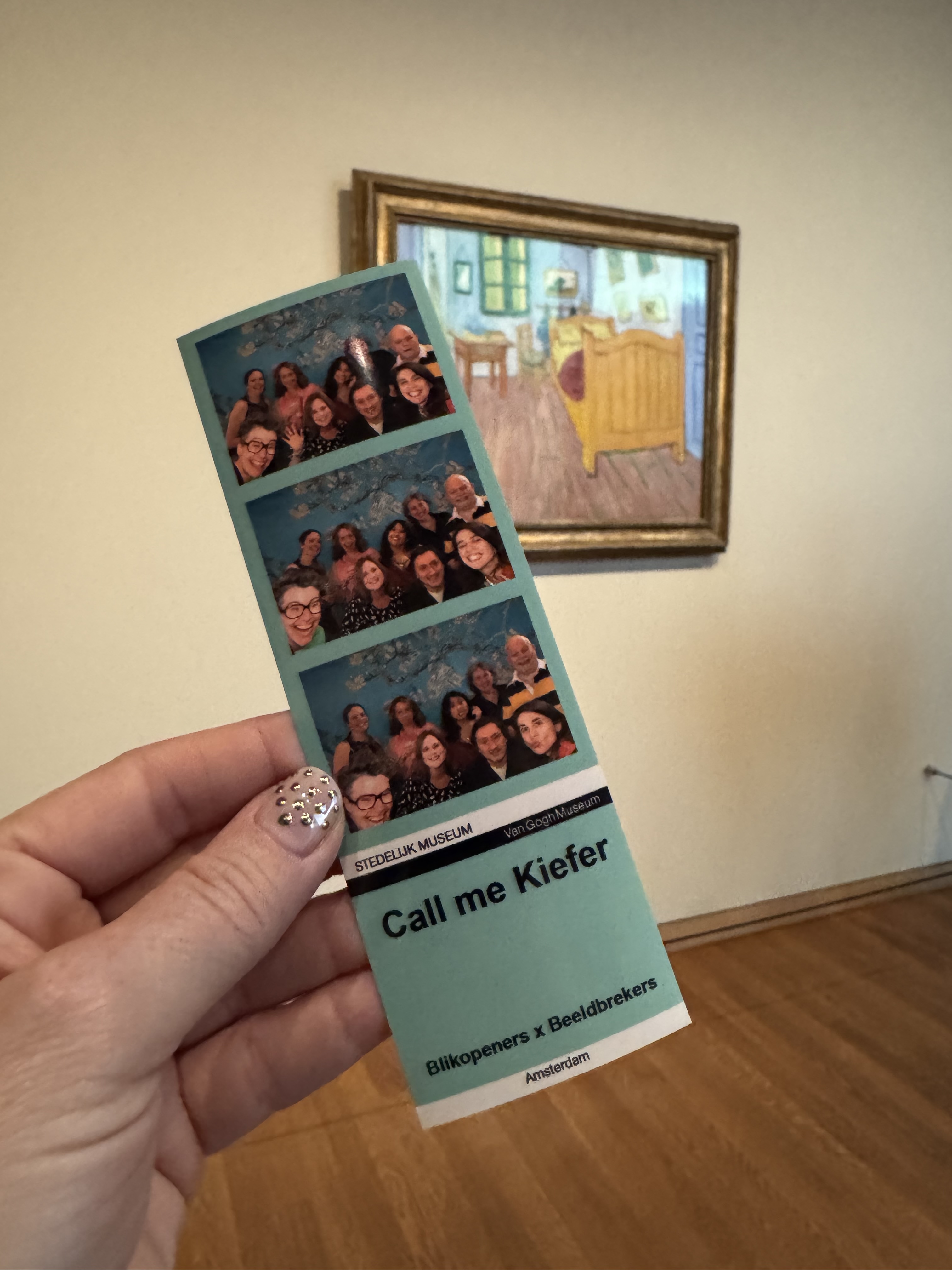
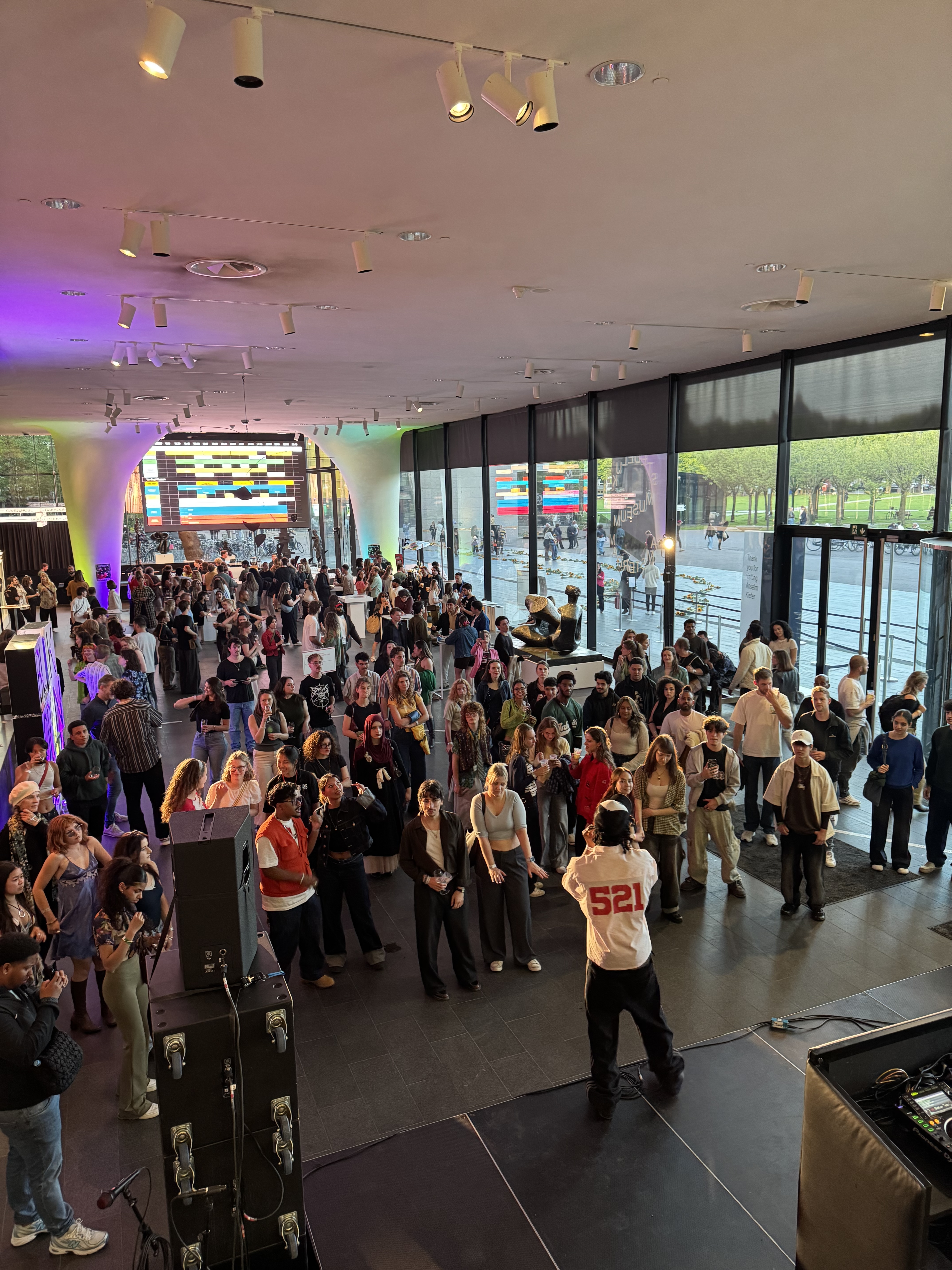
Went to Vincent op Vrijdag, the Van Gogh Museum’s monthly late-night opening — this time a joint venture with the Stedelijk, letting you do a cultural double-header with drinks. I saw the Anselm Kiefer show across both venues (big, bleak, brilliant), then stayed for the part where you dance under museum lighting and feel like a very sophisticated art heist is about to unfold.

Caught the Flaming Lips in Utrecht performing Yoshimi Battles the Pink Robots in full — a retina-searing, glitter-drenched fever dream of lasers, confetti, and inflatable robots. Wayne Coyne, framed by a giant inflatable rainbow, looked like a man who’d seen the future and decided it needed more sequins. Utterly bonkers. Utterly wonderful.

We won’t let the robots defeat us.

Consuming

👩🏻‍💻 Internetting

I know nothing about private equity — truly, nothing — but I adored this explainer on what Taylor Swift’s masterstroke of reclaiming her catalogue can teach the buyout bros. Equal parts fangirl essay and forensic takedown, it’s a reminder that you underestimate a billionaire pop star and her army of emotionally over-invested fans at your peril.

On the other hand, I do know quite a bit about writing. Just not this well. Lauren Razavi’s piece on AI authorship is one of the most thoughtful, lyrical takes I’ve seen — part essay, part live DJ set, and all signal, no noise. Read it. Then reread it. Then make peace with the fact she’s probably written your next best idea, too.

📺 Watching

Gingerly stepped into the final season of The Handmaid’s Tale, watching in careful, rationed doses — partly because it’s harrowing, partly because it now feels like market research. Gilead is no longer dystopian fiction; it’s starting to look like a standard Wednesday in some parts of the world.

📚 Reading

In my last weeknote I worried that reading for fun would get pushed aside by reading for the book. Reader, it has. The International Journal of Strategic Communication now haunts my dreams.

🎧 Listening

Discovered British-Dutch electro-pop-punksters Crgclt at a party in a barn somewhere outside Leiden. Their set was a glorious mess of synths and snark — like Chvrches got drunk with Le Tigre in a tulip field. I will be seeing them again.

Connections

The last fortnight’s seen me people-ing at Olympic levels.

Caught up with Cargill’s Paul Thomas for a proper chinwag about hybrid work, generational gaps, and the quirks of Dutch corporate comms.

Money 2020 brought the finance glitterati to town — which meant finally meeting Jas Shah IRL, hanging out with Theodora Lau, and catching up with my old Standard Chartered pal Natalie Pereira, a full decade after our last night out in Kuala Lumpur.

Bright Paris also reunited me with DWG’s Paul Miller and internal comms veteran Andrew Hesselden, and gave me the joy of finally meeting some long-time online pals in person. The best bit of any event’s still the coffee-break conspiracies.

Travel

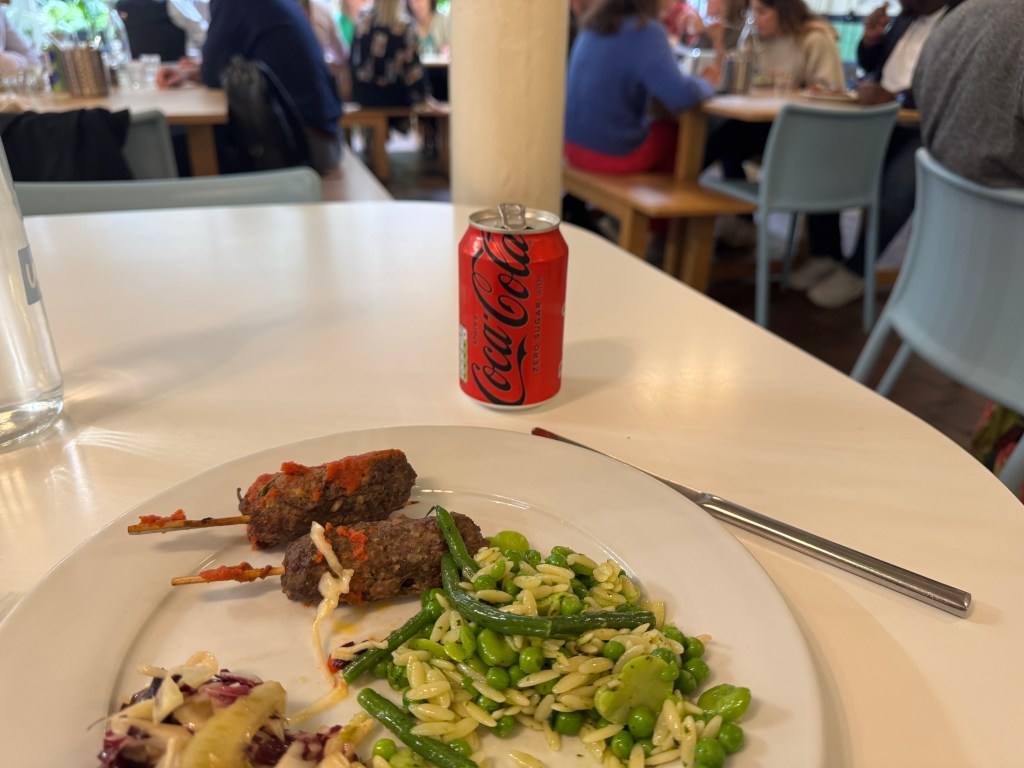
On Tuesday I managed breakfast in Amsterdam, lunch in London, and dinner in Paris — which sounds terribly glamorous until you realise breakfast was a sad airport lounge croissant, lunch was mystery beige from a meeting venue canteen, and dinner was a lukewarm M&S salad eaten on a hotel bed at 10pm.

Staying put this week. Thank god. Milan and London await next.

This week in photos

Weeknote 2025/21

Quintessentially Berlin (Photo: me)

Some weeks you feel on top of things. Other weeks, you’re writing a book, delivering workshops, prepping talks, flying to Berlin, crying in a photo exhibition and accidentally going to two punk gigs at opposite ends of the country.

No idea what kind of week this was, but it definitely happened.

This week at work

I didn’t realise how jam-packed this week was until I sat down to write this. No wonder I’m tired.

First, the big news I’ve been hinting at: the cat’s out of the bag. I’m writing a book with my colleague and longtime co-conspirator Jonathan Phillips.

Digital Communications at Work: Designing Channels for Employee Engagement and Experience is a practical guide for comms professionals handed responsibility for digital channels. It’ll be published by Kogan Page in 2026 and is packed with case studies, real-world advice, and the kind of tips we wish someone had given us when we were in-house.

If you’ve ever been given the intranet keys, told to “sort out comms,” or been stuck between IT and HR, this one’s for you.

Over the coming months, these weeknotes will chart our progress — and my slow descent into madness — as we try to write a whole book in our spare time.

(There’s another exciting cat in another bag, but that one stays put for now)

Jon and I also popped over to Berlin to see our client SEFE, the German energy company. Late last year we delivered them a new intranet — config, IA, content, training, the whole shebang — in just 100 days. They’re thrilled with it, and so are we. This week we finally met the team in person to celebrate and look ahead to what’s next.

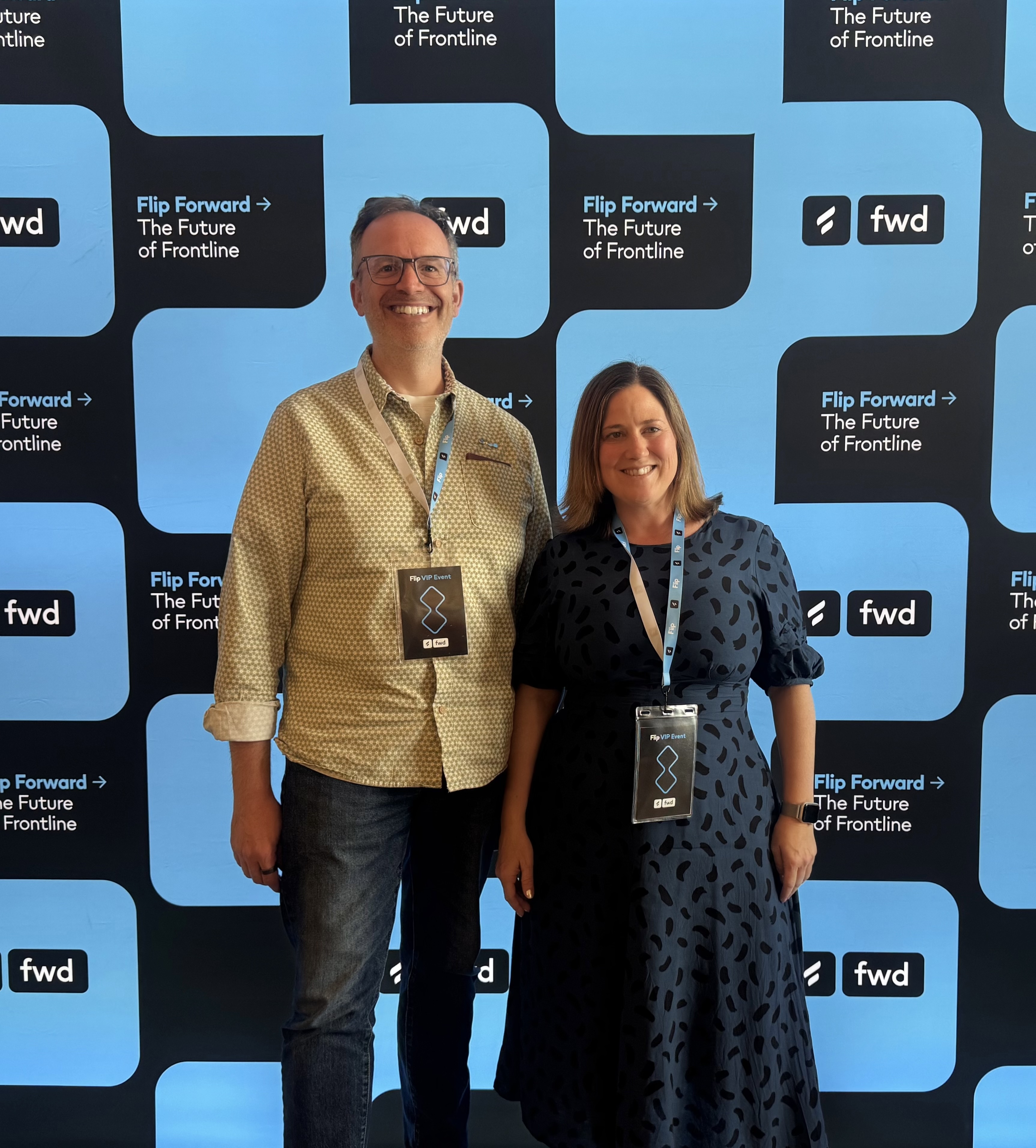
We also went to Flip Forward, a sharp one-day event from employee app vendor Flip, focused on what the digital workplace really means for the frontline. A few standout themes:

  • AI is now the infrastructure, not just a feature. Flip (like everyone else) is “AI first,” but the most useful applications weren’t flashy — they helped people quickly access the info they actually need. Like when’s my next shift?
  • Flip’s Marian Finkbeiner said: “Interview people on the shop floor and solve from there.” I’d add: also observe and triangulate. What people say and what they need aren’t always the same.
  • Martina Merz delivered a brilliant keynote on AI, trust and dialogue. Her warning: don’t simulate listening with AI and call it connection. Real trust comes from real dialogue, not a chatbot pretending to care.
Flip Forward in Berlin.

That idea — making sure people are genuinely heard — came up again in a series of workshops we’ve been designing for another client. We’re building ways for people to contribute before, during, and after sessions. Not just once, but as an ongoing habit.

Camp Digital is now less than two months away, so prep is ramping up. I had a great call with one of our first-time speakers, and I’m already excited for what’s shaping up to be a brilliant programme.

But first: a few more speaking commitments.

In a couple of weeks I’ll be in Paris, giving the extended version of the employee experience keynote I did in Chicago at the European leg of LumApps Bright. I’ve been reflecting on what landed, what didn’t, and where more clarity or examples might help.

I’ve also been prepping for a webinar I’m doing with Cerkl, as part of their IC Thought Leader series. I’ll be talking about why internal comms needs to move past volume and focus on relevance: using data to deliver useful, usable messages in the moments that matter. Sign up here. It’s free to attend — or sign up and get the recording later if you can’t make it.

Also this week

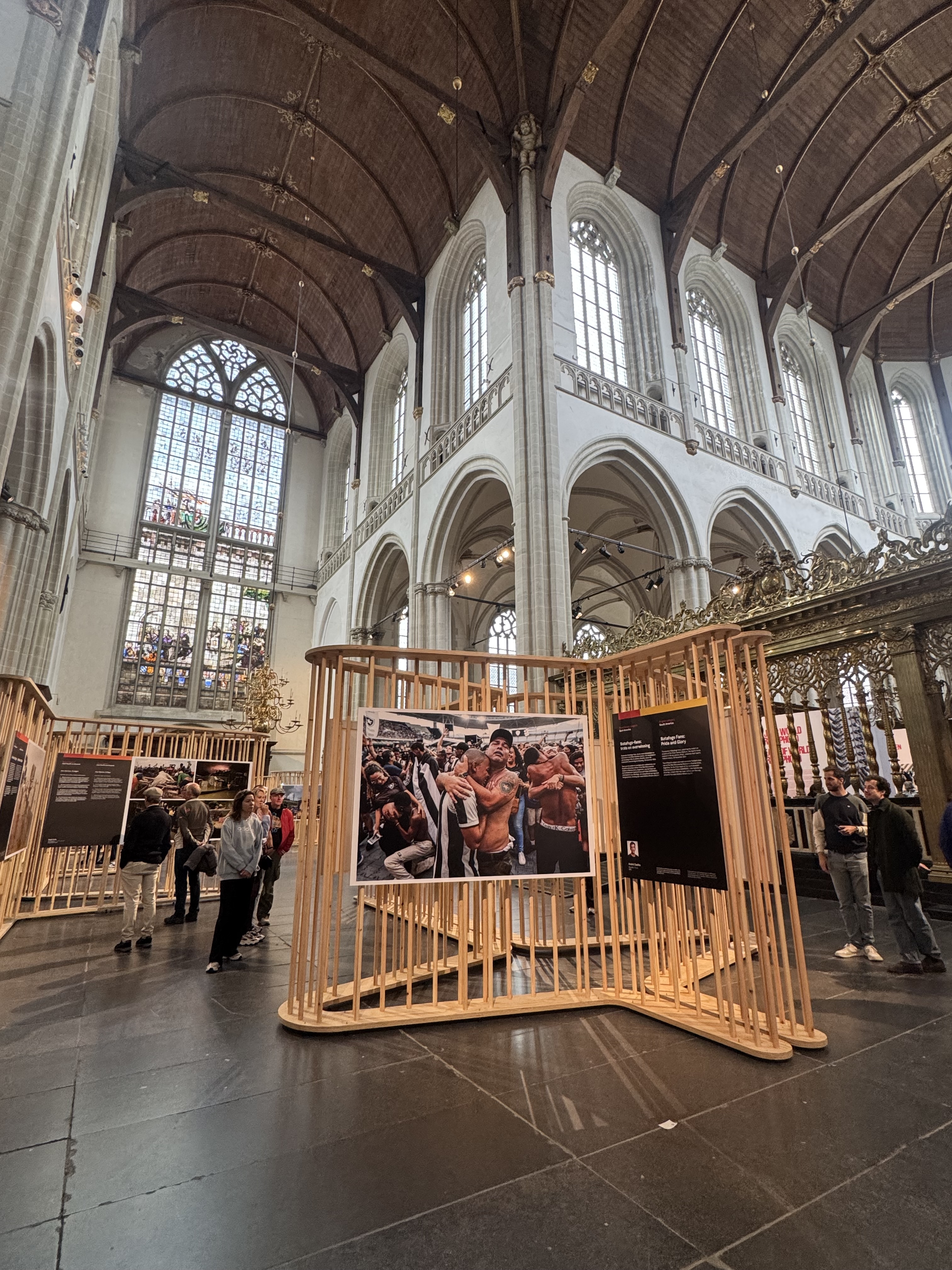
I went to this year’s World Press Photo exhibition at De Nieuwe Kerk. As ever: devastating and essential. The 2025 edition features powerful photojournalism capturing war, displacement, climate crisis, and human resilience. The winning image — a young boy in Gaza who lost both arms in an airstrike — was particularly hard to take.

Other standout stories: the drought-stricken Amazon, the aftermath of the Turkey–Syria earthquakes, and several photo sets showing the disproportionate impact of conflict on women. Sexual violence as a weapon of war in Tigray. Women trying to protect their families in Gaza and Ukraine. Women stripped of all rights in Afghanistan.

The memorial to journalists killed in the line of duty was horrifyingly long. 2024’s total matched that of 2020, 2021, and 2022 combined, almost all of them in Gaza.

I cried twice. But I go every year, because bearing witness still matters.

Consuming

👩🏻‍💻 Internetting

I read this Eventbrite piece on “Fourth Spaces” — their term for the way digital communities now spill into physical gatherings. It’s based on research into Gen Z and millennials, who want to connect around shared interests formed online.

It’s a helpful way to think about modern community-building: not just passive audiences, but people looking to co-create, belong and participate. If you’re in events, engagement or comms, it’s worth a look.

📺 Watching

I watched Fred and Rose West: A British Horror Story on Netflix. I knew a lot from the news at the time, and from All Killa No Filla, but seeing the victims’ families speak was utterly heartbreaking. It’s a grim but important reminder of the need to listen, to believe, and to keep asking uncomfortable questions.

📚 Reading

Nothing this week, unless you count background reading for the book (I fear reading for pleasure may be the first casualty of this writing project)

🎧 Listening

A two-gig week. Went to Den Haag on a whim to catch Japanese garage rockers Electric Eel Shock. Then saw UK punk duo Soft Play (formerly Slaves) — a ferocious, sweaty wall of sound. Two blokes. One guitar. One drum kit. Absolute carnage.

Connections

Berlin was a good excuse to catch up with internal comms legend Tony Stewart — someone who understands the power of community both on and offline. I hope we get him on a Lithos project soon.

Also caught up with Michael Nottingham, another of our Lithos collaborators, over an Ethopian meal in Kreuzberg. We talked content, govtech, politics, and the challenge of restaurants meals eaten without cutlery.

Travel

Back from Berlin. One full week at home before heading to London and Paris. I will not waste it.

This week in photos
Internal Comms Teacamp 2 – Evaluation

For this second Internal Comms Teacamp we settled on the thorny topic of evaluation. With budgets being squeezed, we’re all under increasing pressure to demostrate the value of what we do, so this was a popular subject and we all had plenty to say.

With the summer holidays in full swing this was a smaller group than the first time around, but included a mix of internal communications professionals from the public, private and voluntary sectors keen to share ideas on the challenges we all face in our line of work.

Camilla West from Royal Bank of Scotland kicked things off with a short presentation on the work she’s doing to develop measurable KPIs for internal comms which link to wider business objectives. This turned out to be a common theme in the ensuing discussion; how we move away from simplistic measurement of click-throughs and measuring outputs towards a more meaningful evaluation of the impact comms has on achieving outcomes for the business.

The discussion moved on to KPIs. We all need to report our performance regularly to our management boards, but all too often this focuses on outputs (such as numbers of intranet visits) rather than outcomes (such as numbers staff who signed up to a training course). The difficulty we all seem to have is demonstrating what impact comms had on any single outcome; generally success or otherwise is determined by a number of organisational functions and variables, of which communications is just one.

While staff surveys can be useful in measuring staff engagement and objective satisfaction with communications channels, they’re far from a perfect means of measuring the performance of an organisation’s communications function. The group strongly felt these were often given far more attention than they deserve, so surveys should be followed up with additional research such as focus groups to gain a better understanding of communications effectiveness and identify points of failure.

This led nicely on to a discussion about the extent to which internal comms can be responsible for organisational objectives around staff engagement and morale. Many public sector organisations are noticing a dip in engagement scores at the moment, which is unsurprising given the headcount reductions and budget cuts so many are going through. This means that even where communications is working well, it performs badly in surveys as staff are cheesed off for myriad reasons beyond the control of comms.

Everyone in attendance emphasised the need to evaluate the effectiveness of campaigns and specific communications activities as well as employee satisfaction with communications. This needs to be an honest review of what works and what didn’t work as well, rather than simply trumpeting success stories.

In summary, it’s clear that evaluation is essential, but it’s not easy. Different methods of evaluation will be needed for different activities, and we need to combine this with regular reporting on our own performance to demonstrate the value of internal communications spend –  linked to financial performance where possible.

The next Internal Comms Teacamp will be on 21 September from 4pm-6pm. We’ll be discussing Internal Comms and Hard to Reach Audiences, so I’ll be talking about the work I’ve been doing to bring intranet content to smartphones and iPads for Members of Parliament. For more information contact me and I’ll add you to our email list.

Not sure what Internal Comms Teacamp is? Here’s an introductory blogpost.

Internal communications teacamp

Contrary to popular belief, webbies aren’t always glued to their screens and hidden away in dank basements. They love to get out and about and network with their peers.

It all began with UKGovCamp, a one-day event for public sector digital types. These events – now in their third year – have no set agenda; people come with their ideas and problems and pitch sessions to the other attendees. The agenda is cobbled together on the day using post-it notes and flipchart paper. The result is an unconference far more interesting, informative and relevant than any event you’ve ever paid big bucks to attend.

This span off into Teacamp, the monthly informal get-together of Whitehall digital communicators and social media specialists. Each month 20 to 30 Whitehall webbies meet at a cafe in Westminster to share ideas, solve problems, learn something new and drink some tea. Usually someone volunteers to do a ten-minute talk on something cool they’re doing, or to gather feedback on a specific topic or project, and then it opens up to the group to ask questions, say what they think or seek solutions to their own work challenges.

It’s a fantastic model for professional networking and knowledge-sharing. One which it would be a shame to resign to the digital sector alone. If there’s one thing Internal Communicators are good at, it’s nicking good ideas from elsewhere and applying them in our own work contexts.

So with that in mind, myself and two other internal communicators are plotting the very first Internal Comms Teacamp.

We’re inviting internal communications specialists to come along to share ideas, natter about comms, and drink some tea.  It’s open to anyone who works in employee communications, not just digital types, from the public and private sectors.

We’re kicking off at Apostrophe in Market Place (near Oxford Circus) from 4-6pm on May 25th. Come along! Or give me a shout via the Contact Me form or on Twitter if you want to know more.

Silly season

We’re all familiar with the concept of silly season in the media. With the World Cup well and truly over, politicians on recess, schools on holiday and the courts shut for a few weeks, the papers are left scratching around for something to fill what the Germans call sommerloch – the summer [news] hole.

And so, too for internal communicators. With so many colleagues away, decisions aren’t being made and there’s a dearth of campaigns, updates or announcements. This means publications are unfilled and intranet pages reek of last week.

But while the papers have an endless supply of celebrity trivia and the annual parade of attractive a-level students picking up their results, corporate communicators have no such luxury. So how do we deal with slow news days?

Catch up with old news. With some space and time to spare, have a look back at the past few months and think about projects or initiatives which didn’t get as much attention as they deserved at the time. Are there any updates? Can you report on progress? You might earn a few brownie points by giving them some publicity now.

Recognition. Hertzberg’s work on motivation found a significant proportion of people are motivated to work because of the recognition they get for it. With budgets tightening and under-inflation payrises talked about for many, now’s the time to focus on those non-financial rewards and motivations. By taking the opportunity to recognise the hard work our colleagues have been putting in, we can better motivate them to say, stay and strive.

Admit defeat. Silly season is an international phenomenon – one familiar in offices around the globe. With so many colleagues – especially those with children – away, making significant changes or announcements is always going to prove difficult; any important communications made now might be missed by those colleagues who are away.

Why not take some time to focus on some housekeeping tasks, to make sure your intranet is running smoothly, ready to hit the ground running in September (I’m tidying up our A-Z, which is proving more interesting than it sounds!)

How do you deal with slow news days on your intranet? Does it even bother you? Post your comments.

Organisational communication 2020

This was the 50th meeting of the London Communicators and Engagement Group, an informal monthly meetup of (mostly internal) communicators. After 50 meetings you’d think organiser Matt O’Neill would be out of topics to cover – but you’d be wrong.

This time, Matt invited David Galipeau (from eighty20.org /United Nations/Academia) to deliver a mini exposition into the future of communications. In a futuristic spirit he delivered his talk – on where he sees communications of the future heading – using a Skype video link from Geneva.

David Galipeau off Red Dwarf

In practice, this gave him the disjoined, disbodied appearance of Holly from Red Dwarf. But it worked surprisingly well – so that’s another nail in the coffin for international business travel, perhaps.

As Matt said in his introduction to the event, communicators are focussing on how we can use social media tools to improve organisational communication now and in the immediate future. But are the implications for the future? ‘Is this just the start of an emerging pattern that will fundamentally change the way organisations talk internally and externally?’ asked Matt.

He’d also suggested we take a look at some of Galipeau’s work ahead of the event. Alas, I was in a rush, and when I took a look at this, I thought ‘arrgh!’ and closed my browser tab.

Galipeau’s talk was almost as difficult to digest. I know he’s an academic, but I suspect I was one of the more geeky communicators in the room, and still quite a lot of what he said went right over my head. I’m not sure whether those who weren’t digital natives really knew what he was talking about for much of the time.

For example, Galipeau talked about the implementation of IPV6. For the lay reader – that’s most of you, I suspect – our IP addresses are currently based on IPV4, but we are fast running out of numbers. IPV6, Adrian Short told me via the Twitter back channel, will give us gives 6.5 x 10²³ addresses for every square metre on Earth.

The arrival IPV6 will enable an ‘Internet of Things’ in which everything down to your slippers will have its own IP address. Your TV will speak to your fridge, and your supermarket trolley to your bank.

This, he contended, means the interweb is entering a new and much darker phase, quite different to the hippy free-for-all we’ve come to know. The internet is already slowing down thanks to tens of thousands of DOS attacks taking place daily. This, he said, is an early sign totalitarian nutjobs are engaged in cyber attacks and counter hacks, and the threat of industrial and political espionage is growing.

He gave groups that protested against Scientology as an example of this – yet didn’t really elaborate what was new about this threat other than giving people the ability to self-organise.

What was odd about the talk was that the speaker achieved the rare feat of going right over people’s heads while at the same time getting some real basics completely wrong. For instance, he talked about ‘crowdsourcing’, giving the example of “bringing people together to all dance in the station at the same time”.

This isn’t crowdsourcing, it’s flashmobbing. Crowdsourcing means drawing on the wisdom of the crowd in order to inform your own decision-making. It has a purpose, and increasingly it has real value for individuals and corporations. It can be as simple as putting a shout out on Twitter to gather some lazy reasearch, or as complex as wiki-style policy formation.

Simply framing it in terms of simply bringing people together for no discernable purpose really undermined Galipeau’s credibility, and this was reflected in the Twitter stream.

Galipeau went on to argue strongly what organisations are becoming more centralised, and in particular decision-making is becoming more centralised within organisations. But as he didn’t elaborate on why he believed this to be so, or what evidence pointed in this direction, I wasn’t convinced (particualrly as it doesn’t chime with what so many of us internal communicators are working towards).

I was glad, then, of the surprise appearance of engagement guru John Smythe. His excellent book – CEO: Chief Engagement Officer – focuses on how organisations can deliver increased engagement, and improved productivity, by opening up and moving towards a culture of co-creation.

When Smythe asked the speaker to give examples of research that proved the opposite, Galipeau muttered something about unpublished research commissioned by the US military, which didn’t convince me at all.

I am far more convinced by Smythe’s thesis than Galipeau’s, not least because the latter appears to run contrary to so much of what I see going on in government and business. There are already countless examples of companies successfully democratising decision making both with employees and customers.

Smythe has challenged Galipeau to a debate on this, which he very grudgingly accepted. I really hope this happens.

My objections to Galipeau’s thesis are, I admit, partly emotional. He presented a remarkably gloomy vision of the future, in which the individual is powerless and the corporate centre is an omniscient Orwellian beast.

Nonetheless, it provided an interesting counterbalance to the the highly positive future envisaged by theorists like Clay Shirky and Charles Leadbeater. Shirky, as I’ve blogged about before, sketches out future in which technology enables public participation on a scale never before seen. He says that ‘for the first time, we have the tools to make group action truly a reality. And they’re going to change our whole world.’

So there’s a concensus that techology will radically change our relationship with organisations and the state. For me, at least, the balance of evidence would suggest Smythe and Shirky’s culture of co-creation is on the rise.

If Galipeau’s talk got you reaching for the anti-depressants, check out Us Now, a film project about the power of mass collaboration, government and the internet. It’s a rather more cheerful view of the digital future.

UKGC10 Session two: Socialising Internal Communications

The second session of the day was the one I was looking forward to the most, having discussed it ahead of the event with Kim Willis and Mark Watson.

Kim took the lead on facilitating, but as it turns out the discussion managed to veer though the full swathe of internal comms issues without the need for much facilitating at all. It seemed like we covered an awful lot in under an hour, and could have talked for at least another hour.

Almost everyone agreed  social media could play a much bigger role in internal communications, but within the public sector at least there hasn’t been widespread adoption yet.

Someone described social networking as “what intranets are supposed to be” – enabling you to connect and collaborate with colleagues, share information and improve communication.

A social intranet enables the recording and sharing of organisational knowledge. But while knowledge management looks at how we manage our intellectual capital, we need also to look at how we record, share and pass on social capital too – that is, sharing that knowledge of people and processes that we all build up over time.

Shane Dillion said we rely too much on traditional, top-down methods of communication that no longer suit the way we work. To become more effective, everything we learn outside the organisation should be bought back in and shared.

By enabling colleagues to connect with one another, and by making working lives a little bit easier, good social intranets have a positive impact on employee engagement too.

Many cited middle management as a barrier to adoption of social media. In some ways this is understandable, as social internal comms reduces the middle managers role as a gatekeeper of information.

Our current organisational structures are built for command and control, not collaboration. So the success of internal social media  depends on moving management towards a culture of co-creation.

The question of culture is a very important one. Technology cannot itself create a collaborative culture; if people aren’t talking to each other already, introducing social tools isn’t going to make them.

Other common barriers include silo culture and concerns around security, particularly in relation to things like Government Connect. Platforms like Yammer are incredibly simple to use, and have some great functionality, but sitting outside the firewall are considered too risky by many.

(As an aside, while I like Yammer, I find its default email setting – which emails for every notification – begins to grate remarkably quickly and is itself a barrier to adoption).

But as I blogged about recently, the business case for internal social media is strong and growing. Carl Haggerty gave an update on the Devon County Council social networking pilot he talked about at LocalGovCamp. They branded this ‘business networking’ to counter accusations of frivolity and timewasting. This succeeded in winning hearts and minds, and in evaluation recently he found it produced considerable (but non-cashable) savings.

So what do we do to hasten the adoption of social media inside the firewall?

  • JFDI. The old adage that it’s easier to ask forgiveness than permission is true to some extent, but it isn’t that simple when it’s your job on the line. But start with a small, agile pilot that can be scaled up if successful. If it works, the organisation will buy into it. If it doesn’t, you won’t have lost much.
  • If you want to promote new ways of working, switch the old ones off. Carl Haggerty said his team made a commitment to use their Business Networking tool for discussion rather than sending group emails. People like their tried and tested methods, so you need to provide incentives to change.
  • Dave Briggs said change needs to be dramatic to work – new tools have to do the same thing at least nine times better to win people over.
  • Get buy in from leadership, and encourage them to use social media internally to communicate, listen and lead.
  • Don’t focus on the negatives. Yes, some people will misuse social tools, but most will not. Posts have real names on, so are self-policed.
  • Don’t reinvent the wheel. Adapt your code of context to say how it applies in an online context rather than write a new code from scratch – that way you avoid protracted negotiations.
  • Hug your CIO. Work with ICT to reach solutions to problems like security rather than focus on barriers.
  • Demonstrate value. Budgets will be tight for many years to come, so we need to set out the business case for social tools, though improving flexibility, sharing knowledge, and improving productivity.

Internal social media sits at the intersection of culture change, innovation and knowledge management. It has the potential to deliver innovation and collaboration, but to do that we need to adapt to the cultural and technological barriers in our own organisations.

This was a vibrant and varied discussion, and we could all have talked for ages. Phil McAllister suggested an internal comms barcamp, which a few of us have begun to discuss in more detail. Watch this space.

Intranets are key to recovery in 2010, say surveys

Each January, Jakob Neilsen’s annual intranet design annual is released. This showcases the top ten intranets of the year, and is a good indicator of trends in intranet design and usability.

This year’s Neilsen report found intranets are becoming a higher priority for organisations, intranet teams are growing in size, and increasing numbers feature mobile accessibility and social networking.

On the face of it, the improved functionality comes as no surprise. Mobile internet and social media has grown exponentially over the past few years. Our experience of using the web creates expectations of the kind of content and functionality we want at work too; as we rely on our iPhones to do everything for us when we’re out and about, we expect to be able to use our intranet on it too.

That intranet budgets and teams have continued to grow despite the long recession reflects a growing realisation that intranets can deliver real return on investment for organisations.

Significant and measurable returns can be made by making information easier to find – quite simply, less time spent searching for things is more time people can spend doing something worthwhile. Functionality like self-service HR can see sizable reductions in administration costs.

Less easy to measure, though, is the value of the intranet in improving engagement. Last year’s MacLeod Review on Employee Engagement (from the Department of Business, Innovation and Skills) found that more widespread adoption of employee engagement approaches could impact positively on UK competitiveness and performance, and meet the challenges of increased global competition.

Good intranets not only make life a little easier for colleagues, they improve communication, facilitate collaboration, enable people to connect and have their say, and help workers feel part of their organisation. This, in turn, encourages employees to say, stay, and strive.

Another study out this month, from communication research specialists Melcrum, would suggest organisations have heeded Macleod’s call for greater focus on engagement.

In the survey of 2,212 senior communicators, 40% said the business case for social media within internal communication was clear and that there is visible return on investment, while 53% of those who responded said they were planning to increase investment in their organisation’s intranet in 2010.

The results of this study show that not only are organisations investing in good intranet design, but also in functionality and content. When asked about channels used for internal communication, the intranet ranked as the most effective channel by 73% of senior communicators worldwide, with a clear majority believing webcasts and video would grow in importance in 2010.

Respondents highlighted a wide range of business benefits from investment in internal social media. These included improved levels of employee engagement (21%), better communication with remote workers (16%), knowledge management and collaboration (25%), improving employee feedback (20%) and making business leaders more visible and accessible (14%).

Both the Neilsen and Melcrum studies show intranets are maturing. Increasingly they’re moving away from being a simple repository of information and becoming instead a platform for communication, collaboration and engagement.

Victoria Mellor, CEO of Melcrum said: “There is a fundamental shift happening with how information flows inside an organization. Peer-to-peer online networks are enabling real-time feedback from employees to inform decision-making, not to mention facilitating collaboration between remote workers.”

With budgets tight, the pressure is on for organisations to demonstrate value for money. But with growing evidence of the business benefits of investment in intranets and internal social media, it’s clear they’ll play an even more important role in 2010.

Intranets and urban sprawl: a postcard from down under

This month I’m taking a bit of a break before starting my new job  in the new year. In desperate need of some sunshine, I jetted off to Sydney, Australia.

After spending some time lolling about on the beach, throwing shrimps on the barbie and wandering around town wearing a hat with corks on, I decided to head out of the city for the obligatory bush walk.

As I drove out of the city in search of some bush to hike in, I realised that Sydney is huge. It takes literally hours to reach the city limits. My (Australian) host explained that this is a result of Sydney’s short history.

Sydney

Sydney: this is where it all began

You see, although the area around what’s now Sydney Harbour was home to Aboriginal settlements for many hundreds of years, the modern city is a relatively new one.  The roots of today’s city began with the arrival of the First Fleet in 1788. This was a ragtag band of soldiers, convicts and a few entrepreneurs looking to make a few quid.

They set up camp in the area that is now central Sydney, naming it New Albion. From these humble beginnings the city has grown. And grown. And grown.

As a city built largely in the age of the car, on land that is seemingly limitless, Sydney has  become characterised by urban sprawl. In fact, it’s now the third-largest urban agglomoration in the world.

It struck me that the story of Sydney is very much like that of your average corporate intranet. Most began life, like New Albion, as a bit of a side project, with no clear aims or objectives.

Sydney's urban sprawl

Sydney's urban sprawl 1917-2031: a bit like your intranet

And just as land and resources seemed limitless to those looking for their quarter-acre plot on which to build a family home in Sydney, so too does seemingly limitless server space encourage intranets to grow exponentially.

An explosion in car ownership enabled Sydney to grow to its present proportions. Similarly, the emergence of piss-easy CMSs meant that anyone can be an intranet’s content author, allowing them to add to the urban sprawl of your corporate intranet.

So, just like Sydney, the history of many intranets means they’ve become bloated and difficult to navigate.

But this is where my metaphor falls down.  Sydney householders would certainly be a bit miffed if you were to knock their homes down or move them to somewhere a bit more sensible. But for intranets, that’s certainly possible.

Here’s are some ways to prevent or fix urban sprawl on your intranet:

  1. Decide what your intranet is for. An obvious point, perhaps, but it’s important to set clear objectives for your intranet.  Think not only about what you want to achieve, but how the intranet will help you get there. Be both specific and realistic.
  2. Get to know your audience. The intranet should reflect the culture of the organisation. Adding discussion groups to your intranet will not make people want to participate if there is no existing culture of participating within the organisation. Find out what users want, but speak also to those who don’t use the intranet much to find out why.
  3. Best before end. Set expiry dates for all content pages, with owners or authors required to review them at set intervals to ensure they’re still accurate and up-to-date.
  4. Is this yours? Pages without owners are the intranet equivalent of those boarded-up houses along the North Circular. If no one cares enough about the content to take responsibility for it, it’s likely few would miss it if you were to delete it.
  5. Remember the law of diminishing returns. Every additional piece of content added to your intranet makes it a little bit harder for the user to find the actual information they need.
  6. Help people find their way around. Investing some time and money in getting your information architecture right will soon pay for itself.  Don’t just rely on the main menus, though: use the left-hand navigation lists and the footer of each page too. Help people get back to the section home,  the home page, and to other related pages. But people have different ways of looking for things, so a good search engine and A-Z are needed too.
  7. Raze your city to the ground. It’s not an option that’s open to city planners, but there are strong arguments for scrapping your intranet and starting again. A clean slate gives you the chance to get your information architecture and governance structures right, before developing your content from scratch so it really meets the needs of your audience. This nuclear option is an expensive one, but one that shouldn’t be dismissed entirely.

Over the coming months I’ll be thinking a lot more about intranets and how we can make them better. What are your tips for keeping your intranet fit for purpose?